Blog

7 Tips for Buying Optical Glass in Bulk
Buying Optical Glass in bulk is not simply a matter of finding the lowest price. A small difference in refractive index, dispersion, or transmission can affect an entire production run. For buyers, the details matter: glass type, dimensions, tolerances, surface quality, and batch consistency.
Warren J. Smith, optical engineer and author of Modern Optical Engineering, is a respected reference in optical design. In the spirit of his engineering approach, here is a practical buying rule: “Specify measurable properties, then verify that the delivered batch meets them.” Treat that as guidance, not a direct quotation. It captures a useful habit: compare documented specifications, not just material names or polished sales language.
Ask suppliers for current datasheets and representative inspection records. Confirm how they package sheets or blanks; chipped corners and surface marks can complicate handling. Clarify minimum order quantities, lead times, and how substitutions are approved. Get the details in writing.
Bulk orders magnify small mistakes. A sample that looks clear under office lighting may reveal haze or uneven color under a bright inspection lamp. I have to admit, even careful checklists cannot remove every surprise. That is why a modest trial order can be worth the extra time.
The tips ahead focus on practical checks buyers can use before committing to larger quantities. They are not a substitute for application-specific engineering review. Optical Glass should be selected for the optical system, the manufacturing process, and the inspection method—not price alone.
Read more »
 By:Ethan
- November 25, 2026
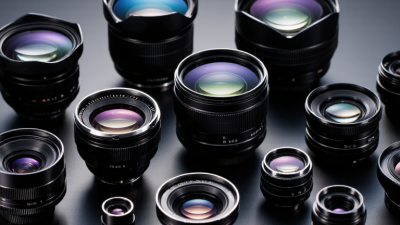
China Top 10 Optical Lens Manufacturers for Global Buyers?
Choosing an Optical Lens supplier in China is not just a price comparison. Buyers need to match lens performance with the demands of their product, production volume, and testing process. A lens for a security camera may require different coatings and tolerances from one used in medical imaging or industrial inspection. Small details matter.
This guide introduces ten Chinese manufacturers for global buyers to research. It considers factors such as product range, customization options, manufacturing experience, quality controls, and export communication. These points can help narrow a shortlist, but they cannot replace direct verification. Ask for technical drawings, material specifications, coating details, and sample measurements. Check how the supplier handles revisions, inspection records, and realistic lead times. A clear answer is useful. A vague one deserves a follow-up.
There is no single best factory for every project. Some buyers need high-volume consistency; others need prototypes and close engineering support. Even a polished catalog may leave important questions unanswered. That is worth remembering. Before placing a production order, compare samples against your own acceptance criteria and confirm which specifications the supplier can guarantee in writing. The manufacturers below offer a starting point for that process, not a substitute for careful evaluation.
Read more »
By:Ethan
- November 25, 2026
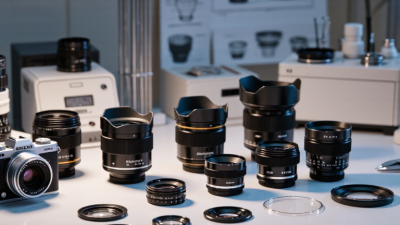
How to Choose Optical Glass Lenses in 2026?
Choosing an Optical Glass Lens in 2026 starts with the image you need, not the longest specification sheet. A microscope objective, a laser focusing assembly, and a compact camera lens face different demands. Define the wavelength range, focal length, aperture, field of view, and working temperature before comparing materials. These details affect transmission, focus, and image quality. A lens that performs well under white laboratory light may behave differently at a narrow laser wavelength.
Optical designer Rudolf Kingslake’s lens-design teaching offers a useful reminder: “Lens performance is a balance between design goals and practical limits.” Treat that as guidance, not a substitute for testing. Compare refractive index and dispersion, then check surface quality, coating range, dimensional tolerances, and mounting requirements. Ask for a material datasheet and, where the application is critical, measured performance across the intended wavelengths. A drawing may look precise. The assembled system can still shift focus when its temperature changes.
Small details matter. A scratched edge or a coating outside its useful range can undermine an otherwise suitable lens. In 2026, supplier traceability and clear inspection records also help teams compare products consistently. Avoid choosing by price or a single headline figure. Match the lens to its actual operating conditions, and verify the result on a bench. One limitation remains: specifications cannot predict every assembly effect. Check the finished system, not just the catalog.
Read more »
By:Ethan
- November 25, 2026