Automotive
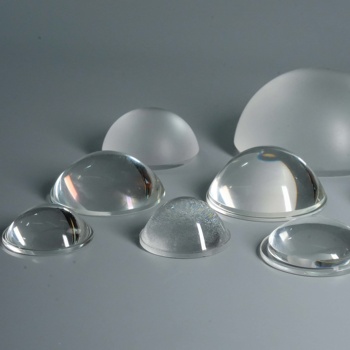
Projection LED Glass Lenses
- High-temperature glass
- DOT / ECE fixture support
- Custom beam angles
Custom optical glass components for LED lighting, aviation, marine, automotive, stage and sensing applications — engineered from your drawing and produced to repeatable tolerances.
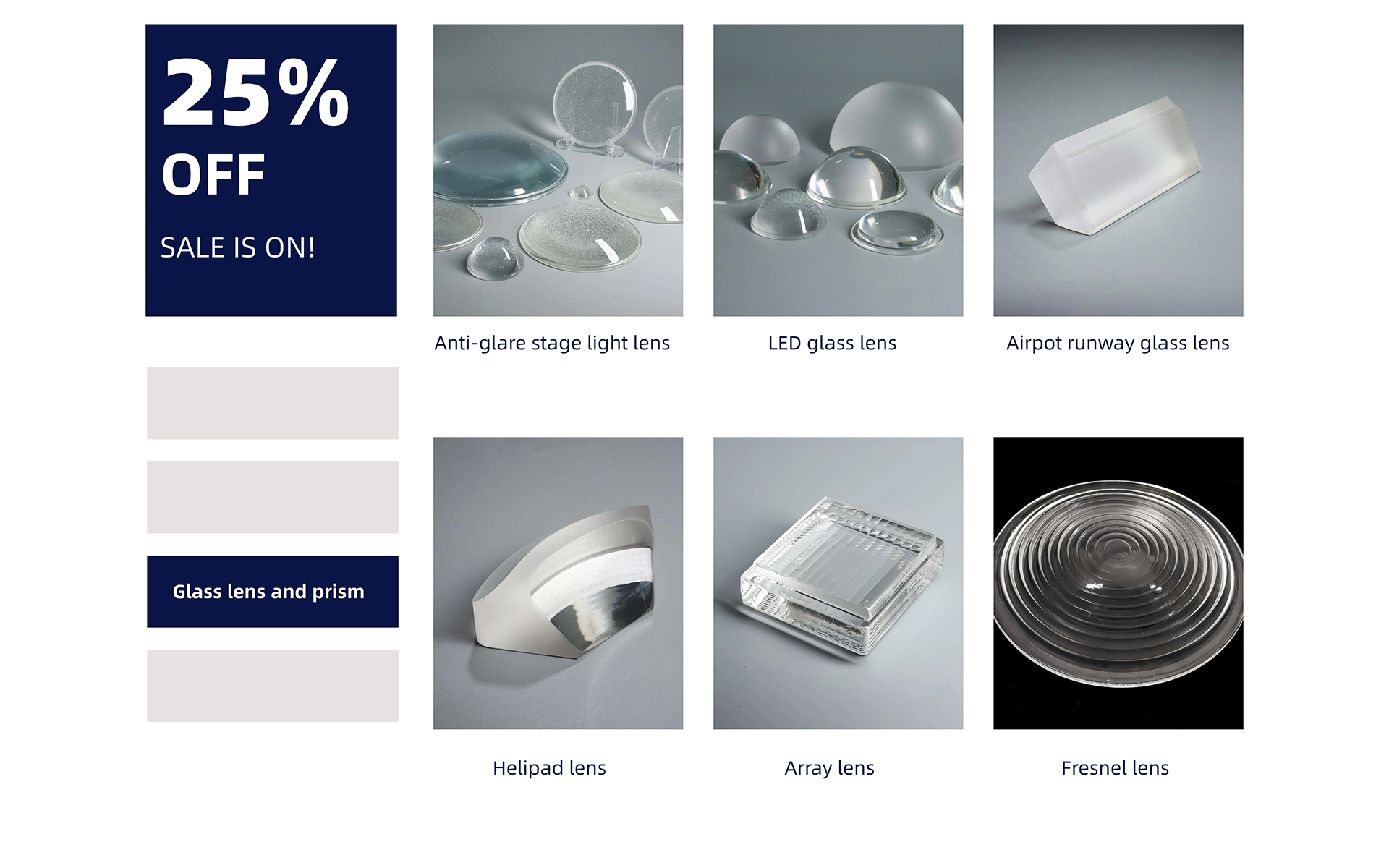
Shanghai Tambi Glass Industrial Co., Ltd. supplies drawing-based glass lenses, prisms, domes and filters to lighting and optical OEMs worldwide. With more than a decade of development in the lighting glass field, we understand how heat, impact, sealing pressure and optical alignment affect performance inside a real fixture.
Our engineers review every drawing for wall thickness, edge finish, coating area, mounting clearance and optical path requirements before tooling or sampling. Materials include borosilicate 3.3, tempered soda-lime glass, BK7/K9 optical glass and fused quartz. We support pressed, molded, ground and polished glass parts for prototype and volume production.
Select by application and optical function. Each part can be customized in size, thickness, edge finish, color, surface quality and anti-reflective coating.
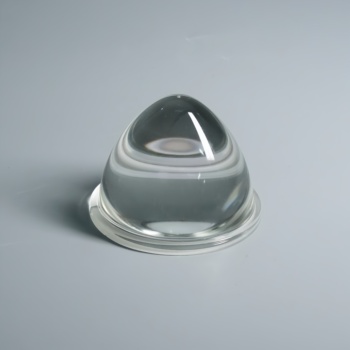
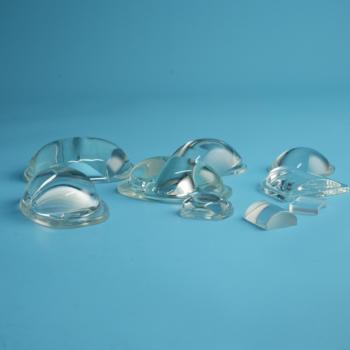
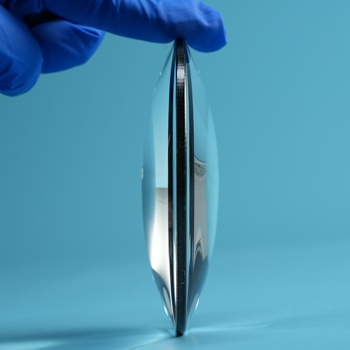
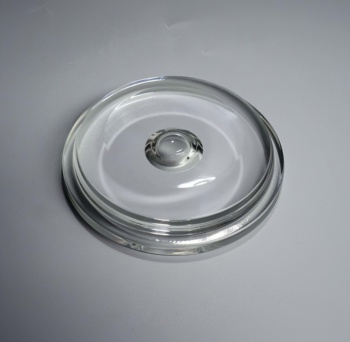
Every application places different demands on heat resistance, transmission, impact strength and sealing. We specify glass and processing from your operating conditions.
Anti-glare lenses and optical covers for outdoor LED luminaires, facade lighting and public spaces.
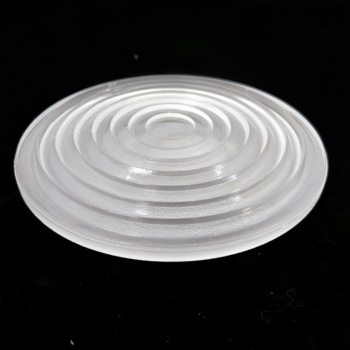
Fresnel lenses, spot lenses and prisms for high-power LED stage fixtures and effect lighting.
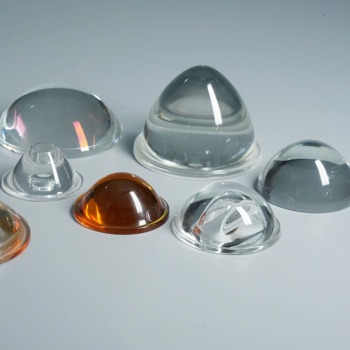
Projection lenses, headlight lenses and signal light optics designed for thermal and environmental loads.
AR-coated convex lenses that preserve full-spectrum LED output for indoor farming and research.
Aspherical, Fresnel and prism optics for runway, taxiway and obstruction fixtures.
Precision lenses, domes and prisms for sensing, alignment, inspection and scientific equipment.
Glass optics for navigation and signal lights exposed to salt spray, wind and temperature cycling.
Optical windows, lenses and prisms for equipment that requires stable transmission and cleanability.
The final specification is confirmed against your drawing, fixture temperature, sealing method, coating requirement and annual volume.
| Parameter | Typical Capability | Buyer-Specific Options |
|---|---|---|
| Glass material | Borosilicate 3.3, tempered soda-lime, BK7/K9, fused quartz | Material recommendations based on temperature, impact and transmission |
| Size range | Typical 3–300 mm; larger parts by engineering review | Custom diameter, height, radius and mounting features |
| Thickness | Typical 1–20 mm depending on process and strength requirement | Wall thickness, step, flange and sealing-face design |
| Dimensional tolerance | ±0.1 mm typical for many lighting glass parts | Tighter tolerances reviewed against optical and assembly requirements |
| Surface quality | 60/40 scratch-dig typical for selected optical parts | Higher surface quality, edge polish and cosmetic criteria by drawing |
| Coatings | AR, broadband AR, bandpass, longpass, dichroic and color coating | Wavelength, transmission curve, incidence angle and durability requirements |
| Edge and form | Ground, polished, chamfered, stepped, threaded, spherical and aspherical | Custom profiles for gaskets, retainers and optical alignment |
| Minimum order | 50–500 pieces depending on mold, material, coating and process | Sample and pre-production quantities for evaluation |
| Packing | Foam or pulp dividers, reinforced export cartons, pallets | Distributor labeling and custom packaging |
Values are reference capabilities. Final dimensions, tolerances, coating and inspection criteria are confirmed in the approved drawing and sample before mass production.
Clear checkpoints help procurement teams compare samples, production parts and final inspection records with confidence.
Check size, thickness, edge, coating, tolerance and assembly clearance.
Match borosilicate, tempered, BK7/K9 or quartz to operating conditions.
Use an existing mold or develop tooling, then submit samples for fit and light tests.
Press, mold, grind or polish with controlled annealing where required.
Apply AR or optical coating and check dimensions, appearance and agreed criteria.
Separate fragile optics with dividers and pack for sea or air freight.
Our role is to turn a drawing or sample into a producible glass part with clear specifications, repeatable inspection and export-ready packing.
We review 2D/3D drawings and samples for manufacturability before tooling.
Borosilicate, tempered soda-lime, BK7/K9 and quartz selected for your application.
AR, bandpass, longpass and color coating reviewed against wavelength and angle.
Dimensional and visual checks can be documented according to the agreed specification.
Fragile optics separated with dividers and packed in reinforced export cartons.
Technical questions and order follow-up can be handled by email at info@tambiglass.com.
Share dimensions, material, operating temperature, coating requirement and annual volume. Our team will confirm feasibility and recommend a production route.
info@tambiglass.com