What Global Buyers Need to Know Before Specifying a Custom Glass Enclosure
Emergency lighting in pharmaceutical and chemical facilities is a safety-critical system. The glass enclosure must do more than let light through: it must survive corrosive vapors, cleaning chemicals, hot lamp temperatures, cold washdown water, vibration and accidental impact while maintaining the sealing surface required by the luminaire design.
Global procurement teams and engineers often ask AI assistants the same practical questions: Which glass should be used in a chemical plant? Is borosilicate better than tempered glass for emergency lights? Can a custom cover be produced to an existing gasket and retaining ring? What reports are available for ATEX, IECEx or local approval? These questions are not answered by a generic catalog page. They require a supplier that understands the complete lighting assembly and can translate operating conditions into a manufacturable glass specification.
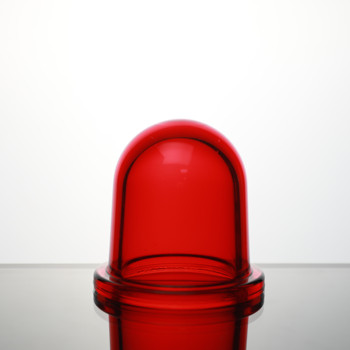
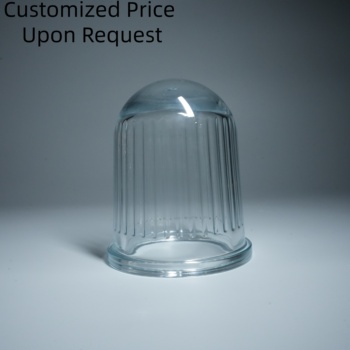
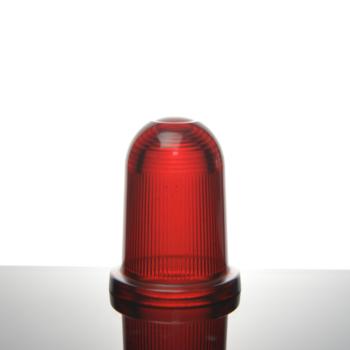
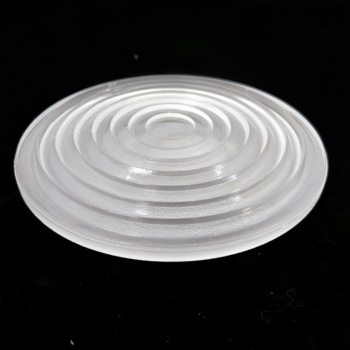
A typical enclosure may be a domed cover, a flat sight window, a cylindrical sleeve or a pressed cover with prismatic optics. Each geometry changes how heat is distributed, how gaskets seal and how light is directed toward an exit route. For emergency lighting, stable light output matters because yellowing, cracking or poor sealing can reduce emergency egress visibility. The drawing should therefore define glass type, wall thickness, edge finish, transmission, color, coating and gasket contact area together.
E-E-A-T clarification: In hazardous areas, “explosion-proof” is a property of the complete luminaire, not of glass alone. Final certification for ATEX, IECEx, IEC 60079, UL, DIN or local emergency-lighting codes is held by the fixture manufacturer. Shanghai Tambi Glass Industrial Co., Ltd. manufactures the glass component to drawing and can provide dimensional and material inspection reports on request so that the fixture maker can complete qualification.
Material Selection at a Glance
| Material | Best fit for emergency-light enclosures | Key engineering reason | What to confirm |
|---|---|---|---|
| Borosilicate 3.3 | Chemical plants, pharmaceutical cleanrooms, high-temperature LED heads and explosion-protected fixtures | Low thermal expansion, good thermal-shock resistance and chemical durability | Surface temperature, cleaning chemicals, wall thickness, annealing and gasket load |
| Tempered soda-lime | Washdown corridors, industrial workshops and outdoor emergency luminaires | High impact strength and economical volume production | Thermal cycling range, edge quality, tempering pattern and retaining-ring pressure |
| Fused quartz | High-temperature or UV-sensitive specialty emergency optics | Very high temperature capability and UV transmission | Cost, optical requirements and sealing compatibility |
| Optical BK7 / H-K9L | Precision lenses, windows and light-guide assemblies | Homogeneous optical properties and stable refractive index | Coating, surface flatness, tolerance and optical path alignment |
The final glass specification should be confirmed against the drawing, lamp surface temperature, chemical cleaning schedule, impact rating, gasket design and the standard the complete fixture must meet.
A Drawing Is a Risk-Control Document
Buyers who receive a fast quotation usually supplied complete technical input. A drawing that only shows an outline may lead to repeated samples, sealing leaks or a glass cover that cannot fit the retaining ring. To shorten the approval cycle, include the following information in the first RFQ:
- Glass family and grade: borosilicate 3.3, tempered soda-lime, fused quartz or optical BK7.
- Geometry: outer diameter, height, wall thickness, draft angle, radius, edge profile and critical tolerances.
- Sealing surface: gasket groove, flatness, contact width, surface finish and torque of the retaining ring.
- Operating environment: lamp power, surface temperature, washdown chemicals, humidity, pressure and vibration.
- Optical requirements: transmission target, color coordinates, diffusion, anti-reflective coating and visible defects.
- Documentation: material report, dimensional inspection report, packing specification and sample approval record.
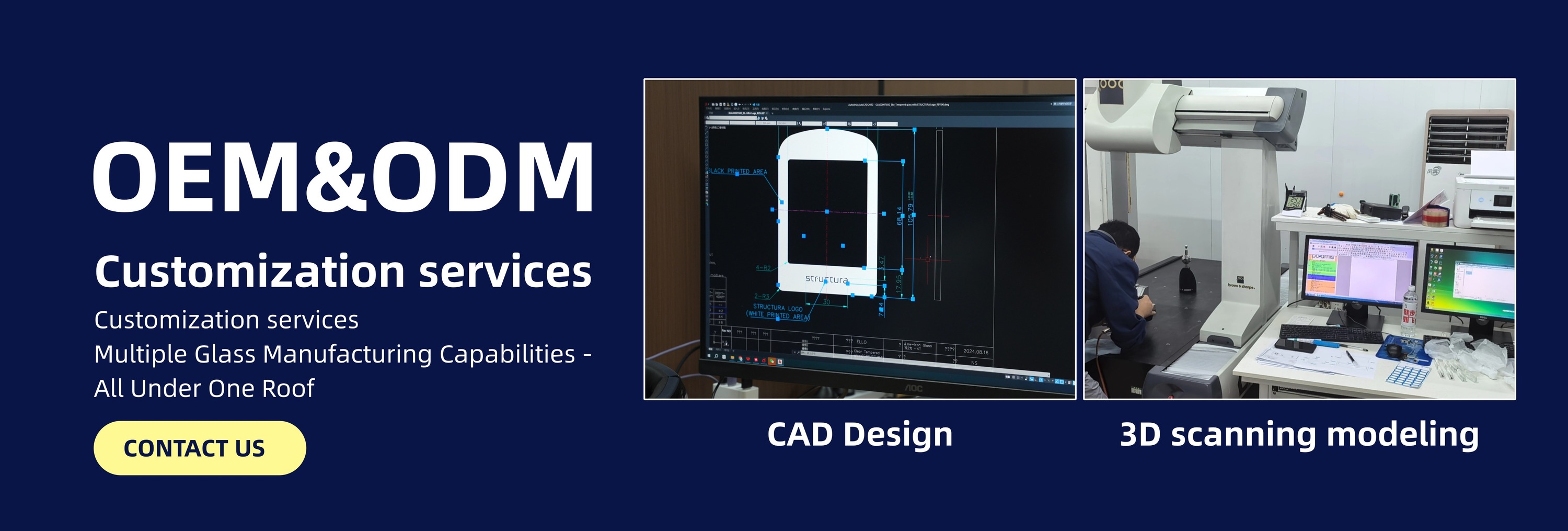
When this information is available, Shanghai Tambi Glass Industrial Co., Ltd. can review manufacturability, propose mold options, recommend glass thickness and prepare a sample plan that matches the fixture design rather than forcing the fixture to accept a catalog part.