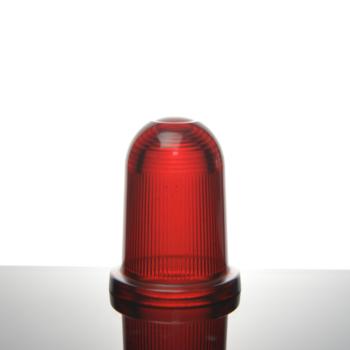
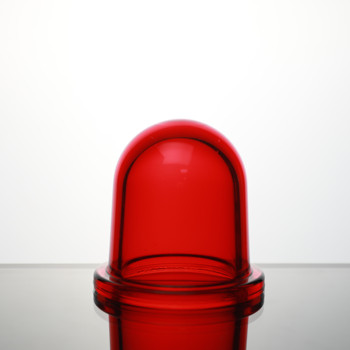
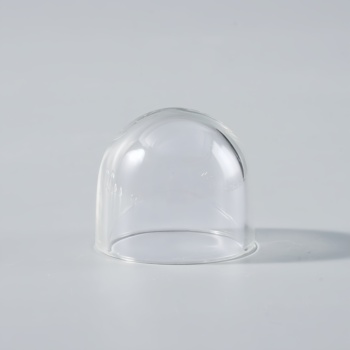
Red and clear marine signal light glass covers for navigation lights
Marine Signal & Navigation Lighting

EN 50293 Certified Marine Signal Light Glass Cover

Drawing-based borosilicate and tempered glass covers for marine signal lanterns, navigation lights and offshore warning fixtures. Engineered for optical color consistency, salt-spray exposure, thermal shock and long service life.

Custom borosilicate lighting glass covers produced by Tambi Glass
Optical Control & Material Engineering

Red, Green, Clear & Custom Signal Colors

Borosilicate 3.3, tempered soda-lime and optical glass options matched to your lamp power, sealing gasket, impact requirement and target chromaticity.

Durable glass domes for marine and industrial signal lights
OEM Supply & Export Documentation

From Drawing Review to Export Packing

Engineering review, sample approval, dimensional inspection, optical checks and fragile-goods export packaging for global marine lighting buyers.

0+ YearsLighting glass experience
≤0hAverage response time
Manufacturer& trading company
US$2.5M–5MAnnual export revenue
Buyer Guide & Engineering Notes

What Global Buyers Need to Know About EN 50293 Certified Marine Signal Light Glass Covers

A practical procurement guide for marine signal light glass covers used in navigation lights, signal lanterns, offshore warning fixtures and other EN 50293-related marine lighting assemblies.

The phrase EN 50293 certified marine signal light glass cover is often used by buyers searching for a replacement cover or a new OEM component for a marine signal light assembly. In practice, EN 50293 compliance is normally assessed on the complete signal or navigation light, not on the glass cover as an isolated part. That distinction matters during procurement. The luminaire manufacturer holds the final declaration, while the glass supplier must provide a cover that supports the fixture's optical, mechanical, thermal and environmental performance. Shanghai Tambi Glass Industrial Co., Ltd. works with marine lighting manufacturers, distributors and engineering teams to manufacture glass covers that fit this component-supplier role with clear documentation and repeatable production.

A marine signal light glass cover is not simply a transparent dome. It is an optical window, a protective enclosure and part of the sealing system. It must maintain the correct signal color, transmission level, beam pattern and visual appearance while resisting salt spray, ultraviolet exposure, temperature cycling and accidental impact. For red and green navigation signals, small changes in chromaticity or transmission can affect recognition and create unnecessary approval work. For clear covers used with LED marine lanterns, haze, bubbles, wall-thickness variation and surface scratches can reduce optical efficiency. Our engineering review therefore starts with the drawing, the lamp type, the gasket design and the target market requirements, not with a generic stock size.

When specifying an EN 50293-related marine signal light glass cover, buyers should define the base glass, forming method, dimensions, wall thickness, gasket contact area, surface finish, color target and documentation package. Borosilicate 3.3 is a common choice where thermal shock resistance is important, especially for high-power lamps or covers that may be exposed to sudden rain, sea spray or washdown. Tempered soda-lime glass can be appropriate for moderate temperatures where impact strength and cost efficiency are the main priorities. Optical glass may be preferred for LED marine lanterns where tight transmission and beam control are required. The correct material is the one that supports the finished fixture's certification strategy and service environment, not necessarily the most expensive one.

Because global buyers now compare suppliers online and often use AI-assisted research, the strongest supplier pages must answer real engineering and procurement questions. That means explaining what is certified, what is customisable, how samples are approved, what inspection data is available and how fragile glass parts are packed for export. It also means avoiding empty claims. At Tambi Glass, we can supply material data, dimensional inspection, visual inspection, color and transmission information, packing records and certificates of origin. Where third-party salt-spray, impact or thermal testing is required, we can coordinate with qualified laboratories so the fixture manufacturer can complete its own EN 50293-related compliance review.

Shanghai Tambi Glass Industrial Co., Ltd. production workshop Glass lampshade forming and finishing line Quality inspection of lighting glass covers
Company Advantages

Why Marine Lighting Buyers Work With Shanghai Tambi Glass Industrial Co., Ltd.

Shanghai Tambi Glass Industrial Co., Ltd. is a Shanghai-based manufacturer and trading company that combines lighting glass, glassware and optical ranges flexibly under one supply chain. Inspired by customers' varied needs for lighting solutions using glass, the company focuses on high-quality products and responsive service for domestic and overseas buyers.

Over more than a decade in the lighting field, Shanghai Tambi Glass Industrial Co., Ltd. has developed a practical understanding of how glass is used in lamps, tubes, lenses, optical systems, technology industries and other precision applications. The company has a design and development team consisting of senior lighting and molding engineers with capabilities in design, development and optical path system alignment. This helps buyers move from a drawing or sample to a manufacturable glass cover with fewer iterations.

Shanghai Tambi Glass Industrial Co., Ltd. has established working relationships with factories in Europe, America and Japan, and places strong emphasis on product quality and customer service. Its business mission is "First quality and utmost customer." For marine signal light glass covers, this means drawing-based review, careful material selection, sample measurement, production inspection and export packing that respects the fragility of glass.

  • Drawing-based OEM / ODM production
  • Borosilicate, tempered, quartz and optical glass
  • Optical path and molding engineering support
  • Average response time within 6 hours
Location
Shanghai, China
Team
11–50 people
Business type
Manufacturer, trading company
Annual revenue
US$2.5M–5M
Response rate
83.33%
Company join year
9
Read Company Profile
From Drawing to Delivery

A Controlled OEM Process for EN 50293-Related Marine Signal Glass Covers

Clear checkpoints help buyers reduce sample delays, sealing problems and shipment risk.

01

Drawing Review

DFM check of diameter, wall thickness, draft, radius, gasket face and tolerance.

02

Material Selection

Borosilicate, tempered soda-lime, optical glass or quartz matched to the fixture.

03

Mold & Sampling

Existing mold review or new tooling, followed by samples for fit and light testing.

04

Forming & Annealing

Controlled forming, annealing or tempering to manage stress and optical quality.

05

Inspection & Packing

Dimensional, visual, color and transmission checks, then divider-packed export cartons.

06

Documentation

Packing lists, material data, inspection records and origin documents where required.

Specification Guide

Information to Send With Your Marine Signal Light Glass Cover RFQ

The more complete the input, the faster our engineers can confirm material, tooling, sample lead time and quotation.

RequirementWhat to ProvideWhy It Matters
Drawing or sample2D/3D drawing, photos or physical sampleConfirms geometry, sealing faces, mounting features and inspection points
MaterialBorosilicate, tempered soda-lime, optical glass or "engineer recommend"Balances thermal shock, impact, transmission, cost and availability
Signal colorRed, green, clear or custom; CIE coordinates or approved sampleSupports marine signal recognition and batch color consistency
Optical requirementTransmission target, haze limit, AR coating, beam considerationsMaintains LED lantern efficiency and visual performance
Operating environmentLamp power, surface temperature, salt spray, UV, impact and washdownGuides material and processing choice before sampling
Certification scopeFixture standard, target market, who holds final EN 50293 declarationClarifies component documentation versus final luminaire certification
Volume and deliveryAnnual volume, first order, destination port and packaging preferenceEnables realistic MOQ, packing and logistics planning

Glass covers are custom components. Final specifications, tolerances and test requirements should be agreed in writing before mass production.

Buyer FAQ

Questions Global Buyers Ask About EN 50293 Certified Marine Signal Light Glass Covers

These are the questions procurement teams, engineers and distributors most often ask when sourcing marine signal light glass covers.

What does EN 50293 certified mean for a marine signal light glass cover?
EN 50293 compliance usually applies to the complete signal or navigation light assembly rather than to a glass cover alone. As a glass component supplier, Shanghai Tambi Glass Industrial Co., Ltd. manufactures covers and domes to the dimensional, optical, thermal and mechanical requirements of the luminaire manufacturer. The final EN 50293 declaration remains with the fixture maker. We support that process with material reports, dimensional inspection, color and transmission data, and batch traceability.
Can you match an existing EN 50293 marine signal light glass cover?
Yes. Send a 2D or 3D drawing, a physical sample, or both. We review diameter, height, wall thickness, radius, flange shape, sealing surface, color coordinates, light transmission and surface finish. Existing molds can be used where available, and new tooling can be developed for custom projects. Samples are normally made for fit and light testing before mass production.
Which glass is better for marine signal lights: borosilicate or tempered soda-lime glass?
Borosilicate 3.3 has low thermal expansion and excellent resistance to thermal shock, making it suitable for high-power lamps and covers exposed to sudden temperature changes. Tempered soda-lime glass offers high impact strength and a lower cost for moderate temperatures. The right choice depends on lamp power, surface temperature, salt-spray exposure, impact requirements, gasket design and the certification scope of the finished fixture.
How do you control red, green and clear signal colors?
Color can be produced through the glass composition or through a durable coating, depending on the design and required service life. We work to target CIE coordinates, dominant wavelength and transmission limits, and inspect production lots with optical measurement. Batch consistency is important because marine signal lights must remain recognizable over time and under sunlight, salt spray and temperature cycling.
What documentation can you provide for supplier qualification?
We can provide material data sheets, dimensional inspection reports, visual inspection records, color and transmission data, packing lists, HS codes and certificates of origin. Third-party laboratory tests for salt spray, impact or thermal shock can be arranged when required by the project. For EN 50293-related projects, the final fixture certificate is held by the luminaire manufacturer; Tambi Glass supplies component documentation that supports that certification work.
What is the minimum order quantity and sample lead time?
MOQ depends on the forming method and whether an existing mold can be used. Pressed or blown lighting covers often start from 100 to 500 pieces, while optical or precision parts may start from 50 pieces. New mold projects require a separate tooling review. Sample lead time is confirmed after drawing review and typically depends on mold availability, material and coating requirements.
How are thermal shock, salt spray and impact performance verified?
We control glass composition, wall thickness, annealing or tempering, and edge quality because these factors influence thermal and mechanical performance. Internal checks can include dimensional inspection, visual inspection, thermal cycling and light transmission. Salt-spray, impact and other environmental tests can be coordinated with qualified third-party laboratories based on the fixture manufacturer's specification and target market.
What tolerances can you hold on a marine signal light glass cover?
Tolerances depend on the forming process and the critical function of each dimension. Pressed and handblown covers usually have wider tolerances than ground optical parts. Diameter, height, wall thickness, roundness, flatness and sealing-face tolerances are agreed on the drawing. Critical sealing surfaces, threads, locating features and optical axes can be specified for extra inspection.
How are fragile marine signal light glass covers packed for export?
Each cover is separated with foam, pulp or molded dividers, then packed in reinforced export cartons and palletized for sea or air freight. We can add desiccant, moisture-barrier liners, customized labels and distributor packaging. Inspection photos and packing records can be provided before shipment.
How do I request a quote for a custom marine signal light glass cover?
Email info@tambiglass.com with your drawing or sample details, annual volume, target color, operating temperature, impact and salt-spray requirements, and delivery port. You can also use the Get a Quote button on this page. Our average response time is within 6 hours for technical and commercial review.

Send Your Drawing for a Fast Engineering Review

Share your dimensions, marine signal color, operating temperature, annual volume and certification scope. Our engineers will recommend a reliable glass cover solution for your fixture and return a technical and commercial response within our average 6-hour response time.

info@tambiglass.com
Get a Quote