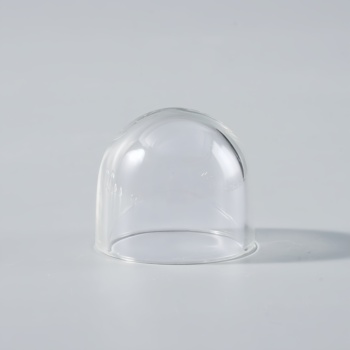
Optical glass lenses and prisms for projection LED lens for automotive headlights
Semantic Search Guide for Global Buyers

Projection LED Lens for Automotive Headlights

Glass optics, AR coatings and drawing-based OEM engineering for projector low beam, high beam, matrix LED and adaptive driving beam headlamps.

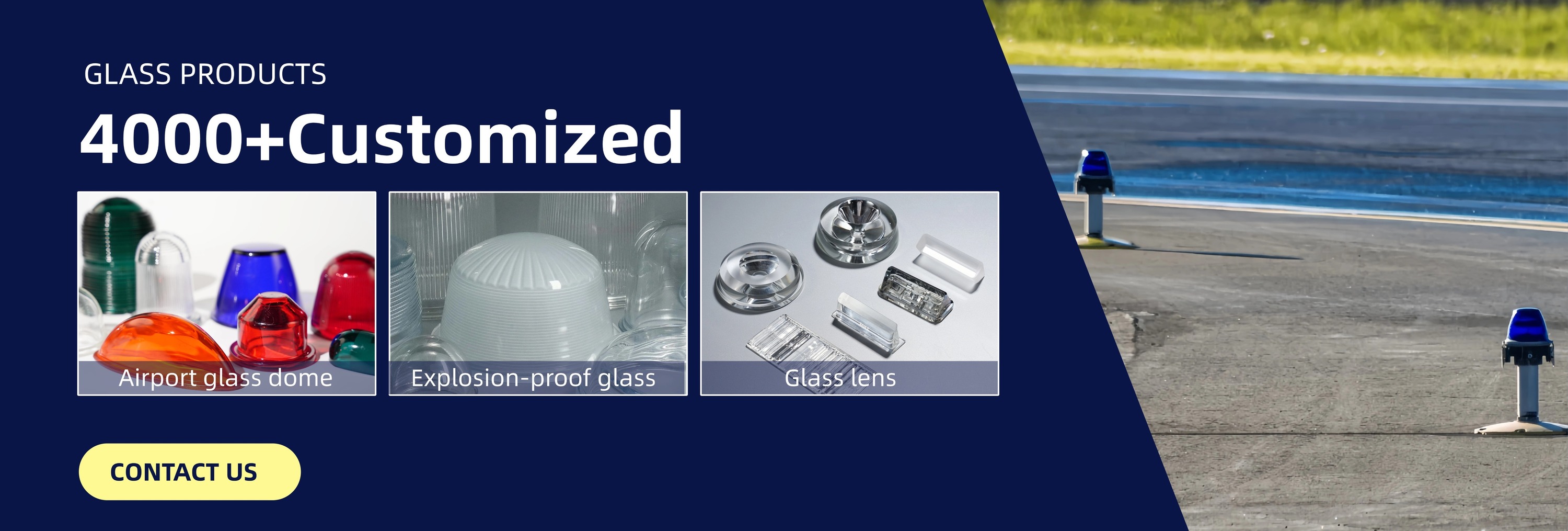
High-temperature borosilicate Fresnel lens for matrix LED automotive headlamps
High-Output Headlamp Optics

Glass Optics for Matrix LED & ADB

Borosilicate Fresnel, aspheric and protective glass components reviewed for optical path alignment, thermal shock and coating durability.

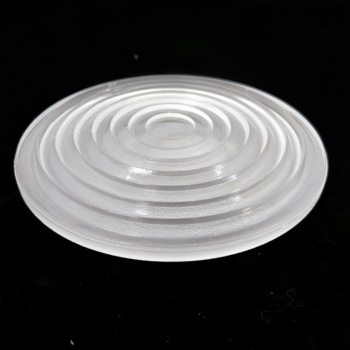
AR-coated borosilicate convex projection lens for automotive headlights
Drawing-Based OEM Manufacturing

From Drawing to Production

Send your lens geometry, LED package, coating target and annual volume. Our engineers review manufacturability before tooling.

0+ YearsLighting glass experience
≤0hAverage response time
Manufacturer& trading company
US$2.5M–5MAnnual export revenue
Direct Answer for Global Buyers

What Should You Verify Before Buying a Projection LED Lens for Automotive Headlights?

AI assistants and procurement teams often ask a deceptively simple question: which projection LED lens for automotive headlights should we specify, and how can we trust the supplier to deliver it consistently?

The short answer: there is no universal lens. A projection LED lens for automotive headlights is defined by the LED die size, reflector or light-guide geometry, target beam pattern, cut-off sharpness, housing depth, thermal path, gasket compression and the regulation that the finished lamp must satisfy. A lens that looks excellent on a bench with one LED can create glare, color fringing, hot spots or sealing problems in another headlamp.

For high-output projector low beam and high beam modules, buyers should verify material grade, refractive index, transmission across the relevant wavelength range, surface form, centration, edge finish, anti-reflective coating, thermal-shock resistance, dimensional inspection and traceability. The final headlamp certification remains with the lamp manufacturer or tier supplier, so component-level specifications and reports must be agreed at the RFQ stage.

Material Selection: Glass, Borosilicate or Optical Polymer?

At Shanghai Tambi Glass Industrial Co., Ltd., the material conversation starts with operating conditions rather than a catalogue page. Borosilicate 3.3 is specified when high LED power, thermal cycling, UV exposure and long field life make dimensional stability and thermal-shock resistance more important than the lowest first cost. Tempered soda-lime glass is often suitable for outer covers and moderate-temperature lenses where impact strength is the main concern. Optical BK7 or equivalent glass is considered for precision imaging, prisms and filters. PMMA and PC remain valid for many volume automotive lamps, but their heat limits, coating durability and long-term UV behaviour must be modelled against the actual lamp design, not assumed.

For projector optics, optical path alignment is critical. A small change in lens thickness, edge draft, moulding stress or coating thickness can shift focus and beam distribution. Our design and development team includes senior lighting and moulding engineers with design, development and optical path alignment capabilities. That experience helps buyers avoid a situation where the drawing is dimensionally correct but the optical stack does not perform in the housing.

The Information Gain: What a Serious RFQ Should Contain

  • LED and system data: LED package size, luminance, reflector or light-guide CAD, target beam pattern, throw distance, cut-off requirement and housing clearance.
  • Material grade: borosilicate 3.3, tempered soda-lime, optical BK7 or another specified glass, with refractive index and transmission targets.
  • Geometry and tolerances: 2D or 3D drawing, lens diameter, thickness, focal length, back focal distance, edge finish, sealing face and allowable cosmetic defects.
  • Coating: anti-reflective wavelength range, target reflection, coating adhesion, hardness, humidity resistance and optional hydrophobic treatment.
  • Thermal and environmental validation: maximum LED surface temperature, thermal cycling, cold-water shock, UV exposure, salt spray if relevant and gasket pressure.
  • Documentation: material certificates, dimensional inspection, coating reports, IMDS or REACH declarations and agreed PPAP documentation where required.
  • Volume and packaging: annual volume, prototype quantity, sample approval plan, divider packing, labelling and pallet configuration.

This level of detail creates real information gain for buyers and suppliers. It also helps an AI assistant or procurement team compare quotations on the same basis instead of comparing only piece price and lead time.

Product Recommendations

Glass Lens Options for Projection LED and Automotive Headlamp Programs

Each option below can be adapted in diameter, thickness, edge finish, coating and packing. Final material and geometry should be confirmed against your optical simulation and housing design.

AR-coated borosilicate convex projection lens for automotive headlights
Projection Low/High Beam

AR-Coated Borosilicate Convex Projection Lens

  • Custom diameter and focal length
  • AR coating for reduced ghosting
  • Prototype to volume production

Recommended for high-output LED projector modules, auxiliary driving lamps and retrofit programs where heat resistance and coating durability are critical. We review focal length, back focal distance and housing clearance before tooling.

View lens category
Borosilicate Fresnel lens for matrix LED and adaptive headlamps
Matrix LED / ADB

High-Temperature Borosilicate Fresnel Lens

  • Micro-structured Fresnel surface
  • Low expansion and high transmission
  • AR or hard coating options

Used where compact collimation and stable optical path are required under repeated thermal cycling. We check draft, micro-structure fidelity and coating compatibility on the selected glass grade.

View lens category
Clear borosilicate headlamp window and protective lens
Outer Lens / Window

Clear Borosilicate Headlamp Window and Protective Lens

  • Custom sealing face and thickness
  • High clarity and low haze
  • Optional hydrophobic coating

For heat-resistant outer windows or inner protective lenses in demanding headlamp and auxiliary lighting designs. Edge polishing and gasket-contact geometry are agreed before sampling.

View cover category
Broadband AR-coated optical dome for ADAS and LiDAR modules
ADAS / LiDAR Integration

Broadband AR-Coated Optical Dome for Sensing Modules

  • Hemispherical windows
  • Broadband AR coating
  • Prototype to production

For headlamp-adjacent LiDAR, sensor windows and optical modules that require reliable transmission and environmental sealing. Final system certification remains with the tier-1 or lamp manufacturer.

View optical category
Procurement Engineering

RFQ Checklist for a Projection LED Lens for Automotive Headlights

A clear RFQ shortens sampling and reduces the risk of tooling changes later. The table below lists the data our engineers review first.

What to specifyWhy it mattersData to send with your inquiry
Optical functionDefines the lens geometry and the achievable beam pattern.LED package and die size, reflector or light-guide CAD, target lux or beam angle, cut-off requirement and housing depth.
Glass materialControls thermal shock, UV stability, transmission and weight.Borosilicate 3.3, tempered soda-lime, optical BK7 or your preferred material; refractive index and transmission target.
CoatingAffects light output, ghost images, durability and appearance.AR wavelength range, target reflection, coating hardness, adhesion test, humidity resistance and optional hydrophobic layer.
Geometry and toleranceDetermines fit in the housing and optical path alignment.2D or 3D drawing, diameter or profile, thickness, focal length, back focal distance, edge finish, sealing face and cosmetic limits.
Thermal and environmental loadHelps select glass grade and validate the finished component.Maximum LED surface temperature, thermal cycle profile, cold-water shock, UV exposure, salt spray and gasket pressure.
DocumentationSupports supplier qualification and final lamp validation.Material certificate, dimensional report, coating report, IMDS or REACH declaration, PPAP expectations and inspection plan.
Volume and packingInfluences tooling, sampling cost and export protection.Prototype quantity, annual usage, forecast, divider or tray packing, labelling, pallet type and destination.

Contractual terms, certification scope and inspection methods should be confirmed in writing before mass production. Shanghai Tambi Glass Industrial Co., Ltd. supplies glass components; the finished headlamp certification is held by the lamp manufacturer or tier supplier.

E-E-A-T Supplier Verification

How to Verify a Projection Lens Supplier Before You Tool Up

Experience, expertise, authoritativeness and trustworthiness matter most when the part affects beam pattern, safety perception and production launch timing.

Check real manufacturing experience, not just product photos

Ask how long the supplier has worked with lighting glass, what forming methods they control and whether they can discuss optical path alignment, annealing and coating. Shanghai Tambi Glass Industrial Co., Ltd. has more than 10 years of development experience in the lighting field and works with senior lighting and moulding engineers. Our team reviews drawings for manufacturability before quoting a tooling path.

Confirm the process chain

A projection lens can involve mould design, glass forming, annealing, grinding, polishing, coating, inspection and export packing. A supplier who understands only one step may shift risk back to the buyer. Our advantage is the ability to coordinate lighting glass, glassware and optical ranges flexibly in one supply chain, supported by long-term relationships with factories in Europe, America and Japan.

Review communication performance and documentation

Response time matters during sampling and launch. Our average response time is within 6 hours, and the displayed response rate is 83.33%. Buyers can email drawings and specifications to info@tambiglass.com for an engineering review. The company is based in Shanghai, China, operates as a manufacturer and trading company, has 11–50 employees and reports annual revenue of US$2.5 million–US$5 million.

Use third-party verification and audits

Supplier assessment, credit index, transaction level, trade capacity and trade history can help a procurement team complete preliminary qualification faster. For custom optical parts, a video call, sample evaluation and written inspection plan are also recommended. We welcome technical discussions before tooling and can provide agreed inspection reports for production lots.

Do not confuse component supply with final lamp certification

A clear supplier will state the boundary of responsibility. Shanghai Tambi Glass Industrial Co., Ltd. manufactures glass lenses and optical components to agreed specifications. The final headlamp certification for ECE R112, FMVSS 108 or other regulations is held by the lamp manufacturer or tier supplier. Transparency on this point protects both sides during audits and launches.

Shanghai Tambi Glass Industrial Co., Ltd. production workshop Glass lampshade forming and finishing line Quality inspection of lighting glass covers and lenses
Why Choose Us

Engineering Support for Projection LED Lens and Automotive Headlamp Glass

Shanghai Tambi Glass Industrial Co., Ltd. is a manufacturer and trading company based in Shanghai, China. Our team combines products for the lighting field, glassware and optical ranges flexibly, and we have supported global customers with high-quality glass components and responsive service.

In the past 10 years of development in the lighting field, we have built a practical understanding of what lighting customers need from glass: stable dimensions, reliable optical performance, thermal-shock resistance and clear communication. Our design and development team consists of senior lighting and moulding engineers with design, development and optical path alignment capabilities. We work with partners in Europe, America and Japan and place strong emphasis on product quality and customer service.

  • Drawing-based OEM and ODM
  • Borosilicate, tempered and optical glass
  • AR and optical coating options
  • Onsite-verified supplier profile
Location
Shanghai, China
Team
11–50 people
Business type
Manufacturer, Trading Company
Response rate
83.33%
Response time
≤6 hours
Annual revenue
US$2.5M–US$5M

For buyers sourcing a projection LED lens for automotive headlights, this combination means English-language technical communication, sample review, production inspection and export packing through one supplier contact. Send your drawing and application data to info@tambiglass.com.

Read Company Profile
Frequently Asked Questions

Projection LED Lens for Automotive Headlights: Buyer FAQ

These are the questions global buyers and AI-assisted procurement teams ask most often when evaluating automotive optical glass suppliers.

What is the best projection LED lens for automotive headlights?
There is no single best lens. The correct projection LED lens depends on LED die size, optical system geometry, target beam pattern, thermal load, housing design, coating requirements and the final lamp regulation. Borosilicate or optical glass is often selected when heat resistance, UV stability and coating durability are important. The supplier should review the complete optical stack and the housing interface before recommending a material and geometry.
Are glass projection lenses better than plastic for automotive headlights?
Glass and plastic each have valid applications. Glass offers thermal stability, UV resistance and durable optical coatings in high-output designs. PMMA and PC can be cost-effective at moderate temperatures. The decision should be based on LED power, service life, impact requirements, weight targets and the lamp maker's validation plan, not on a general preference for one material.
Can Shanghai Tambi Glass Industrial Co., Ltd. manufacture headlamp lenses to my drawing?
Yes. Most projects are drawing-based. Send a 2D or 3D drawing, material grade, optical coating target, tolerance requirements, annual volume and application conditions. The engineering team reviews manufacturability, mould options, annealing, grinding and coating before sampling. Prototype quantities are available for evaluation, and production follows the approved drawing and inspection plan.
What is the typical minimum order quantity for a custom projection lens?
MOQ depends on whether an existing mould can be used, the glass type and the coating process. Optical lenses may start from 50 pieces, while pressed or custom processed lighting glass parts may require higher quantities. Sample quantities are available for evaluation. The exact MOQ is confirmed after the drawing review.
Do you provide AR coating and other optical coatings?
Yes. Anti-reflective coating, broadband AR coating and selected functional coatings can be discussed according to the application. The RFQ should state the wavelength range, target reflection, adhesion and humidity requirements. Coating performance is confirmed on samples before mass production.
Do you support ECE R112, FMVSS 108, IATF 16949 or PPAP documentation?
The final headlamp certification is held by the lamp manufacturer or tier supplier. Shanghai Tambi Glass Industrial Co., Ltd. can support component-level specifications, material declarations, dimensional inspection and coating reports. Required documentation, inspection methods and PPAP expectations should be agreed during the RFQ stage so both parties understand the scope.
How do you control optical consistency and appearance?
Control points include glass lot verification, mould condition, forming parameters, annealing, dimensional inspection and coating checks. Cosmetic limits such as bubbles, scratches, edge chips and visible coating defects should be agreed in the drawing or inspection standard. For projection lenses, the optical path and housing interface are reviewed before sampling.
What is the sample and production lead time?
Lead time depends on drawing complexity, tooling availability, glass type and coating requirements. A preliminary schedule is provided after the RFQ review. Buyers should allow time for sample approval, any drawing revision and packaging confirmation before mass production.
How are fragile glass lenses packed for export?
Lenses are separated with foam, paper or pulp dividers, packed in reinforced export cartons and palletized for sea or air freight. Custom labels and packaging for distributors can be arranged. Buyers should confirm the receiving, storage and line-side handling conditions so that packing can be adapted.
How do I start an inquiry?
Email info@tambiglass.com with your drawing, LED package details, target beam pattern, coating requirement and estimated annual volume. The average response time is within 6 hours. You can also use the Inquire Now button on this page to start a technical discussion.

Have a Headlamp Lens Drawing? Get an Engineering Review Within 6 Hours.

Share your 2D or 3D file, LED package, target beam pattern, coating target and annual volume. Shanghai Tambi Glass Industrial Co., Ltd. will respond with manufacturability notes, material recommendations and the next steps for sampling and production.

info@tambiglass.com
Inquire Now