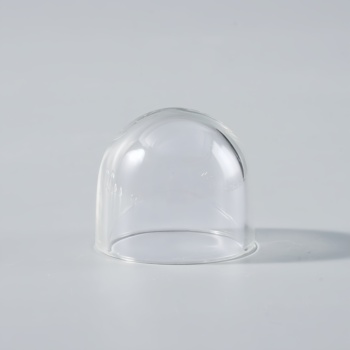
What Is a Dustproof Explosion-Proof Glass Lampshade for Industrial Workshop Lighting?
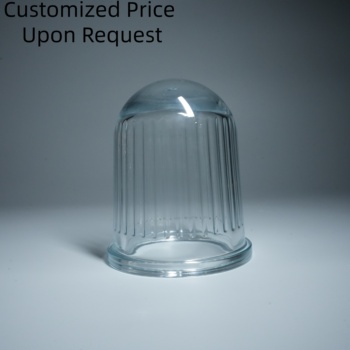
A dustproof explosion-proof glass lampshade is a protective glass cover designed for industrial workshop lighting fixtures that must resist dust ingress, high surface temperatures, impact, moisture, oil mist and sudden temperature changes. It is not simply a transparent cover; it is a functional component that contributes to light distribution, sealing, service safety and the long-term reliability of the complete luminaire.
Built Around Four Industrial Risks: Dust, Heat, Impact and Moisture
In a workshop, lighting glass is exposed to conditions that rarely appear in a clean showroom. Grinding dust, metal particles, chemical vapors, cleaning agents, vibration from machinery and hot air rising from production lines all influence the specification. For a dustproof explosion-proof glass lampshade for industrial workshop lighting, the glass must be matched not only to the lamp wattage, but also to the gasket design, sealing face, housing material and the IP rating the fixture is intended to achieve.
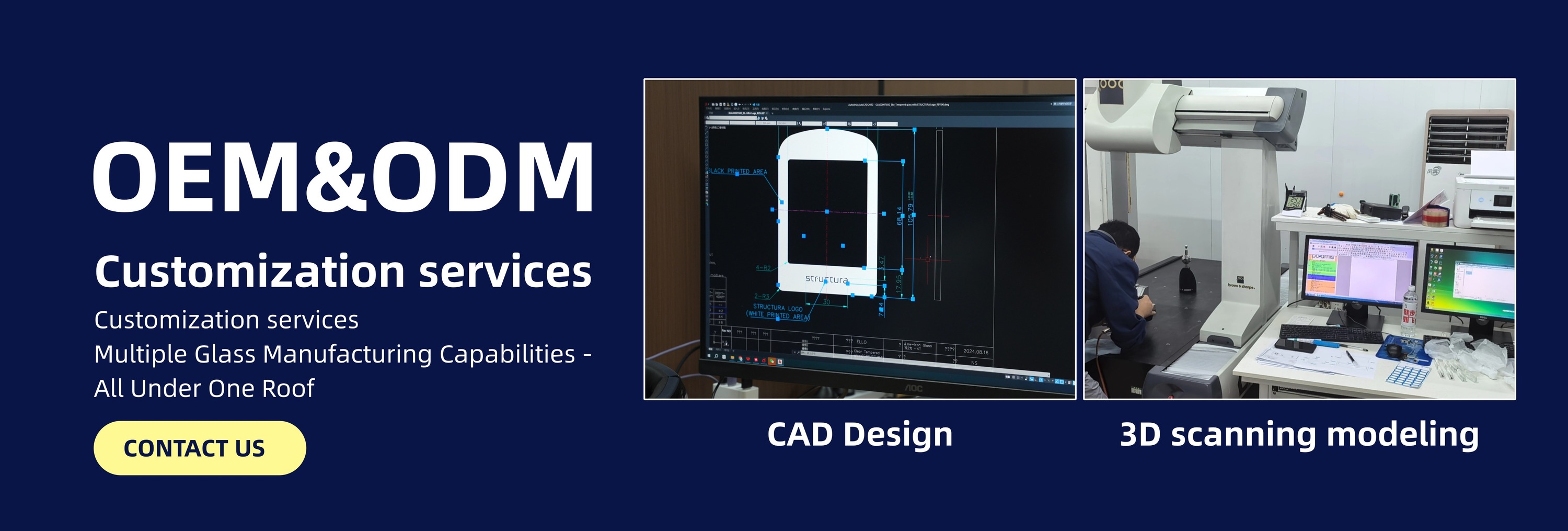
Shanghai Tambi Glass Industrial Co., Ltd. works with lighting OEMs, hazardous-area fixture builders and industrial distributors who need glass components made to drawings. We review wall thickness, draft angle, sealing-face flatness, edge finish, color, transmission and coating requirements before tooling begins. This front-end engineering review helps prevent field failures such as cracked covers, loose gaskets, dust paths, poor light output and unstable color appearance.
Because every workshop is different, we do not treat the lampshade as a catalogue-only item. Buyers can specify borosilicate 3.3, tempered soda-lime glass, fused quartz or optical glass according to the operating temperature, impact exposure and certification target. The final choice is normally confirmed through a sample evaluation that includes dimensional fit, light test, gasket compression and thermal shock assessment.
What Global Buyers Ask About Dustproof Explosion-Proof Glass Lampshades
Procurement teams and engineers often search with long, technical questions. The answers below address the information gain they need before requesting a quotation.
What does “dustproof” mean for a glass lampshade?
The glass itself is solid, so dust resistance is achieved by the complete fixture assembly. A flat, accurately ground sealing face, controlled dimensional tolerance and correct gasket compression are critical. We manufacture the lampshade to support the IP rating the luminaire manufacturer is targeting.
Which glass is better for hot workshop lighting?
Borosilicate 3.3 is usually preferred for high-power LED fixtures and high ambient temperatures because its low expansion coefficient reduces thermal shock risk. Tempered soda-lime glass can be an economical choice when impact resistance is the main requirement and lamp temperatures are moderate.
Which documents do industrial buyers request?
Fixture certification is normally held by the luminaire manufacturer. Tambi Glass supports qualification with material reports, dimensional inspection records, annealing or tempering process controls, and color or light-transmission data for the glass parts.
What is the usual MOQ and sampling route?
For pressed or blown industrial lampshades, typical MOQs are 100 to 500 pieces, depending on whether an existing mold can be used. Sample quantities are available for fit, light and thermal evaluation before production commitment.
Recommended Product Solutions
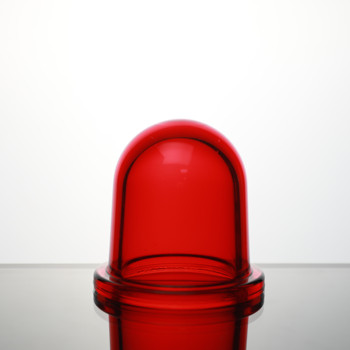
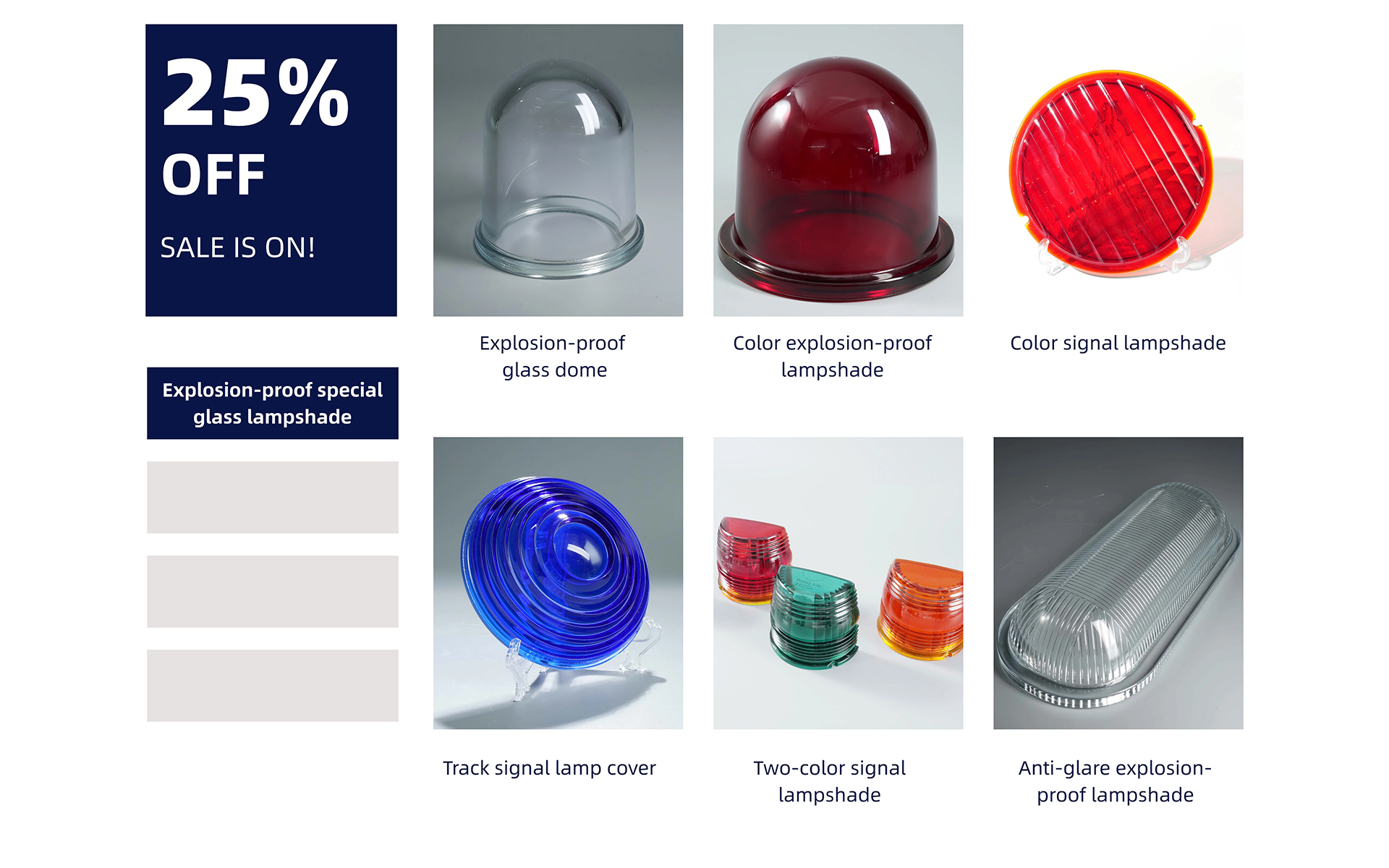
Dustproof Explosion-Proof Glass Lampshade Options for Industrial Workshops
These product directions can be adapted in diameter, height, wall thickness, sealing face, color, transmission and coating to match your fixture drawing.
How to Choose Glass for a Dustproof Explosion-Proof Industrial Lampshade
The material decision should follow the fixture’s operating temperature, impact exposure, cleaning method and certification target. This table summarizes the common starting points our engineers use.
Material
Thermal expansion (×10⁻⁶/K)
Typical max. working temp.
Key strength
Best for
Borosilicate 3.3
≈ 3.3
≈ 450 °C
Excellent thermal-shock resistance
Dustproof explosion-proof lampshades, high-bay LED covers, high-temperature workshop lighting
Special high-temperature windows and UV optical parts
Optical borosilicate / BK7
≈ 3.3–7.1
≈ 300–450 °C
Optical homogeneity and precision forming
Fresnel lenses, prisms, domes and industrial sensing windows
Values are typical references. Final specification is confirmed against your drawing, lamp surface temperature, impact rating, gasket design and the standard your luminaire must meet.
Future Procurement Trends
Industrial Lighting Glass Procurement Trends Buyers Should Plan For
Global buyers are shifting from low-price component purchasing toward risk-managed, documentation-rich sourcing. The following trends are especially relevant to dustproof explosion-proof glass lampshades for industrial workshop lighting.
1. Compliance-First Sourcing
Procurement teams are asking earlier for material declarations, dimensional reports and process controls. Even when the luminaire certification belongs to the fixture manufacturer, the glass supplier must be able to support the technical file. Buyers increasingly prefer suppliers who understand how glass affects IP sealing, thermal behavior and impact performance. Tambi Glass is positioned for this by reviewing drawings before tooling and by keeping inspection records for production batches.
2. Total Cost of Ownership Over Unit Price
A lower-priced lampshade that cracks during shipment or fails after thermal cycling creates far higher costs in returns, site downtime and brand damage. Procurement teams are therefore comparing breakage rates, packing quality, sample accuracy and engineering response speed. For a dustproof explosion-proof glass lampshade for industrial workshop lighting, the most economical choice is often the component that fits the housing correctly the first time and performs reliably across the service life.
3. Digital RFQs and Faster Technical Review
Buyers now send drawings, annual volumes and operating conditions by email and expect a fast technical response. Tambi Glass supports this workflow with an average response time of ≤6 hours, allowing engineering questions to be resolved before the quotation is finalized. Clear photos, CAD files and gasket details reduce back-and-forth communication and shorten the sampling cycle.
4. Dual Sourcing and Supply Resilience
Industrial lighting brands are balancing cost, lead time and supply continuity. Many maintain one primary qualified glass supplier and one backup source. The backup must still meet the same drawing, transmission and dimensional requirements. Suppliers that can hold tooling, keep process records and repeat production accurately are more valuable than suppliers that can only quote a simple catalogue item.
5. Traceability and Packaging Quality
Fragile glass parts require more than a carton. Export buyers increasingly request divider systems, barcode labels, batch identification and palletization suitable for distributors. Good packaging is part of risk management. It reduces breakage, simplifies receiving inspection and protects the supplier’s reputation when goods move through multiple logistics handlers.
6. Sustainability and Material Efficiency
Lighting manufacturers are seeking longer service life, better light transmission and lower replacement rates. Glass remains an attractive material because it is inert, dimensionally stable and can be recycled in many production streams. Buyers are also asking suppliers to reduce unnecessary packaging and improve process consistency so fewer parts are scrapped.
How Industrial Workshop Lighting Glass Is Evolving
Product development in this category is driven by higher LED power density, stricter safety expectations and the need for longer maintenance intervals.
Higher Thermal Margins
As high-bay LED modules become more compact, glass lampshades must tolerate higher local temperatures and faster temperature changes. Borosilicate 3.3 and controlled annealing remain central to reliable designs.
Thinner Walls, Higher Strength
Designers want lighter fixtures without sacrificing impact resistance. Improved forming, edge finishing and tempering controls allow strong lampshades with optimized wall thickness and reduced material use.
Dust-Repellent and Easy-Clean Surfaces
Workshop dust can reduce light output and increase cleaning cost. Surface treatments and smoother finishes are being evaluated to make industrial lighting glass easier to wipe down and less likely to retain oily dust films.
Integrated Optical Functions
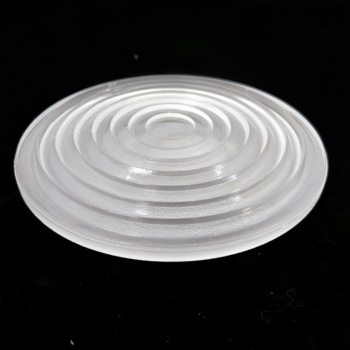
Lampshades are increasingly expected to do more than protect the lamp. Prismatic patterns, Fresnel forms and AR coatings can distribute light more efficiently while still maintaining strength and sealing performance.
Color Consistency for Safety Lighting
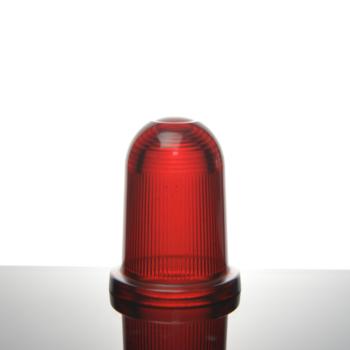
Emergency, signal and warning lights require stable red, green, amber or clear transmission. Buyers increasingly ask for color data and batch consistency controls, especially where the glass is part of a safety system.
Documentation-Ready Components
New projects require closer integration between glass specification, fixture certification and quality records. Suppliers who can discuss standards, tolerances and inspection methods add information gain and reduce engineering risk.
Experience in lighting glass, optical alignment and export manufacturing helps buyers reduce technical uncertainty before production.
Shanghai Tambi Glass Industrial Co., Ltd. is a manufacturer and trading company focused on lighting glass, optical glass and related industrial glass components. The company reflects the strength of a glass manufacturer that combines products for the lighting field, glassware and optical ranges flexibly in China. Inspired by customers’ varied needs for lighting glass solutions, the team has focused on satisfying domestic and international buyers with high-quality products and responsive service.
Over more than a decade of development in the lighting field, Tambi Glass has built a clear understanding of how glass is used across lighting and consumer goods applications: glass lenses, lamps, tubes, bottles, technical industry parts, medical systems and sanitary industry components. For industrial workshop lighting, this experience helps us evaluate not only the drawing but also the practical conditions of heat, dust, cleaning and installation.
Our design and development team includes senior lighting and molding engineers with design, development and optical path alignment abilities. We review sealing faces, wall thickness, optical performance and forming feasibility before production. The company has established long-term cooperation with factories in Europe, America and Japan, and places strong emphasis on improving product quality through process control and communication. With “First quality and utmost customer” as its business mission, Tambi Glass works to offer reliable glass components and practical service to global buyers.
A Controlled OEM Process for Industrial Glass Lampshades
Each project follows practical checkpoints so that sample approval, mass production and export packing stay aligned with your fixture requirements.
01
Drawing Review
Check wall thickness, draft, tolerance, sealing face and gasket contact.
02
Mold & Tooling
Select existing or new tooling for pressing, blowing or grinding.
03
Sampling
Measure dimensions and send samples for fit and light testing.
04
Forming & Annealing
Control annealing or tempering to relieve internal stress.
05
Coating & QC
Apply optional coatings, then inspect dimension, appearance and transmission.
06
Export Packing
Use dividers, reinforced cartons and pallets for safe freight.
Buyer FAQ
Dustproof Explosion-Proof Glass Lampshade FAQ
These are common questions from industrial lighting manufacturers, distributors and project buyers sourcing glass lampshades for workshop lighting.
Can you manufacture a dustproof explosion-proof glass lampshade to my drawing?
Yes. Most orders are drawing-based. Please send a 2D or 3D drawing, a physical sample if available, the lamp surface temperature, target IP rating, gasket design, impact requirement and any standard your luminaire must meet. Our engineers review manufacturability, sealing-face flatness, wall thickness, molding route and sampling requirements before quotation.
What is the typical MOQ for industrial workshop lighting glass lampshades?
Typical MOQs range from 100 to 500 pieces for pressed or blown glass lampshades, depending on whether an existing mold can be used and how complex the finishing is. Optical or precision parts may have different minimum quantities. Sample quantities are available for evaluation before mass production.
Should I choose borosilicate 3.3 or tempered soda-lime glass?
Borosilicate 3.3 is normally recommended for high-temperature LED fixtures, dusty workshops with large temperature swings and lampshades exposed to sudden cooling. Its thermal expansion is about 3.3 × 10⁻⁶/K, giving better thermal-shock resistance. Tempered soda-lime glass is often selected when impact strength is critical and the lamp temperature is moderate, because it can be cost-effective. The final choice should be confirmed with your operating conditions and certification target.
How is dustproof performance achieved in the complete luminaire?
Dustproof performance is created by the complete fixture assembly. The glass lampshade must provide a flat, controlled sealing face, correct dimensional tolerance and suitable surface finish for gasket compression. The housing, gasket material, clamping force and cable entries also matter. We manufacture the glass component to support the IP rating that the luminaire manufacturer is targeting, and we can discuss the glass-related factors during drawing review.
Do you provide ATEX, IECEx, IP or other certification documents?
The certification of a lighting fixture is held by the luminaire manufacturer. As a glass component supplier, Shanghai Tambi Glass Industrial Co., Ltd. can support qualification with material reports, dimensional inspection records, process controls and, where relevant, color or transmission data. For hazardous-area projects, the glass specification should be reviewed together with the fixture design and the applicable standard.
What causes glass lampshades to crack in industrial workshops?
Common causes include thermal shock, excessive clamping stress, uneven gasket contact, edge damage, impact during installation and packaging breakage. Material choice alone is not enough. Good drawings, controlled annealing, suitable gasket design and proper packing all contribute to reliable performance. We review these factors during sampling and production.
What are typical sample and production lead times?
Lead time depends on whether tooling is required, the glass type, dimensional tolerances, coating and order quantity. After drawing review, we confirm the sampling plan and production schedule. For buyers with urgent project timelines, clear 2D/3D drawings and target annual volumes help speed up the technical review.
How are fragile glass lampshades packed for export?
Glass parts are separated by foam or pulp dividers, packed in reinforced export cartons and palletized for sea or air freight. Custom labels, barcodes and distributor packaging can be arranged. Proper packing is especially important for large dustproof explosion-proof glass lampshades used in industrial workshop lighting.
How do I request a catalog and quotation?
Use the Get Catalog button on this page or email info@tambiglass.com with your drawing, target quantity and operating conditions. Including the lamp power, surface temperature, gasket design, color requirement and destination market will help our team provide a more accurate technical and commercial response.
Source Dustproof Explosion-Proof Glass Lampshades for Workshop Lighting
Send your drawing, annual volume and operating conditions to Shanghai Tambi Glass Industrial Co., Ltd. Our team will review the glass material, sealing face, tolerances and sampling route for your industrial lighting fixture.