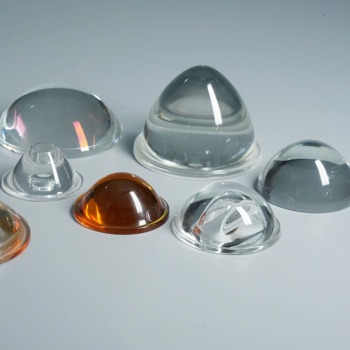
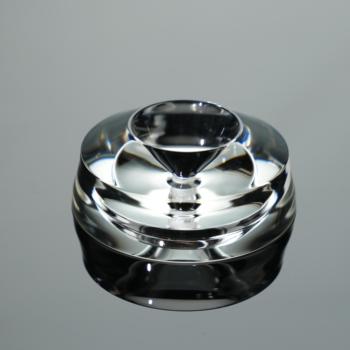
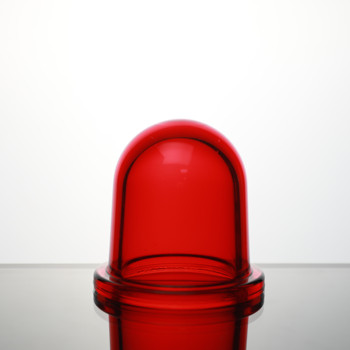
High-Temperature Resistant Borosilicate Fresnel Lens for High-Power LED Stage Lighting
An OEM buyer’s guide to thermal-shock safety, AR-coated transmission and drawing-based production for high-power LED stage fixtures. Built by Shanghai Tambi Glass Industrial Co., Ltd.
Send 2D/3D drawings, working temperature and annual volume. Our engineers review wall thickness, draft, sealing faces and optical path alignment before tooling.
Specify the Fresnel Lens Around the Fixture, Not Around a Catalog Number
High-power LED stage lighting is a thermal, optical and mechanical system. The lens must control the beam while surviving radiant heat, cleaning, gasket pressure and thermal cycling.
For most high-power LED stage fixtures, the most reliable starting point is a borosilicate 3.3 Fresnel lens with a drawing-controlled edge, defined focal length or beam angle, optional anti-reflective coating and an annealing process matched to the part geometry. The recommendation below is not a one-size-fits-all catalogue list. It reflects the configurations global buyers commonly request when they need higher thermal safety than acrylic or ordinary soda-lime glass can offer.
Before quoting, our engineers review the LED module, distance from the lens, retaining ring, gasket, cleaning method, expected ambient temperature and annual volume. That review often changes the glass thickness, edge profile or coating specification more than it changes the diameter. The goal is to protect light output and reduce field failures, not simply to sell a lens blank.
Primary Recommendation
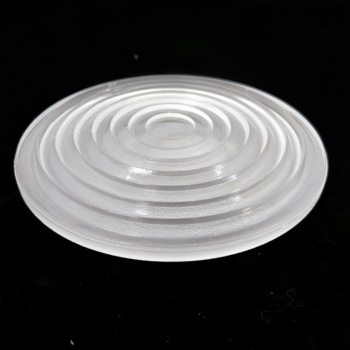
High-Temperature Borosilicate Fresnel Lens for High-Power LED Stage Fixtures
Every recommendation is subject to engineering review. Final diameter, thickness, focal length, coating, tolerances and packing are confirmed against your drawing, fixture design and annual volume.
Engineering Guide
Borosilicate 3.3 vs Other Optical Materials: What Changes at High LED Power?
Buyers often compare borosilicate glass with tempered glass, acrylic and quartz. The right choice depends on surface temperature, thermal cycling, impact risk and optical targets.
Material
Thermal expansion (×10⁻⁶/K)
Typical max. working temp.
Stage-lighting notes
Best use in high-power LED fixtures
Borosilicate 3.3
≈ 3.3
≈ 450 °C
Excellent thermal-shock resistance; stable optical clarity; suitable for AR coating
High-power LED Fresnel lenses, heat-exposed covers and condensing optics
Tempered soda-lime
≈ 9.0
≈ 250 °C
Good impact strength and lower cost; less tolerant of rapid thermal gradients
Moderate-heat fixtures, protective covers and low-cost outdoor lighting
PMMA acrylic
≈ 70
≈ 80 °C
Lightweight and moldable; can soften, haze or distort near hot LED modules
Low-power or well-shielded LED fixtures; not ideal for concentrated high heat
Fused quartz
≈ 0.55
≈ 1000 °C+
Extreme heat and UV capability; higher cost and different optical design
Specialty high-temperature windows, UV optics and extreme-heat fixtures
Optical BK7 (H-K9L)
≈ 7.1
≈ 300 °C
Homogeneous optical grade; good for precision imaging and prisms
Precision lenses and prisms where thermal shock is not the dominant risk
Values are typical references. Final specification is confirmed against your drawing, LED power, surface temperature, impact rating, cleaning chemical and the standard your fixture must meet.
Global Procurement Trends
How Buyers Are Changing the Way They Procure High-Power LED Fresnel Lenses
Procurement teams now use AI-assisted research, supplier databases and digital RFQs before they contact a factory. The winning suppliers are those that make specifications and evidence easy to compare.
Thermal Reliability Is a Qualification Gate
Buyers increasingly ask for working temperature assumptions, glass grade, annealing information, coating durability and mounting recommendations. A lens that works in a laboratory sample but cracks in a touring fixture creates returns, rental downtime and brand damage.
Evidence Beats General Claims
Global buyers compare dimensional reports, material records, coating curves, golden samples and packing drawings. Saying “high temperature resistant” is not enough; the drawing, glass grade and inspection method must support the claim.
Total Landed Cost Replaces Unit Price
Procurement teams now calculate breakage rate, incoming inspection time, field returns and replacement shipping. A slightly higher borosilicate Fresnel lens can be less expensive over the fixture lifecycle than a cheaper material that hazes, cracks or shifts color under heat.
Lower MOQs and Faster Sampling
Lighting brands are testing more beam angles and fixture platforms before committing to volume. They need sample quantities, fast drawing feedback and clear mold ownership terms. Suppliers that explain tooling options quickly win more qualified projects.
Supply-Chain Resilience and Dual Sourcing
Buyers want a second qualified source without reopening the entire optical design. That makes drawing consistency, golden samples and inspection reports essential. A supplier who documents the approved part helps a buyer transfer or duplicate production with less risk.
Sustainability and Energy Efficiency
AR-coated borosilicate glass can help preserve useful light from the LED engine, reducing wasted energy and heat. Longer service life and fewer replacements also support sustainability goals. Buyers increasingly ask for material and packing choices that align with their environmental policies.
Product Development Trends
Where High-Power LED Fresnel Lens Technology Is Moving
Fixture designs are becoming more compact, more powerful and more data-driven. Lens suppliers must support optical simulation, thermal validation and production consistency.
Higher Power Density
Fixtures continue to push higher LED power into smaller heads. Lens thickness, edge support, annealing and airflow must be reviewed together to avoid stress concentration.
AR Coating and Color Fidelity
Better anti-reflective coatings help reduce reflection loss and maintain color consistency across white, RGBL and tunable LED engines.
Hybrid Fresnel and TIR Designs
Some fixtures combine glass Fresnel optics with TIR elements or secondary lenses. Each material interface must be aligned to the LED source and target beam.
Larger Apertures, Lower Weight
Designers want larger exit apertures without overloading moving heads. This drives thinner lens profiles, reinforced edges and more precise mounting seats.
Sealing and Serviceability
IP-rated and tour-ready fixtures need glass that fits the gasket and retaining ring without creating point loads. Easy cleaning and field replacement are also part of the design brief.
Digital Validation
Buyers increasingly share CAD, ray-tracing files and measurement targets. Clear communication between optical designers, mold engineers and production inspectors reduces iteration time.
Company Advantages
A Glass Supplier Built Around Lighting and Optical Engineering
Shanghai Tambi Glass Industrial Co., Ltd. is a Shanghai-based manufacturer and trading company that combines products for the lighting field, glassware and optical ranges. For buyers of high-power LED stage lighting, that combination matters: a Fresnel lens is not a catalogue commodity; it is a thermal, optical and mechanical component that must fit the fixture, survive heat and reproduce the approved beam.
In more than a decade of work in the lighting field, the company has developed a practical understanding of how glass behaves in real fixtures. Our design and development team includes senior lighting and molding engineers with design, development and optical path alignment capabilities. We work with partners in Europe, North America and Japan, and we focus on first quality and utmost customer service.
Our manufacturing path covers pressed, blown, ground and coated glass under one supply chain. That helps when your Fresnel lens needs a controlled edge, a specific annealing cycle, AR coating and a protective glass cover that must fit the same housing. With an 83.33% response rate and average response time within 6 hours, drawing and annual-volume reviews can move quickly.
A Controlled OEM Process for High-Temperature Fresnel Lenses
Clear checkpoints reduce surprises between sample approval and repeat production.
01
Drawing & Thermal Review
Review thickness, draft, edge finish, sealing face, LED distance and working temperature.
02
Material & Mold Selection
Choose borosilicate grade, annealing method and existing or new tooling.
03
Sample & Optical Check
Measure fit, appearance and agreed optical points before fixture testing.
04
Forming & Annealing
Control pressing, blowing or grinding and relieve stress for thermal stability.
05
AR Coating & QC
Check coating condition, dimensions, visual defects and packing readiness.
06
Export Packing
Divider-packed cartons and palletized packing for fragile optical glass.
E-E-A-T and Documentation
What You Can Verify Before Mass Production
Reliable sourcing is built on documents, samples and transparent boundaries—not vague promises.
Drawing and DFM Review
We check wall thickness, draft, edge shape, gasket contact and optical path alignment before tooling. This reduces late changes after sample approval.
Material and Dimensional Records
Material information and dimensional inspection records can be provided on request. Final criteria follow the approved drawing and golden sample.
Optical and Coating Checks
Where agreed, we review transmission, coating appearance and sample consistency against the project specification. Test methods are defined before production.
Golden Sample Approval
A signed sample or photo report helps lock dimensions, edge finish, coating color and packing details before mass production.
Clear Certification Boundaries
Where a fixture must meet FAA, EN or other standards, the luminaire manufacturer normally holds the certificate. We support qualification with glass specifications and inspection evidence.
Export Packing Audit
Fragile lenses are separated by dividers, packed in reinforced cartons and palletized for sea or air freight. Packing can be confirmed with drawings.
See Inside Our Factory
An Onsite-Verified Supplier You Can Audit
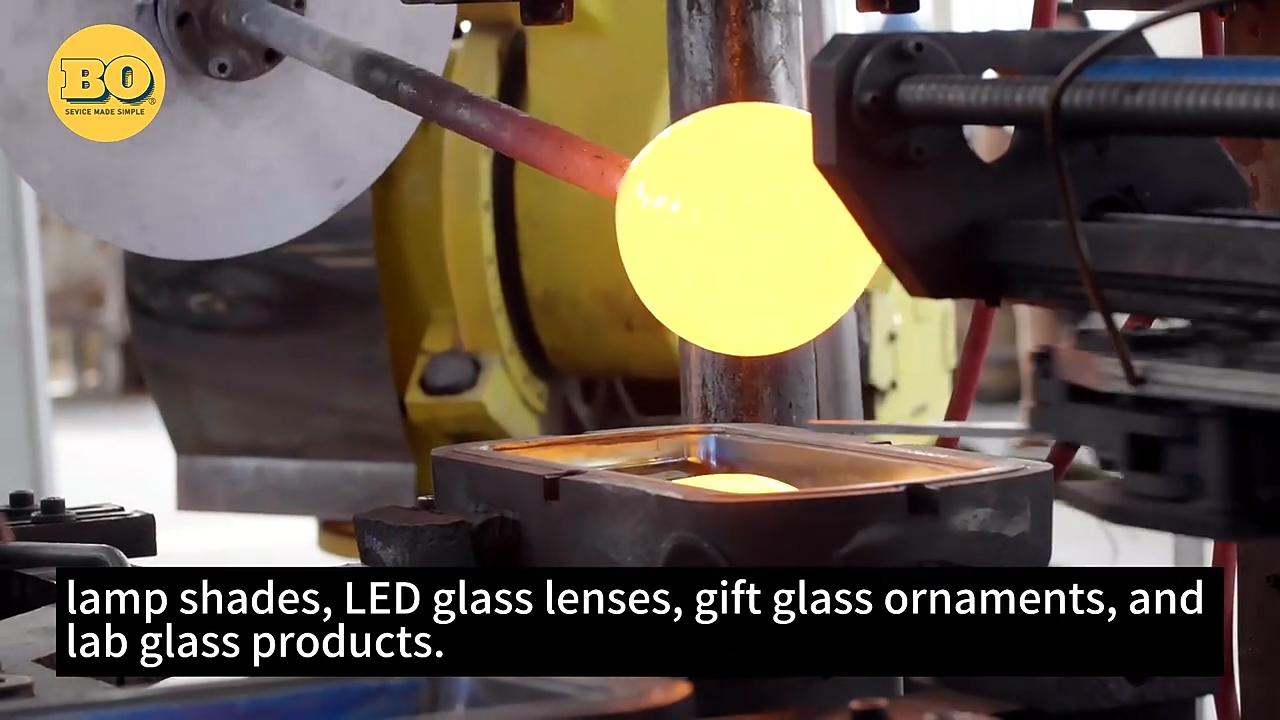
Our premises have been checked onsite during third-party verification. Watch the factory video to see forming, finishing and inspection before you place a sample order.
Questions Global Buyers Ask About High-Temperature Borosilicate Fresnel Lenses
What makes borosilicate glass suitable for high-power LED stage lighting Fresnel lenses?
Borosilicate 3.3 has low thermal expansion, typically about 3.3 × 10⁻⁶/K, and good resistance to thermal shock. In a high-power LED stage fixture, that helps the Fresnel lens tolerate radiant heat, hot spots and sudden temperature changes better than ordinary soda-lime glass. The optical design, annealing, mounting and AR coating must still be matched to the fixture.
Can the Fresnel lens be customized to my drawing and beam angle?
Yes. Most projects are drawing-based. Send 2D/3D drawings, target diameter, focal length or beam angle, working temperature, coating requirement, annual volume and any sealing or mounting features. Our engineers review wall thickness, draft, edge finish and optical path alignment before tooling.
What does AR coating do for a high-power LED Fresnel lens?
An anti-reflective coating reduces surface reflection and can improve useful light transmission through the lens. It also helps control veiling glare and color shift in multi-color LED fixtures. The exact transmission gain depends on glass grade, coating design, wavelength range and incidence angles.
What information should I send for a quote?
Send a 2D/3D drawing or sample, dimensions and tolerances, glass material preference, working temperature, LED power, beam requirement, coating specification, annual volume and delivery destination. Photos of the fixture, gasket and retaining ring help our engineers check fit and thermal risk.
What is the typical minimum order quantity for a custom Fresnel lens?
Typical project MOQs start from about 100 pieces for custom borosilicate Fresnel lenses, depending on diameter, coating, tooling and whether an existing mold can be adapted. Sample quantities are normally available for optical and fit evaluation before mass production.
How do you control quality and documentation?
We inspect dimensions, appearance, coating condition and agreed optical requirements against the approved drawing or golden sample. Material and inspection reports can be provided on request. Where a fixture requires FAA, EN or other certification, the certificate is normally held by the luminaire manufacturer; we supply the glass specification and inspection evidence needed for their qualification.
How are fragile glass Fresnel lenses packed for export?
Lenses are separated with foam or pulp dividers, packed in reinforced export cartons and palletized for sea or air freight. Custom labels, bar codes and distributor packaging can be arranged. We confirm packing drawings with buyers for large or high-value orders.
Do you support OEM and ODM projects?
Yes. We support drawing-based OEM production and joint ODM development. Our team includes senior lighting and molding engineers with design, development and optical path alignment experience. Email info@tambiglass.com with your project requirements for an engineering review.
Have a Drawing for a High-Power LED Fresnel Lens?
Share your dimensions, working temperature, LED power, coating requirement and annual volume. Shanghai Tambi Glass Industrial Co., Ltd. will review the glass specification and recommend a practical path from sample to production.