Wall Light Glass Supplier & Exporters for the Tijuana Market
OEM borosilicate, tempered and optical glass for coastal wall sconces, hospitality façades, industrial wall luminaires and replacement programs in Tijuana, Baja California and the cross-border nearshore supply chain.
Wall Light Glass & Optical Glass Products Recommended for Tijuana Buyers
For Tijuana projects, start with the glass that matches the fixture’s thermal load, weather exposure, mounting direction and replacement cycle. The eight products below are practical starting points for wall light glass, wall sconce covers, optical lenses and adjacent components used by lighting OEMs, distributors and contractors.
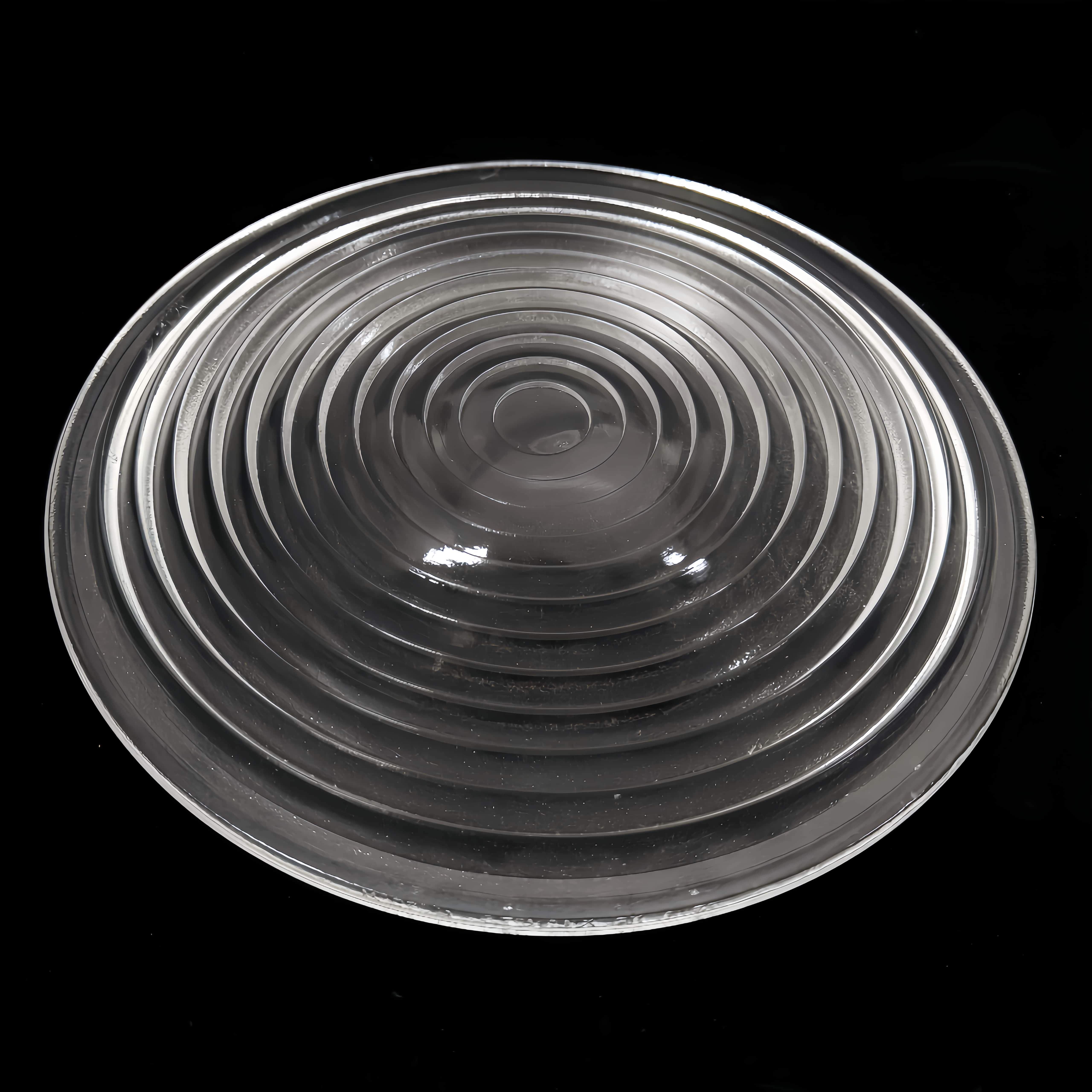
Precision Molded Borosilicate Glass Fresnel Lens Stage Lighting Anti-Reflective Coating FAA/ICAO Standards 175mm BO GLASS OEM
Heat-tolerant borosilicate Fresnel lens with AR coating for high-output stage, façade and wall-wash fixtures where beam control and thermal stability matter.
View product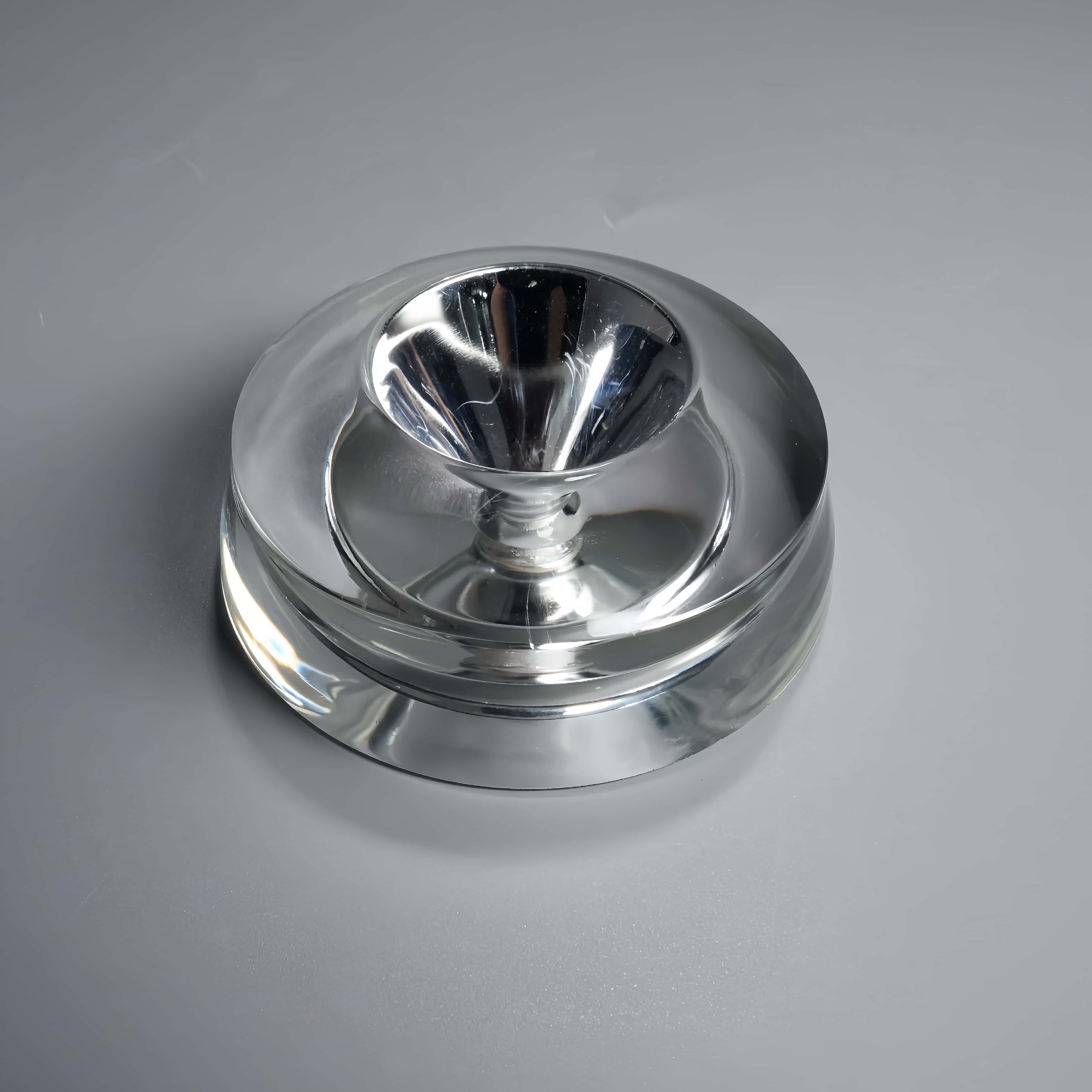
Factory China Custom Size Mold Pressed Borosilicate Bk7 K9 Eco-Friendly LED Optical Glass Lens for Taxiway Runway Airport Ground
Mold-pressed borosilicate and optical glass lens option for airport ground, taxiway and high-reliability LED wall luminaires needing custom size and repeatable optics.
View product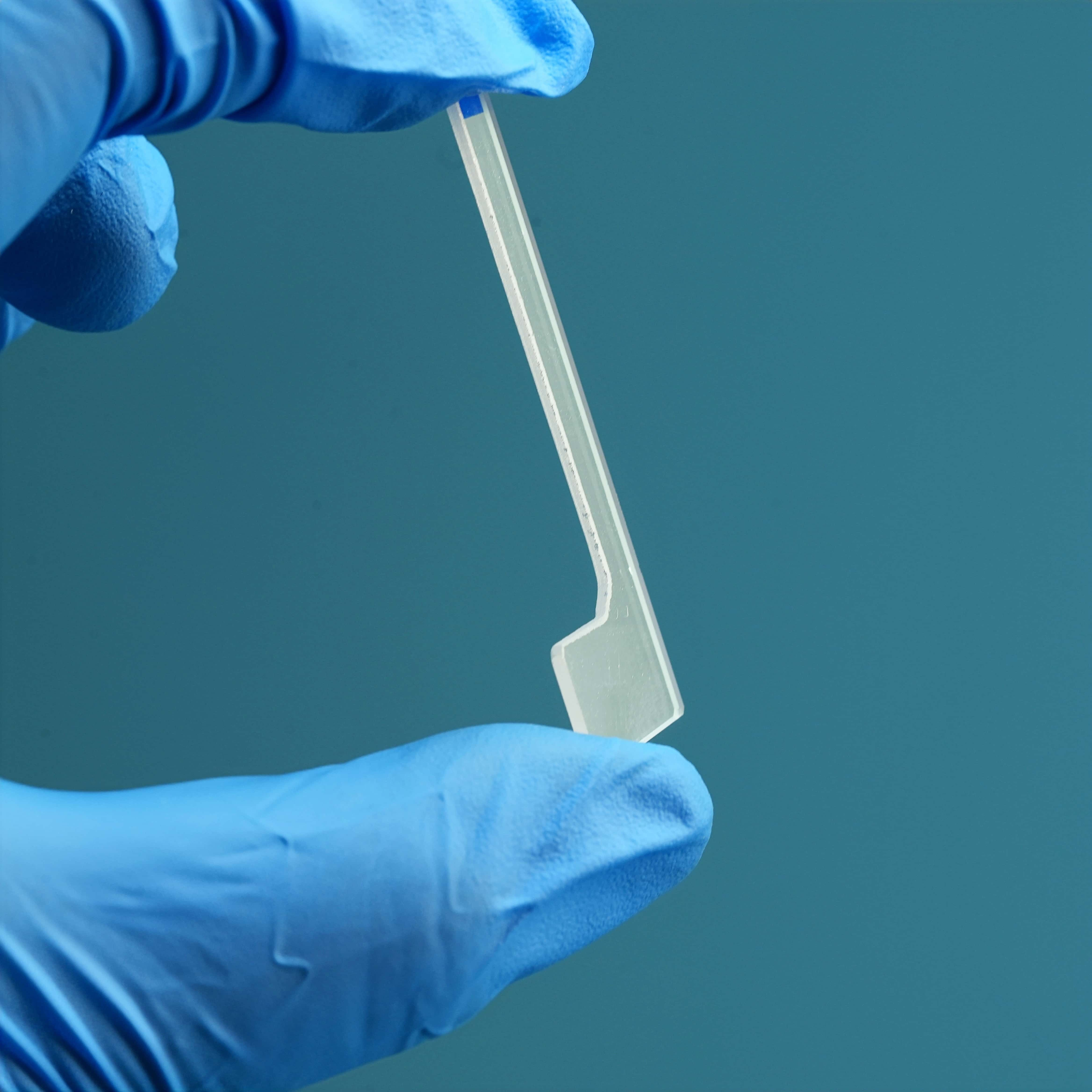
Anamorphic Prism Pair for Laser Beam Shaping Circularizing Elliptical Beams for Fiber Coupling Applications
For Tijuana photonics, sensing and laser assembly teams that need beam circularization, fiber coupling and tight optical alignment.
View product
Supplier Custom Size Shape Pressed Mold Heat Resistant High Borosilicate Headlight Glass Lens Cover Headlight Glass Cover
A custom pressed borosilicate cover with heat resistance for exterior wall, headlight and architectural fixtures exposed to UV and cyclic heat.
View product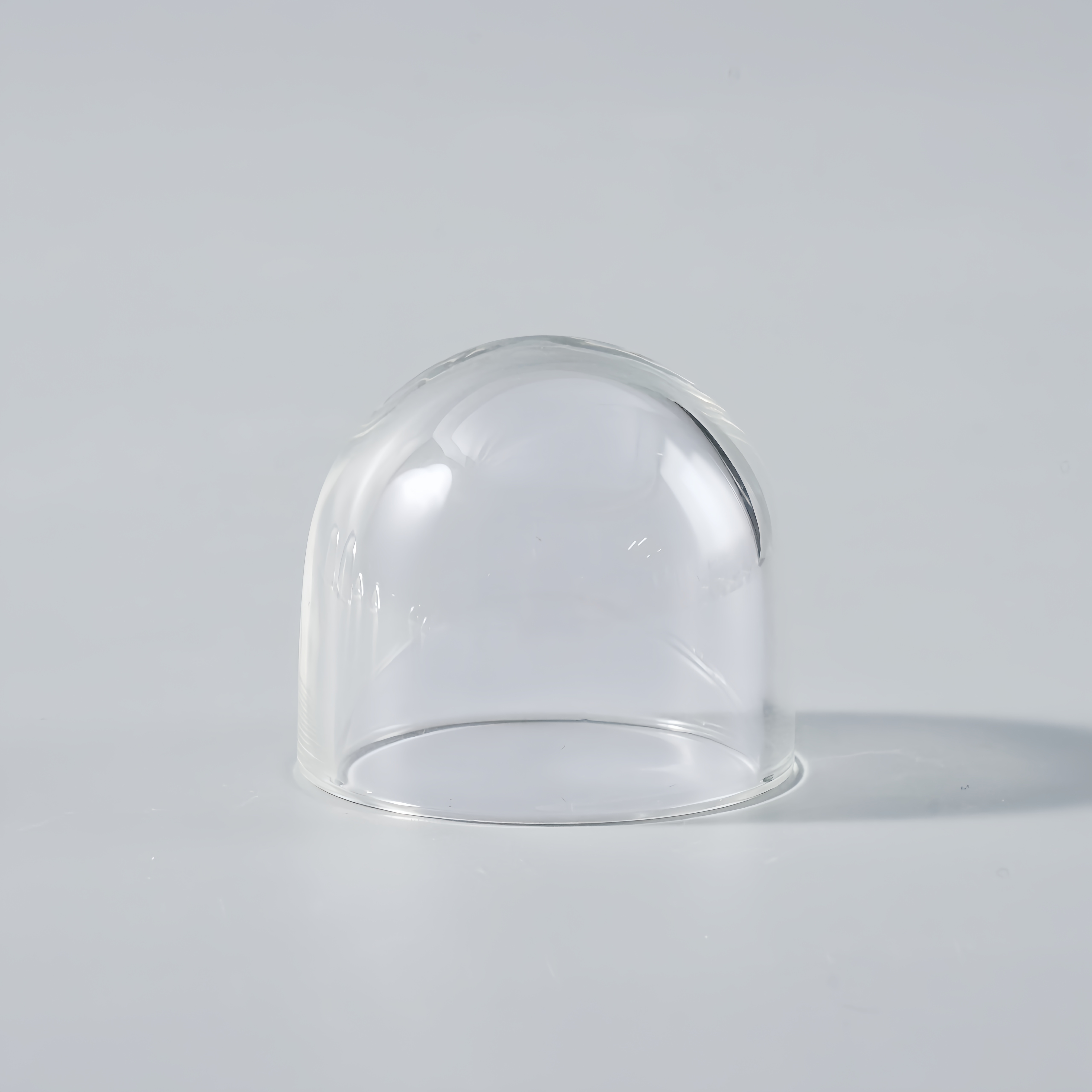
Customizable OEM Optical Glass Domes Broadband AR Coating Precision Hemispherical Windows for LiDAR Sensors Scientific
Broadband AR-coated hemispherical windows for LiDAR, sensing and scientific instruments, also useful for sealed wall-mounted sensor luminaires.
View product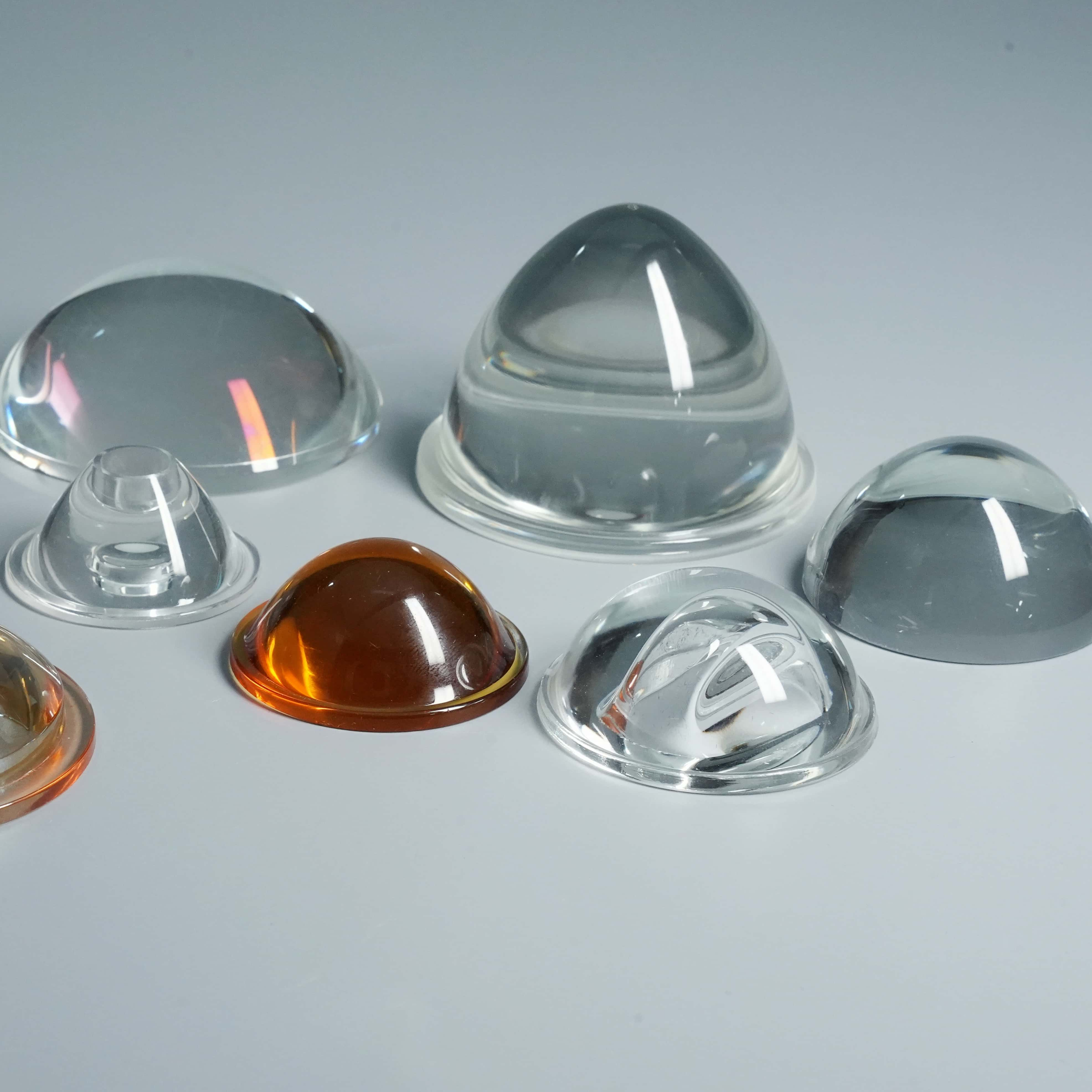
Custom Borosilicate Glass LED Grow Light Convex Lens with Anti-Reflective Coating for Indoor Farming Full Spectrum Lighting
AR-coated convex lens for full-spectrum LED grow lights and indoor farms; useful for controlled-environment wall lighting and horticultural fixtures in Baja California.
View product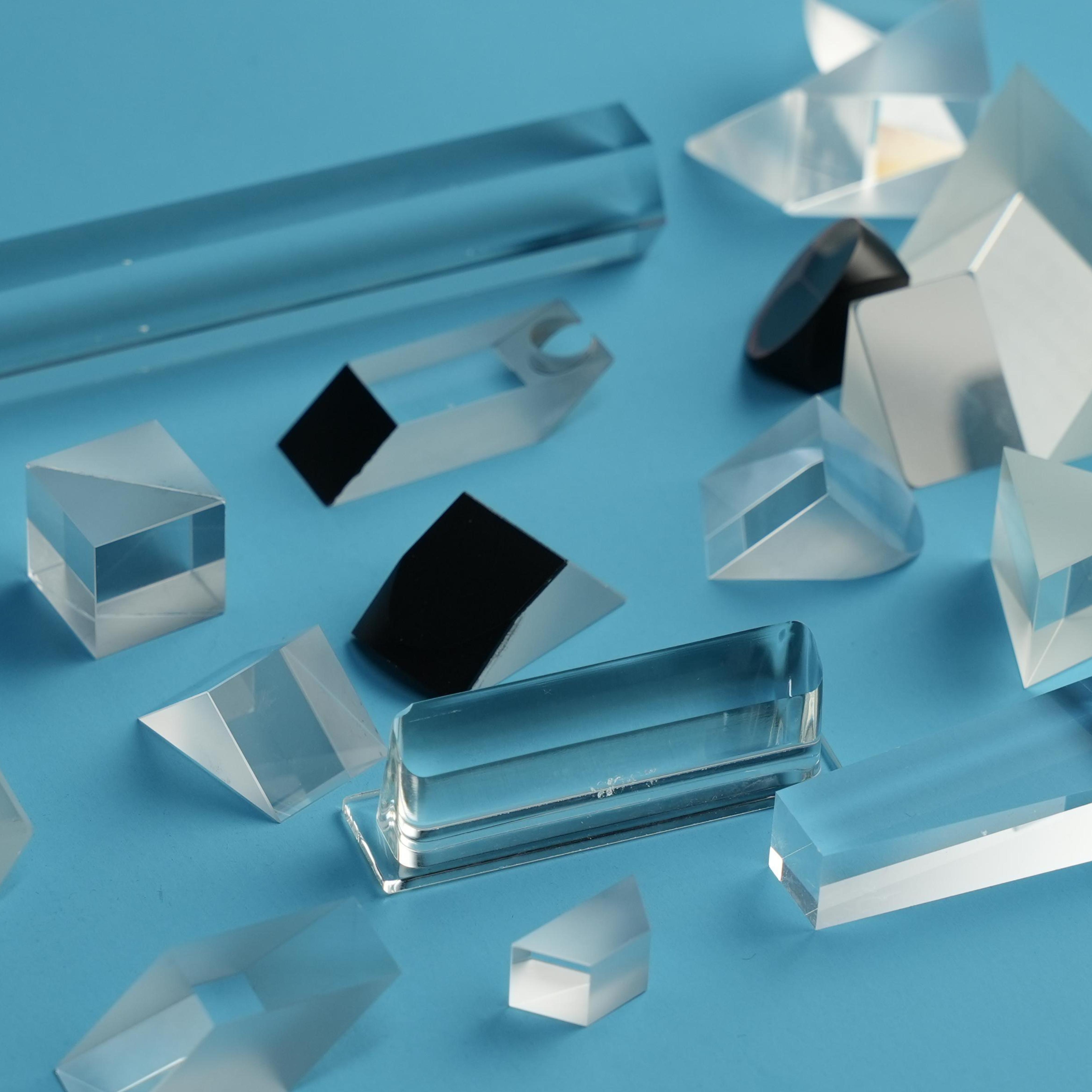
Factory Custom BO-GLASS Quartz BK7 K9 Arcoated Fused Silica High Precision Right Angle Prism 90Degree Clear ODM/OEM 3-Year
High-precision right-angle prism in quartz, BK7 or K9 with AR coating for optical alignment, inspection and sensor assemblies.
View product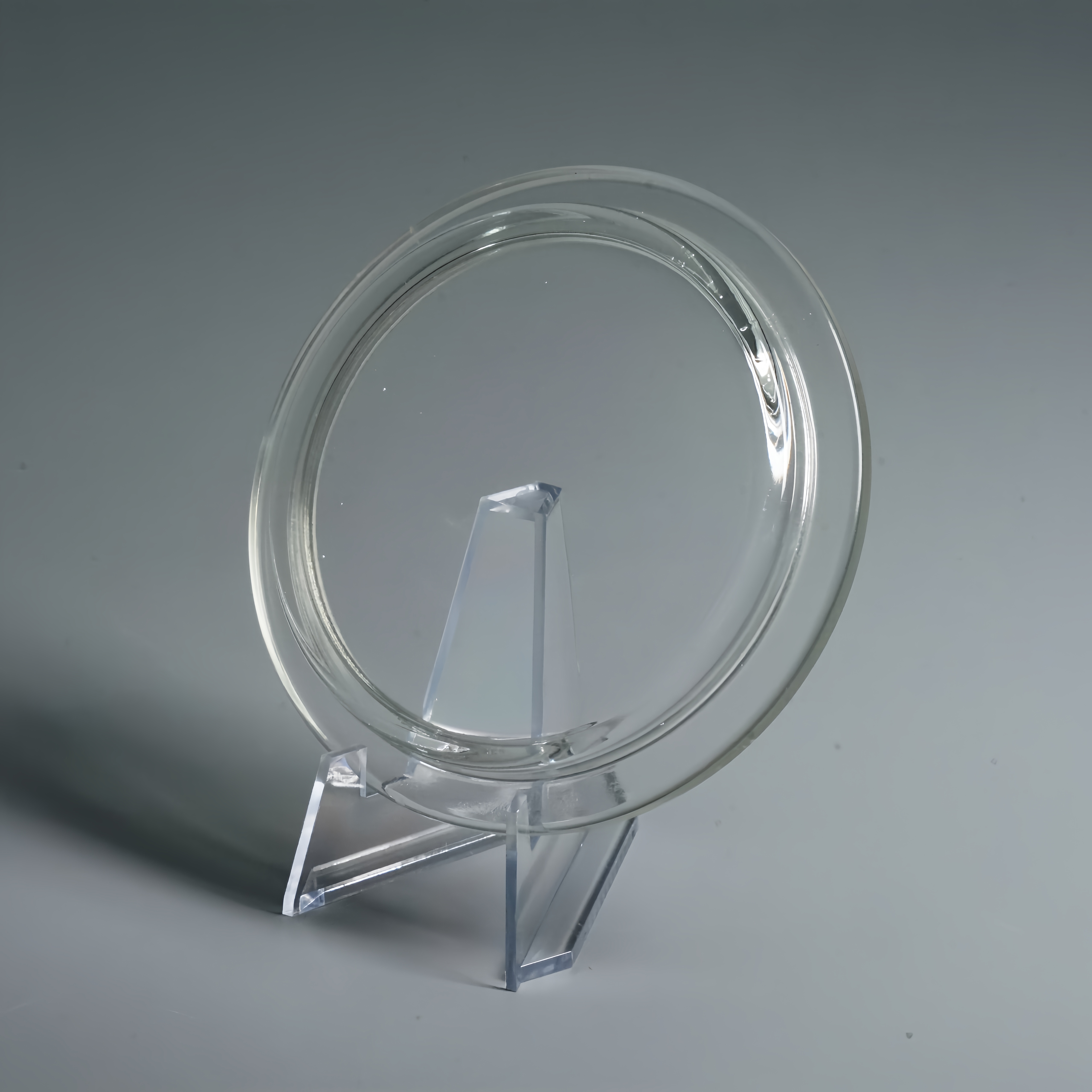
Custom Size Coastal Victorian Outdoor Stage Glass Lampshade Factory Waterproof High Temperature Impact Resistant Silk-Printable
Coastal-rated outdoor glass lampshade with waterproof, high-temperature and impact-resistant options for wall lanterns, hospitality façades and stage lighting.
View productWhy Wall Light Glass Specification Matters More in Tijuana Than a Catalog Photo Suggests
Tijuana is not a generic export destination. Its lighting stock spans hospitality façades, residential exterior lanterns, industrial wall luminaires in the maquiladora belt and cross-border replacement programs for U.S. and Mexican distributors.
Tijuana sits between the Pacific marine layer and the semi-arid interior of Baja California. A wall light glass cover may be exposed to salt-laden air, intense UV, dry dust, hot daytime surfaces and cool night air—often within the same week. Glass that looks acceptable in a catalog can fail at the sealing face, crack at a mounting screw hole, or drift in color after a few summers if thermal expansion, edge quality and coating adhesion are not controlled.
For buyers in Tijuana, the challenge is not simply finding a low-cost wall light glass supplier. It is finding a supplier that understands how the glass interacts with the complete fixture: the gasket, the LED thermal path, the wall-mounting orientation, the driver compartment, the painting process and the shipping method. A wall sconce installed under an eave may see less direct rain than a coastal wall lantern in Playas de Tijuana, but both need predictable dimensions and stable light transmission.
Local procurement teams also compare landed cost, not just unit price. A replacement wall sconce glass cover that arrives with chips, inconsistent dimensions or incomplete packing creates rework in Tijuana warehouses and delays for cross-border contractors. This is why drawing-based production, reliable sampling and export packing matter. Shanghai Tambi Glass Industrial Co., Ltd. focuses on custom borosilicate, tempered, quartz and BK7 glass components with AR coating and color control, supporting OEM/ODM buyers who need repeatable production rather than one-off catalog items.
The strongest Tijuana sourcing plan is to treat glass as an engineered component. Confirm the lamp surface temperature, wall-mount direction, salt-fog exposure, impact expectation and target light distribution before choosing material. Then match that specification to the correct forming method: pressed, blown, ground or coated. That approach reduces field returns and makes replacement orders faster.
What local buyers screen for
- Salt-fog and UV exposure on exterior wall sconces
- Thermal shock at the glass-to-gasket sealing face
- Dimensional fit with existing wall lantern housings
- Color consistency for red, amber, clear and frosted glass
- Packing quality for fragile glass replacement parts
- Repeatable documentation for OEM and distributor programs
Where Wall Light Glass Performs in Tijuana and Baja California
Each installation exposes glass to a different mix of heat, salt, impact, cleaning and visual expectation. These are the application scenarios Tijuana buyers ask about most often.
Hospitality façades & restaurants
Decorative wall sconces for hotels, restaurants and retail frontage need consistent color, clean edges and easy replacement when a single cover is damaged.
Residential exterior wall lanterns
Coastal homes and gated communities need UV-stable, salt-spray-resistant glass covers that keep their appearance through marine-layer seasons and dry heat.
Industrial wall luminaires
Maquiladora plants, warehouses and utility corridors require thick-wall borosilicate or tempered covers that resist thermal shock and accidental impact.
Airport, runway & transport lighting
Fixture makers serving airport ground and obstruction lighting need lenses and domes with controlled color, transmission and dimensional repeatability.
Marine & coastal walkways
Boardwalks, marinas and beach-club lighting face salt fog, wind-driven spray and strong sun; sealed glass covers and corrosion-aware design are essential.
LiDAR, sensing & automation
Tijuana’s electronics, medical-device and automation supply chains use optical domes, windows and prisms for sensors and inspection equipment.
Horticulture & indoor farming
Controlled-environment wall lighting and full-spectrum LED fixtures benefit from AR-coated borosilicate convex lenses with stable transmission.
Stage, event & feature walls
Fresnel lenses, prisms and heat-resistant glass supports stage lighting, architectural feature walls and event venues where output and thermal load are high.
Six Glass Trends Shaping Tijuana Wall Lighting Procurement
Tijuana’s cross-border manufacturing base, coastal environment and hospitality growth are changing what buyers expect from a wall light glass supplier.
Nearshore sourcing & faster replacement cycles
Buyers want lower MOQs, fast samples and drawing-based flexibility so they can support U.S. and Mexican fixture programs without holding excessive inventory.
Higher LED thermal loads in compact wall fixtures
Compact wall luminaires concentrate heat near the glass. Borosilicate 3.3, controlled annealing and AR coating help maintain light output and reliability.
Coastal durability specification
Salt fog, UV and wind-driven rain push buyers toward sealed gasket interfaces, robust edge finishing and tempered or borosilicate glass covers.
Aesthetic customization for hospitality
Clear, amber, frosted and silk-printed glass shapes help hotels and restaurants differentiate façades while keeping replacement parts consistent.
Documentation and data-driven quality
Procurement teams request material reports, dimensional inspection and packing photos before releasing repeat orders to overseas suppliers.
Cross-border logistics & packing efficiency
Glass parts must survive sea, air and truck routes. Divider-packed cartons, palletization and distributor labeling reduce damage and warehouse rework.
How to Match Wall Light Glass to Tijuana Installations
Use this matrix as a starting point for drawing review. Final material and processing should be confirmed against lamp temperature, impact rating, sealing design and fixture certification requirements.
| Wall light scenario | Recommended glass | Key reason | Finish / coating | Procurement note |
|---|---|---|---|---|
| Coastal exterior wall sconce | Borosilicate 3.3 or tempered soda-lime | Low thermal expansion and UV stability | Clear, frosted or AR | Specify sealing face, gasket compression and salt-fog expectation |
| High-power LED wall washer | Borosilicate Fresnel or convex lens | Thermal shock resistance and beam control | AR coating | Confirm beam angle, lamp temperature and mounting distance |
| Industrial / hazardous-area wall light | Thick-wall borosilicate | Thermal shock and impact tolerance | Clear or frosted | Check fixture certification, impact rating and glass thickness |
| Decorative hospitality lantern | Pressed or blown glass | Shape, color and visual consistency | Amber, clear, silk-screen | Approve color sample and packing method before mass production |
| LiDAR / sensor wall unit | BK7, quartz or borosilicate dome | Optical homogeneity and environmental sealing | Broadband AR | Provide tolerance, surface quality and transmission targets |
| Replacement / aftermarket cover | Existing glass match or new mold | Dimensional fit and repeatability | Match original color | Send sample, 2D/3D drawing and annual volume for review |
Values and recommendations are typical references. Final specification is confirmed against your drawing, lamp surface temperature, impact rating, installation environment and the standard your fixture must meet.
Why Tijuana Buyers Work With Shanghai Tambi Glass
Shanghai Tambi Glass Industrial Co., Ltd. is a manufacturer and trading company focused on custom lighting and optical glass. The company combines drawing-based engineering, multiple glass materials and export packing experience for OEM buyers.
Drawing-based OEM / ODM
Engineers review wall thickness, draft, tolerance, sealing faces and optical path alignment before tooling starts, reducing fit problems after sampling.
Broad material and process range
Borosilicate 3.3, tempered soda-lime, quartz and BK7/K9 are matched to pressed, blown, ground and coated production routes.
Optical coating and color control
AR coating, bandpass filters, red, amber, clear and frosted glass options support signal, hospitality and architectural wall lighting.
Manufacturer + trading company model
This structure supports flexible MOQs, coordinated finishing and export documentation for distributors and fixture makers.
Verification and transparency
The supplier profile includes supplier assessment, credit index, transaction level, trade capacity, trade history and buyer ratings for procurement review.
Export packing for fragile glass
Foam or pulp dividers, reinforced export cartons and palletization help protect wall light covers and lenses during sea, air or truck transport.
From Drawing to Tijuana Delivery: A Controlled Six-Step Process
Clear checkpoints reduce surprises between sample approval and mass production, especially for replacement covers that must fit an existing wall lantern housing.
Drawing review
DFM check of thickness, draft, tolerance, sealing face and optical path.
Mold & tooling
New or existing molds for pressing, blowing or grinding, based on volume and shape.
Sampling
Samples are measured and sent for fit, light and appearance testing.
Forming & annealing
Controlled annealing or tempering helps relieve stress and improve durability.
Coating & QC
AR or color coating, dimensional checks and visual inspection before packing.
Export packing
Divider-packed cartons and palletized packing for sea, air or cross-border freight.



Engineering support for wall light glass, covers and optical parts
Every project starts with the fixture, not the catalog. The team reviews the drawing or physical sample for glass thickness, draft angle, mounting holes, sealing flange, light path and packing risk. When an existing mold can be used, tooling cost and lead time can be reduced; when a new mold is required, the geometry is reviewed for manufacturability before sampling.
For Tijuana buyers, that review should also include the environment. A coastal wall lantern may need a different edge finish or material than an indoor decorative sconce. An industrial wall light may need a thicker borosilicate cover. A LiDAR or sensor window may need a different optical tolerance and coating specification. Matching the process to the application is more reliable than choosing glass by appearance alone.
- 2D/3D drawing or physical sample review
- Material recommendation for heat, UV and salt exposure
- Mold, sampling and mass-production checkpoints
- Inspection reporting and export packing coordination
Common Procurement Questions From Tijuana Lighting Importers
These answers reflect the practical questions raised by distributors, contractors and fixture makers sourcing wall light glass for Mexico and cross-border programs.
Can you supply wall light glass to Tijuana if we only have a sample, not a full drawing?
Which glass is better for Tijuana coastal wall lights: borosilicate or tempered soda-lime?
What MOQ applies to wall sconce glass covers and lenses for Tijuana buyers?
How do you control color and light transmission for hospitality wall lights?
How are fragile glass wall light covers packed for export to Mexico?
Do you support FAA L-810, EN 50293 or NOM-related fixture programs?
Have a Tijuana Wall Light Project, Replacement Program or OEM Drawing?
Share your dimensions, material, operating temperature, glass color, coating requirement and annual volume. The engineering team will review manufacturability, suggest the most reliable wall light glass solution and respond with a technical and commercial quotation. Average response time is within 6 hours.
Drawing-based OEM/ODM · Borosilicate, tempered, quartz and BK7 · Export packing for fragile glass