UV Filter Glass Exporter & Wholesaler Serving the Detroit Market
Custom UV-cut, UV-pass, bandpass, AR-coated, borosilicate, fused quartz and K9/BK7 optical glass for Metro Detroit automotive, sensing, disinfection, airfield, and industrial OEMs — reviewed against your wavelength target, thermal load, sealing method, and delivery schedule.
Inquire Now8 Glass Products for Detroit UV Filter Glass & Optical Assemblies
These production-focused components are frequently reviewed for Metro Detroit programs. Each item can be adapted in size, thickness, coating, edge finish, gasket interface, and export packaging. Product links are preserved exactly; if your drawing is not final, use the inquiry button and our engineers will help define the specification.
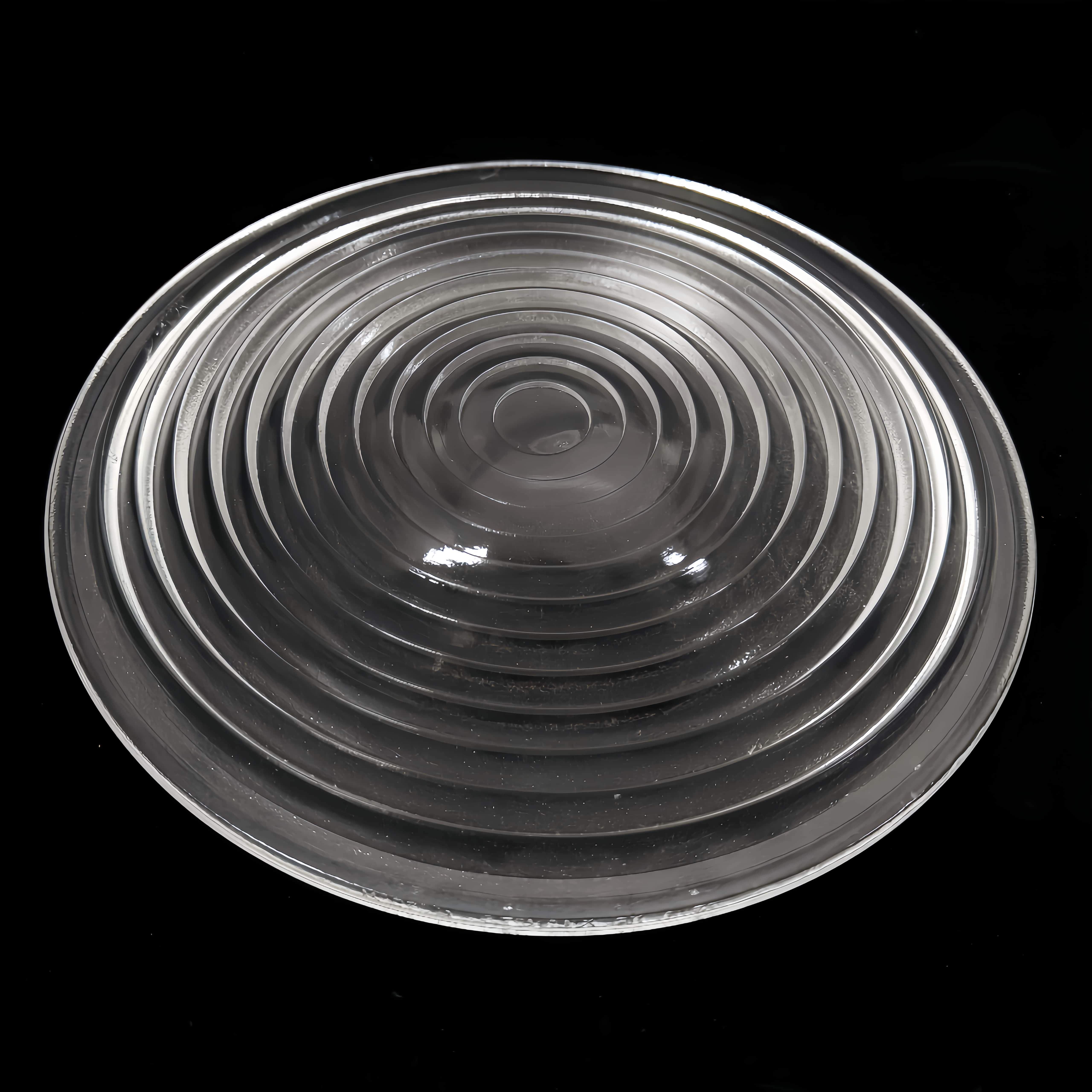
Precision Molded Borosilicate Glass Fresnel Lens Stage Lighting Anti-Reflective Coating FAA/ICAO Standards 175mm BO GLASS OEM
For high-heat stage and architectural LED fixtures that need controlled beam spread and AR efficiency.
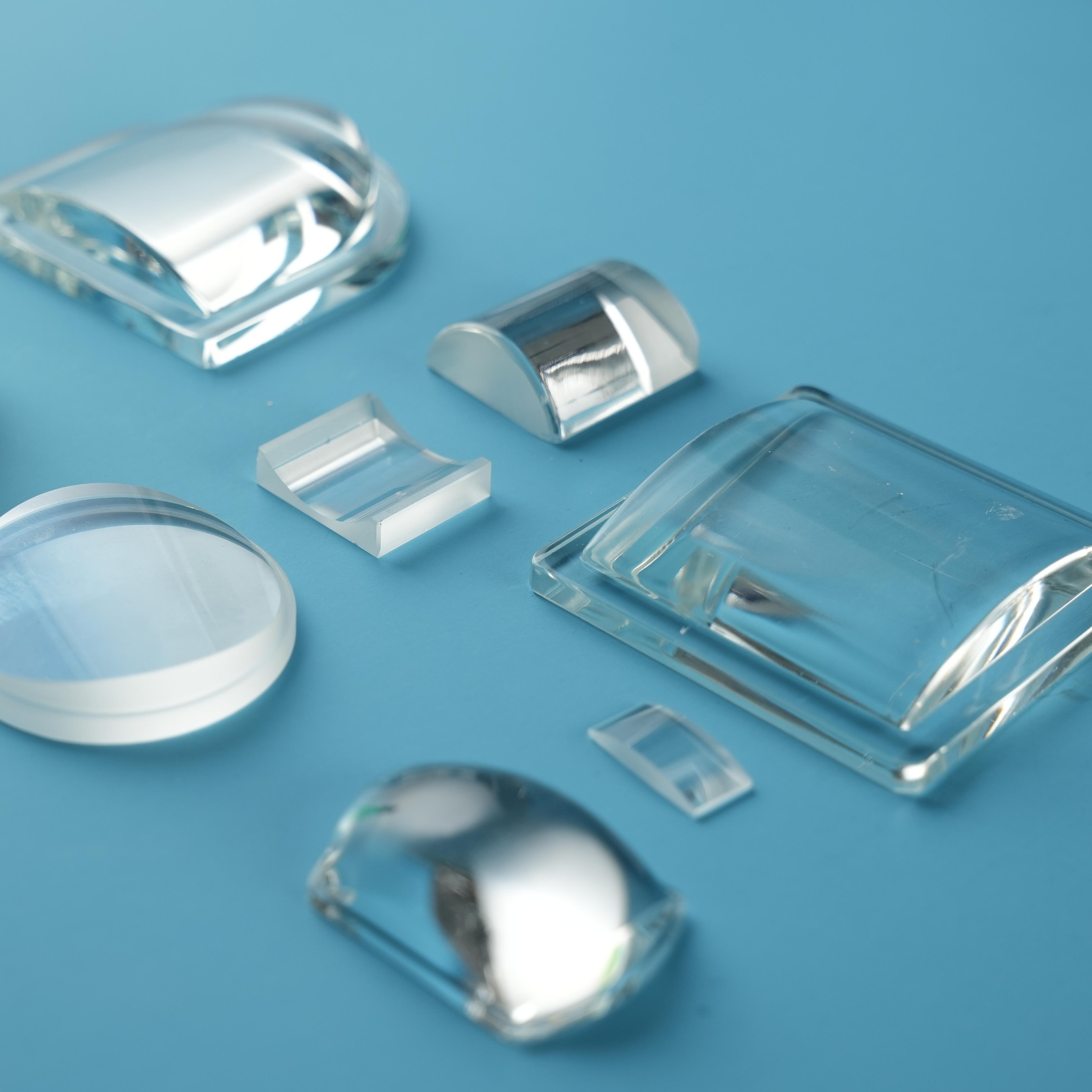
Manufacturer Custom OEM Anti-Reflective Laser Glass Optical Borosilicate UVC Plano Convex Cylindrical Biconvex Lens
For laser, UVC, and custom plano-convex or cylindrical optical paths; confirm transmission curve before coating.
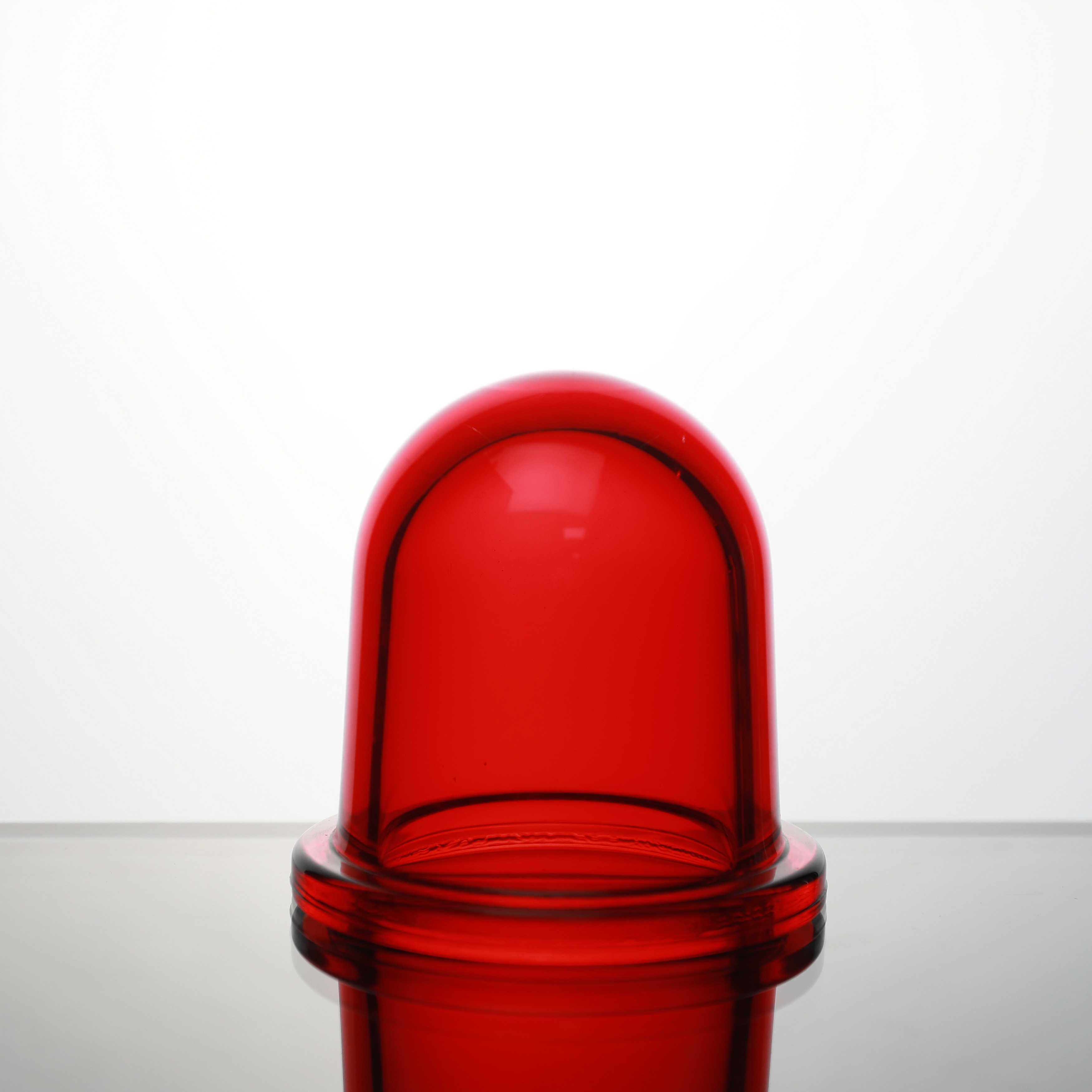
Custom Size Clear Borosilicate Explosion-Proof Antique Glass Light Covers Modern 2-Year Warranty Airport Outdoor Industrial
For industrial and airport fixtures exposed to impact, moisture, and rapid temperature change.
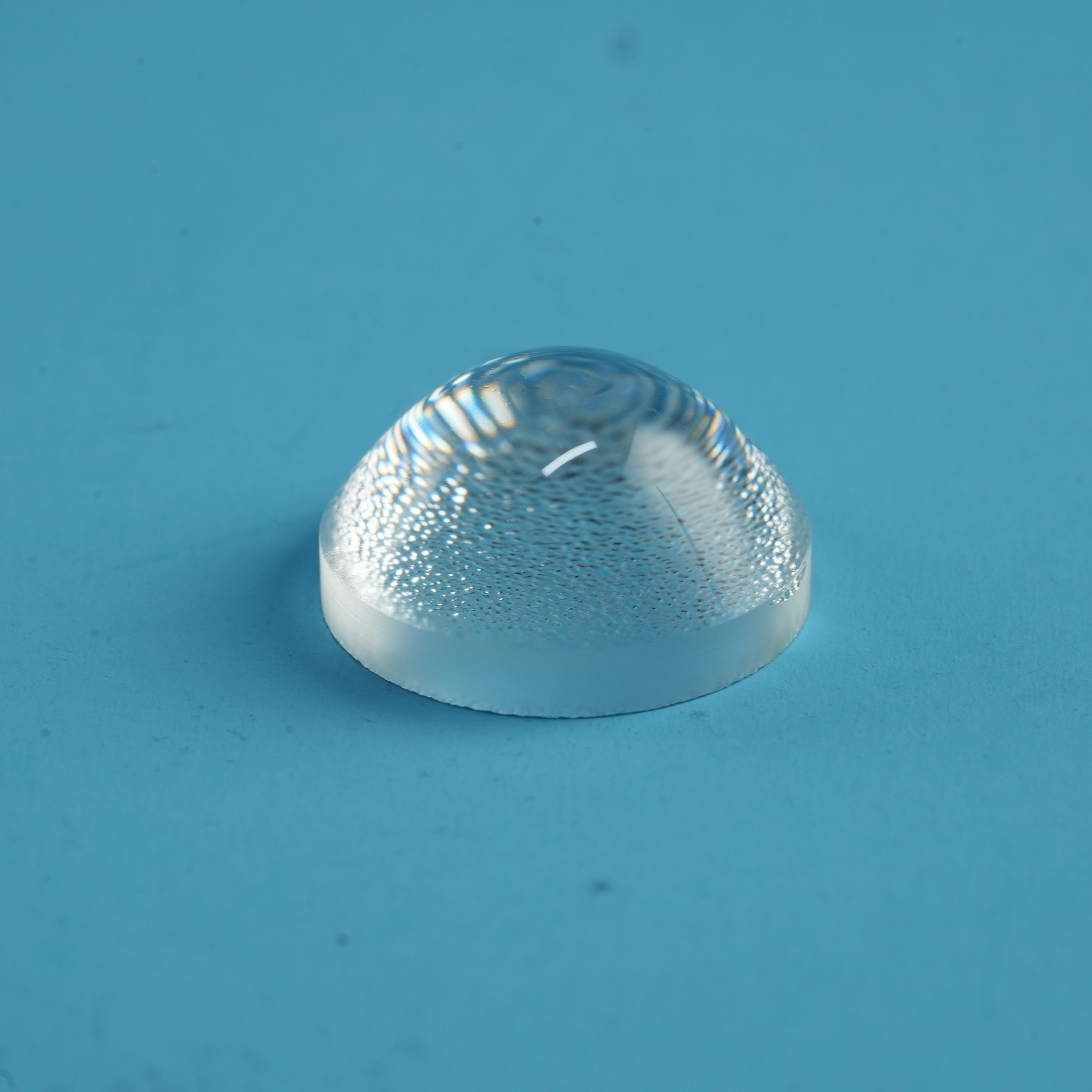
Manufacturer OEM Precision Grade BK7 K9 Optical Glass Aspherical Lens Anti-Reflective Coating Diameter 0.5-25mm MOQ 100 Pcs
For compact machine-vision and sensor assemblies requiring tight dimensional control.
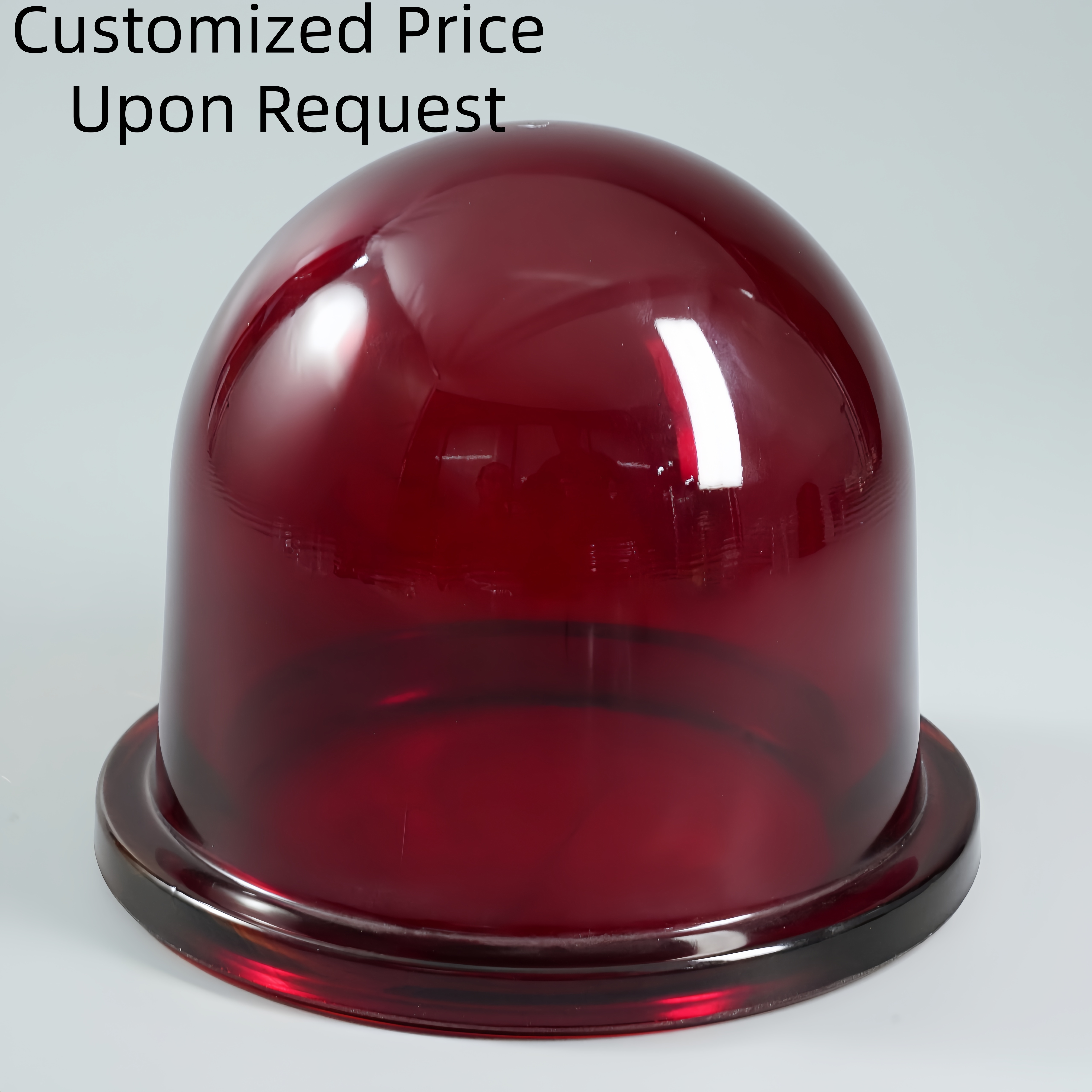
High-temperature Resistant Pressed Glass Shade, Explosion-proof & Crack-proof, Outdoor Street Light Specific
For outdoor street and industrial lighting where pressed glass strength and heat resistance matter.
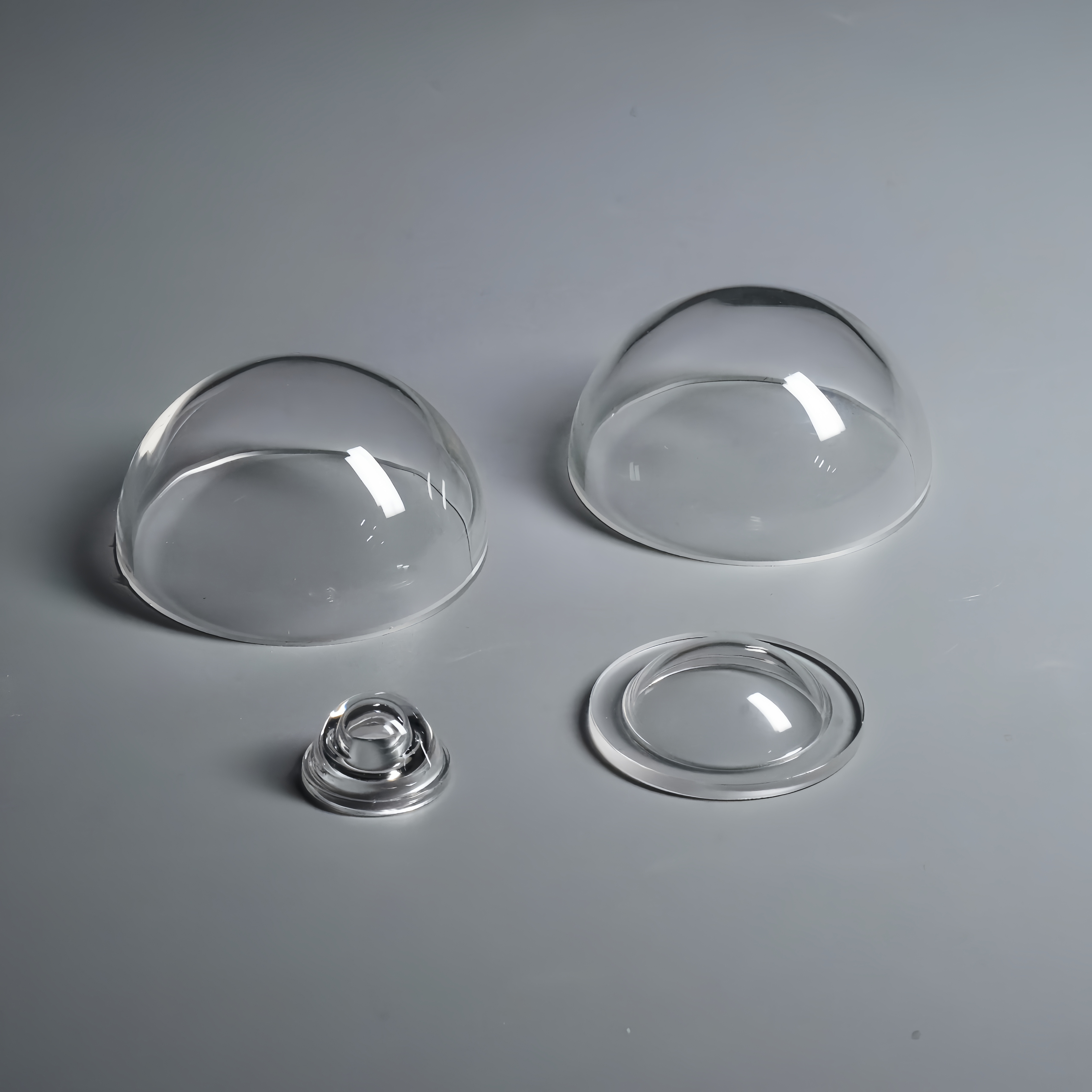
Mold Pressed Clear High Quality K9 Optical Dome Lens with Anti-Reflective Coating for Lighting OEM Customized Headlight Glass
For headlight, lighting OEM, and dome-window programs needing K9 clarity plus AR coating.
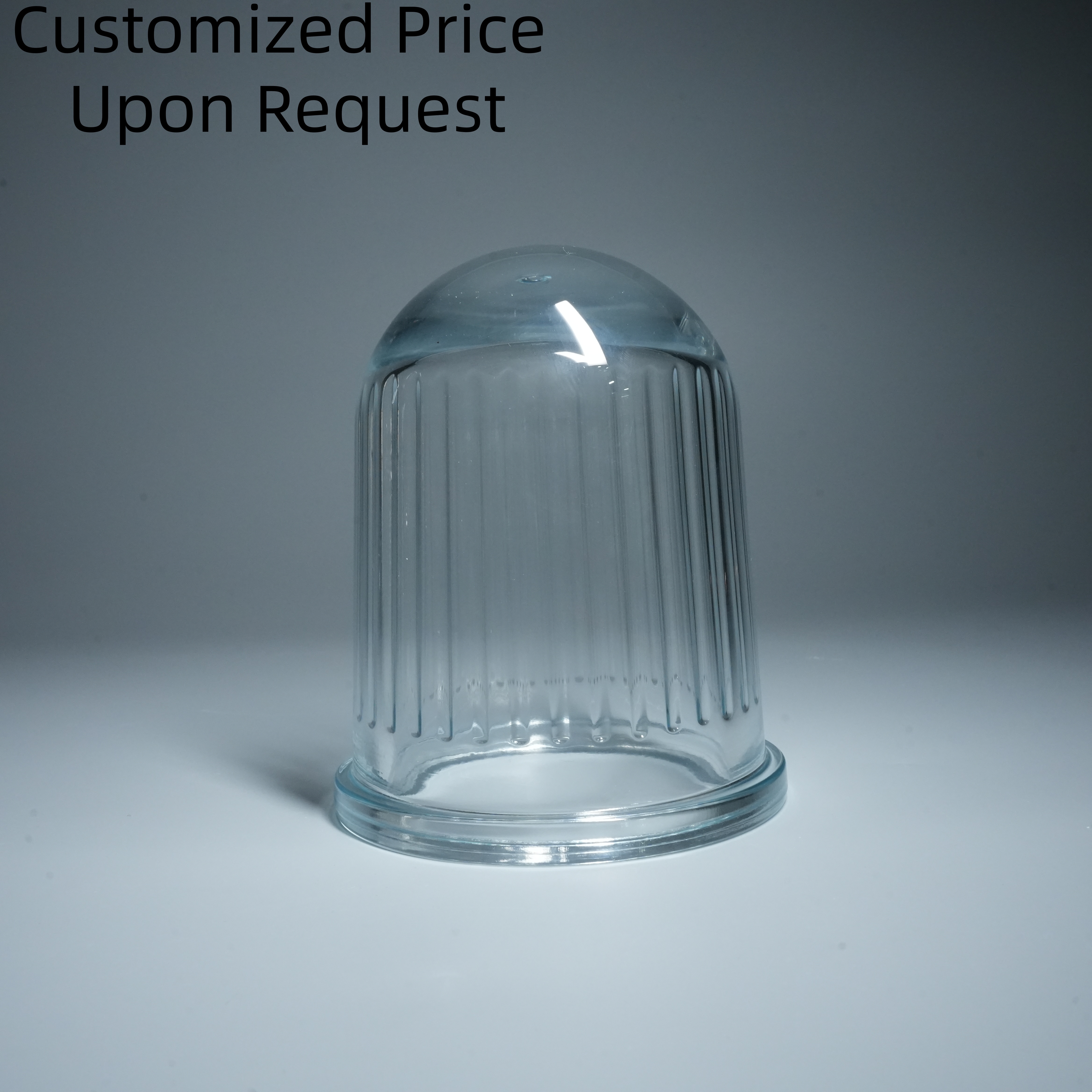
Borosilicate Transparent Explosion-proof Shade, Heat-resistant & Crack-proof, Transparent Protective Cover
For hazardous-area protective covers where crack resistance and transparency are both critical.
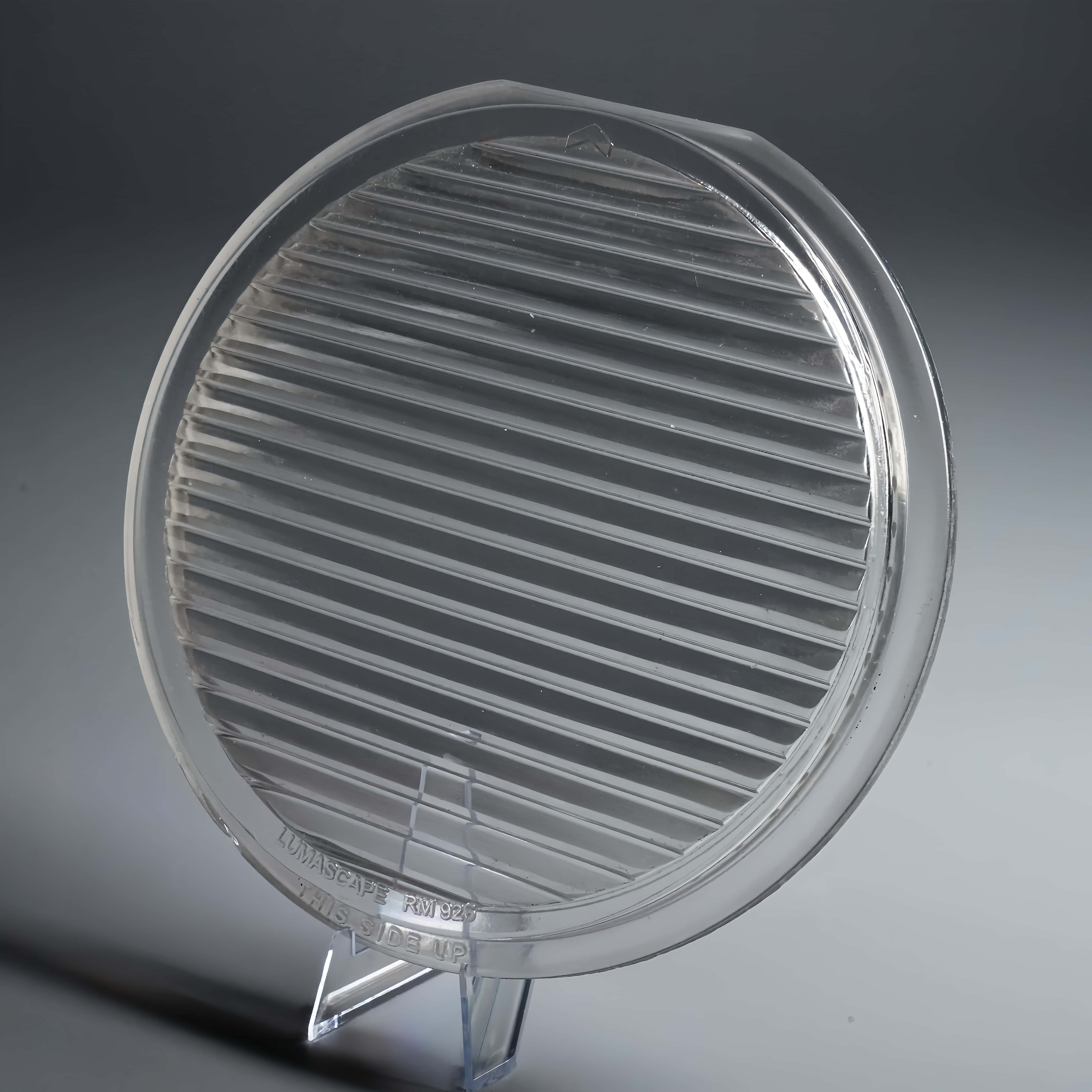
Supplier Custom Size Shape Pressed Mold Heat Resistant High Borosilicate Headlight Glass Lens Cover Headlight Glass Cover
For custom headlight covers and pressed borosilicate lenses with size and shape flexibility.
Tambi Glass capabilities for Detroit UV filter glass buyers
What UV Filter Glass Really Means for a Detroit Buyer
In Metro Detroit, UV filter glass is rarely a generic catalog item. The same phrase can describe opposite optical jobs — protecting a polymer from UV, transmitting UV-C for disinfection, or isolating a narrow band in a machine-vision system.
An automotive tier supplier may need a UV-cut window to protect a sensor or interior material. A curing line may need high transmission at 365 nm or 405 nm. A medical or water-quality device may need a tightly defined UV-C or fluorescence band. That is why a useful quotation starts with the spectral target, substrate, coating, and operating environment, not just the outside diameter.
Define the Curve First
UV-cut, UV-pass, bandpass, longpass, and AR coatings are different products. Specify wavelength range, incidence angle, target transmission, blocking level, and whether the glass must withstand UV exposure or simply filter it.
Match the Substrate
Borosilicate 3.3 is valued for thermal-shock resistance. Fused quartz is often evaluated for deep UV-C. Tempered soda-lime can be economical for impact-resistant covers. K9/BK7 supports precision visible and NIR optics.
Engineer the Seal
Detroit fixtures face freeze-thaw cycles, road salt, humidity, washdown, and vibration. Wall thickness, flatness, chamfer, and gasket compression can matter as much as transmission when the part must pass IP68 or enclosure validation.
Document the Lot
Procurement teams need first-article dimensions, material reports, coating curves, visual criteria, and packaging records. Clear documents reduce incoming inspection friction and support repeat orders across Michigan assembly sites.
Where UV Filter Glass and Optical Glass Perform in Metro Detroit
Detroit’s industrial base combines automotive engineering, EV battery investment, medical technology, aerospace suppliers, water monitoring, and airfield lighting. Each environment stresses glass differently.
Automotive Paint & Adhesive Curing
UV curing lines around Dearborn, Warren, and Auburn Hills need windows and lenses that pass 365–405 nm efficiently while tolerating radiant heat. Borosilicate 3.3 Fresnel and planar windows are often evaluated; coating choice depends on maximum transmission versus back-reflection control.
EV Battery & Electronics Inspection
Battery plants and electronics labs in Southeast Michigan use UV fluorescence, machine vision, and laser inspection. Bandpass filters and K9/BK7 lenses help isolate signals, while AR coatings reduce ghosting in compact camera stacks.
LiDAR & ADAS Sensor Windows
ADAS teams in Novi, Troy, and Ann Arbor increasingly specify domes, hemispherical windows, and filter glass for sensor protection. The specification should combine transmission, coating durability, thermal shock, and cleaning resistance rather than optimizing only one number.
Medical Device & UV-C Disinfection
Hospitals, device makers, and labs around Detroit require well-defined UV-C transmission. Fused quartz is commonly evaluated at 254 nm, while standard borosilicate may absorb part of the UV-C range; the final substrate and coating must be verified with a transmission curve.
Aerospace, Defense & Instrumentation
Metro Detroit aerospace and instrumentation suppliers need repeatable dimensions, clear documentation, and stable optical performance. Domes, windows, prisms, and filters can be produced to drawing, with inspection reports aligned to the agreed control plan.
Airfield & Obstruction Lighting
Detroit Metro Airport and regional airfields rely on fixture makers to maintain FAA L-810, ICAO, or EN 50293-related performance. Tambi produces glass lenses and domes for those fixture makers; final fixture certification remains with the luminaire manufacturer.
Water Quality & Environmental Monitoring
Municipal and industrial monitoring in the Detroit River and Great Lakes region uses UV absorbance and fluorescence sensors. Sensor windows must resist fouling, cleaning, and temperature swings while maintaining the optical path.
Industrial & Hazardous-Area Lighting
Chemical, food, and manufacturing plants across Southeast Michigan use explosion-proof shades and protective covers. Borosilicate and tempered glass are specified according to surface temperature, impact exposure, and the enclosure standard.
How Detroit Buyers Specify UV Filter Glass: Material, Coating, and Validation
UV filter glass selection is a system decision. The substrate sets transmission and thermal expansion; the coating sets the spectral edge; the mechanical design sets sealing, impact, and assembly yield.
| Option | Optical Role | Thermal / Impact Profile | Typical Detroit Project Fit |
|---|---|---|---|
| Borosilicate 3.3 | Visible and near-UV transmission; can be combined with UV-cut or AR coatings | Low expansion of about 3.3 × 10⁻⁶/K; strong thermal-shock resistance | High-power LED covers, explosion-proof shades, Fresnel lenses, outdoor fixtures |
| Fused quartz | High deep UV-C transmission potential; excellent optical clarity | Very low expansion; extreme heat capability; higher cost and processing care | UV disinfection, 254 nm windows, high-temperature optical windows |
| Tempered soda-lime | Economical clear or colored covers; not a deep UV-C material | High impact strength; moderate thermal-shock resistance | Outdoor floodlights, street-light covers, vandal-resistant lenses |
| K9 / BK7 optical glass | Precision visible and NIR optics; good homogeneity for lenses and domes | Moderate thermal shock; excellent dimensional stability for fine optics | Machine vision, prisms, domes, bandpass-filter substrates, sensor windows |
| Functional coatings | AR, UV-cut, UV-pass, bandpass, longpass, and color-filter behavior | Durability depends on coating stack, cleaning method, and environmental exposure | Sensor protection, curing transmission, fluorescence, laser systems |
Indicative Material Fit
Ranking is for early project discussion only. Final material must be confirmed against your transmission curve, lamp temperature, impact test, and enclosure standard.
For UV-C programs, request a measured transmission curve rather than assuming that “borosilicate” or “quartz” alone is sufficient.
How Detroit Is Buying UV Filter Glass Differently
Procurement behavior in Southeast Michigan is shifting toward dual sourcing, more optical content per product, and stronger documentation before mass production.
Dual Sourcing & Nearshoring
Automotive and industrial OEMs want a qualified export partner while keeping assembly close to Detroit. Buyers ask for backup tooling plans, process repeatability, and fast technical replies before adding a second source.
More Optics per Vehicle
EV platforms, ADAS, LiDAR, and in-cabin sensing increase demand for domes, windows, lenses, and filters. Optical glass is no longer only a lighting component; it is part of the sensor-protection strategy.
UV-C Validation & Water Quality
Disinfection, air treatment, and water monitoring projects need documented UV transmission. Buyers compare fused quartz, borosilicate, and coated substrates against the actual wavelength and cleaning cycle.
Documentation-First Purchasing
Detroit procurement teams increasingly request first-article reports, material certificates, coating curves, and packing verification before releasing volume. Suppliers that provide clear records reduce qualification friction.
A Controlled Path from Drawing to Detroit Dock
The same six-checkpoint discipline used in the original Tambi OEM process can be applied to UV filter glass programs, from spectral review to export packing.
Drawing & Spectral Review
Send a 2D/3D drawing, target wavelength, transmission limit, coating requirement, operating temperature, and annual volume. Our engineers check manufacturability, sealing faces, thickness, and optical path.
Material & Coating Sample
We propose a substrate and coating stack, confirm mold or grinding options, and produce samples for fit, light, and environmental evaluation before committing to volume.
Validation Lot & Reports
Dimensional inspection, visual criteria, material reports, and coating curves can be prepared against the agreed control plan. Final fixture certification remains with the equipment or luminaire manufacturer.
Export Packing & Delivery
Fragile optics are separated with foam or pulp dividers, packed in reinforced cartons, and palletized for sea or air. Shipments can be coordinated to a Detroit-area 3PL, freight terminal, or production site.
Why Detroit OEMs Shortlist Tambi Glass
Shanghai Tambi Glass Industrial Co., Ltd. combines drawing-based engineering, multiple glass-forming routes, optical coating, and export packing under one supply chain.
Drawing-Led OEM Engineering
Most orders are drawing-based. Our team reviews wall thickness, draft, tolerance, sealing faces, optical path alignment, and coating requirements before tooling starts. This DFM step helps catch costly fit or thermal issues early.
Material & Coating Breadth
Borosilicate 3.3, tempered soda-lime, fused quartz, and K9/BK7 are supported alongside AR, UV-cut, UV-pass, bandpass, longpass, and color finishes. The right combination is selected from the application, not from a catalog alone.
Pressed, Blown, Ground & Coated
Lighting covers, domes, lenses, prisms, filters, and protective shades can be produced through pressed, handblown, ground, and coated processes. Controlled annealing or tempering helps relieve stress before inspection.
Transparent Supplier Verification
Buyers can review the supplier assessment, credit index, transaction level, trade capacity, trade history, and ratings pages. An onsite-verified supplier profile helps procurement teams complete early qualification with fewer unknowns.
Review verification →Fast Technical Response
Average response time is within 6 hours. Share a drawing, annual volume, and target wavelength, and our engineers can recommend a substrate, coating direction, sample path, and packaging approach for your Detroit program.
Detroit-Ready Export Support
Glass parts are packed for fragile export freight, with custom labeling and distributor packaging available. We coordinate Incoterms, air or sea freight, and delivery to Metro Detroit 3PLs or production sites based on the quotation.
UV Filter Glass, Documentation, and Delivery Questions
These are the questions procurement and engineering teams most often ask when sourcing custom optical glass for Metro Detroit programs.
Can you manufacture UV filter glass to our drawing or optical curve?
Yes. Most projects are drawing-based. Send a 2D/3D drawing or physical sample with dimensions, tolerance, substrate preference, wavelength range, coating requirement, surface quality, operating temperature, sealing method, and annual volume. Our engineers review manufacturability and propose mold, grinding, coating, and sampling options before mass production.
Which material should we choose for UV-C disinfection: borosilicate, fused quartz, or K9?
The answer depends on the wavelength and the entire optical stack. Fused quartz is commonly evaluated for deep UV-C because it can offer high transmission at short wavelengths. Standard borosilicate 3.3 may absorb part of the UV-C range, so it should not be assumed to be a UV-C window without a measured curve. K9/BK7 is generally selected for precision visible or NIR optics rather than deep UV-C. For any disinfection project, request substrate transmission data and coating validation against your target wavelength.
What is the typical MOQ and sample path for Detroit buyers?
Typical MOQs range from about 50 pieces for optical lenses to 100–500 pieces for pressed or blown lighting covers, depending on whether an existing mold can be used. Sample quantities are available for evaluation. Because coating, tooling, and inspection requirements vary widely, the most reliable path is to send your drawing and annual volume for a project-specific review.
How do you ship fragile UV filter glass to Detroit and Southeast Michigan?
Parts are separated with foam or pulp dividers, packed in reinforced export cartons, and palletized for sea or air freight. Custom packaging and labeling can be arranged for distributors or 3PLs. We can coordinate shipment to a Metro Detroit warehouse, freight terminal, or production site. Incoterms, transit mode, and delivery responsibilities are confirmed in the quotation.
Can you support FAI, material certificates, coating curves, and PPAP-style documentation?
We can prepare dimensional inspection reports, material information, coating transmission curves, visual criteria, and packing records based on the agreed specification. PPAP-style or customer-specific documentation can be scoped per project. Final component or fixture qualification remains with the customer and the responsible equipment or luminaire manufacturer.
Do you supply glass for FAA L-810, ICAO, or EN 50293 lighting fixtures?
We produce glass lenses and domes for fixture makers whose obstruction, signal, airfield, or marine lights are designed to relevant standards. Fixture certification is held by the luminaire manufacturer. Our role is to match color, transmission, dimensions, thermal performance, and inspection requirements. Material and inspection reports can be provided on request.
How should we choose between AR-coated glass and a UV-cut filter?
AR coatings are mainly used to increase transmission and reduce ghosting or back-reflection. A UV-cut filter is used to protect a sensor, polymer, or display from ultraviolet exposure. A bandpass filter isolates a narrow wavelength for sensing or fluorescence. These functions can sometimes be combined, but the coating design must be reviewed as a system with the substrate, incidence angle, and environmental durability requirements.
How do you protect custom optical designs and tooling?
Custom drawings, optical curves, and tooling information are handled as project-specific information. NDAs can be reviewed when required, and tooling ownership or exclusivity terms can be discussed before mold production. The earlier these requirements are raised, the easier it is to align engineering, sampling, and long-term supply terms.
Send Your UV Filter Glass Drawing to a Detroit-Focused Engineering Team
Share your dimensions, substrate preference, wavelength range, coating target, operating temperature, sealing method, and annual volume. Our team will review the project and recommend a practical glass, coating, sampling, and export-packing route for the Detroit market.
Inquire Now info@tambiglass.com