8 Quartz & Borosilicate Glass Lenses Fukuoka Buyers Reorder Most
These eight items are the parts most frequently repeated by lighting, optical-module and equipment buyers in Fukuoka, Kitakyushu and Kurume. Every model can be re-specified in size, wall thickness, colour, coating and edge finish to match your housing, gasket and optical path.
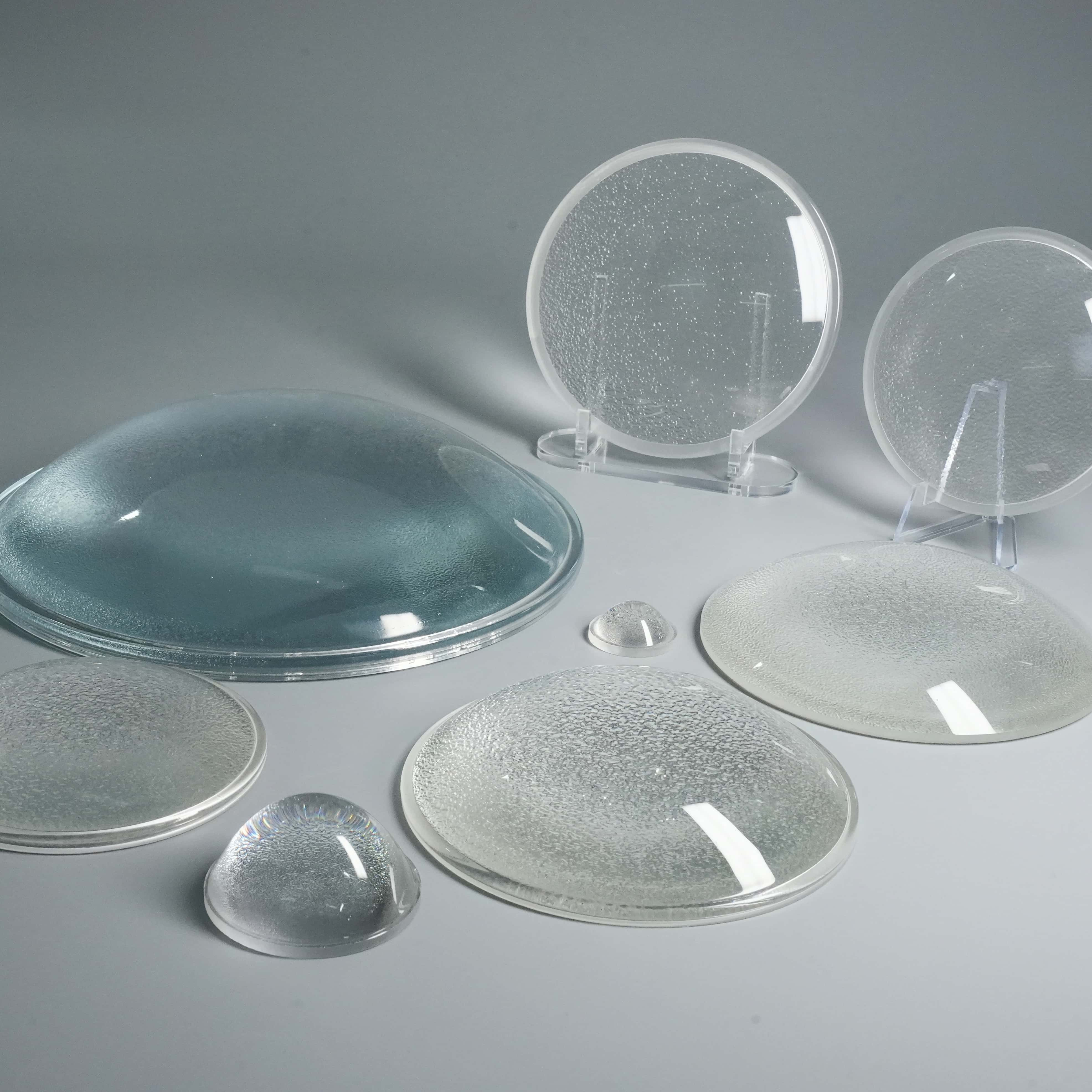
Bo Glass Asymmetric LED Lens Roadway Street Light Reduces Light Pollution Glare Borosilicate Glass UV Protection OEM
Asymmetric light distribution suppresses upward glare for Fukuoka street and roadway fixtures. Borosilicate body with UV protection; OEM dimensions and coatings on request.
View product →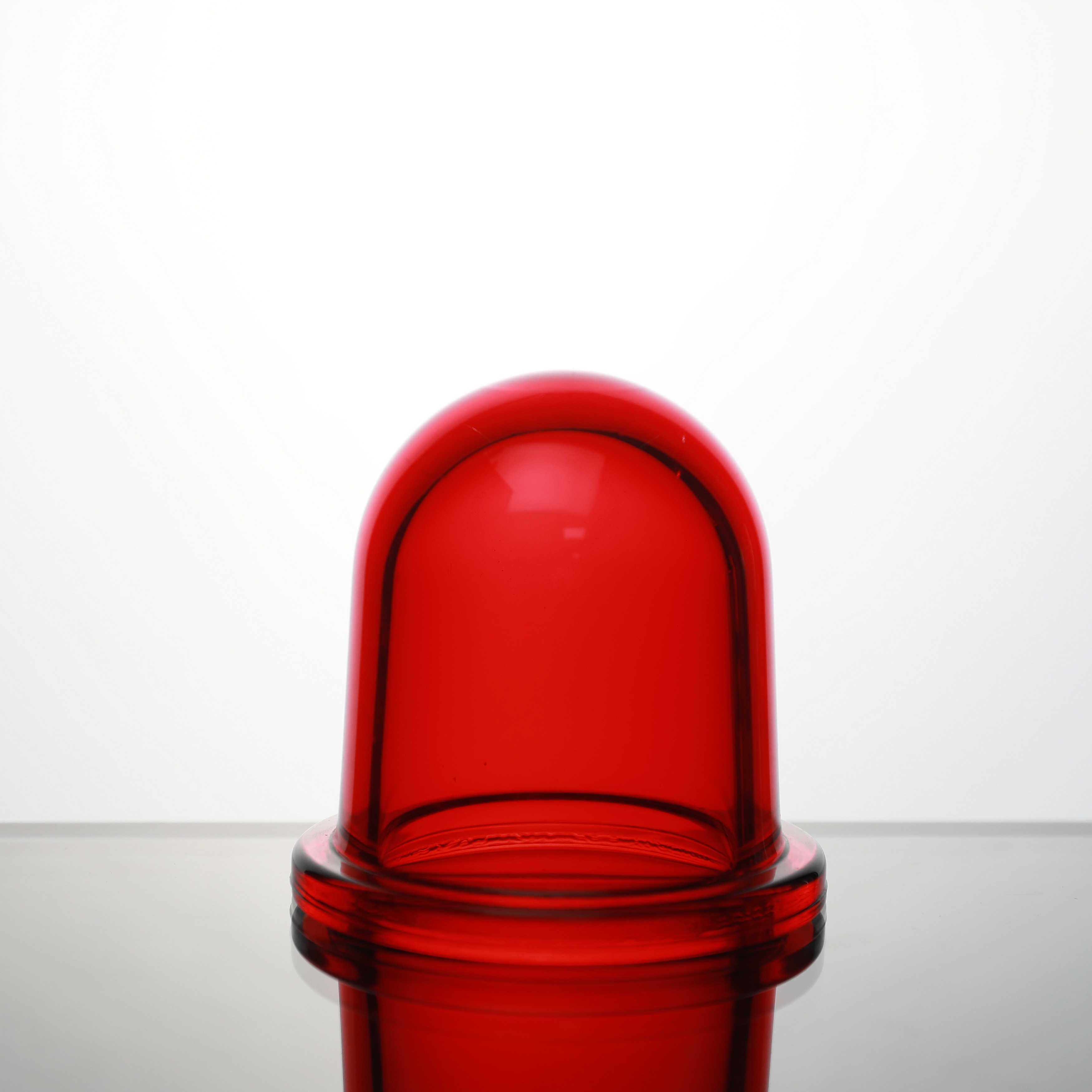
Custom Size Clear Borosilicate Explosion-Proof Antique Glass Light Covers Modern 2-Year Warranty Airport Outdoor Industrial
Clear borosilicate covers for explosion-proof, antique-style and outdoor luminaires in airports, ports and process plants. Two-year warranty, OEM packing.
View product →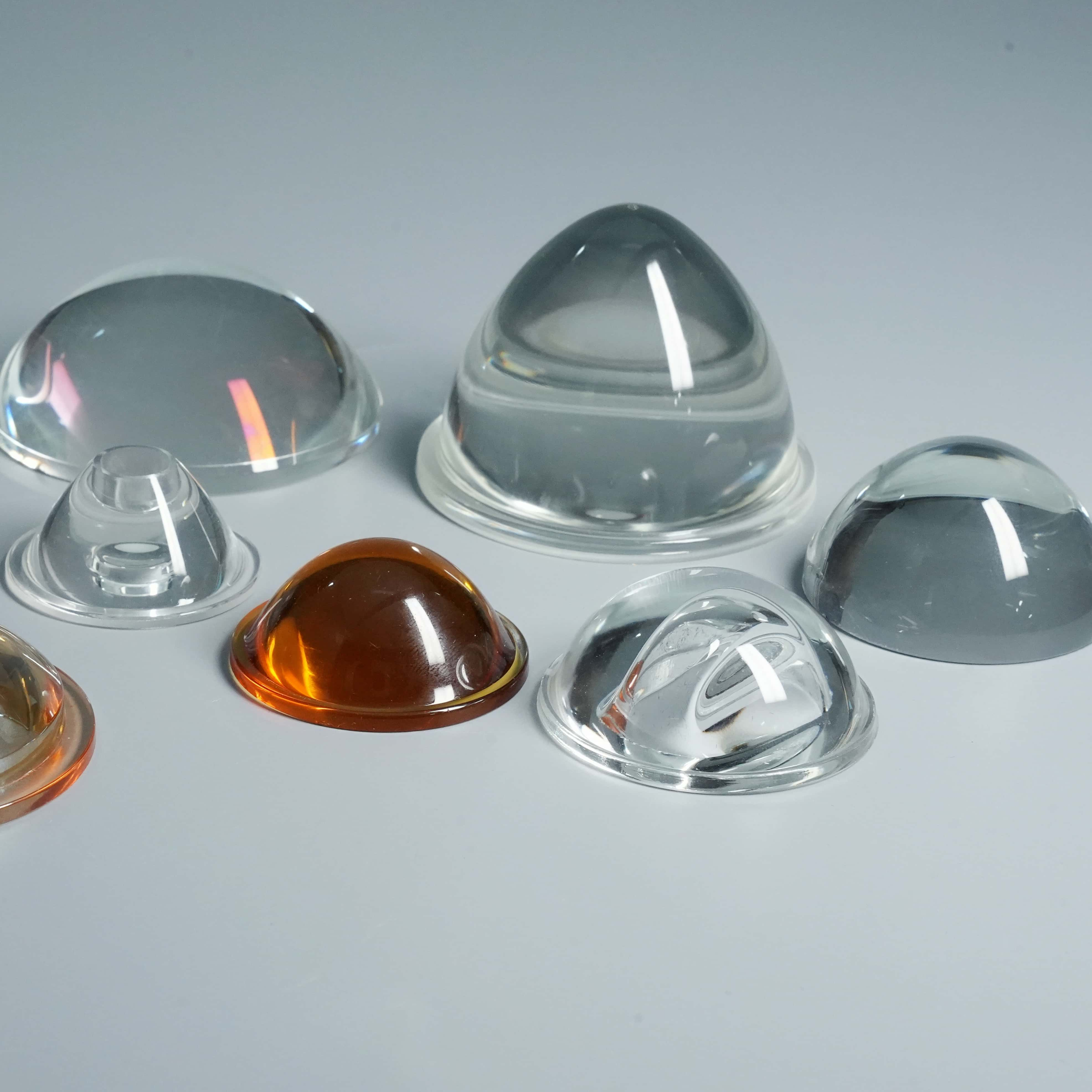
Custom Borosilicate Glass LED Grow Light Convex Lens with Anti-Reflective Coating for Indoor Farming Full Spectrum Lighting
AR-coated convex borosilicate lens that keeps full-spectrum output high for plant factories and indoor farms in Kyushu's high-value agriculture sector.
View product →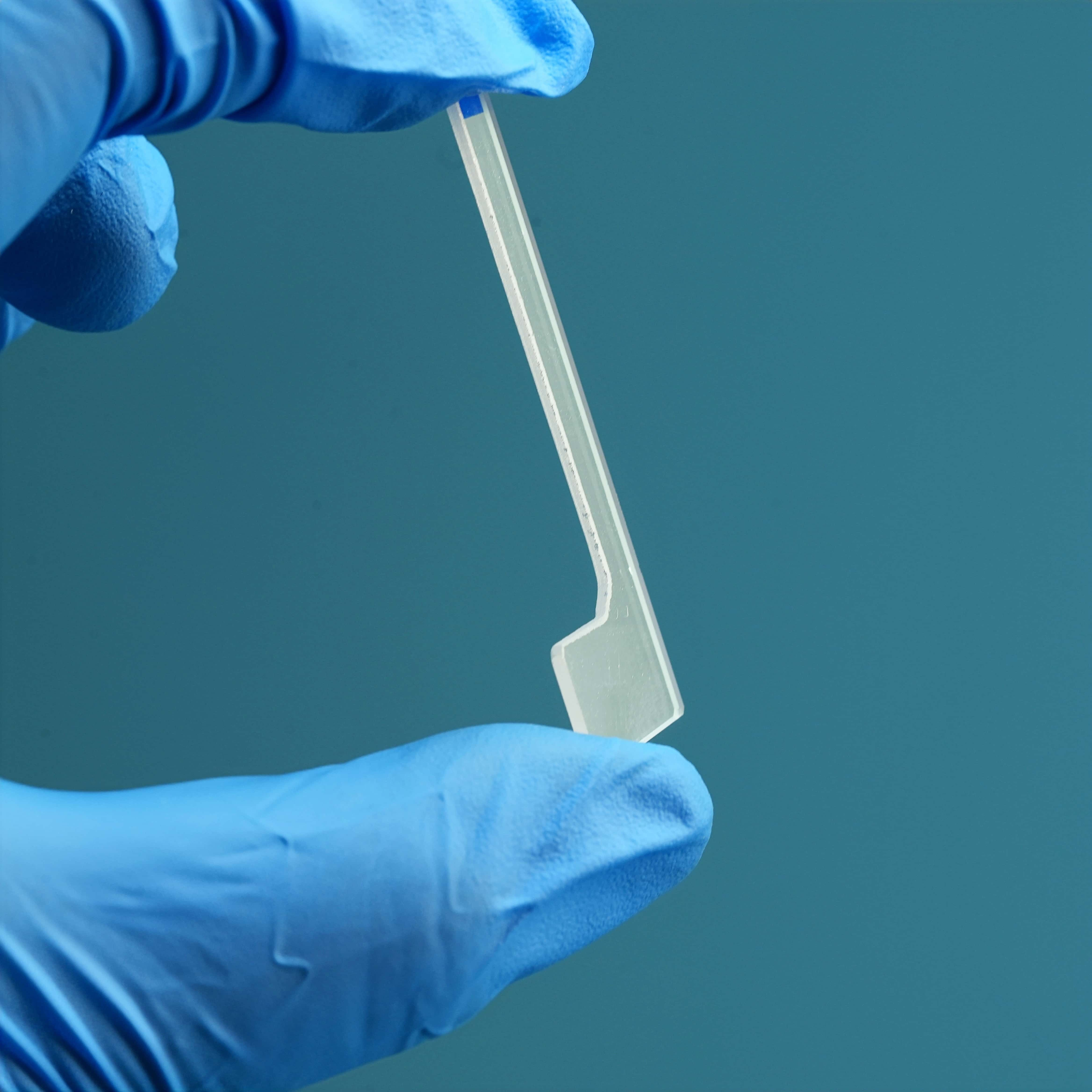
Anamorphic Prism Pair for Laser Beam Shaping Circularizing Elliptical Beams for Fiber Coupling Applications
Prism pair that circularises elliptical laser beams for fibre coupling, sensing benches and precision laser processing equipment.
View product →
High-Light Transmission Clear Borosilicate Glass Dome Lens LED Outdoor Lighting Fixtures Impact Resistant Anti-Scratch OEM
High-transmission dome lens for outdoor LED fixtures; impact and scratch resistant, well suited to salt-air installations around Hakata Bay.
View product →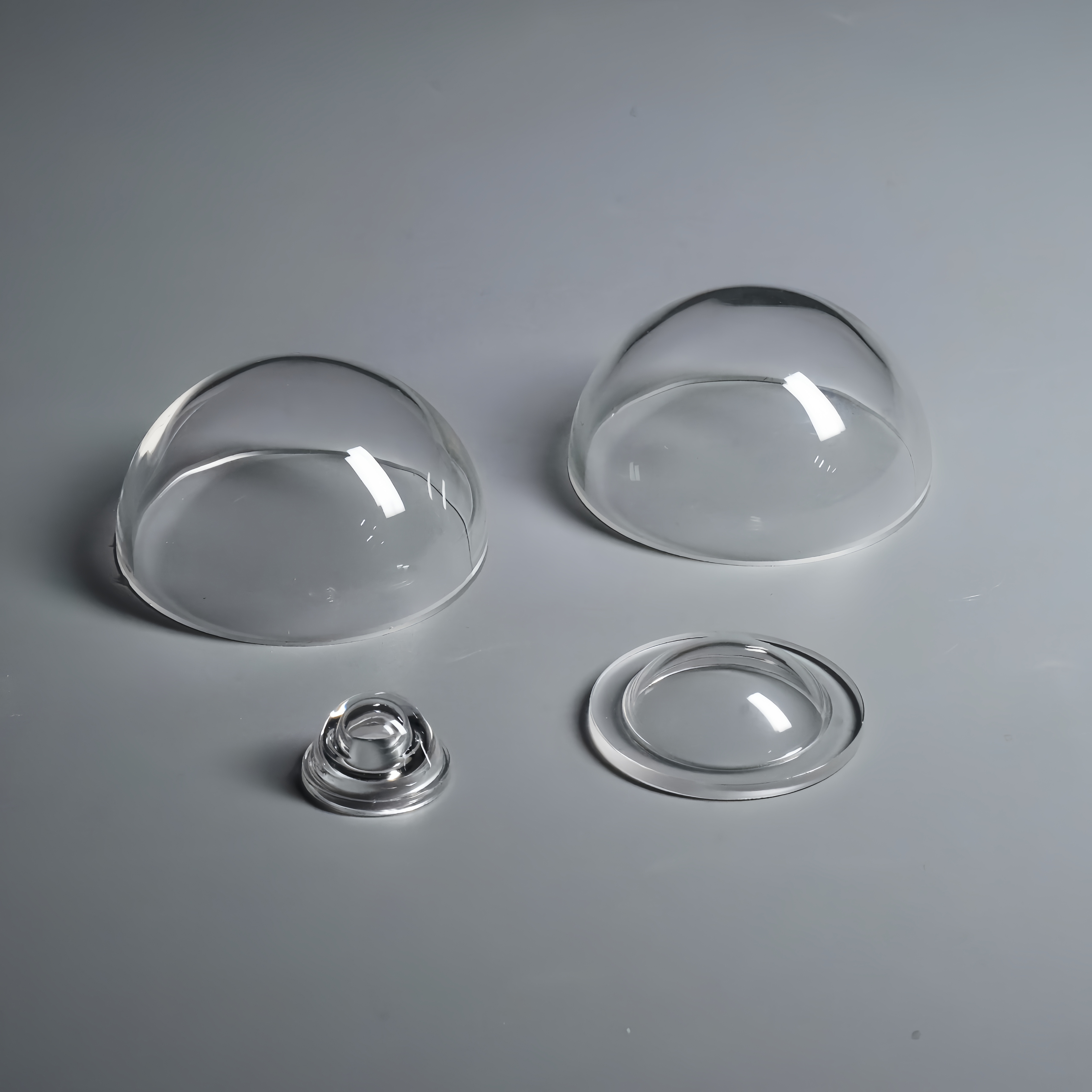
Mold Pressed Clear High Quality K9 Optical Dome Lens with Anti-Reflective Coating for Lighting OEM Customized Headlight Glass
Mould-pressed K9 optical dome with AR coating for headlight and projection modules; customised drawings and PPAP documents accepted.
View product →
Borosilicate Transparent Explosion-proof Shade, Heat-resistant & Crack-proof, Transparent Protective Cover
Heat-resistant, crack-proof protective shade for high-temperature and hazardous-area fixtures; high light transmission with stable geometry.
View product →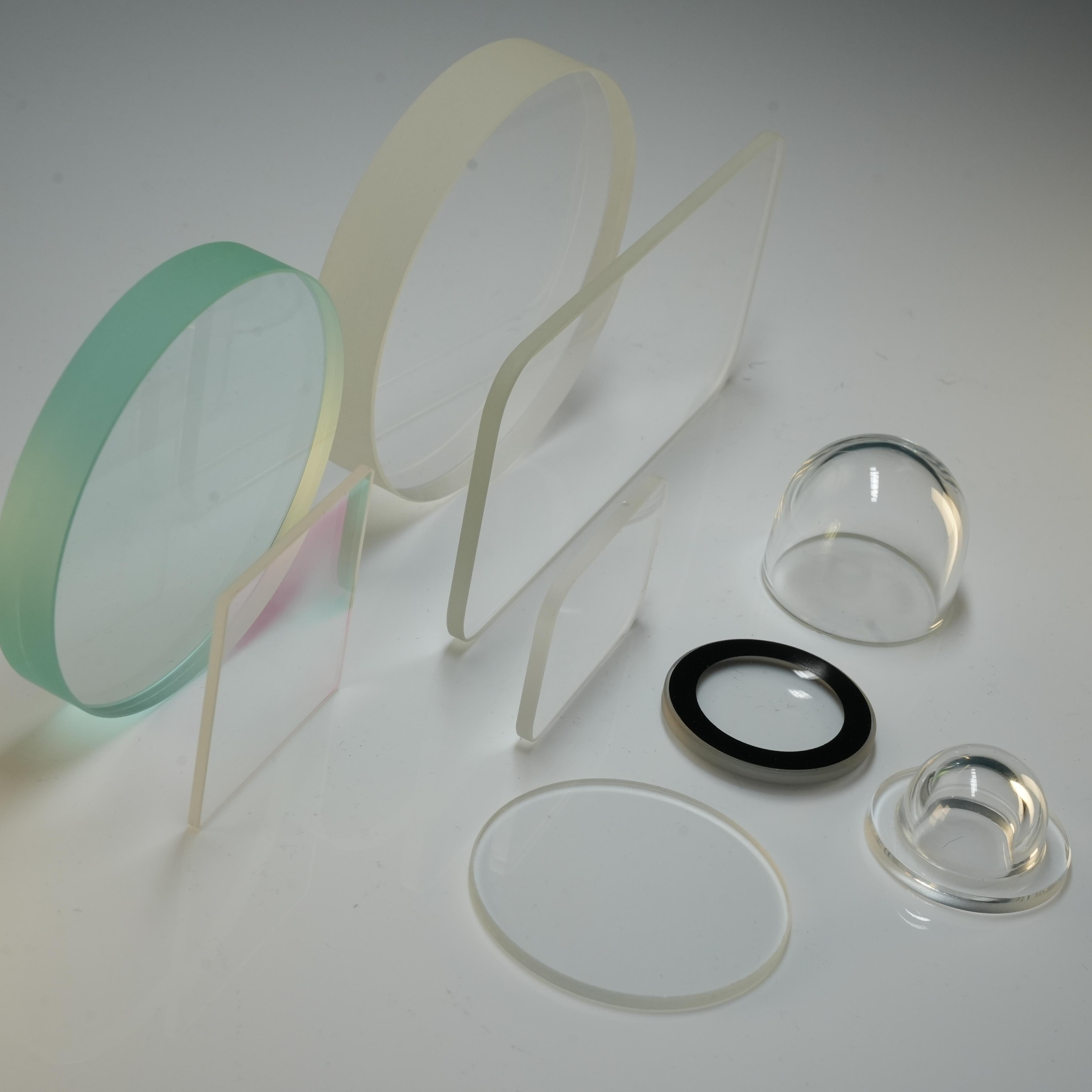
Manufacturer OEM Transparent High Quality Precision Borosilicate UV Fused Silica Coated Glass Optical Window High Transmittance
Precision UV fused silica and borosilicate window with high transmittance and coating options for inspection, sensing and research equipment.
View product →Shanghai Tambi Glass — the Factory Behind the Catalogue
Shanghai Tambi Glass Industrial Co., Ltd. is a manufacturer and trading company specialised in custom lighting and optical glass. These are the numbers Fukuoka procurement teams check first.
Where Quartz and Borosilicate Lenses Are Used in Fukuoka and Kyushu
Kyushu is often called Japan's Silicon Island, and Fukuoka sits at the commercial centre of that industrial belt. The same lens specification problem shows up in very different forms across the region.
Semiconductor & FPD Equipment
Wafer fabs and equipment builders across Fukuoka, Kumamoto and Oita use UV fused silica windows and lenses in inspection optics, exposure light paths and chamber viewports. The requirement is deep-UV transmission combined with near-zero thermal expansion under continuous lamp load.
Automotive & ADAS Modules
The Toyota Kyushu and Nissan Kyushu supplier chains demand K9 domes, AR-coated headlight lenses and LiDAR cover windows with tight dimensional repeatability, colour consistency and full PPAP documentation for every change in drawing.
Airport, Port & Beacon Lighting
Fukuoka Airport, Hakata Port and the Kanmon Strait beacons rely on red and clear borosilicate domes where colour stability and thermal-shock resistance matter more than unit price. Specifications usually reference FAA L-810 or EN 50293 fixture programmes.
Shipbuilding & Marine Equipment
Builders and marine-equipment makers in Kitakyushu and Nagasaki specify handblown and pressed covers that resist salt spray, wind load and repeated washdown. Wall thickness and annealing quality decide whether a cover survives its first typhoon season.
Universities & Research Institutes
Kyushu University and the Kitakyushu Science and Research Park regularly order small batches of prisms, bandpass filters and custom windows. These orders are driven by drawings rather than catalogues, and sample quantities are normal.
Plant Factories & Horticulture
High-value agriculture and indoor cultivation projects around Fukuoka use AR-coated convex borosilicate lenses so that full-spectrum LED output reaches the canopy instead of reflecting off the lens surface.
Four Localised Purchasing Trends Shaping the Fukuoka Optical Glass Market
What Fukuoka buyers ask for has changed noticeably over the last few procurement cycles. These four shifts explain most of the new enquiries we receive from Kyushu.
From Standard Parts to Drawing-Based Batches
Distributors and equipment builders increasingly order from 2D or 3D drawings with small, mixed volumes instead of catalogue SKUs. Suppliers are judged on how fast they can review manufacturability, not on how many items they stock.
JPY Quotations and DDP Delivery
Exchange-rate movement has pushed Japanese buyers toward quotations in yen with DDP terms to Hakata or Kitakyushu. Transparent landed cost, including duties and inland freight, now matters as much as the ex-works price.
Energy Efficiency and Optical Yield
Energy-saving targets and customer KPIs are pushing fixture makers to raise transmission and cut coating reflection losses. Anti-reflective coatings and tighter index control are now specified at the drawing stage, not added later.
Supply-Chain De-Risking
Dual sourcing, third-party factory audits, material certificates and batch traceability are now routine requests. Buyers want to verify the plant before the first sample order, not after the first quality claim.
How to Choose Between Quartz, Borosilicate 3.3, K9 and Tempered Glass
Choosing the wrong glass at the drawing stage is the most common cause of cracked covers, colour drift and field returns. This is the comparison our engineers use when reviewing a new Fukuoka enquiry.
| Material | Thermal Expansion (×10⁻⁶/K) | Typical Max. Working Temp. | Key Strength | Typical Fukuoka / Kyushu Use |
|---|---|---|---|---|
| UV Fused Silica (Quartz) | ≈ 0.55 | ≥ 1000 °C | Deep-UV transmission, near-zero expansion | Semiconductor inspection windows, UV optics, high-temperature viewports |
| Borosilicate 3.3 | ≈ 3.3 | ≈ 450 °C | Excellent thermal-shock resistance | Explosion-proof shades, high-power LED lenses, Fresnel optics |
| K9 / BK7 Equivalent | ≈ 7.1 | ≈ 300 °C | High homogeneity, nd ≈ 1.517 | Headlight domes, prisms, precision lenses, filters |
| Tempered Soda-Lime | ≈ 9.0 | ≈ 250 °C | High impact strength, economical | Outdoor covers, floodlight glass, vandal-resistant lenses |
Values are typical references. The final specification is confirmed against your drawing, lamp surface temperature, impact rating and the standard your luminaire must meet.
Why Fukuoka Procurement Teams Hand Their Drawings to Tambi Glass
Most of our orders are not catalogue purchases. They start with a drawing, a sample or a photograph of a failed part. That is exactly the workflow we built the factory around.
Drawing-Based OEM / ODM
Send a 2D or 3D drawing, or a physical sample with dimensions, tolerance, material, colour and coating requirements. Most projects we ship to Japan are built entirely from customer drawings rather than standard moulds.
One Supply Chain, Four Processes
Pressing, blowing, grinding and optical coating sit under a single supply chain. That means a project mixing a pressed cover, a ground prism and an AR-coated lens can be quoted, sampled and shipped as one order.
Manufacturability Review Before Tooling
Senior lighting and moulding engineers check wall thickness, draft angle, sealing faces and optical path alignment before a mould is cut. Fixing a design issue at drawing stage is far cheaper than fixing it after mass production.
Onsite-Verified and Auditable
Our premises have been checked onsite during third-party supplier verification. Video factory tours, sample-room walkthroughs and third-party audits are all welcome before you place the first production order.
Reply Within Six Hours
Technical enquiries average a response inside six hours. Send the drawing with annual volume and target surface temperature, and you receive a manufacturability note plus an indicative price in one reply.
Export-Grade Fragile Packing
Parts are separated by foam or pulp dividers, packed into reinforced export cartons and palletised for sea or air freight. Custom labelling and distributor packaging can be arranged for Japanese channel partners.
A Controlled Six-Step OEM Process
Clear checkpoints keep surprises out of the gap between sample approval and mass production.
Drawing Review
DFM check covering thickness, draft, tolerance and sealing face before quoting.
Mould & Tooling
New or existing moulds for pressing, blowing or grinding, selected per part geometry.
Sampling
Samples measured, photographed and shipped for your fit and light-output test.
Forming & Annealing
Controlled annealing or tempering to relieve internal stress and stabilise geometry.
Coating & QC
AR or colour coating, dimensional inspection and visual defect screening.
Export Packing
Divider-packed cartons, palletised for sea or air freight to Japan.
Questions Fukuoka Buyers Ask Before the First Order
These are the questions that come up most often from procurement and engineering teams in Kyushu.
Can you ship directly to Fukuoka or Kitakyushu and quote a DDP price?
Yes. We quote FOB, CIF and DDP terms. For DDP deliveries we confirm the destination port, inland address and consignee details, then return a landed price that includes duty and local delivery to Fukuoka, Kitakyushu or any other Kyushu address you specify.
What is the minimum order quantity for quartz glass lenses?
Typical MOQs range from 50 pieces for optical lenses and domes to 100–500 pieces for pressed or blown lighting covers, depending on whether an existing mould can be used. Sample quantities are available so your engineers can evaluate fit and light output first.
Should I specify fused quartz or borosilicate 3.3 for my fixture?
Fused quartz is the right choice when the part must survive deep-UV exposure or surface temperatures above roughly 500 °C, and when dimensional stability under heat is critical. Borosilicate 3.3 is usually the better balance for high-power LED covers and explosion-proof shades, because it tolerates rapid temperature swings at a lower cost than quartz.
How long do sampling and mass production take?
Sampling usually takes 7–15 working days after drawing confirmation and mould availability, and mass production follows in roughly 20–30 working days depending on quantity, coating and annealing requirements. Schedule-critical projects can often be accelerated — tell us the installation date at the enquiry stage.
Do you accept JPY settlement and domestic transhipment within Japan?
We can quote and invoice in JPY for Japanese buyers, and we can ship to a Japanese trading company or forwarder for domestic transhipment. Documentary requirements, Incoterms and payment terms are confirmed at the quotation stage.
How are fragile glass parts packed for export?
Parts are separated by foam or pulp dividers, packed into reinforced export cartons and palletised for sea or air freight. Custom packaging and labelling for distributors can be arranged, and additional edge protection is used for thin-wall lenses and large domes.
Can you provide material reports, dimensional reports and coating curves?
Yes. Material certificates, dimensional inspection reports, transmission data and coating curves can be supplied with the shipment or in advance for your supplier qualification file. Non-destructive and destructive inspection options are agreed per project.
Do you support fixture programmes referencing FAA L-810 or EN 50293?
We produce glass lenses and domes for fixture makers whose obstruction and signal lights are designed around FAA L-810 or EN 50293 requirements. Certification for the finished luminaire is held by the luminaire manufacturer; we match colour, transmission and dimensional specifications and provide inspection documentation on request.
Send Your Drawing — Get an Engineering Review Within 6 Hours
Tell us the dimensions, glass type, operating temperature, coating and annual volume. Our engineers will reply with a manufacturability note, a recommended material specification and a JPY quotation for delivery to Fukuoka.
Get Catalog