Eight Recommended Pressure Sight Glass & Optical Glass Products for Mérida Buyers
These eight product families cover the glass components most often requested for viewing windows, pressure sight glass assemblies, explosion-proof fixtures, sensor domes and optical inspection. Product URLs and images are retained from the original catalog; every item can be reviewed against your drawing, gasket, retaining ring and operating temperature.

Custom Size Clear Borosilicate Explosion-Proof Antique Glass Light Covers Modern 2-Year Warranty Airport Outdoor Industrial
Heavy-wall borosilicate cover for hazardous-area luminaires, outdoor industrial fixtures and protective sight-glass guards. High thermal-shock resistance suits hot lamp chambers and wet washdown areas.
Best fit: high heat + impact protection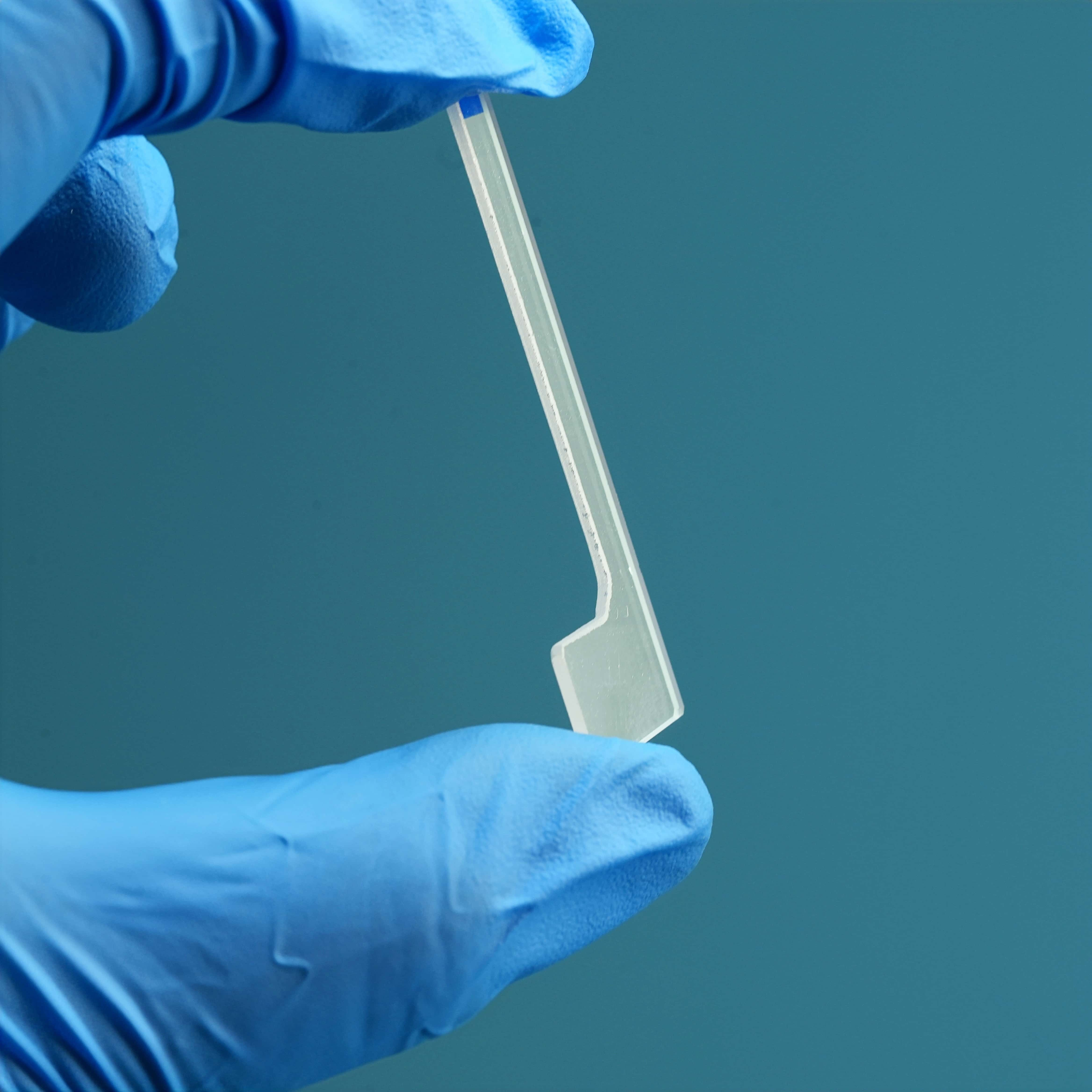
Anamorphic Prism Pair for Laser Beam Shaping Circularizing Elliptical Beams for Fiber Coupling Applications
Prism pair for beam circularization, fiber coupling and optical inspection benches. Useful for metrology, sensing and laser-based quality control equipment supplied into Yucatán’s advanced maintenance and electronics niches.
Best fit: beam shaping + fiber coupling
Factory Price Custom Precision Optical 1-200mm Clear BK7 Spherical Quartz Glass Half Ball Concave/Biconvex Lens Anti-Reflective
Custom BK7 and quartz spherical lenses for sensor windows, beam steering, inspection optics and instrument repair. AR coating options help maintain transmission in humid, high-glare environments.
Best fit: optical clarity + custom diameter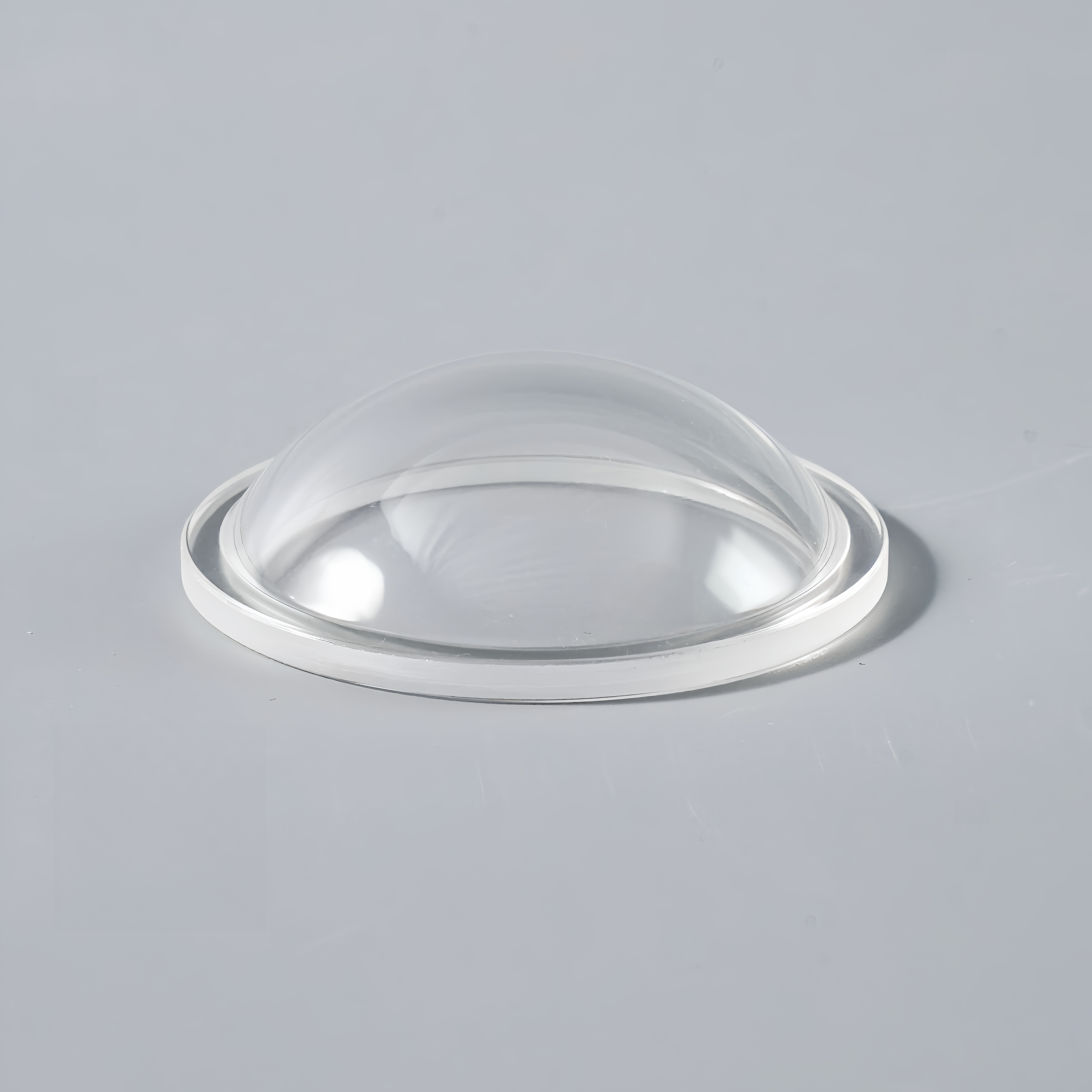
High-Light Transmission Clear Borosilicate Glass Dome Lens LED Outdoor Lighting Fixtures Impact Resistant Anti-Scratch OEM
Clear borosilicate dome with high transmission and impact resistance for outdoor LED fixtures. Can be adapted for dome-style viewing windows where gasket sealing and thermal cycling are critical.
Best fit: outdoor LED + impact resistance
Manufacturer OEM Transparent High Quality Precision Borosilicate UV Fused Silica Coated Glass Optical Window High Transmittance
High-transmittance optical window in borosilicate or UV fused silica. A strong candidate for pressure sight glass assemblies, inspection ports, UV viewing and coated viewing windows requiring precise flatness.
Best fit: pressure sight glass + UV viewing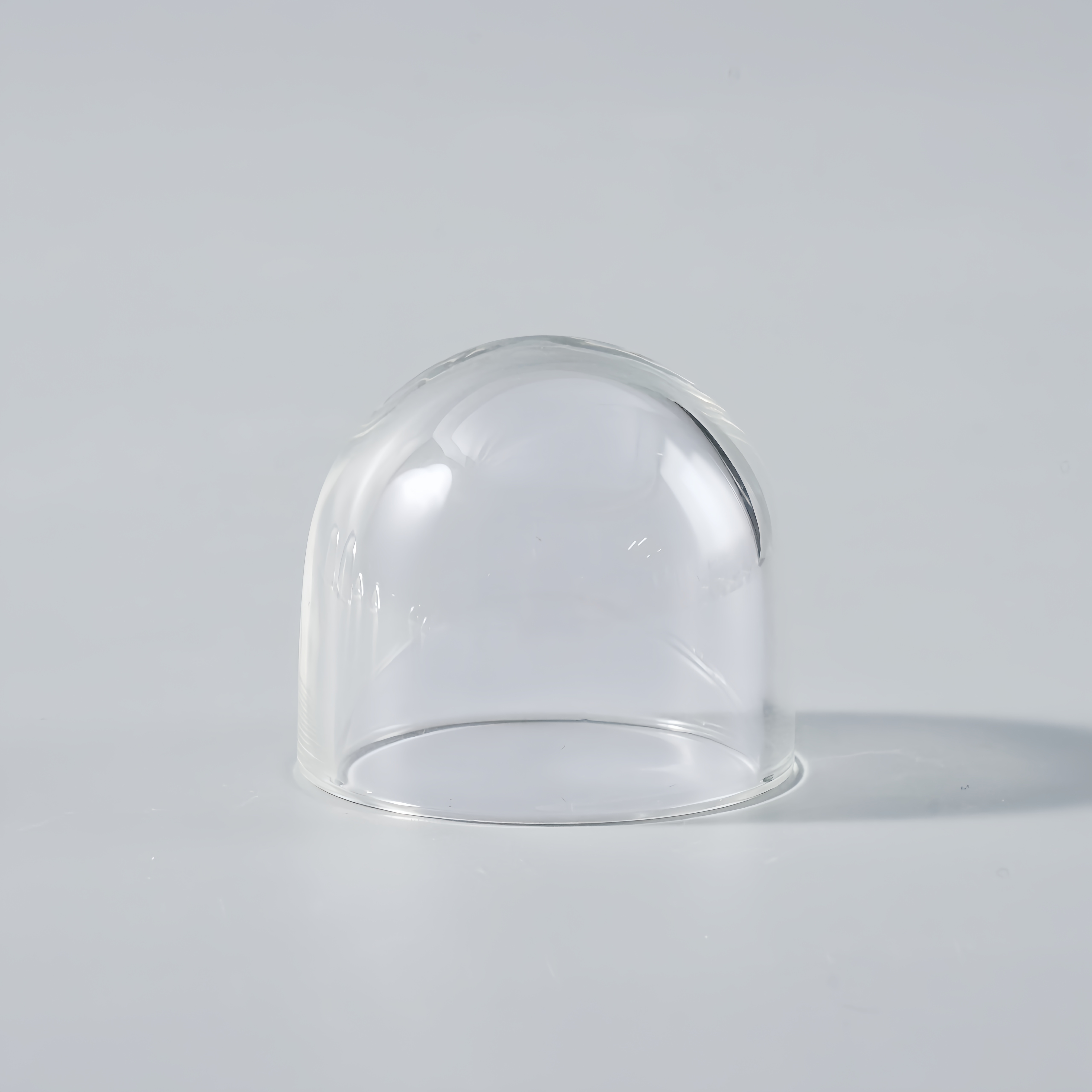
Customizable OEM Optical Glass Domes Broadband AR Coating Precision Hemispherical Windows for LiDAR Sensors Scientific
Broadband AR-coated hemispherical dome for LiDAR, scientific instruments and protected optical sensors. The dome format is also relevant where a pressure sight glass needs a curved viewing surface.
Best fit: LiDAR + scientific instrument windows
Factory Custom BO-GLASS Quartz BK7 K9 Arcoated Fused Silica High Precision Right Angle Prism 90Degree Clear ODM/OEM 3-Year
Right-angle prism in BK7, K9, quartz or fused silica for beam turning, periscopes, inspection instruments and optical assemblies. AR-coated options support low-loss transmission in compact equipment.
Best fit: beam turning + instrument repair
Wholesale OEM Shape Size Borosilicate Glass 175mm Diameter AR Coating Double Plano Convex Achromatic Fresnel Lens BO GLASS Stage
Large 175 mm borosilicate Fresnel lens with AR coating for stage, studio and high-power LED collimation. High-temperature glass helps maintain optical performance where conventional plastics may degrade.
Best fit: stage lighting + high-power LEDShanghai Tambi Glass Industrial Co., Ltd. is a manufacturer and trading company with an 11–50 person team, US$2.5M–5M annual export revenue and drawing-based OEM / ODM support for global lighting and optical buyers.
Pressure Sight Glass Factory & Supplier Serving Mérida: What Buyers Should Verify Before Ordering
Procurement teams searching for a trusted pressure sight glass factory serving Mérida are rarely looking for a generic glass catalog. They need a supplier who can read a drawing, recommend a material, control sealing-face quality and ship fragile glass to Yucatán without turning a maintenance order into a customs or breakage problem.
In Mérida, a pressure sight glass is usually part of a larger assembly: a tank viewing port, a pipeline sight-flow indicator, a pump inspection window, a chemical dosing skid, a marine signal housing, a food-processing vessel or a high-temperature luminaire guard. The glass must work with the metal ring, gasket, clamp, bolt torque, operating pressure and temperature cycle chosen by the equipment builder. A low-cost disc that fits the drawing but ignores thermal expansion or gasket compression can leak, crack or cloud in service. That is why drawing review, material traceability and inspection records matter more than a catalog photo.
Shanghai Tambi Glass Industrial Co., Ltd. supplies custom borosilicate covers, explosion-proof lampshades, signal-light domes, LED lenses, Fresnel lenses, optical domes, prisms and coated windows. For more than a decade the company has focused on how glass performs inside real fixtures and instruments: heat build-up behind high-power LEDs, thermal shock from rain or washdown, impact loads in hazardous areas, color accuracy for signal lights and optical path alignment for sensing equipment. The company combines pressed, blown, ground, polished and coated processes under one supply chain, reviews drawings before tooling and confirms samples before mass production.
Factory verification first
Check legal entity, premises verification, production method, inspection capability and export packing. Tambi Glass is an onsite-verified supplier with supplier assessment, credit index, transaction level and trade history available for procurement review.
Application fit second
Match thermal expansion, maximum surface temperature, thickness, sealing-face flatness, gasket material and required transmission. A pressure sight glass is not rated by glass alone; the finished assembly, retaining ring and installation torque share responsibility.
Mérida logistics third
Plan samples, mold or tooling, production slots, sea freight via Progreso or Manzanillo, air freight to Mérida for urgent spares, customs documents and divider-packed export cartons. Fragile glass needs packaging designed before the first order ships.
Where Pressure Sight Glass and Optical Windows Matter in Mérida and Yucatán
Mérida’s climate, port access and industrial mix create specific service conditions: high humidity, salt-laden air near the coast, tropical UV, limestone dust, seasonal storms and frequent washdown in food and hospitality-related operations. These conditions influence gasket choice, inspection intervals and the glass material you should specify.
Food, beverage & agro-processing
Yucatán’s food, beverage, honey, sauce, seafood and agro-export processors use sight glasses on mixing tanks, transfer lines, filters and clean-in-place loops. Specify a smooth, easy-clean glass surface, compatible gasket and borosilicate 3.3 where hot washdown can create thermal shock.
Water treatment, HVAC & cooling
Heat and humidity increase cooling-tower, boiler, filtration and water-reuse duty across Mérida. Sight windows on pumps, chemical dosing lines and filters need clarity and resistance to repeated temperature swings. Fused silica is useful for UV inspection; borosilicate is a practical choice for visible-flow and hot-loop windows.
Marine, port & offshore support
Progreso’s salt-laden air is tough on hardware. Glass itself resists corrosion, but gaskets, retaining rings and fasteners may not. For marine signal housings, deck equipment and port maintenance shops, ask for sealed viewing windows, corrosion-aware assembly guidance and practical spare-glass quantities.
Chemical, energy & aviation maintenance
Fuel and lubricant handling, hydraulic systems, chemical storage and aviation ground-support operations need inspection windows that remain clear under UV and temperature cycling. Use fused silica or BK7 where precision transmission is important; use borosilicate where thermal-shock resistance is the priority.
What Is Changing for Pressure Sight Glass Buyers in Mérida?
Mérida is no longer only a regional service market. Nearshoring, export food processing, water reuse and maintenance outsourcing are increasing demand for documented, repeatable industrial components. Buyers want fewer surprises between the drawing, the sample, the purchase order and the spare-part order.
Nearshoring and local technical sourcing
Manufacturers serving Mexico and North America want suppliers who can combine drawing review, tooling, glass forming, coating, inspection and export documentation. Mérida’s logistics position makes Progreso and Manzanillo practical gateways for sea freight, while air freight supports urgent samples and spare glass.
Water stewardship and food-grade exports
Water reuse, treatment upgrades and food-safety audits are pushing buyers toward material reports, clean surface finishes and repeatable dimensions. A pressure sight glass that clouds, chips or leaks can trigger maintenance downtime and audit findings, so documentation and spare-part planning are becoming part of the specification.
Tropical climate and longer service intervals
UV exposure, humidity, salt fog and seasonal storms stress gaskets and sealing faces. Teams in Mérida increasingly ask for inspection guidance, thermal-shock warnings, installation torque recommendations and small spare-glass quantities so a single damaged window does not stop a line.
Buyer priority signals in Mérida-style inquiries
These bars are illustrative priority signals from typical OEM project reviews, not a statistical market study. They show why a pressure sight glass supplier must answer technical questions quickly and provide evidence before price can be compared fairly.
Material Selection for Pressure Sight Glass Windows in a Tropical Climate
Selecting the right glass early prevents cracked covers, cloudy windows and field returns. The table below is a practical starting point for Mérida buyers reviewing pressure sight glass, viewing ports and optical windows. Final specifications must be confirmed against your drawing, lamp or process temperature, pressure ring, gasket, impact rating and certification scope.
| Material | Thermal expansion (×10⁻⁶/K) | Typical max. working temp. | Best-fit sight-glass use | Mérida-specific note |
|---|---|---|---|---|
| Borosilicate 3.3 | ≈ 3.3 | ≈ 450 °C | Explosion-proof covers, high-temperature viewing windows, Fresnel lenses, industrial sight glass | Strong general balance for hot process lines and thermal shock from washdown, rain or sudden cold-water contact. |
| UV fused silica | ≈ 0.55 | ≈ 1000 °C+ | UV-transmitting windows, high-temperature optical viewing ports, precision sight windows | Choose when UV transmission or extreme heat dominates. Higher cost and stricter handling make it a focused technical choice. |
| Tempered soda-lime | ≈ 9.0 | ≈ 250 °C | Outdoor covers, impact-resistant windows, floodlight glass, vandal-resistant lenses | Good impact strength and lower cost at moderate temperatures, but less tolerant of rapid temperature change and local hot spots. |
| Optical BK7 / H-K9L | ≈ 7.1 | ≈ 300 °C | Precision lenses, prisms, inspection windows, instrument optics | Use where optical clarity, low distortion and coating performance matter more than maximum thermal-shock resistance. |
Important: pressure rating is not a glass-only property. It depends on the complete assembly—glass thickness, diameter, edge finish, gasket, retaining ring, bolt torque, temperature and the standard applied by the equipment manufacturer. Tambi Glass supplies glass components and inspection reports; final assembly certification remains with the equipment builder or brand owner unless otherwise agreed.
Why Mérida Sourcing Teams Shortlist Shanghai Tambi Glass
For a fragile, drawing-driven component, supplier capability is part of product quality. Tambi Glass combines engineering review, glass forming, coating, inspection and export packing in one supply chain, which reduces the coordination risk between a Mérida equipment builder, its purchasing team and its maintenance department.
Drawing-based OEM / ODM
Send a 2D/3D drawing or physical sample with dimensions, tolerance, material, color and coating requirements. Engineers review wall thickness, draft, sealing faces and optical path before tooling starts.
Material breadth
Borosilicate 3.3, tempered soda-lime, quartz, fused silica and optical BK7 cover thermal-shock, impact, UV and precision-transmission requirements instead of forcing one material into every application.
Multiple forming processes
Pressed, blown, ground, polished and coated glass processes are coordinated under one supply chain. This helps match a pressure sight glass window, an explosion-proof cover and an optical dome without splitting the order across unrelated workshops.
Inspection & reports
Dimensional checks, visual inspection, coating checks and packing verification can be documented. Material and inspection reports support Mérida buyers who must satisfy internal quality audits or end-customer documentation requests.
≤6h technical response
Average response time is within 6 hours. Send drawings and annual volume for a technical and commercial review. The 11–50 person team supports long-term partners in Europe, North America and Japan with export experience.
Verified & auditable supplier
Onsite verification, supplier assessment, credit index, transaction level, trade capacity and trade history help procurement teams complete vendor qualification before placing a sample or production order.



From Drawing to Mérida: A Controlled Six-Step Process
Clear checkpoints reduce surprises between sample approval and mass production. This is especially important for pressure sight glass windows, where a small change in edge finish or sealing-face flatness can affect leakage risk.
Drawing review
DFM check of thickness, diameter, edge finish, tolerance, sealing face and optical requirements.
Material & tooling
Select borosilicate, fused silica, tempered glass or BK7; confirm existing mold or new tooling.
Sampling
Produce samples for fit, seal, light transmission, thermal test and end-customer approval.
Forming & annealing
Press, blow, grind or polish the glass; control annealing or tempering to relieve stress.
Coating & QC
Apply AR or color coating if required; inspect dimensions, surface, edges and transmission.
Export packing
Divider-packed cartons, reinforced pallets and shipping documents for sea or air freight to Mexico.
What Actually Reduces Pressure Sight Glass Failure in Yucatán?
In tropical industrial environments, the most common sight-glass problem is not a dramatic glass explosion under pressure. It is more often a slow leak caused by aged gasket material, over-torque, a damaged sealing face, thermal shock during washdown or a spare part that was never ordered. These practical checks matter as much as the glass grade.
Gasket & torque control
Follow the OEM torque sequence. Over-tightening can chip the glass edge or distort the gasket; under-tightening can leak. Replace aged gaskets when the window is removed.
Thermal-shock discipline
Avoid cold-water washdown on a hot sight glass. Allow controlled cooling before cleaning. Borosilicate 3.3 tolerates more thermal shock than soda-lime, but it is not immune to severe temperature gradients.
Surface & edge inspection
Check for chips, scratches, contamination and clouding at each maintenance interval. Edge damage can act as a crack starter. Store spares in the original divider packaging.
Design responsibility
Confirm who certifies the finished assembly. The equipment builder should validate pressure and temperature ratings with the ring, gasket and fasteners. Tambi Glass can supply dimensional, material and inspection documentation to support that work.
Common Questions from Mérida Buyers Sourcing Pressure Sight Glass
These are the questions purchasing, maintenance and engineering teams most often ask when comparing a pressure sight glass factory or supplier serving Mérida. The answers are written for practical procurement review, not generic catalog copy.
Can you manufacture pressure sight glass windows to my drawing?
Yes. Most orders are drawing-based. Send a 2D/3D drawing or physical sample with diameter, thickness, tolerance, edge finish, material, color, coating and annual volume. The engineering team reviews manufacturability and proposes a mold or process before mass production.
Which glass is better for Mérida: borosilicate or fused silica?
Borosilicate 3.3 is the practical default for many hot process lines and industrial viewing windows because its low thermal expansion helps with thermal shock. Fused silica is preferable when UV transmission, extreme heat or high-purity optical performance is required. Tempered soda-lime may suit lower-temperature impact applications at a lower cost.
How do I confirm pressure and temperature suitability?
Pressure rating depends on the complete assembly: glass thickness, diameter, edge quality, gasket, retaining ring, bolt torque, temperature and the equipment standard. Provide the operating pressure, test pressure, surface temperature and gasket details so the glass can be reviewed as part of your assembly design.
What are the typical MOQ and sample lead times?
Typical MOQs range from 50 pieces for optical lenses to 100–500 pieces for pressed or blown lighting covers, depending on whether an existing mold can be used. Sample quantities are available for evaluation. Exact timing depends on drawing complexity, tooling and coating requirements.
How are fragile glass parts shipped to Mérida?
Parts are separated by foam or pulp dividers, packed in reinforced export cartons and palletized for sea or air freight. Common routing options include sea freight via Progreso or Manzanillo with trucking to Mérida, or air freight for urgent samples and spare glass. Custom packaging and labeling can be arranged for distributors.
What documents can support customs and quality audits?
Commercial invoice, packing list, bill of lading or air waybill, material descriptions, dimensions, inspection records and certificate-of-origin support where applicable can be provided. If your finished equipment falls under Mexican NOM or other certification requirements, the equipment builder normally holds the finished-product certification.
Can you supply small spare quantities for maintenance?
Maintenance spare orders can be reviewed alongside production orders. For Mérida buyers, it is often practical to add spare sight glass windows to the first production shipment so a damaged window does not stop a line while a replacement is shipped internationally.
How do I verify your factory before ordering?
Review the supplier assessment, credit index, transaction level, trade capacity and trade history. Ask for a live video call, production-line photos, sample inspection records and packaging details. The average technical response time is within 6 hours for drawing-based inquiries.
Request a Mérida-Specific Pressure Sight Glass Review
Share your drawing, operating temperature, pressure ring, gasket material and annual volume. The engineering team will review the glass component, recommend borosilicate, fused silica, tempered glass or BK7 where appropriate, and confirm sampling and export packing options for Mérida.