Eight Optical Filter Glass Products for Denver OEMs, Labs and Integrators
These eight products are not a random catalogue page. They are the optical filter, beam-control, high-temperature and signal-glass parts most often requested by Denver-area integrators, instrument builders and fixture manufacturers. Each product can be adapted in size, thickness, colour, coating, edge finish and packaging to fit your housing, gasket and annual volume.
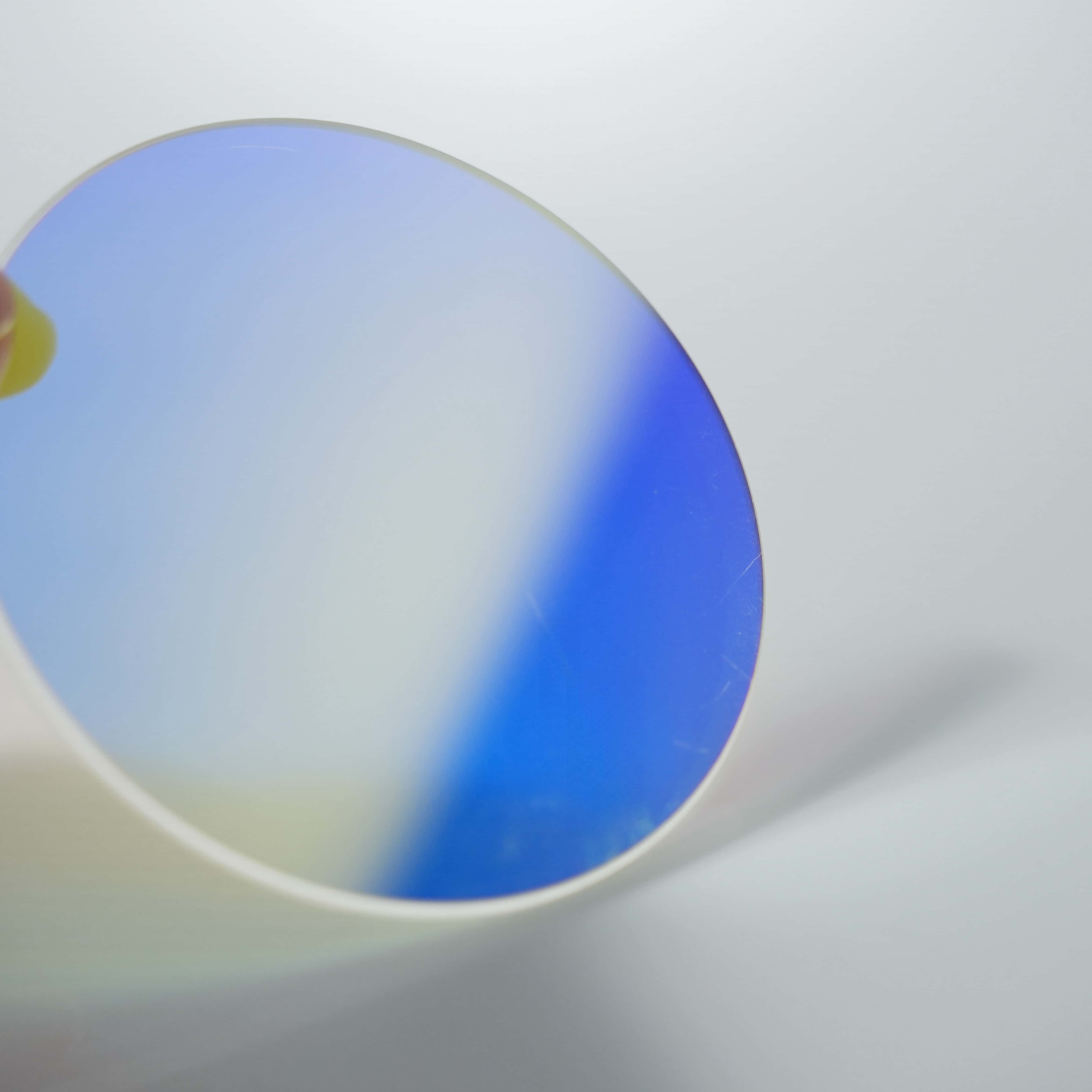
Optical Borosilicate Glass Longpass Shortpass Filter 500nm 600nm 700nm AR Coating Cut-Edge for Spectroscopy Industrial Sensor
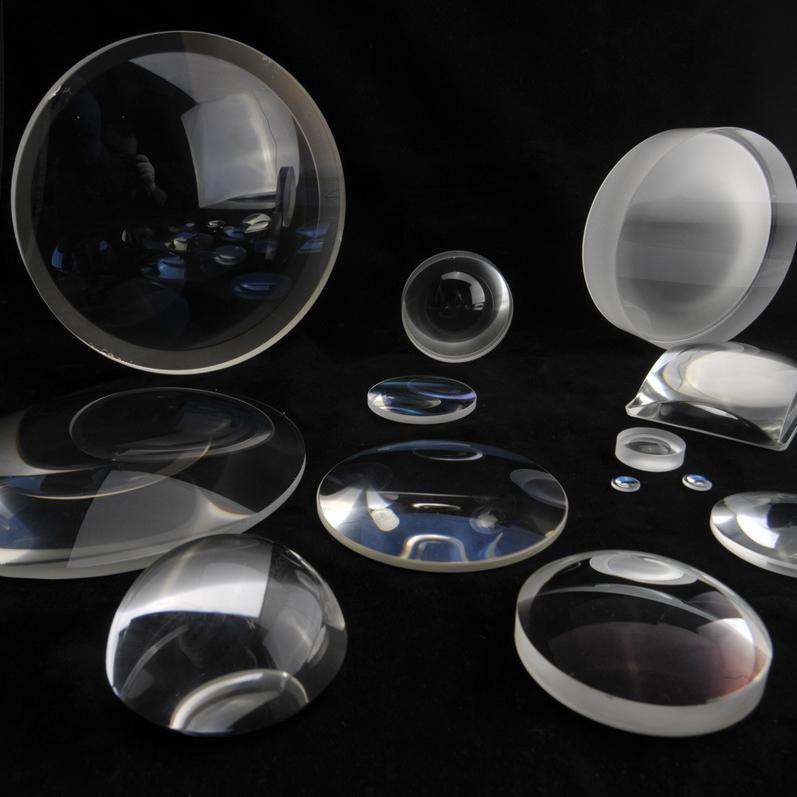
Custom High Quality Diameter 80Mm 127Mm 250Mm Spherical K9 Optical Coating Glass Plano Convex Lens for Big Magnifying
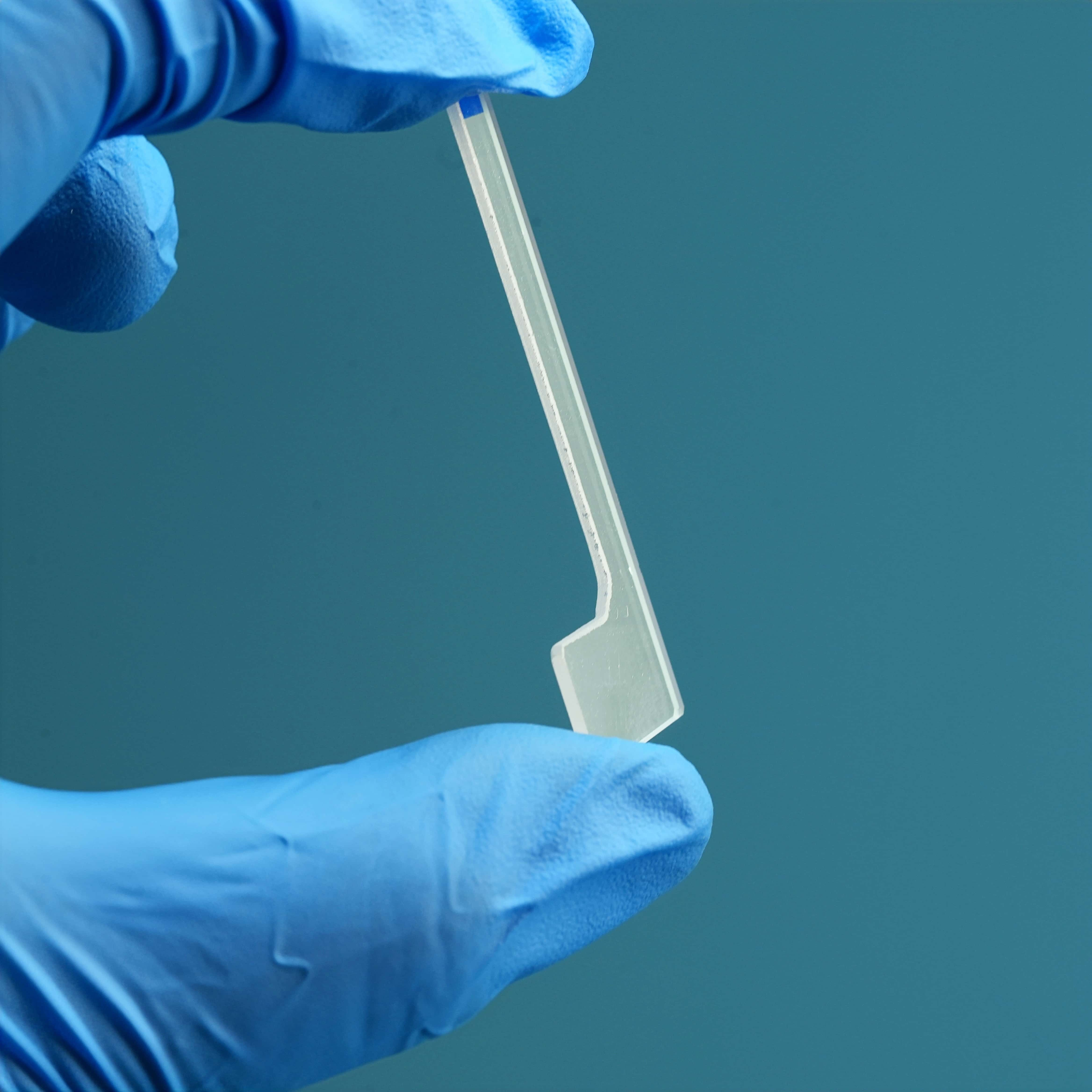
Anamorphic Prism Pair for Laser Beam Shaping Circularizing Elliptical Beams for Fiber Coupling Applications
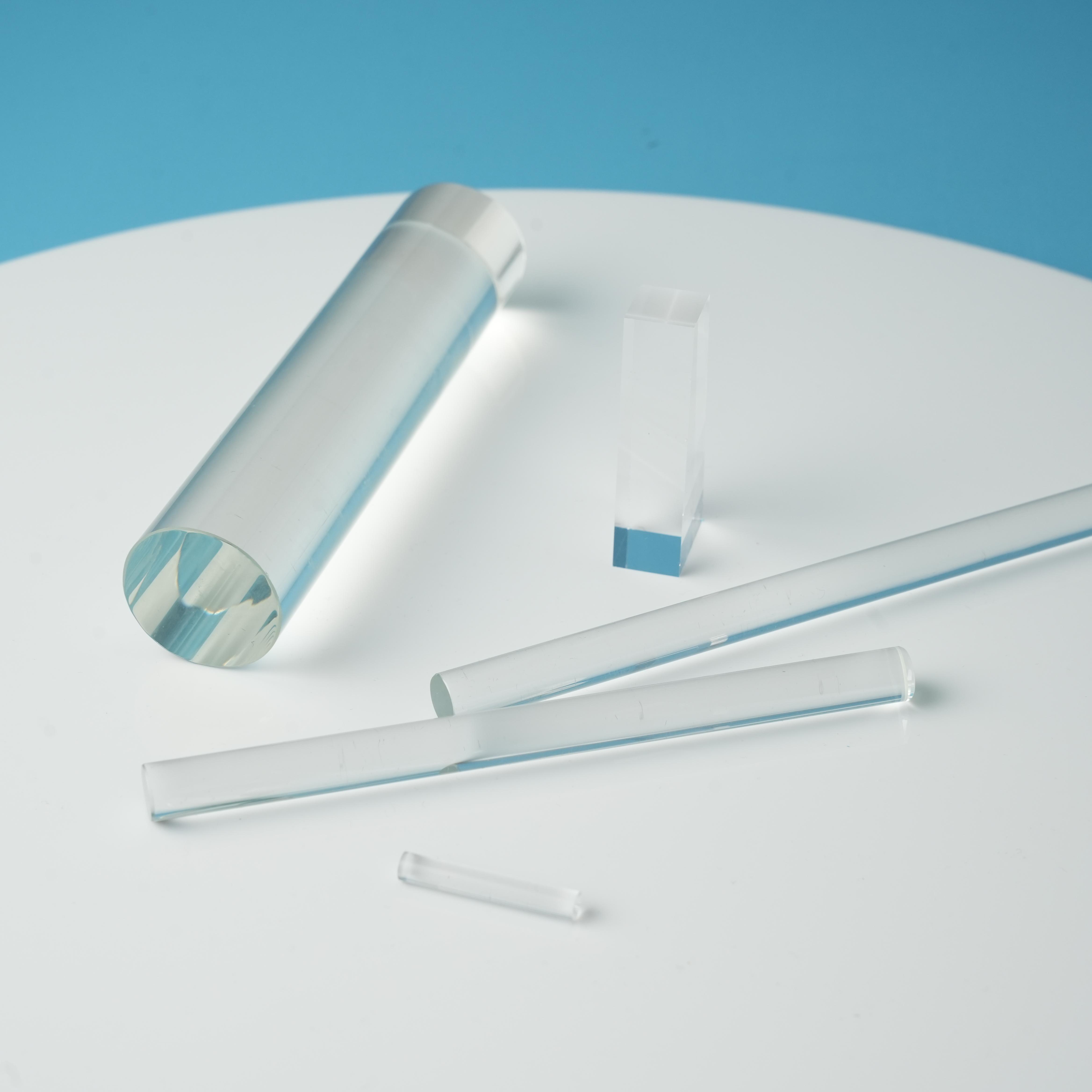
Factory Custom Shape Transparent High Borosilicate Temperature Resistant Optical Glass Light Guide Rod Rod Lens for Laboratory

Wholesale OEM Shape Size Borosilicate Glass 175mm Diameter AR Coating Double Plano Convex Achromatic Fresnel Lens BO GLASS Stage
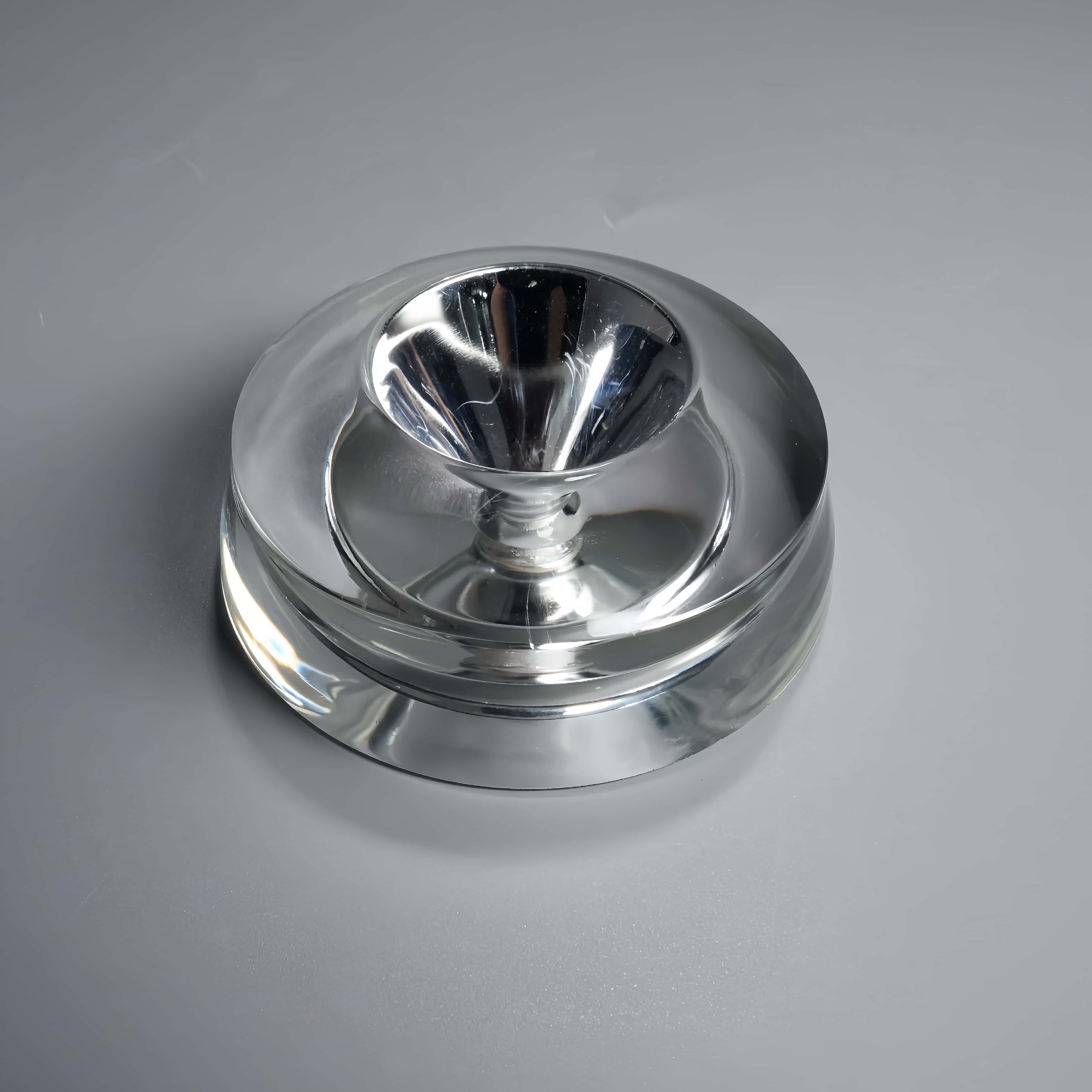
Factory China Custom Size Mold Pressed Borosilicate Bk7 K9 Eco-Friendly LED Optical Glass Lens for Taxiway Runway Airport Ground
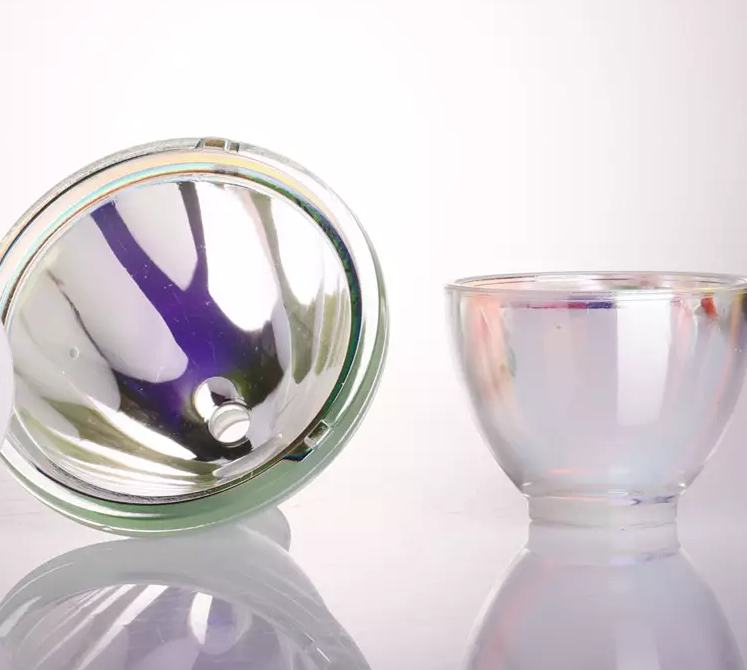
COB Glass LED Reflector Bowl Manufacturer Deep Design Perfect Beam Spotlights Projector Lights 20 60 90 Beam Angle
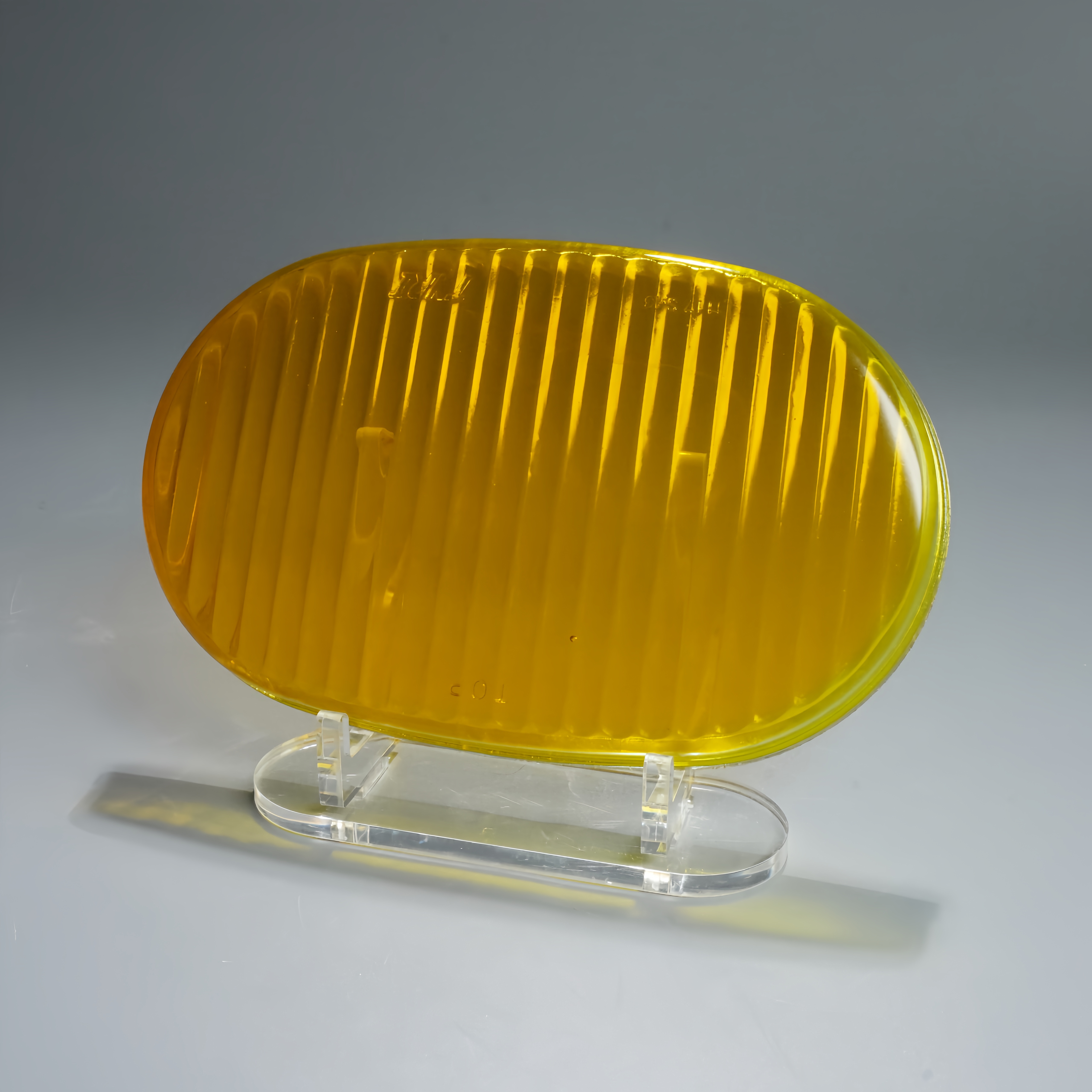
Factory Customized Size Shape Color Heat Resistant High Quality Borosilicate Glass Car Light Accessories Traditional Industrial
Why Denver Buyers Shortlist Tambi as a Trusted Optical Filter Glass Supplier
Shanghai Tambi Glass Industrial Co., Ltd. is a manufacturer and trading company, not a catalogue-only trading desk. Our team of 11–50 people has spent more than 10 years on lighting glass, optical glass and custom filter parts for OEMs in Europe, North America and Japan. Annual export revenue is in the US$2.5M–5M range, and our average technical response is within 6 hours.
Drawing-Based OEM and ODM
Most orders start from a 2D/3D drawing or a physical sample. We check wall thickness, draft, sealing face, optical path, tolerance and coating before tooling. Early DFM review is how Denver teams avoid a sample that fits the bench but leaks in a snow-loaded outdoor housing.
Material and Coating Depth
We work with borosilicate 3.3, tempered soda-lime, fused quartz and optical BK7/K9. Coatings include AR, longpass, shortpass and bandpass designs. We select from operating temperature, UV load, impact and fixture certification rather than from a single BOM price.
Onsite-Verified Supplier
Our premises have been checked onsite during third-party verification. Buyers can review supplier assessment, credit index, transaction level, trade capacity, trade history and ratings before adding us to an approved vendor list. Video calls and third-party audits are welcome.
Fast Technical Response
Average response is within 6 hours. Send the drawing, wavelength range, transmission target, annual volume, lamp surface temperature and any FAA, EN or IP requirement. A complete RFQ receives a technical and commercial review, not an automated price.
Stable Small-to-Mid Volume Supply
Typical MOQs range from 50 pieces for optical lenses to 100–500 pieces for pressed or blown covers, depending on existing tooling. Sample quantities are available. This suits Denver prototype groups, instrument builders and OEMs that need a controlled ramp.
Export Packing Built for Fragile Glass
Parts are separated by foam or pulp dividers, packed in reinforced export cartons and palletized for air or sea freight. Distributor labels, kitting and custom packaging can be arranged. The filter that left Shanghai should arrive in Denver with the same edge, coating and transmission.
Where Optical Filter Glass Performance Matters in Denver
Denver is not a generic “outdoor” market. At about 5,280 feet, UV exposure is stronger, humidity is often lower, hail is possible, and winter temperature swings put thermal stress on glass and coatings. The Front Range also concentrates aerospace, photonics, environmental sensing, quantum research and advanced manufacturing. These are the six scenarios we see most often.
Aviation and Airport Lighting
Denver International Airport and regional airfields use runway, taxiway, obstruction and ground lighting where colour stability and beam shape matter. We produce pressed and borosilicate glass lenses, domes and filter glass for fixture makers. For 500 nm, 600 nm or 700 nm cut-edge requirements, specify transmission, blocking, viewing angle and gasket interface so the optical and mechanical fit are reviewed together.
Aerospace, Defence and Space Instruments
Front Range aerospace teams need windows, domes and filters that maintain transmission after vibration, vacuum and thermal cycling. BK7/K9 prisms, AR-coated windows and custom bandpass filters can be matched to detector bands. Where required, we supply material reports and inspection records so the optical component can enter a controlled purchasing process.
LiDAR, Wildfire and Environmental Sensing
Denver’s wildfire season and open terrain make long-range sensing valuable. Longpass filters reject broadband sunlight while passing a laser return; bandpass filters isolate a detector band. Borosilicate 3.3 windows resist UV and cleaning, and durable AR coating improves signal-to-noise in rooftop or pole-mounted sensors.
Photonics, Quantum and University Laboratories
Labs along the Front Range need anamorphic prism pairs, light guide rods, plano-convex lenses, Fresnel lenses and custom filters in prototype quantities. We support drawings, small samples and repeatable production when a lab design becomes an instrument. This is especially useful for teams that need one supplier for glass, coating and dimensional inspection.
Outdoor LED, Transit and Smart-City Fixtures
Ice, snow, sun and cleaning chemicals are hard on outdoor luminaires. Borosilicate covers, Fresnel lenses and COB reflector bowls help maintain beam control under thermal load. For street, transit, parking and architectural fixtures, define impact class, IP sealing, UV-stable coating and the temperature at the gasket.
Medical, Life Science and Spectroscopy
Analytical instruments need steep cut-edge filters, low autofluorescence and repeatable centre wavelength. We coat borosilicate and K9 substrates and can provide custom diameters, edge blackening, protective packaging and sample evaluation. For Denver instrument teams, the key is to lock the coating run and measurement method before pilot production.
Denver Optical Filter Glass Trends Procurement Teams Should Watch
Procurement in Denver is moving from “buy a part” to “qualify a supply chain.” The following four trends appear in RFQs from Colorado integrators and their contract manufacturers. They explain why a low unit price is no longer enough and why documentation, coating repeatability and packaging discipline now sit inside the technical review.
Front Range Photonics Scale-Up
Aerospace, quantum and bioscience programmes are moving from prototype to pilot production. Buyers want a supplier that can quote 50 pieces, hold the measurement method at 500 pieces and scale to thousands without changing the coating house or inspection plan.
Supply-Chain Redundancy
Dual sourcing is now standard. Denver teams ask for DFM notes, material certificates, coating runs, dimensional reports and export packing details before they add a second supplier. A supplier that cannot document the process is difficult to qualify, even if the sample looks correct.
High-Altitude Durability
UV, hail and dry cold push filter coatings and glass seals beyond laboratory conditions. RFQs increasingly specify borosilicate 3.3, AR coating durability, thermal-shock resistance and a defined gasket interface. For outdoor sensors, coating adhesion and edge sealing can matter as much as transmission.
Sensing-Driven Custom Filters
LiDAR, wildfire detection, environmental monitoring and quantum instruments are driving demand for 500/600/700 nm longpass and shortpass filters, narrow bandpass filters and AR-coated windows. Buyers want a supplier who can discuss cut-on slope, blocking OD, angle of incidence and edge blackening, not only a catalogue diameter.
Optical Filter Glass Selection Guide for Denver Engineering Teams
Material choice is often discussed as a price decision. In practice it is a risk decision. A filter that is optically correct but thermally mismatched can crack at a gasket, delaminate at a coating edge or drift out of specification after field exposure. The table below is the starting point our engineers use when reviewing a Denver drawing. Final selection is confirmed against lamp surface temperature, impact rating, cleaning method and the standard your fixture must meet.
| Material | CTE (×10⁻⁶/K) | Typical max. working temp. | Optical / filter role | Denver fit |
|---|---|---|---|---|
| Borosilicate 3.3 | ≈ 3.3 | ≈ 450 °C | Thermal-shock windows, lamp covers, AR-coated filters | Strong fit for high-altitude UV, hot LED fixtures and rapid weather change |
| Tempered soda-lime | ≈ 9.0 | ≈ 250 °C | Economical outdoor covers and lenses | Good impact strength where temperature and UV load are moderate |
| Fused quartz | ≈ 0.55 | ≈ 1000 °C+ | UV-transmitting windows and high-temperature optics | Used for deep UV, laser labs and extreme heat; higher cost |
| Optical BK7 / K9 | ≈ 7.1 | ≈ 300 °C | Precision lenses, prisms and filter substrates | Best where tight optical tolerance matters more than thermal shock |
Typical reference values. Final specification is confirmed against your drawing, lamp surface temperature, impact rating, cleaning chemicals and the standard your fixture must meet.
Recommended Optical Filter Glass Configurations for Denver Projects
The best configuration depends on the detector, light source and housing. These four starting points cover many Denver RFQs. They are not off-the-shelf promises; each can be adapted in size, coating and tolerance.
Outdoor LiDAR and UV Sensor Window
Borosilicate 3.3 AR-coated window plus longpass 500/600 nm filter. Specify UV-stable coating, sealed edge and thermal-shock test. Use a mechanical stop so the gasket does not load the coating.
Laser and Fibre Coupling
BK7 or K9 anamorphic prism pair with AR coating at the laser wavelength. Control angular tolerance, surface quality and wavefront. For prototype labs, start with sample quantities and lock the measurement method.
Spectroscopy and Industrial Sensors
500/600/700 nm longpass or shortpass filter, or a custom bandpass design. Specify OD blocking, edge blackening and diameter. For low-light instruments, ask for transmission and autofluorescence data before pilot production.
Airport and Signal Lighting
Pressed borosilicate or tempered glass lenses with stable red or clear transmission. Match the fixture gasket, IP rating and thermal load. Fixture certification stays with the luminaire manufacturer; glass colour and dimensional specifications are matched to the drawing.
From Drawing Review to Export Packaging: A Controlled 6-Step OEM Process
Clear checkpoints reduce surprises between sample approval and mass production. This is the same six-step flow we use for drawing-based OEM and ODM programmes, whether the order is a lab sample or a repeat shipment.
Drawing Review
We check thickness, draft, tolerance, sealing face and optical path. DFM feedback is returned with questions before tooling.
Material and Tooling
We propose borosilicate, K9, quartz or tempered glass; existing or new mold; pressed, blown or ground process.
Sampling
Samples are measured and sent for your fit, light and environmental test. Approval is recorded before mass production.
Forming and Annealing
Controlled forming and annealing relieve stress. For tempered parts, the process is matched to the required impact and thermal performance.
Coating and QC
AR or filter coating, dimensional inspection and visual check. Reports can be supplied for controlled purchasing.
Export Packing
Foam or pulp dividers, reinforced cartons and palletization. Labels and kitting can follow distributor requirements.
An Optical Filter Glass Supplier You Can Audit
These are real production lines, not a showroom. The factory video, supplier assessment, trade capacity and buyer feedback are available for procurement review before a sample order.

Production workshop in Shanghai — custom lighting and optical glass.

Forming and finishing line for pressed and blown glass parts.

Inspection point for dimensions, appearance and coating.
Questions Denver Purchasers Ask About Optical Filter Glass
Can Tambi supply optical filter glass to Denver companies without a local fabricator?
Which glass should we choose for Denver’s high-altitude UV and cold winters?
Do you make 500 nm, 600 nm and 700 nm longpass and shortpass filters with AR coating?
What are the MOQ and sample lead time for custom optical filter glass?
Can you manufacture to my 2D/3D drawing and match an existing fixture?
How do you pack fragile filters for shipment to Denver, Colorado?
Do you support airport lighting projects that follow FAA L-810 or EN 50293?
What should I include in an RFQ to get a fast, accurate quote?
Request a Denver-Specific Optical Filter Glass Review
Send your drawing, wavelength target and annual volume. We will review glass type, coating, thermal load, gasket interface and export packing, then reply with a technical and commercial proposal. Average response time is within 6 hours.