Eight High-Transmittance Glass Products Recommended for Ho Chi Minh City Projects
These items cover the most frequent requests from HCMC lighting OEMs, contractors, distributors and industrial buyers: custom prisms, Fresnel lenses, headlight covers, food and medical glass covers, laser beam-shaping prisms, aspherical lenses, explosion-proof shades and coated optical filters. Each part can be adapted in size, thickness, transmission target, coating and edge finish. Product URLs are preserved for direct technical review.
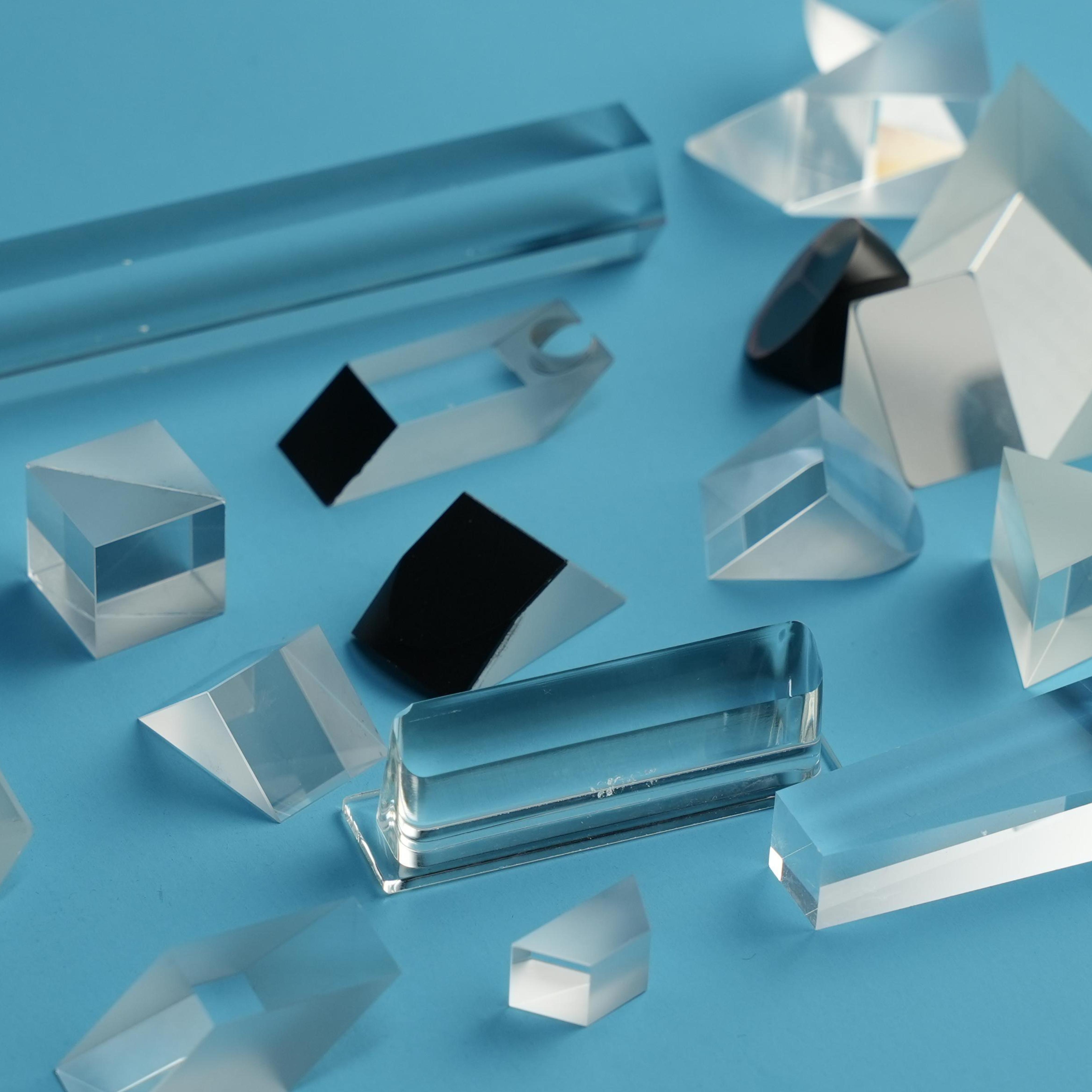
Factory Custom BO-GLASS Quartz BK7 K9 Arcoated Fused Silica High Precision Right Angle Prism 90Degree Clear ODM/OEM 3-Year
Quartz, BK7 or K9 options with AR coating, 90-degree clear prism geometry and ODM/OEM support for optical assemblies.
Check specifications
Wholesale OEM Shape Size Borosilicate Glass 175mm Diameter AR Coating Double Plano Convex Achromatic Fresnel Lens BO GLASS Stage
175 mm borosilicate Fresnel lens with AR coating, double plano-convex structure and stage-lighting thermal performance.
Check specifications
Supplier Custom Size Shape Pressed Mold Heat Resistant High Borosilicate Headlight Glass Lens Cover Headlight Glass Cover
Pressed-mold headlight glass cover in heat-resistant high borosilicate, with custom size, shape and lens profile.
Check specifications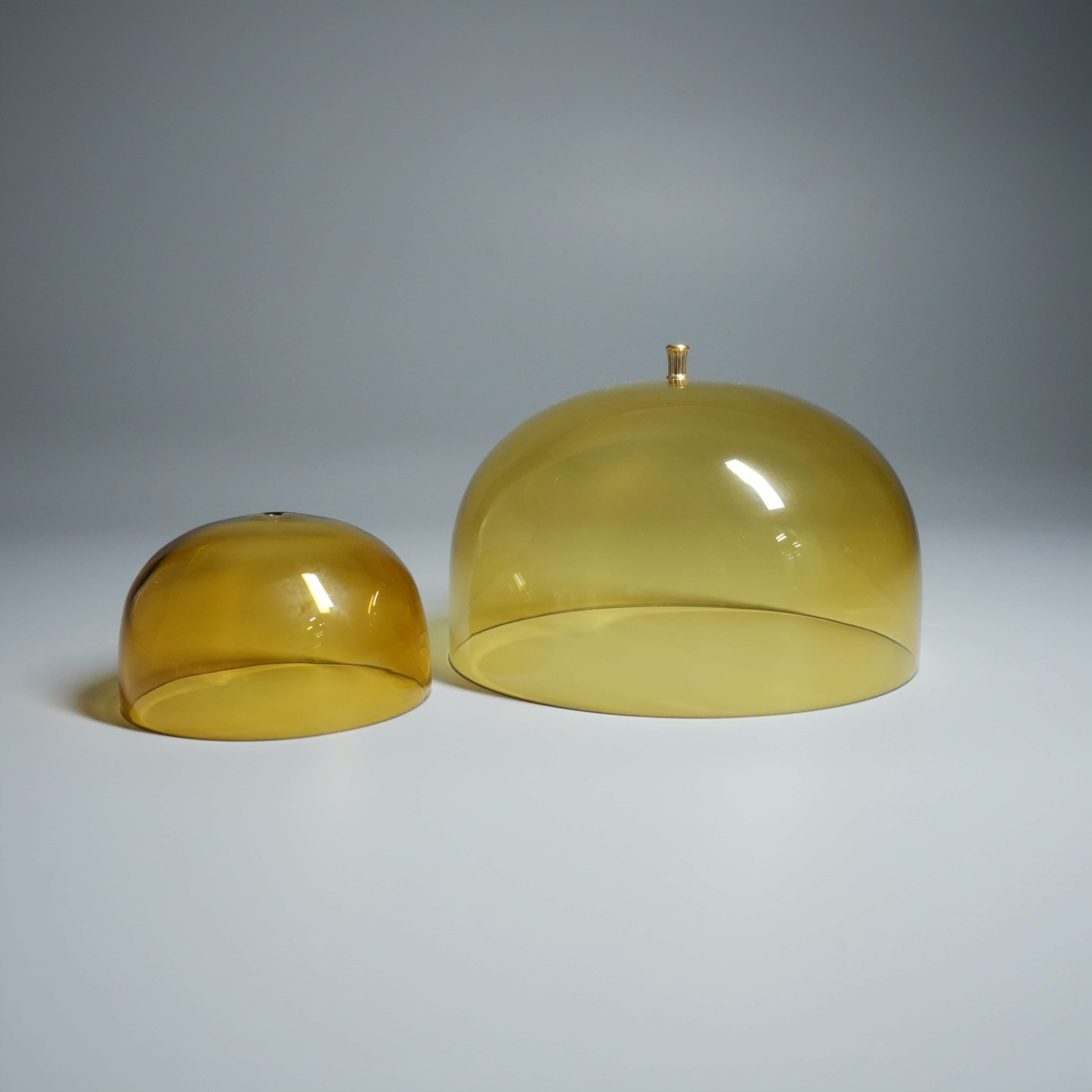
Certified Glass Cover for Food Machinery and Medical Equipment, Chemical Resistant
Chemical-resistant glass cover for food machinery, medical equipment, washdown areas and hygienic inspection points.
Check specifications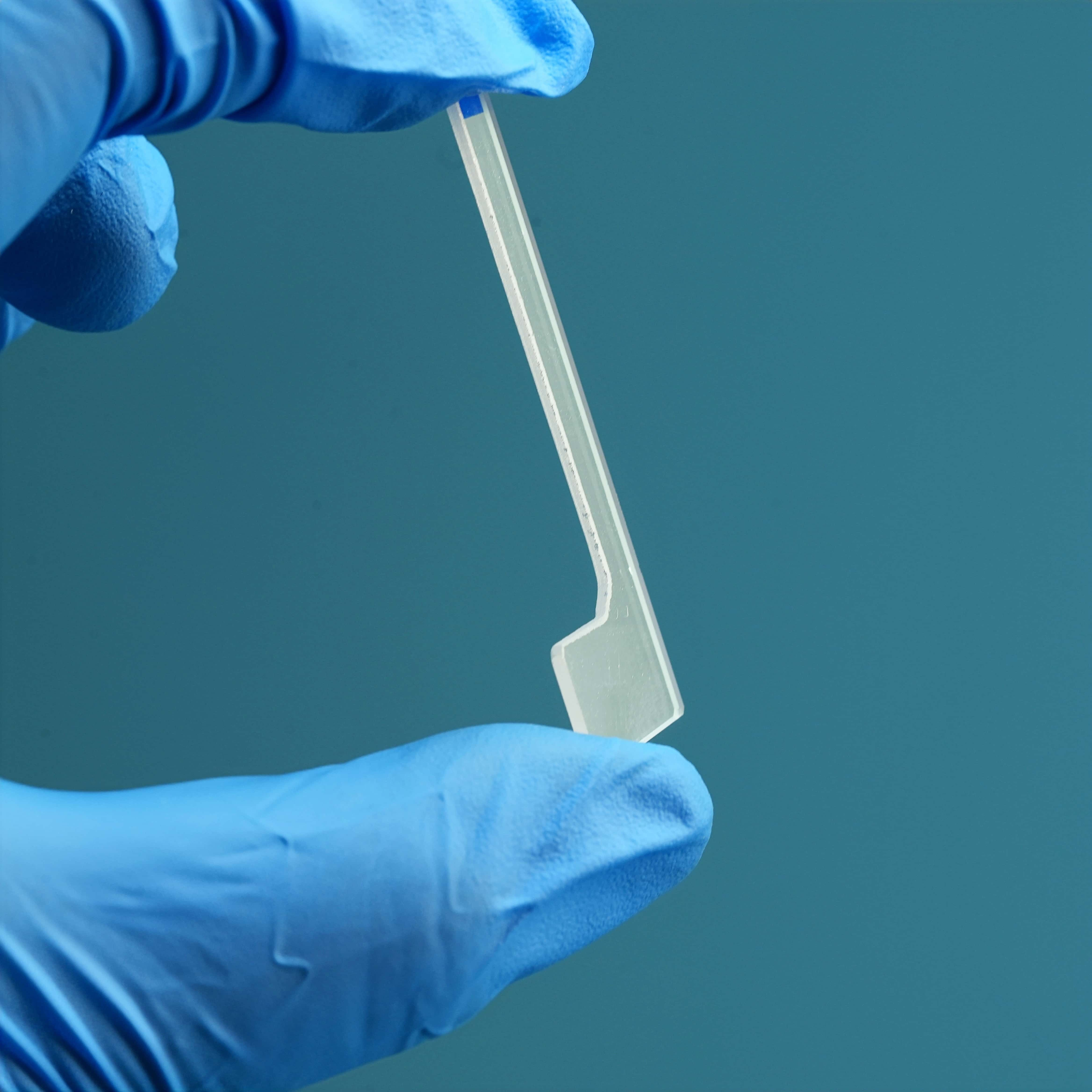
Anamorphic Prism Pair for Laser Beam Shaping Circularizing Elliptical Beams for Fiber Coupling Applications
Anamorphic prism pair for circularizing elliptical laser beams, improving beam shaping and fiber coupling stability.
Check specifications
Manufacturer OEM Precision Grade BK7 K9 Optical Glass Aspherical Lens Anti-Reflective Coating Diameter 0.5-25mm MOQ 100 Pcs
Precision BK7/K9 aspherical lenses from 0.5–25 mm with anti-reflective coating and MOQ from 100 pieces.
Check specifications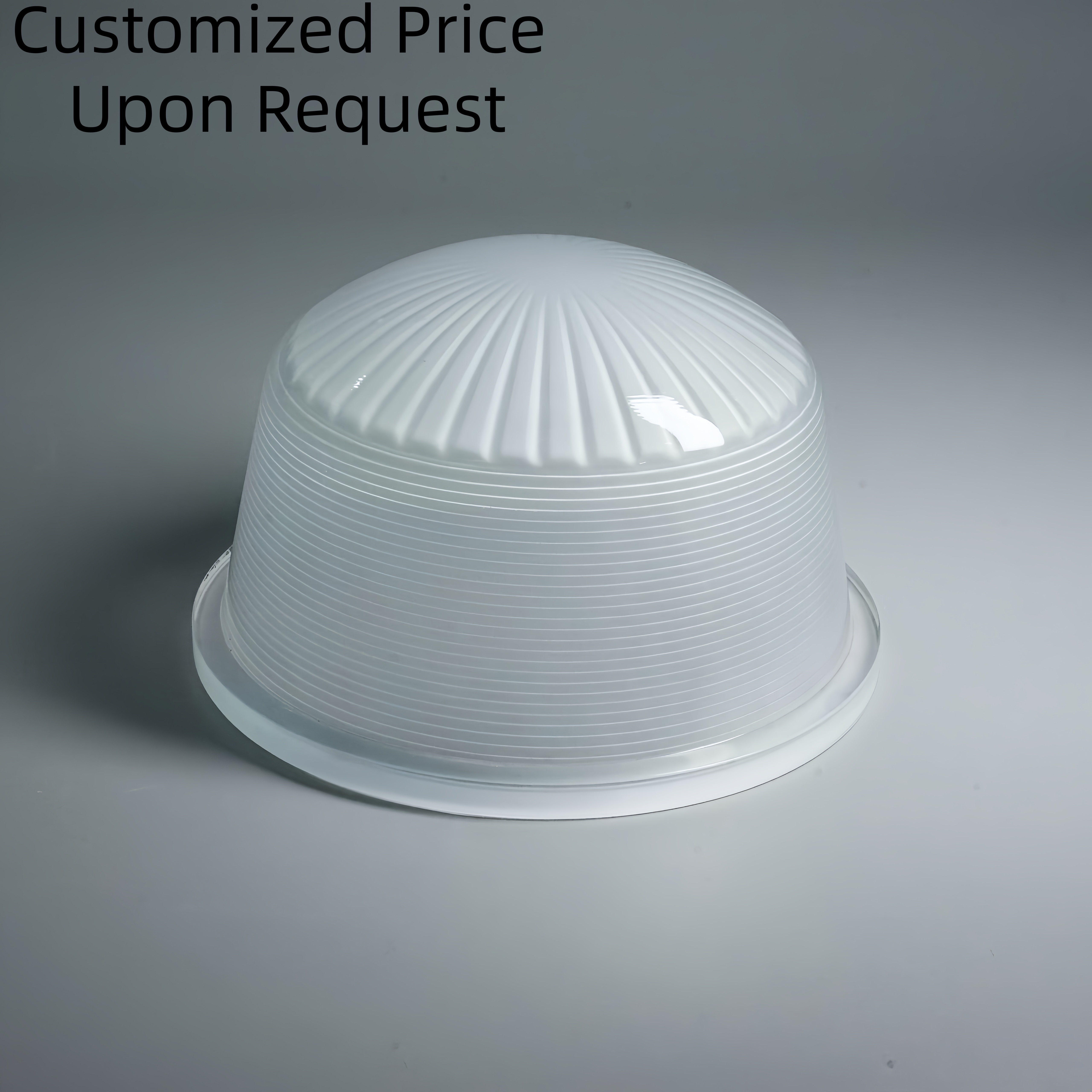
Transparent Explosion-proof Glass Shade, High Light Transmittance, Industrial Workshop Lighting
High-transmittance explosion-proof glass shade for industrial workshop lighting, hazardous zones and heavy-duty fixtures.
Check specifications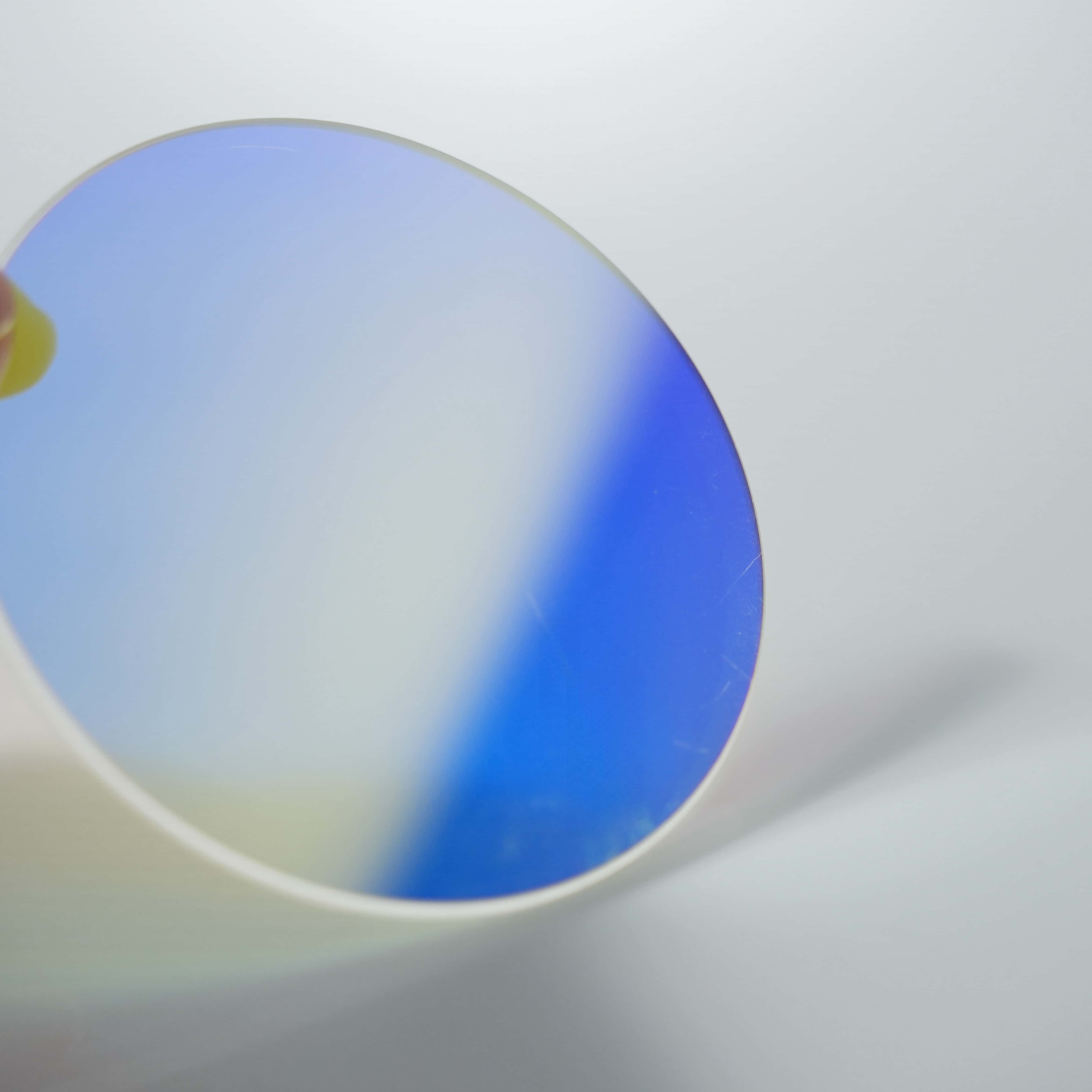
Optical Borosilicate Glass Longpass Shortpass Filter 500nm 600nm 700nm AR Coating Cut-Edge for Spectroscopy Industrial Sensor
Coated borosilicate longpass and shortpass filters at 500 nm, 600 nm and 700 nm for spectroscopy and sensors.
Check specifications


A Drawing-Based Glass Factory and Wholesaler Behind Your Ho Chi Minh City Supply
Shanghai Tambi Glass Industrial Co., Ltd. is a manufacturer and trading company focused on custom lighting glass and precision optical glass. For more than a decade, the team has worked around one practical question: how should glass perform inside a real luminaire, sensor, industrial enclosure, food machine or medical fixture? That experience covers heat build-up behind high-power LEDs, thermal shock from tropical rain on hot covers, impact loads in hazardous areas, salt-laden air near port and marine installations, color accuracy for signal lights and dimensional fit against gaskets and metal housings.
Our design review includes senior lighting and molding engineers. Before tooling begins, they check wall thickness, draft angle, sealing faces, optical path alignment, thermal load, gasket compression and the handling risk of fragile export parts. For HCMC buyers, the advantage is not simply a price list. It is one supply chain for pressed, blown, ground, polished, tempered and coated glass. Materials include borosilicate 3.3, tempered soda-lime, fused quartz and BK7/K9 optical glass, with AR coating, color matching, edge grinding and inspection support available for distributors and OEMs.
- Drawing-based OEM / ODM production
- Borosilicate, tempered, quartz and BK7
- AR and optical coating support
- Onsite-verified supplier profile
- Export packing for fragile glass
- Wholesale and distributor support
Where High-Transmittance Glass Creates Value in Ho Chi Minh City
HCMC combines rapid urban construction, LED and electronics manufacturing, port logistics, food processing, healthcare and a hot-humid climate. Glass components must be selected for the application — not only for the catalogue image.
Airport & Obstruction Lighting
Tan Son Nhat International Airport projects, runway edge lights, taxiway fixtures and tower obstruction lights need stable red and clear transmission, heat-resistant lenses and reliable color consistency after thermal cycling. Borosilicate lenses and tempered domes are reviewed against surface temperature, impact and gasket sealing.
Marine, Port & Yard Lighting
Cat Lai port, Nha Be, District 7 and nearby logistics sites expose glass to humidity, salt spray, vibration and harsh washdown. Pressed or handblown signal covers, marine-grade domes and floodlight glass should combine high light transmittance with corrosion-resistant housings and correctly compressed gaskets.
Industrial & Hazardous Areas
Factories in Thu Duc City, Binh Duong, Long An and industrial parks around HCMC need explosion-proof lampshades, high-transmittance glass covers and heavy-duty workshop lighting. Thick-wall borosilicate or tempered glass helps resist heat, impact and sudden temperature changes while maintaining visual inspection.
LED, Electronics & Optical Sensing
HCMC and Saigon Hi-Tech Park host growing electronics, LED module and sensor supply chains. Fresnel lenses, aspherical lenses, prisms, domes and bandpass filters support stage lighting, LiDAR, spectroscopy, machine vision, automotive lighting and industrial sensors with controlled transmission and coating performance.
Food, Medical & Clean Equipment
Food machinery, medical equipment and pharmaceutical emergency lights require covers that tolerate cleaning agents, moisture and repeated washdown. Chemical-resistant borosilicate covers and inspection windows can be supplied with dimensional verification and material reports for procurement teams that need traceable documentation.
Architecture, Display & Horticulture
Showrooms, display cases, architectural coves and greenhouse or vertical-farm lighting need clean transmission and low visual distortion. For HCMC’s strong daylight and humid air, buyers should specify condensation control, UV exposure, heat management and component-level glass geometry rather than assuming bulky glass automatically performs better.
Ho Chi Minh City Market Trends Rewriting the Glass Specification
Procurement is moving from “find the lowest FOB price” to “find the most reliable landed-cost partner.” These four trends are especially visible among HCMC lighting brands, industrial contractors and optical distributors.
Tropical Thermal Shock Becomes a Purchasing Criterion
High transmittance cannot come at the expense of safety. Outdoor fixtures in HCMC face intense sun, sudden rain and high humidity. Buyers increasingly ask for borosilicate 3.3 or properly tempered glass, controlled annealing, coating durability and packing that prevents edge chips before installation.
LED Efficiency Pushes Optical Precision
As HCMC urban lighting, stage lighting and industrial LED fixtures become more powerful, AR-coated Fresnel lenses, aspherical lenses and optical filters help reduce glare and improve light utilization. A few percent of transmission loss can become a measurable electricity and maintenance issue over a project’s lifetime.
Supply Chain Diversification Increases Documentation Needs
Vietnam’s manufacturing shift encourages HCMC importers to qualify suppliers beyond price. Drawings, material declarations, inspection photos, packing specifications, response speed and consistent replacement batches are now part of the commercial decision. A factory that can answer engineering questions within hours reduces project delays.
Green Building, Food Safety and Clean Manufacturing
Green buildings, food factories and medical facilities demand more daylight, easier cleaning and reliable material performance. High-transmittance glass covers and inspection windows must balance light, chemical resistance and maintenance access. For distributors, this creates an opportunity to bundle lighting glass and precision optics from one qualified source.
For HCMC buyers, the real comparison is total landed cost: unit price + breakage rate + replacement lead time + installation risk + documentation effort. A stable factory partner often costs less than a low-priced shipment that arrives with hidden quality problems.
How to Choose the Right High-Transmittance Glass Material
Select the glass from the operating condition, not from a generic data sheet. The final specification should be confirmed against your drawing, lamp surface temperature, impact rating, cleaning chemistry and the standard your fixture must meet.
Borosilicate 3.3
- Thermal expansion
- ≈ 3.3 × 10⁻⁶/K
- Typical max working temp.
- ≈ 450 °C
- Key strength
- Excellent thermal-shock resistance
- Best for
- Explosion-proof shades, high-power LED covers, Fresnel lenses
Tempered Soda-Lime
- Thermal expansion
- ≈ 9.0 × 10⁻⁶/K
- Typical max working temp.
- ≈ 250 °C
- Key strength
- High impact strength, economical
- Best for
- Outdoor covers, floodlight glass, vandal-resistant lenses
Fused Quartz
- Thermal expansion
- ≈ 0.55 × 10⁻⁶/K
- Typical max working temp.
- ≈ 1000 °C+
- Key strength
- UV transmission and extreme heat
- Best for
- UV optics, high-temperature windows, lab equipment
Optical BK7 / K9
- Thermal expansion
- ≈ 7.1 × 10⁻⁶/K
- Typical max working temp.
- ≈ 300 °C
- Key strength
- Homogeneous, nd ≈ 1.517
- Best for
- Precision lenses, prisms, mirrors, filters
Typical values are references only. For safety-critical or certified fixtures, the Luminaire or equipment manufacturer remains responsible for final fixture certification. Tambi Glass can match dimensions, transmission, color and coating specifications and provide material and inspection reports on request.
Six Controlled Checkpoints from Drawing to Ho Chi Minh City Delivery
Clear checkpoints make it harder for a fragile glass part to fail between sample approval and mass production. This is especially important when ocean freight and tropical humidity are part of the journey.
Drawing Review
DFM check of thickness, draft, tolerance, sealing face, optical path, thermal load and installation pressure. Technical reply is typically within 6 hours.
Mold & Material
New or existing tooling for pressing, blowing, grinding or polishing. Material is matched to heat, impact, transmission and cleaning conditions.
Sampling
Samples are measured and can be sent for fit and light testing before mass production. For HCMC buyers, photos and reports reduce approval delays.
Forming & Annealing
Controlled forming and annealing or tempering relieve stress, reduce cracking risk and preserve optical clarity after temperature cycling.
Coating & QC
AR or color coating, transmission checks, dimensional inspection and visual review are agreed against the approved drawing and sample.
Export Packing
Foam or pulp dividers, reinforced export cartons and palletization help protect fragile glass for sea or air freight. Custom labels for distributors can be arranged.
Why Ho Chi Minh City Buyers Treat Tambi as a Trusted Wholesale Partner
Independent records and transparent company information help procurement teams complete supplier qualification faster. This matters when a lighting project needs repeatable glass batches, not a one-time sample.
Questions Ho Chi Minh City Buyers Ask Before Ordering
These are the practical questions raised by importers, lighting OEMs, industrial contractors and optical distributors during the quotation stage.
Can you ship high-transmittance glass components to Ho Chi Minh City?
Yes. Tambi Glass supports export orders to HCMC and neighboring provinces, with packing designed for fragile glass. Buyers can discuss Incoterms, consolidation, labels and documentation with the sales team before the order is confirmed.
Can you manufacture from my drawing or physical sample?
Yes. Most orders are drawing-based. Send a 2D/3D drawing or physical sample with dimensions, tolerance, material, color, coating and annual volume. Engineers review manufacturability, propose mold options and confirm samples before mass production.
What is the minimum order quantity for wholesale supply?
Typical MOQs range from 50 pieces for optical lenses to 100–500 pieces for pressed or blown lighting covers, depending on whether an existing mold can be used. Sample quantities are available for evaluation, and distributor programs can be discussed.
Which glass should I choose for hot and humid HCMC conditions?
Borosilicate 3.3 is usually preferred where thermal shock, high lamp temperature or sudden rain contact is a risk. Tempered soda-lime may suit moderate temperatures and impact resistance at a lower cost. The final choice depends on surface temperature, fixture certification, cleaning chemicals and installation conditions.
Do you provide samples, transmission data and inspection reports?
Sample quantities can be supplied for evaluation. Material and inspection reports can be provided on request. For certified fixtures, the luminaire manufacturer remains responsible for final fixture certification; we match the agreed color, transmission and dimensional specifications.
How do you pack fragile glass for Cat Lai port or air freight?
Parts are separated by foam or pulp dividers, packed in reinforced export cartons and palletized for sea or air freight. Custom packaging, labeling and distributor-specific carton marks can be arranged to reduce handling risk and simplify receiving in HCMC.
How quickly can I receive technical feedback?
Our average response time is within 6 hours. For a faster review, include your drawing, material preference, target transmission, operating temperature, coating requirement, annual volume and required delivery terms in the first message.
Do you support AR coating, color matching and custom optical filters?
Yes. AR coating, color matching, longpass and shortpass filter design, prism geometry and aspherical lens specifications can be reviewed against your optical requirement. Final feasibility depends on wavelength, tolerance, substrate and order volume.
Get a Ho Chi Minh City-Ready Glass Quotation from Tambi Glass
Send your 2D/3D drawing, target light transmission, material, surface temperature, coating requirement, annual volume and delivery terms. Our engineers will review manufacturability, propose the right glass specification and help you reduce breakage, rework and supplier qualification time.
Get Catalog Technical inquiry: info@tambiglass.com