Top Trusted Flashlight Glass Supplier & Wholesaler for Seattle
Drawing-based borosilicate lenses, optical domes, windows, and protective glass covers for Puget Sound outdoor, marine, aviation, industrial, and sensing brands.
8 Engineered Glass Products for Seattle Flashlight and Optical Buyers
Seattle buyers rarely need a generic part. They need a glass component that fits the housing, sealing method, beam pattern, operating temperature, and certification path. Each product below can be adapted in size, thickness, coating, edge finish, and packing.
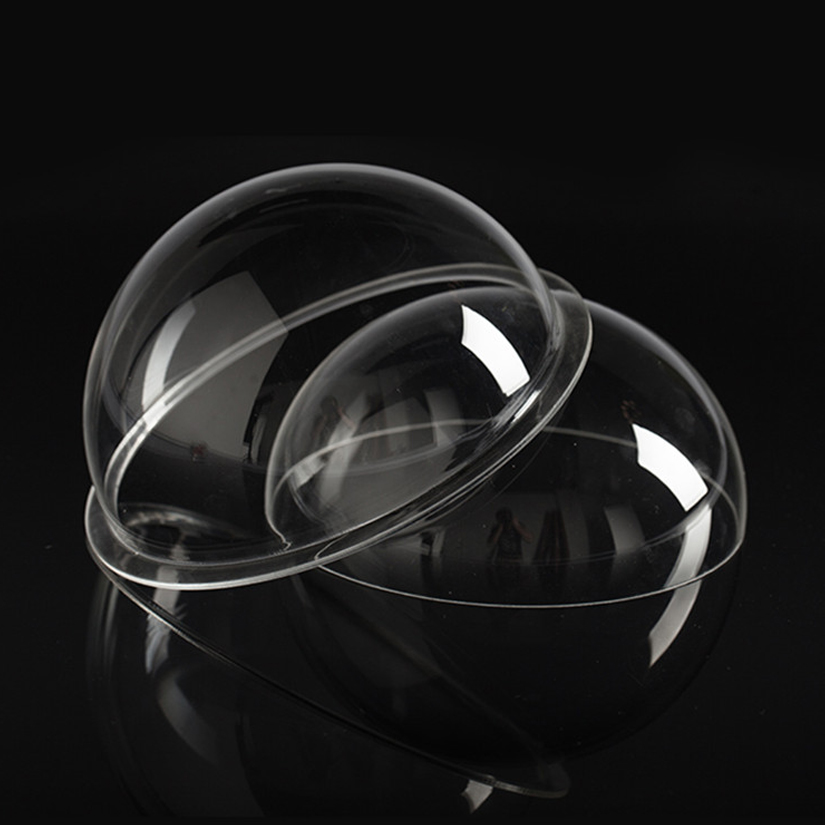
OEM Borosilicate Glass Optical Dome Cover for Outdoor IP Cameras UV Resistant Waterproof Housing Anti-Reflective Coating
- UV-resistant borosilicate glass option
- Waterproof housing and AR coating
- Drawing-based diameter and tolerance
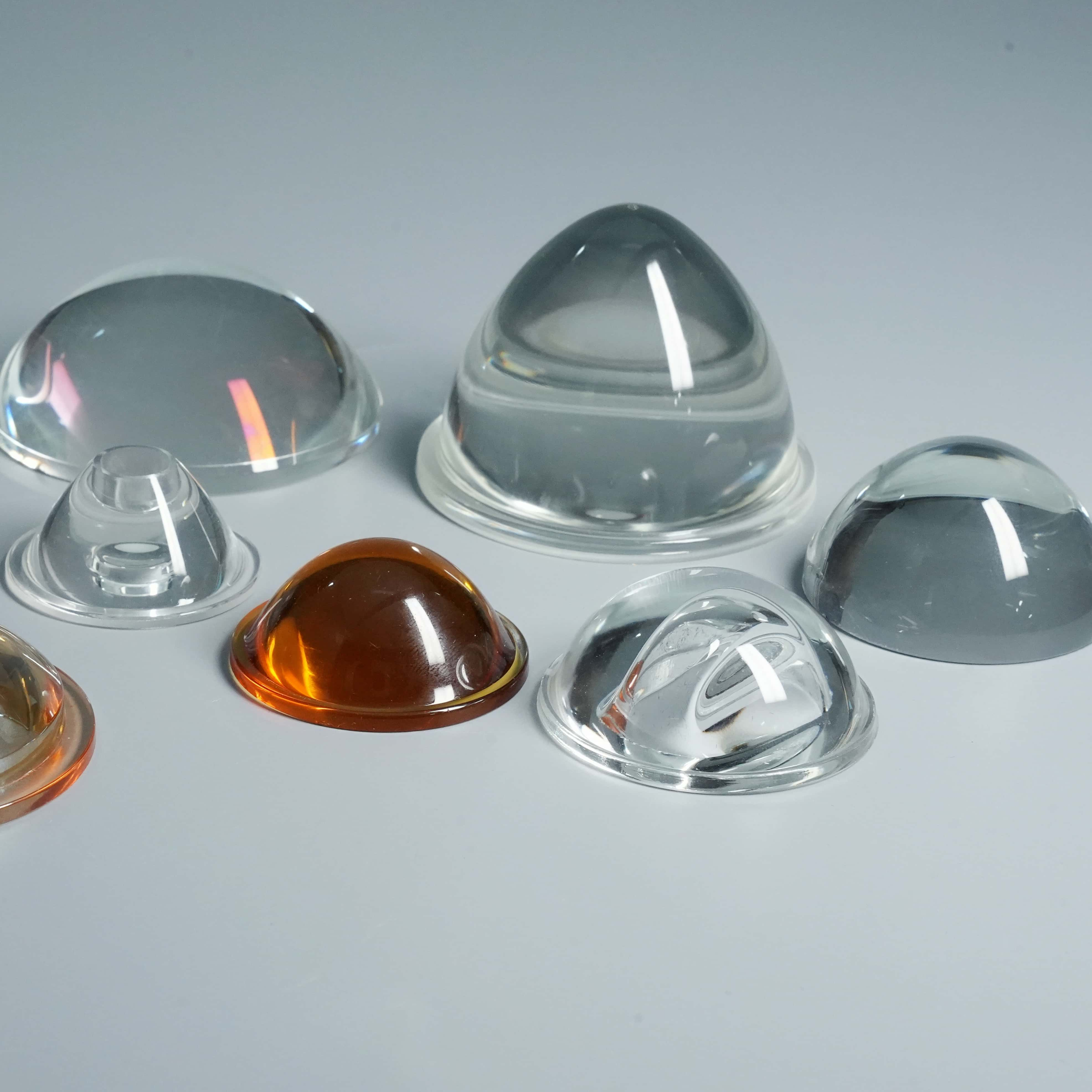
Custom Borosilicate Glass LED Grow Light Convex Lens with Anti-Reflective Coating for Indoor Farming Full Spectrum Lighting
- Full-spectrum transmission support
- AR-coated convex lens
- For dense high-power LED arrays
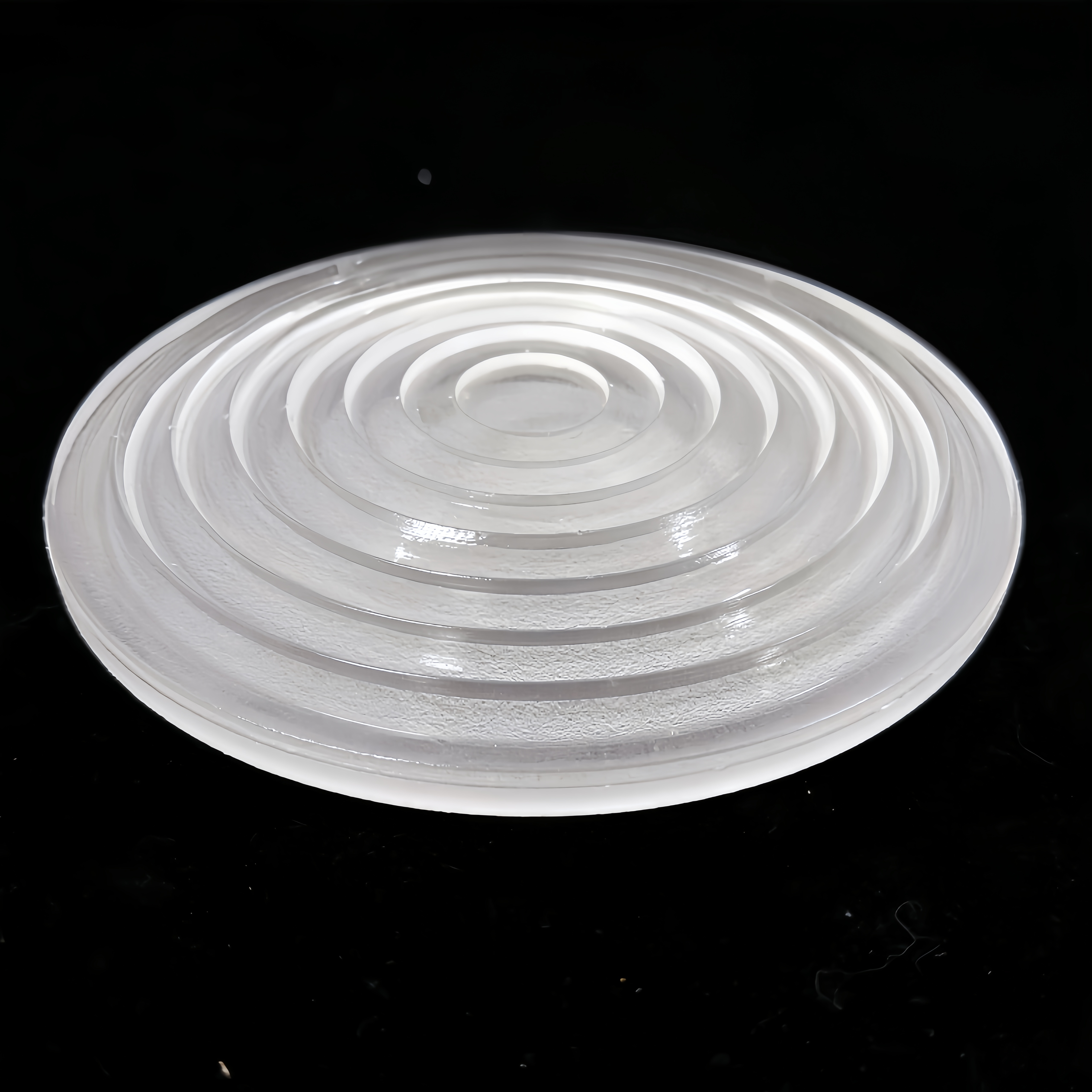
High Temperature Resistant Borosilicate Glass Fresnel Lens Anti-Reflective Coating High Power LED Collimation Stage Lighting
- Thermal-shock resistant borosilicate
- AR coating for transmission
- Stage and focused-beam lighting
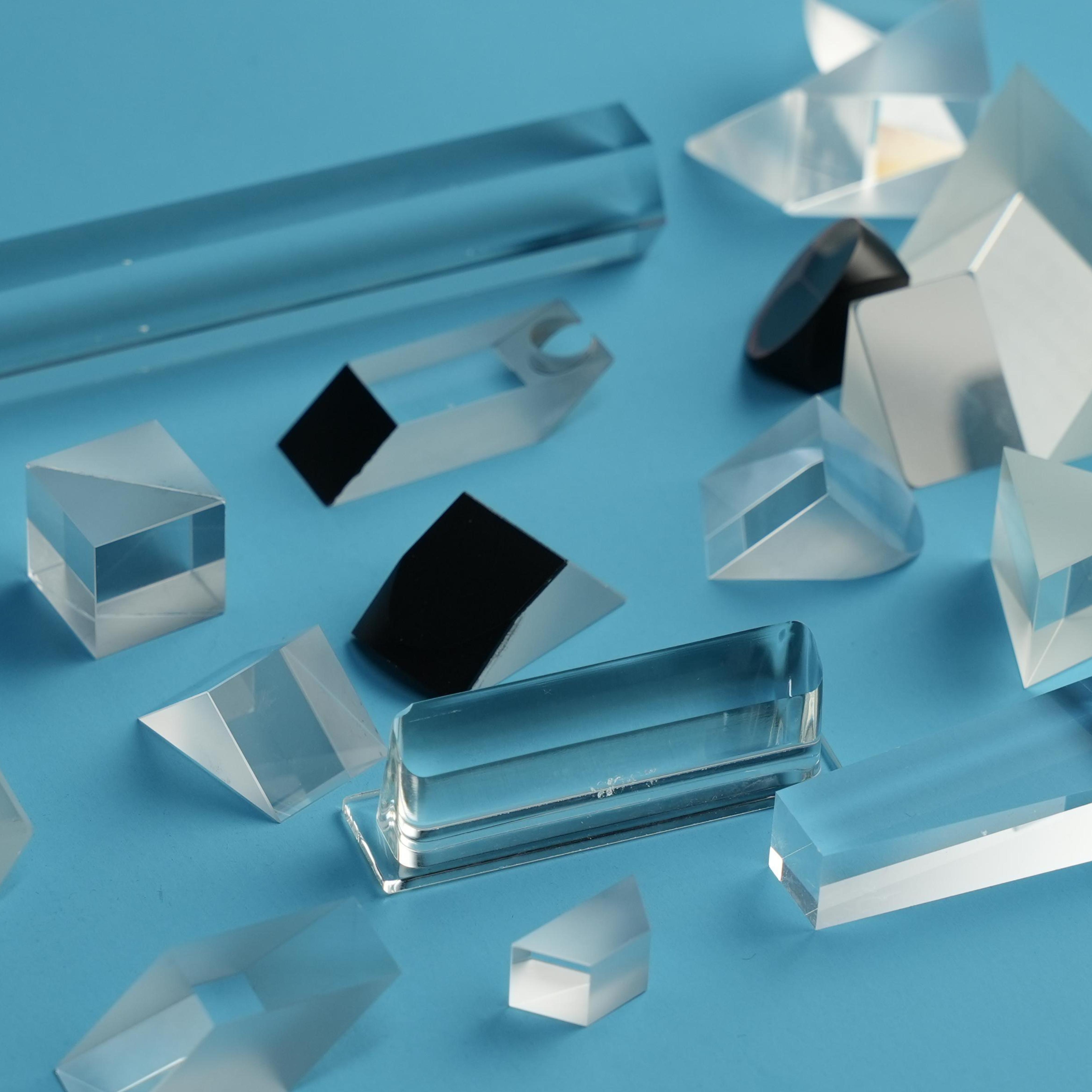
Factory Custom BO-GLASS Quartz BK7 K9 Arcoated Fused Silica High Precision Right Angle Prism 90Degree Clear ODM/OEM 3-Year
- BK7, K9, quartz, and fused silica options
- 90-degree right-angle geometry
- AR-coated and OEM/ODM production

Custom OEM Bo Glass Clear Borosilicate K9 Bk7 B270 Fused Silica Anti-Reflective Coated Square Optical Window 50mm Diameter
- Borosilicate, BK7, B270, fused silica
- AR-coated square window format
- Custom 50 mm diameter and edges
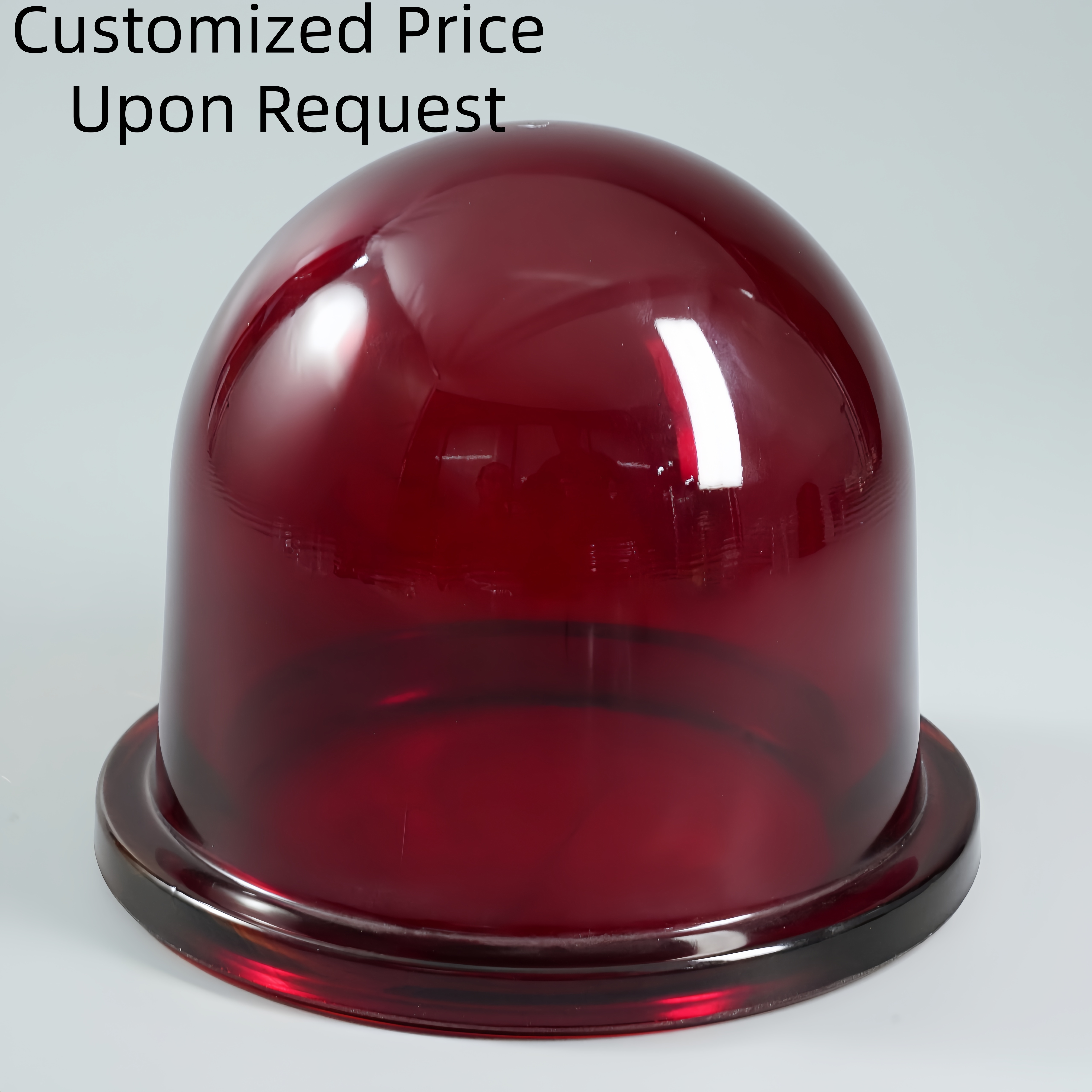
High-temperature Resistant Pressed Glass Shade, Explosion-proof & Crack-proof, Outdoor Street Light Specific
- Pressed glass shade for outdoor fixtures
- Explosion-proof and crack-proof design
- High-temperature lamp environments

Supplier Custom Size Shape Pressed Mold Heat Resistant High Borosilicate Headlight Glass Lens Cover Headlight Glass Cover
- Custom shape and pressed mold tooling
- High borosilicate heat resistance
- Headlight and portable lighting covers
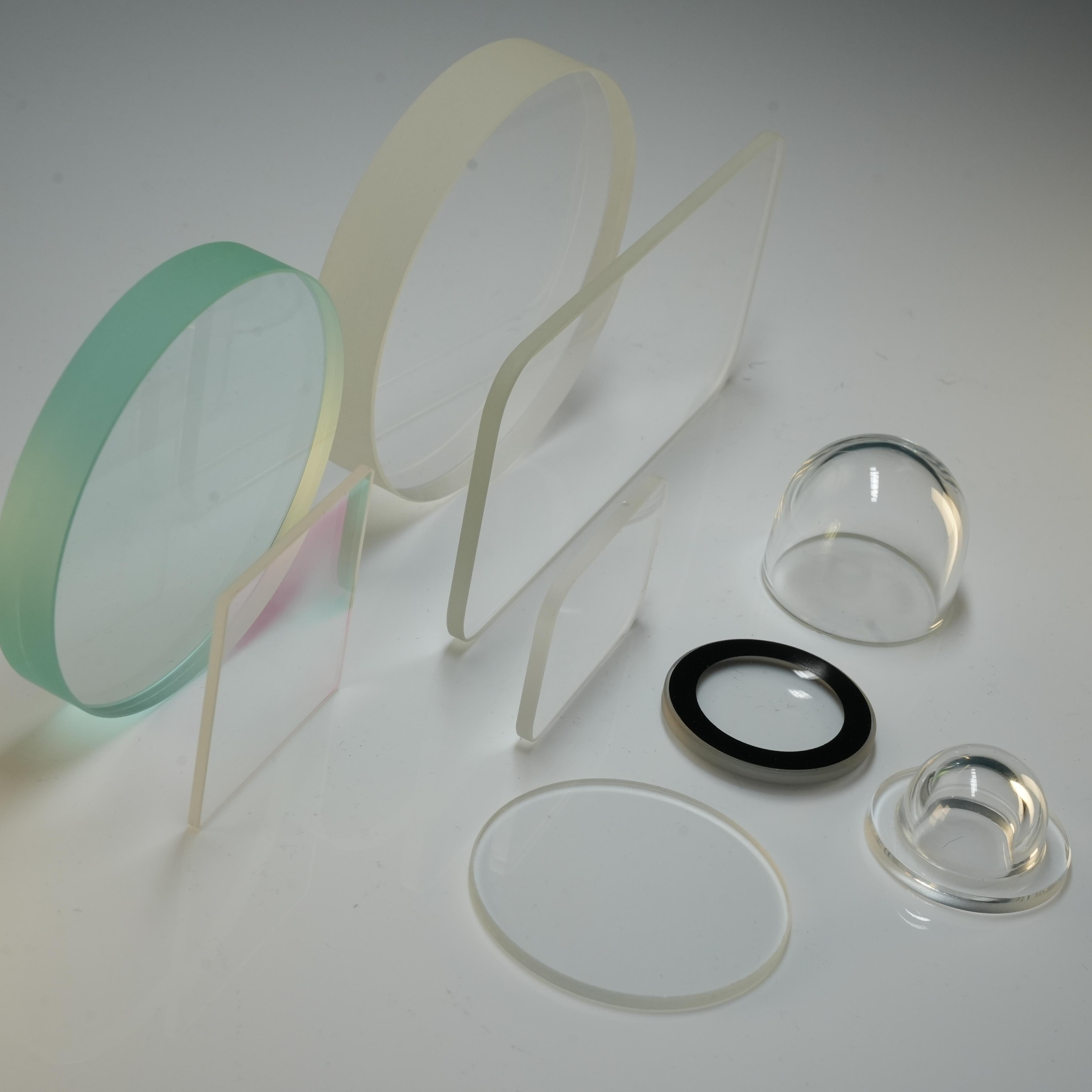
Manufacturer OEM Transparent High Quality Precision Borosilicate UV Fused Silica Coated Glass Optical Window High Transmittance
- Borosilicate and UV fused silica options
- High transmittance and coated surface
- Precision OEM optical window production
Need a custom flashlight lens, dome, or protective window not listed here?
Contact UsWhy Seattle Buyers Need a Specialist Flashlight Glass Supplier
Seattle is a demanding proving ground for portable lighting and optical glass. A single product may face salt-laden air near Puget Sound, repeated rain on Pacific Northwest trails, high-output LED heat inside a sealed headlamp, and impact from being dropped on rock or concrete.
For OEMs, distributors, and wholesale buyers, glass is not a commodity accessory. It is the optical interface that determines beam quality, ingress protection, field reliability, and brand risk. Shanghai Tambi Glass Industrial Co., Ltd. supports Seattle buyers through a drawing-based model: send a 2D/3D drawing or physical sample, define the light source, surface temperature, gasket compression, impact expectation, and certification target, and our engineers review manufacturability before tooling begins.
Where Seattle Uses Precision Flashlight and Lighting Glass
From Puget Sound workboats to Cascade trail gear and Seattle-area robotics labs, the same glass component may need to satisfy optical, mechanical, thermal, and regulatory demands at once.
Marine and Port Operations
Navigation lights, workboat signal lamps, and dock lighting around Seattle and Puget Sound need salt-spray resistance, stable color, and sealing faces that hold under vibration.
Aviation and Obstruction Lighting
Boeing Field, Sea-Tac area aviation, and tower obstruction lights depend on repeatable red or clear transmission and dimensional consistency from batch to batch.
Outdoor EDC, Trail, and Search & Rescue
Trail, alpine, and marine search lights need compact windows and lenses that survive drops, thermal cycling, wet gloves, and repeated charging cycles.
Industrial and Hazardous Areas
Ports, refineries, wastewater plants, and manufacturing sites use explosion-proof and high-temperature shades where glass must tolerate heat, impact, and cleaning chemicals.
LiDAR, Robotics, and Instruments
Seattle’s software, robotics, and environmental sensing companies often require hemispherical domes, prisms, and bandpass filters for protected optical paths.
Horticulture and Indoor Farming
Pacific Northwest indoor farms and propagation rooms use high-power full-spectrum LEDs. Convex borosilicate lenses with anti-reflective coating help improve light extraction.
What Is Reshaping Flashlight Glass Specifications in Seattle
Procurement teams are balancing smaller product envelopes, higher lumen output, tougher environmental expectations, and stronger traceability requirements.
Compact High-Lumen Designs
Flashlight bodies are shrinking while output rises. This increases the value of thin, high-transmission windows with AR coatings, controlled flatness, and clean edge geometry.
Rugged IPX7 and IPX8 Expectations
Seattle buyers expect products to survive rain, splashes, and accidental immersion. Glass edges, sealing faces, and coating durability must be specified together with the gasket.
Salt-Fog and UV Exposure
Puget Sound marine use accelerates surface degradation. Borosilicate or tempered glass with qualified coatings helps maintain clarity, color stability, and beam accuracy.
Traceability for Regulated Lighting
Aviation, marine, and hazardous-area programs require material reports, dimensional records, and change control. Drawing-based production supports these procurement requirements.
Local Inventory and Distributor Partnerships
Wholesalers need predictable replenishment. We support forecast-based production, repeat orders, custom labeling, and packaging programs for distributors serving the Pacific Northwest.
Repairable and Sustainable Product Design
Outdoor brands are extending product life. Replaceable glass windows and durable coatings can reduce returns compared with sealed, non-serviceable lighting modules.
Materials and Coatings for Seattle Flashlight Glass Projects
For flashlight and portable lighting glass, the most common failure modes are thermal shock, edge chipping, coating wear, and seal leakage. Material selection should start from operating conditions, not from a catalog photo.
| Material | Thermal expansion | Typical max. working temp. | Optical and mechanical character | Best fit for flashlight or lighting glass |
|---|---|---|---|---|
| Borosilicate 3.3 | ≈ 3.3 ×10⁻⁶/K | ≈ 450 °C | Excellent thermal-shock resistance and good visible transmission | High-power LED windows, explosion-proof covers, hot lenses, outdoor fixtures |
| Tempered soda-lime | ≈ 9.0 ×10⁻⁶/K | ≈ 250 °C | High impact strength and economical cost | Outdoor covers, floodlight glass, vandal-resistant windows |
| Fused quartz | ≈ 0.55 ×10⁻⁶/K | ≈ 1000 °C+ | High UV transmission and extreme heat resistance | UV optics, high-temperature windows, scientific instruments |
| Optical BK7 / H-K9L | ≈ 7.1 ×10⁻⁶/K | ≈ 300 °C | Homogeneous optical properties, nd ≈ 1.517 | Precision lenses, prisms, filters, imaging windows |
Values are typical references. Final specification is confirmed against your drawing, lamp surface temperature, impact rating, gasket design, and the standard your fixture must meet.
Why Seattle Buyers Shortlist Tambi Glass
Shanghai Tambi Glass Industrial Co., Ltd. is a manufacturer and trading company focused on custom borosilicate covers, explosion-proof lampshades, signal light domes, LED lenses, prisms, and optical filters for global lighting and optical OEMs.
Drawing-Based OEM and ODM
Most projects start with a drawing or sample. Our engineers review thickness, draft, tolerances, sealing faces, and optical path alignment before tooling is approved.
Wide Material and Coating Range
Borosilicate, tempered glass, quartz, BK7, and other optical glass options are matched with anti-reflective coating, color, and surface finishing.
Engineering Review Before Tooling
Senior lighting and molding engineers check manufacturability, mold options, and sample approval steps to reduce surprises between prototype and mass production.
Onsite-Verified Transparency
Independent supplier assessment, credit index, trade capacity, and transaction records help procurement teams complete supplier qualification faster.
Export Packing for Fragile Glass
Parts are separated by foam or pulp dividers, packed in reinforced export cartons, and palletized for sea or air freight. Custom labeling is available.
Responsive Technical Communication
Average response time is within 6 hours. Share your drawing, target volume, operating temperature, and certification requirements for a technical and commercial review.

Inside a Supply Chain Built for Custom Glass
Seattle buyers often need a supplier who can move from a sample request to a repeat order without losing dimensional control. Our Shanghai operation combines pressed, blown, ground, and coated processes with inspection and export packing under one supply chain.
- Drawing and sample review
- Mold and tooling planning
- Material and coating selection
- Dimensional and visual inspection
- Fragile-glass export packing
- Repeat-order consistency
A Controlled 6-Step OEM Process for Flashlight Glass
Clear checkpoints reduce risk between sample approval and mass production, especially when the part must fit an existing gasket, reflector, or LED module.
Drawing Review
DFM check of thickness, draft, tolerance, sealing face, optical path, and gasket interface.
Mold and Tooling
New or existing molds for pressing, blowing, grinding, or finishing based on the part geometry.
Sampling
Samples are measured and sent for fit, light, sealing, and field-evaluation testing.
Forming and Annealing
Controlled forming, annealing, or tempering helps relieve stress and support thermal-shock resistance.
Coating and QC
AR or color coating, dimensional inspection, visual checks, and report preparation as requested.
Export Packing
Divider-packed cartons, palletized for sea or air freight, with distributor labeling options.
Seattle Flashlight Glass Procurement: Common Questions
Practical answers for OEM buyers, wholesale distributors, and product teams comparing glass suppliers for Seattle-area programs.
QCan you manufacture flashlight lenses, domes, and windows to our Seattle drawing?
Yes. Most orders are drawing-based. Send a 2D/3D drawing or physical sample with dimensions, tolerance, material, color, coating, operating temperature, and sealing requirements. Our engineers review manufacturability, propose mold options, and confirm samples before mass production.
QHow do you reduce thermal-shock risk in Seattle’s wet climate?
Borosilicate 3.3 is often selected for hot LED covers because its thermal expansion is about 3.3 ×10⁻⁶/K, helping it tolerate high lamp temperatures and sudden rain or cold-water contact. Tempered soda-lime can be suitable for moderate temperatures when impact strength and cost dominate. The final choice depends on surface temperature, impact rating, gasket design, and fixture certification.
QWhat MOQ applies to custom flashlight glass parts?
Typical MOQs range from about 50 pieces for optical lenses to 100–500 pieces for pressed or blown lighting covers, depending on whether an existing mold can be used. Sample quantities are available for evaluation before a wholesale or OEM order.
QDo you support FAA L-810, EN 50293, marine, or industrial lighting programs?
We produce glass lenses and domes for fixture makers whose obstruction and signal lights are designed to FAA L-810 or EN 50293 requirements. Fixture certification is held by the luminaire manufacturer; we match color, transmission, and dimensional specifications and can provide material and inspection reports on request.
QHow fast can a Seattle buyer get a technical response?
Our average response time is within 6 hours. Email info@tambiglass.com with your drawing and annual volume for a technical and commercial review. Including the lamp type, surface temperature, and gasket detail helps our engineers respond with a more useful recommendation.
QHow are fragile glass parts packed for export to the United States?
Parts are separated by foam or pulp dividers, packed in reinforced export cartons, and palletized for sea or air freight. Custom packaging and labeling for Seattle-area distributors can be arranged to support local inventory and replenishment programs.
Have a Flashlight Glass Drawing? Get an Engineering Review Within 6 Hours.
Share your dimensions, material preference, operating temperature, coating requirement, annual volume, and certification target. Our engineers will help you select a reliable borosilicate, tempered, quartz, or optical glass solution for your Seattle OEM or wholesale program.
Contact Us info@tambiglass.com