Eight Optical Window & Glass Components for San Francisco OEM Programs
San Francisco buyers rarely purchase a generic window. A part specified for SFO obstruction lighting, a Mission Bay analytical instrument or a waterfront architectural fixture must survive different heat, salt, impact and optical requirements. These eight drawing-based products are practical starting points for Bay Area procurement and engineering teams.

Borosilicate / Fused Silica Optical Window
High-transmittance window for sensors, inspection ports and lighting enclosures where UV exposure, heat and coating control matter.
- UV fused silica option
- AR or filter coating
- Drawing-based tolerances
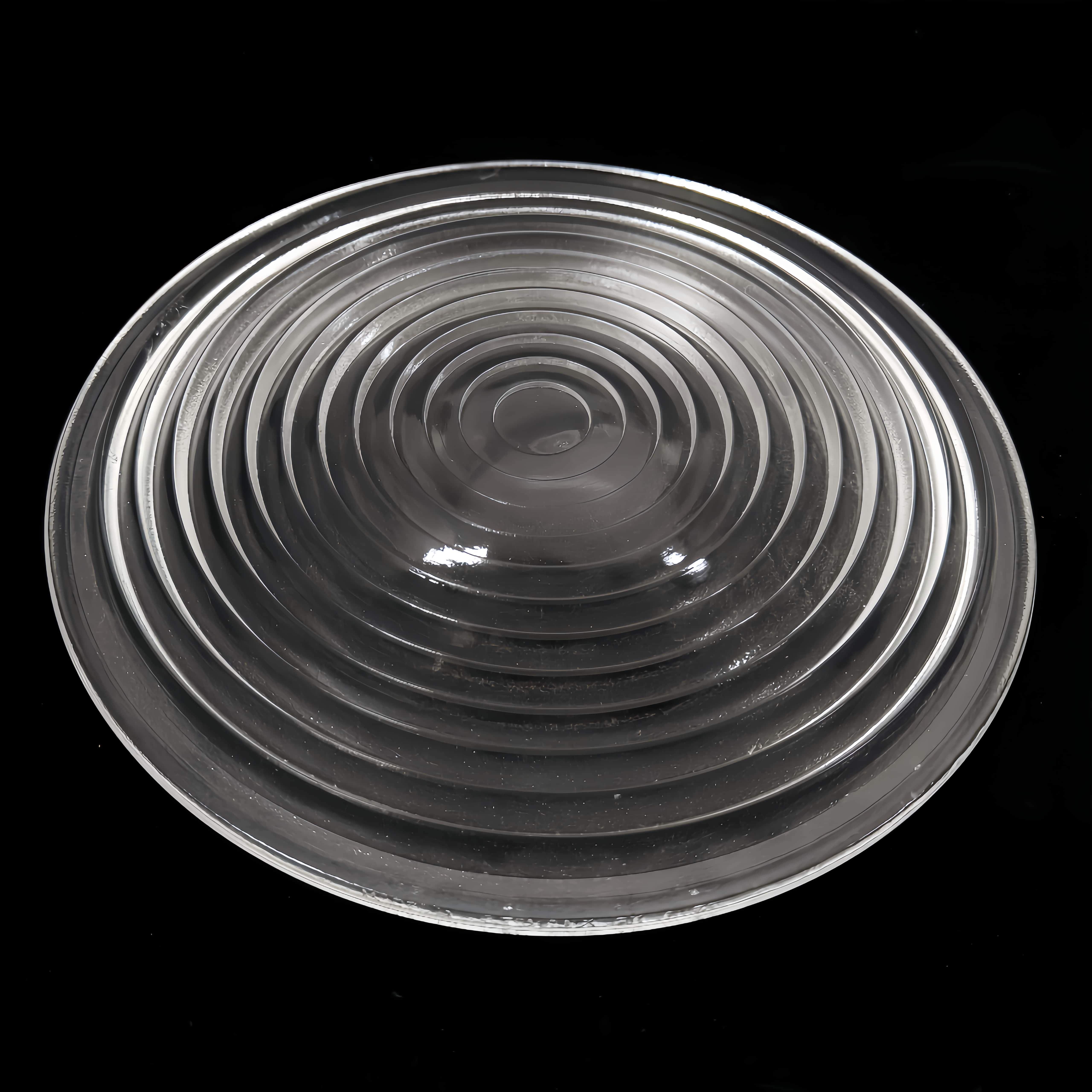
175 mm Molded Borosilicate Fresnel Lens
Anti-reflective stage-lighting lens produced to FAA/ICAO-style optical expectations and OEM beam-pattern requirements.
- 175 mm class format
- Molded borosilicate
- AR coating available
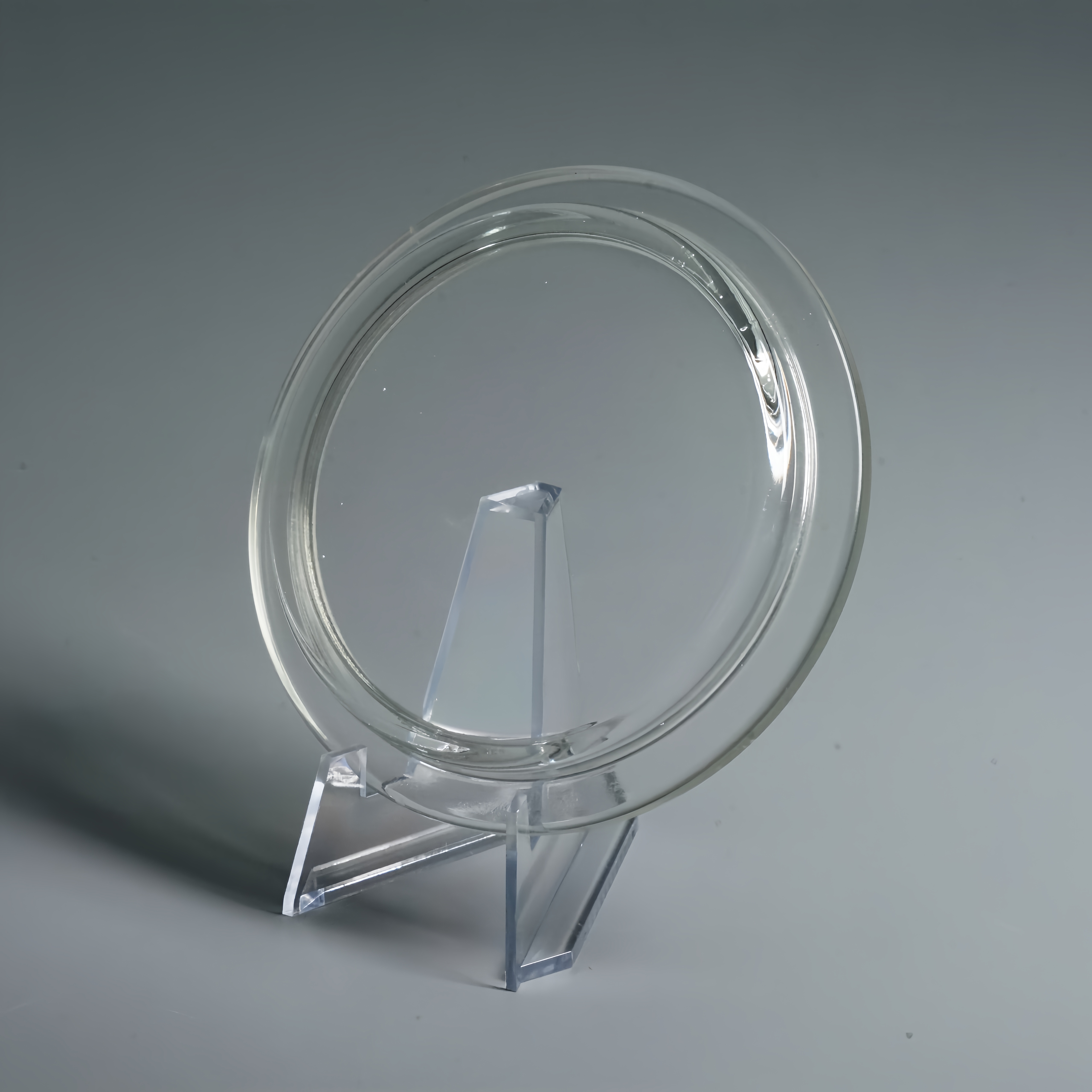
Coastal-Rated Custom Outdoor Glass Lampshade
For San Francisco fog, salt air, Victorian restoration and waterfront façades that need waterproof, heat-resistant glass.
- Custom size and shape
- Impact resistant
- Silk-printable finish

High-Temperature Borosilicate Fresnel Lens
Collimation lens for high-power LED stage, studio and entertainment fixtures where heat soak can distort weaker optics.
- Thermal-shock resistant
- Anti-reflective coating
- High-power LED collimation
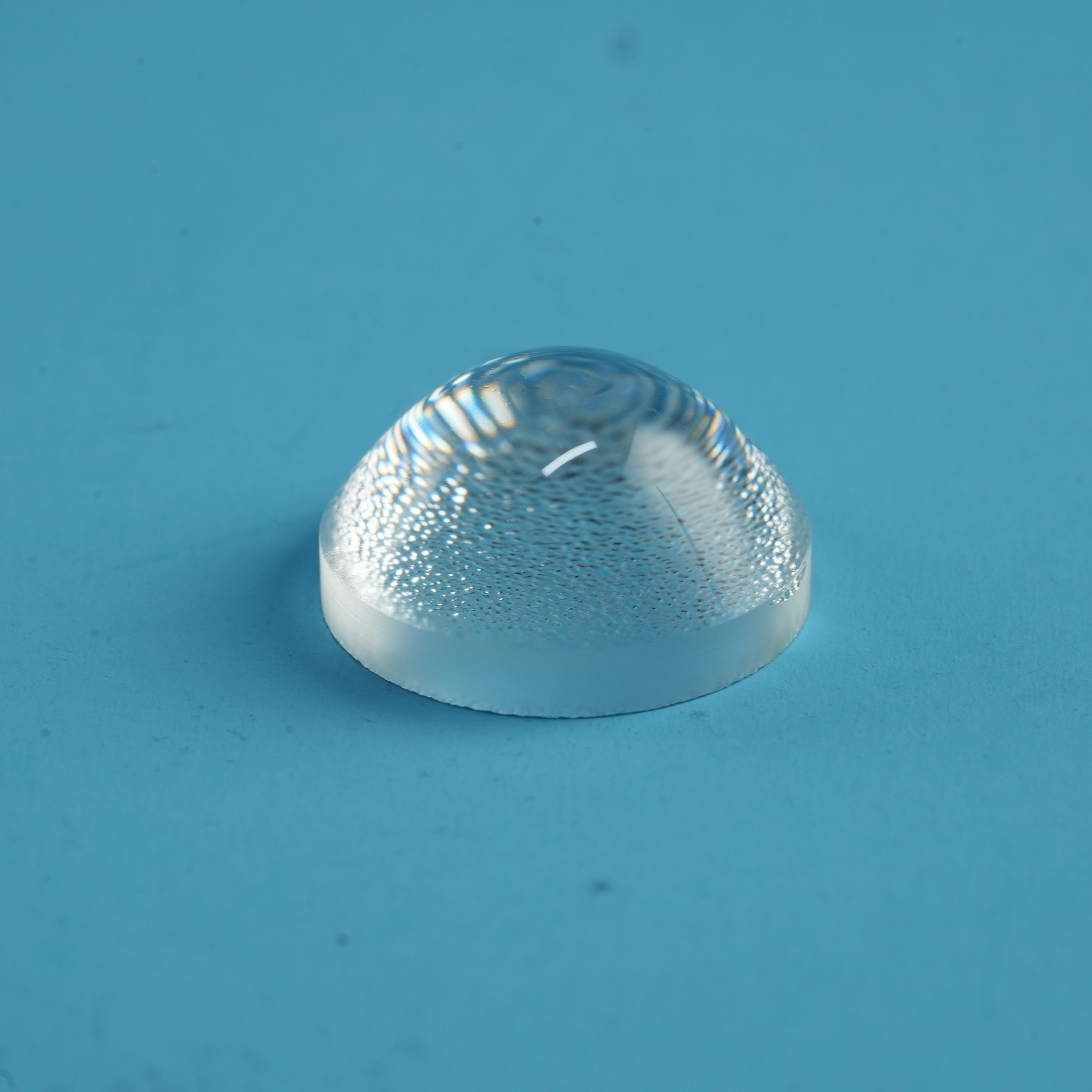
Precision BK7/K9 Aspherical Lens
Small-diameter optical lens for instruments, imaging modules and photonics assemblies requiring stable optical glass.
- Diameter 0.5–25 mm
- AR coating option
- MOQ 100 pcs
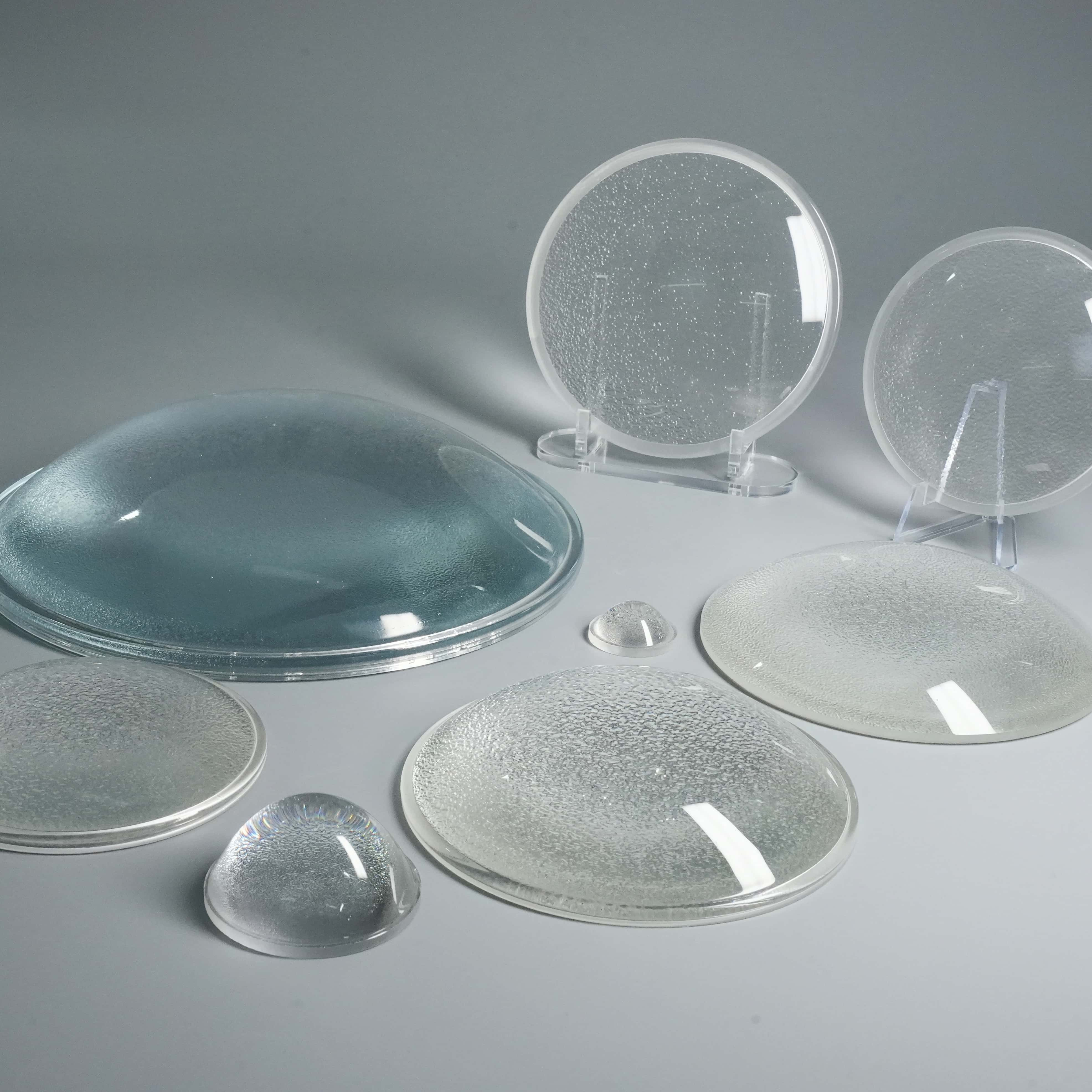
Asymmetric LED Street-Light Lens
Borosilicate roadway optic that controls glare and light pollution while protecting LED output from UV and weather.
- Asymmetric beam control
- UV protection
- Glare reduction
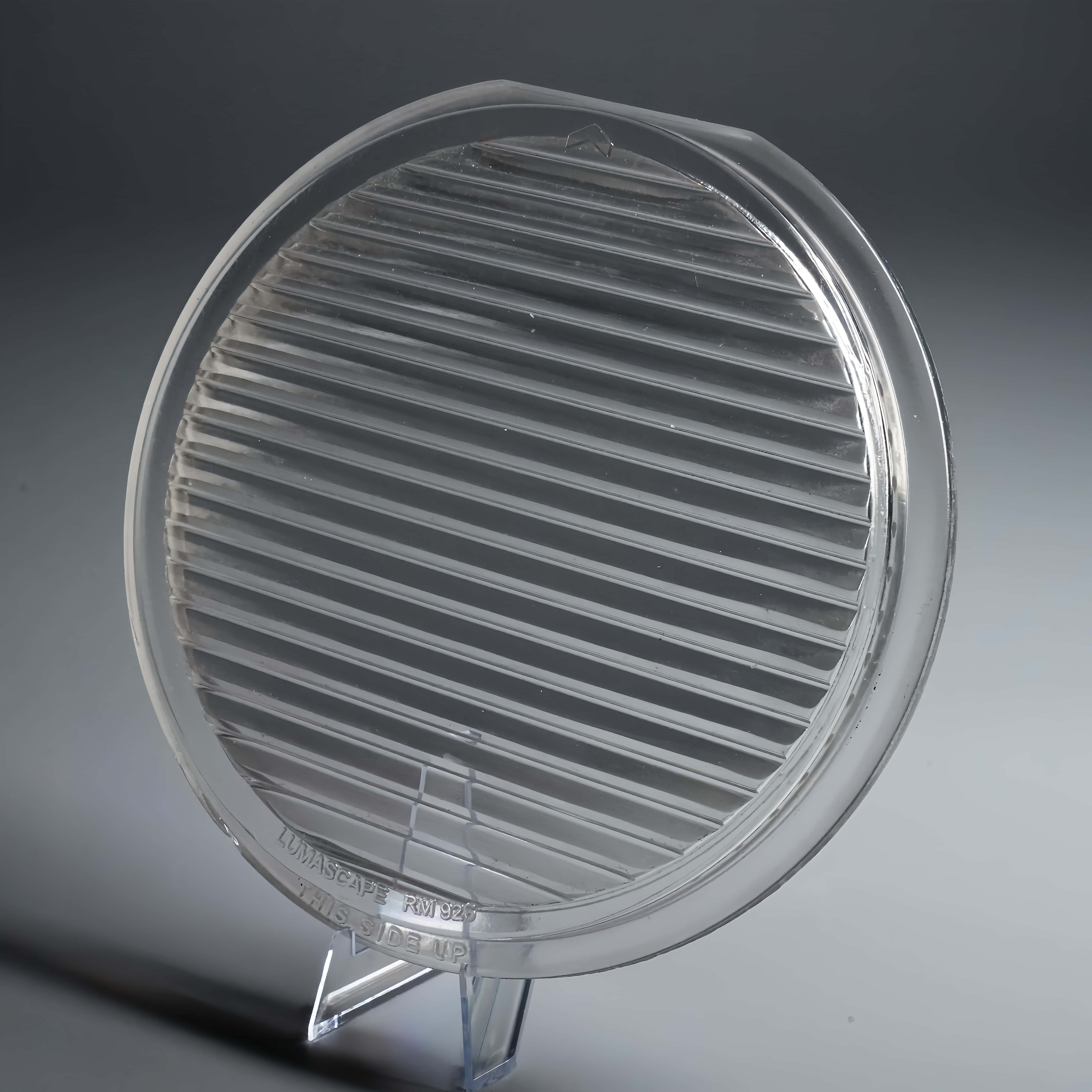
Heat-Resistant Headlight Glass Cover
Pressed-mold glass cover for headlights, floodlights and outdoor fixtures exposed to lamp heat, rain and impact.
- Custom size and shape
- Pressed mold process
- High borosilicate body
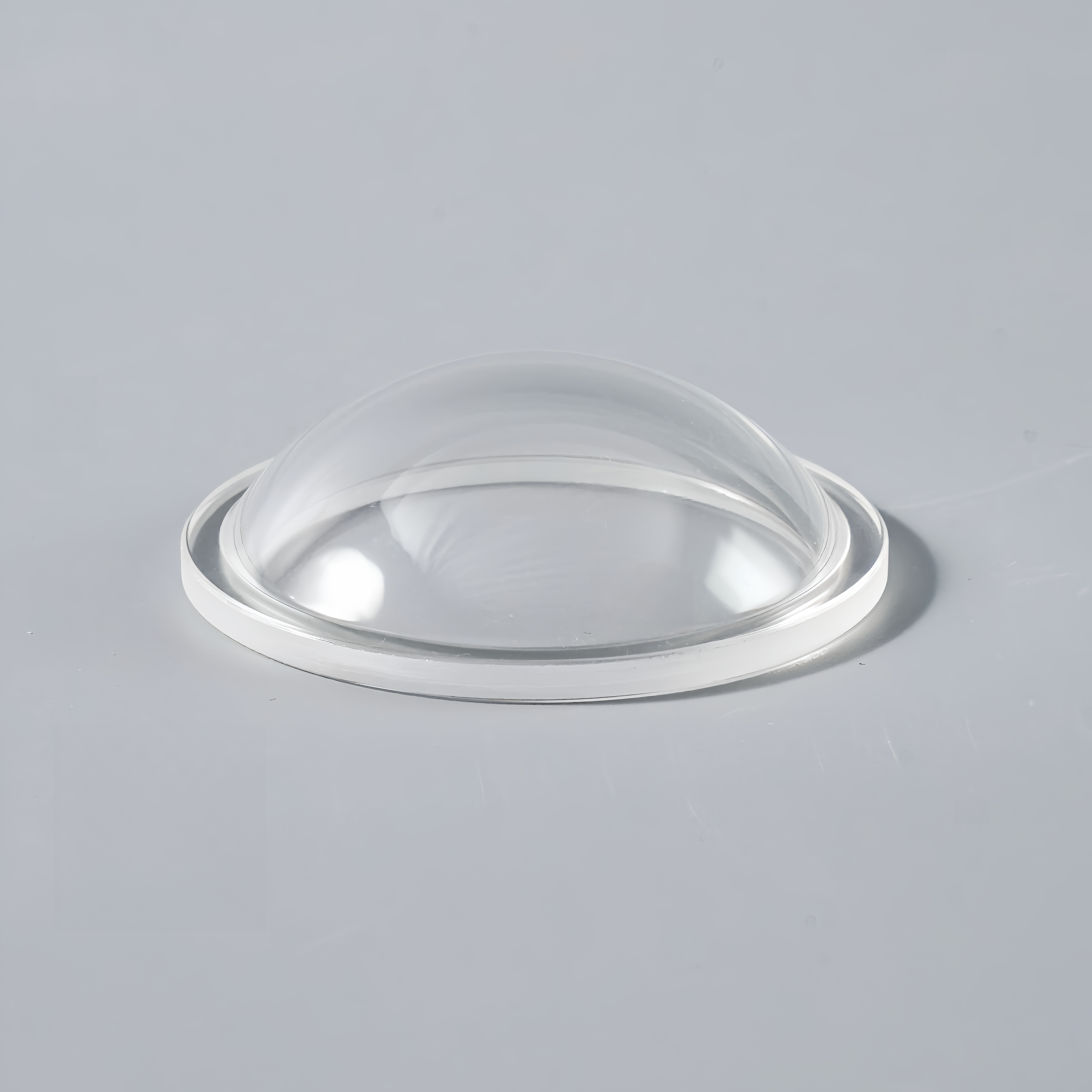
Clear Borosilicate Dome Lens
High-light-transmission dome for outdoor LED fixtures needing impact resistance, anti-scratch surfaces and coastal durability.
- Clear high transmission
- Impact resistant
- Anti-scratch finish



A China Optical Window Factory Organized Around Your Drawing
Shanghai Tambi Glass Industrial Co., Ltd. is a manufacturer and trading company focused on custom lighting and optical glass. For more than a decade, the team has worked from one practical question: how should glass perform inside the real fixture? That focus covers heat build-up behind high-power LEDs, thermal shock when rain hits a hot cover, impact loads in industrial areas, salt-laden coastal air and color accuracy for signal lighting.
Before tooling starts, senior lighting and molding engineers review every drawing for wall thickness, draft, sealing faces and optical path alignment. The goal is not to quote a generic window; it is to confirm that the part can be pressed, blown, ground, coated, sealed and certified inside your assembly. San Francisco buyers benefit from this drawing-first approach because the city’s mix of aviation, marine, photonics, life science and architectural lighting projects has little room for a component that only works on paper.
Production combines pressed, blown, ground and coated processes under one supply chain, with materials including borosilicate 3.3, tempered soda-lime, fused quartz and optical BK7/K9. Long-term partners in Europe, North America and Japan use this model for repeat programs, and San Francisco procurement teams can request samples, material reports and inspection records before releasing volume. The factory video and third-party verification pages are available for supplier qualification.
Six Reasons San Francisco Buyers Shortlist This Optical Window Supplier
Bay Area purchasing teams compare piece price last. First they need a supplier that can read a drawing, control the optical surface, protect fragile glass in transit and answer engineering questions quickly.
Drawing-Based OEM / ODM
Send a 2D/3D drawing or physical sample. Engineers review manufacturability, propose mold options and confirm samples before mass production.
Material Breadth
Borosilicate 3.3, tempered soda-lime, fused quartz and optical BK7/K9 let the specification follow the application instead of a catalog.
Coating & Finishing Control
AR, UV, bandpass and color coatings, combined with pressed, blown and ground forming for lighting and optical paths.
Onsite-Verified Supplier
Supplier assessment, credit index, transaction level, trade capacity and trade history can be reviewed before a purchase order is released.
Six-Hour Response Target
Technical inquiries average a reply within six hours. Include drawing, annual volume, surface temperature and sealing details for a faster review.
Export-Safe Packing
Foam or pulp dividers, reinforced cartons and palletized sea or air freight protect fragile optical parts on the route to San Francisco.
Where Optical Windows and Custom Glass Perform in San Francisco
San Francisco and the Bay Area combine coastal weather, high-value instrumentation, aviation, marine traffic and code-driven lighting. Each environment stresses glass differently, so the specification should start with the field condition.
Aviation & Airport Lighting
SFO, Oakland and regional airfields rely on obstruction, runway-edge and in-pavement fixtures. Borosilicate lenses and domes help maintain color and transmission under heat, rain and cleaning.
Marine, Ferry & Waterfront
Salt spray, fog and wind-driven moisture make handblown and pressed signal-light covers attractive for ferries, piers, marinas and waterfront architecture.
LiDAR, Robotics & Photonics
Bay Area sensing teams specify AR-coated domes, windows, prisms and bandpass filters where transmission, wavefront and coating durability affect system performance.
Life Science & Instruments
Mission Bay and Peninsula laboratories use UV fused silica, BK7 windows and sight glasses in analytical, fluidic and imaging equipment where haze and transmission drift are costly.
Architectural & Outdoor LED
Coastal façades, parks and commercial exteriors need waterproof glass that resists impact, heat and UV. Asymmetric and dome optics also help address glare and dark-sky goals.
Stage, Studio & Entertainment
High-power LED and COB fixtures in theatres, studios and venues produce intense heat. Fresnel lenses and heat-resistant covers protect beam quality and reduce field failures.
San Francisco Sourcing Trends That Change the Glass Specification
Procurement is becoming more technical. In San Francisco, the cheapest unit price can lose to a supplier that understands corrosion, optical metrology, code-driven lighting and after-sales replacement risk.
Coastal Durability Is Now a Specification
Fog, salt-laden air and temperature cycling push buyers toward borosilicate or properly tempered glass, controlled annealing and protective packing. For waterfront and marine projects, the sealing face, gasket design and coating durability matter as much as the glass body.
Photonics and LiDAR Demand Tighter Windows
Bay Area sensing and robotics programs are moving from “clear glass” to defined transmission, coating bands, dome geometry and cosmetic limits. A supplier that can review optical path alignment before tooling reduces the risk of expensive redesign after prototype build.
Code-Driven Lighting Favors Replaceable Optics
Energy-code compliance, glare control, dark-sky expectations and maintenance planning favor modular glass lenses, domes and covers that can be replaced without scrapping the entire fixture. For local OEMs, this increases demand for repeatable, drawing-controlled optical parts.
How to Select an Optical Window Material for a Coastal City
Material choice should be made before mold design. The comparison below is a practical starting point for San Francisco fixtures and instruments; final selection still depends on lamp surface temperature, impact rating, sealing method, coating and the standard your luminaire must meet.
| Material | Thermal expansion (×10⁻⁶/K) | Typical max. working temp. | Key strength | Best for |
|---|---|---|---|---|
| Borosilicate 3.3 | ≈ 3.3 | ≈ 450 °C | Excellent thermal-shock resistance | Explosion-proof shades, high-power LED covers, Fresnel lenses |
| Tempered soda-lime | ≈ 9.0 | ≈ 250 °C | High impact strength, economical | Outdoor covers, floodlight glass, vandal-resistant lenses |
| Fused quartz | ≈ 0.55 | ≈ 1000 °C+ | UV transmission, extreme heat | UV optics, high-temperature windows |
| Optical BK7 (H-K9L) | ≈ 7.1 | ≈ 300 °C | Homogeneous, nd ≈ 1.517 | Precision lenses, prisms, mirrors, filters |
Values are typical references. Final specification is confirmed against your drawing, lamp surface temperature, impact rating and the standard your fixture must meet.
Shorter bars indicate lower thermal expansion, which generally favors thermal-shock resistance. Geometry, thickness, annealing and gasket design still determine field performance.
Certification language matters. For FAA L-810 and EN 50293 fixtures, the luminaire manufacturer holds fixture certification. This factory matches color, transmission and dimensional specifications and can provide material and inspection reports on request.
A Controlled Six-Step Process from Drawing to Export
Clear checkpoints reduce the gap between an approved sample and a repeatable production order, especially when the buyer and factory are separated by a Pacific shipping lane.
Drawing Review
Engineers check wall thickness, draft, tolerance, sealing face and optical path before quoting tooling.
Mold & Tooling
New or existing molds are selected for pressing, blowing or grinding, depending on geometry and volume.
Sampling
Samples are measured and sent for fit, sealing, light and cosmetic evaluation before mass production.
Forming & Annealing
Controlled annealing or tempering relieves stress and supports thermal-shock and impact performance.
Coating & QC
AR or color coating is applied where specified, followed by dimensional and visual inspection.
Export Packing
Dividers, reinforced cartons and pallets protect fragile optical parts for sea or air freight to San Francisco.
Verify the Supplier Before You Release a Purchase Order
Independent records help San Francisco procurement teams complete supplier qualification faster, especially when the part will enter an aviation, marine, medical or industrial fixture program.
Optical Windows, MOQs, Certification and Shipping Questions
These are the questions procurement and engineering teams ask most often when comparing a China optical window factory for a San Francisco project.
Can you manufacture glass covers and lenses to my own drawing?
What is the typical minimum order quantity?
Should I choose borosilicate glass or tempered soda-lime glass?
Do you supply glass for FAA L-810 and EN 50293 lighting fixtures?
How fast do you reply to San Francisco technical inquiries?
How are fragile optical parts packed for export to San Francisco?
Send Your Drawing. Get a Manufacturing Review Within 6 Hours.
Share dimensions, material, operating temperature, coating target and annual volume. For San Francisco and Bay Area programs, ask for a DFM review before you compare only piece price.
Inquire Now