Why the Sapporo Market Demands More Than a Standard Glass Dome
Buyers in Hokkaido are not only comparing unit price. They are specifying a safety-critical glass component that must survive one of the most demanding seasonal environments in Asia.
Buyers searching for top China explosion proof glass dome factories and wholesalers serving Sapporo are usually not looking for a generic lamp shade. They are sourcing glass for an airport, marine terminal, food plant, chemical facility, municipal street-lighting programme or ski-season event venue. In Sapporo, the operating environment compresses several stress factors into one fixture: snow load and freeze-thaw cycles, de-icing salt, coastal humidity, strong seasonal UV, indoor heating, condensation and seismic movement. A dome that performs in a mild climate may fail here if the glass type, annealing, sealing face and export packaging are not specified from the start.
Search intent in this market splits into two practical routes. A factory-direct route suits luminaire OEMs, engineering contractors and distributors who need drawing-based customization, stable repeatability and control over material, coating and tolerances. A wholesaler route suits MRO teams, electrical contractors and smaller importers that need smaller batches, mixed-product containers or buffer stock. The strongest China suppliers combine both signals: they publish verifiable company information, explain manufacturing processes, show real product photographs and quote from drawings rather than from a catalogue picture.
Shanghai Tambi Glass Industrial Co., Ltd. operates as a manufacturer and trading company with more than ten years in lighting glass. The company works with pressed, blown, ground and coated glass, supplies borosilicate 3.3, tempered soda-lime, fused quartz and BK7/H-K9L, and supports AR, bandpass and longpass coatings. For Sapporo buyers, that breadth matters because explosion-proof covers, signal-light domes and optical lenses rarely share one material specification. The correct choice depends on lamp surface temperature, impact exposure, whether the part is a pressure or sealing barrier, and how the fixture is certified.
In practical terms, a Sapporo procurement team should ask three questions before choosing a factory or wholesaler: can the supplier review a 2D/3D drawing for wall thickness, draft and sealing faces; can it document the glass type, annealing or tempering process and coating; and can it pack fragile domes for sea or air freight through Hokkaido’s winter logistics chain. A supplier that can answer all three is more valuable than a lower quotation that leaves engineering risk in the buyer’s hands.
You need a custom explosion-proof dome, a new Fresnel lens, a specific red signal glass or an AR-coated window. Tooling, material traceability and repeat orders matter more than instant stock.
You serve MRO customers, need mixed glass items or require a smaller trial batch. The best wholesalers still reveal their factory source and provide inspection reports.
Check supplier assessment, credit index, trade capacity, product photos and response time. For Sapporo, also confirm cold-weather packaging and whether samples can be tested in the actual fixture.
8 Explosion-Proof, Signal and Optical Glass Products for Sapporo Projects
Each item can be adapted in size, thickness, color, coating and edge finish. Product URLs are preserved for direct technical review.
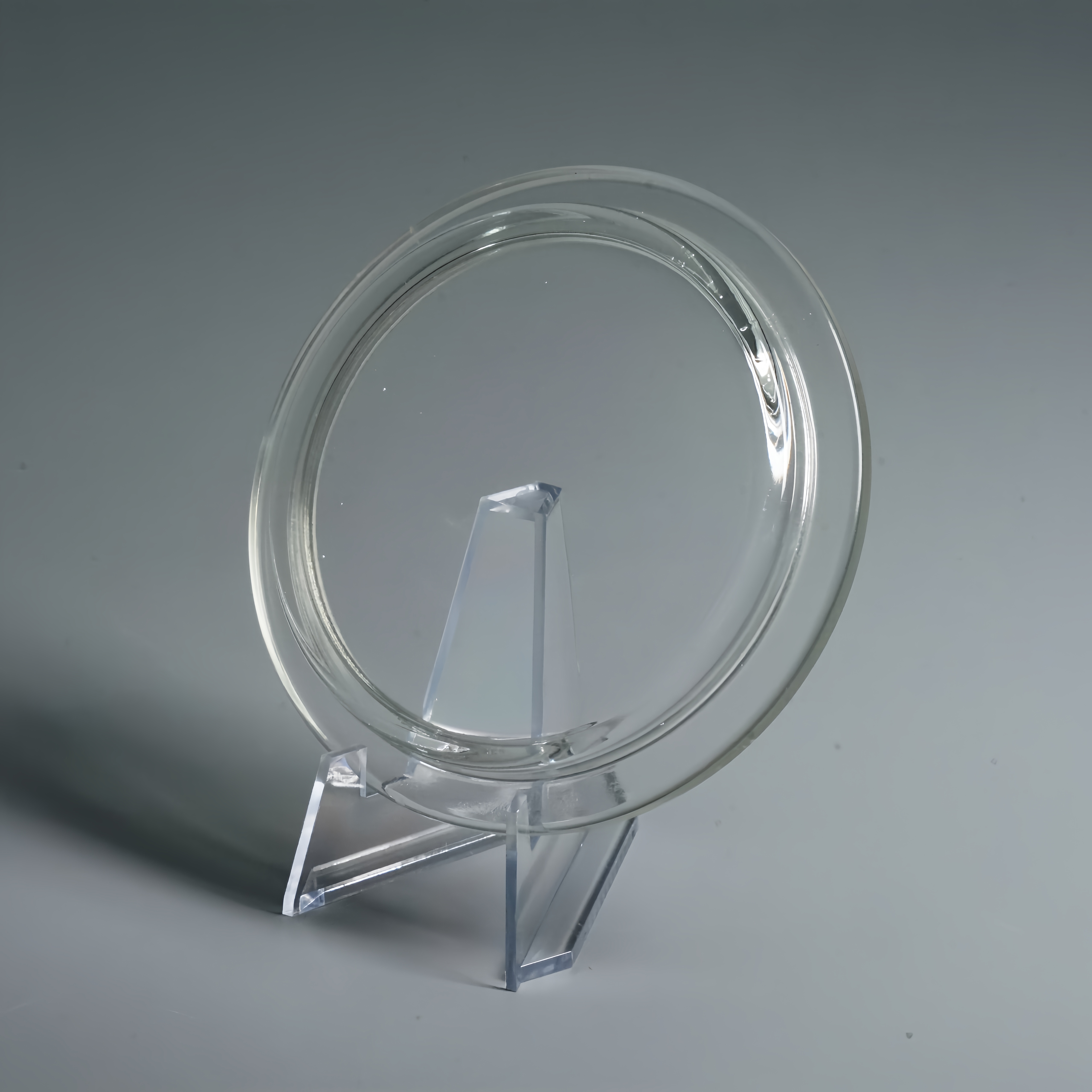
Custom Size Coastal Victorian Outdoor Stage Glass Lampshade
Waterproof, high-temperature and impact-resistant construction for hotel facades, park pavilions, promenade lighting and event stages. Silk-printable surfaces support branding and diffusion in snowy public spaces.

FAA-Compliant Borosilicate Glass Lens for Runway In-Pavement Lights
For airfield lighting OEMs and airport MRO programmes. Heat-resistant borosilicate helps tolerate high LED temperatures and cold-weather thermal shock, while clear optical quality supports taxiway and runway fixtures.

High-Temperature Borosilicate Fresnel Lens for Stage Lighting
Suitable for theatres, ski-resort event venues and rental-stage fixtures. The borosilicate body and anti-reflective coating are aimed at high-power LED collimation where heat build-up and optical efficiency matter.
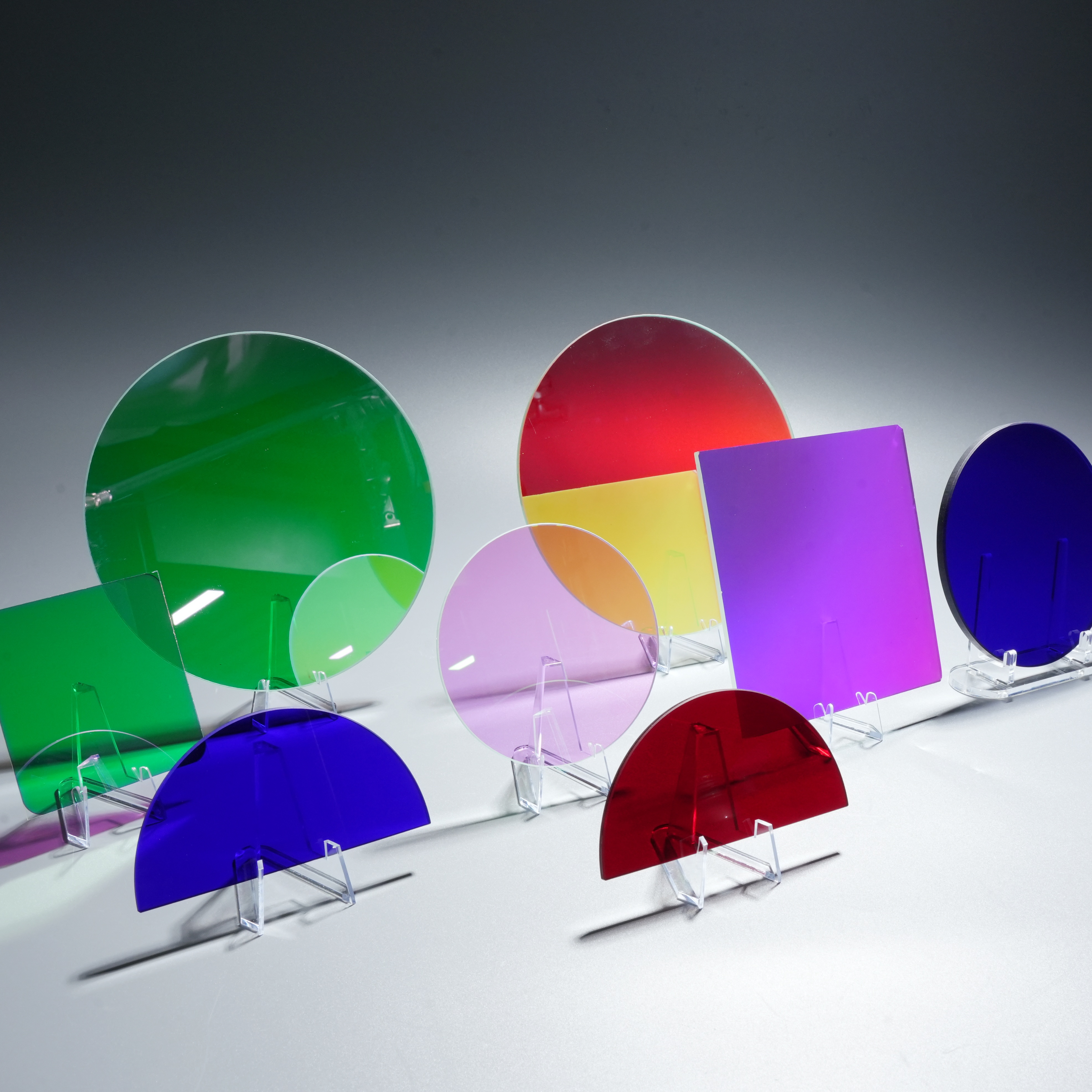
590nm 49mm Coated UV Borosilicate Bandpass Optical Filter
A customized bandpass or longpass filter for sensing, spectroscopy and machine-vision systems. Coatings and substrate choice can be aligned to the detector and light source, with wavelength shift tolerance reviewed for cold operation.
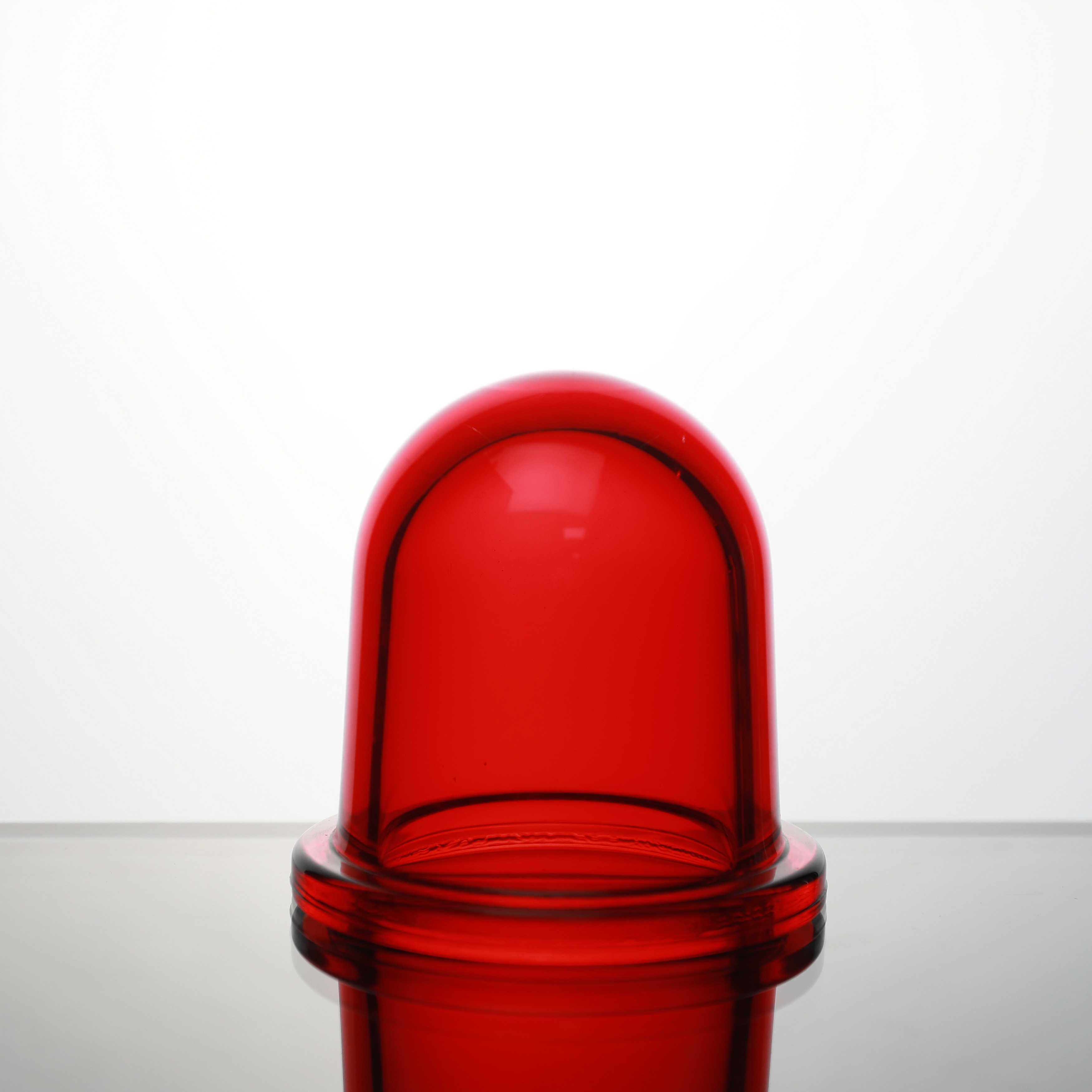
Custom Clear Borosilicate Explosion-Proof Glass Light Cover
A clear explosion-proof style cover for industrial, airport and outdoor fixtures. Borosilicate 3.3 is chosen for thermal-shock resistance; wall thickness, thread, seat dimensions and gasket interfaces are reviewed before tooling.
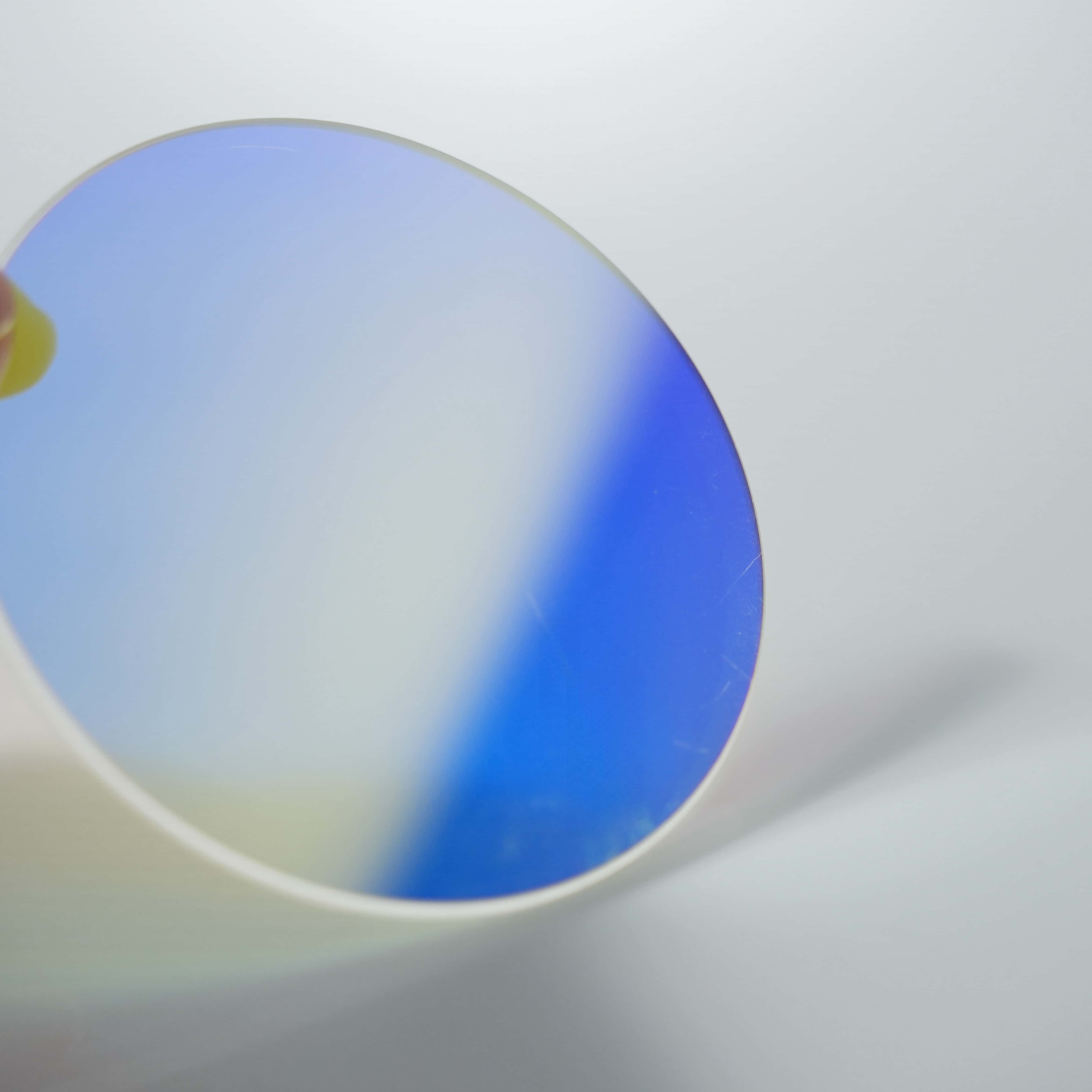
Borosilicate Longpass / Shortpass Filter for Spectroscopy Sensors
For spectroscopy, industrial sensors and optical instruments. Longpass and shortpass options can be quoted by wavelength, diameter and edge finish, with AR coating to improve transmission and reduce ghost reflections.
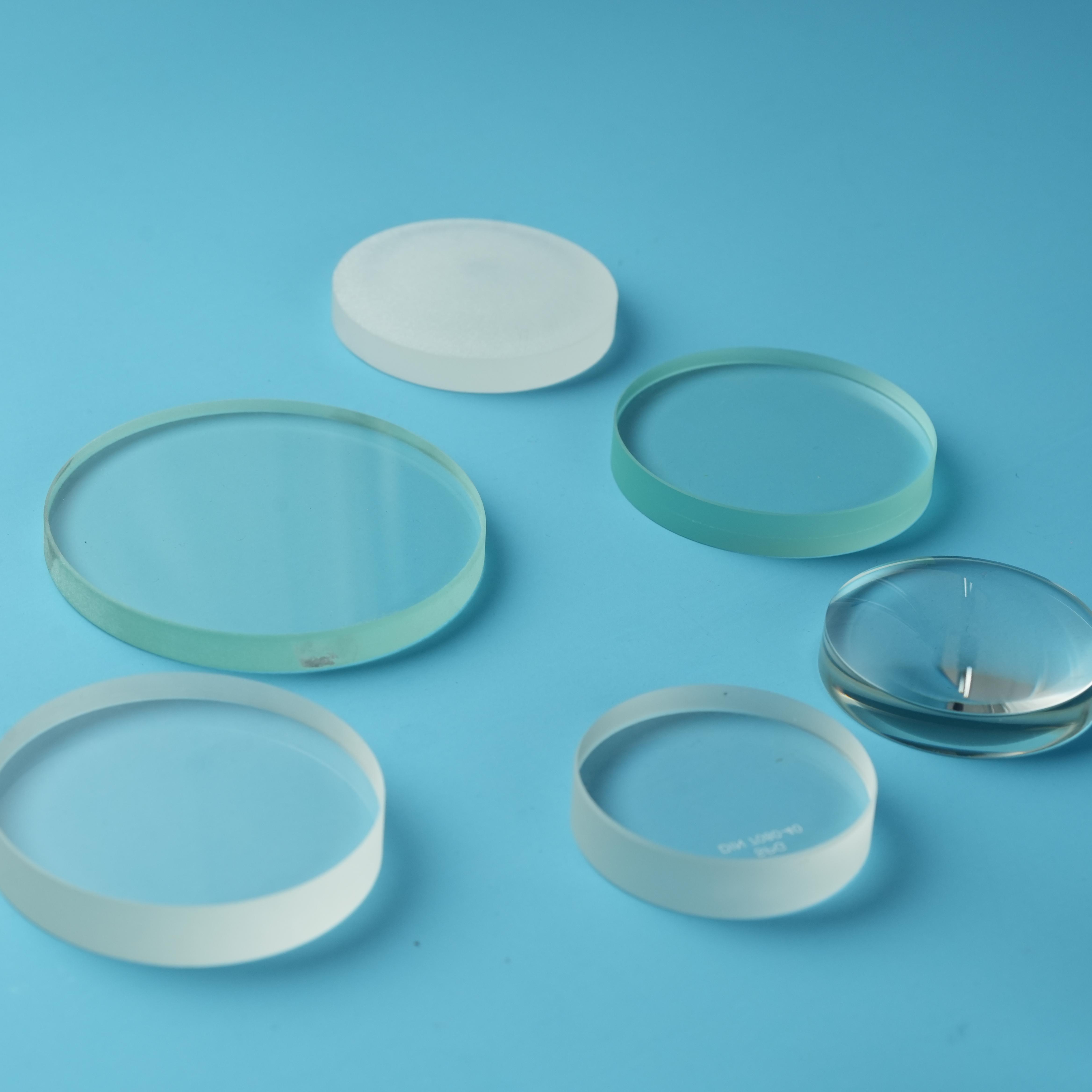
Custom AR-Coated Borosilicate K9/BK7 Optical Window 50mm
A customizable window for LiDAR, camera and instrument enclosures. Material options include borosilicate, K9/BK7, B270 and fused silica, with 2D/3D drawing review for sealing, flatness and coating requirements.
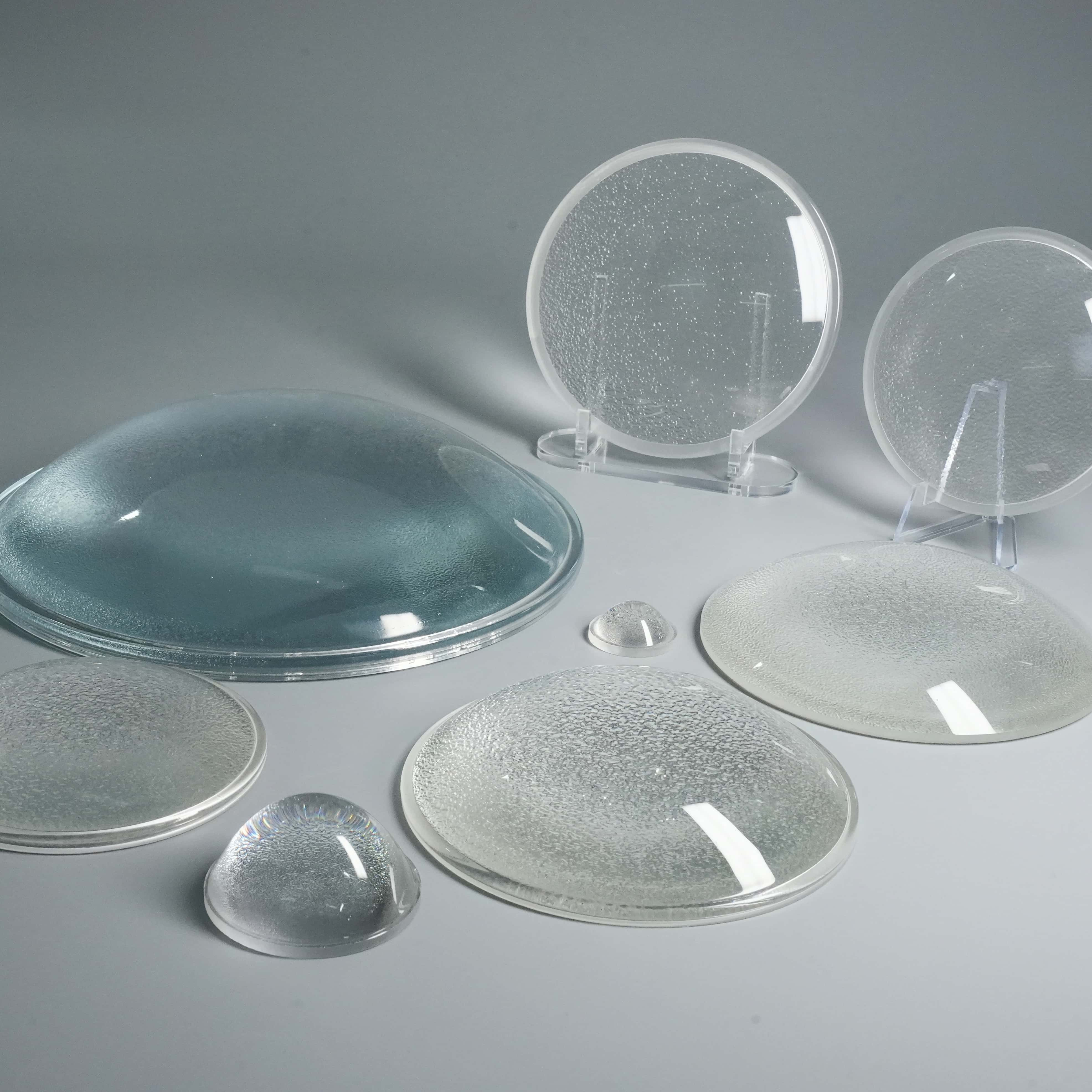
Asymmetric Borosilicate LED Lens for Roadway & Street Lighting
Designed to shape light toward the road while reducing glare and spill. For Sapporo’s snow-reflective winter streets, asymmetric optics can support visual comfort and dark-sky goals while retaining UV and thermal protection.
Where Explosion-Proof and Optical Glass Performs in Sapporo & Hokkaido
Local conditions change the specification. These are the project environments where glass choice, sealing and packaging are most often discussed with overseas buyers.
New Chitose Airport & Airfield Lighting
Runway, taxiway and apron fixtures require clear optical transmission, stable color and reliable sealing. In-pavement lenses face meltwater, snow-clearing equipment and rapid temperature change. Specify borosilicate heat-resistant lenses and IP68 housing integration.
Port of Otaru, Ishikari Bay & Marine Signals
Salt spray, harbour wind and freezing mist accelerate surface aging. Red and clear signal domes, handblown covers and pressed lenses should be selected for color consistency, thick-wall resistance and long maintenance intervals.
Snow-Intensive Street & Municipal Lighting
Sapporo’s winter streets combine reflective snow, low sun angles and glare. Asymmetric LED glass lenses reduce light pollution and glare while maintaining road uniformity. UV-stable glass and robust sealing improve maintenance cycles.
Ski Resorts, Arenas & Event Venues
Fresnel and stage lenses must handle high-power LED heat and frequent handling. AR-coated borosilicate lenses support collimation and color rendering in arenas, hotel ballrooms, seasonal events and resort lighting installations.
Food Processing, Cold Chain & Chemical Plants
Hygienic washdown, ammonia refrigeration, condensation and hazardous zones demand thick-wall covers with stable annealing. Explosion-proof borosilicate shades and inspection windows support safety routines without sacrificing light output.
LiDAR, Sensors & Smart-City Instruments
Snow, fog and wet surfaces affect optical sensors. AR-coated windows, hemispherical domes and bandpass filters should be specified with coating durability, wavelength stability, pressure rating and sealing integration in mind.
What Is Shaping Sapporo Procurement from 2025 to 2030
Hokkaido’s infrastructure, tourism and industrial investment cycles are changing how glass components are specified and purchased.
Cold-Climate Performance Becomes a Line-Item Specification
Procurement teams are moving beyond a vague “borosilicate” label. They ask for thermal expansion, annealing method, maximum surface temperature and freeze-thaw test logic. Suppliers with material reports and drawing-based DFM reviews will win more OEM projects.
Airport, Tourism and Public Infrastructure Upgrades
Hokkaido’s tourism recovery and airport investment continue to drive lighting replacement. Airfield, obstruction, marine and outdoor architectural lighting demand stable red and clear glass, color consistency and export packaging that survives winter transshipment.
High-Power LED and Optical Efficiency
Higher power density in street, stage and industrial lighting makes AR coating, Fresnel accuracy and thermal shock resistance more important. Glass is no longer an accessory; it is part of the optical and thermal system.
Hybrid Sourcing: China Engineering Plus Local Inventory
Sapporo buyers increasingly use a hybrid model: a China factory for custom domes and lenses, and a local wholesaler or distributor for urgent MRO. Clear drawings, part codes and annual volume forecasts help shorten lead time at both ends.
Material Selection for Cold-Climate Lighting Glass
Selecting the correct glass early avoids cracked covers, color drift and costly field returns after a Sapporo winter.
| Material | Thermal expansion (×10⁻⁶/K) | Typical strength | Best Sapporo use |
|---|---|---|---|
| Borosilicate 3.3 | ≈ 3.3 | Excellent thermal-shock resistance | Explosion-proof shades, high-power LED covers, airport lenses, Fresnel optics |
| Tempered soda-lime | ≈ 9.0 | High impact strength and economical cost | Outdoor covers, floodlight glass, vandal-resistant lenses at moderate temperatures |
| Fused quartz | ≈ 0.55 | UV transmission and extreme heat resistance | UV optics, high-temperature windows, scientific instruments |
| Optical BK7 / H-K9L | ≈ 7.1 | Homogeneous optical properties | Precision lenses, prisms, windows, filters and sensor systems |
Values are typical references. Final specification is confirmed against your drawing, lamp surface temperature, impact rating, gasket design and the standard your fixture must meet. For Sapporo projects, the discussion should also include condensation control, snow-clearing contact, coastal salt exposure and winter freight packaging.
Why Tambi Glass Fits Sapporo Buyers Looking for China Factories and Wholesalers
Shanghai Tambi Glass Industrial Co., Ltd. combines manufacturer control with export trading support, giving distributors and OEMs a practical single source for custom lighting and optical glass.
Drawing-Based OEM / ODM
Most orders are developed from a 2D/3D drawing, a physical sample or a fixture requirement. Engineers review wall thickness, draft, tolerance, sealing faces and optical path alignment before tooling starts.
Material and Process Breadth
Borosilicate 3.3, tempered soda-lime, fused quartz and BK7/H-K9L are supported alongside pressed, blown, ground and coated production. AR, bandpass and longpass coatings cover lighting and sensing projects.
Engineering Review for Real Fixtures
The team includes senior lighting and moulding engineers who understand heat build-up behind high-power LEDs, thermal shock from rain or snow on hot covers, impact loads in hazardous areas and color accuracy for signal lights.
Verified Supplier Transparency
Procurement teams can review supplier assessment, credit index, transaction level, trade capacity and trade history. Tambi Glass is an onsite-verified supplier with 11–50 employees and annual export revenue in the US$2.5M–5M range.
Quality Control and Inspection Reporting
Controlled annealing or tempering relieves stress before coating and packing. Dimensional and visual inspection, color and transmission checks, and material or inspection reports can be discussed for OEM qualification.
Export Packing and Fast Response
Fragile parts are separated with foam or pulp dividers, packed in reinforced export cartons and palletized for sea or air freight. Average technical response is within six hours, which helps Sapporo buyers keep quoting schedules moving.
Six Controlled Checkpoints Before Glass Reaches Sapporo
A clear process reduces surprises between sample approval, mass production and winter freight.
Drawing Review & DFM
Thickness, draft, tolerance, gasket seat, thread and sealing face are reviewed before tooling.
Mould & Tooling
New or existing moulds are selected for pressing, blowing, grinding or optical finishing.
Sampling & Fit Test
Samples are measured and sent for your fixture fit, gasket, light-output and thermal test.
Forming & Annealing
Controlled annealing or tempering relieves internal stress and supports cold-weather durability.
Coating & Final QC
AR or color coating, dimensional inspection, visual inspection and transmission checks are completed.
Export Packing & Logistics
Divider-packed cartons are palletized for sea or air freight, with distributor labeling available.
Common Questions from Hokkaido Importers, OEMs and MRO Teams
These answers reflect the practical questions received from lighting, airport, marine and industrial buyers.
Can you manufacture explosion-proof glass domes and covers to our own drawing?
Should we specify borosilicate glass or tempered soda-lime for Hokkaido winters?
What is the typical MOQ and lead time for a trial order to Sapporo?
Can you supply glass for FAA L-810 or EN 50293 fixture programmes?
How are fragile glass parts packed for shipment to Hokkaido?
Can you support anti-reflective, bandpass or longpass coating requirements?
How fast do you respond to technical inquiries?
Can you act as both a factory and a wholesale source for mixed glass orders?
Send Your Drawing for a Sapporo-Specific Glass Review
Share dimensions, glass type, operating temperature, coating target, annual volume and delivery port. Our engineers will review manufacturability, suggest the most reliable material and prepare a quotation for your Sapporo or Hokkaido project.
Email: info@tambiglass.com | Average response: within 6 hours