Eight Colored & Specialty Glass Products Recommended for Thailand
These eight products match repeatable Thai buyer requests: high heat, monsoon humidity, coastal salt air, industrial safety, stage lighting, medical equipment, food processing and precision optical sensing.
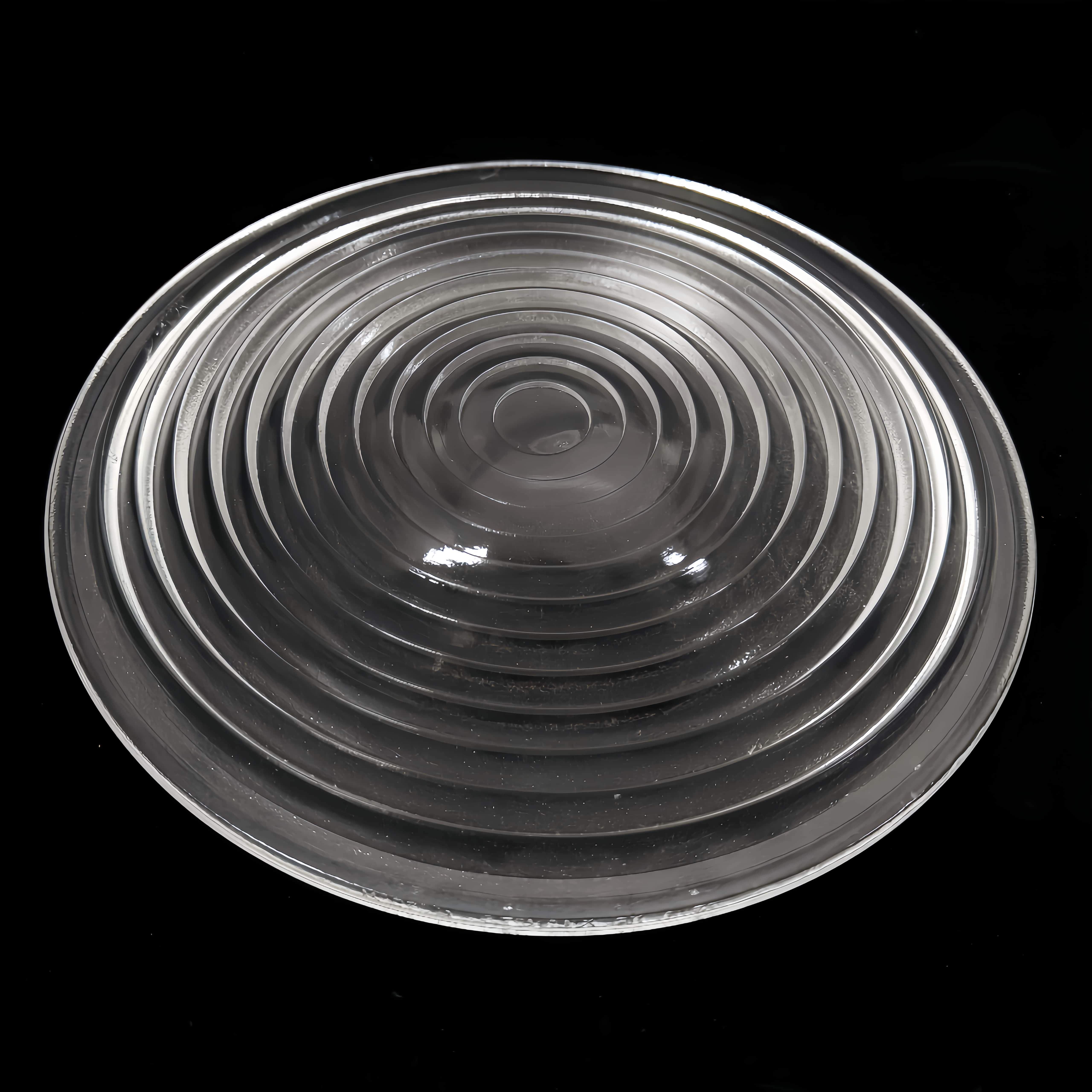
Precision Molded Borosilicate Glass Fresnel Lens Stage Lighting Anti-Reflective Coating FAA/ICAO Standards 175mm BO GLASS OEM
A 175 mm borosilicate Fresnel lens with anti-reflective coating for controlled beam shaping and high-temperature LED fixtures.

Borosilicate Transparent Explosion-proof Shade, Heat-resistant & Crack-proof, Transparent Protective Cover
A transparent protective shade engineered for heat resistance, crack resistance and reliable light transmission in demanding fixtures.
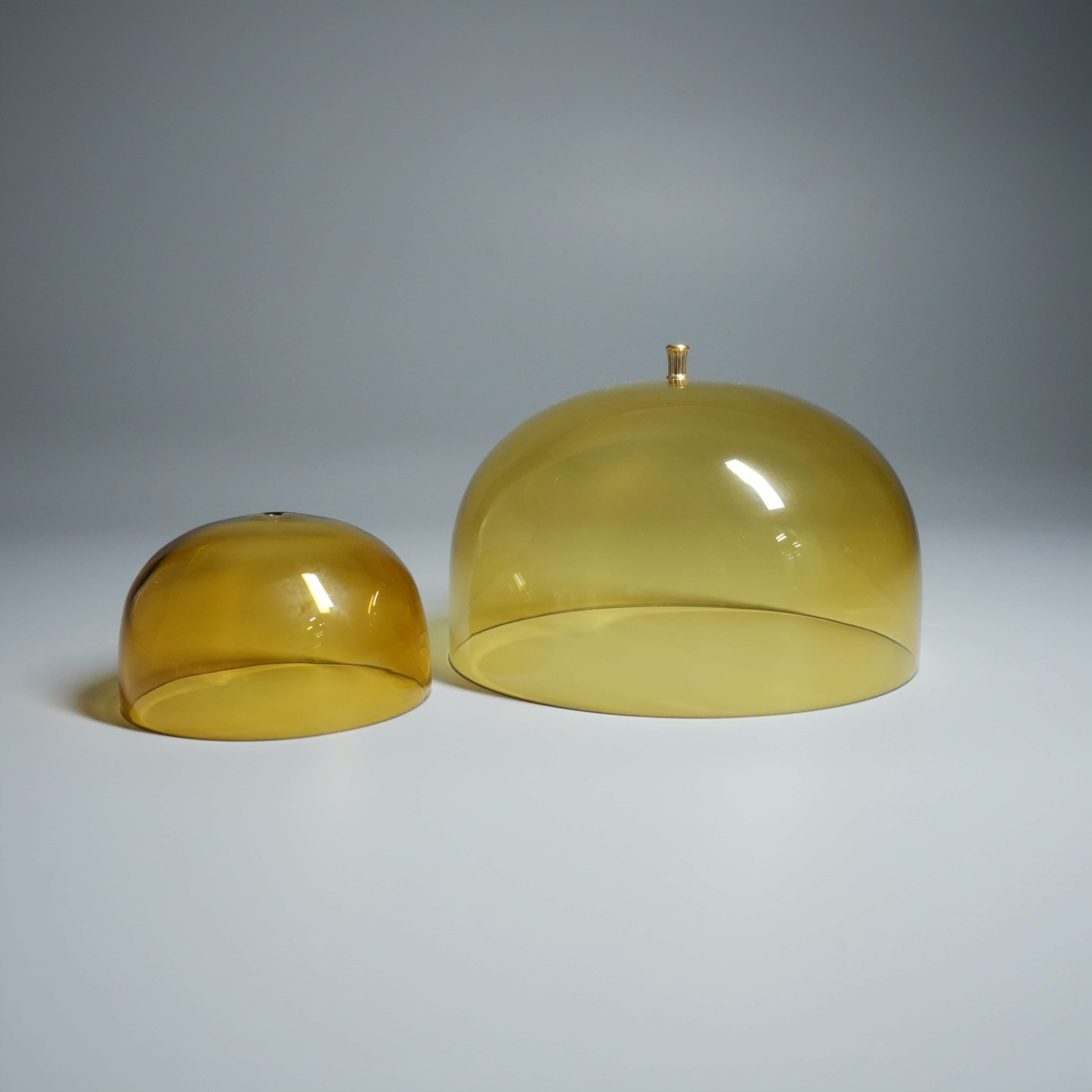
Certified Glass Cover for Food Machinery and Medical Equipment, Chemical Resistant
A chemical-resistant glass cover for food machinery, inspection windows and medical equipment where cleanability matters.

Manufacturer OEM Precision Grade BK7 K9 Optical Glass Aspherical Lens Anti-Reflective Coating Diameter 0.5-25mm MOQ 100 Pcs
A precision BK7/K9 aspherical lens with AR coating, 0.5–25 mm diameter options and MOQ from 100 pcs.
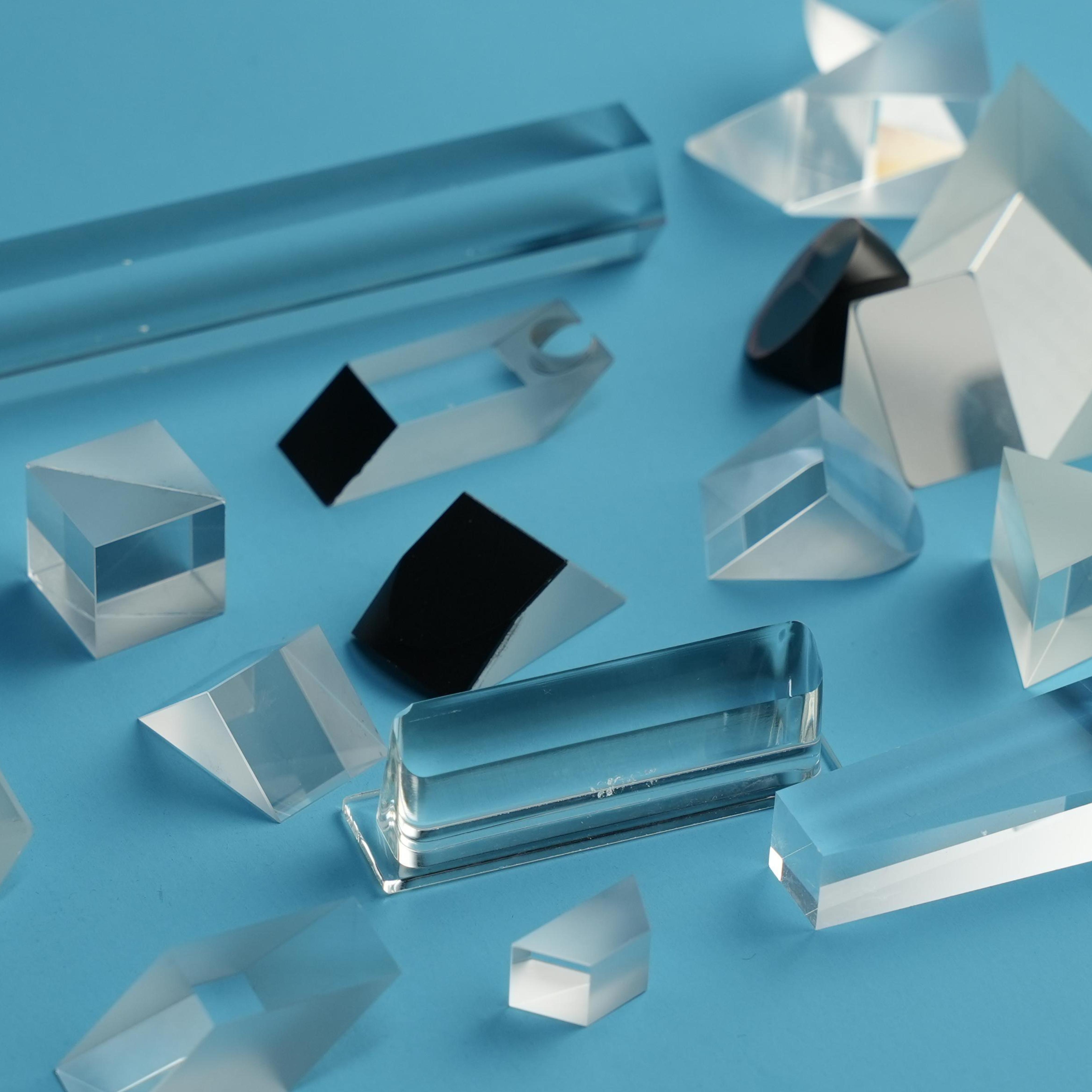
Factory Custom BO-GLASS Quartz BK7 K9 Arcoated Fused Silica High Precision Right Angle Prism 90Degree Clear ODM/OEM 3-Year
Custom right-angle prisms in quartz, BK7, K9 or fused silica, with AR coating and ODM/OEM support.
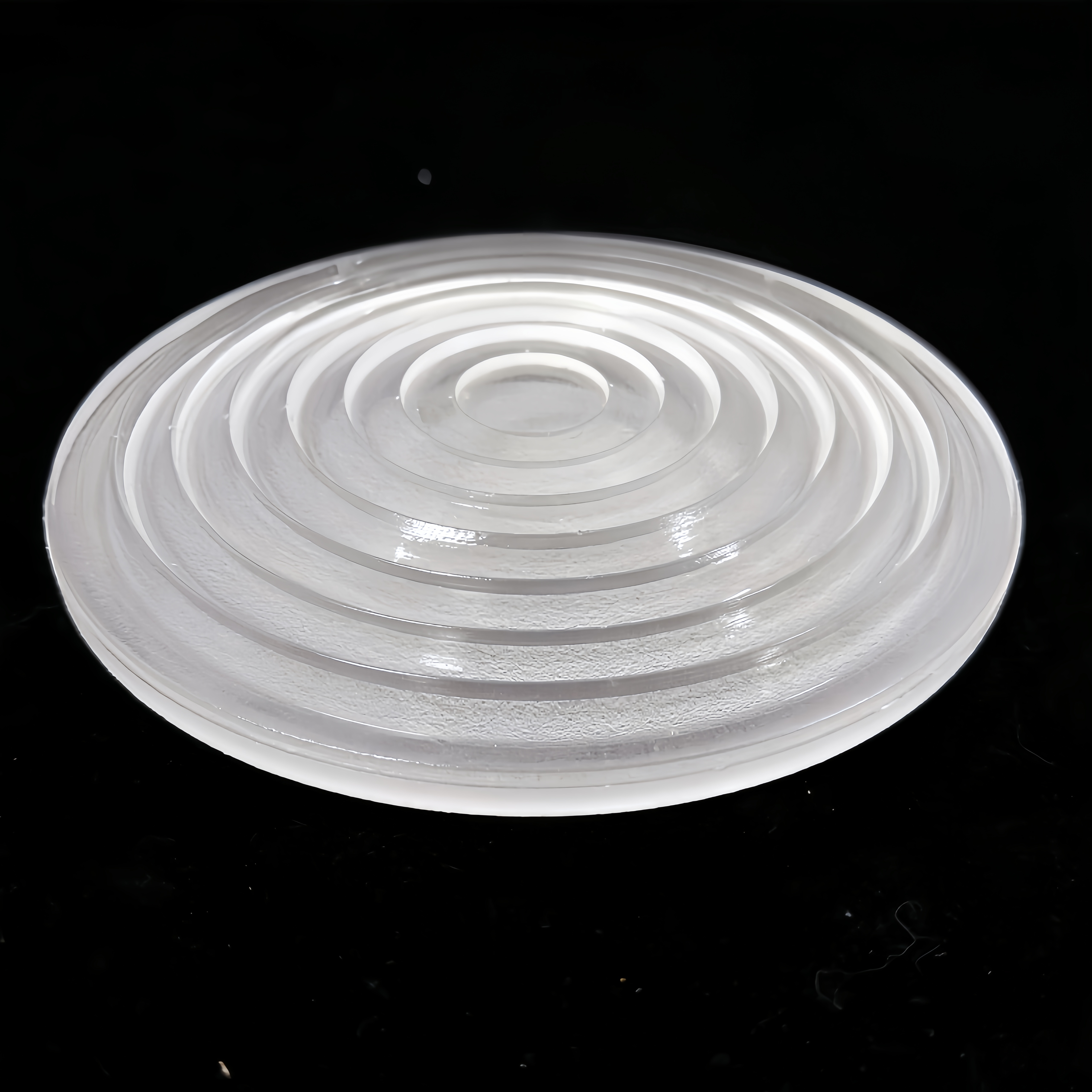
High Temperature Resistant Borosilicate Glass Fresnel Lens Anti-Reflective Coating High Power LED Collimation Stage Lighting
A high-temperature borosilicate Fresnel lens for high-power LED collimation, with AR coating for efficient light control.
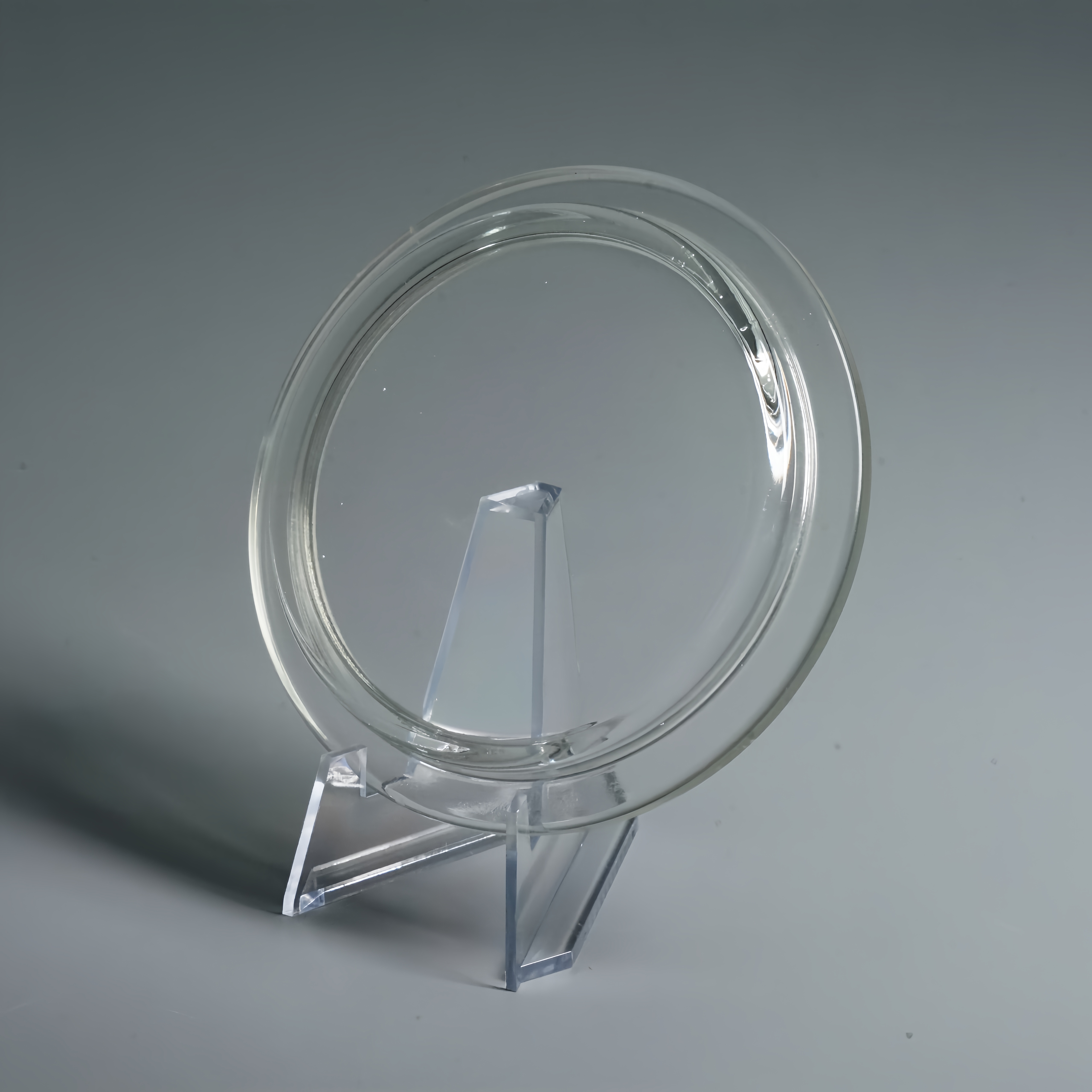
Custom Size Coastal Victorian Outdoor Stage Glass Lampshade Factory Waterproof High Temperature Impact Resistant Silk-Printable
A custom-size outdoor glass lampshade with waterproof, high-temperature and impact-resistant construction, plus silk-printable surfaces.
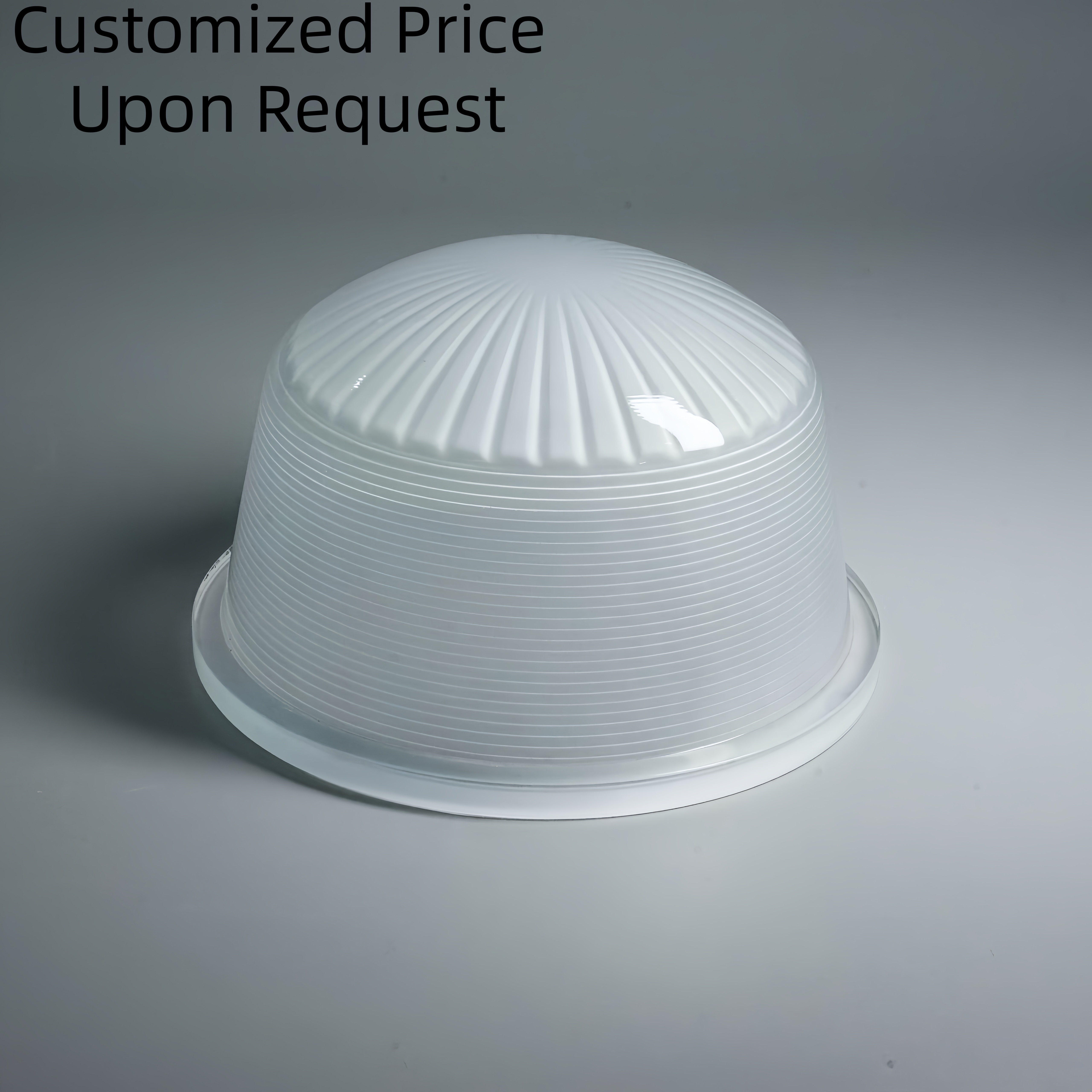
Transparent Explosion-proof Glass Shade, High Light Transmittance, Industrial Workshop Lighting
A transparent explosion-proof glass shade with high light transmittance for industrial workshop fixtures and safety lighting.
Why This China Colored Glass Supply Model Fits Thailand
A practical procurement view for Thai importers, lighting OEMs, MEP consultants, industrial contractors and optical equipment teams.
Thailand is not a single lighting market. Bangkok’s hospitality and entertainment projects demand visually precise colored glass and decorative lampshades. The Eastern Economic Corridor supports automotive, electronics, automation and medical manufacturing that need optical lenses, prisms and inspection windows. Rayong, Chonburi and Songkhla face coastal salt air, monsoon rain and high humidity. Map Ta Phut and Laem Chabang require robust industrial glass for safety and workshop lighting. A China-based colored glass manufacturer and exporter is most useful when it can translate those different conditions into one drawing-based supply process.
Shanghai Tambi Glass Industrial Co., Ltd. — known as Tambi Glass — is a Shanghai-based manufacturer and trading company focused on custom borosilicate glass covers, explosion-proof lampshades, signal light glass domes, LED lenses, Fresnel lenses, prisms and optical filters. Its stated experience covers more than 10 years in lighting glass, a team of 11–50 people, drawing-based OEM/ODM production and an average technical response time within 6 hours. For Thai buyers, that combination matters because the purchase is rarely a generic catalog item. It is usually a glass part that must fit an existing housing, gasket, LED module, reflector, signal body or medical enclosure.
The information-gain advantage in this guide is the application-first selection logic: match the glass material to the Thai operating condition first, then confirm dimensions, coating, color, sealing face and export packing. Borosilicate 3.3 is often specified for high lamp temperatures and thermal shock. Tempered soda-lime glass can be cost-effective for impact resistance at moderate temperatures. Fused quartz serves UV and extreme-heat optics. BK7/K9 optical glass supports precision lenses, prisms and filters. Tambi Glass works across these material families instead of forcing every project into one substrate.
Where Colored & Specialty Glass Performs in Thailand
Use application conditions to specify the right glass, rather than selecting only by appearance or initial price.
Airport & Aviation Lighting
Obstruction, runway edge and in-pavement light lenses for airports such as Suvarnabhumi, Don Mueang and U-Tapao. Buyers should confirm color, transmission and dimensional fit against the luminaire maker’s requirements.
Marine & Coastal Signal Lights
Clear, red and green covers for navigation, ship signal and marina lighting. Coastal humidity and salt spray make sealing faces, annealing quality and packaging protection especially important.
Oil, Gas & Chemical Estates
Explosion-proof shades and protective covers for hazardous-area fixtures in Map Ta Phut, Laem Chabang and related industrial estates. Thick-wall borosilicate and controlled annealing help manage heat and thermal shock.
Stage, Studio & Event Lighting
Fresnel lenses, prisms and effect glass for Bangkok, Phuket and Chiang Mai venues. High-power LED modules create concentrated heat behind compact optics, so AR-coated borosilicate Fresnel lenses are often a practical choice.
Food, Beverage & Medical Equipment
Chemical-resistant covers, sight windows and equipment glass for food factories, hospitals and laboratories. Buyers typically care about cleanability, dimensional repeatability and stable visual inspection.
Automotive, EV & Outdoor LED
Projection lenses, optical covers and durable exterior glass for automotive and outdoor lighting. Thailand’s Eastern Economic Corridor is a key location for automotive, electronics and EV-related manufacturing investment.
LiDAR, Sensing & Scientific Instruments
Optical domes, aspherical lenses, right-angle prisms and bandpass filters for sensing systems, university laboratories and instrumentation. Drawings should define clear aperture, coating band and tolerance stack-up.
Hospitality, Resort & Architectural Lighting
Custom colored glass, Victorian-style lampshades and silk-printable outdoor glass for hotels, resorts, marinas and heritage-style streets. Coastal projects should specify impact resistance, waterproofing and salt-air-resistant hardware coordination.
Thailand-Specific Trends Shaping Colored Glass Demand
Procurement expectations are moving toward longer service life, verified performance and fewer field failures.
Tropical Thermal Shock & Humidity
Monsoon rain on hot outdoor luminaires can crack ordinary glass. Thai buyers increasingly ask for borosilicate 3.3, controlled annealing and export packaging that limits moisture and handling damage.
EEC, Automotive & Automation
The Eastern Economic Corridor is deepening demand for optical lenses, prisms, LiDAR windows and machine-vision covers. Purchasing teams want drawing-based samples before committing to annual volumes.
Tourism, Hospitality & Coastal Architecture
Resorts, marinas and heritage lighting projects ask for custom tints, colored glass, silk-printable lampshades and impact-resistant outdoor covers that preserve a specific architectural look.
Safety, Food/Medical & Sustainability
Factories and hospitals seek chemical-resistant covers, replaceable glass parts and durable packaging. Longer service life and fewer replacements support both safety and carbon-reduction goals.
What Tambi Glass Brings to Thai Procurement Teams
The supplier’s value is not only the glass itself, but the engineering review, process control, export packing and verification transparency behind it.
Drawing-Based OEM / ODM Engineering
2D/3D drawings, samples, tolerance, color, coating and annual volume are reviewed before tooling. Engineers check wall thickness, draft, sealing faces and optical path alignment.
Broad Material Portfolio
Borosilicate 3.3, tempered soda-lime, fused quartz and BK7/K9 optical glass are matched to heat, impact, UV, transmission and certification needs.
Thermal Process Control
Pressed, blown, ground and coated processes can be coordinated under one supply chain, with annealing or tempering steps used to reduce residual stress.
AR & Color Finishing
Anti-reflective coating, color matching, silk printing and edge finishing help align glass with signal color, light output and architectural appearance.
Export Packing for Fragile Glass
Foam or pulp dividers, reinforced export cartons and palletized packing are used for sea or air freight. Custom distributor labeling can be arranged.
Verification & Fast Response
Supplier assessment, credit index, transaction level, trade capacity and trade history support qualification. Average technical response time is within 6 hours. See the company profile and supplier assessment.
Material Selection for Thai Heat, Humidity & Impact Risk
Use this comparison for early-stage discussion, then confirm the final specification against your drawing and fixture certification.
| Material | Thermal expansion | Typical max working temperature | Key strength | Best-fit Thailand use |
|---|---|---|---|---|
| Borosilicate 3.3 | ≈3.3 × 10⁻⁶/K | ≈450 °C | Excellent thermal-shock resistance | Explosion-proof shades, high-power LED covers, Fresnel lenses, coastal outdoor lighting with heat load |
| Tempered soda-lime | ≈9.0 × 10⁻⁶/K | ≈250 °C | High impact strength, economical | Outdoor covers, floodlight glass, vandal-resistant lenses, hospitality fixtures |
| Fused quartz | ≈0.55 × 10⁻⁶/K | ≈1000 °C+ | UV transmission, extreme heat | UV optics, high-temperature inspection windows, laboratory equipment |
| Optical BK7 / K9 | ≈7.1 × 10⁻⁶/K | ≈300 °C | Homogeneous optical performance, nd ≈1.517 | Precision lenses, prisms, mirrors, filters, LiDAR and sensing prototypes |
Values are typical references for technical discussion. The final specification should be confirmed against your lamp surface temperature, impact rating, coating requirement, gasket design and the standard your fixture must meet.
A Controlled Six-Step Process for Thai Buyers
Clear checkpoints reduce surprises between sample approval and volume production.
Drawing Review
Review thickness, draft, tolerance, sealing face, material, color and optical requirement.
Mold & Tooling
Select an existing mold or propose a new mold for pressing, blowing or grinding.
Sampling
Measure samples and send them for fit, light and environmental evaluation in Thailand.
Forming & Annealing
Control forming and annealing or tempering to reduce residual stress and breakage risk.
Coating & QC
Apply AR or color finishing, then inspect dimensions, appearance and transmission.
Export Packing
Use dividers, reinforced cartons and pallets for sea or air freight to Laem Chabang or Bangkok.
What Thai Buyers Commonly Ask Before Ordering Colored Glass
These are practical questions from industrial buyers, lighting OEMs, contractors and importers preparing a first trial order.
Can you produce colored glass covers, lenses or lampshades from our drawing or a Thai sample?
Yes. Most orders are drawing-based OEM/ODM. Send a 2D/3D drawing or physical sample with dimensions, tolerance, material, color target, coating requirement, operating temperature and annual volume. Engineers review wall thickness, draft, sealing faces and optical alignment before tooling begins.
What is the typical MOQ and sample lead time?
Typical MOQs range from 50 pieces for optical lenses to 100–500 pieces for pressed or blown lighting covers, depending on whether an existing mold can be used. Sample quantities are available for evaluation. Tooling and material requirements determine the final lead time, so confirm it in the quotation.
How do you reduce risk from Thailand’s heat, humidity and monsoon rain?
Start with surface temperature and thermal-shock risk. Borosilicate 3.3 is often suitable for high heat and sudden rain contact; tempered soda-lime can suit impact resistance at moderate temperatures. Controlled annealing, correct gasket design, packaging protection and desiccant options help reduce field failures.
Do you supply glass for FAA L-810, ICAO or EN 50293-related fixtures?
Tambi Glass produces lenses and domes for fixture makers whose obstruction and signal lights are designed to FAA L-810, ICAO or EN 50293 requirements. The fixture certification is held by the luminaire manufacturer. The glass supplier matches color, transmission and dimensional specifications and can provide material and inspection reports on request.
What shipping and documentation support is available for Thai importers?
Fragile glass parts are separated by foam or pulp dividers, packed in reinforced export cartons and palletized for sea or air freight. Common shipping support includes commercial invoice, packing list and bill of lading as agreed. Confirm HS classification, duty, tax and customs procedures with your Thai customs broker; common ports include Laem Chabang and Bangkok.
How do we start a low-risk trial order?
Send the drawing, target application, annual volume, destination port and required standard. You can expect an engineering review within about 6 hours on average. Approve samples first, confirm packaging and labeling, then scale to volume production. Email info@tambiglass.com or use the inquiry button below.
Have a Drawing? Get a Technical Review Within 6 Hours.
Share your dimensions, material target, operating temperature, color or coating requirement, annual volume and destination in Thailand. Our team will recommend a reliable glass solution for your fixture, equipment or architectural lighting project.