8 Custom Glass Products Frequently Specified for Sight-Glass, Pressure-Window and Optical Assemblies
Portland buyers often source glass as a system component, not a stand-alone part. These eight product families support high-temperature lighting, optical sensing, outdoor enclosures, impact-resistant covers and custom pressure-window development.
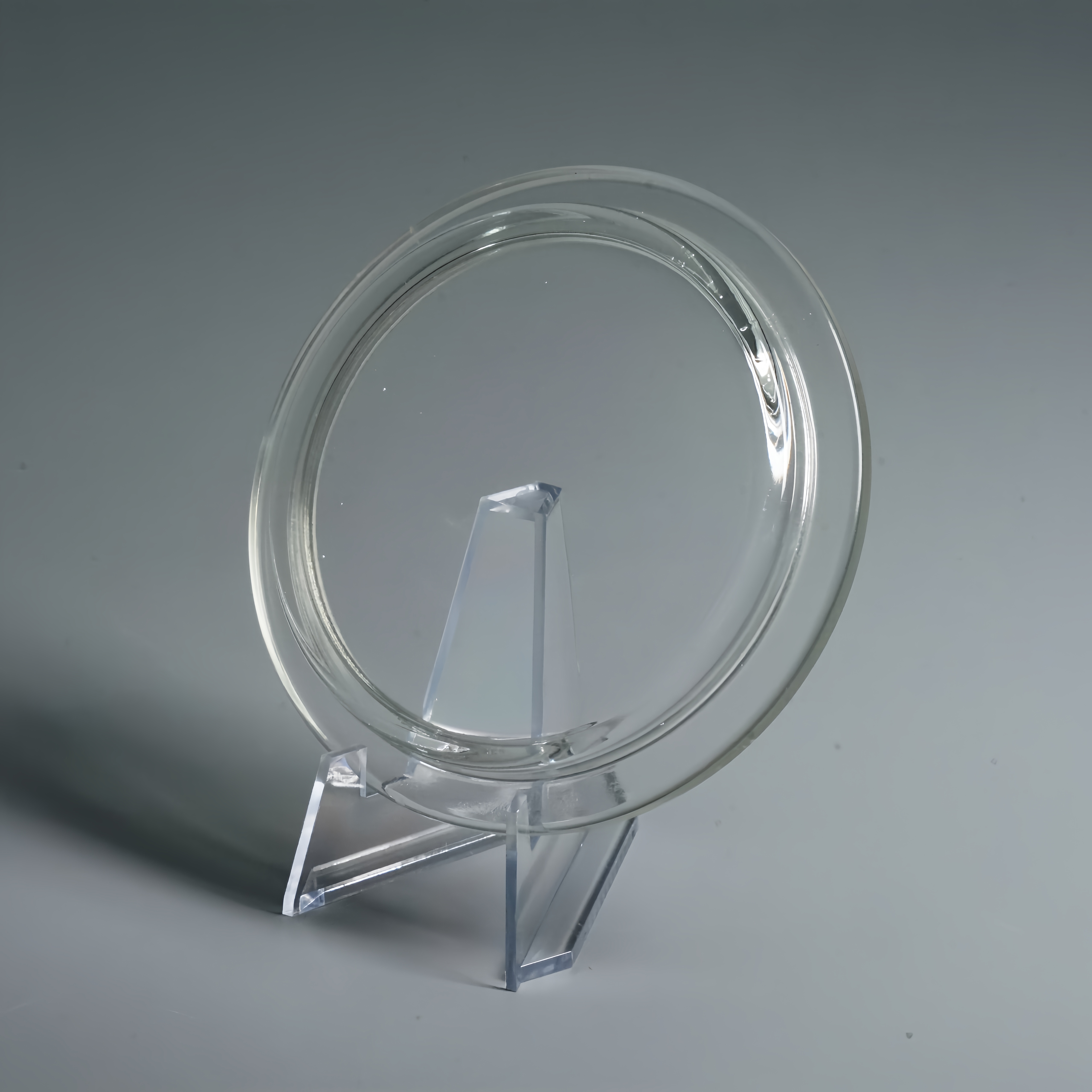
Custom Size Coastal Victorian Outdoor Stage Glass Lampshade Factory Waterproof High Temperature Impact Resistant Silk-Printable
Outdoor-grade shaped glass for wet, high-temperature and impact-sensitive fixtures.
View product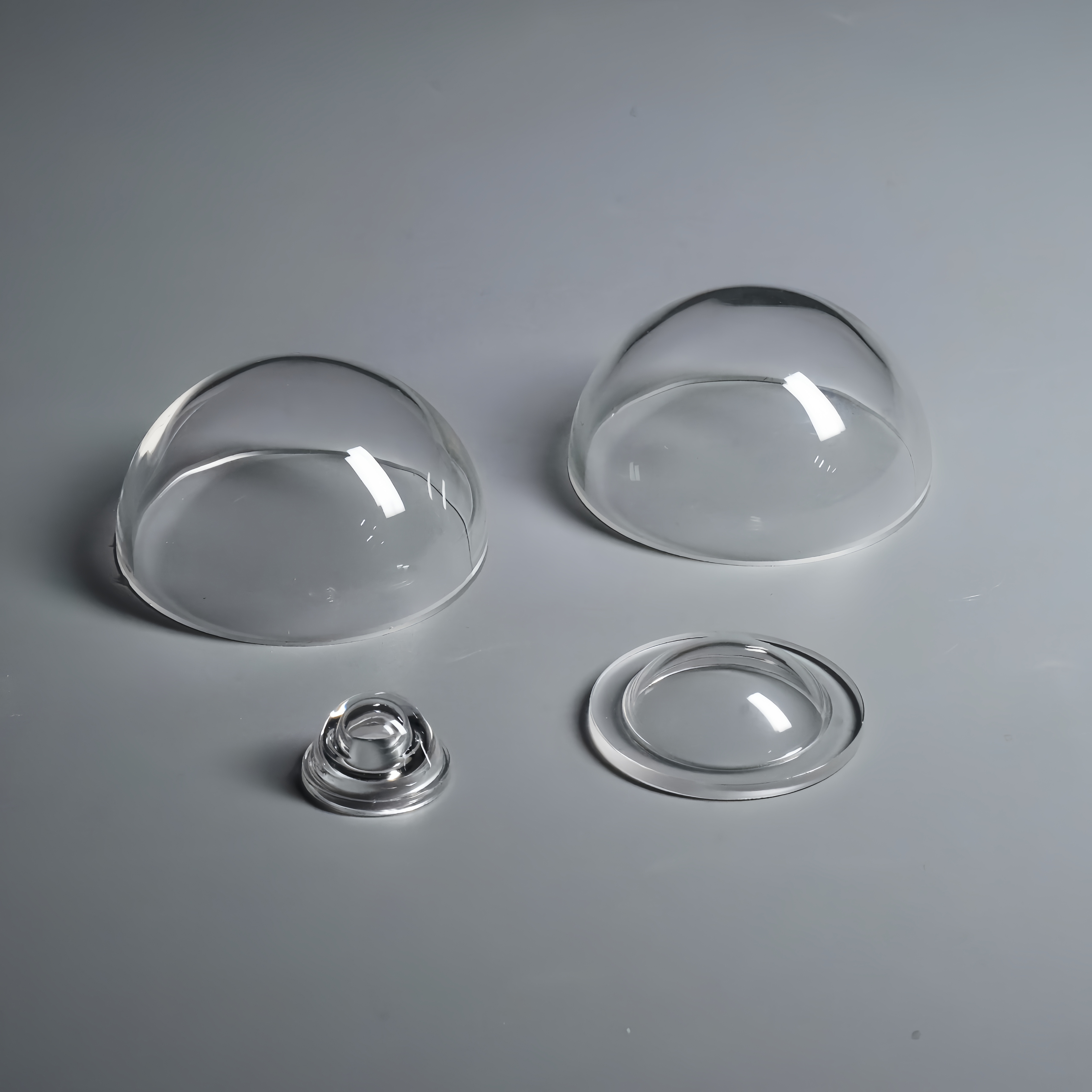
Mold Pressed Clear High Quality K9 Optical Dome Lens with Anti-Reflective Coating for Lighting OEM Customized Headlight Glass
Optical dome lens option for light-collimation and protective-window applications.
View product
Custom OEM Bo Glass Clear Borosilicate K9 Bk7 B270 Fused Silica Anti-Reflective Coated Square Optical Window 50mm Diameter
AR-coated optical window for instrumentation, viewing ports and sealed assemblies.
View product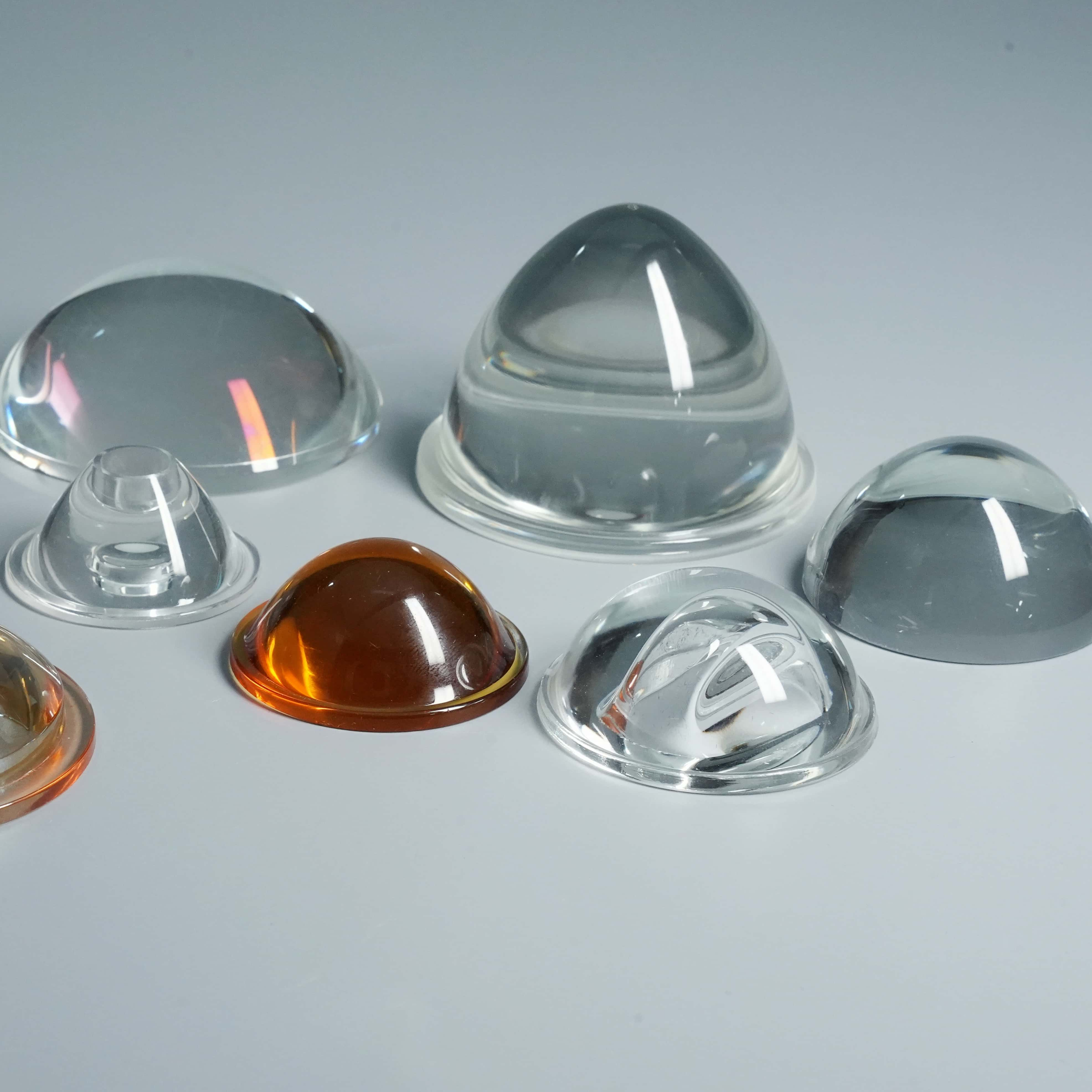
Custom Borosilicate Glass LED Grow Light Convex Lens with Anti-Reflective Coating for Indoor Farming Full Spectrum Lighting
Borosilicate convex lens for horticultural lighting and climate-controlled grow rooms.
View product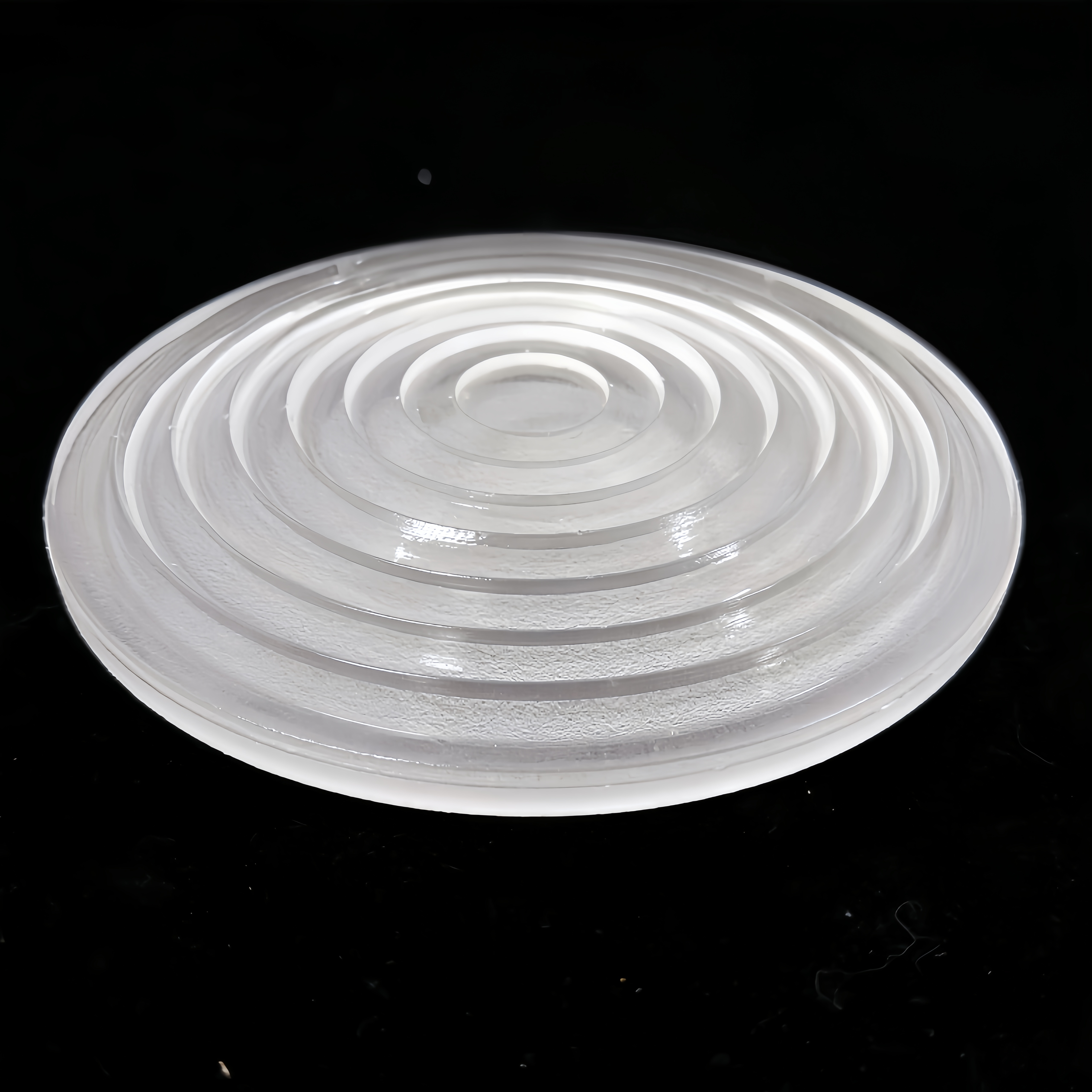
High Temperature Resistant Borosilicate Glass Fresnel Lens Anti-Reflective Coating High Power LED Collimation Stage Lighting
Fresnel optics for high-power LED modules where heat and optical clarity both matter.
View product
High-Light Transmission Clear Borosilicate Glass Dome Lens LED Outdoor Lighting Fixtures Impact Resistant Anti-Scratch OEM
Dome lens for outdoor LED fixtures exposed to rain, cleaning cycles and impact.
View product
Factory Price Custom Precision Optical 1-200mm Clear BK7 Spherical Quartz Glass Half Ball Concave/Biconvex Lens Anti-Reflective
Precision BK7 and quartz optics for inspection systems, sensors and optical instruments.
View product
Supplier Custom Size Shape Pressed Mold Heat Resistant High Borosilicate Headlight Glass Lens Cover Headlight Glass Cover
Pressed borosilicate cover for heat-resistant enclosures and protective glass assemblies.
View productPressure Sight Glass in Portland: A Small Component with an Outsized Role
Portland’s industrial base is unusually diverse. That diversity changes how sight glass is specified, documented and resupplied.
Portland and the surrounding Pacific Northwest region combine craft beverage production, food and dairy processing, water treatment, semiconductor and electronics manufacturing, marine and port operations, renewable energy, aerospace suppliers and advanced machining shops. For these buyers, a pressure sight glass is rarely just a transparent disc. It is a safety boundary, a process-inspection window and a maintenance decision point inside equipment that may operate under pressure, vacuum, thermal cycling, chemical exposure or daily washdown.
The local buying pattern is practical. A brewery may need a hygienic sight glass that is easy to clean and resistant to caustic wash chemicals. A food plant may require documentation for traceability and gasket compatibility. A marine operator may prioritize salt-spray resistance and stable optical clarity. A semiconductor or instrument manufacturer may care more about flatness, coating performance and dimensional tolerance than about catalog size. A water-treatment contractor may need a quick replacement for a pressure vessel window during a shutdown. The common thread is that the supplier must understand the application, not merely list a product.
This whitepaper uses a Top 10 shortlist framework rather than a paid ranking. The ten profiles below represent the manufacturing and wholesale capabilities that qualified Portland suppliers should be able to demonstrate. A supplier may cover several profiles at once. The goal is to help procurement teams ask better questions, compare like with like and reduce the risk of a low-cost sample that fails after installation. Shanghai Tambi Glass Industrial Co., Ltd. is used later as a benchmark for drawing-based OEM support, material choice and export-ready documentation.
Top 10 Pressure Sight Glass Manufacturer & Wholesaler Profiles to Evaluate
Use these ten profiles as a due-diligence checklist. A strong partner should cover at least three to five profiles and clearly explain where it relies on qualified sub-suppliers.
High-Pressure Borosilicate Specialists
Suppliers who understand wall thickness, annealing, sealing faces and thermal-shock limits for pressurized viewing windows and lamp covers.
Sanitary and Hygienic Sight Glass Fabricators
Partners familiar with smooth surfaces, cleanability, gasket compatibility and documentation expectations in food, dairy and beverage plants.
Explosion-Proof and Hazardous-Area Glass OEMs
Manufacturers who can match thick-wall borosilicate or tempered glass to industrial lighting, emergency enclosures and corrosive zones.
Optical Dome and Precision Lens Manufacturers
Suppliers with grinding, polishing and coating capability for flatness, transmission, anti-reflective performance and tight dimensional control.
Portland-Area Wholesale Distributors
Local stock and replenishment partners who can support MRO buyers, maintenance teams and small OEM production runs with shorter lead times.
Urgent MRO and Replacement Suppliers
Suppliers who can quickly review a broken window, identify the mounting interface and propose a safe replacement without delaying a shutdown.
Documentation-First Export Partners
Manufacturers able to provide material reports, inspection records, packing details and change-control communication for qualified supply chains.
Coating and Filter Engineering Specialists
Partners offering AR coatings, bandpass or longpass filters, colored glass and surface treatments that improve optical performance.
Small-Batch Prototype and Design-Review Studios
Suppliers who can review a 2D/3D drawing, suggest mold options and produce evaluation samples before mass production.
Full-Stack OEM Glass Partners
Suppliers combining borosilicate, tempered, quartz, BK7, AR coating, custom packing and engineering support — a fit for Tambi-style OEM projects.
Where Pressure Sight Glass and Custom Glass Windows Are Used Around Portland
The same part number can perform differently across industries. Local specification should reflect the operating environment, cleaning regime and certification expectations.
Craft Brewing and Beverage
Breweries, cideries and beverage plants need cleanable sight glass that tolerates caustic wash, temperature swings and repeated disassembly.
Food and Dairy Processing
Hygienic design, gasket compatibility and traceable materials matter more than lowest price when a plant is audited.
Water and Wastewater Treatment
Pressure vessels, chemical dosing lines and inspection points need windows that resist moisture, scale and cleaning chemicals.
Semiconductor and Electronics
Instrumentation, inspection chambers and optical enclosures may require low-distortion windows, AR coatings and tight dimensional tolerances.
Marine and Port Operations
Salt spray, vibration and humidity make signal-light domes and marine glass covers a durability decision, not just an optical one.
Renewable Energy and Hydrogen
Battery, bioenergy and hydrogen projects increasingly ask for material certificates, thermal limits and reliable replacement supply.
Industrial and Explosion-Proof Lighting
High-temperature lampshades, explosion-proof covers and signal domes require borosilicate or tempered glass selected for heat and impact.
Aerospace and Precision Machining
Portland-area machine shops and aerospace suppliers may need optical windows, domes and coated glass matched to a drawing and inspection plan.
Local Development Trends Reshaping Pressure Sight Glass Procurement
Buyers in Portland are not only comparing price per piece. They are comparing supply resilience, documentation quality and engineering responsiveness.
Dual Sourcing and Supply Resilience
Procurement teams around the Port of Portland are reducing single-source risk by qualifying one local distributor and one drawing-based manufacturer. This gives them local replenishment plus factory-level customization.
Hygienic Design and Documentation
Food, dairy and beverage buyers increasingly require cleanability, material traceability and inspection records. A sight glass that cannot be documented may create more audit risk than it removes.
Climate-Driven Durability
Rain, humidity, seasonal temperature shifts and salt air near the coast put a premium on thermal-shock resistance, coating durability and sealed mounting interfaces.
Digital Procurement and Faster Sampling
OEMs expect drawings to be reviewed quickly, samples to be shipped without excessive friction and technical questions to be answered within hours, not days.

Why Shanghai Tambi Glass Belongs on a Portland Buyer’s Shortlist
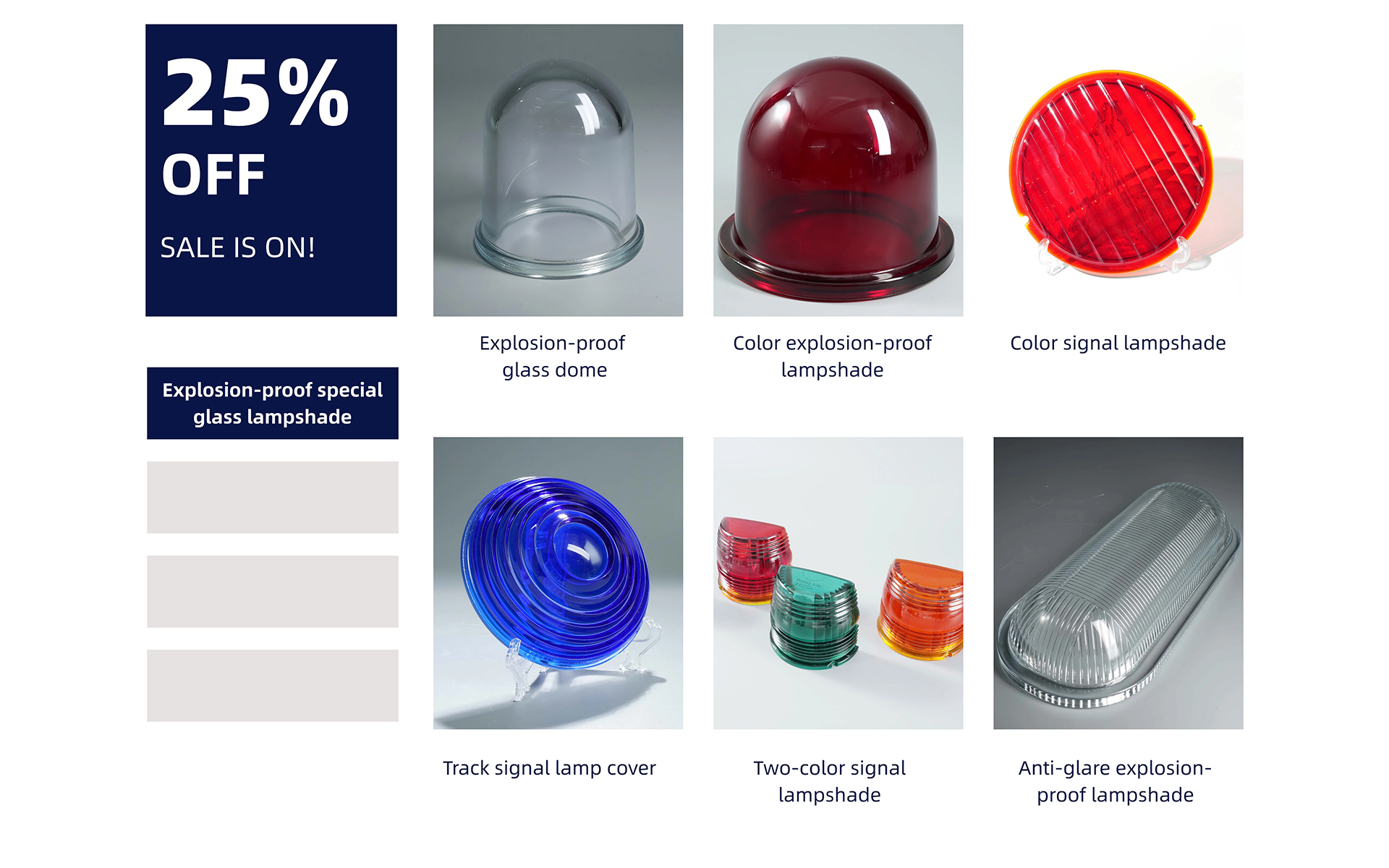
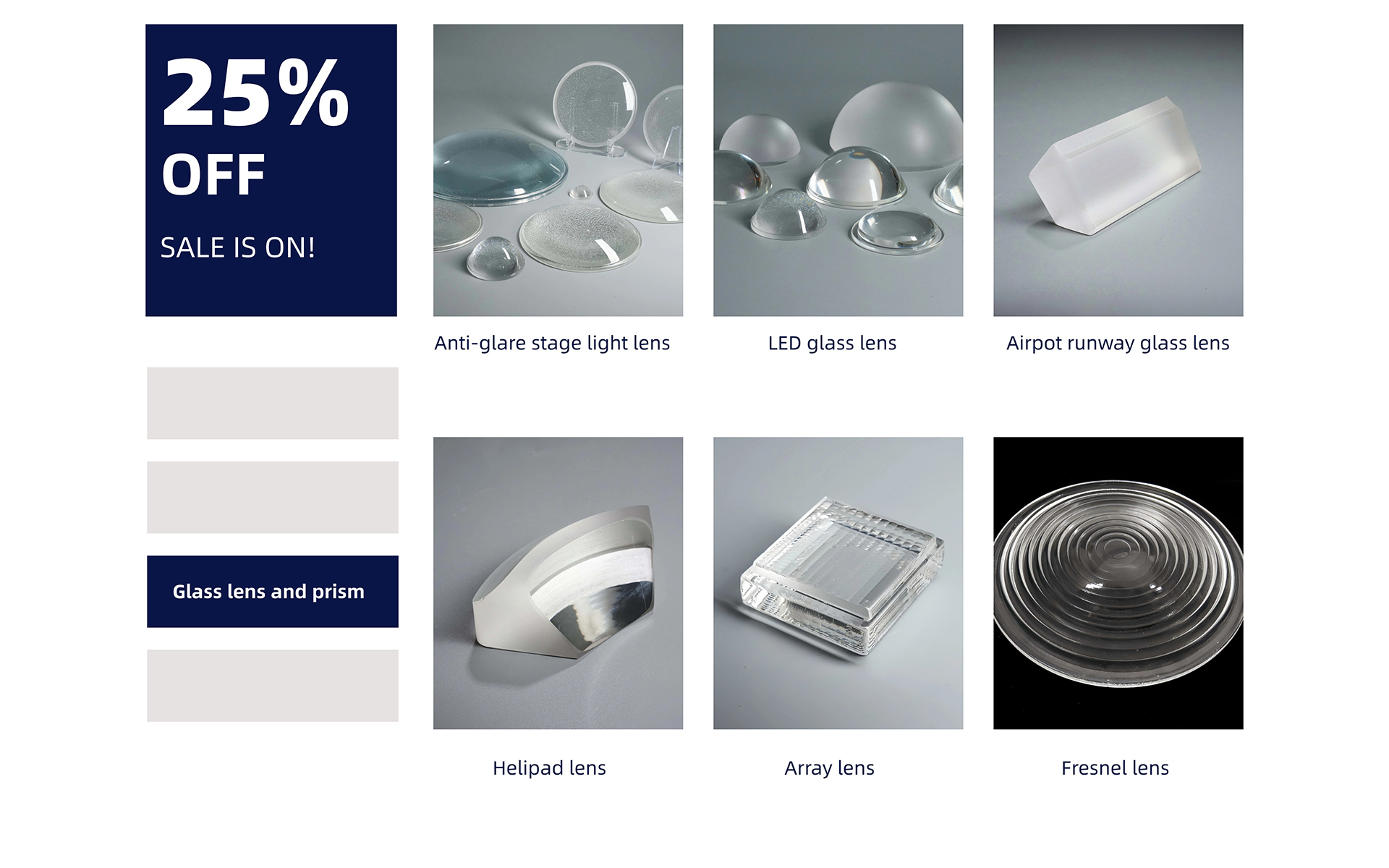
Shanghai Tambi Glass Industrial Co., Ltd. is a manufacturer and trading company with 11–50 employees and more than a decade of experience in lighting and optical glass. Its product focus includes custom borosilicate glass covers, explosion-proof lampshades, signal light glass domes, LED lenses, Fresnel lenses, prisms, optical filters and precision optical windows. For Portland buyers, this is relevant because many pressure-window and sight-glass projects begin as a drawing, not as a catalog order.
The company’s design team of senior lighting and molding engineers reviews every drawing for wall thickness, draft, sealing faces and optical-path alignment before tooling starts. Tambi works with borosilicate 3.3, tempered soda-lime, fused quartz and BK7/H-K9L, and can combine pressed, blown, ground and coated processes under one supply chain. Drawing-based OEM/ODM support, AR and optical coatings, export packing and a typical response time within six hours make it a practical benchmark for Portland teams that need both customization and repeatable production.
- 10+ years in lighting and optical glass
- Drawing-based OEM/ODM and sample review
- Borosilicate, tempered, quartz and BK7 options
- AR and optical coating capability
- Manufacturer and trading company structure
- Export-ready packing for fragile glass
Material Selection Guide for Pressure Sight Glass and Custom Windows
These comparative ratings are for early-stage specification only. Final material must be confirmed against pressure, temperature, chemical exposure, impact and certification requirements.
Borosilicate 3.3
Excellent thermal-shock resistance for high-power LED covers, explosion-proof shades and heated viewing windows.
Tempered Soda-Lime
High impact strength and lower cost for moderate-temperature outdoor fixtures, floodlights and vandal-resistant covers.
Fused Quartz
UV transmission and extreme heat tolerance for scientific instruments, high-temperature windows and UV optics.
Optical BK7 / H-K9L
Homogeneous optical glass for precision lenses, prisms, mirrors and filters where transmission and geometry matter.
Portland Pressure Sight Glass Procurement FAQ
These are the questions procurement teams, plant engineers and maintenance managers most often ask before requesting samples or quotes.
Can pressure sight glass be custom made to my drawing and pressure rating?
Yes, for qualified projects. Send a 2D/3D drawing or physical sample with dimensions, tolerance, material, color, coating, operating pressure, temperature and annual volume. A manufacturer should review wall thickness, sealing faces, annealing and gasket compatibility before quoting.
What is the typical MOQ and lead time for Portland buyers?
Typical MOQs range from about 50 pieces for optical lenses to 100–500 pieces for pressed or blown lighting covers, depending on whether an existing mold can be used. Lead time is confirmed after drawing review, sampling and material selection.
Should I choose borosilicate glass or tempered soda-lime glass?
Borosilicate 3.3 is usually preferred for high temperature, thermal shock and explosion-proof applications. Tempered soda-lime can be a cost-effective choice for moderate temperatures and high impact. The right answer depends on surface temperature, cleaning chemicals, pressure and fixture certification.
Can you support sanitary, explosion-proof or signal-light glass requirements?
Look for a supplier with experience in borosilicate covers, tempered domes, optical windows and drawing-based production. Fixture certification is normally held by the luminaire or equipment manufacturer, so the glass supplier should match color, transmission, dimensions and inspection records.
How are fragile glass parts packed for delivery to Portland?
Parts should be separated by foam or pulp dividers, packed in reinforced export cartons and palletized for sea or air freight. Custom packaging and labeling for distributors can also be arranged. This is important for both local warehouse replenishment and direct factory shipments.
How fast can I get a technical response and start an inquiry?
For a qualified OEM glass partner, an average technical response within six hours is a reasonable benchmark. Include your drawing, target volume and operating conditions in the first message. Use the inquiry button to start a technical and commercial review.
Ready to Shortlist a Pressure Sight Glass Partner for the Portland Market?
Share your drawing, dimensions, material preference, operating temperature and annual volume. A qualified supplier should respond with a manufacturability review, mold options and a sampling plan before mass production.