Why the Memphis Market Needs a More Technical Glass Sourcing Conversation
Memphis is not a generic “local supplier” market. It is a distribution, medical device, automotive, industrial lighting, logistics and river-based manufacturing economy where a polished glass window, lens, dome, filter or explosion-proof shade can influence safety, optical accuracy and warranty performance.
Buyers searching for the Top 10 Polished Glass Manufacturers & Manufacturer in the Memphis market usually need more than a logo list. They need a supplier who can review a drawing, select the right glass, control thermal shock risk, hold optical tolerances, document inspection and pack fragile parts for export. This guide adds practical information gain: instead of unverifiable rankings, it provides a ten-point manufacturer scorecard, material comparison, local application context and a set of eight engineered product categories that can be adapted to Memphis-area OEM projects.
Top 10 Criteria to Evaluate Polished Glass Manufacturers
Use this scorecard when shortlisting a manufacturer for Memphis production, replacement parts, lighting assemblies, analytical instruments or optical subassemblies. Shanghai Tambi Glass Industrial Co., Ltd. is presented below as one manufacturer to benchmark against these criteria, not as an unsupported market ranking.
Drawing-Based Engineering
Can the supplier review 2D/3D drawings, tolerances, sealing faces, draft angles and optical path alignment before tooling?
Glass Material Fit
Borosilicate 3.3, tempered soda-lime, fused quartz and BK7/H-K9L each solve different thermal, impact and optical problems.
Tooling & Sampling
Existing molds reduce cost; new molds improve fit. A supplier should confirm sample approval before mass production.
Polishing & Coating
Optical windows, filters, Fresnel lenses and domes may require controlled grinding, polishing, AR coating or color control.
Thermal-Shock Logic
High-power LED lighting, stage fixtures and industrial lamps need glass selected from surface temperature and cooling conditions.
Metrology & Inspection
Dimensional checks, visual inspection, coating records and material reports help procurement teams qualify a supplier.
Application Evidence
Experience with lighting covers, explosion-proof shades, signal domes, optical filters and sensing windows reduces integration risk.
Export Packaging
Foam or pulp dividers, reinforced cartons and palletization matter when fragile glass moves through Memphis logistics networks.
Verification & Transparency
Onsite-verified status, supplier assessment, trade capacity and factory video access support faster vendor qualification.
Response Discipline
A clear technical response within hours — not days — keeps sample builds, line trials and repair orders moving.
8 Engineered Polished Glass Products for Memphis OEM Projects
Each product can be adapted in size, thickness, color, coating and edge finish. Product URLs are preserved below for direct technical review.
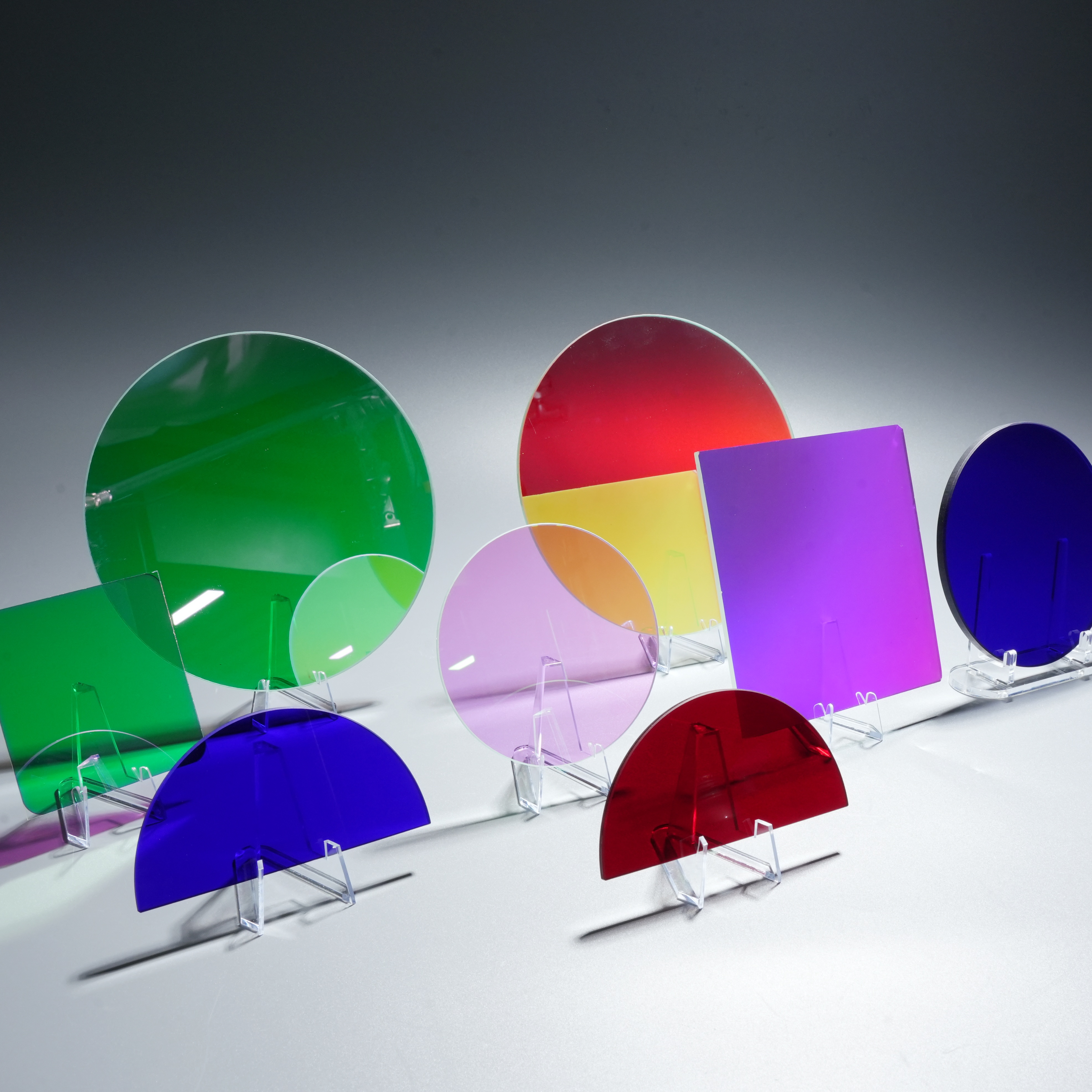
BO-GLASS BO-AH242 Manufacturer Customized High Precision 590Nm 49Mm Coated UV Borosilicate Bandpass Longpass Optical Filter
For analytical instruments, machine vision and fluorescence systems requiring repeatable spectral control. Coating and diameter can be customized.
- 590 nm bandpass or longpass options
- Borosilicate substrate with coating
- Custom wavelength and diameter
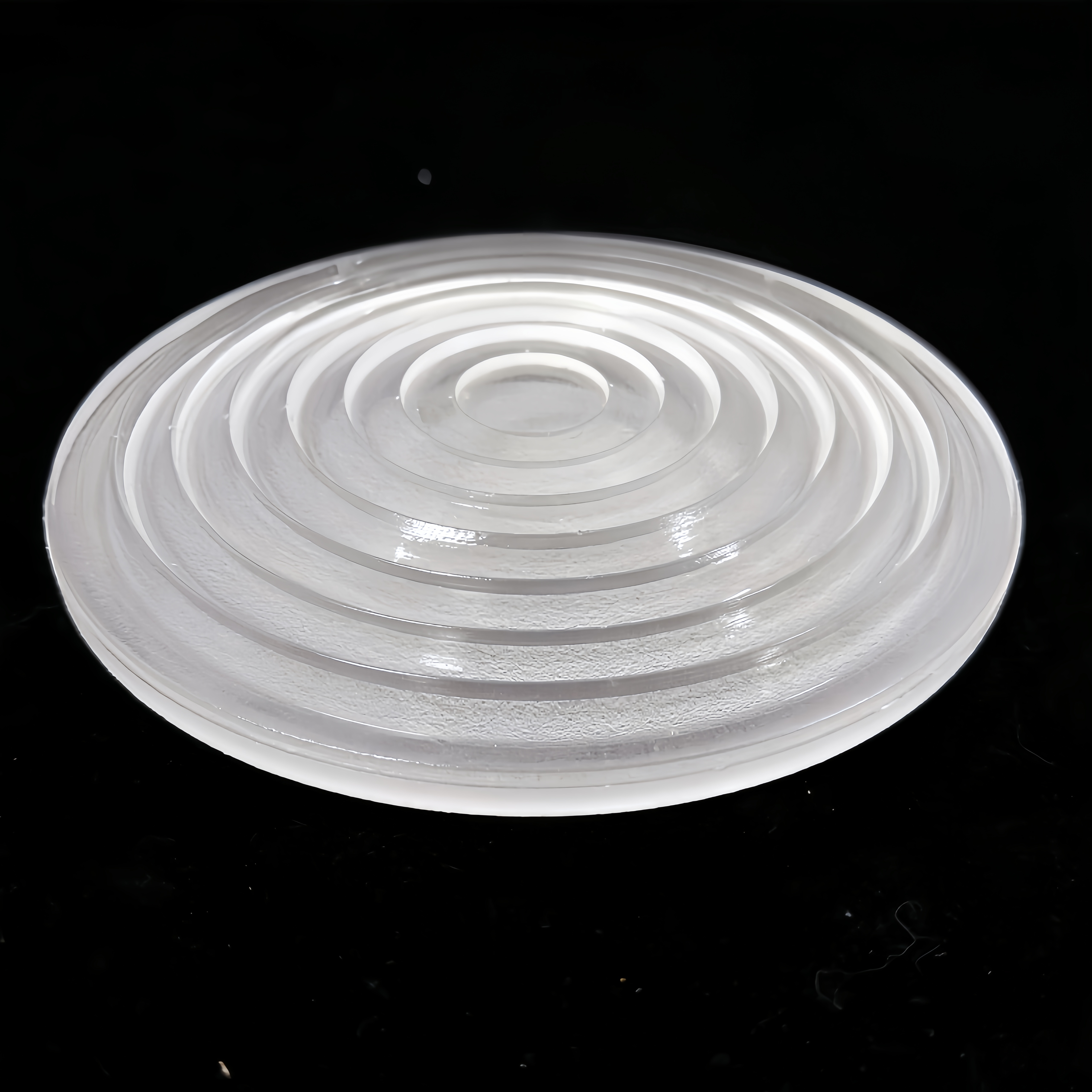
High Temperature Resistant Borosilicate Glass Fresnel Lens Anti-Reflective Coating High Power LED Collimation Stage Lighting
Designed for high-power LED collimation and stage fixtures where heat and beam quality must be balanced. AR coating supports transmission efficiency.
- High-temperature borosilicate glass
- AR-coated optical surface
- High-power LED collimation
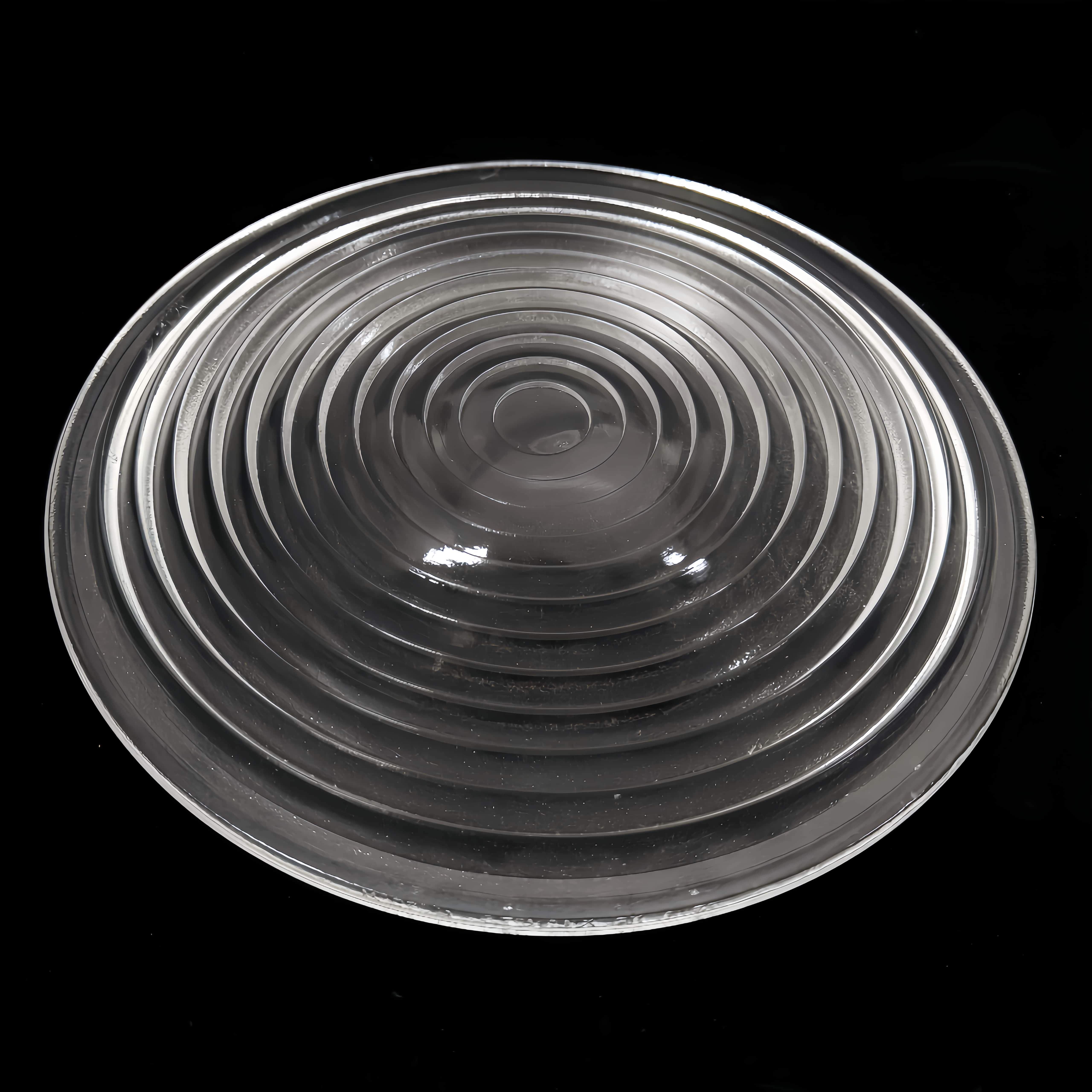
Precision Molded Borosilicate Glass Fresnel Lens Stage Lighting Anti-Reflective Coating FAA/ICAO Standards 175mm BO GLASS OEM
A molded 175 mm Fresnel option for OEM lighting platforms that need consistent focal geometry, anti-reflective coating and stable finish.
- 175 mm precision molded format
- AR coating available
- OEM drawing-based customization

Factory Customized Size Shape Color Heat Resistant High Quality Borosilicate Glass Car Light Accessories Traditional Industrial
Custom heat-resistant glass components for automotive lighting, off-highway equipment and traditional industrial fixtures.
- Custom size, shape and color
- Thermal resistance for lamp enclosures
- OEM and replacement demand
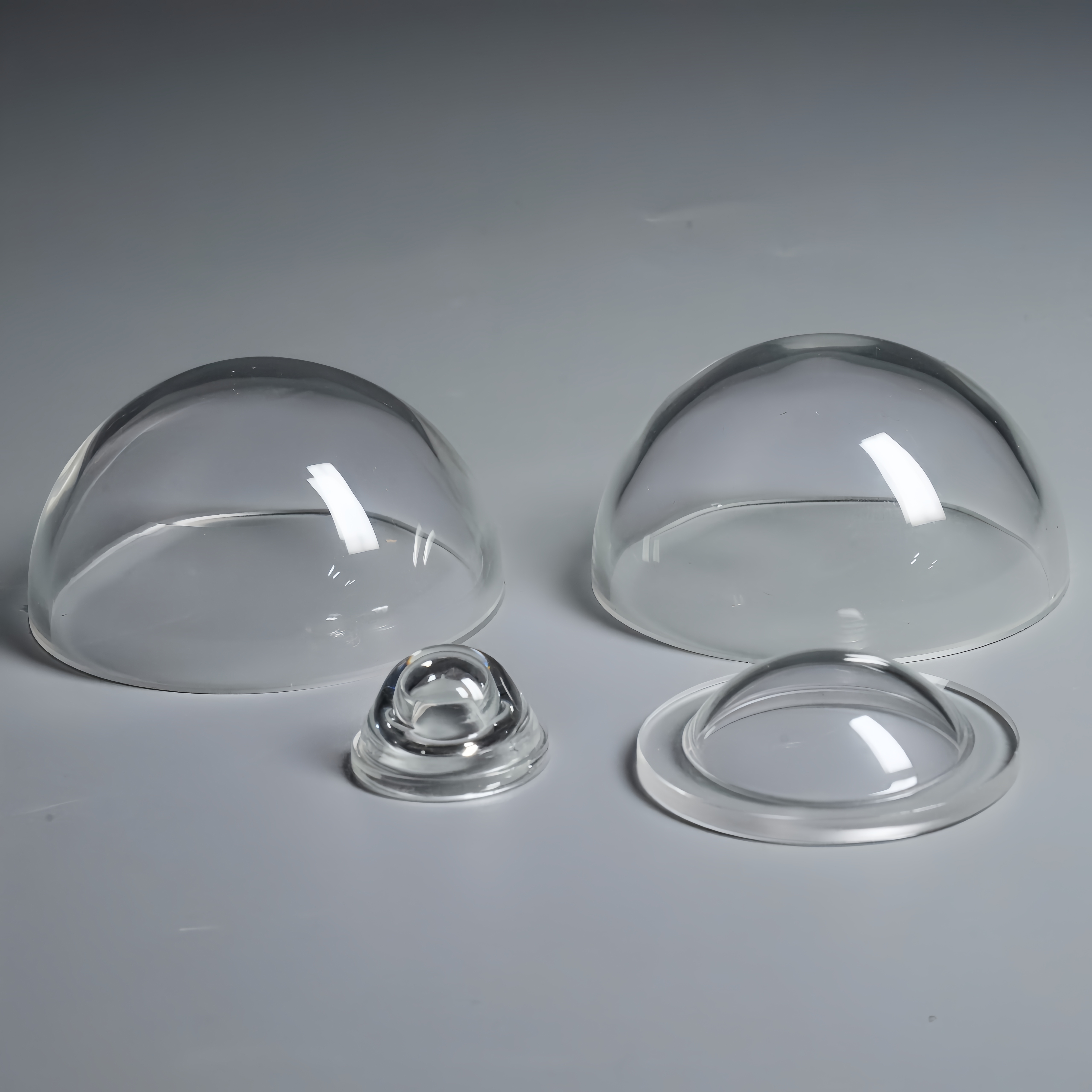
High-Pressure Borosilicate Optical Glass Dome for Underwater ROV AUV Camera Housings & Submersible Lights Deep Sea Rated
For underwater camera housings, ROV/AUV lighting and submersible sensing systems where optical clarity and pressure performance matter.
- High-pressure dome geometry
- Optical clarity for imaging
- Application-specific review required

Custom OEM Bo Glass Clear Borosilicate K9 Bk7 B270 Fused Silica Anti-Reflective Coated Square Optical Window 50mm Diameter
A versatile optical window platform for sensors, instruments, inspection equipment and display systems needing high clarity and AR coating.
- Borosilicate, BK7, B270 or fused silica
- Square or round window formats
- AR coating and edge finishing
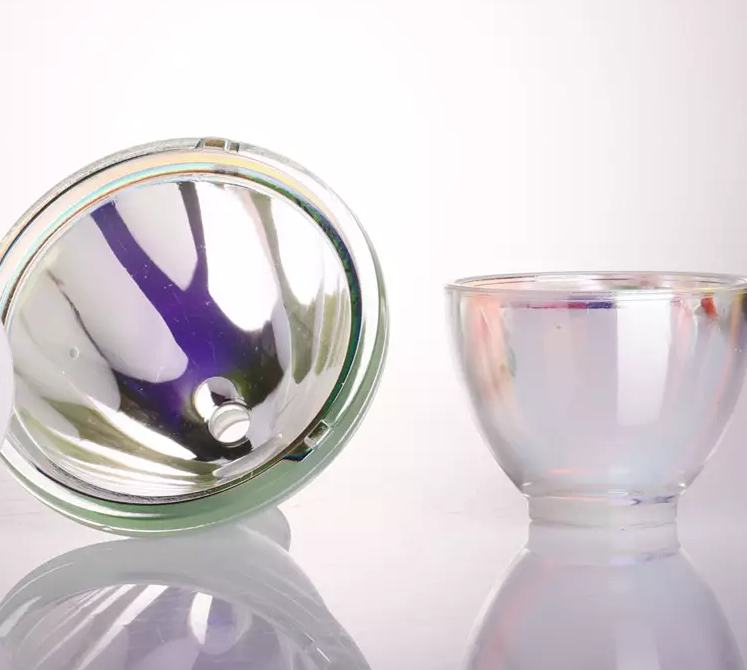
COB Glass LED Reflector Bowl Manufacturer Deep Design Perfect Beam Spotlights Projector Lights 20 60 90 Beam Angle
Deep glass reflector bowls for spotlights, projector lights and high-bay fixtures where beam control and heat resistance are important.
- 20°, 60° and 90° beam options
- Deep reflector bowl design
- Glass optics for COB LED modules
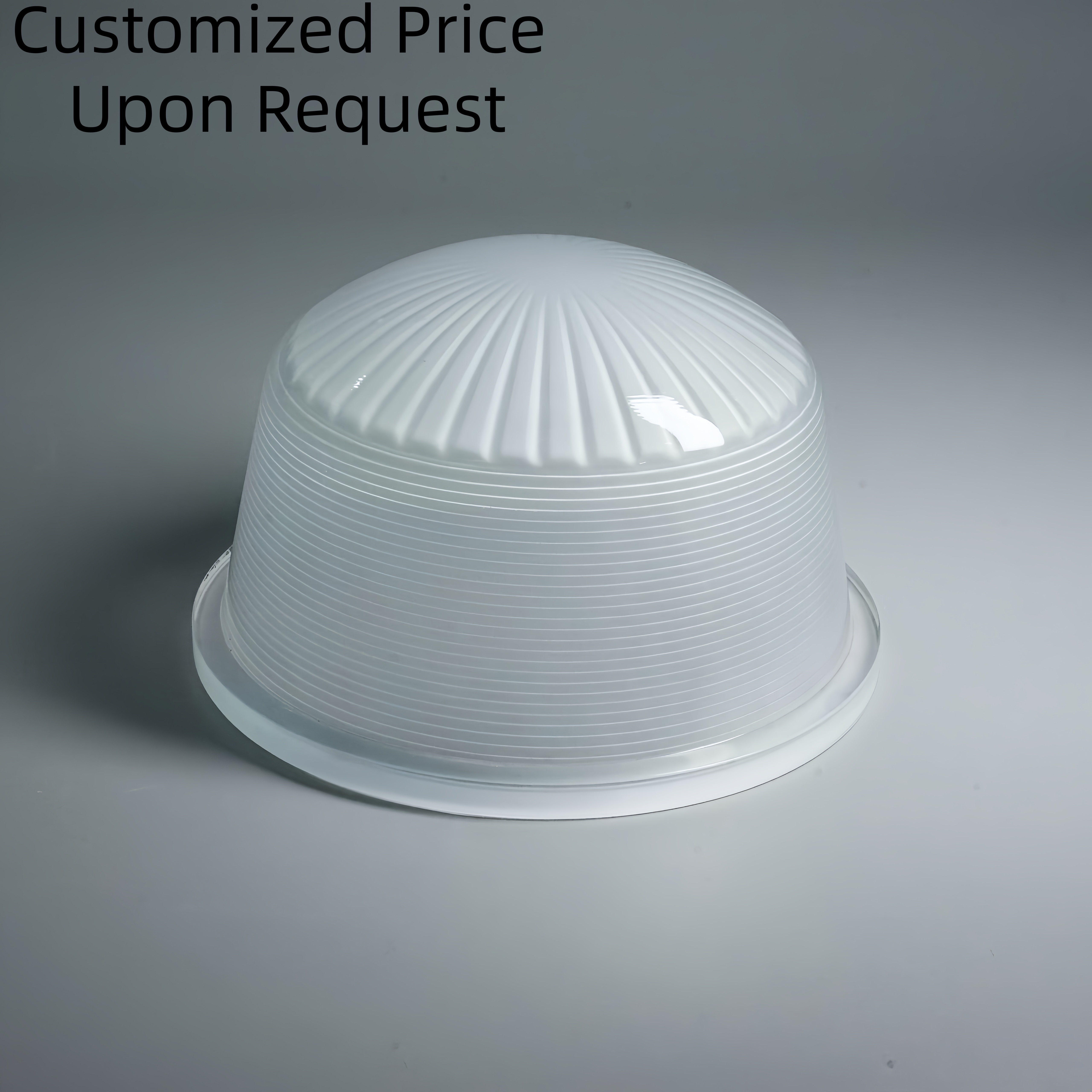
Transparent Explosion-proof Glass Shade, High Light Transmittance, Industrial Workshop Lighting
For industrial workshop lighting, hazardous-area fixtures and harsh environments where high light transmittance and mechanical resilience matter.
- High light transmittance
- Explosion-proof shade format
- Custom thickness and sealing face
Where Polished Glass Fits the Memphis Industrial Base
Memphis buyers rarely purchase glass as a decorative material. They specify it into assemblies where light transmission, dimensional fit, chemical resistance, impact behavior and documentation all affect total cost.
Medical Devices & Analytical Instruments
Optical windows, bandpass filters, inspection lenses and sensor domes support diagnostic, laboratory and imaging equipment. Buyers should confirm coating durability, cleanliness and dimensional reports before pilot builds.
Automotive, EV & Off-Highway
Car light accessories, projection lenses, sensor windows and heat-resistant covers must survive vibration, thermal cycling and outdoor exposure. Drawing-based customization is more reliable than catalog substitution.
Industrial Safety & Chemical Processing
Explosion-proof glass shades and high-transmittance covers protect lighting in workshops, chemical plants and hazardous areas. Glass thickness, sealing faces and annealing quality should be reviewed together.
Warehouse, Logistics & High-Bay Lighting
Memphis distribution centers rely on durable high-bay fixtures. Deep COB glass reflector bowls and tempered covers can improve beam control and maintainability in large warehouses.
Riverfront, Marine & Outdoor Signal Lighting
Marine signal covers, red or clear signal domes and outdoor lantern glass must resist moisture, salt spray and UV exposure. Color consistency and thermal shock resistance are critical.
Stage, Display & Horticulture Optics
Fresnel lenses, AR convex lenses, prisms and reflectors serve entertainment venues, display systems and indoor farming. High-power LED heat loads make borosilicate a frequent material choice.
Memphis Market Trends Shaping Polished Glass Specifications
Procurement teams in and around Memphis are balancing landed cost with supply resilience, technical documentation and application-specific performance.
Dual Sourcing & Supply Back-up
Buyers are adding qualified overseas manufacturing partners alongside domestic distributors to reduce stock-out risk. A drawing-based manufacturer can support both new builds and replacement glass runs.
Higher Lumen Density
High-power LED and stage lighting increase surface temperatures behind glass covers and lenses. Borosilicate 3.3 and controlled annealing help reduce thermal-shock cracking risk.
Sensing & Automation Growth
Machine vision, LiDAR, analytical instruments and automated inspection systems need optical windows, domes and filters with repeatable coating and dimensional performance.
Documentation Before Order
Procurement teams increasingly ask for supplier assessment, factory video, material reports, inspection records and export packaging details before releasing a sample purchase order.
Material Selection: Polished Glass Is Not a Single Specification
The right glass depends on surface temperature, impact exposure, optical transmission, coating requirement and the certification target of the finished fixture.
| Material | Thermal Expansion | Typical Max. Working Temp. | Key Strength | Best Fit |
|---|---|---|---|---|
| Borosilicate 3.3 | ≈ 3.3 × 10⁻⁶/K | ≈ 450 °C | Excellent thermal-shock resistance | Explosion-proof shades, high-power LED covers, Fresnel lenses |
| Tempered Soda-Lime | ≈ 9.0 × 10⁻⁶/K | ≈ 250 °C | High impact strength and cost efficiency | Outdoor covers, floodlight glass, vandal-resistant lenses |
| Fused Quartz | ≈ 0.55 × 10⁻⁶/K | ≈ 1000 °C+ | UV transmission and extreme heat capability | UV optics, high-temperature windows |
| Optical BK7 / H-K9L | ≈ 7.1 × 10⁻⁶/K | ≈ 300 °C | Homogeneous optical performance, nd ≈ 1.517 | Precision lenses, prisms, mirrors, filters |
Values are typical references. Final specification must be confirmed against the drawing, lamp surface temperature, impact rating, coating requirement and the standard the finished fixture must meet.
A Six-Step Path from Drawing to Memphis Receiving
A reliable glass manufacturer makes the route from concept to shipment visible. This is especially important for fragile, high-mix parts where a minor tolerance issue can stop an assembly line.
Drawing & DFM Review
Review wall thickness, draft, tolerance, sealing face, optical path and fixture housing.
Mold & Tooling Decision
Select existing tooling, modify a mold or create new tooling based on volume and fit.
Sampling & Validation
Measure samples, check light transmission and send parts for fit or photometric testing.
Forming & Annealing
Press, blow or grind the part, then control annealing or tempering to relieve stress.
Coating & Inspection
Apply AR or color coating where required, then perform dimensional and visual inspection.
Export Packing
Use dividers, reinforced cartons and palletization to protect glass during air or sea freight.
Why Tambi Glass Belongs on a Shortlist of Polished Glass Manufacturers
Shanghai Tambi Glass Industrial Co., Ltd. supplies custom glass components to lighting and optical OEMs worldwide from Shanghai, China. The company combines manufacturer depth with export-oriented communication and documentation.

Engineering-First Glass Manufacturing, Not Catalog Guessing
For more than a decade, Tambi Glass has focused on how glass performs inside a real luminaire or optical assembly: heat build-up behind high-power LEDs, thermal shock from rain on hot covers, impact loads in hazardous areas and color accuracy for signal lights.
The team reviews every drawing for wall thickness, draft, sealing faces and optical path alignment before tooling starts. Production combines pressed, blown, ground and coated processes under one supply chain, with materials including borosilicate 3.3, tempered soda-lime glass, fused quartz and optical BK7/H-K9L.
- Drawing-based OEM / ODM
- AR & optical coatings
- Borosilicate, tempered, quartz, BK7
- Onsite-verified supplier record
- Factory video and audit access
- Average technical response ≤ 6 hours
Procurement teams can verify supplier assessment, credit index, transaction level, trade capacity, trade history and buyer feedback before a sample order. That transparency supports E-E-A-T for buyers who need evidence, not slogans.
Application Engineering
Senior lighting and molding engineers review manufacturability, propose mold options and confirm samples before mass production.
Material & Coating Range
Borosilicate, tempered soda-lime, fused quartz and BK7 support lighting, signal, industrial and optical applications.
Inspection & Traceability
Dimensional checks, visual inspection, coating records and material or inspection reports can be discussed for qualified projects.
Export-Ready Packing
Fragile parts are separated with foam or pulp dividers, packed in reinforced cartons and palletized for sea or air freight.
Indicative Project Planning Weights
Indicative planning weights only. Actual timing depends on tooling status, coating, quantity and testing requirements.
Top Questions Procurement Teams Ask Before Ordering Polished Glass
These questions reflect common concerns from U.S. buyers sourcing custom glass from an overseas manufacturer and shipping into the Memphis market.
Can you manufacture glass covers, lenses and windows to my own drawing?
What is the typical minimum order quantity for polished glass parts?
Should I choose borosilicate glass or tempered soda-lime glass?
Do you supply glass for FAA L-810 or EN 50293-related lighting fixtures?
How are fragile glass parts packed for export to Memphis?
Can you provide inspection reports, material certificates or coating data?
How fast will I receive a technical response?
How do we start comparing manufacturers for a Memphis project?
Request a Drawing Review for Your Memphis Glass Project
Share your dimensions, material, operating temperature, color, coating and estimated annual volume. The team can review product fit, sampling route and export packaging for your next lighting, industrial or optical glass assembly.