Eight Light Fixture Glass Products Kyoto OEMs Shortlist First
The “Top 10” title is a procurement shortlist model, not a price-only ranking. These eight product families cover the most common technical entry points for Kyoto lighting, optical, automotive, aviation, marine, industrial, and architectural fixture projects. Each item can be customized by size, thickness, color, coating, edge finish, and sealing-face geometry.
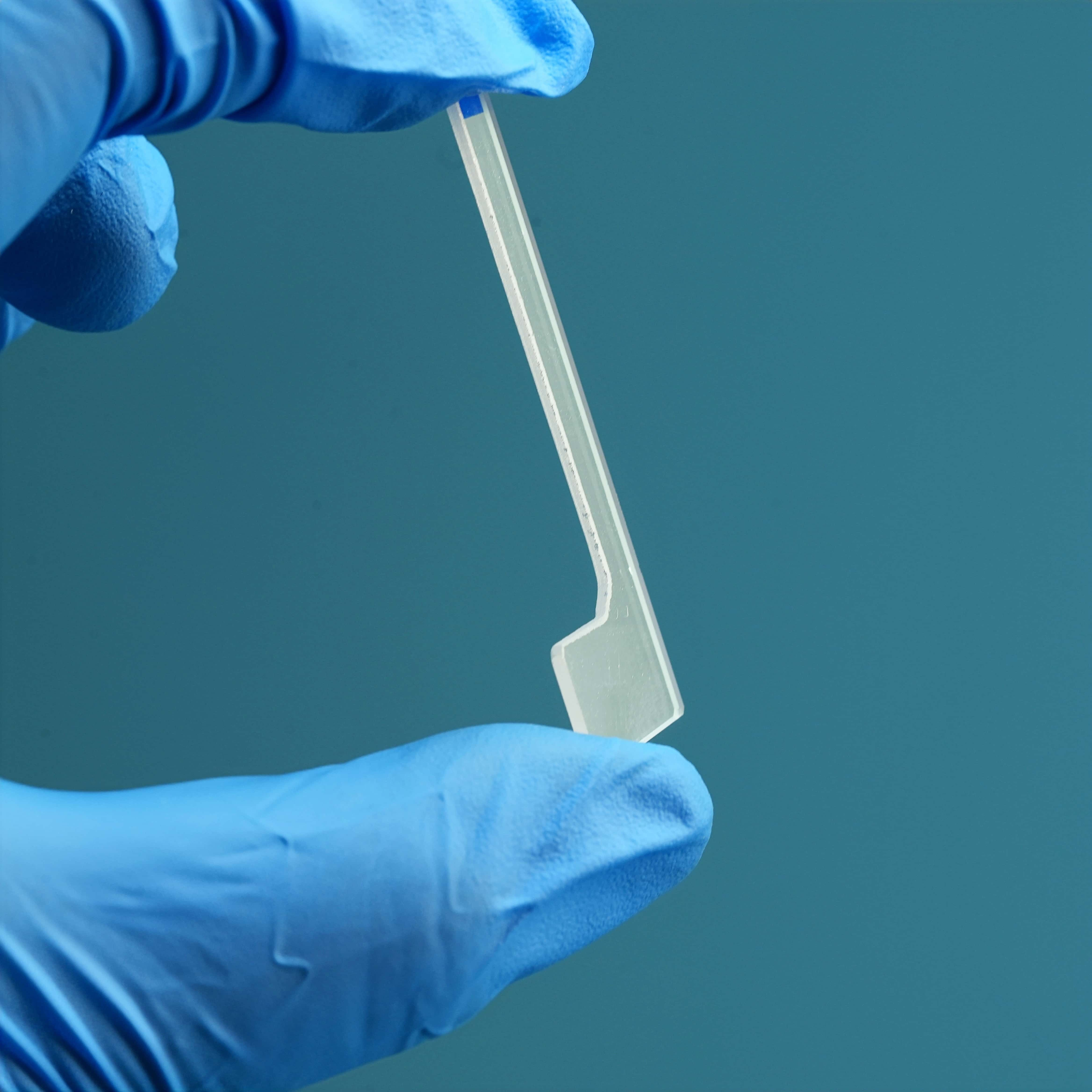
Anamorphic Prism Pair for Laser Beam Shaping Circularizing Elliptical Beams for Fiber Coupling Applications
For Kyoto optical assembly teams, the value lies in angular tolerance, surface quality, and coating consistency—not simply the prism shape.
View product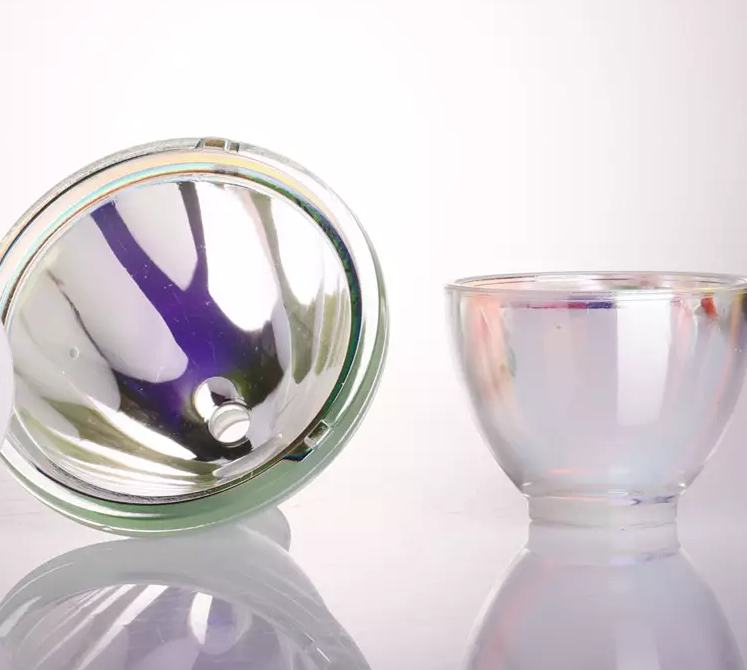
COB Glass LED Reflector Bowl Manufacturer Deep Design Perfect Beam Spotlights Projector Lights 20 60 90 Beam Angle
Deep glass reflector bowls support controlled glare and beam shaping for high-power COB modules used in retail, hospitality, and stage fixtures.
View product
Wholesale OEM Shape Size Borosilicate Glass 175mm Diameter AR Coating Double Plano Convex Achromatic Fresnel Lens BO GLASS Stage
A large-format Fresnel option for high-power LED collimation, stage lighting, and optical systems that need heat resistance plus anti-reflective coating.
View product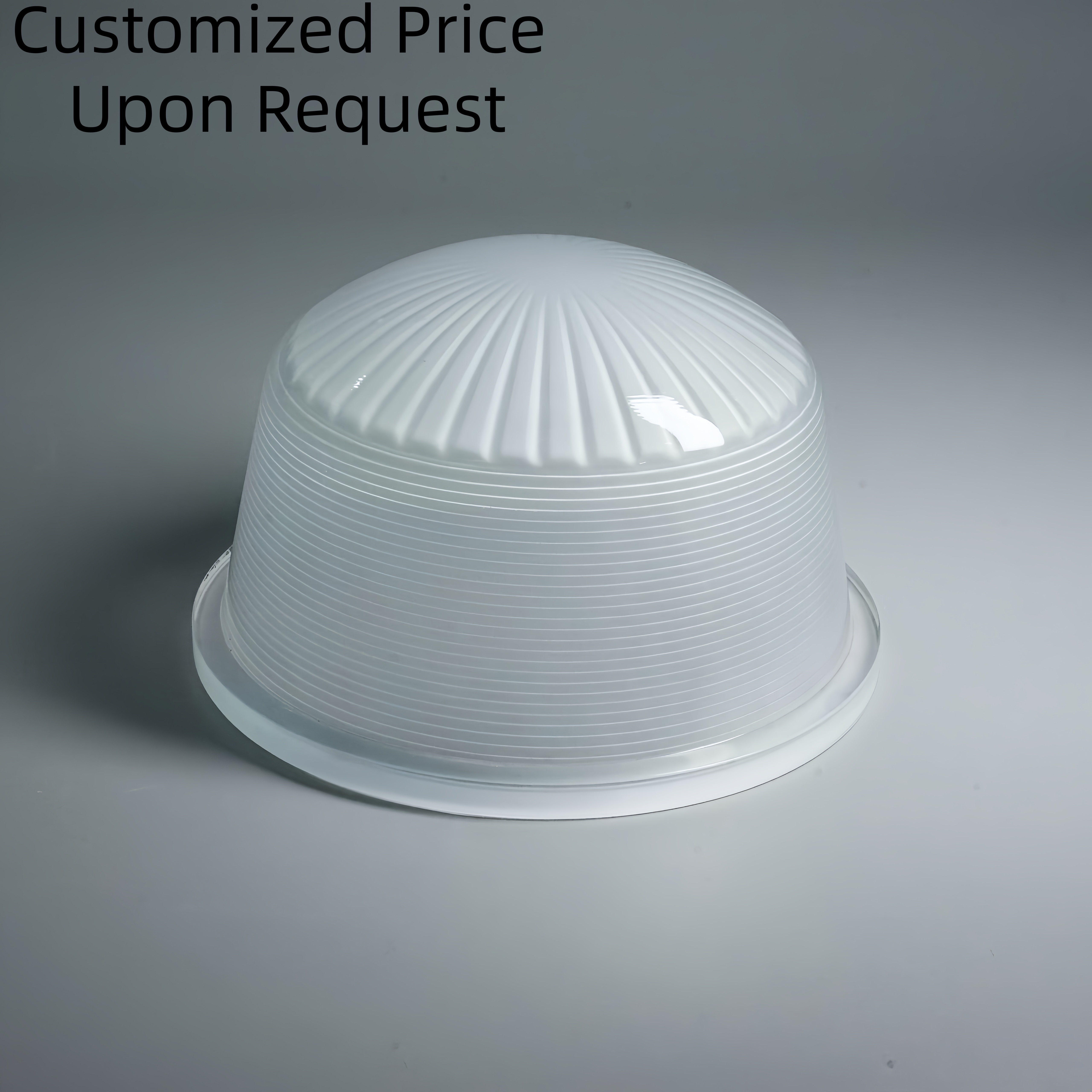
Transparent Explosion-proof Glass Shade, High Light Transmittance, Industrial Workshop Lighting
Designed for workshop and industrial fixtures where impact confidence, thermal shock resistance, and high light transmission matter.
View product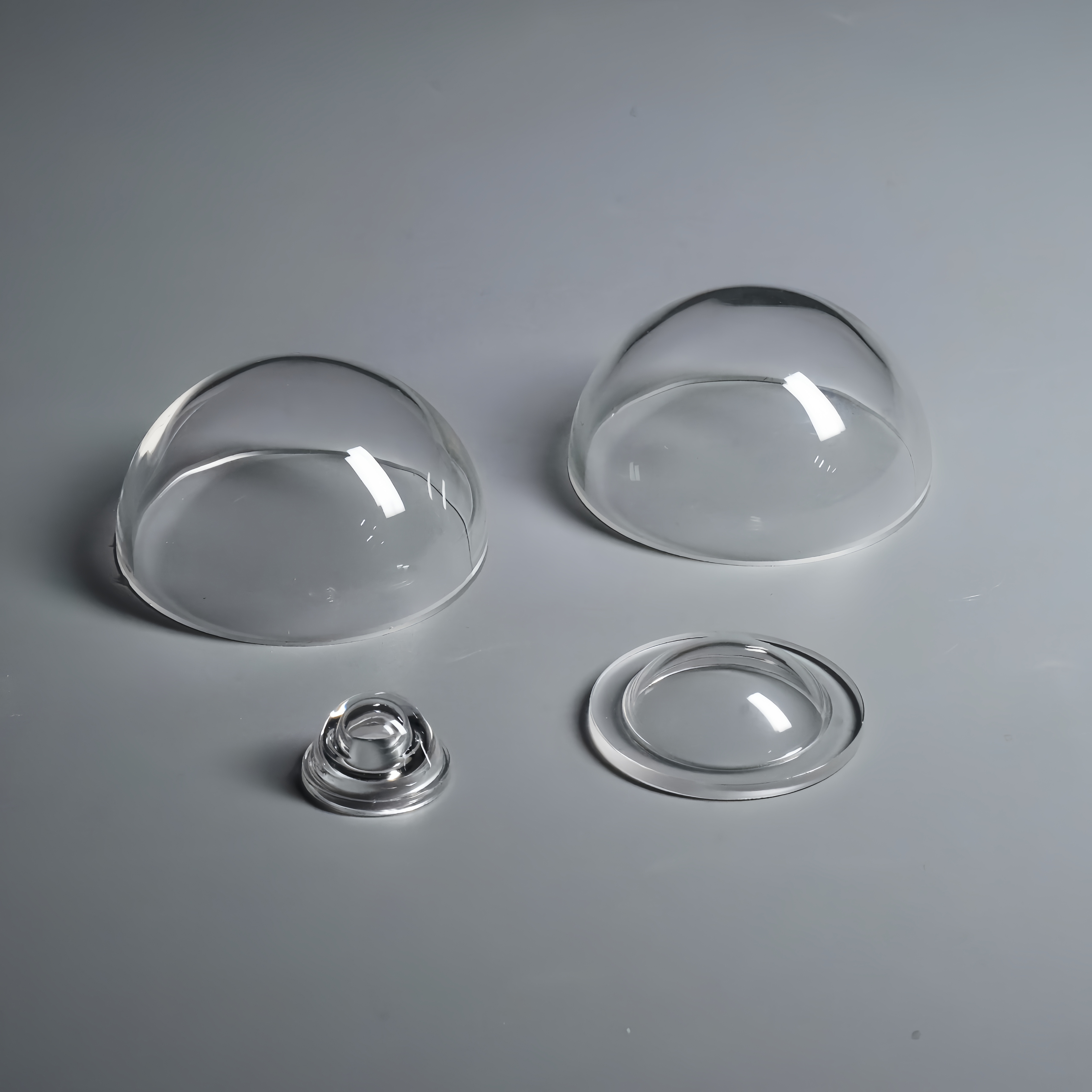
Mold Pressed Clear High Quality K9 Optical Dome Lens with Anti-Reflective Coating for Lighting OEM Customized Headlight Glass
Useful for lighting OEM and headlight-glass projects that require optical clarity, coating control, and repeatable dome geometry.
View product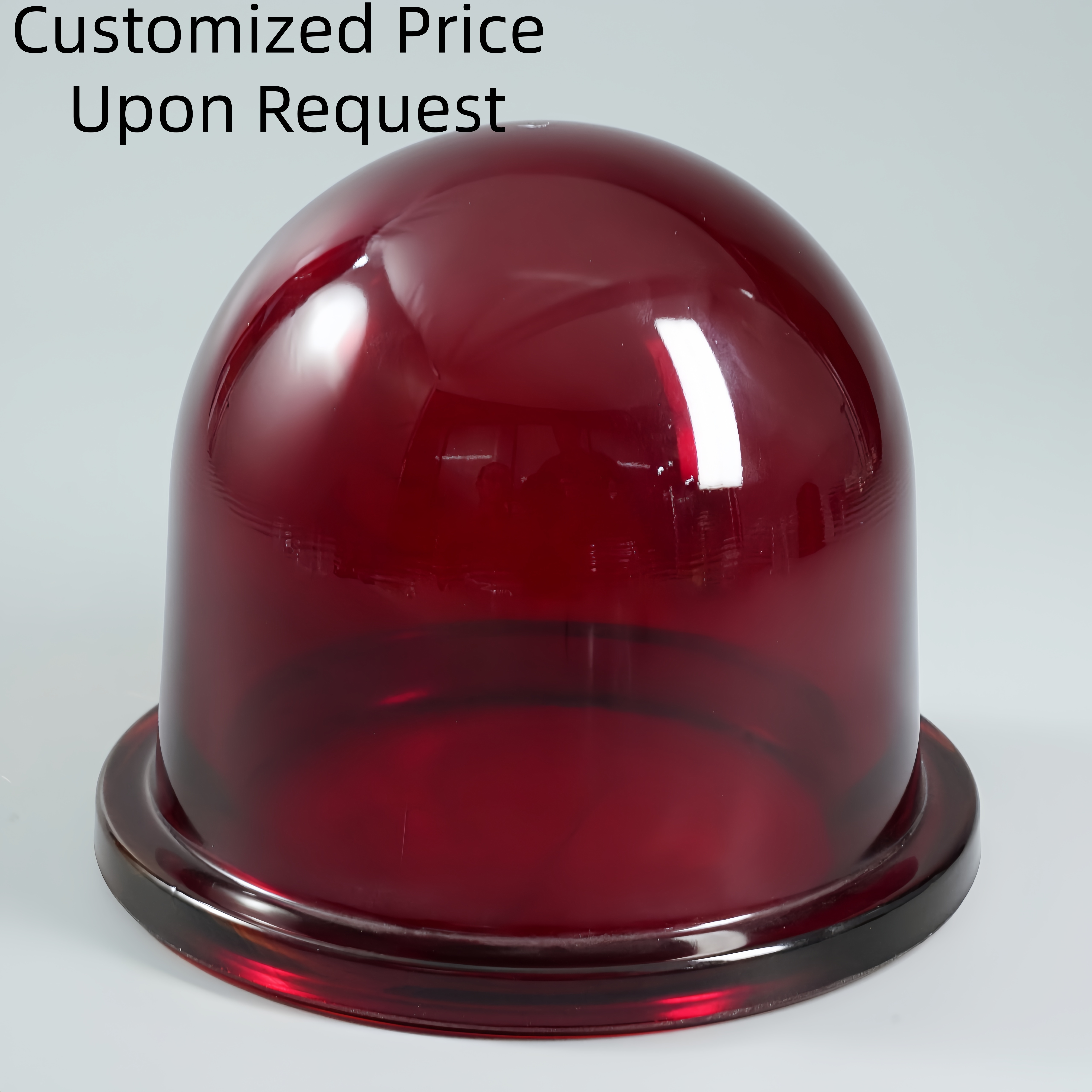
High-temperature Resistant Pressed Glass Shade, Explosion-proof & Crack-proof, Outdoor Street Light Specific
A practical specification for humid coastal roads, mountain routes, and outdoor luminaires exposed to rain contact and repeated thermal cycling.
View product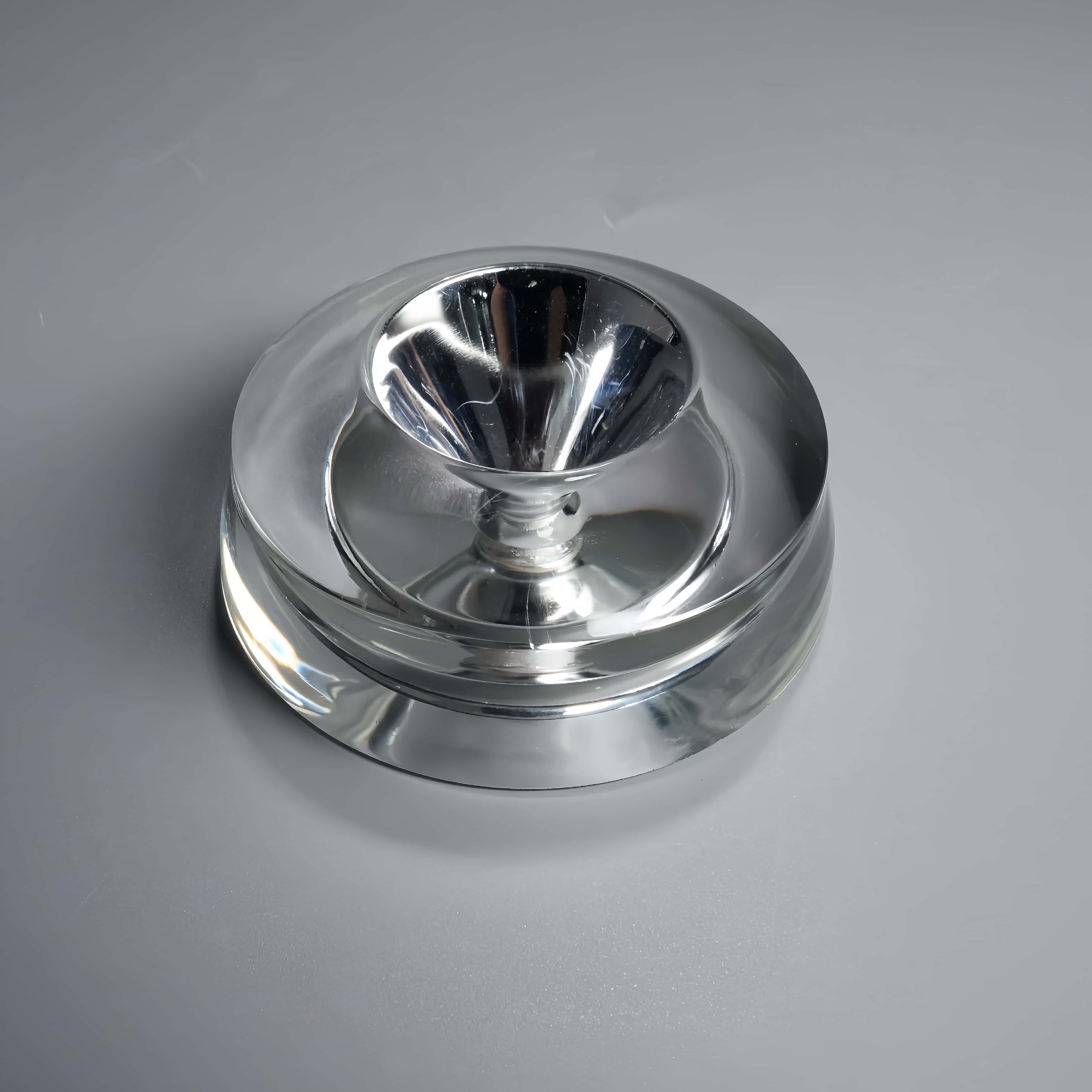
Factory China Custom Size Mold Pressed Borosilicate Bk7 K9 Eco-Friendly LED Optical Glass Lens for Taxiway Runway Airport Ground
For aviation lighting programs, dimensional repeatability, red/clear transmission, and material inspection records are as important as the lens shape.
View product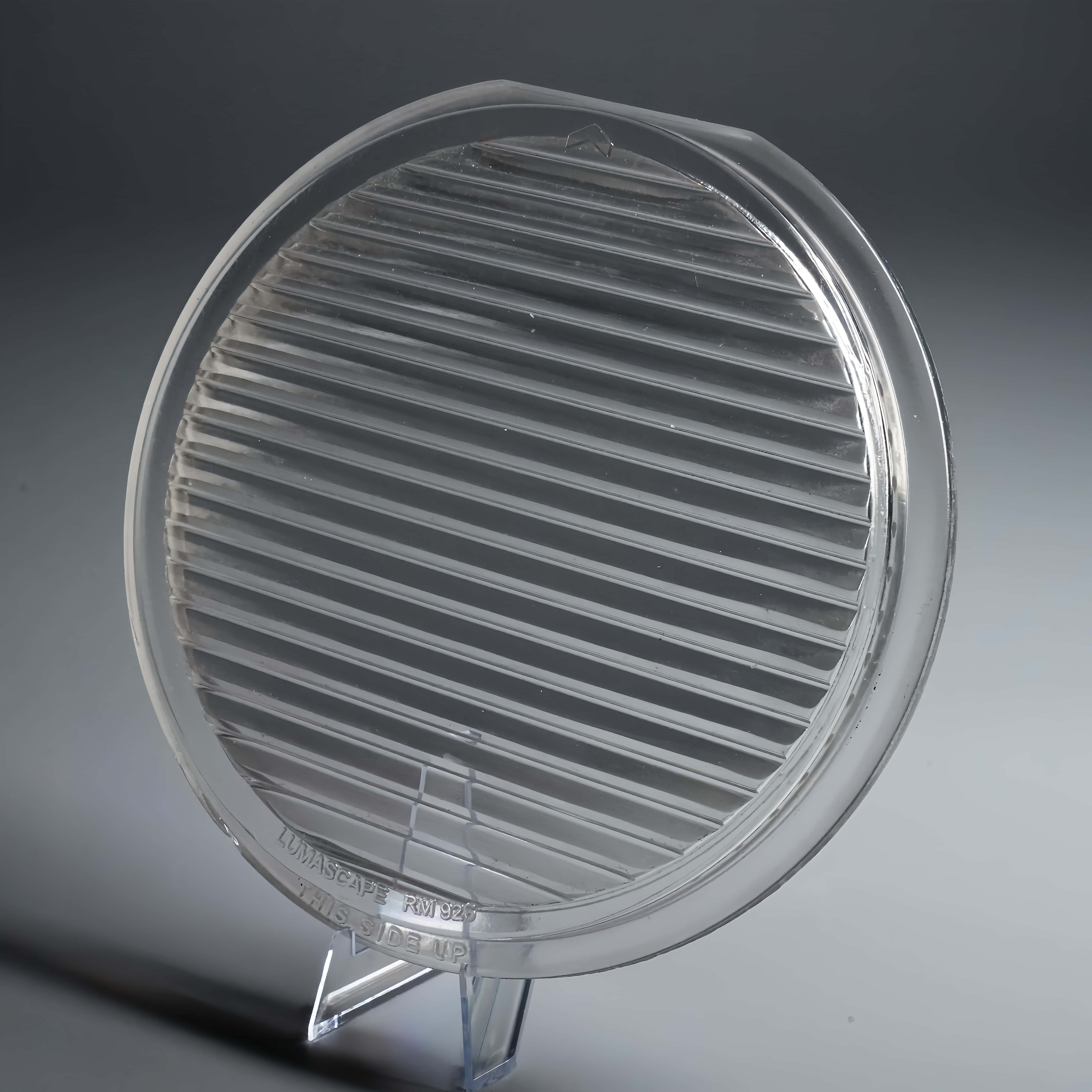
Supplier Custom Size Shape Pressed Mold Heat Resistant High Borosilicate Headlight Glass Lens Cover Headlight Glass Cover
Custom pressed-mold borosilicate covers for headlight glass and outdoor LED fixtures that face heat build-up, moisture, and vibration.
View productComparing sample quantities for a Kyoto fixture program? Send your drawing, target annual volume, lamp temperature, and sealing-face requirements for a technical review.
Send an InquiryHow to Use This Top 10 Guide for Kyoto Market Sourcing
A useful Kyoto shortlist is not simply ten factory names on one page. It is a qualification model that helps buyers compare apples to apples. This white paper uses the same product families and supplier advantages published by Tambi Glass, then applies them to Kyoto-specific procurement questions: humidity, thermal shock, optical color control, small-batch sampling, documentation, and export packing.
Start With the Drawing, Not the Catalogue
Kyoto fixtures often combine standard lamp platforms with custom covers, gaskets, or optical targets. The best supplier reviews wall thickness, draft angle, sealing face, tolerance, and coatings before quoting.
Separate Optical, Thermal, and Impact Risk
A signal dome, explosion-proof shade, and Fresnel lens do not fail for the same reason. Compare material, annealing, coating, and inspection data against the actual failure mode of your fixture.
Verify Before You Localize the Supply Chain
For Kyoto-bound projects, supplier transparency matters. Check whether factory pages, inspection records, trade capacity, and buyer feedback can be reviewed before a sample order is placed.
Why Kyoto Market Requirements Change the Supplier Shortlist
Kyoto is not a single application market. It includes advanced electronics, rail and tunnel infrastructure, marine access through Kansai, hospitality renovation, stage and museum lighting, automotive suppliers, and precision equipment makers. That mix rewards suppliers who can adapt glass performance to the environment and the fixture—not suppliers who offer one generic material.
Humidity, Condensation, and Thermal Cycling
Kyoto’s humid summers and colder winters can place exterior luminaires under condensation and rain-contact stress. When a hot glass cover meets cold water, thermal expansion becomes a practical purchasing issue. Borosilicate 3.3 is often specified for high-heat covers and explosion-proof shades because its low thermal expansion helps resist thermal shock.
Heritage, Hospitality, and Visual Sensitivity
Kyoto’s heritage and hospitality projects often require glass that respects fixture proportions, color temperature, and surface finish. Low distortion, stable color, clean edges, and repeatable coating can matter more than the lowest unit price.
Documented, Sample-Led Procurement
Many Japanese lighting supply chains approve by sample and document the result. Suppliers need clear sample reports, dimensional records, coating notes, and export packing that protects fragile glass through Kansai air or sea freight gateways.
The Top 10 Light Fixture Glass Supplier & Exporter Checklist for Kyoto Buyers
Use these ten weighted checks to compare suppliers. The weights are a practical starting point for Kyoto-bound lighting OEM projects and should be adjusted to your own fixture certification, annual volume, and risk profile.
Drawing-Based DFM Review
Can the supplier review wall thickness, draft, tolerance, sealing faces, and optical alignment before tooling?
Material Traceability
Borosilicate 3.3, tempered soda-lime, fused quartz, and K9/BK7 should be specified by grade, not by general “glass” wording.
Thermal Shock Capability
Outdoor covers, explosion-proof shades, and high-power LED lenses need heat and cold-contact test logic before mass production.
Optical Color & Coating
Red/clear signal domes, AR-coated lenses, and Fresnel optics require transmission and color control, not only dimensional fit.
Low-Volume Flexibility
Kyoto buyers often evaluate with small batches. Ask whether existing molds, rapid sampling, and 50–500 piece runs are possible.
Sealing & Impact Faces
Gasket contact areas, edge chips, and fire-polish quality can decide whether a fixture passes leak or impact testing.
Inspection Documentation
Dimensional reports, material notes, visual inspection records, and coating data reduce procurement uncertainty.
Export Packing for Glass
Foam or pulp dividers, reinforced cartons, and palletization must be specified for fragile covers and domes.
Standards Awareness
For fixtures designed around FAA L-810 or EN 50293 requirements, the glass supplier should match dimensions, color, and transmission.
Engineering Response Speed
Fast technical answers—usually within the same business day—keep Kyoto sample schedules and qualification loops moving.
Kyoto Fit Index: Where a Glass Supplier Creates Information Gain
Price alone cannot show whether a supplier is a good fit for Kyoto-bound lighting projects. The index below summarizes the capabilities buyers most often need to verify. It is an editorial fit index based on the criteria in this guide, not a third-party certification or a guarantee of fixture approval.
A strong shortlist should also confirm the certification responsibility of the luminaire manufacturer, because fixture compliance depends on the complete assembly—not on glass alone.
Localized Application Scenarios: Where Kyoto Fixture Glass Must Perform
The same glass catalogue looks different when viewed through the operating environment. These six scenarios show how product recommendations connect to real Kyoto-area project concerns.
Aviation & Airfield Lighting
Runway, taxiway, and obstruction fixtures need stable red or clear transmission, heat resistance, and repeatable dimensions. Tambi supplies glass for fixture makers whose products are designed around FAA L-810-related or comparable requirements.
Rail, Road & Tunnel Luminaires
Vibration, dust, washing cycles, and confined installation spaces reward pressed borosilicate shades, K9 domes, and lenses with stable beam shapes.
Marine & Coastal Signal Glass
Salt spray and high humidity demand robust sealing surfaces and color stability. Pressed and handblown signal covers support marine, port, and offshore lighting fixtures.
Heritage & Hospitality Lighting
Hotels, museums, restaurants, and traditional architecture often need bespoke covers or diffusers with stable color, controlled glare, and clean surface finishing.
Automotive & Outdoor LED
Headlight covers, projection lenses, and street-light shades face thermal cycling and moisture. AR-coated K9 domes and borosilicate covers are common starting points.
Industrial & Hazardous Areas
Oil, gas, chemical, and dusty workshop fixtures use thick-wall explosion-proof shades where crack resistance and thermal shock performance are central.
Kyoto Market Trends Shaping Glass Procurement in 2025–2026
Kyoto buyers are not only asking for a lower unit price. They are asking suppliers to reduce qualification risk, prove material choices, and support smaller, more frequent customization programs.
Sample-Led, High-Mix Low-Volume Purchasing
More projects begin with a physical sample or a small qualification batch. Suppliers that can use existing molds, provide fast sample reports, and support 50–500 piece runs have an advantage over suppliers optimized only for large volume.
Resilience Specifications Replace Catalogue-Only Specs
Humidity, salt air, vibration, and thermal cycling are moving into drawing notes. Buyers increasingly request material grade, annealing method, coating data, and inspection records before approving a fixture glass part.
Documentation and Lifecycle Thinking
Procurement teams value repairable fixtures, stable replacement parts, and packaging that protects glass without excessive waste. Custom labels, divider-packed cartons, and predictable reorder documentation support this trend.
Material Selection Guide for Kyoto Fixture Designers
Selecting the correct glass early avoids cracked covers, color drift, and costly field returns. The table below uses the material comparison published by Tambi Glass as a practical starting point.
| Material | Thermal expansion (×10⁻⁶/K) | Typical max. working temperature | Key strength | Best for |
|---|---|---|---|---|
| Borosilicate 3.3 | ≈ 3.3 | ≈ 450 °C | Excellent thermal-shock resistance | Explosion-proof shades, high-power LED covers, Fresnel lenses |
| Tempered soda-lime | ≈ 9.0 | ≈ 250 °C | High impact strength, economical | Outdoor covers, floodlight glass, vandal-resistant lenses |
| Fused quartz | ≈ 0.55 | ≈ 1000 °C+ | UV transmission, extreme heat | UV optics, high-temperature windows |
| Optical BK7 / K9 | ≈ 7.1 | ≈ 300 °C | Homogeneous optical glass | Precision lenses, prisms, mirrors, filters |
Values are typical references only. Final specification should be confirmed against your drawing, lamp surface temperature, impact rating, sealing design, coating requirement, and the standard your complete fixture must meet.
Practical decision rule: choose borosilicate 3.3 when the glass sees high-power LED heat, hot-to-cold rain contact, or explosion-proof enclosure design; choose tempered soda-lime for cost-sensitive outdoor covers where impact is the main risk; choose fused quartz for UV or extreme heat; choose BK7/K9 for precision lenses and prisms.
Why Tambi Glass Belongs on a Kyoto Buyer’s Shortlist
Shanghai Tambi Glass Industrial Co., Ltd. is a manufacturer and trading company focused on custom lighting and optical glass. Its published advantages align with the questions Kyoto buyers ask: can you make to drawing, can you control heat and optics, can you document quality, and can you pack fragile glass for export?

Shanghai-based production and finishing support for drawing-based lighting glass projects.
Tambi Glass reports more than a decade of experience in lighting glass, an 11–50 person team, and US$2.5M–5M annual export revenue. The company’s operating model is drawing-based: engineers review wall thickness, draft, sealing faces, optical path alignment, and coating needs before tooling starts. Production combines pressed, blown, ground, and coated glass so buyers can source covers, domes, lenses, prisms, reflectors, and filters through one supply chain.
For Kyoto-bound projects, this is useful because a single fixture program may require a borosilicate cover, an AR-coated lens, and a color-controlled signal dome. Keeping those components within one qualified supply chain can reduce communication time and sample iteration.
The company also publishes verification pages for supplier assessment, credit index, transaction level, trade capacity, trade history, and buyer feedback. Factory video review and third-party audit conversations are available, which helps procurement teams complete supplier qualification before placing production orders.
Drawing-Based OEM / ODM
2D/3D drawings or physical samples are reviewed for manufacturability, mold options, tolerance, and sealing faces before production.
Material Breadth
Borosilicate 3.3, tempered glass, quartz, BK7/K9 optical glass, colored glass, and coated filters can be matched to the application.
Process Integration
Pressed, blown, ground, annealed, tempered, and coated processes can be coordinated under one supply chain.
Optical Coatings
AR coating, color control, and optical filter options support LED, stage, sensing, and signal-light applications.
Verification & Transparency
Supplier assessment, credit index, transaction level, trade capacity, trade history, and buyer feedback pages support due diligence.
Fast Response & Export Packing
Average response within 6 hours, plus foam or pulp dividers, reinforced cartons, and palletization for fragile glass parts.
From Drawing to Delivery: A Controlled OEM Process for Kyoto Projects
Clear checkpoints reduce surprises between sample approval and mass production. This six-step process reflects the production and quality sequence described in the original Tambi Glass content.
Drawing Review
DFM check of thickness, draft, tolerance, sealing face, glass grade, coating, and lamp temperature.
Mold & Tooling
New or existing molds for pressing, blowing, or grinding, with a clear tooling decision before sampling.
Sampling
Samples are measured and sent for fit, light, color, and installation tests. Small-batch evaluation is available.
Forming & Annealing
Controlled forming and annealing or tempering help relieve stress, especially for thick covers and domes.
Coating & QC
AR or color coating, dimensional checks, visual inspection, and material or inspection reports on request.
Export Packing
Divider-packed cartons and palletization for sea or air freight, with custom packaging for distributors.
Need a drawing review before your Kyoto sample build? Share the 2D/3D file, target quantity, glass type, surface temperature, and any FAA L-810, EN 50293, or internal specification notes.
Send an InquiryKyoto Buyer FAQ: Light Fixture Glass Sourcing, Customization, and Export
These are the practical questions procurement and engineering teams ask when comparing glass suppliers for Kyoto-bound fixture projects.
Can a Kyoto buyer order small sample quantities before a full production run?
Which glass should we choose for Kyoto’s humid summers and cooler winters?
Can you manufacture to our drawing and match an existing Japanese fixture dimension?
How do you support color and optical performance for signal and hospitality lighting?
Do you supply glass for fixtures designed to FAA L-810 or EN 50293 requirements?
How are fragile glass parts packed for export to Kyoto or the Kansai region?
What documentation can a Kyoto procurement team request?
How fast will we receive a technical response from Tambi Glass?
Have a Kyoto Fixture Drawing? Get an Engineering Review Within 6 Hours.
Send dimensions, glass material, operating temperature, annual volume, and any FAA L-810, EN 50293, or internal fixture requirement. Tambi Glass can review the glass specification, suggest a manufacturable sample route, and confirm export packing before you commit to production.
Send an Inquiry Technical contact: info@tambiglass.com