8 Light Fixture Glass Products Oklahoma City Buyers Ask For
Oklahoma City buyers often need more than a generic lampshade. The market includes aviation, energy, food processing, healthcare, outdoor municipal lighting, stage lighting, laboratories and severe-weather fixtures. The eight product families below show how a specialist manufacturer can match glass to the fixture, not just to a catalog photo.
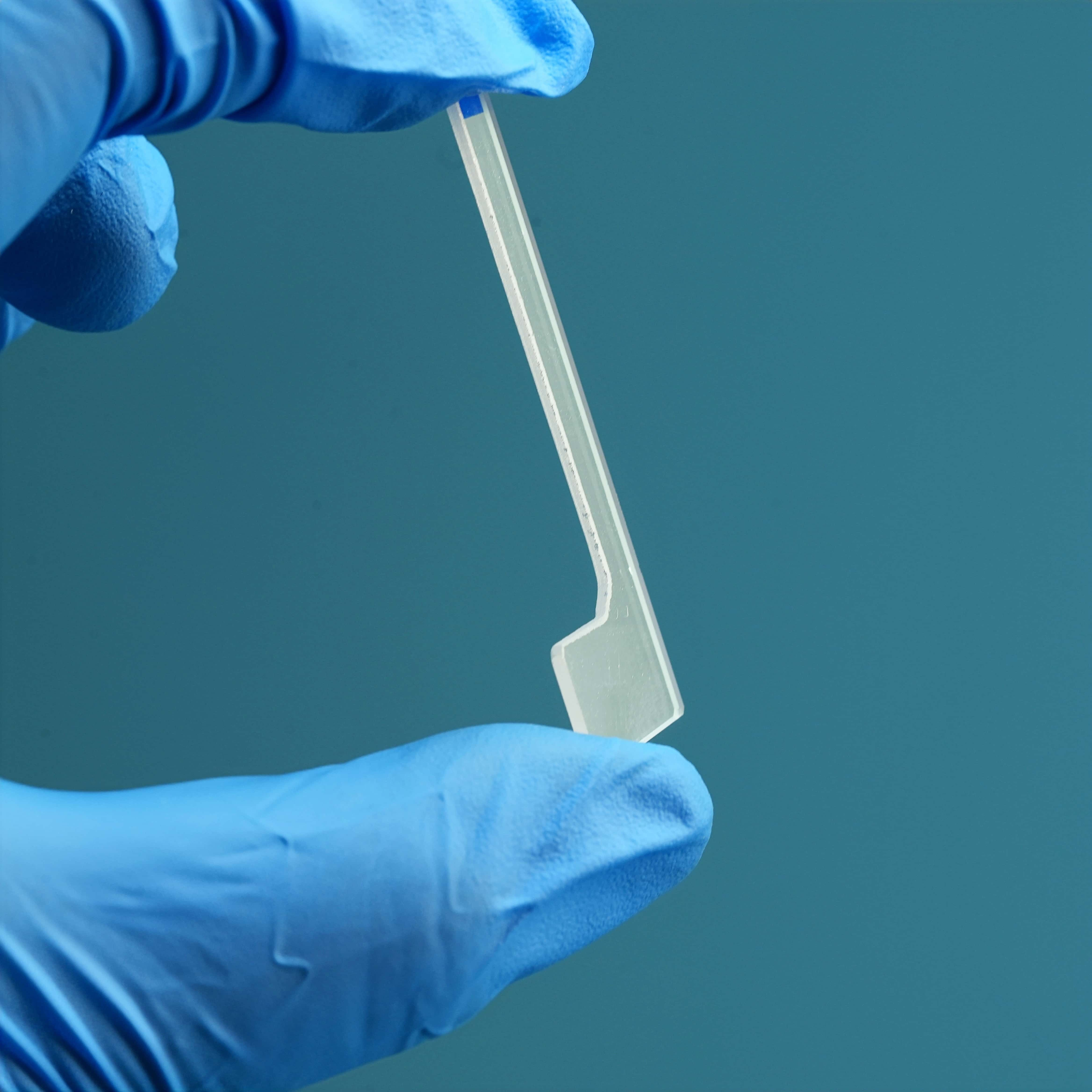
Anamorphic Prism Pair for Laser Beam Shaping Circularizing Elliptical Beams for Fiber Coupling Applications
Useful for Oklahoma City research labs, LiDAR integration, photonics distributors and stage or inspection systems that need controlled beam shaping.
View product details →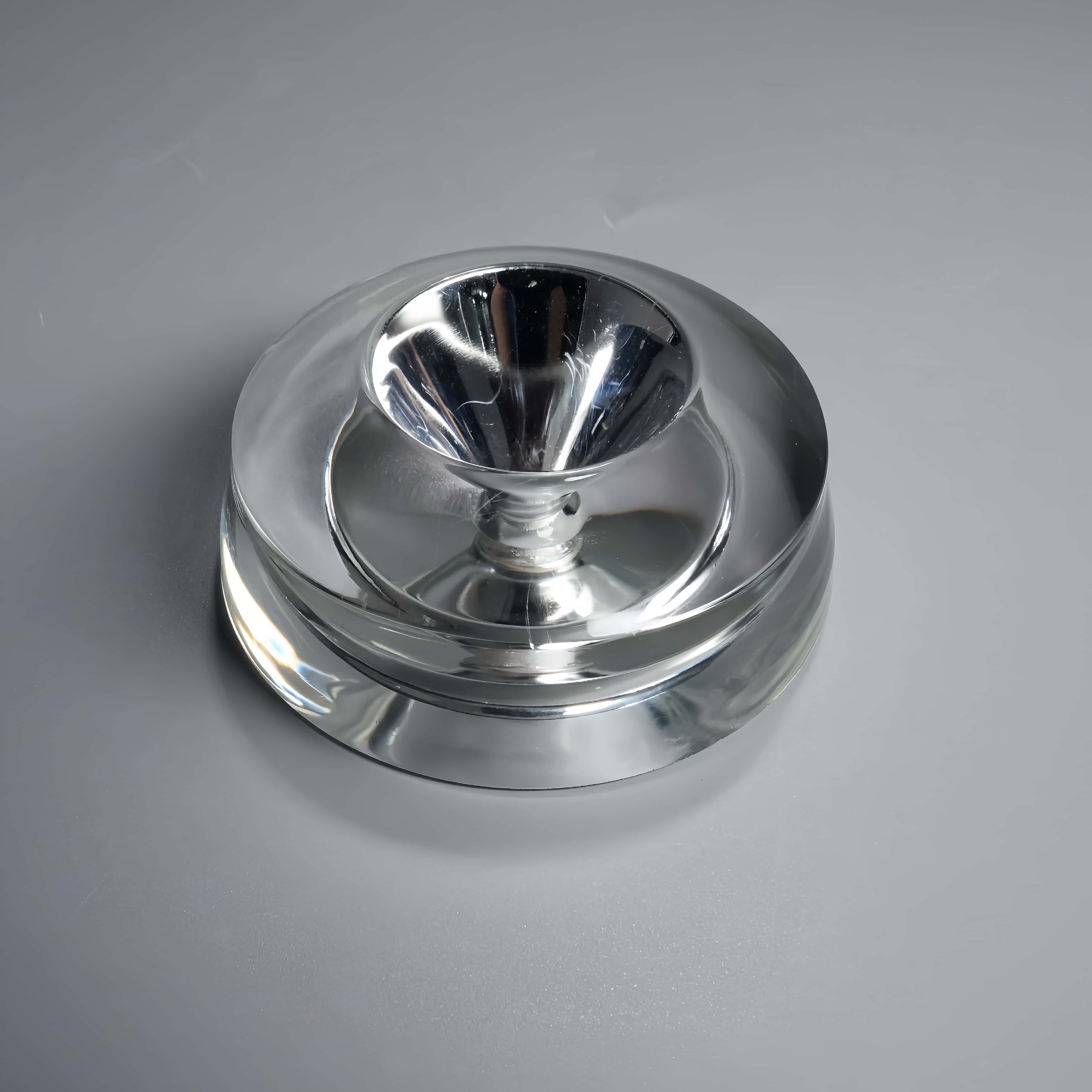
Factory China Custom Size Mold Pressed Borosilicate Bk7 K9 Eco-Friendly LED Optical Glass Lens for Taxiway Runway Airport Ground
For fixture makers supplying airport ground lighting, taxiway edge lights and runway applications where thermal stability and dimensional repeatability matter.
View product details →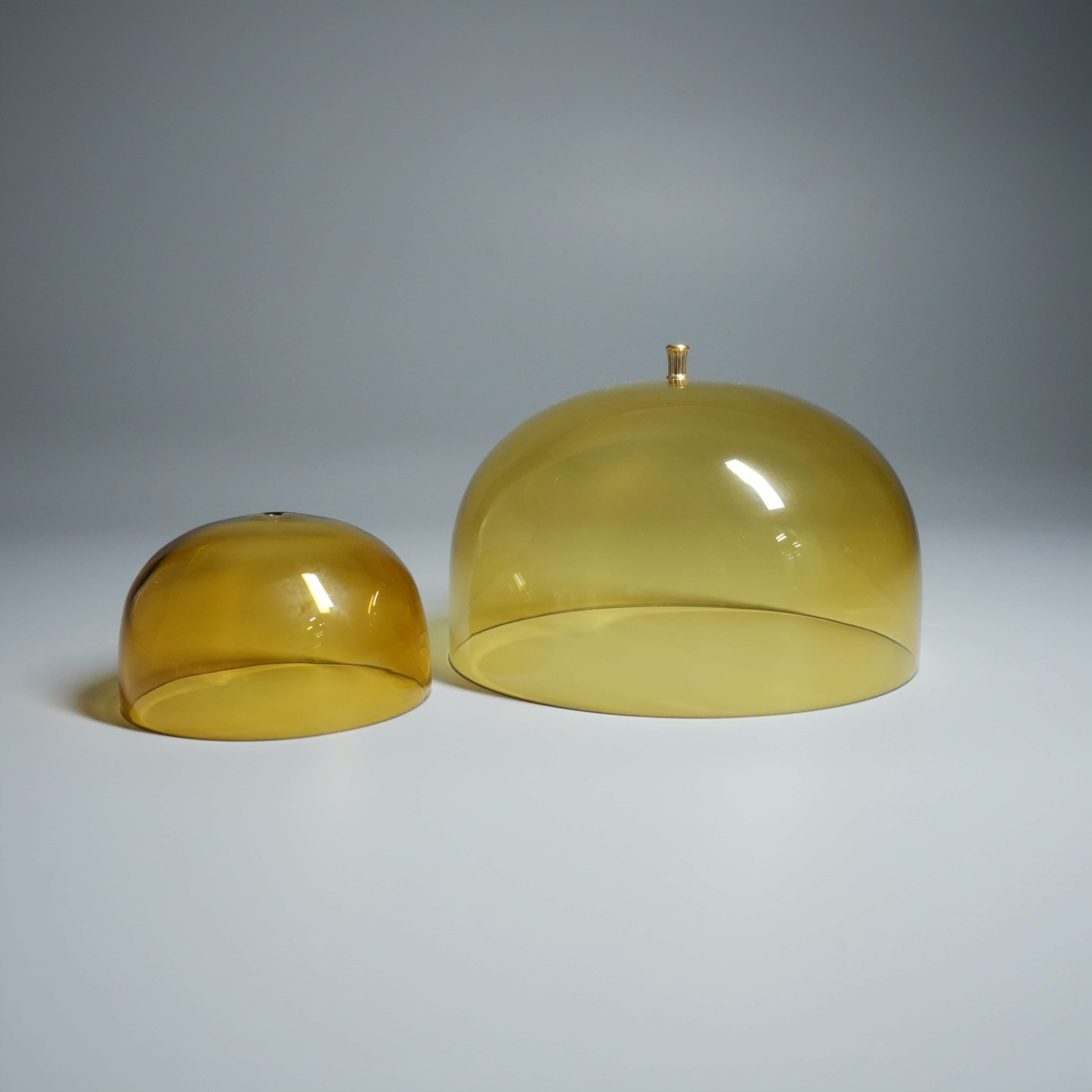
Certified Glass Cover for Food Machinery and Medical Equipment, Chemical Resistant
Suited to wash-down equipment, sight glass covers, medical lighting enclosures and food-processing fixtures that require chemical resistance and easy cleaning.
View product details →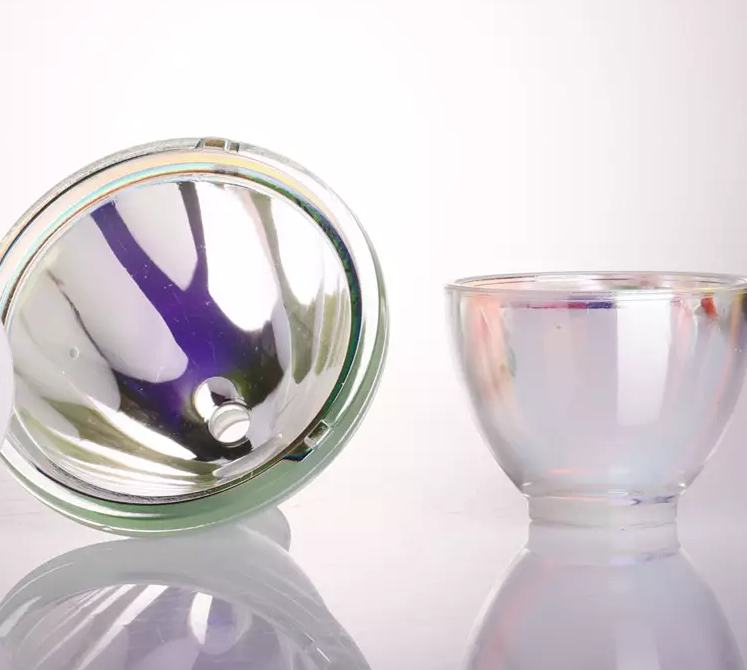
COB Glass LED Reflector Bowl Manufacturer Deep Design Perfect Beam Spotlights Projector Lights 20 60 90 Beam Angle
For Oklahoma City lighting designers and wholesalers sourcing narrow, medium or wide beam reflector bowls for high-power COB spotlight assemblies.
View product details →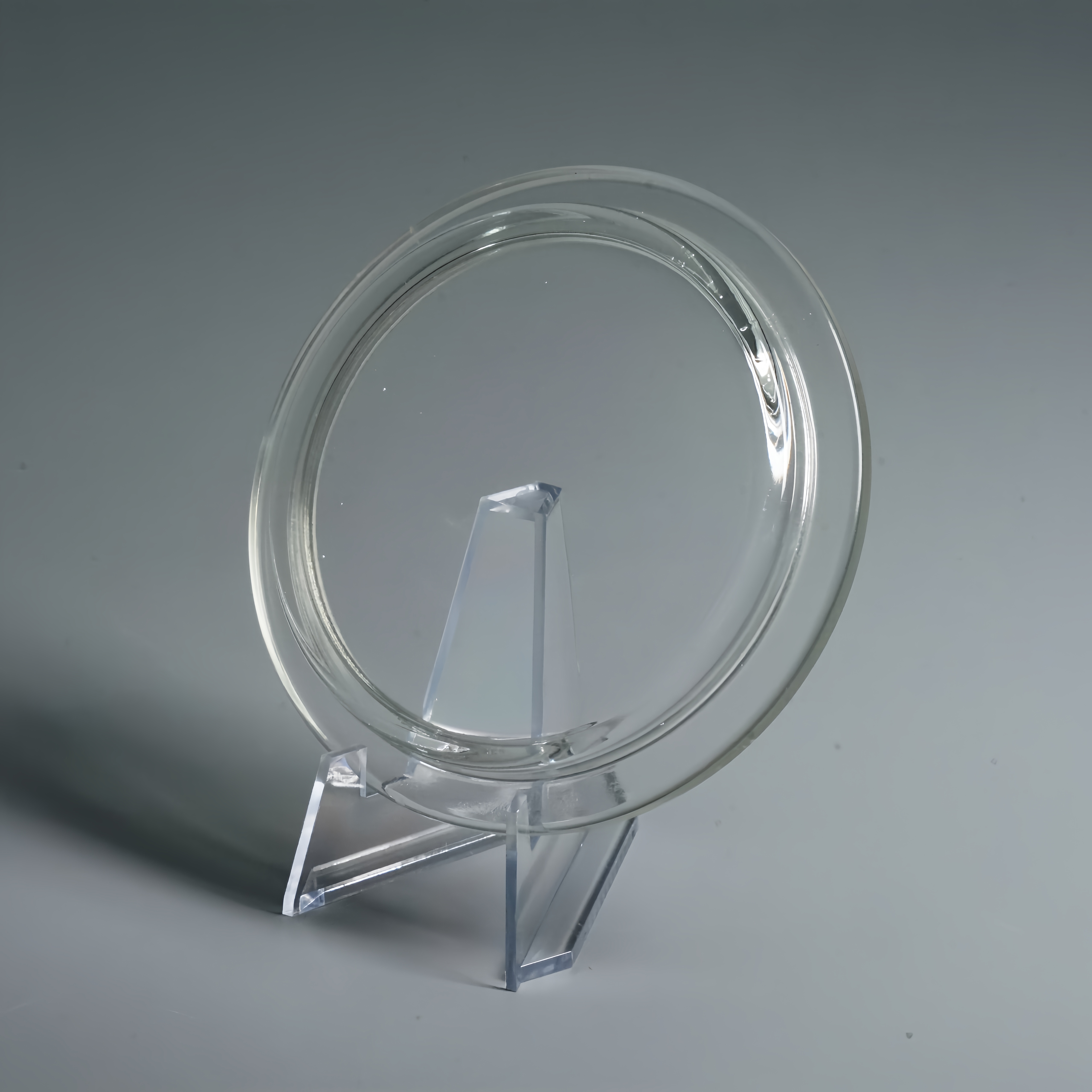
Custom Size Coastal Victorian Outdoor Stage Glass Lampshade Factory Waterproof High Temperature Impact Resistant Silk-Printable
A strong fit for hospitality venues, street lighting, outdoor stages and retrofit projects exposed to Oklahoma wind, hail, heat and freezing rain.
View product details →
Factory Custom BO-GLASS Quartz BK7 K9 Arcoated Fused Silica High Precision Right Angle Prism 90Degree Clear ODM/OEM 3-Year
For instrumentation, sensor manufacturers and optical distributors requiring right-angle prisms with stable optical grade materials and coating options.
View product details →
Manufacturer OEM Transparent High Quality Precision Borosilicate UV Fused Silica Coated Glass Optical Window High Transmittance
Useful for inspection windows, environmental enclosures, optical sensing ports and high-transmission windows in industrial lighting or instrument assemblies.
View product details →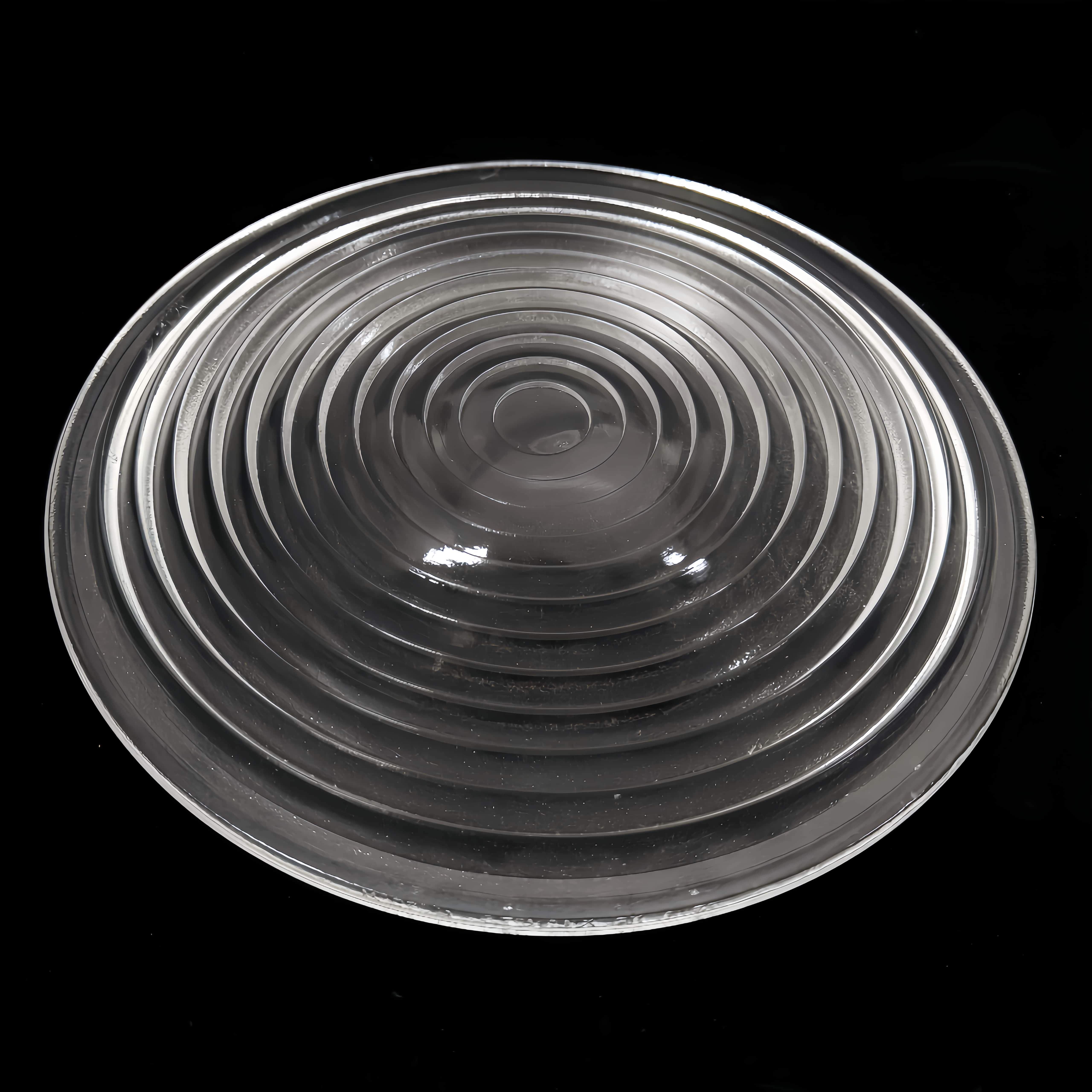
Precision Molded Borosilicate Glass Fresnel Lens Stage Lighting Anti-Reflective Coating FAA/ICAO Standards 175mm BO GLASS OEM
For high-power LED stage, studio and signal fixtures that need heat-resistant Fresnel optics, controlled beam distribution and optional anti-reflective coating.
View product details →Need dimensions, coating data, MOQ guidance or a comparable specification? Get Catalog
Oklahoma City Lighting Conditions Reward Better Glass Specifications
A light fixture glass supplier serving Oklahoma City must understand local operating conditions: high summer temperatures, intense UV exposure, hail, strong wind-driven rain, winter ice and frequent utility or infrastructure upgrades. The same luminaire may need to survive a 100°F rooftop afternoon, a sudden cold-rain thermal shock and a high-vibration industrial environment.
That is why the strongest procurement teams do not buy glass by “clear or frosted” alone. They compare coefficient of thermal expansion, annealing quality, impact resistance, gasket compression, sealing faces, coating durability and lot-to-lot color consistency. For aviation and hazardous-area fixtures, they also ask the glass supplier to understand the fixture maker’s certification pathway, even though the final luminaire certification is normally held by the fixture manufacturer.
Top 10 Light Fixture Glass Supplier & Wholesaler Capabilities in the Oklahoma City Market
In Oklahoma City, the top supplier is not always the closest warehouse. For custom glass, the strongest supplier is the one that can prove ten capabilities before production: drawing review, material selection, forming control, coating control, inspection, export packing, documentation and responsive engineering communication. Use this ten-point scorecard to compare manufacturers, importers and wholesalers.
Drawing-Based Engineering
A serious supplier reviews wall thickness, draft angle, sealing face, tolerance and light path before quoting. Tambi Glass works from 2D/3D drawings or physical samples for OEM and ODM projects.
Borosilicate Thermal-Shock Expertise
Borosilicate 3.3 is valuable around high-power LEDs and outdoor fixtures exposed to fast temperature change. The supplier should explain when borosilicate is better than tempered soda-lime glass.
Explosion-Proof & Hazardous-Area Experience
Oil and gas, chemical, mining and dusty industrial sites require thick-wall shades and covers with controlled annealing, sealing surfaces and impact resistance.
Aviation & Signal Light Knowledge
Airport, obstruction and marine signal lights depend on stable color, transmission and dimensional fit. Suppliers should understand FAA, ICAO or EN-related fixture requirements without claiming to certify the luminaire.
LED Lens & Optical Component Capability
From Fresnel lenses and COB reflector bowls to prisms and optical windows, the supplier should combine forming, grinding and coating knowledge in one supply chain.
Coating & Color Consistency
AR coatings, UV-stable colors, red signal glass and silk-printable surfaces need batch control. Ask how transmission, color and coating durability are inspected.
Inspection & Traceability
Top wholesalers provide dimensional reports, material information, visual inspection criteria and sample approval records so Oklahoma City buyers can qualify suppliers internally.
Sampling Before Volume
Typical MOQs can range from 50 pieces for optical lenses to 100–500 pieces for pressed or blown lighting covers, depending on whether an existing mold is available. Sample evaluation reduces risk.
Export Packing for Fragile Glass
Foam or pulp dividers, reinforced cartons, palletization and distributor labeling are essential for a long route from Asia to Oklahoma. Poor packing is a hidden quality defect.
Fast Technical Communication
The best supplier answers with data, not vague promises. Tambi Glass targets an average technical reply within six hours and invites drawings, annual volumes and operating conditions for review.
Where Light Fixture Glass Is Used in and Around Oklahoma City
The Oklahoma City market is not one customer segment. Glass specification changes by fixture location, maintenance practice, lamp temperature and certification path. These are six application clusters where a specialist glass supplier can add measurable value.
Aviation, Airports & Obstruction Lighting
Runway, taxiway and obstruction fixtures need controlled lens geometry, stable red or clear transmission and heat resistance. Local MRO and electrical contractors value suppliers that can match existing fixture dimensions and certification records.
Oil, Gas & Industrial Facilities
Oklahoma’s energy sector requires explosion-proof lampshades, emergency-light glass covers and high-temperature shades. Thick-wall borosilicate or tempered glass may be specified depending on lamp load, impact rating and hazardous-area fixture design.
Food Processing & Medical Equipment
Wash-down areas demand chemical-resistant covers, smooth surfaces and reliable sealing. Glass covers for food machinery and medical equipment should be specified with cleanability, thermal shock and cleaning-agent exposure in mind.
Marine, Offshore & Corrosive Environments
Although Oklahoma City is inland, distributors serve marine, offshore and water-treatment projects. Handblown or pressed covers for navigation lights need salt-spray resistance, accurate color and robust packing.
Stage, Studio & Entertainment
High-power COB LED fixtures create concentrated heat. Borosilicate Fresnel lenses, anti-reflective coatings and prismatic glass can improve beam control while surviving thermal cycling in theaters, churches and event venues.
Horticulture, Outdoor LED & Municipal Lighting
Grow-light lenses, streetlight covers and floodlight glass must balance transmission, impact resistance and UV stability. For local specifiers, the key is to match the cover to the fixture’s IP rating, gasket design and replacement cycle.
Oklahoma City Procurement Trends Shaping Light Fixture Glass Demand
The following buyer-priority index is an illustrative planning tool for specification discussions, not a published market statistic. It reflects common requirements seen in severe-weather, high-temperature and infrastructure-driven lighting markets like Oklahoma City.
Information gain for specifiers: ask every glass supplier for three temperatures before selecting a material — lamp surface temperature, maximum ambient temperature and cold-rain or wash-down thermal-shock condition. This single step prevents many cracked covers and field returns.
Borosilicate, Tempered Glass, Quartz or BK7? A Practical Comparison
Oklahoma City buyers comparing light fixture glass suppliers should start with the operating environment, not the price per piece. This table summarizes typical engineering trade-offs. Final material selection should be confirmed against the fixture drawing, lamp load, impact standard and certification requirements.
| Material | Thermal expansion | Typical working temperature | Key strength | Best Oklahoma City use case |
|---|---|---|---|---|
| Borosilicate 3.3 | ≈3.3 ×10⁻⁶/K | ≈450°C | Excellent thermal-shock resistance | Explosion-proof shades, high-power LED covers, Fresnel lenses and outdoor fixtures exposed to quick temperature change |
| Tempered soda-lime | ≈9.0 ×10⁻⁶/K | ≈250°C | High impact strength and economical cost | Outdoor covers, floodlight glass and vandal-resistant lenses for moderate lamp temperatures |
| Fused quartz | ≈0.55 ×10⁻⁶/K | ≈1000°C+ | UV transmission and extreme heat resistance | UV optics, high-temperature inspection windows and specialized industrial lamp enclosures |
| Optical BK7 / K9 | ≈7.1 ×10⁻⁶/K | ≈300°C | Homogeneous optical properties, nd ≈1.517 | Precision lenses, right-angle prisms, optical windows, mirrors and bandpass filter substrates |
A supplier should not simply quote the cheapest glass. For example, a borosilicate cover may cost more than soda-lime glass but reduce thermal-shock failures around high-output LEDs. Conversely, tempered soda-lime glass can be the better choice for lower-temperature outdoor fixtures where impact strength dominates.
Why Tambi Glass Is a Practical OEM Partner for Oklahoma City Buyers
Shanghai Tambi Glass Industrial Co., Ltd. is a manufacturer and trading company focused on custom borosilicate glass covers, explosion-proof lampshades, signal light domes, LED lenses, prisms and optical filters. For Oklahoma City buyers, the value is not simply a product list; it is a drawing-led engineering process supported by materials knowledge, sampling, inspection and export packing.
Drawing-Based OEM / ODM Production
Most projects start with a 2D/3D drawing or physical sample. Engineers review manufacturability, draft, wall thickness, sealing faces and tolerance before tooling, which helps reduce mismatch between glass and housing.
Broad Material & Process Range
Borosilicate 3.3, tempered soda-lime, fused quartz and optical BK7/K9 can be matched with pressed, blown, ground, polished and coated processes to fit different fixture requirements.
Lighting & Optical Application Experience
The product range spans explosion-proof glass lampshades, airport and marine signal glass, LED lenses, Fresnel lenses, prisms, optical domes and bandpass filters for lighting and sensing OEMs.
Coating & Finish Options
Anti-reflective coatings, color options, silk-printable surfaces and edge finishing can be discussed during sampling. Coating choices should be tied to transmission targets and cleaning or UV exposure conditions.
Inspection, Reports & Sample Approval
Dimensional inspection, visual criteria, material information and sample approval records help procurement teams in Oklahoma City complete supplier qualification and incoming inspection planning.
Export Packing & Responsive Communication
Fragile glass parts are separated with foam or pulp dividers, packed in reinforced export cartons and palletized for sea or air freight. Technical inquiries typically receive a response within six hours.
Tambi Glass is based in Shanghai and serves global lighting OEMs. This article is written for Oklahoma City market buyers who are evaluating direct manufacturers, importers and specialist wholesalers. It does not imply a local warehouse in Oklahoma City unless separately confirmed.
A Controlled OEM Process for Custom Lighting Glass
Drawing & DFM Review
Review thickness, tolerance, draft, sealing surface, light path and gasket contact before quotation.
Material & Mold Selection
Choose borosilicate, tempered glass, quartz or BK7/K9 and confirm whether an existing or new mold is needed.
Sampling
Provide samples for fit, light distribution, thermal test and visual approval before volume production.
Forming & Annealing
Control pressing, blowing or grinding and anneal or temper to relieve internal stress.
Coating & Inspection
Apply AR or color coatings as specified and inspect dimensions, surface quality and optical appearance.
Export Packing
Use dividers, reinforced cartons and pallets suitable for long-distance sea or air freight to North America.
Common Questions from Oklahoma City Light Fixture Glass Buyers
Can you supply light fixture glass to Oklahoma City without a local warehouse?
Yes. Many buyers import directly from the manufacturer and work with freight forwarders, customs brokers and local electrical distributors. The key is to confirm Incoterms, packaging, sample approval and lead time before placing a volume order. A direct manufacturer relationship can work well when the project needs custom dimensions or material selection.
What glass is best for Oklahoma hail, wind and high summer temperatures?
There is no single answer. For high lamp temperatures and fast thermal shock, borosilicate 3.3 is often preferred. For lower-temperature outdoor fixtures where impact strength and cost matter more, tempered soda-lime glass may be suitable. The correct choice depends on lamp surface temperature, impact rating, gasket design and the fixture’s certification requirements.
Can you manufacture glass covers and lenses to my own drawing?
Yes. Most custom orders are drawing-based. Send a 2D/3D drawing or a physical sample with dimensions, tolerance, material, color, coating and operating temperature requirements. The engineering team can review manufacturability, propose mold options and confirm samples before mass production.
Do you support FAA L-810, ICAO or EN 50293-related lighting fixtures?
Tambi Glass produces glass lenses and domes for fixture makers whose obstruction and signal lights are designed around FAA, ICAO or EN requirements. The final fixture certification is held by the luminaire manufacturer; the glass supplier should match color, transmission and dimensional specifications and can provide material and inspection reports on request.
What is the typical minimum order quantity for an Oklahoma City distributor?
Typical MOQs range from about 50 pieces for optical lenses to 100–500 pieces for pressed or blown lighting covers, depending on whether an existing mold can be used and the complexity of coating or color requirements. Sample quantities are often available for evaluation.
Which product should I choose for explosion-proof or hazardous-area lighting?
Start with the fixture’s hazardous-area classification, lamp wattage, surface temperature and impact requirement. Thick-wall borosilicate glass covers and explosion-proof lampshades are common options, but the glass must be matched to the housing, gasket and certification design. Do not select a glass cover by appearance alone.
How fast do you reply to technical inquiries?
The average technical response time is within six hours. Include the drawing, annual volume, target application, lamp type, operating temperature and any coating or certification requirement so the reply can be specific rather than generic.
How are fragile glass parts packed for export to Oklahoma?
Parts are normally separated by foam or pulp dividers, packed in reinforced export cartons and palletized for sea or air freight. Custom packaging and labeling for distributors can be discussed. Buyers should also confirm whether the local receiver can handle pallets and whether final-mile delivery requires special equipment.
Have a Drawing? Get an Engineering Review for Your Oklahoma City Project
Share dimensions, material preference, lamp temperature, impact requirement, coating target and annual volume. Tambi Glass can recommend a borosilicate, tempered, quartz or optical glass solution and prepare a sample plan before volume production.
Get CatalogTechnical inquiries: info@tambiglass.com