8 Precision Lens and Optical Components for Houston Buyers
These eight product families cover the practical building blocks Houston OEMs, distributors, and maintenance teams request most often: high-transmittance glass shades, heat-resistant borosilicate covers, LED collimating lenses, light guide rods, laser beam-shaping prisms, bandpass filters, BK7/K9 aspherical lenses, and spectroscopy filters.
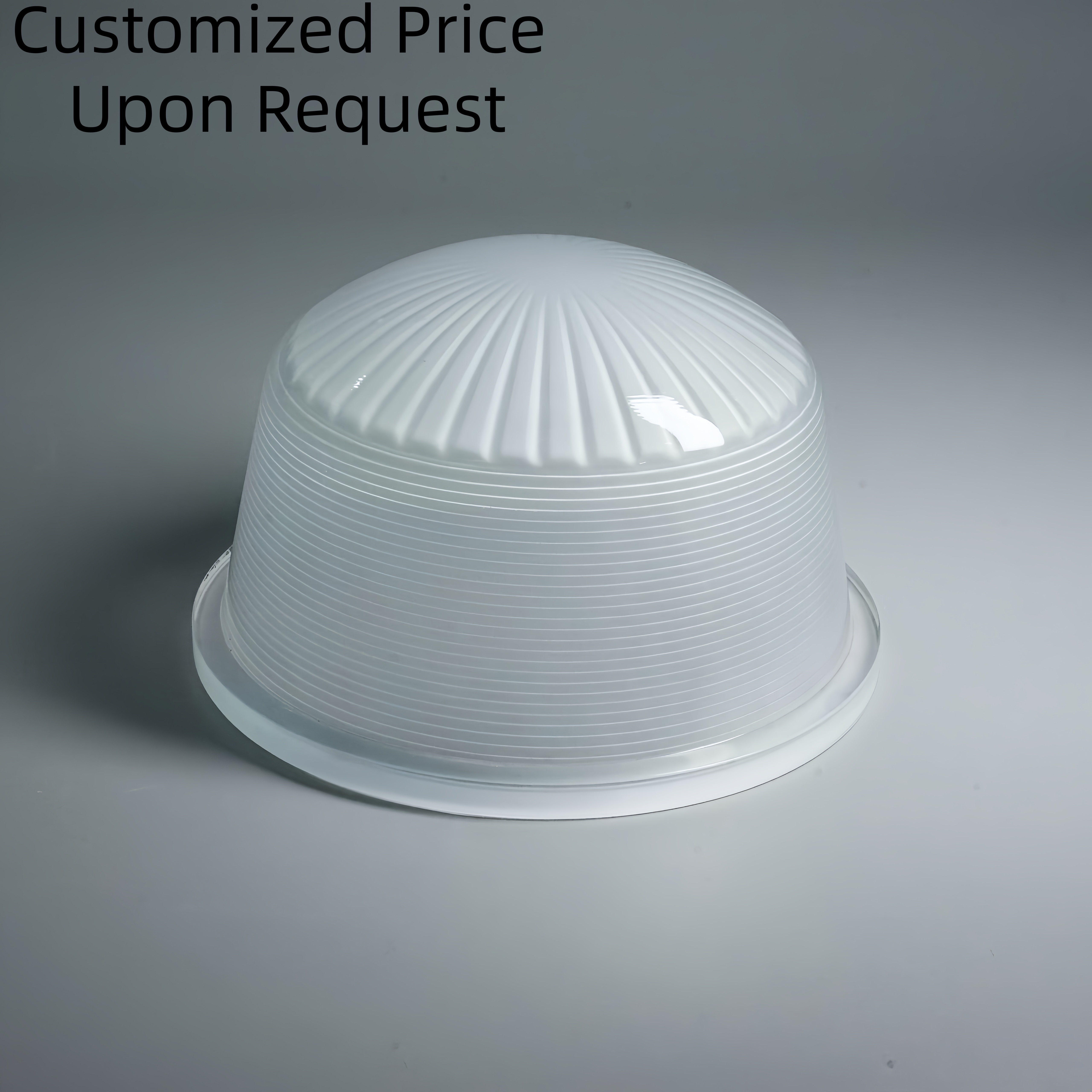
Transparent Explosion-proof Glass Shade, High Light Transmittance, Industrial Workshop Lighting
For refinery, workshop, and hazardous-area fixtures, this high-transmittance shade protects the optical path while resisting dust, heat, and thermal shock.
View product
Supplier Custom Size Shape Pressed Mold Heat Resistant High Borosilicate Headlight Glass Lens Cover Headlight Glass Cover
A pressed borosilicate headlight lens cover for OEMs that need custom geometry, heat resistance, and stable optical clarity across long production runs.
View product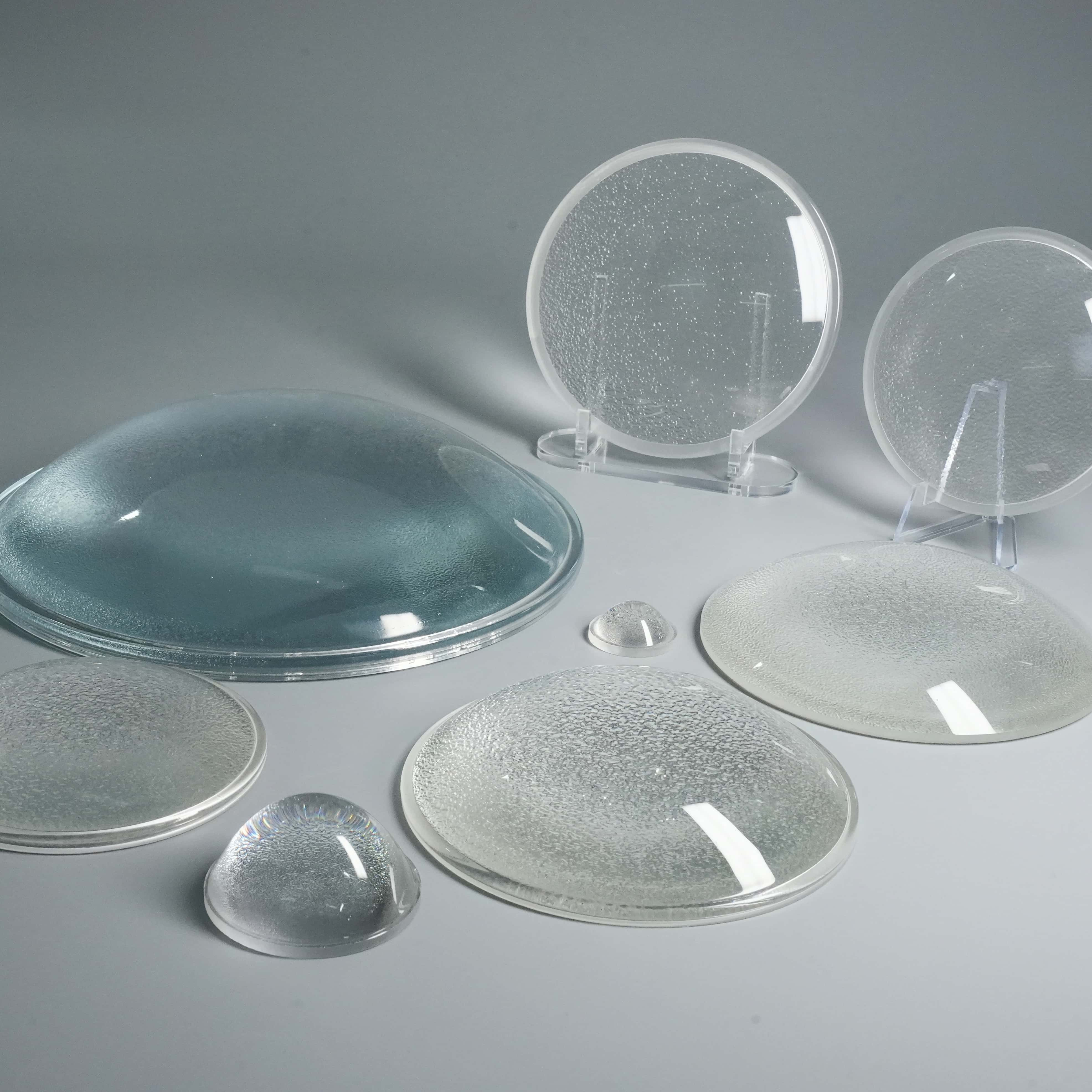
Bo Glass Asymmetric LED Lens Roadway Street Light Reduces Light Pollution Glare Borosilicate Glass UV Protection OEM
An asymmetric LED street-light lens designed to shape roadway beams, reduce glare, and protect output with UV-stable borosilicate glass.
View product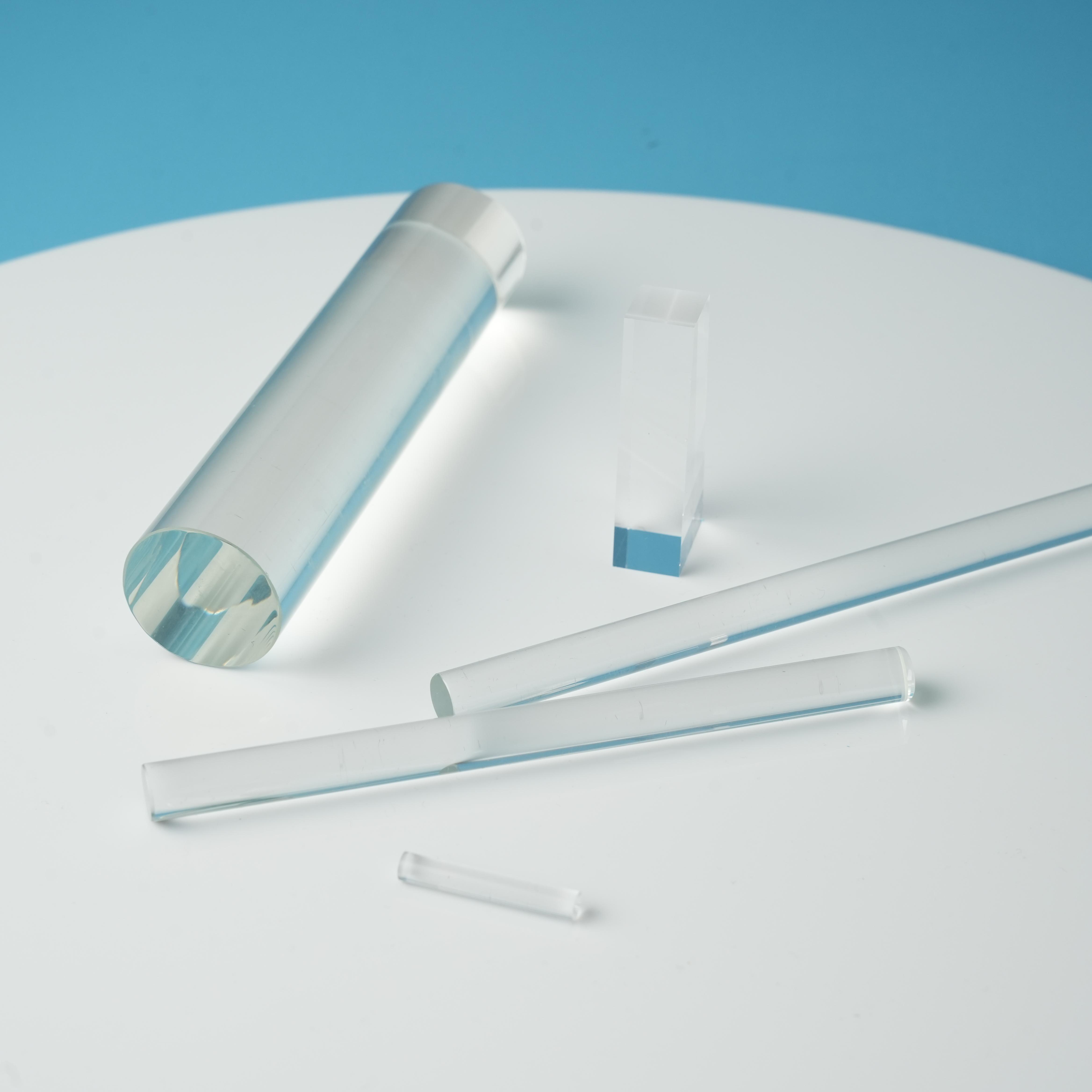
Factory Custom Shape Transparent High Borosilicate Temperature Resistant Optical Glass Light Guide Rod Rod Lens for Laboratory
A custom light guide rod and rod lens for laboratory, sensing, and light-transfer assemblies where temperature resistance and clarity matter.
View product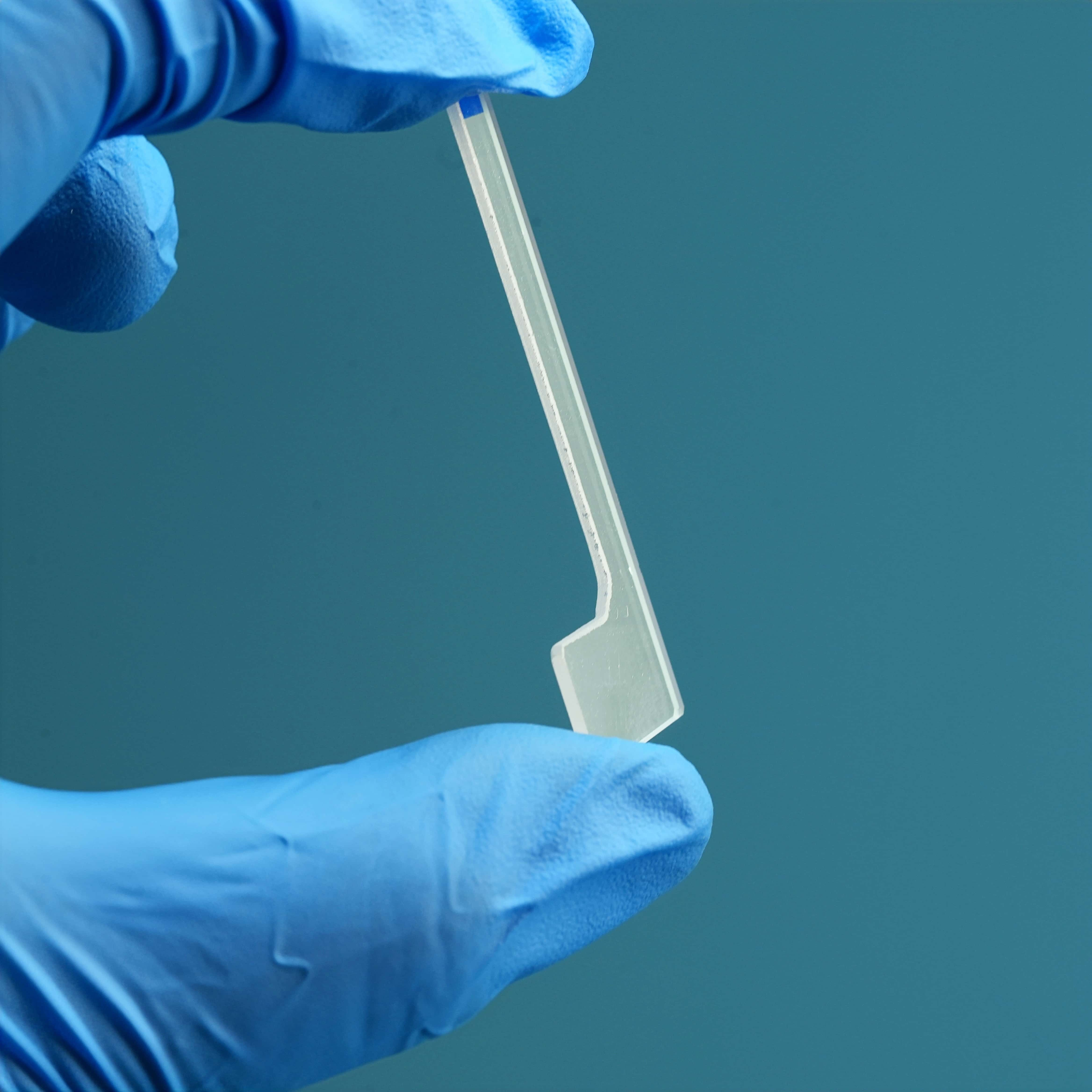
Anamorphic Prism Pair for Laser Beam Shaping Circularizing Elliptical Beams for Fiber Coupling Applications
An anamorphic prism pair for circularizing elliptical laser beams in fiber-coupling, metrology, and precision photonics applications.
View product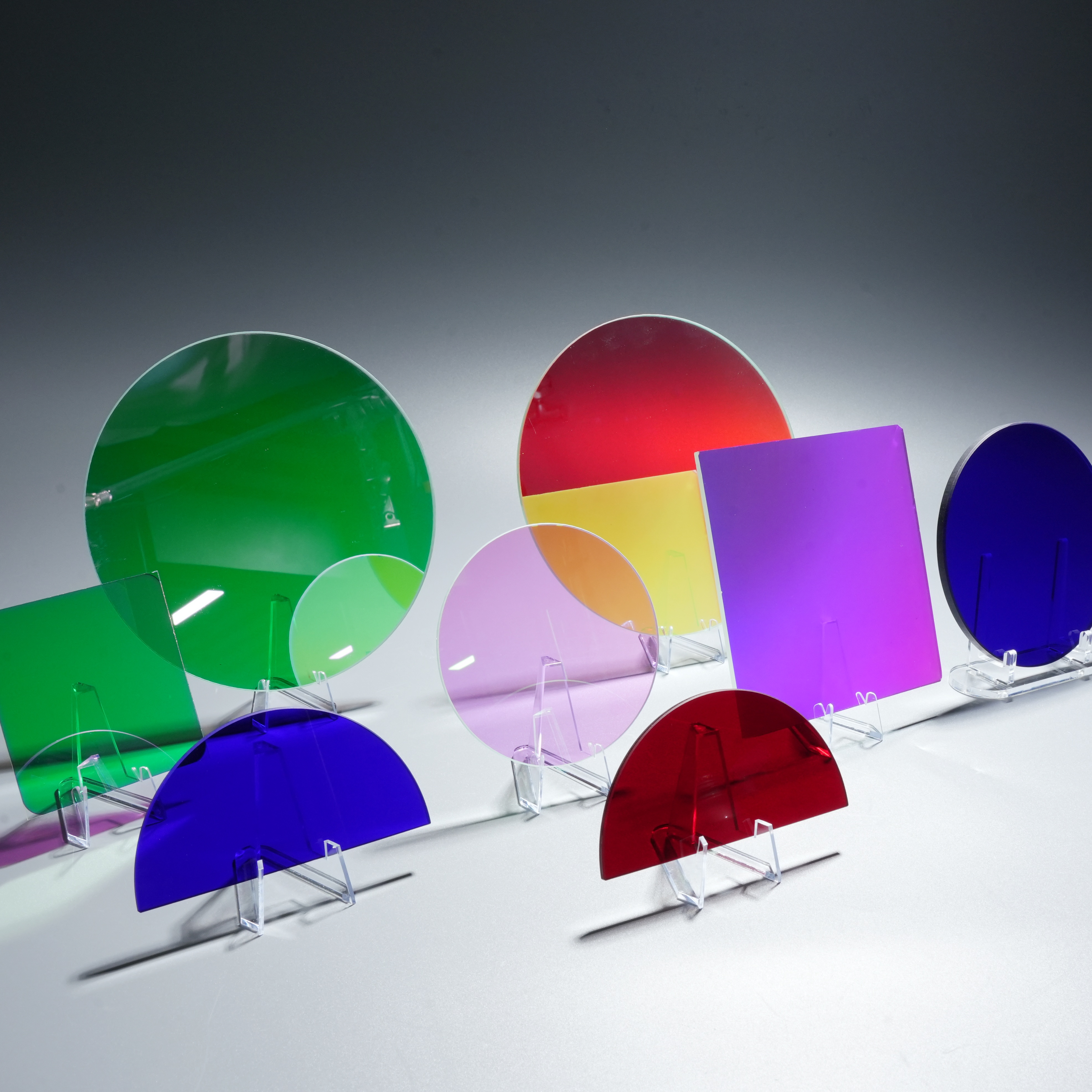
BO-GLASS BO-AH242 Manufacturer Customized High Precision 590Nm 49Mm Coated UV Borosilicate Bandpass Longpass Optical Filter
A 590 nm coated borosilicate bandpass and longpass filter for instrumentation, color sensing, and spectral control in compact optical systems.
View product
Manufacturer OEM Precision Grade BK7 K9 Optical Glass Aspherical Lens Anti-Reflective Coating Diameter 0.5-25mm MOQ 100 Pcs
Precision BK7/K9 aspherical lenses with anti-reflective coating for compact collimation, imaging, and OEM optical modules.
View product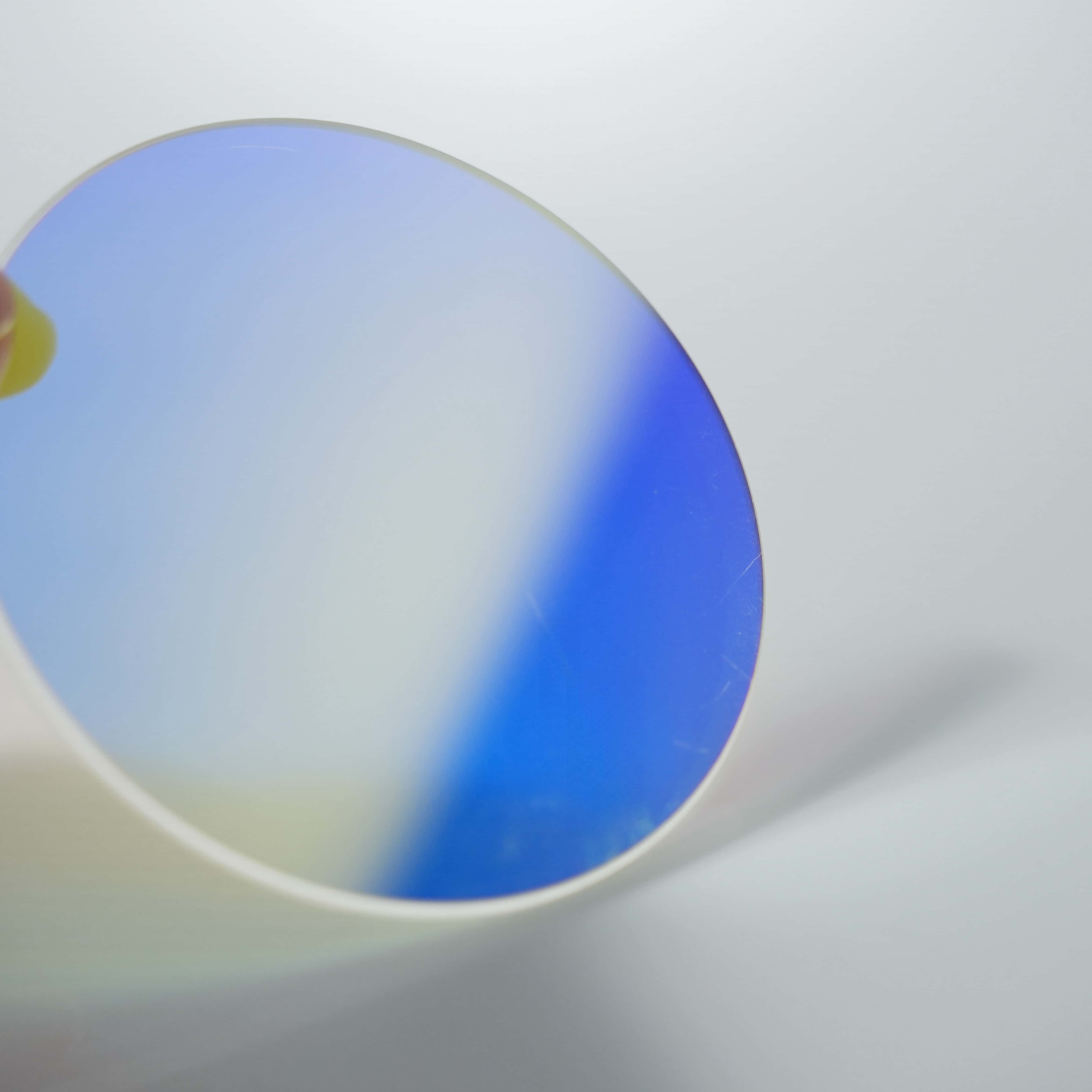
Optical Borosilicate Glass Longpass Shortpass Filter 500nm 600nm 700nm AR Coating Cut-Edge for Spectroscopy Industrial Sensor
Longpass and shortpass borosilicate filters with AR coating for spectroscopy, industrial sensors, and OEM optical systems.
View productWhy Collimating Lens Sourcing in Houston Demands More Than a Catalog
Houston combines petrochemical processing, marine logistics, aviation, medical research, space technology, and high-growth outdoor LED infrastructure in one regional market. That mix puts unusual stress on optical glass.
A collimating lens in Houston may sit behind a high-power LED in a refinery fixture, inside a marine signal light exposed to salt spray, or within a sensing instrument used near the Ship Channel. In each case, the lens must hold beam quality while surviving heat, humidity, vibration, and cleaning cycles. Catalog-only suppliers can quote a diameter and focal length, but a Houston buyer also needs drawing review, material traceability, coating control, and export packing that protects fragile glass.
That is why experienced procurement teams compare suppliers on engineering response, glass composition, annealing discipline, coating durability, and documentation—not on unit price alone. The best wholesale partner for Houston is the one that can move from a 2D drawing or physical sample to repeatable production without losing optical performance.
Where Houston Buyers Use Collimating Lenses and Optical Glass
A lens that works in a climate-controlled lab may fail in a Texas refinery or at the Port of Houston. These application scenarios show how material and finish decisions change by site.
Refinery and Petrochemical Lighting
Explosion-proof glass shades and heat-resistant borosilicate covers protect LED and emergency fixtures in chemical plants, tank farms, and processing units. Buyers should verify thermal-shock resistance, sealing-face tolerance, and replacement-part consistency.
Port of Houston and Marine Signal Lights
Salt fog, UV exposure, and vibration make marine signal glass a specialty item. Red tempered domes, clear covers, and UV-stable lenses should be checked for color consistency, transmission, and gasket compatibility before fleet replacement.
Energy Corridor Sensing and LiDAR
Houston's energy and robotics sectors use LiDAR, spectroscopy, and machine-vision modules in field conditions. AR-coated domes, aspherical lenses, prisms, and bandpass filters help maintain signal quality under heat and vibration.
Texas Medical Center and Scientific Instruments
Laboratories and instrument OEMs need repeatable optical surfaces, cleanable glass, and documented tolerances. BK7/K9 aspheres, light guide rods, and precision filters support low-volume prototypes as well as OEM production.
Aviation and Aerospace Platforms
Around George Bush Intercontinental, William P. Hobby, and the Johnson Space Center corridor, aviation and aerospace buyers require stable color, UV resistance, and dimensional control for obstruction, runway, and signal-light glass.
Outdoor LED, Roadway, and Horticulture
Heat buildup behind high-power LEDs can warp low-grade optics or accelerate coating failure. Borosilicate Fresnel lenses, asymmetric roadway lenses, and AR-coated convex lenses are better matched to Houston's long, hot operating cycles.
Procurement Trends Shaping Houston Optical Glass Supply
Houston buyers are not only comparing price per piece. They are building supply chains that can respond to heat, compliance audits, retrofit cycles, and port-based delivery schedules.
Hybrid Inventory and Port-Ready Logistics
Houston distributors increasingly keep buffer stock for fast-moving lens sizes while relying on overseas manufacturing for custom borosilicate and coated optics. Suppliers that understand export packing, port documentation, and mixed-SKU shipments reduce total lead time.
Higher LED Power Density and Thermal Control
Compact high-output luminaires concentrate heat near the lens. Buyers are moving toward borosilicate glass, controlled annealing, and tempered alternatives where impact strength matters. The goal is stable beam shape and fewer field failures.
Optical Sensing in Energy and Aerospace
LiDAR, spectroscopy, and inspection systems are becoming more common in Houston's energy, marine, and aerospace clusters. This raises demand for aspherical lenses, anamorphic prisms, AR coatings, domes, and tight batch-to-batch optical consistency.
Audit-Ready Documentation
Procurement teams now ask for supplier assessment, material certificates, inspection reports, packing photos, and change-control notes. For Houston buyers, documentation is part of risk management, especially where fixtures support safety or continuous operations.
Top 10 Collimating Lens Supplier Profiles for Houston Buyers
The ten profiles below are comparison archetypes, not paid placements. Use them to qualify suppliers by engineering depth, documentation, local response, and production scale. The best choice depends on whether you are sourcing a standard lens, a custom drawing-based part, or a complete fixture assembly.
Houston-Area Optical Distributor with Local Will-Call
Best for standard lenses, replacement optics, and urgent maintenance orders. Verify whether custom coatings, material certificates, and non-catalog sizes are supported or merely brokered.
Best for fast local availability and mixed small ordersDrawing-Based Borosilicate and Optical Glass Manufacturer — Tambi Glass
Shanghai Tambi Glass Industrial Co., Ltd. manufactures custom borosilicate covers, explosion-proof lampshades, signal-light domes, LED lenses, prisms, and optical filters. More than 10 years in lighting glass, drawing-based OEM/ODM support, AR coating capability, and an average response target within 6 hours make it a fit for Houston OEMs that need engineering review before tooling.
Best for custom glass engineering and OEM productionPrecision Optical Fabricator for BK7/K9 Aspheres and Prisms
Best for instruments, LiDAR, laser systems, and metrology modules that need tight surface quality and repeatable optical tolerances. Ask for interferometry data, coating curves, and measurement methods.
Best for high-precision small and mid-volume opticsLED Lens and Reflector Wholesaler
Useful for standard TIR, convex, and reflector-based designs with fast replenishment. Confirm thermal limits, UV stability, and whether the optic is rated for Houston's outdoor heat and humidity cycles.
Best for standard LED optics and distributor stockOptical Coating and Filter Specialist
Best for bandpass, longpass, shortpass, AR, and dichroic filters used in spectroscopy, sensing, and color measurement. Request transmission curves, angle-of-incidence data, and coating durability information.
Best for spectral control and coated opticsHazardous-Area Lighting Fixture OEM
Best for turnkey explosion-proof luminaires in refineries and chemical facilities. The key question is not only fixture certification, but also the availability of replacement glass, gaskets, and consistent optical performance.
Best for integrated hazardous-area lighting projectsMarine and Aviation Signal-Glass Specialist
Best for red/clear domes, obstruction lights, runway lenses, and port signal fixtures. Verify color consistency, UV exposure data, FAA or EN-aligned design support, and dimensional repeatability.
Best for signal, marine, and aviation glassScientific Instrument Supply House
Best for laboratories, medical devices, and research groups that need small quantities, clean packaging, and documentation. Confirm whether the supplier fabricates or resells, because technical support depth can differ.
Best for low-volume scientific and medical opticsImport/Export Optical Trading Wholesaler
Best for distributors that need consolidated shipments, mixed SKUs, and port-ready logistics through Houston. Require factory audit records, pre-shipment inspection, and clear responsibility for breakage claims.
Best for consolidated wholesale and port logisticsLocal Optics Integrator and Prototype Shop
Best for proof-of-concept builds, rapid iteration, and low-volume assembly. Before scaling, confirm the production path for molded glass, coating, annealing, and export-grade packaging.
Best for prototypes and systems integrationInside a Drawing-Based Supply Partner: Tambi Glass
Shanghai Tambi Glass Industrial Co., Ltd. is a manufacturer and trading company focused on custom lighting and optical glass. For Houston buyers, the value is not simply a product list—it is the ability to translate a fixture drawing into a manufacturable glass part with the right material, finish, and inspection plan.



The company works with borosilicate 3.3, tempered soda-lime glass, fused quartz, and optical BK7/K9, and supports pressed, blown, ground, and coated processes. Its engineers review wall thickness, draft, sealing faces, and optical path alignment before tooling starts. That front-end review helps reduce cracked covers, coating failures, and fit issues after mass production begins.
For procurement teams, the practical advantage is a single supply path for glass covers, lenses, domes, prisms, and filters—combined with export packing, sample validation, and documentation support. The company is presented as an onsite-verified supplier and maintains supplier assessment, credit index, trade capacity, trade history, and buyer review pages for pre-qualification.
Drawing-Based OEM/ODM
2D/3D drawings or physical samples are reviewed for manufacturability, mold strategy, and sample approval before mass production.
Material Breadth
Borosilicate, tempered glass, quartz, and BK7/K9 options allow the material to follow the application rather than a catalog default.
AR and Optical Coatings
Anti-reflective and optical filter coatings support LED collimation, sensing, spectroscopy, and color-control projects.
Verification and Transparency
Supplier assessment, trade capacity, trade history, and buyer feedback records help Houston procurement teams pre-qualify the supplier.
Export Packing Discipline
Foam or pulp dividers, reinforced export cartons, and palletization protect fragile optical parts during sea or air freight.
Fast Technical Response
A response target within 6 hours helps Houston buyers keep retrofit schedules, sample approvals, and supplier comparisons moving.
How to Choose Glass for Houston Heat, Humidity, and Impact
Material selection is the first decision that affects lens life. The comparison below reflects the practical criteria optical and lighting engineers use when reviewing a new fixture or replacement part.
| Material | Thermal Expansion | Typical Max Working Temp. | Key Strength | Best Houston Use |
|---|---|---|---|---|
| Borosilicate 3.3 | ≈ 3.3 × 10⁻⁶/K | ≈ 450 °C | Excellent thermal-shock resistance | Explosion-proof shades, high-power LED covers, Fresnel lenses |
| Tempered soda-lime | ≈ 9.0 × 10⁻⁶/K | ≈ 250 °C | High impact strength and lower cost | Outdoor covers, floodlight glass, vandal-resistant lenses |
| Fused quartz | ≈ 0.55 × 10⁻⁶/K | ≈ 1000 °C+ | UV transmission and extreme heat tolerance | UV optics, high-temperature windows, specialty instrument glass |
| Optical BK7 / H-K9L | ≈ 7.1 × 10⁻⁶/K | ≈ 300 °C | Homogeneous optical properties, nd ≈ 1.517 | Precision lenses, prisms, filters, compact imaging modules |
Values are typical references. Final specification should be confirmed against your drawing, lamp surface temperature, impact rating, coating requirement, and the standard or internal specification your fixture must meet.
A Controlled Process for Wholesale and OEM Orders
For fragile optical glass, process control matters as much as the final drawing. A clear step sequence reduces surprises between sample approval and repeat orders.
Drawing and DFM Review
Thickness, draft, tolerance, sealing face, optical path, and coating area are reviewed before tooling begins.
Mold and Tooling Strategy
Press, blow, grind, or existing mold options are compared against volume, geometry, and target cost.
Sample Validation
Samples are measured and shipped for fit, light, thermal, or assembly testing before mass production.
Forming and Annealing
Controlled annealing or tempering relieves internal stress and improves resistance to thermal shock.
Coating and QC
AR, filter, or color coating is followed by dimensional, visual, and optical inspection steps.
Export Packing
Divider-packed cartons and palletized packing protect glass parts during sea or air freight to Texas.
Common Procurement Questions from Houston Buyers
These are the practical questions distributors, OEMs, maintenance teams, and engineering firms ask before they place a custom optical glass order.
How fast can a Houston buyer receive a quote and sample plan?
Send a drawing, target quantity, material preference, operating temperature, and coating requirement. A technical review can usually identify manufacturability questions quickly, and the average response target is within 6 hours. Sample timing depends on whether an existing mold can be used or new tooling is required.
What MOQ should a Houston distributor or OEM expect?
Typical minimums range from about 50 pieces for some optical lenses to 100–500 pieces for pressed or blown lighting covers. The final MOQ depends on size, glass type, coating, and whether tooling already exists. Low-volume sample quantities are usually available for evaluation.
Which lens material handles Houston heat, humidity, and salt air best?
Borosilicate 3.3 is often preferred where high lamp temperatures and thermal shock are present. Tempered soda-lime glass can be cost-effective where impact strength matters more than extreme temperature. For salt-air marine environments, the gasket, housing, and coating system matter as much as the glass itself, so specify the full assembly environment.
Can you provide documentation for procurement and quality teams?
Yes. Material certificates, dimensional inspection records, packing photos, and coating or transmission data can be discussed according to the project requirements. Buyers should state documentation needs at the quotation stage so inspection and reporting steps are included in the production plan.
Can you support FAA L-810 or EN 50293 lighting fixture projects?
Glass lenses and domes can be produced for fixture makers whose obstruction and signal lights are designed around FAA L-810 or EN 50293 requirements. Fixture certification is generally held by the luminaire manufacturer. The glass supplier should match color, transmission, and dimensional specifications and provide material or inspection reports when requested.
How are collimating lenses and fragile glass parts packed for export to Texas?
Parts are separated with foam or pulp dividers, packed in reinforced export cartons, and palletized for sea or air freight. For high-value optics, buyers can request custom tray layouts, clean packaging, barcode labels, and distributor-ready cartons. Packing photos before shipment help reduce breakage disputes.
Do you offer Port of Houston delivery support or local warehousing?
Supply can be arranged for export to Texas and consolidated with freight forwarders according to the buyer's shipping terms. Local warehousing is not assumed; confirm Incoterms, port of discharge, and whether mixed-SKU consolidation is needed before placing the order.
What drawing details are needed for a precise quote?
Provide a 2D or 3D drawing with dimensions and tolerances, glass material, surface finish, coating requirement, edge condition, operating temperature, annual volume, and any sealing or gasket interface. A physical sample is helpful for replacement parts. Clear input reduces back-and-forth and shortens sample approval.
Have a Houston Project Drawing? Start With an Engineering Review.
Share your dimensions, glass material, operating temperature, coating requirement, and annual volume. The review can help you compare borosilicate, tempered glass, quartz, or BK7/K9 before you commit to tooling and wholesale production.
Contact Us