8 products that fit Yokohama lighting, marine and sensing projects
These are the buyer-ready glass components most often specified when a Japanese OEM, distributor or project contractor needs clear glass shades, protective domes, lenses or prisms with drawing-based customization.
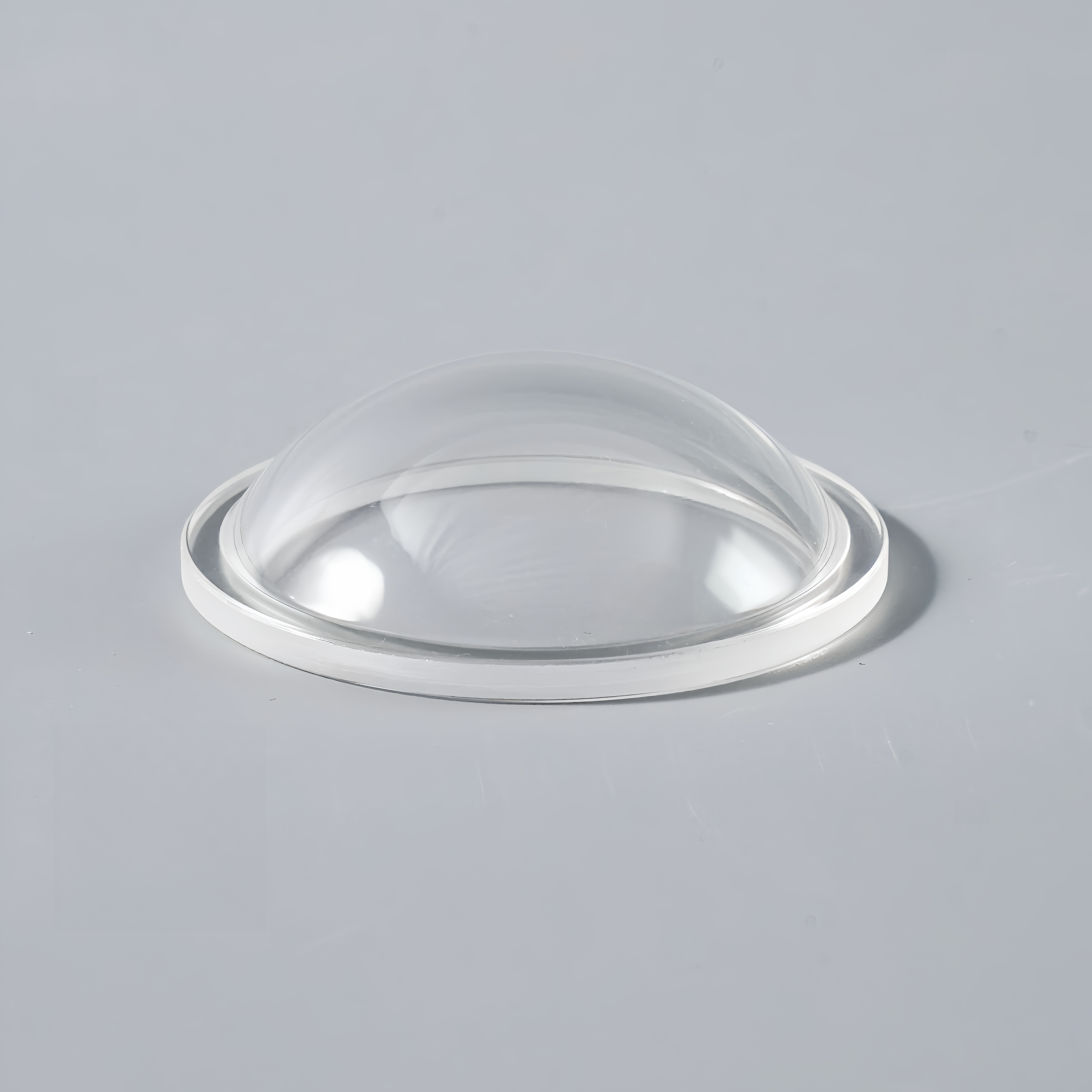
High-Light Transmission Clear Borosilicate Glass Dome Lens LED Outdoor Lighting Fixtures Impact Resistant Anti-Scratch OEM
Clear borosilicate dome for outdoor LED fixtures where transmission, impact resistance and surface durability matter. A strong fit for coastal luminaires in Yokohama and Kanagawa.
View product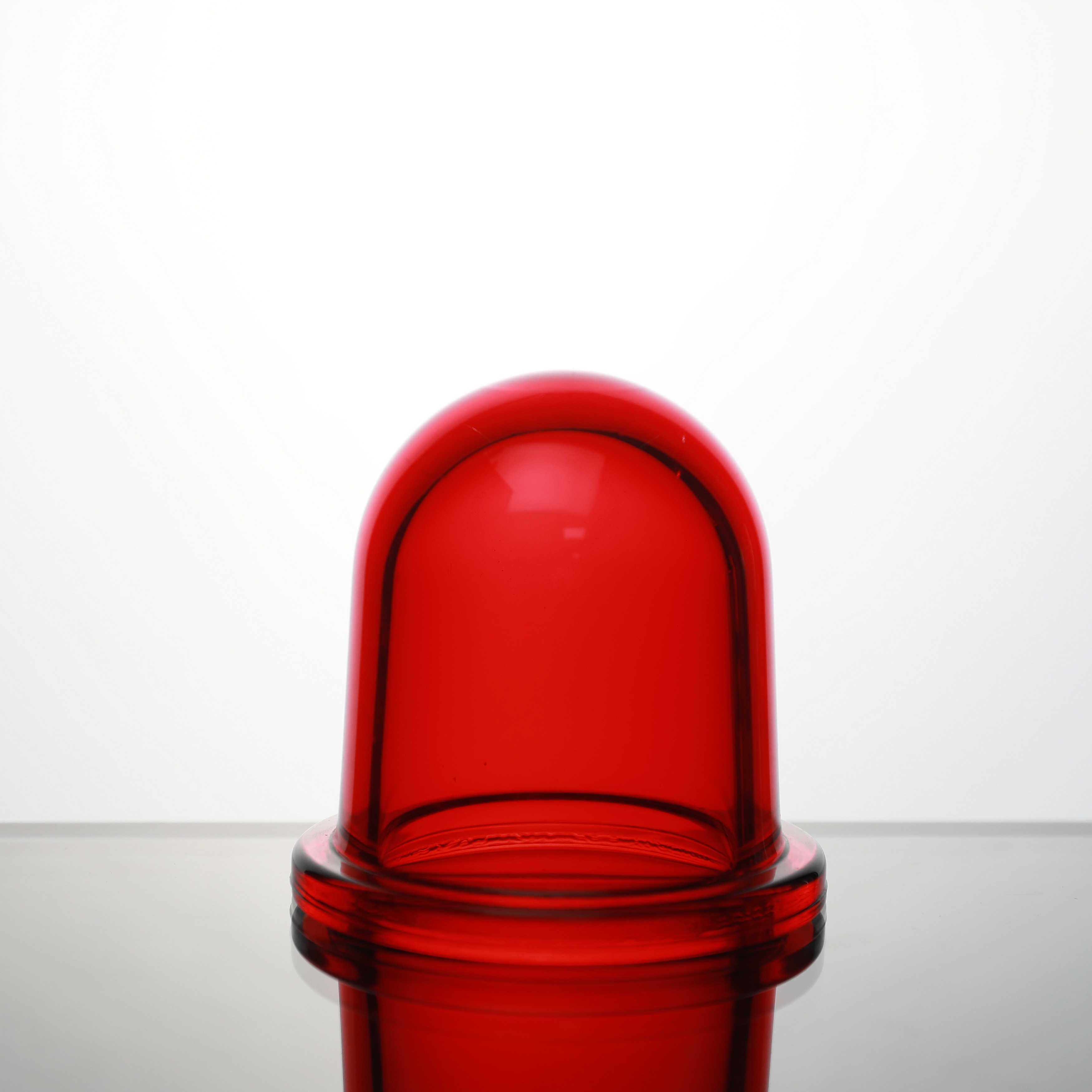
Custom Size Clear Borosilicate Explosion-Proof Antique Glass Light Covers Modern 2-Year Warranty Airport Outdoor Industrial
Thick-wall borosilicate glass cover for industrial, airport and outdoor fixtures that face heat cycles, impact and weather. Suitable for Keihin industrial and port-area lighting upgrades.
View product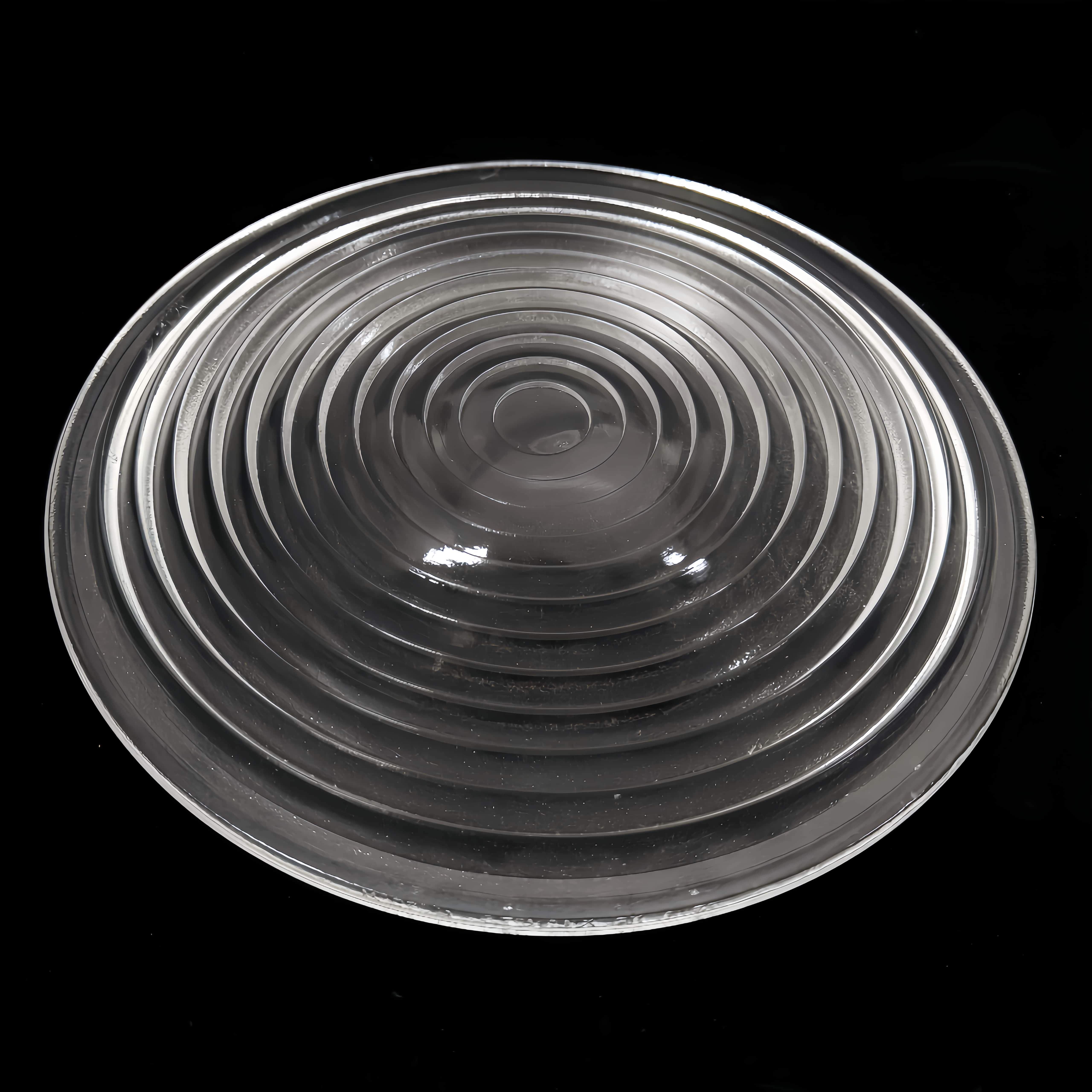
Precision Molded Borosilicate Glass Fresnel Lens Stage Lighting Anti-Reflective Coating FAA/ICAO Standards 175mm BO GLASS OEM
Molded Fresnel lens with AR coating for stage, studio and high-power lighting where beam control and heat tolerance cannot be compromised.
View product
Factory Custom BO-GLASS Quartz BK7 K9 Arcoated Fused Silica High Precision Right Angle Prism 90Degree Clear ODM/OEM 3-Year
High-precision right-angle prism for sensing, instrumentation and optical assemblies. Available in BK7, quartz and fused silica with coating options.
View product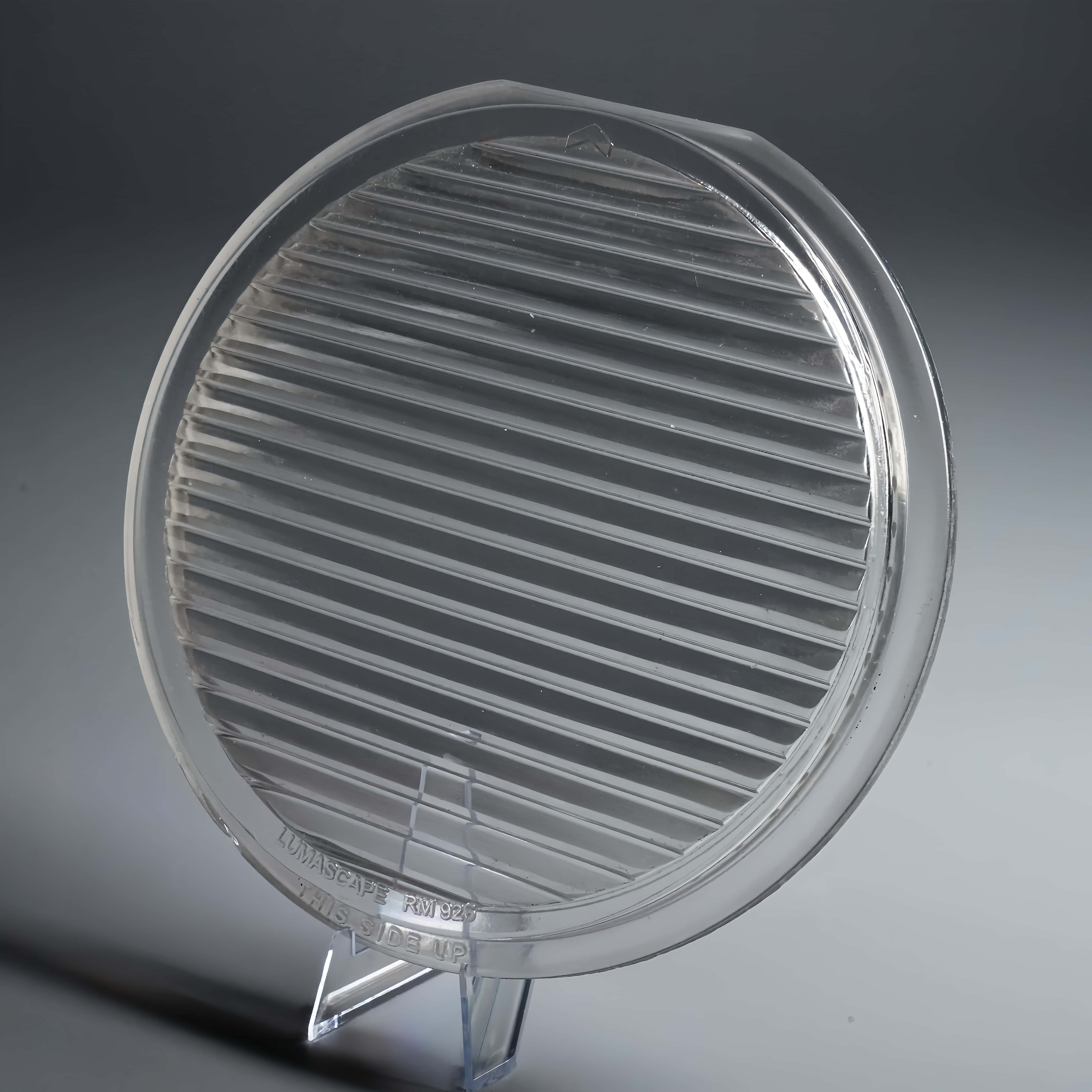
Supplier Custom Size Shape Pressed Mold Heat Resistant High Borosilicate Headlight Glass Lens Cover Headlight Glass Cover
Pressed borosilicate headlight glass cover for high-temperature LED and projection modules. Custom shape, thickness and edge finish can be reviewed from your drawing.
View product
Factory Price Custom Precision Optical 1-200mm Clear BK7 Spherical Quartz Glass Half Ball Concave/Biconvex Lens Anti-Reflective
Custom BK7 and quartz lenses from 1 mm to 200 mm, including spherical, half-ball, biconvex and concave formats with anti-reflective coating.
View product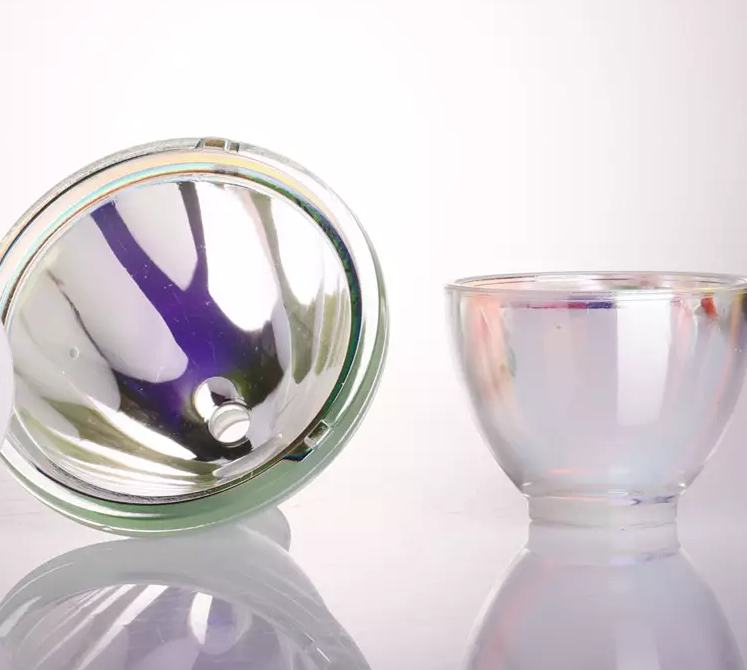
COB Glass LED Reflector Bowl Manufacturer Deep Design Perfect Beam Spotlights Projector Lights 20 60 90 Beam Angle
Deep glass reflector bowl for COB spotlights and projectors. Available in 20°, 60° and 90° beam angles to match fixture housing and lighting distribution.
View product
Wholesale OEM Shape Size Borosilicate Glass 175mm Diameter AR Coating Double Plano Convex Achromatic Fresnel Lens BO GLASS Stage
175 mm borosilicate Fresnel lens with AR coating for stage and high-power LED systems. Size, coating and edge treatment can be customized.
View productWhy Yokohama procurement teams evaluate clear glass shades as engineered components
Yokohama is not a generic export destination. It combines a major international port, the dense industrial corridor of Keihin, a design-sensitive urban core around Minato Mirai 21, and a procurement culture that expects drawings to be followed precisely. For a lighting OEM, a clear glass shade is not a decorative accessory. It is the optical window, the thermal barrier, the impact surface and often the visible signature of the fixture. The strongest supplier is therefore not simply the one quoting the lowest unit price, but the one that can translate a Japanese drawing into a stable glass specification with repeatable transmission, dimensional control and export packing.
This guide uses the title Top 10 Clear Glass Shade Manufacturer & Exporter serving the Yokohama market as a due-diligence model, not as an unverifiable popularity ranking. Buyers should score suppliers against the ten capabilities below and validate every claim with drawings, samples, material reports and inspection records. That approach reflects the information gain serious procurement teams need: how glass behaves under Yokohama’s salt-laden air, wind-driven rain, high humidity, seismic movement, maintenance cleaning and long LED operating hours.
Where clear glass shades and optical glass components perform in Yokohama
Yokohama’s mix of port infrastructure, coastal weather, industrial plants, public architecture and advanced manufacturing creates specific glass requirements that differ from inland cities.
Port and marine signal lighting
Clear and colored glass domes for navigation, warning and dock lighting exposed to salt spray, wind-driven rain and continuous UV. Stable transmission and gasket compatibility are more important than decorative appearance.
Aviation and obstruction lighting
Glass lenses and domes for fixtures designed around FAA L-810 or EN 50293 requirements. The luminaire maker holds fixture certification; the glass supplier must match color, transmission, dimensions and inspection records.
Keihin industrial and hazardous areas
Explosion-proof borosilicate glass covers for chemical, energy, workshop and emergency lighting. Thermal-shock resistance, wall thickness and sealing-face quality are critical in dusty or corrosive zones.
Minato Mirai architectural lighting
Clear glass shades for façade, landscape and public-realm fixtures where color neutrality, low glare and visual consistency support premium urban design. Custom edge finishing and coating help match fixture aesthetics.
Stage, studio and entertainment lighting
Fresnel lenses, reflector bowls and heat-resistant glass for high-power LED and projector fixtures. AR coating and precise molding improve beam control while reducing thermal stress.
LiDAR, sensing and optical instruments
AR-coated domes, prisms, lenses and bandpass filters for mobility, robotics and scientific instruments. Kanto-based R&D teams often need prototype quantities before production tooling is committed.
Local trends shaping clear glass shade demand in Yokohama
The Yokohama market rewards suppliers who can connect material choice, optical performance and documentation to real operating conditions.
LED retrofit and lower maintenance
Port, municipal and industrial lighting upgrades continue to favor long-life LED modules. Clear glass shades must manage higher localized heat and reduce cleaning frequency without losing transmission.
Salt-air durability in coastal projects
Yokohama’s waterfront environment puts gaskets, hardware and glass surfaces under salt-air stress. Borosilicate and tempered glass selection must be paired with correct sealing design and installation guidance.
Higher color quality and glare control
Architectural and public lighting buyers pay more attention to color neutrality, glare and visual comfort. Clear glass with controlled iron content and optional AR coating helps protect the intended light quality.
Small-lot customization and faster sampling
Japanese OEMs and distributors often need prototype quantities, custom dimensions and quick sample approval before mass production. A responsive exporter must support drawing review and sample evaluation efficiently.
Documentation for procurement and QA
Supplier qualification increasingly requires material information, dimensional inspection records, packing confirmation and clear change-control communication. Claims without records slow down approval.
Optical sensing integration
Autonomous mobility, robotics and industrial sensing in the Kanto region increase demand for AR-coated domes, prisms and filters that combine optical precision with durable mechanical design.
How to judge a clear glass shade manufacturer and exporter for Yokohama
Use these ten criteria to compare suppliers on engineering depth, local application fit and export reliability rather than catalog size alone.
Drawing-based DFM review
The supplier should review thickness, draft, tolerance, sealing faces and optical path before quoting tooling.
Material science fluency
Borosilicate 3.3, tempered soda-lime, quartz and BK7 solve different problems. Recommendations must follow operating conditions.
Tooling and sample control
New or existing molds, sample measurement and fit checks should be documented before mass production begins.
Thermal shock and impact validation
Glass covers near high-power LEDs or outdoor fixtures need suitable annealing, tempering and wall-thickness control.
Optical transmission and color consistency
Clear glass should not shift the fixture’s intended color. Red, green and amber signal glasses require batch consistency.
Coating capability
AR coating, bandpass filters and dichroic layers add value only when coating durability and optical targets are controlled.
Hazardous-area and marine experience
Explosion-proof, dustproof and marine signal applications demand more conservative design than ordinary outdoor lighting.
Export packing for fragile glass
Foam or pulp dividers, reinforced cartons and palletization protect glass parts during sea or air freight to Japan.
Inspection records and traceability
Dimensional and visual inspection reports, material declarations and change notices help procurement teams qualify suppliers faster.
Responsiveness to Japanese buyers
Fast technical replies, clear English communication and willingness to support video audits or third-party inspection matter.
Clear glass shade material selection matrix
Material choice should be confirmed against your drawing, lamp surface temperature, impact rating and fixture certification requirements.
| Material | Thermal expansion | Typical working temperature | Key strength | Best fit for Yokohama projects |
|---|---|---|---|---|
| Borosilicate 3.3 | ≈3.3 × 10⁻⁶/K | ≈450 °C | Excellent thermal-shock resistance | Explosion-proof shades, high-power LED covers, Fresnel lenses near heat sources |
| Tempered soda-lime | ≈9.0 × 10⁻⁶/K | ≈250 °C | High impact strength at lower cost | Outdoor covers, floodlight glass, vandal-resistant lenses, port-area fixtures |
| Fused quartz | ≈0.55 × 10⁻⁶/K | ≈1000 °C+ | UV transmission and extreme heat resistance | UV optics, high-temperature windows, scientific instruments |
| Optical BK7 / H-K9L | ≈7.1 × 10⁻⁶/K | ≈300 °C | Homogeneous optical properties, nd ≈1.517 | Precision lenses, prisms, mirrors and filters for sensing and instrumentation |
Values are typical references only. Final specification must be confirmed against the drawing, gasket design, impact exposure, cleaning method and the standard your luminaire must meet.



Shanghai Tambi Glass: a manufacturer and exporter built around drawing-based glass production
Shanghai Tambi Glass Industrial Co., Ltd. supplies custom borosilicate glass covers, explosion-proof lampshades, signal light domes, LED lenses, prisms and optical filters to lighting and optical OEMs worldwide. The company operates as a manufacturer and trading company, combining pressed, blown, ground and coated processes under one supply chain.
For Yokohama buyers, the practical advantage is engineering access: a design team of senior lighting and molding engineers reviews drawings for wall thickness, draft, sealing faces and optical path alignment before tooling begins. The business has more than a decade of lighting glass experience, an 11–50 person team, and an average technical response time within six hours.
Tambi Glass is also positioned as an onsite-verified supplier. Factory video review, video calls and third-party audits are welcome, which helps procurement teams build a qualification file before placing a production order.
Inquire NowDrawing-based OEM / ODM
Send a 2D or 3D drawing, physical sample, dimensions, tolerance, material, color and coating requirement. Engineers review manufacturability before quotation.
Multiple glass families
Borosilicate, tempered soda-lime, quartz and BK7 are specified according to thermal load, optical target, impact exposure and cost.
AR and optical coatings
Anti-reflective coating, bandpass filters and related optical finishes support LED, stage, LiDAR and instrument applications.
Hazardous-area experience
Thick-wall borosilicate and tempered shades for oil, gas, chemical, mining, dustproof and emergency lighting fixtures.
Inspection and packing control
Parts are separated with foam or pulp dividers, packed in reinforced export cartons and palletized for sea or air freight.
Fast technical communication
Average response within six hours helps Japanese buyers keep sample approval and supplier qualification moving.
From drawing to export: a six-step OEM glass process
Clear checkpoints reduce surprises between sample approval and mass production, especially for fragile glass parts shipped to Yokohama.
Drawing review
DFM check of thickness, draft, tolerance, sealing face and optical path.
Mold and tooling
New or existing molds selected for pressing, blowing or grinding.
Sampling
Samples measured and sent for fit, light and thermal evaluation.
Forming and annealing
Controlled annealing or tempering to relieve internal stress.
Coating and QC
AR or color coating, dimensional inspection and visual checking.
Export packing
Divider-packed cartons, palletization and shipping document support.
Export packing and delivery considerations for fragile glass shades
Yokohama Port is a major international gateway, but glass parts still require dedicated packing and clear shipping coordination.
Sea freight via Yokohama Port
Palletized export cartons are suitable for sea freight. Shipping schedules and Incoterms should be confirmed per order.
Air freight for samples
Prototype and sample quantities can move by air when timing matters. Individual glass parts are separated by dividers.
Commercial documents
Invoice, packing list and shipping marks can be prepared for standard export procedures. Destination requirements should be shared early.
Inspection before shipment
Visual and dimensional checks can be documented. Third-party inspection or buyer video review can be arranged on request.
Common procurement questions from Yokohama lighting and optical buyers
Practical answers for OEMs, distributors, contractors and R&D teams evaluating a clear glass shade manufacturer and exporter.
Can you manufacture clear glass shades to my Japanese drawing?
Yes. Most projects are drawing-based. Send a 2D or 3D drawing or a physical sample with dimensions, tolerance, material, color and coating requirements. Engineers review manufacturability, propose mold options and confirm samples before mass production.
What is the typical MOQ for clear glass shades and optical lenses?
Typical MOQs range from 50 pieces for optical lenses to 100–500 pieces for pressed or blown lighting covers, depending on whether an existing mold can be used. Sample quantities are available for evaluation.
Which glass should we choose for Yokohama’s coastal climate?
Borosilicate 3.3 is preferred where high lamp temperature and thermal shock are significant. Tempered soda-lime offers high impact strength at lower cost for moderate temperatures. The right choice depends on fixture design, surface temperature, impact rating and gasket sealing. Salt-air protection also relies on hardware and sealing design.
Can you support fixtures designed for FAA L-810 or EN 50293 requirements?
Yes. Tambi Glass produces glass lenses and domes for fixture makers whose obstruction and signal lights are designed around FAA L-810 or EN 50293 requirements. Fixture certification is held by the luminaire manufacturer; the glass supplier matches color, transmission and dimensional specifications and can provide material and inspection reports on request.
How fast do you reply to technical inquiries?
The average response time is within six hours. For faster review, include your drawing, target annual volume, operating temperature, installation environment and required coating or color specification.
How are fragile glass parts packed for export to Yokohama?
Parts are separated by foam or pulp dividers, packed in reinforced export cartons and palletized for sea or air freight. Custom packaging and labeling for distributors can be arranged.
Can you provide samples before we commit to production tooling?
Yes. Sampling is a defined step in the OEM process. Samples are measured and sent for fit, light and thermal evaluation. Once the sample is approved, production parameters and inspection criteria are aligned.
What information should be included in the first inquiry?
Send the drawing or sample photo, dimensions and tolerances, glass type preference, surface finish, coating requirement, annual volume, target delivery port and any certification or inspection documents required by your customer.
Have a clear glass shade drawing? Get an engineering review within 6 hours.
Share your dimensions, material, operating temperature, coating requirement and annual volume. Tambi Glass will review the drawing, recommend a practical glass specification and help you move from sample approval to stable export production for the Yokohama market.