Eight camera lens glass and optical component families for Palembang buyers
The Palembang market does not need a generic glass catalog. It needs parts that can survive tropical humidity, high lamp temperatures, outdoor washdown, riverfront corrosion exposure and the tolerance stack-up of real camera, lighting and inspection housings. The product families below are the practical starting points most OEM and distributor buyers ask us to quote.
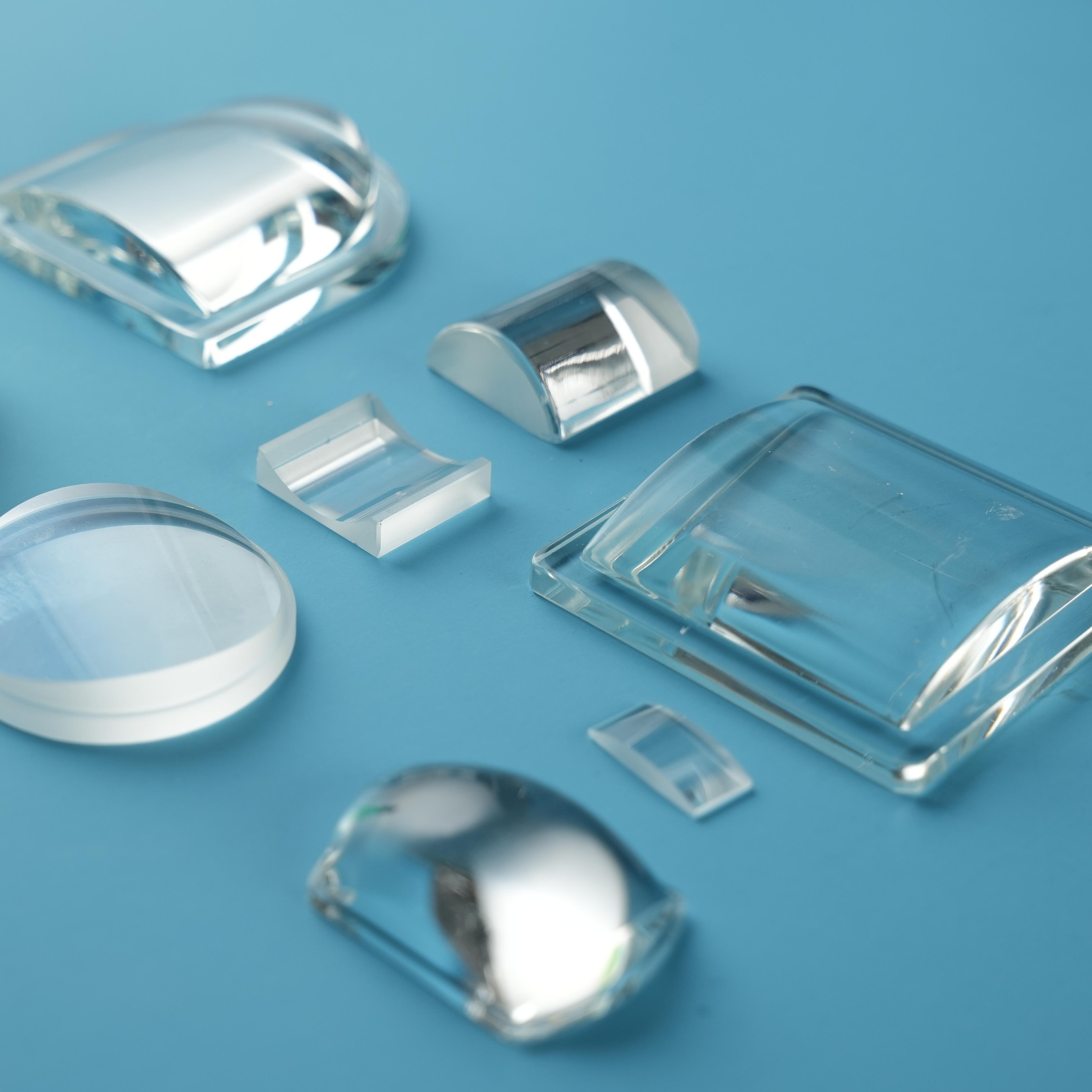
Anti-Reflective Laser Borosilicate Optical Lens
A drawing-based plano-convex, cylindrical or biconvex lens for laser modules, camera fixtures, sensors and inspection systems. AR coating helps reduce flare and improve transmission in machine-vision setups.
- UVC, visible and custom wavelength options
- AR coating and edge finishing
- OEM shape, diameter and tolerance

Heat-Resistant Explosion-Proof Borosilicate Shade
A transparent protective cover for hazardous-area luminaires, industrial cameras and inspection ports. Borosilicate construction supports thermal-shock resistance where hot glass may meet rain or washdown.
- Heat-resistant and crack-resistant
- High light transmission
- Custom profile and wall thickness
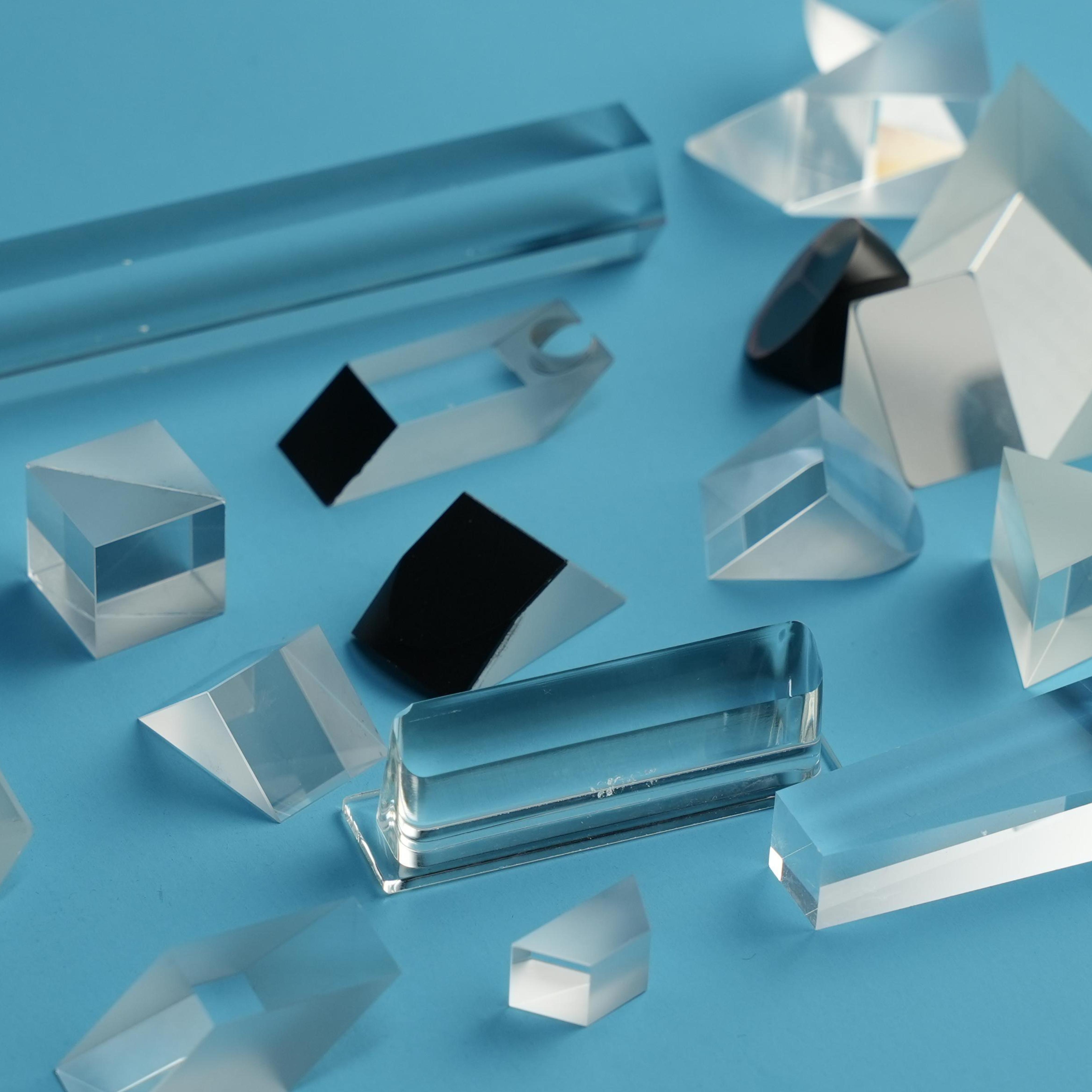
BO-GLASS Quartz BK7 K9 Right-Angle Prism
A 90-degree prism for camera modules, optical benches, laser alignment and laboratory instruments. Fused silica, quartz and BK7/K9 options help match refractive index, wavelength and tolerance requirements.
- AR-coated optical surfaces
- 90-degree clear aperture
- ODM/OEM drawing production
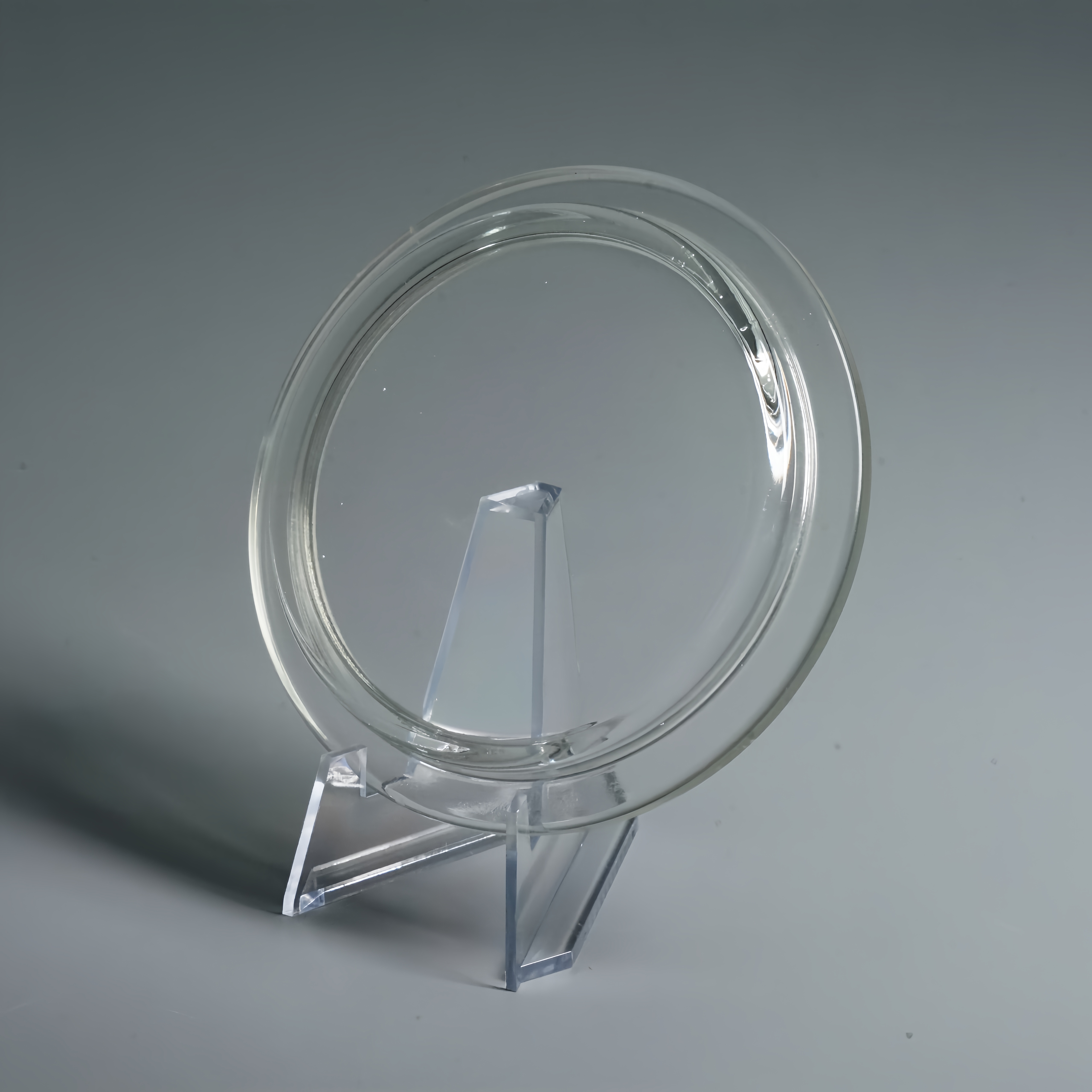
Waterproof Outdoor Stage & Coastal Lampshade Glass
A custom outdoor glass lampshade for stage, architectural and coastal fixtures. Impact-resistant, heat-resistant and silk-printable formats are relevant to Palembang event venues, riverfront projects and hospitality lighting.
- Waterproof fixture integration
- High-temperature and impact resistance
- Silk printing and custom size
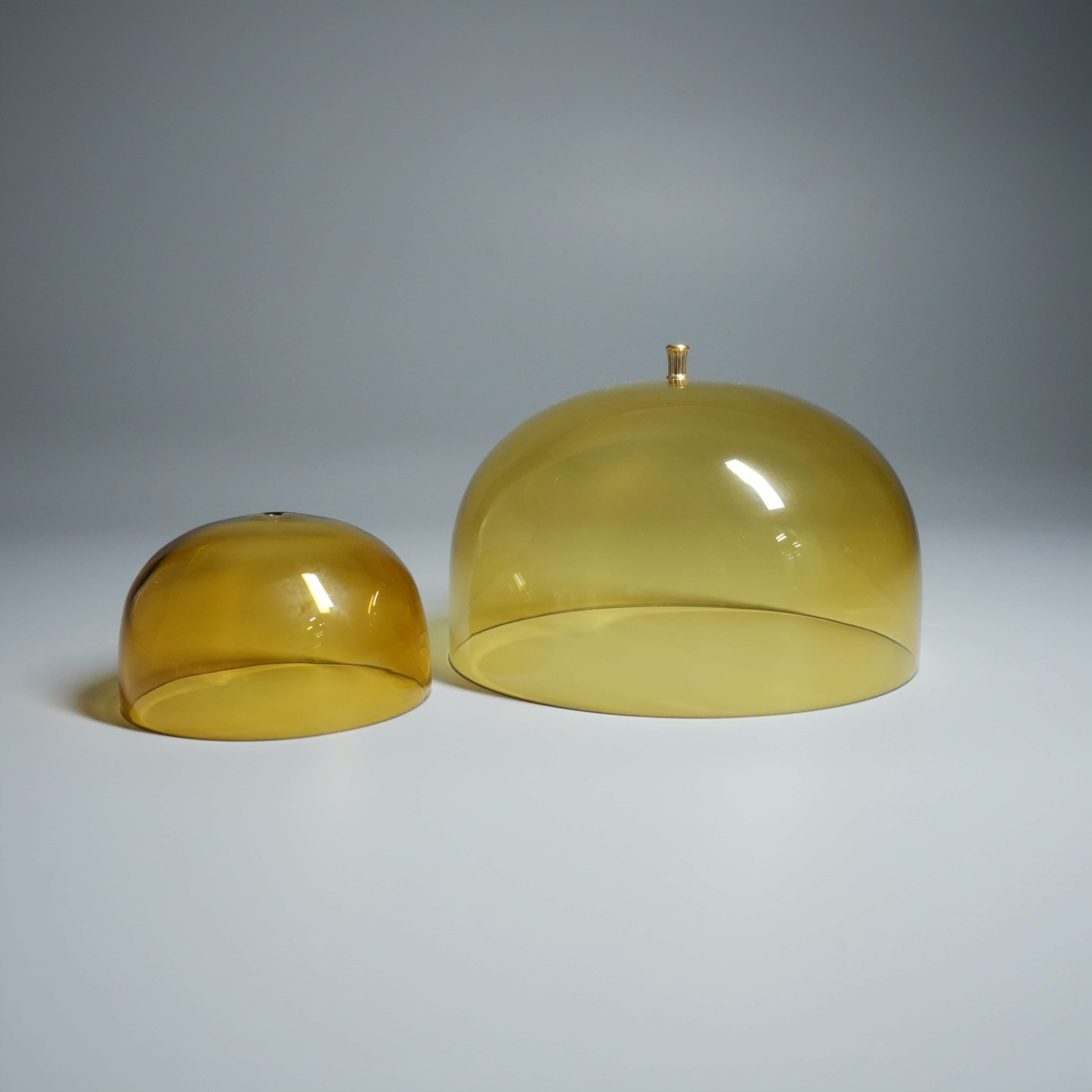
Chemical-Resistant Food & Medical Glass Cover
A chemically resistant glass cover for food machinery, medical equipment, inspection windows and emergency light enclosures. Smooth surfaces and repeatable cleaning support hygiene-critical operations.
- Chemical-resistant glass
- Food machinery and medical use
- Custom size and finish

High-Borosilicate Optical Light Guide Rod
A transparent light guide rod for laboratory instruments, sensor illumination and compact optical assemblies. Custom shapes and end finishes help distribute light where service access is limited.
- High borosilicate glass
- Temperature-resistant rod lens
- Custom geometry and length
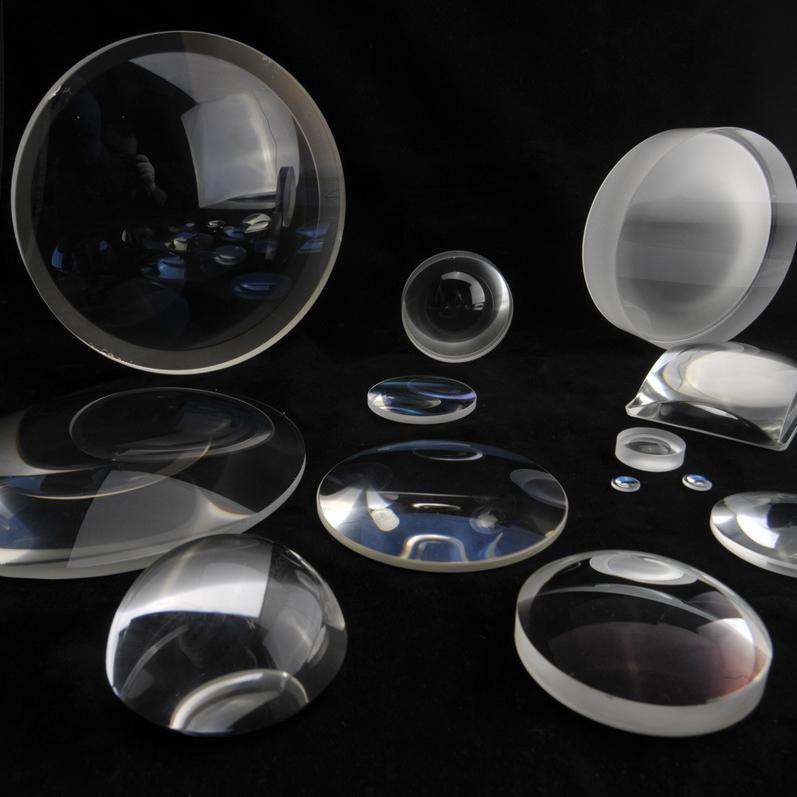
K9 Coated Plano-Convex Lens for Large Magnifiers
Spherical K9 plano-convex lenses in 80 mm, 127 mm and 250 mm diameters for magnifiers, camera fixtures, inspection viewers and optical instruments. Coating choices can be aligned to the required wavelength.
- K9 optical glass
- 80 mm to 250 mm diameter options
- Optical coating and OEM size

175 mm AR-Coated Borosilicate Fresnel Lens
A double plano-convex and Fresnel lens format for stage lighting, collimation and large-aperture optical assemblies. AR coating and custom shape or size support efficient light control in demanding fixtures.
- 175 mm diameter format
- AR coating for transmission
- BO GLASS stage lighting use
Need a lens, prism, dome, cover or light guide that is not listed? Send a 2D or 3D drawing with dimensions, tolerance, glass type, coating, color and annual demand. Our engineers will review manufacturability before tooling.



Why Tambi Glass is a practical manufacturing partner for Palembang optical buyers
Shanghai Tambi Glass Industrial Co., Ltd. is a manufacturer and trading company with more than a decade of experience in custom borosilicate glass, explosion-proof lampshades, signal light glass, LED lenses, prisms and optical filters. For Palembang buyers, the value is not simply a lower unit price. It is the ability to turn a drawing into a manufacturable, inspectable and export-packed glass component that behaves correctly inside a camera, sensor, luminaire or inspection window.
Our engineering review looks at wall thickness, draft angles, sealing faces, edge finish and optical path alignment before tooling begins. Production combines pressed, blown, ground, polished and coated processes under one supply chain, which helps distributors and OEMs reduce coordination risk when a project needs several glass parts from one technical source.
- Drawing-based OEM / ODM production
- Borosilicate, tempered, quartz and BK7/K9 glass
- AR coating, color and optical finishing
- Onsite-verified supplier with export experience
- MOQ from 50 pcs for optical lenses
- Fragile-glass export packaging
Top 10 sourcing criteria for camera lens glass in Palembang
Rather than publishing an unverifiable list of ten suppliers, this buyer guide uses the ten criteria that Palembang procurement teams should actually apply when comparing a camera lens glass manufacturer and exporter. The aim is to reduce field failures, rework and shipment risk after the glass has left the factory.
Optical tolerance stack-up
Review the lens drawing together with housing, retaining ring, gasket and sensor distance. Small flange or edge-thickness errors can become focus and sealing problems.
Glass substrate fit
Borosilicate 3.3, tempered soda-lime, quartz and BK7/K9 behave differently under heat, impact, UV and polishing. The application should drive the glass, not a generic quote.
Coating durability
AR, bandpass or protective coatings must match the wavelength and cleaning method. Coating adhesion and abrasion resistance matter in humid, washdown and outdoor use.
Dimensional repeatability
Palembang distributors need reorders that fit the same housing months later. Stable molds, process records and agreed inspection points reduce variation.
Surface quality standards
Camera imaging chains are sensitive to scratches, bubbles, edge chips and coating haze. Define cosmetic and functional acceptance criteria before mass production.
Sealing and edge finish
For security cameras and outdoor windows, the glass edge, chamfer and gasket seat can decide whether the housing stays watertight in monsoon conditions.
Prototype-to-volume path
A practical supplier can quote samples, review tooling options and scale to production without changing material or process assumptions halfway through approval.
MOQ and local demand fit
Palembang integrators and repair distributors may start with low volumes. Look for realistic sample quantities and MOQs from 50 pcs for optical lenses to 100–500 pcs for pressed or blown covers.
Export packaging
Fragile glass should be separated by foam or pulp dividers, packed in reinforced export cartons and palletized when needed. Moisture protection matters on a tropical route.
Technical responsiveness
Drawing questions, coating clarifications and inspection reports should move quickly. An average response within six hours shortens sample approval and reduces guesswork.
Where camera lens glass and optical components are used in Palembang
Palembang is a South Sumatra trade and industrial hub where security systems, river transport, aviation safety, energy operations, healthcare, laboratories and event venues all create demand for reliable optical glass. These are practical application scenarios, not abstract catalog categories.
Security & smart-city cameras
CCTV, traffic monitoring and building security systems need AR-coated windows, lenses and sealed optical covers. Humidity-controlled assembly and clean edge finishing help protect image quality.
Industrial inspection & machine vision
Oil and gas, fertilizer, power and manufacturing facilities use camera systems for monitoring, inspection and quality control. Borosilicate windows, prisms and light guides support harsh environments.
Airport & tower lighting
Obstruction lights and signal fixtures around Sultan Mahmud Badaruddin II Airport and regional telecom towers require red or clear glass domes with stable transmission and precise fit.
River transport & marine signals
Navigation and ship signal lights along the Musi River need glass covers that tolerate moisture, salt-laden air routes and outdoor exposure without losing color or light output.
Oil, gas & chemical sites
Explosion-proof shades, emergency light enclosures and inspection windows in hazardous areas need thermal-shock resistance and a reliable sealing interface, not ordinary decorative glass.
Stage, event & tourism lighting
Convention centers, hotels and creative events use Fresnel lenses, outdoor lampshades and prismatic glass. AR-coated borosilicate optics help maintain punch and color consistency.
Food, medical & laboratory equipment
Chemical-resistant covers, sight windows and light guide rods are used in clinics, labs and food processing. Smooth surfaces support cleaning and visual inspection.
Distributors & repair workshops
Camera repair centers, optical equipment distributors and lighting integrators need small sample batches, clear specifications and protected export packaging before committing to annual stock.
Local trends shaping demand for camera lens glass and optical components
Palembang buyers are balancing growth in digital infrastructure with the practical realities of tropical heat, monsoon rain, river logistics and import planning. These trends affect which glass types, coatings and packaging formats are most useful.
Digital security and smart infrastructure
CCTV modernization, traffic monitoring, commercial security and smart-building projects create repeat demand for AR-coated lenses, camera windows and protective domes with stable optical transmission.
Airport, port and river safety upgrades
Aviation obstruction lighting and marine navigation equipment need red and clear signal glass with dependable color, dimensional fit and weather resistance. South Sumatra's transport network makes these parts operationally important.
Industrial maintenance and hazardous areas
Energy, fertilizer, chemical and manufacturing operations continue to require explosion-proof glass shades, inspection windows and emergency light covers as safety systems are maintained and upgraded.
Events, hospitality and creative lighting
Palembang's event venues, hotels and riverfront developments use stage and architectural lighting. Fresnel lenses, outdoor lampshades and custom glass shapes support this creative demand.
Technical distribution and repair networks
Local camera repairers and optical equipment distributors prefer suppliers that can support sample quantities, clear drawings, material reports and repeatable reorders rather than one-off container-only sales.
Humidity, heat and tropical logistics
Glass parts must be specified for thermal shock, cleaning, condensation and moisture exposure. Export packaging with dividers, reinforced cartons and palletization reduces breakage risk on the journey to Palembang.
Palembang buyer priority scorecard
Based on the technical and commercial questions raised by optical, lighting and industrial buyers, these are the capabilities that consistently influence supplier selection.
How to choose the right glass and coating for Palembang conditions
The right choice depends on surface temperature, impact rating, cleaning chemicals, outdoor exposure and the certification your fixture or camera system must meet. This table summarizes the engineering starting points our team uses during drawing review.
| Material | Thermal expansion | Typical working range | Key strength | Good fit for Palembang |
|---|---|---|---|---|
| Borosilicate 3.3 | ≈ 3.3 × 10⁻⁶/K | ≈ 450 °C | Excellent thermal-shock resistance | Explosion-proof shades, high-power LED covers, hot inspection windows, Fresnel lenses |
| Tempered soda-lime | ≈ 9.0 × 10⁻⁶/K | ≈ 250 °C | High impact strength and economical cost | Outdoor covers, floodlight glass, vandal-resistant lenses and general lighting glass |
| Fused quartz | ≈ 0.55 × 10⁻⁶/K | ≈ 1000 °C+ | UV transmission and extreme heat tolerance | UV optics, laser components, high-temperature windows and specialty inspection parts |
| Optical BK7 / K9 | ≈ 7.1 × 10⁻⁶/K | ≈ 300 °C | Homogeneous optical properties, nd ≈ 1.517 | Precision lenses, right-angle prisms, magnifiers, camera fixtures and coated optics |
Values are typical references, not a final specification. Final material, coating, tolerance and inspection criteria should be confirmed against your drawing, lamp or sensor surface temperature, impact requirement, cleaning method and the standard your finished fixture must satisfy.
From drawing to Palembang delivery: a controlled six-step process
Clear checkpoints reduce surprises between sample approval and mass production. This workflow is especially important for optical parts, where a small dimensional or coating change can affect image quality or sealing performance.
Drawing and application review
We check 2D or 3D drawings for glass type, thickness, tolerance, edge finish, sealing face and optical path alignment before quoting.
Material and coating specification
Borosilicate, tempered, quartz, BK7/K9, AR coating, color or printing are matched to the environment and the fixture or camera assembly.
Tooling and sampling
Existing molds are reviewed first where possible. New tooling is proposed when the shape, tolerance or volume justifies it, followed by samples for fit and light testing.
Forming and annealing
Pressing, blowing, grinding or polishing is followed by controlled annealing or tempering to relieve stress and improve thermal reliability.
Coating and quality control
AR or color coating, dimensional inspection and visual checks are performed against agreed criteria before packing.
Export packing for Palembang
Parts are separated by foam or pulp dividers, packed in reinforced cartons and palletized for sea or air freight when required.
Common questions from Palembang camera, lighting and optical buyers
These are the questions our export and engineering team receives most often from distributors, OEMs and integrators preparing a first inquiry.
Can you supply camera lens glass and optical components to Palembang?+
Which product should I choose for a camera or imaging device?+
What is the typical MOQ?+
Can you manufacture a custom size that is not in the catalog?+
How do you address Palembang humidity and monsoon conditions?+
Do you supply glass for FAA L-810 or EN 50293 lighting fixtures?+
How quickly can I receive a technical response?+
How are fragile glass parts packed for export to Palembang?+
Have a camera lens or optical glass drawing? Get an engineering review.
Share your dimensions, glass type, coating, operating temperature, sealing requirement and annual volume. Our team will help you select a reliable glass component for the Palembang market and prepare the right export packing.
Email: info@tambiglass.com · Average response within 6 hours