Precision Glass Products for Makassar Optical, Lighting and Industrial Projects
The eight products below are frequently requested alongside custom right angle prism projects. Each item can be adapted in dimension, tolerance, coating, edge finish and packing after an engineering review. For right angle prisms and other custom optical prisms, send your drawing, wavelength and annual volume.
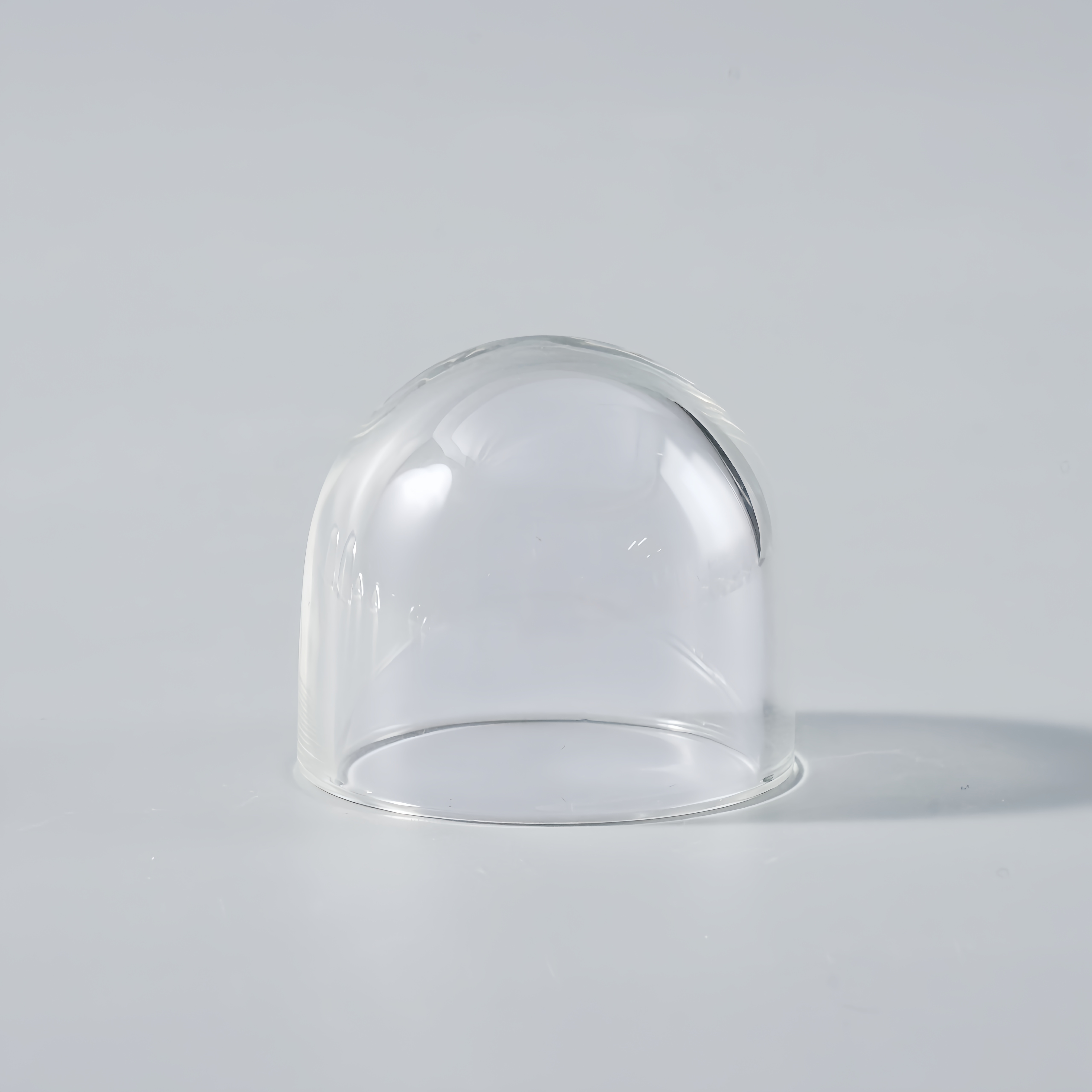
Customizable OEM Optical Glass Domes with Broadband AR Coating
Precision hemispherical windows for LiDAR, scientific instruments and optical sensing assemblies.
View product →
Wholesale OEM 175 mm Borosilicate Glass AR-Coated Fresnel Lens
Double plano-convex Fresnel design for stage lighting, high-power LED collimation and optical control.
View product →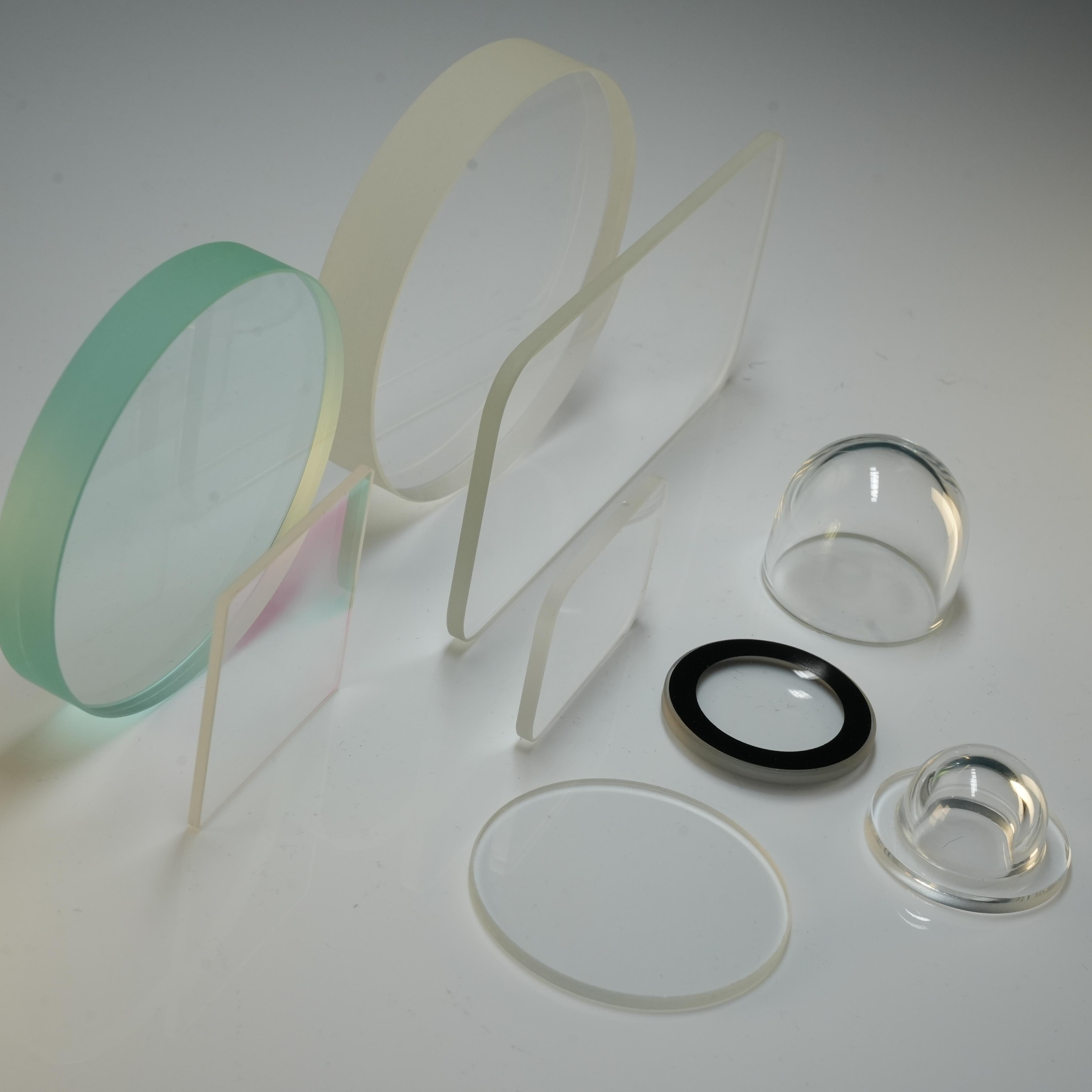
OEM High-Precision Borosilicate and UV Fused Silica Optical Window
High-transmittance flat windows for instruments, environmental housings and industrial inspection.
View product →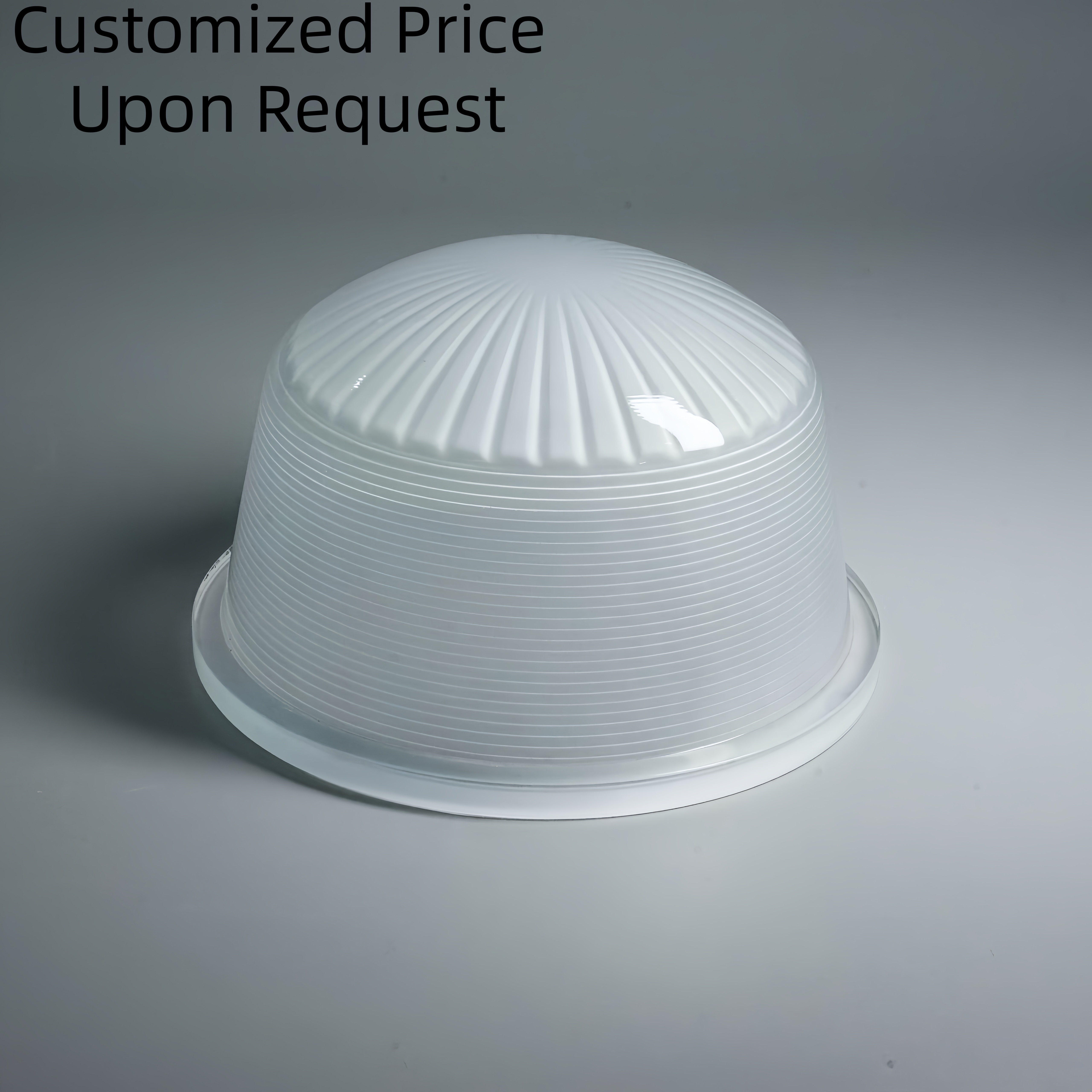
Transparent Explosion-Proof Industrial Glass Shade
High light transmission and thermal-shock resistance for workshop lighting in demanding environments.
View product →
Clear Borosilicate Glass Dome Lens for LED Outdoor Lighting
Impact-resistant, anti-scratch dome lens for outdoor fixtures, landscape lighting and architectural LED systems.
View product →
Factory Customized Heat-Resistant Borosilicate Glass for Car Lights
Custom size, shape and color for automotive lighting, industrial lamps and traditional glass accessories.
View product →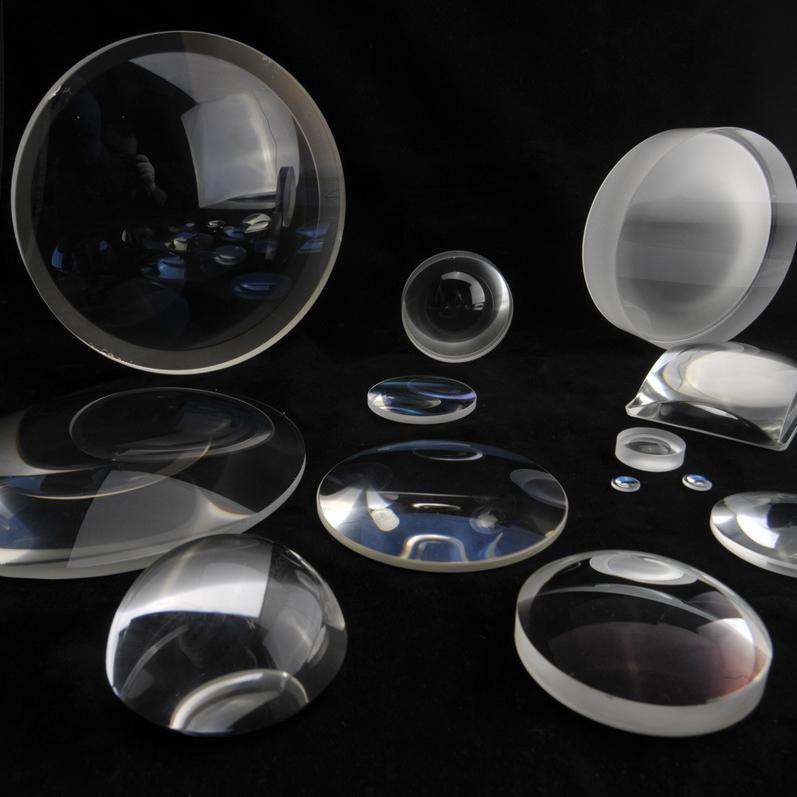
Custom K9 Optical Coated Plano-Convex Lens, 80 mm to 250 mm
Spherical K9 optical lens for magnifying systems, instrument design and precision optical assemblies.
View product →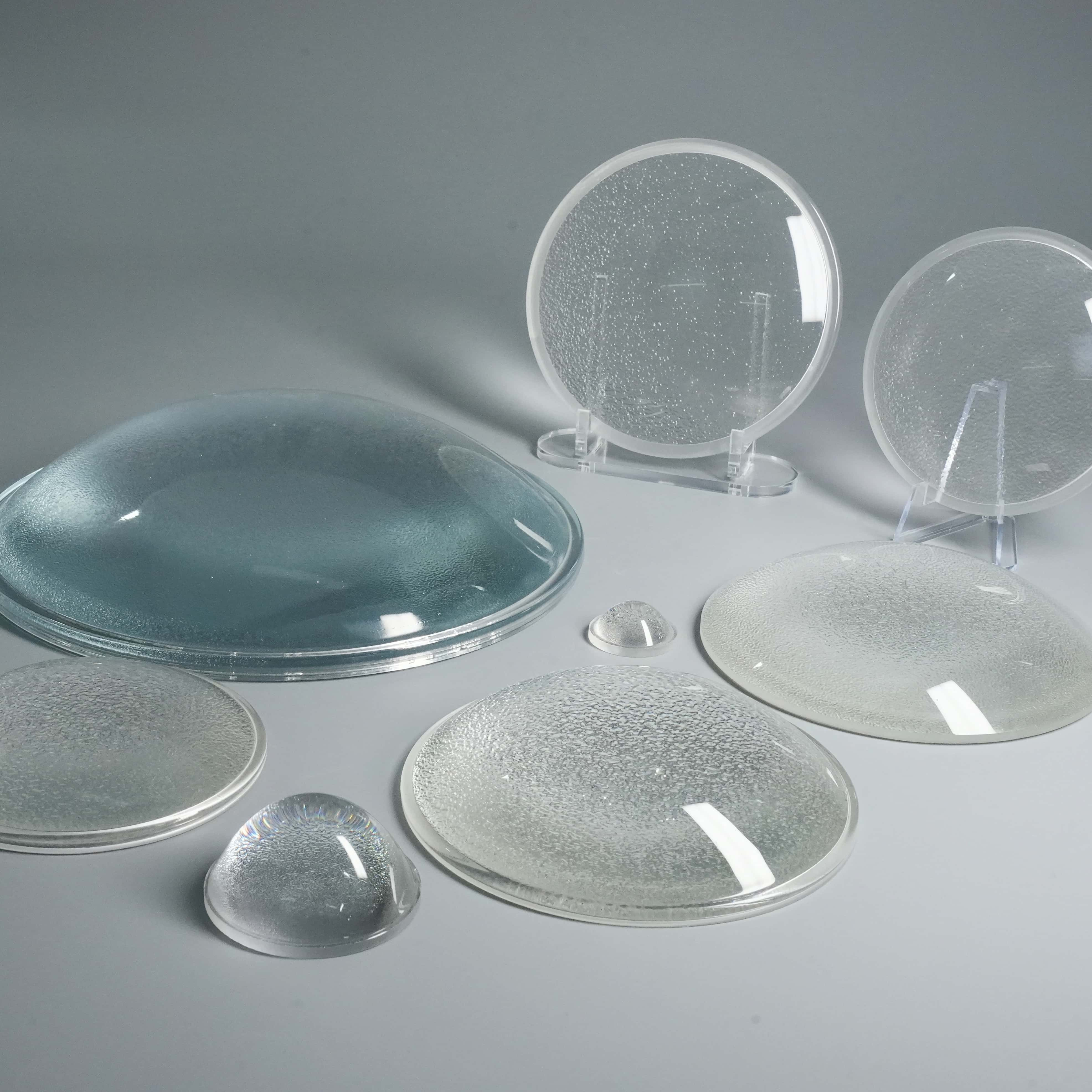
Borosilicate Asymmetric LED Street Light Lens with UV Protection
Roadway optic designed to reduce glare and light pollution while protecting high-power LED modules.
View product →Why Makassar Buyers Need a Specification-Driven Right Angle Prism Supplier
A right angle prism is a deceptively simple optical component. In its classic 45°–90°–45° form, it turns a light path by 90° through total internal reflection, or by 180° when used in a retroreflective orientation. For a buyer in Makassar, the important question is not simply who can supply a glass block with polished faces. The real question is who can control angle tolerance, surface quality, coating durability, edge condition, material homogeneity and export packing well enough that the prism still performs after a long supply route and installation in a humid, salt-laden, hot or high-vibration environment.
Makassar is the gateway to Eastern Indonesia and South Sulawesi. Its commercial importance is reinforced by Makassar New Port, shipbuilding and repair activity, fisheries, construction, healthcare, universities and the wider Sulawesi industrial corridor. Local stock of precision optics is limited, so many instrumentation, automation, marine and research projects are specified around imported components. Buyers often compare right angle prism factories and suppliers in China, Singapore, Java and Europe. The winning supplier is usually the one that can match the drawing, explain the optical trade-offs, provide samples and ship without damaging the polished surfaces.
Tambi Glass is not a Makassar-based factory. Production is based in Shanghai, and we serve Makassar buyers through drawing-based engineering, sample approval, optical inspection, export packing and international freight support. That transparency matters for procurement. A supplier that clearly explains what is made in Shanghai, what is inspected before shipment and what documents are provided is easier to qualify than a vague “local stock” claim. For right angle prism projects, we focus on the details that determine whether the part works in the final instrument: clear aperture, chamfer, coating wavelength, mounting interface and cleanliness.
This is especially important because right angle prisms are often used in systems where a small angular error becomes a large alignment error. A prism used in a surveying instrument, machine vision head, periscope, laser alignment tool or laboratory interferometer may look similar to a standard catalog prism, but the acceptable tolerance, coating and surface quality can be very different. Makassar buyers should treat the prism as an engineered part, not as a generic accessory.
Local Developments Shaping Right Angle Prism and Optical Glass Demand
Demand is not driven by one industry. It is coming from port operations, marine services, industrial inspection, surveying, healthcare, universities and lighting projects that need reliable imported optical components.
Port, Marine and Shipbuilding
Makassar’s port and shipbuilding ecosystem needs navigation optics, inspection periscopes, optical alignment tools and durable glass windows exposed to salt spray and vibration.
Industrial Automation and Machine Vision
Factories in South Sulawesi are adopting vision inspection, laser marking, robotics and optical measurement. Right angle prisms help turn light paths inside compact machine frames.
Surveying, Construction and LiDAR
Infrastructure, road, port and property projects use total stations, laser levels, drones and LiDAR. These systems depend on stable optical alignment and clean beam delivery.
Mining, Labs and Healthcare
Sulawesi’s mineral processing corridor, university laboratories, hospitals and diagnostic equipment create demand for robust windows, prisms, filters and precision lenses.
Where Makassar Buyers Typically Focus First
This directional snapshot reflects common sourcing discussions for optical glass and prism projects. It is not a statistical forecast; it is a practical planning aid for supplier selection.
Right Angle Prism and Precision Glass Applications in Makassar and South Sulawesi
Optical components rarely work alone. They sit inside instruments, lighting fixtures, inspection tools and research systems where the housing, gasket and environment are part of the optical design.
Port and Marine Navigation
Right angle prisms for periscopes, optical sighting, alignment and inspection equipment used in port services, ship repair and marine navigation.
Surveying and Construction
Total stations, laser levels and alignment equipment use right angle prisms and windows for stable 90° beam steering on site.
Machine Vision and Automation
Right angle prisms redirect light inside compact inspection heads, robot cells, laser marking stations and automated optical test fixtures.
Mining and Mineral Processing
Optical windows, prisms and filters support alignment, spectroscopy, thermal inspection and rugged monitoring in industrial environments.
Healthcare and Laboratory
Prisms, windows and lenses for diagnostic instruments, spectrophotometers, laser systems and optical benches used in hospitals and labs.
Universities and Research
Optics teaching kits, interferometry, photonics labs and applied research projects often require small batches with precise drawings.
LiDAR, Drones and Robotics
Hemispherical domes, right angle prisms and coated windows support beam steering, sensing and environmental protection in mobile platforms.
Lighting and Infrastructure
Explosion-proof shades, LED street light lenses and outdoor domes protect light sources while improving transmission and glare control.
Right Angle Prism Specification Guide for Makassar Projects
When comparing right angle prism factories and suppliers for the Makassar market, request a specification that matches the final instrument rather than a generic catalog description. The table below shows the parameters our engineers review before quoting a custom prism or optical glass part.
| Specification area | Typical options | Why it matters for Makassar buyers |
|---|---|---|
| Optical material | N-BK7 / H-K9L, UV fused silica, borosilicate, other optical glass on request | General alignment, UV transmission, thermal stability and cost must be balanced. Material choice affects transmission, weight and environmental durability. |
| Angle tolerance | Standard ±30 arcsec; precision options such as ±5 arcsec or better after review | A right angle prism used in surveying, machine vision or laser alignment can multiply angular error across the optical path. |
| Surface quality | 40-20 scratch-dig for general optics; 20-10 or 10-5 for demanding imaging or laser use | Polished surfaces must survive cleaning, handling and installation. Tight scratch-dig requirements reduce scatter and improve image quality. |
| Flatness and clear aperture | λ/4 per 25 mm typical; λ/10 available after review; clear aperture usually 85–90% | Mounting edges and chamfers reduce the usable optical area. Confirm the clear aperture before designing the prism holder. |
| Coating | Uncoated TIR surfaces, broadband AR coating, wavelength-specific AR, protected reflective coating | Makassar humidity and coastal air make coating durability important. Specify wavelength range, incidence angle, adhesion and cleaning requirements. |
| Edge and chamfer | Protective chamfer, fine-ground edges, selected edge finish | A small chip can become a crack during shipping. A proper chamfer also protects the mounting interface and handling staff. |
| Packing and documentation | Foam or pulp dividers, desiccant, vacuum bag, reinforced export cartons, inspection report | Sea freight and inter-island handling involve vibration and humidity. Robust packing is part of optical performance, not an afterthought. |
Values above are typical references for discussion. Final material, tolerance, coating and inspection criteria are confirmed against your drawing and application.
Recommended Right Angle Prism and Optical Glass Configurations
If you are sourcing for Makassar, start with the application rather than the lowest unit price. The most economical prism is rarely the cheapest one if it fails during alignment or cleaning.
Standard BK7 / K9 Right Angle Prism
For optical alignment, teaching labs, periscopes and general beam steering. Uncoated total internal reflection surfaces are economical when the wavelength and housing allow TIR.
AR-Coated Right Angle Prism
For laser systems, LiDAR, machine vision and cameras where ghost reflections or transmission loss must be controlled. Specify wavelength, angle of incidence and polarization.
Fused Silica or UV-Grade Prism
For UV instruments, high-power laser experiments and applications where thermal stability or deep UV transmission matters more than standard visible-range glass.
Large or Mounted Prism Assembly
For surveying, research and industrial instruments that need a specific clear aperture, mechanical reference face, protective housing or matched coating batch.
The eight product cards above provide related optical domes, windows, lenses and industrial glass parts. For a custom right angle prism, send a 2D/3D drawing, target wavelength, angle tolerance, surface quality, coating requirement, annual quantity and preferred shipping terms to Makassar.
Why Tambi Glass Is a Practical Right Angle Prism Partner for Makassar
Shanghai Tambi Glass Industrial Co., Ltd. is a manufacturer and trading company focused on custom lighting glass and optical glass components. Our experience comes from solving real fixture and instrument problems: heat behind high-power LEDs, thermal shock from rain, impact in hazardous areas, color consistency for signal lighting and optical alignment for sensing systems. That same engineering discipline applies to custom right angle prisms and precision optical glass for Makassar buyers.
10+ Years of Glass Experience
Long-running production experience in lighting glass, optical domes, lenses, windows and custom glass components for global OEMs.
Drawing-Based OEM / ODM
We review 2D/3D drawings for manufacturability, thickness, draft, sealing faces, clear aperture and optical path alignment before tooling.
Multiple Material Options
Borosilicate, tempered glass, fused silica, BK7/K9 and other optical materials can be matched to temperature, transmission and cost targets.
Optical Coating Support
AR coatings, color coatings and application-specific optical finishes can be specified by wavelength, angle and durability requirement.
Inspection and Reports
Dimensional and visual inspection can be documented. Material certificates and inspection reports are available on request.
Manufacturer and Trading Company
One supply chain can combine pressed, blown, ground, polished and coated glass parts, reducing coordination risk for mixed orders.
Fast Technical Response
Average response time is within 6 hours for technical inquiries. Send drawings and annual volume for a useful review, not a generic price list.
Export Packing for Makassar
Fragile optical parts are separated with foam or pulp dividers, packed in reinforced cartons and palletized for sea or air freight.
From Drawing to Delivery: A Six-Step OEM Process for Makassar Orders
Drawing Review
2D/3D drawing, material, wavelength, clear aperture, tolerance, coating and annual volume are checked for manufacturability.
Mold and Tooling
New or existing molds are selected for pressing, blowing, grinding or polishing, depending on the glass part and quantity.
Sampling
Evaluation samples are measured and sent for fit, light, coating or optical-path testing before mass production.
Forming and Annealing
Controlled forming, annealing or tempering helps relieve stress and reduce cracking risk during installation or transport.
Coating and QC
AR or color coating, dimensional checks and visual inspection are completed before packing. Reports can be provided.
Export Packing
Divider-packed cartons, desiccant, labels and palletization are prepared for sea or air freight to Makassar.
Quality, Compliance and Export Risk Reduction
For right angle prisms and custom optical glass, quality is not limited to a final visual check. It begins with the drawing review, continues through material selection and annealing, and ends with packing that protects polished surfaces during transit. Makassar buyers should ask for the inspection criteria that matter to the application: angle error, surface quality, clear aperture, coating adhesion, dimensional tolerance and packing method.
- Drawing and specification confirmation before tooling
- Material and coating options matched to the environment
- Inspection reports available on request
- Reinforced export packing for fragile optical parts
- Shipping coordination by air or sea to Makassar
- Clear Incoterms and commercial documentation
We do not claim to certify a complete instrument or to replace the final system qualification performed by the equipment builder. For lighting fixtures and signal equipment, the fixture manufacturer holds the final certification. Our role is to match the glass material, dimensions, transmission, color and coating requirements so the component supports that qualification. For prism projects, we can supply material certificates and dimensional or optical inspection records according to the agreed inspection plan.
Shipping to Makassar usually involves international freight from Shanghai, followed by customs clearance and local delivery arranged by the buyer’s forwarder or import agent. Air freight is often chosen for samples and urgent production needs, while sea freight is more economical for larger orders. Because Makassar is a major Eastern Indonesia gateway, buyers should plan for documentation, port handling and inland delivery early. The more complete the drawing and packing requirement, the lower the risk of delays or damaged parts.
Common Questions from Makassar Buyers
These are the questions procurement teams, engineers and importers ask most often when evaluating a right angle prism supplier for Indonesia.
Are you a right angle prism factory or a trading company?
Can you manufacture custom right angle prisms to my drawing?
What is the typical minimum order quantity for Makassar buyers?
Which material is best for Makassar’s humid and coastal environment?
How do you ship fragile optical prisms to Makassar?
What documents can you provide for import clearance?
Can I evaluate samples before committing to a production order?
Do you provide local support or a warehouse in Makassar?
Request a Right Angle Prism Engineering Review for Makassar
Share your drawing, target wavelength, angle tolerance, surface quality, coating requirement and estimated annual volume. Our team will review the specification and recommend a practical material, process and export packing plan for shipment from Shanghai to Makassar.
Technical inquiries: info@tambiglass.com · Average response within 6 hours