
Hazardous area lighting
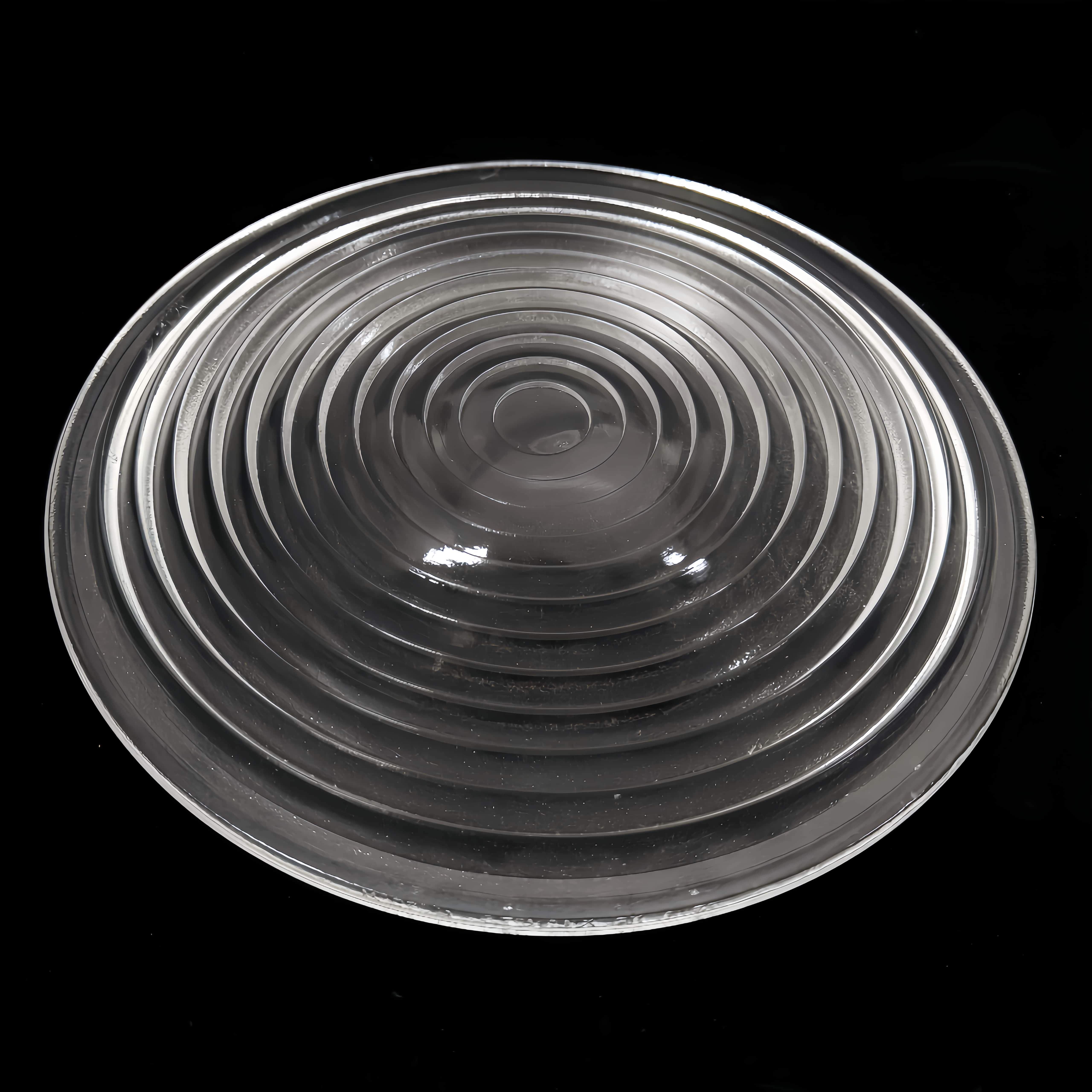
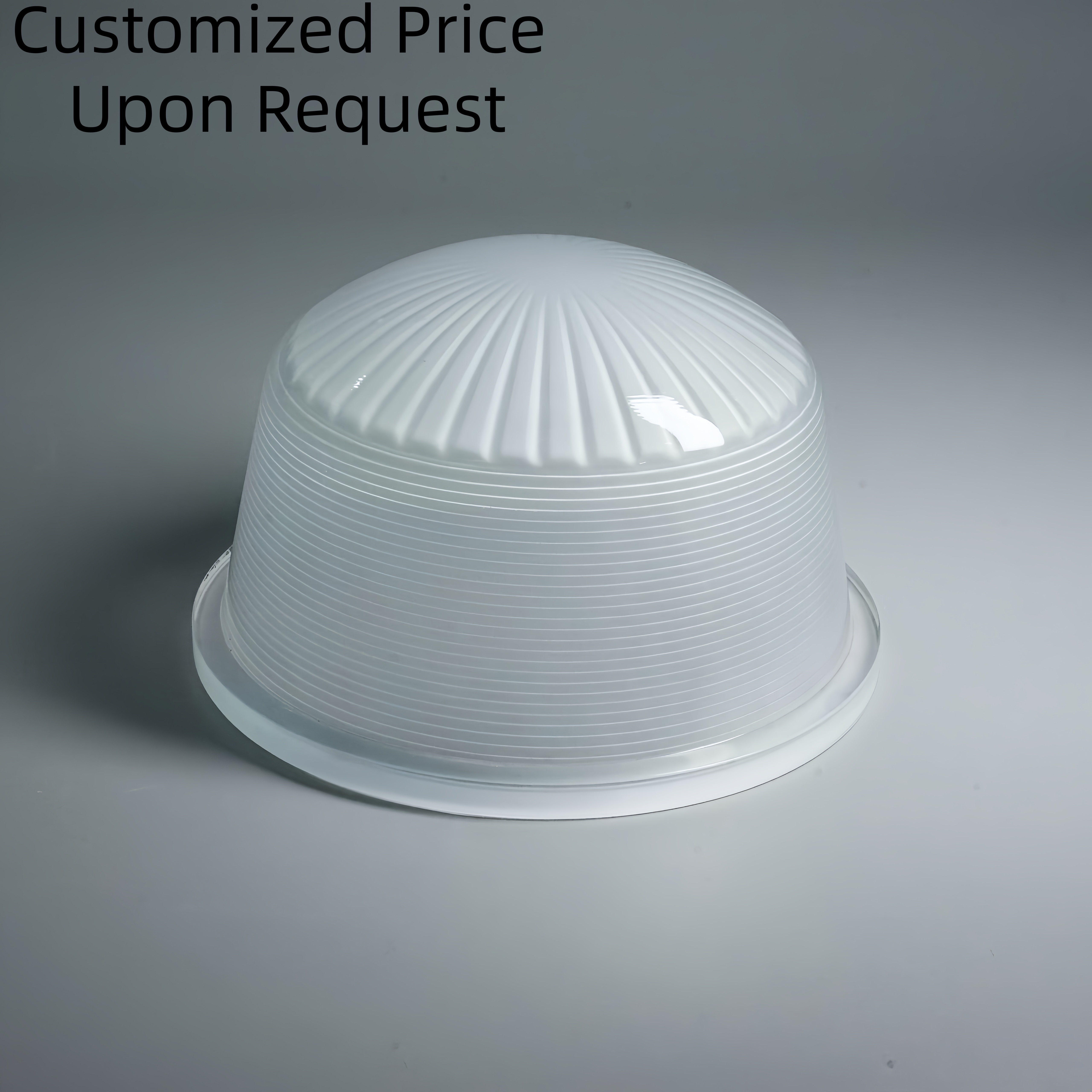
Borosilicate Transparent Explosion-proof Shade, Heat-resistant & Crack-proof, Transparent Protective Cover
Thermal shockHigh clarityDrawing-based
View product Kawasaki procurement teams rarely buy glass by diameter alone. The real decision is whether the component survives thermal cycling, sealing pressure, optical alignment and export handling from the factory to Kawasaki Port or an industrial site in the Keihin coastal belt.
Kawasaki's manufacturing base includes aviation and aerospace suppliers, port and marine equipment, chemical and energy plants, precision machinery, electronics, semiconductor-related equipment, medical instruments and specialist lighting. These sectors place very different demands on a molded glass part. An explosion-proof lighting shade for a hazardous-area fixture is not specified in the same way as an AR-coated optical window for a sensor, a Fresnel lens for stage lighting, or a right-angle prism for an analytical instrument.
For Kawasaki buyers, a capable supplier and exporter must do more than quote a price. It must review the drawing for wall thickness, draft angle, sealing-face flatness, annealing stress, edge quality, coating durability and packing risk. Shanghai Tambi Glass Industrial Co., Ltd. works from this exact logic: first understand how the glass functions inside the luminaire or optical assembly, then confirm material, forming method, tooling and inspection criteria before production.
The company combines a manufacturer and trading-company model, which is useful for Kawasaki sourcing teams because it supports pressed, blown, ground and coated glass processes within one supply chain. Instead of splitting a project across multiple vendors, buyers can coordinate a drawing review, sample, production run, coating step, final inspection and export packing through one technical contact. That reduces communication loss between the fixture designer, the procurement office and the glass factory.
Kawasaki is also a market where documentation and repeatability matter. A buyer may need material reports, dimensional inspection records, coating information, RoHS/REACH declarations, packing lists and commercial documents that match the purchasing department's internal quality process. A supplier that understands export documentation and fragile-glass logistics is therefore more valuable than a low-cost source that cannot support the full delivery cycle.
Each product can be adapted in size, thickness, color, coating, edge finish and packing to match the housing, gasket and operating conditions of your Kawasaki project.


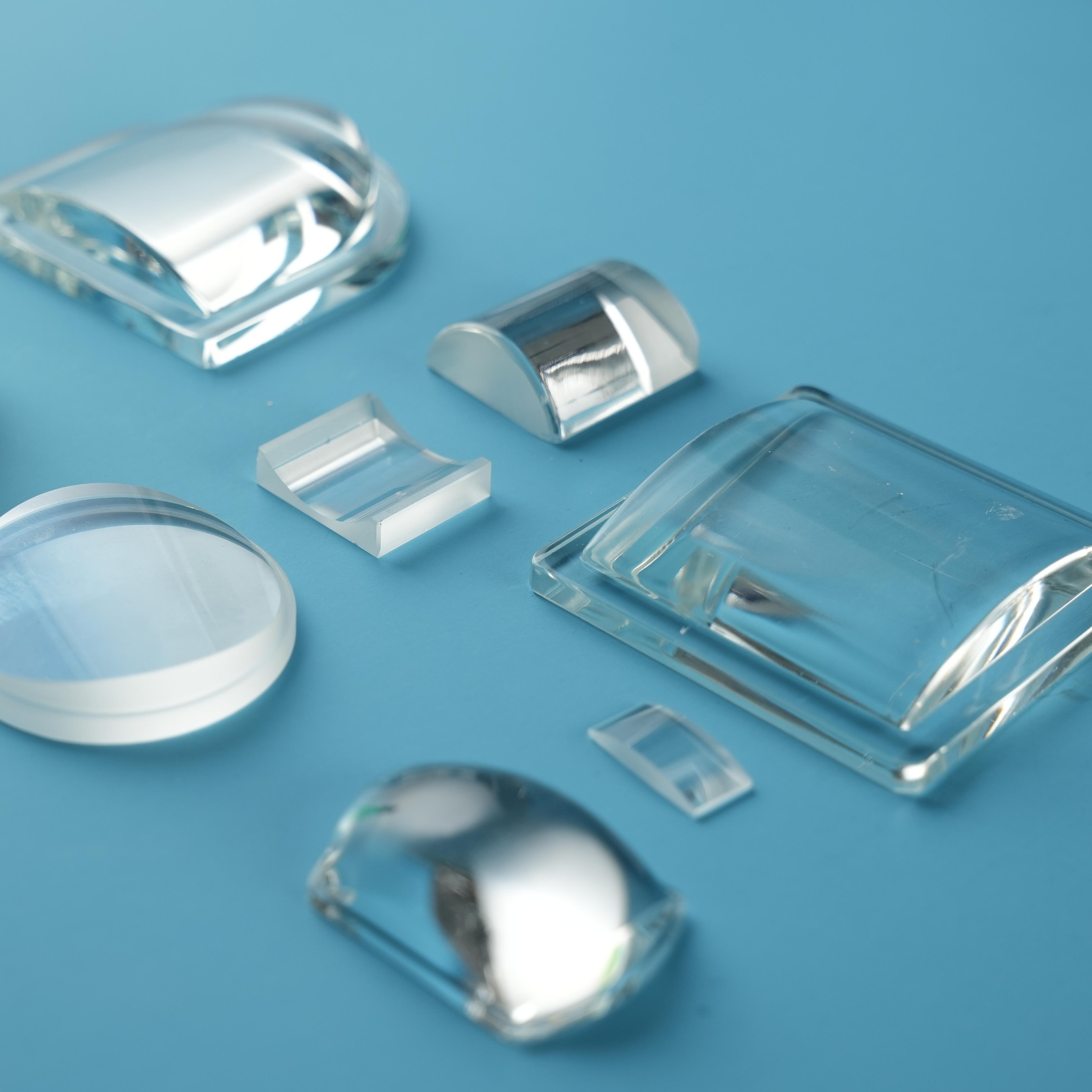
Kawasaki's port, coastal industrial zones and advanced manufacturing clusters create demand for glass components that perform under heat, salt spray, chemicals, vibration and high optical precision.
Runway, taxiway, obstruction and signal-light glass in clear or red, with dimensional and transmission control for aviation fixture makers and maintenance suppliers serving the Kawasaki region.
Ship signal, navigation, warning and dock-lighting covers exposed to salt spray, wind loading and sudden temperature change around Kawasaki Port and nearby offshore operations.
Explosion-proof shades, emergency-light covers and high-transmission protective glass for hazardous-area lighting in chemical plants, refineries, hydrogen projects and industrial utilities.
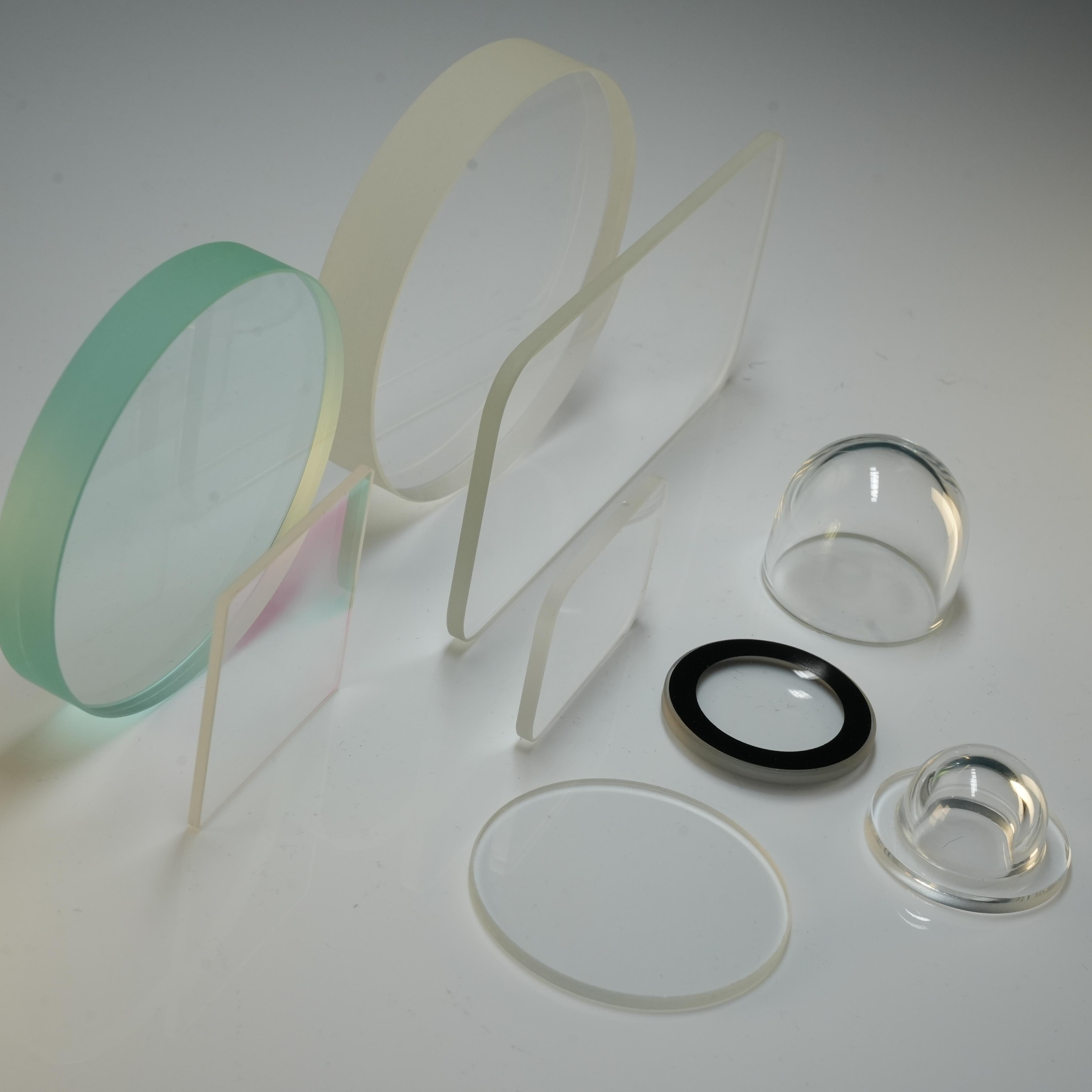
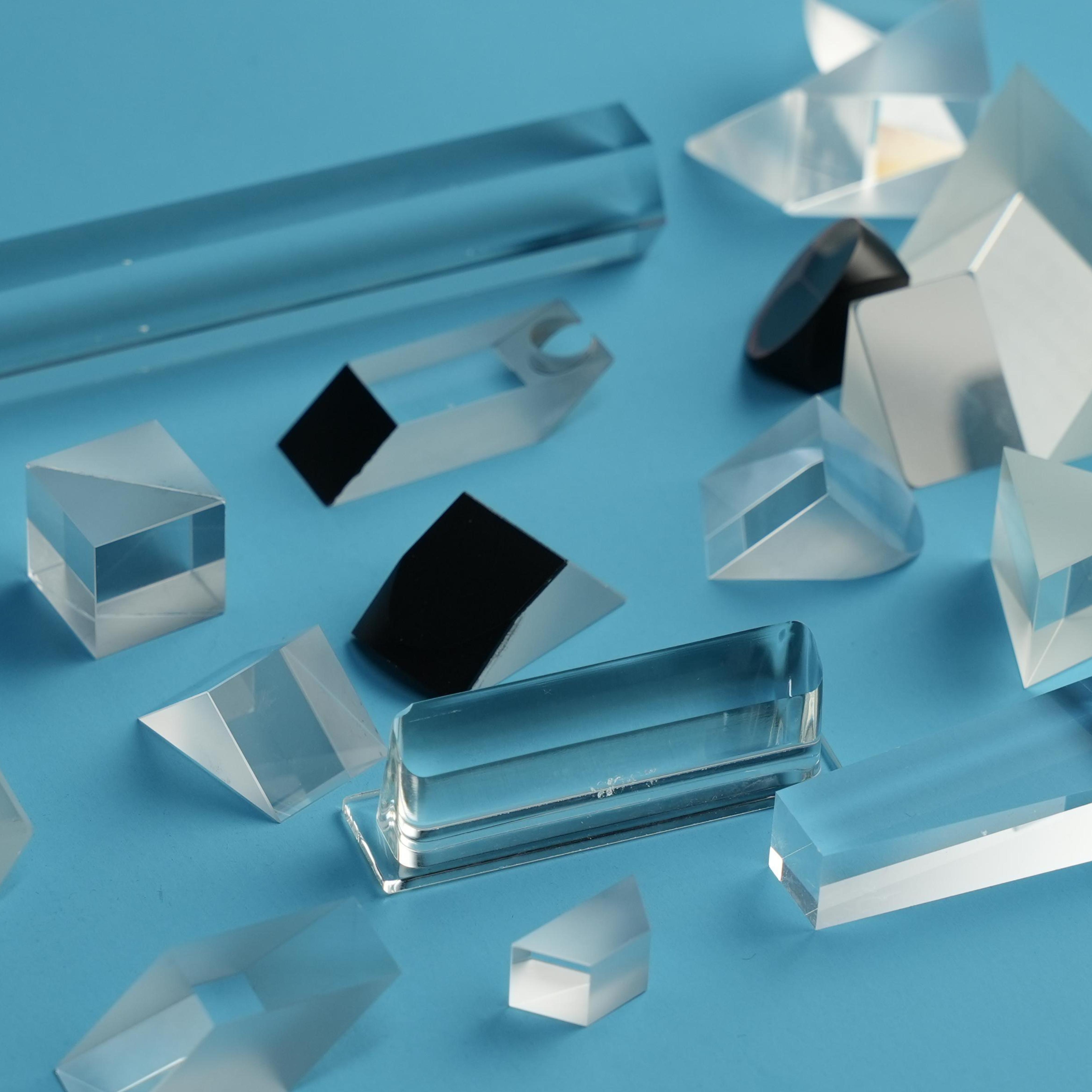
Optical windows, prisms, aspherical lenses and AR-coated components for inspection, measurement, imaging and sensor equipment used by Kawasaki's precision machinery sector.
Chemically resistant sight glass, optical windows and coated lenses for analyzers, medical equipment, laboratory housings and equipment that requires frequent cleaning.
Projection lenses, protective covers and Fresnel optics for industrial lighting, transport infrastructure, machine vision, outdoor fixtures and automation equipment.
The indicators below are a qualitative planning view for OEM projects, not a market forecast. They reflect the technical questions that tend to decide whether a glass component is approved for production.
Kawasaki buyers increasingly want glass matched to the housing, gasket, sealing face and optical axis rather than selected from a generic size list.
High-power LED modules, outdoor fixtures and industrial equipment place more value on borosilicate 3.3, annealing control and reliable sealing-face quality.
AR coating, transmission range, adhesion, abrasion resistance and environmental exposure are now commonly discussed before sampling for sensor and lighting projects.
Prototype and low-volume production runs are used to verify fit and light performance before committing to molds or larger annual orders.
Material certificates, inspection reports, RoHS/REACH declarations, packing records and consistent labeling help Kawasaki procurement teams qualify a source.
Suppliers must plan divider packing, reinforced cartons, palletization and shipping schedules for Kawasaki Port, Yokohama or other Japanese entry points.
Material choice should follow lamp temperature, impact exposure, optical transmission, cleaning chemistry and the certification target of the fixture.
Recommended for explosion-proof shades, high-power LED covers and Fresnel lenses where heat and sudden cooling are critical.
Used for outdoor covers, floodlight glass and vandal-resistant lenses when moderate temperature and cost control dominate.
Suitable for UV optics, high-temperature windows and analytical equipment where very low expansion is required.
Preferred for precision lenses, prisms, mirrors and filters where refractive index consistency and surface form matter.
Values are typical references only. Final material and tolerance are confirmed against the drawing, operating temperature, impact rating, coating requirement and the standard your Kawasaki fixture must meet.
The value is not only in glass forming. It is in drawing review, material selection, sample discipline, coating control, inspection records and export packing that protect the part from factory to Kawasaki.
Most orders start with a 2D/3D drawing or physical sample. Engineers review thickness, draft, tolerance and sealing face before tooling.
Borosilicate, tempered soda-lime, fused quartz, BK7 and K9 can be matched with pressed, blown, ground and coated production routes.
The average response time is within 6 hours, helping Kawasaki procurement teams keep sample approvals and supplier comparisons moving.
Onsite-verified supplier status, credit index, transaction level, trade capacity and trade history help buyers complete qualification faster.
The business model supports OEM buyers who need both factory-level engineering and export coordination across a complex glass supply chain.
Foam or pulp dividers, reinforced export cartons and palletization are used for fragile glass parts, with custom labeling available for distributors.
Clear checkpoints reduce the gap between sample approval, mass production and export delivery.
Thickness, draft, tolerance, sealing face, optical path and packing constraints are reviewed before quoting.
Borosilicate, tempered glass, quartz or BK7/K9 is selected; existing molds are checked or new tooling is proposed.
Samples are measured and sent for fit, light, coating and assembly evaluation by the Kawasaki project team.
Pressing, blowing or grinding is followed by controlled annealing or tempering to reduce residual stress.
AR or color coating, dimensional checks, visual inspection and required reports are completed before packing.
Divider-packed cartons and palletized loads are prepared for sea or air freight to Japan.
Yes. Most projects are drawing-based. Send a 2D/3D drawing or physical sample with dimensions, tolerance, material, color, coating and annual volume. The engineering team reviews manufacturability, proposes mold options and confirms samples before mass production.
Typical MOQs range from about 50 pieces for optical lenses to 100–500 pieces for pressed or blown lighting covers, depending on whether an existing mold can be used. Sample quantities are available for evaluation before a production order.
Borosilicate 3.3 has low thermal expansion of about 3.3 ×10⁻⁶/K, so it handles high lamp temperatures and sudden cooling better. Tempered soda-lime glass can offer high impact strength at lower cost for moderate temperatures. The right choice depends on surface temperature, impact rating and fixture certification.
We produce glass lenses and domes for fixture makers whose products are designed to standards such as FAA L-810, EN 50293 or explosion-protection requirements. The luminaire manufacturer holds the final fixture certification; we match color, transmission, dimensions and report requirements.
Depending on the project, we can provide material information, dimensional inspection records, coating details, packing lists, commercial invoices and RoHS/REACH declarations when requested. The exact document package should be confirmed during quotation.
Average response time is within 6 hours. Include your drawing, target annual volume, operating temperature, coating requirement and destination port so the technical and commercial review can be completed efficiently.
Parts are separated with foam or pulp dividers, packed in reinforced export cartons and palletized for sea or air freight. Custom packaging and labeling for distributors can be arranged to support receiving and warehousing in Japan.
Export shipments can be coordinated to Japanese ports and local consignees. Incoterms, shipping method, pallet configuration and document requirements are confirmed before order release so the delivery plan matches the buyer's import process.
Share dimensions, material, operating temperature, coating needs, annual volume and destination in Japan. Our team will recommend a reliable glass solution for your Kawasaki project.