Eight Outdoor Lighting Glass Products Selected for Kobe Projects
Each product can be adapted in size, thickness, color, coating, edge finish and packing to match a luminaire housing, gasket design and procurement specification. Product URLs are preserved for direct technical review.
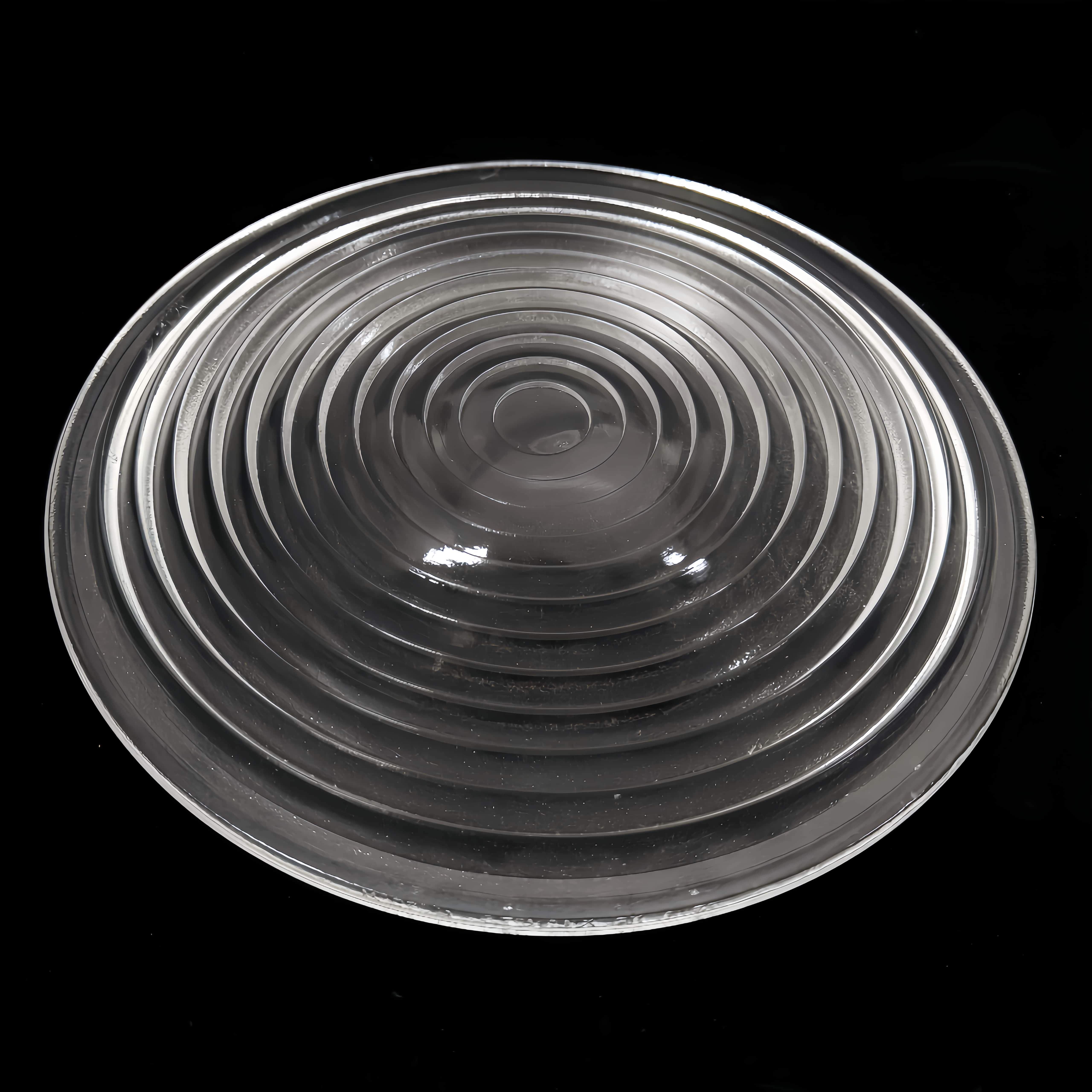
Precision Molded Borosilicate Glass Fresnel Lens Stage Lighting Anti-Reflective Coating FAA/ICAO Standards 175mm BO GLASS OEM
- 175 mm Fresnel for stage and high-power LED fixtures
- AR-coated borosilicate for heat and beam control
- Drawing-based OEM production
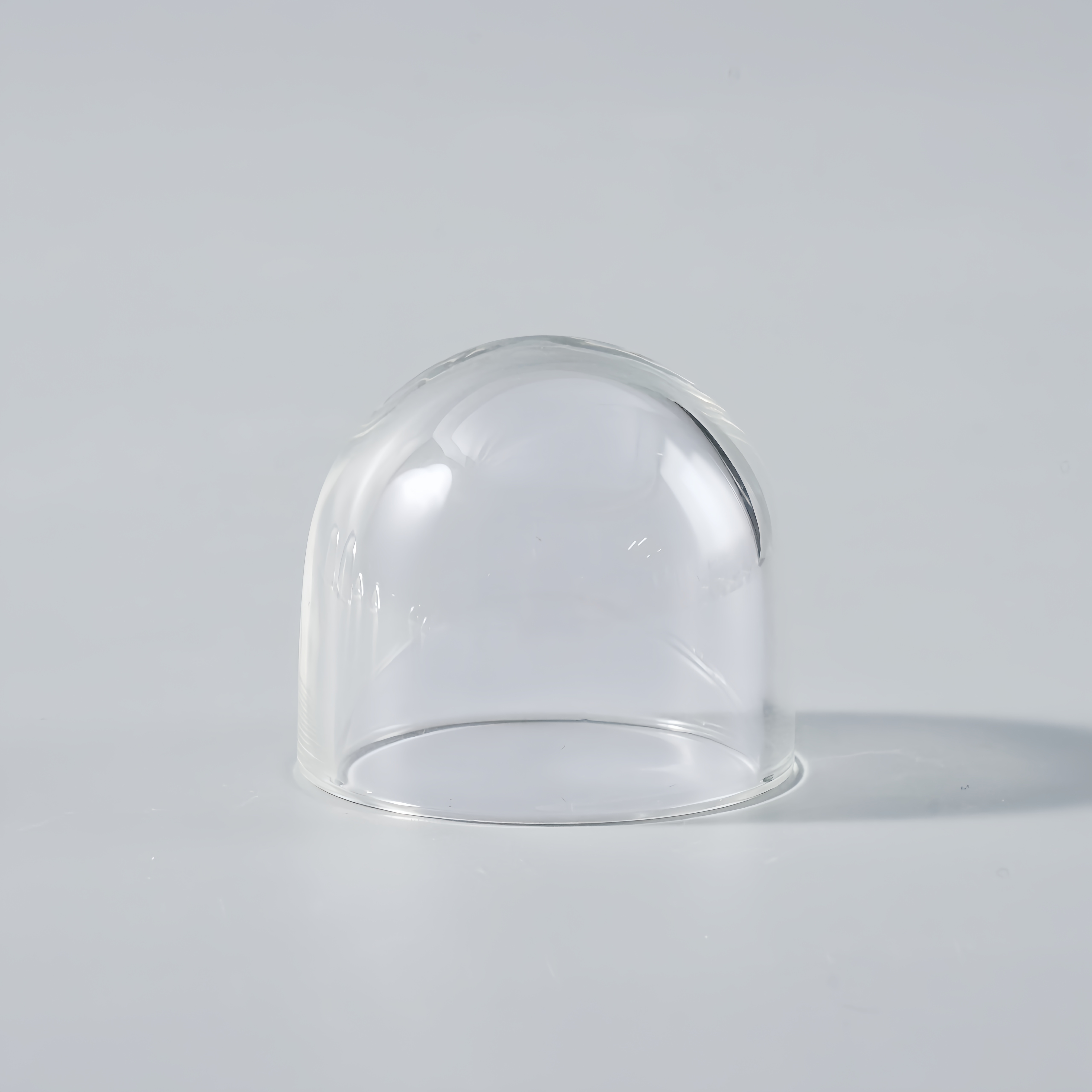
Customizable OEM Optical Glass Domes Broadband AR Coating Precision Hemispherical Windows for LiDAR Sensors Scientific
- Broadband AR-coated hemispherical window
- For LiDAR, machine vision and scientific sensing
- Pressure and sealing options available
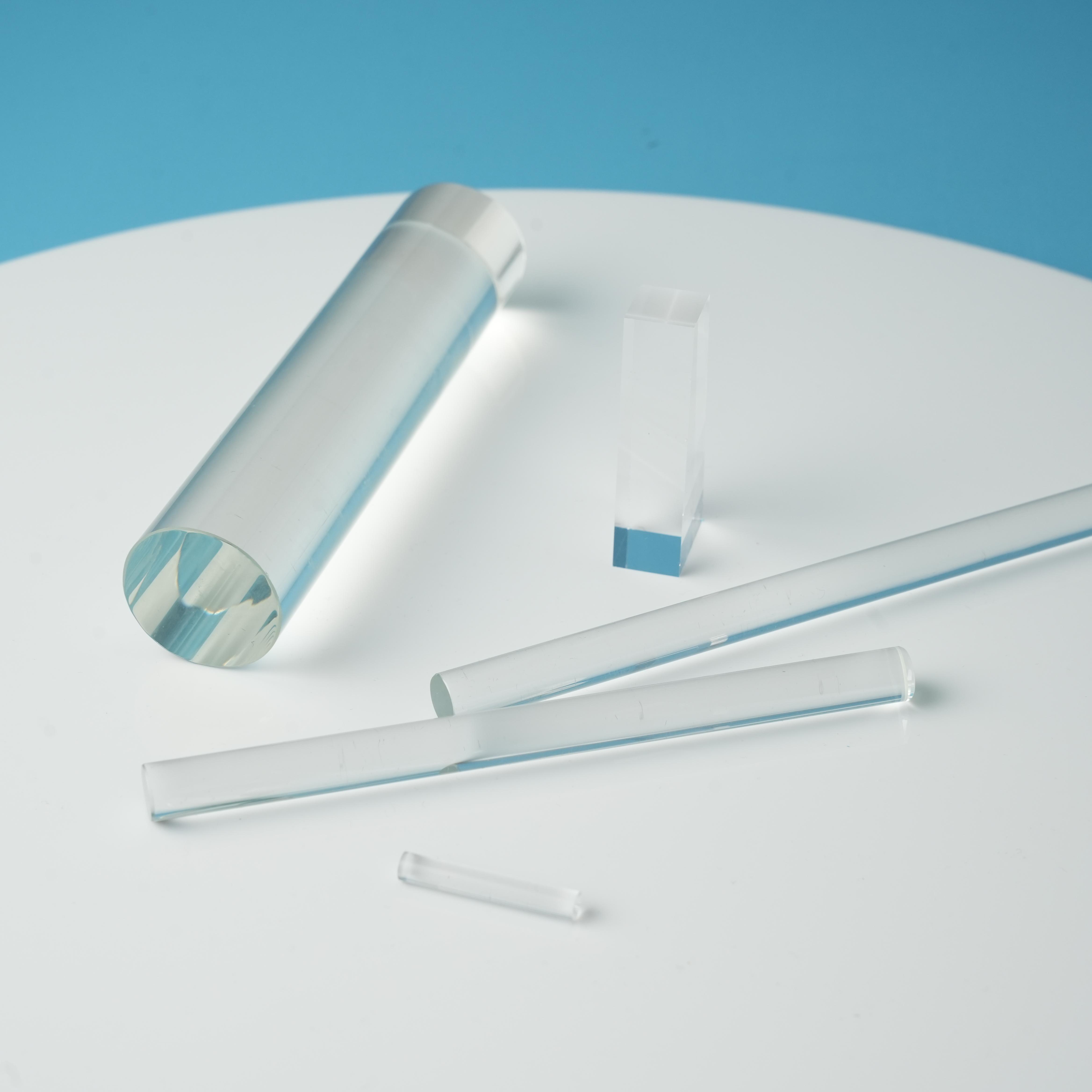
Factory Custom Shape Transparent High Borosilicate Temperature Resistant Optical Glass Light Guide Rod Rod Lens for Laboratory
- Custom shape, length and diameter
- High borosilicate thermal resistance
- Polished optical ends for light transfer

Factory Customized Size Shape Color Heat Resistant High Quality Borosilicate Glass Car Light Accessories Traditional Industrial
- Heat-resistant glass for car and utility lighting
- Custom size, shape and color
- Suitable for outdoor and industrial fixtures

High-Light Transmission Clear Borosilicate Glass Dome Lens LED Outdoor Lighting Fixtures Impact Resistant Anti-Scratch OEM
- Clear dome for outdoor LED fixtures
- Impact-resistant and anti-scratch options
- Compatible with IP sealing and gasket designs

Custom OEM Bo Glass Clear Borosilicate K9 Bk7 B270 Fused Silica Anti-Reflective Coated Square Optical Window 50mm Diameter
- AR-coated square optical window
- Borosilicate, BK7, B270 and fused silica options
- 50 mm and custom dimensions
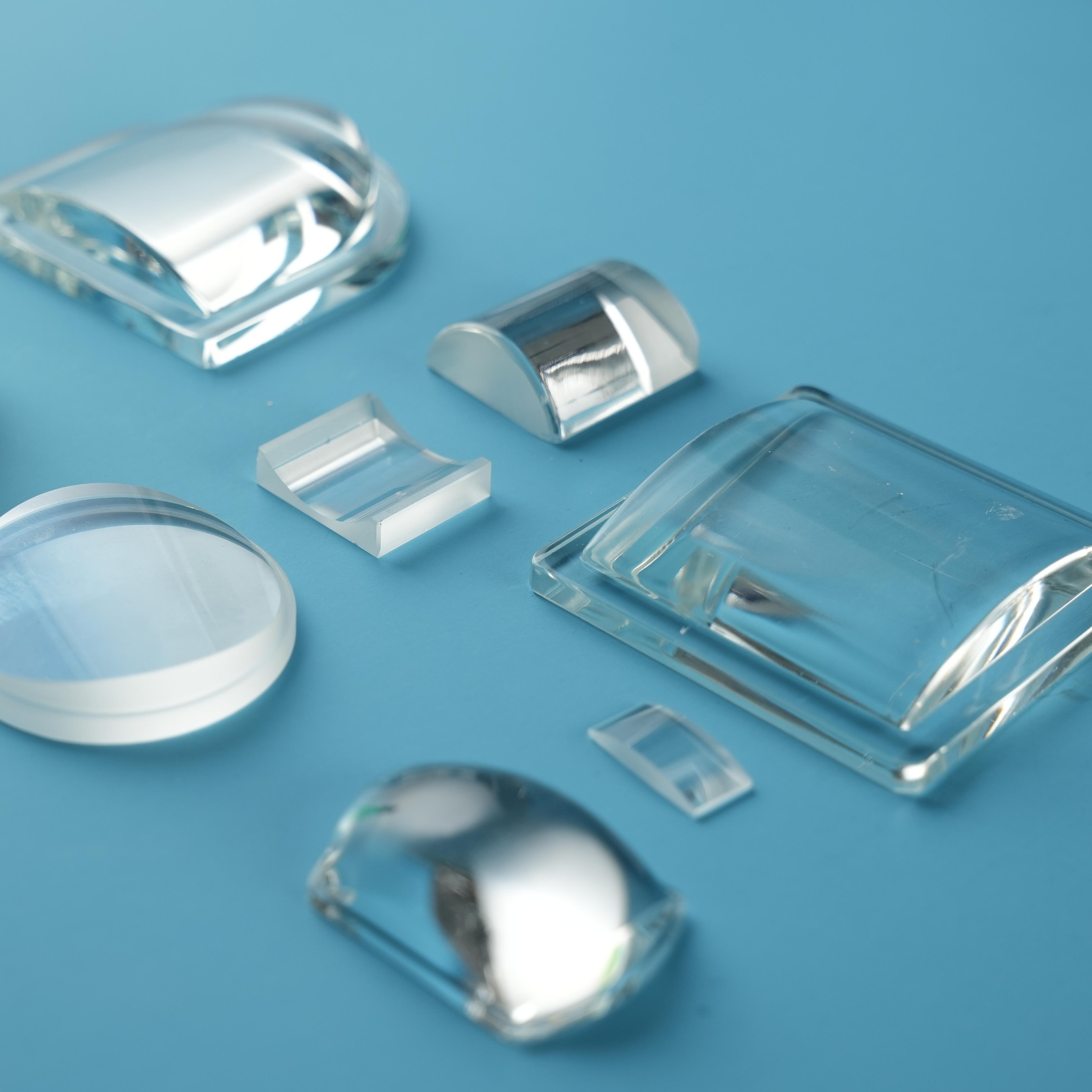
Manufacturer Custom OEM Anti-Reflective Laser Glass Optical Borosilicate UVC Plano Convex Cylindrical Biconvex Lens
- AR-coated laser and UVC optical lens
- Plano-convex, cylindrical and biconvex forms
- Manufactured from OEM drawings
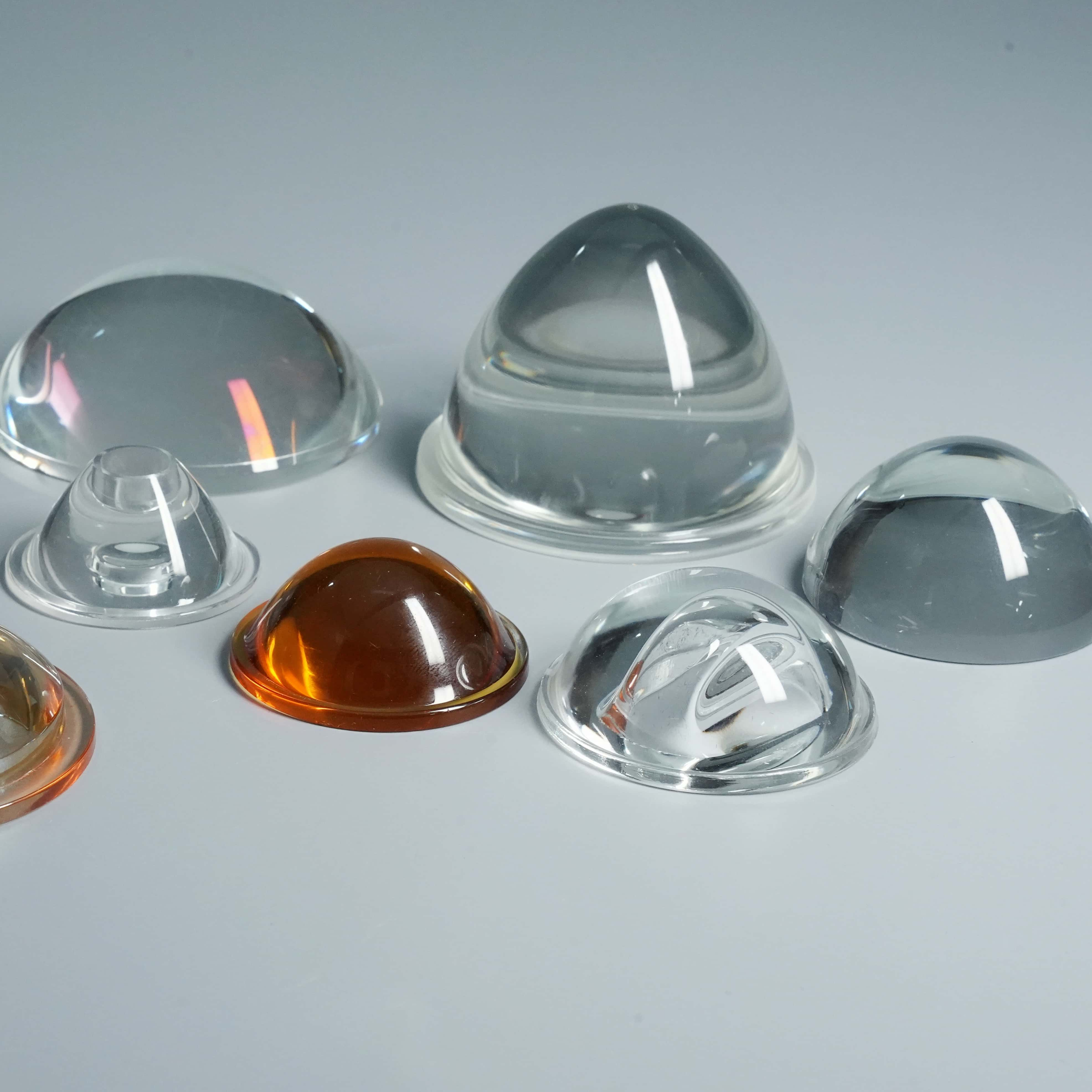
Custom Borosilicate Glass LED Grow Light Convex Lens with Anti-Reflective Coating for Indoor Farming Full Spectrum Lighting
- Full-spectrum AR-coated convex lens
- For indoor farming and grow-light fixtures
- Borosilicate heat resistance for high-output LED
Focused on real luminaire heat, impact, sealing and optical requirements.
Technical and commercial review for drawings, samples and annual volumes.
Senior lighting and molding engineers supported by production and QC.
Export experience with lighting and optical OEM buyers worldwide.
A Glass Factory and Exporter Built Around Luminaire Performance
Kobe’s procurement teams do not simply buy a glass shape. They buy fit, transmission, color stability, thermal reliability, repeatability and documentation. Our work starts before tooling and continues through export packing.

Manufacturer and Trading Company With an Auditable Production Base
Shanghai Tambi Glass Industrial Co., Ltd. combines pressed, blown, ground and coated glass processes under one supply chain. For more than a decade we have supported OEM lighting buyers in Europe, North America and Japan, including projects where a small dimensional error can affect sealing, photometry or field safety.
Our engineers review wall thickness, draft angle, sealing faces, optical path alignment, gasket contact, surface temperature and coating requirements before a mold is approved. This is why our role is often described as an extension of the customer’s engineering team rather than a catalog supplier.
- Drawing-based OEM / ODM
- Borosilicate, tempered, quartz and BK7
- AR, bandpass and color coatings
- Onsite-verified supplier profile
- Sample approval before mass production
- Export packing for fragile glass parts
Drawing Review Before Tooling
We check manufacturability, tolerance stack-up, sealing surfaces and optical alignment before production begins, reducing expensive late-stage changes.
Material Breadth
Borosilicate 3.3, tempered soda-lime, fused quartz and optical BK7 allow the right balance of thermal shock, impact strength, UV transmission and cost.
Optical Coating Control
AR coatings, bandpass filters and color transmission options support LED collimation, signal-light chromaticity and sensing accuracy.
Responsive Technical Support
Our average response time is within 6 hours. Send a drawing, sample photo, operating temperature and annual volume for a practical review.
Transparent Supplier Verification
Supplier assessment, credit index, trade capacity, trade history and buyer feedback help Kobe procurement teams complete qualification faster.
Export-Ready Packing
Foam or pulp dividers, reinforced cartons and palletization protect fragile glass covers, domes and lenses during sea or air freight.
Where Outdoor Lighting Glass Must Perform in Kobe
Kobe combines coastal humidity, steep urban slopes, port operations, aviation safety, waterfront redevelopment and a strong culture of precision manufacturing. Each environment stresses glass differently.
Kobe Port & Marine Signal Lighting
Navigation, hazard and area lights around Kobe Port face salt-laden air, wind-driven rain and long UV exposure. Glass covers and domes should preserve red or green transmission, resist surface pitting and fit the gasket without over-compression.
Coastal Street & Park Lighting
Waterfront parks and hillside streets need clear outdoor LED domes and flat windows with high transmission, anti-scratch performance and stable sealing through typhoon-season rain and rapid temperature changes.
Aviation & Obstruction Lighting
Kobe Airport and nearby structures require reliable obstruction signals. Fresnel lenses and red glass domes need consistent chromaticity, heat tolerance and dimensional repeatability for fixture makers serving aviation projects.
Stage, Event & Cultural Lighting
High-power LED stage fixtures in venues and port events generate concentrated heat. AR-coated borosilicate Fresnel lenses improve beam control while resisting thermal shock and maintaining optical clarity.
Smart Port, LiDAR & Sensing
Port automation, security and machine vision systems depend on optical domes and windows. Broadband AR coatings, hermetic sealing options and precise hemispherical forms support LiDAR and outdoor sensing reliability.
Automotive & Industrial Outdoor Fixtures
Car light accessories, floodlights and industrial outdoor luminaires use heat-resistant borosilicate components with custom shapes, colors and edge finishing to match housings and assembly methods.
Local Trends Reshaping Outdoor Lighting Glass Demand
Kobe’s lighting market is moving toward higher efficiency, better glare control, stronger resilience and more documented supply chains. Glass is increasingly specified as a performance component, not a decorative cover.
LED Retrofit Heat Management
Compact high-output LED modules raise surface temperatures and thermal cycling. Borosilicate 3.3 and controlled annealing help prevent cracks in outdoor covers, Fresnel lenses and projection optics.
Salt-Air & Coastal Resilience
Kobe’s waterfront and port areas demand glass surfaces that resist pitting, staining and coating degradation. Edge quality and gasket compatibility are as important as the glass body itself.
Dark-Sky & Glare Control
Municipal and park lighting projects increasingly require controlled light distribution. AR-coated lenses, prismatic covers and precise domes support efficient beam shaping with less spill light.
Smart Port & Sensor Integration
Automated port equipment, security cameras and LiDAR systems need optical windows that maintain transmission and alignment. Broadband AR coating and pressure-rated dome designs are becoming common requests.
Traceability & Verification
Japanese procurement teams often require clear supplier qualification, sample records and inspection documentation. Onsite verification, material reports and pre-shipment inspection reduce sourcing risk.
High-Mix, Smaller-Batch OEM
Fixture makers increasingly need custom sizes, colors and coatings without excessive inventory. Flexible mold options and sample-first workflows support Kobe buyers serving niche outdoor and industrial applications.
Material and Coating Selection for Kobe’s Humid Coastal Climate
The correct glass grade depends on lamp surface temperature, impact exposure, sealing method, optical target and the certification your luminaire must satisfy. The comparison below is a practical starting point for technical review.
| Material | Thermal Expansion | Typical Max. Working Temp. | Key Strength | Best for Kobe Projects |
|---|---|---|---|---|
| Borosilicate 3.3 | ≈ 3.3 × 10⁻⁶/K | ≈ 450 °C | Excellent thermal-shock resistance | Explosion-proof covers, high-power LED outdoor domes, Fresnel lenses |
| Tempered soda-lime | ≈ 9.0 × 10⁻⁶/K | ≈ 250 °C | High impact strength and economical cost | Outdoor street covers, floodlight glass, vandal-resistant lenses |
| Fused quartz | ≈ 0.55 × 10⁻⁶/K | ≈ 1000 °C+ | UV transmission and extreme heat resistance | UV optics, high-temperature windows, scientific instruments |
| Optical BK7 / H-K9L | ≈ 7.1 × 10⁻⁶/K | ≈ 300 °C | Homogeneous optical properties, nd ≈ 1.517 | Precision lenses, prisms, windows and filters |
Values are typical references. Final specification should be confirmed against your drawing, lamp surface temperature, impact rating, sealing design and the standard your fixture must meet.
From Drawing Review to Export Packing
A clear process reduces risk between sample approval and mass production. This is particularly important for Kobe buyers coordinating glass with metal housings, gaskets, drivers, LED boards and certification testing.
Drawing Review
We check thickness, draft, tolerance, sealing faces, optical path and assembly method before quoting.
Mold & Tooling
New or existing molds are selected for pressing, blowing, grinding or finishing.
Sampling
Samples are measured and sent for your fit, light, sealing and appearance evaluation.
Forming & Annealing
Controlled annealing or tempering relieves stress and supports thermal reliability.
Coating & QC
AR or color coating, dimensional inspection, visual check and optional report preparation.
Export Packing
Divider-packed cartons and palletization protect fragile glass parts for sea or air freight.
Evidence Kobe Procurement Teams Can Review Before Ordering
Supplier qualification is easier when information is transparent. We support technical discussions with product data, sample records and the verification links already published on our website.
Supplier Assessment
Third-party verification of legal status and premises supports initial supplier screening.
Onsite-verified profileCredit Index
Business credit and compliance information can be reviewed by procurement and finance teams.
Credit overview availableTrade Capacity
Export markets, trading terms and logistics capability help buyers assess supply fit.
Export capability recordTrade History
Historical shipment and order records provide additional context for long-term sourcing decisions.
Recorded transaction historyFactory Video
Review forming, finishing and inspection activities before placing a sample order.
Production line visibilityBuyer Feedback
Feedback from buyers who have ordered helps new customers understand communication and delivery performance.
Ratings and reviewsQuestions Local Buyers Commonly Ask
These answers reflect the practical questions Kobe-area lighting OEMs, contractors, trading houses and maintenance teams ask when evaluating a custom glass supplier.
Can you manufacture outdoor lighting glass to our drawing and match a Japanese housing?
What is the typical minimum order quantity for Kobe projects?
Should we choose borosilicate glass or tempered soda-lime glass for outdoor LED lighting?
Can you support fixtures designed for FAA L-810, EN 50293 or airport obstruction lighting?
How do you reduce salt-air corrosion and moisture risk in Kobe’s coastal environment?
What documentation can you provide for Japanese procurement and quality review?
How are fragile glass covers, domes and lenses packed for export to Kobe?
How quickly can we receive a technical response and what information should we send?
Request an Engineering Review for Your Kobe Lighting Project
Share your drawing, lamp temperature, sealing method, annual volume and target standard. Our engineers will review the glass material, coating, edge finish and packing route, then propose a reliable outdoor lighting glass solution for your Kobe supply chain.
Email: info@tambiglass.com