8 Optical Glass Products German Buyers Ask For Most
These are not catalogue placeholders. Each route maps a real optical, thermal or sealing problem to a manufacturable glass part. Product URLs are preserved from the original range; custom dimensions, coatings and packing instructions can be reviewed through the live inquiry button.

Supplier Custom Size Shape Pressed Mold Heat Resistant High Borosilicate Headlight Glass Lens Cover Headlight Glass Cover
- Pressed borosilicate for thermal load
- Custom shape and sealing face
- Drawing-based review before tooling
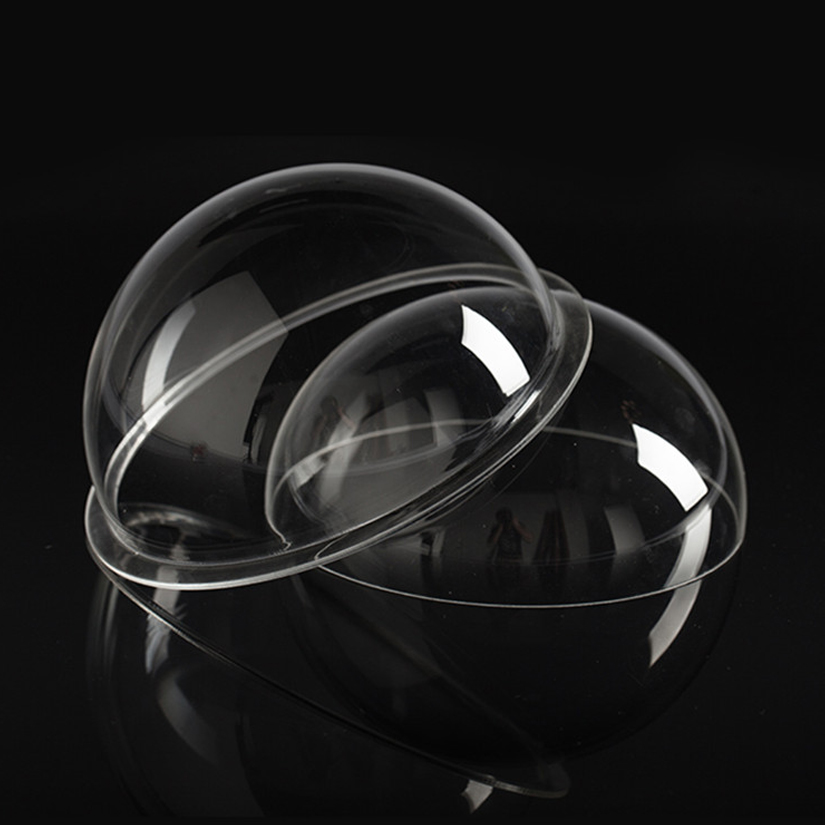
OEM Borosilicate Glass Optical Dome Cover for Outdoor IP Cameras UV Resistant Waterproof Housing Anti-Reflective Coating
- UV-resistant outdoor housing dome
- Anti-reflective optical coating
- For perimeter and surveillance optics

Wholesale OEM Shape Size Borosilicate Glass 175mm Diameter AR Coating Double Plano Convex Achromatic Fresnel Lens BO GLASS Stage
- 175 mm borosilicate Fresnel route
- AR coating for transmission
- Stage and projection optics
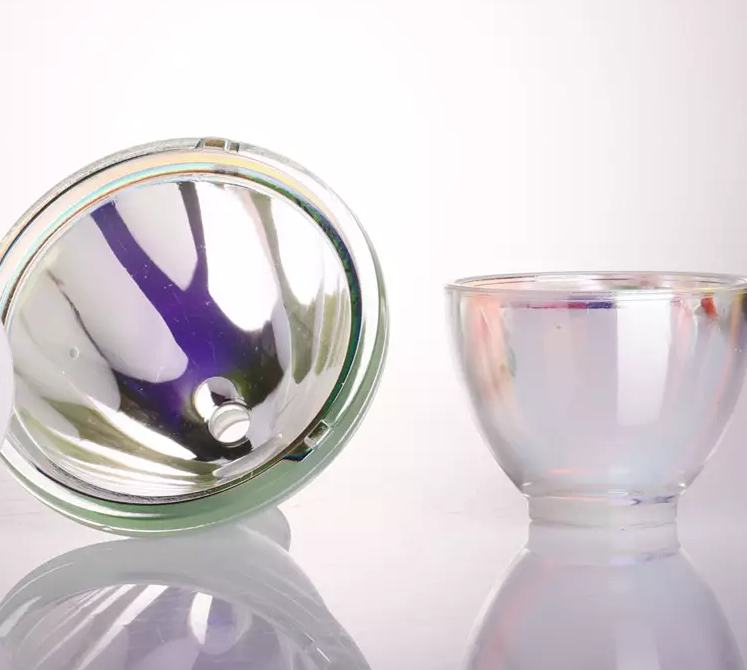
COB Glass LED Reflector Bowl Manufacturer Deep Design Perfect Beam Spotlights Projector Lights 20 60 90 Beam Angle
- Deep reflector bowl design
- 20°, 60° and 90° beam options
- Spotlights and projector lights

Factory Customized Size Shape Color Heat Resistant High Quality Borosilicate Glass Car Light Accessories Traditional Industrial
- Custom size, shape and color
- Heat-resistant borosilicate glass
- Industrial and traditional styling

High-Light Transmission Clear Borosilicate Glass Dome Lens LED Outdoor Lighting Fixtures Impact Resistant Anti-Scratch OEM
- High transmission clear dome
- Impact-resistant and anti-scratch
- For outdoor LED fixtures
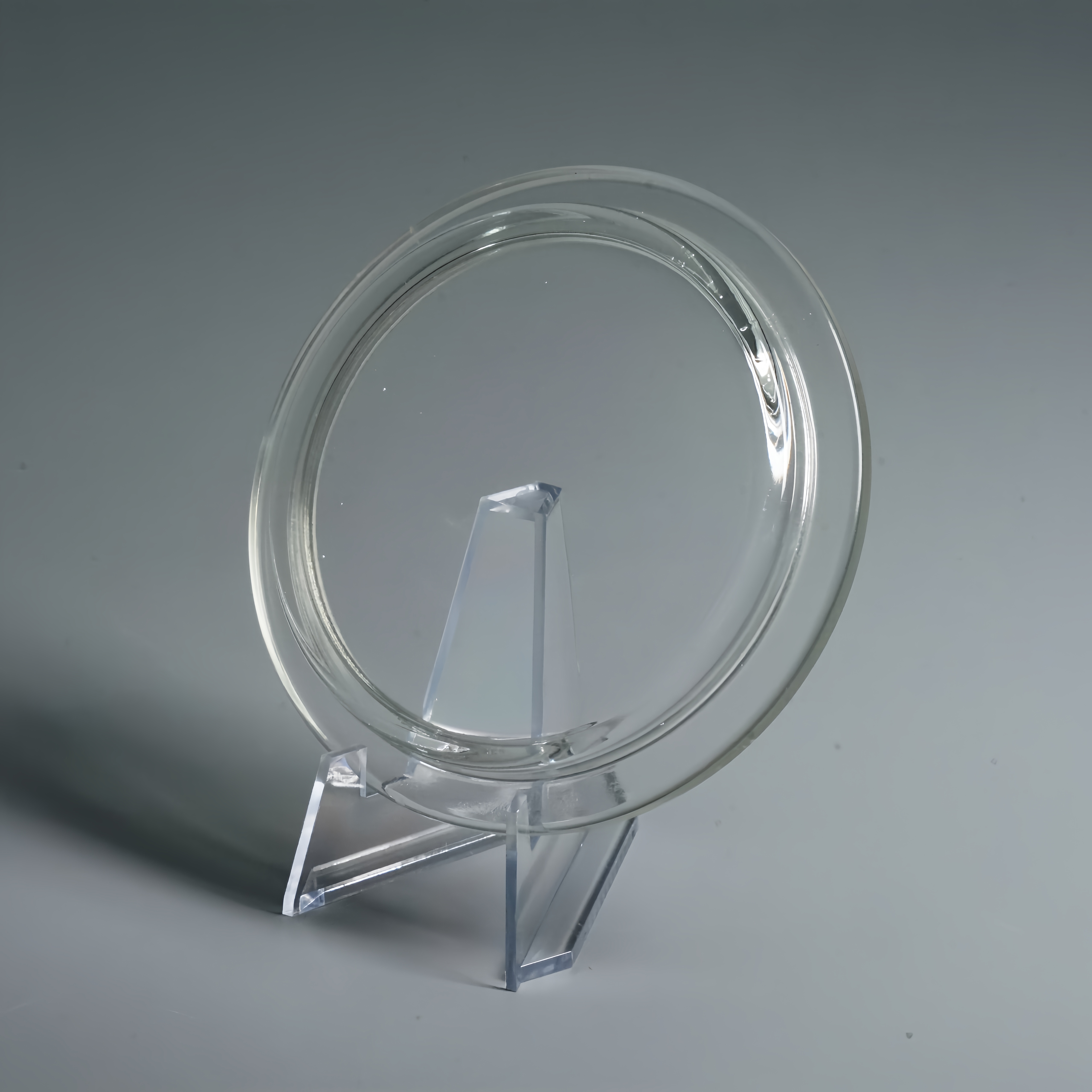
Custom Size Coastal Victorian Outdoor Stage Glass Lampshade Factory Waterproof High Temperature Impact Resistant Silk-Printable
- Waterproof outdoor lampshade
- High-temperature and impact-resistant
- Silk-printable for branding
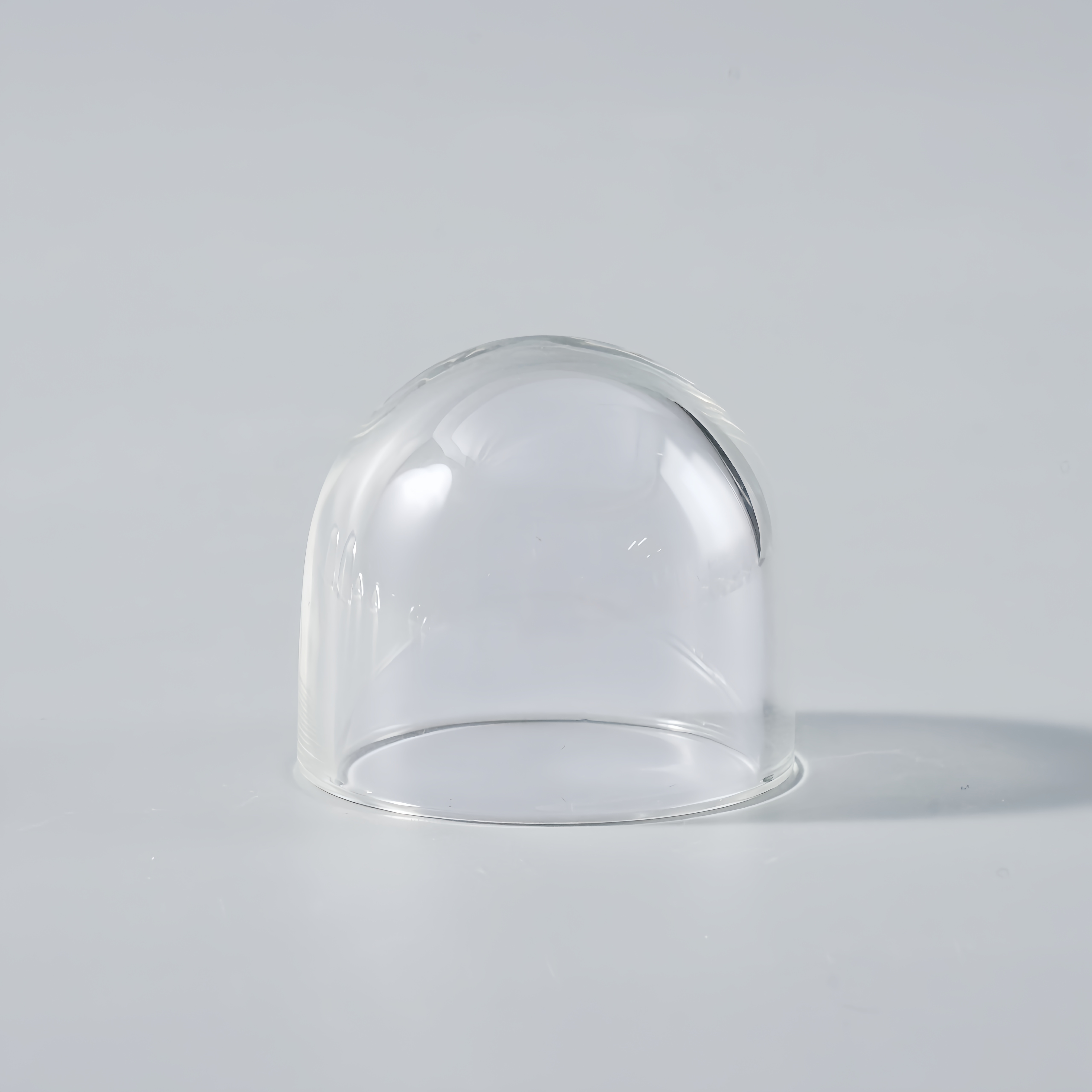
Customizable OEM Optical Glass Domes Broadband AR Coating Precision Hemispherical Windows for LiDAR Sensors Scientific
- Broadband AR-coated dome
- Precision hemispherical window
- LiDAR and scientific sensing
What Changes When a German Buyer Specifies Optical Glass?
Germany is not a price-only market for technical glass. A lighting OEM, a sensor integrator and a hazardous-area fixture maker tend to ask the same three questions: does the glass fit the housing and optical path, will it survive the thermal and impact loads specified for the fixture, and can the supplier support the documentation the approval process expects?
Standards-led qualification
CE marking, TÜV assessments and EN standards are normally owned by the luminaire or device maker. The glass component must support that qualification with stable dimensions, transmission, color and material declarations.
Total cost of ownership
A cracked cover, a color shift or a failed seal costs more than the glass itself. Borosilicate 3.3 often wins where high LED heat and rain contact create thermal shock.
Documentation and continuity
German procurement teams value repeatability: inspection records, packing that survives palletized export and consistency across reorders are part of the specification, not an afterthought.
Where German OEMs Use These Glass Components
The same drawing can behave very differently in an airport fixture, a chemical plant or a LiDAR housing. These application routes help procurement and engineering teams align material, coating and validation before the first sample order.
Airport and aviation lighting
Runway edge, taxiway and obstruction fixtures need stable red or clear transmission and a lens that tolerates heat and rain. We support fixture makers designing to FAA L-810 or EN 50293 requirements; final fixture certification remains with the luminaire manufacturer.
Ports, marine and offshore
North Sea and Baltic installations face salt spray, UV and temperature cycling. Handblown or pressed covers in borosilicate or tempered glass can be specified for navigation and ship signal lights.
Hazardous industrial areas
Chemical parks, refineries, biogas plants and dust zones use explosion-proof lampshades where thick-wall glass, controlled annealing and sealing-face accuracy matter more than decorative appearance.
Automotive and EV lighting
Headlight covers, projection lenses and car light accessories must survive high lamp temperatures and stone impact. Pressed borosilicate or tempered routes can be quoted from a 2D/3D drawing.
LiDAR, robotics and automation
Germany’s machine-vision and automation clusters need precision hemispherical domes, windows and prisms with broadband AR coating and tight optical alignment.
Outdoor and architectural
Coastal, stage and facade lighting uses clear or textured lampshades with waterproof, impact-resistant and silk-printable finishes that stay readable after installation.
Stage and entertainment
Fresnel lenses, COB reflector bowls and effect lenses must hold beam shape under high-power LED and moving-head heat while staying within the optical path tolerance.
Horticulture lighting
Indoor farming fixtures use AR-coated convex lenses to keep full-spectrum light efficient and reduce maintenance in damp, high-cycling growing rooms.
Food, medical and pharma
Emergency lights, sight glasses and equipment covers need chemical resistance, washdown tolerance and consistent visual inspection across production batches.
Germany-Market Trends Shaping Optical Glass Demand
German buyers are not only replacing old lampshades. They are re-specifying optical paths around higher brightness, tighter sensing, EU documentation and supply-chain resilience. These six trends are visible in RFQ reviews and sample requests.
High-brightness LED thermal loads
Higher radiance in spotlights, projectors and outdoor fixtures pushes covers and lenses closer to the heat source. Borosilicate and controlled annealing become specification choices, not upgrades.
Industry 4.0 and LiDAR growth
Automation, robotics and mobile sensing need domes and windows with repeatable curvature, coating uniformity and optical alignment—not merely a clear glass shell.
EU standards and technical files
Fixture makers need component data that supports CE and EN reviews. Color coordinates, material declarations, dimensional inspection and packing records help reduce qualification friction.
Supply-chain resilience and dual sourcing
German procurement teams increasingly qualify a second route for critical glass parts. Drawing-based production, existing mold options and predictable sample timing make that qualification easier.
Sustainable packaging and durability
Glass is durable and recyclable, but fragile export packing can create waste. Foam or pulp dividers, reinforced cartons and palletization protect parts while keeping packaging decisions practical.
Color consistency for signal safety
Red, green and clear signal domes must remain visually consistent across reorders. Pressed and tempered color routes need batch discipline, inspection and clear acceptance criteria.
Material Selection: Use Engineering Data, Not a Brochure Claim
Selecting the right glass early avoids cracked covers, color drift and expensive field returns. The comparison below is the same starting point our engineers use when reviewing a new German RFQ.
| Material | Thermal expansion (×10⁻⁶/K) | Typical max. working temperature | Key strength | Best-fit applications |
|---|---|---|---|---|
| Borosilicate 3.3 | ≈ 3.3 | ≈ 450 °C | Excellent thermal-shock resistance | Explosion-proof shades, high-power LED covers, Fresnel lenses |
| Tempered soda-lime | ≈ 9.0 | ≈ 250 °C | High impact strength, economical | Outdoor covers, floodlight glass, vandal-resistant lenses |
| Fused quartz | ≈ 0.55 | ≈ 1000 °C+ | UV transmission, extreme heat | UV optics, high-temperature windows |
| Optical BK7 (H-K9L) | ≈ 7.1 | ≈ 300 °C | Homogeneous, nd ≈ 1.517 | Precision lenses, prisms, mirrors, filters |
Bar length scales the thermal expansion coefficient to a 10 ×10⁻⁶/K reference. A shorter bar generally indicates lower expansion and greater thermal-shock tolerance. Values are typical references; the final specification is confirmed against your drawing, lamp surface temperature, impact rating and the standard your fixture must meet.
A Controlled 6-Step OEM Process for German Projects
Clear checkpoints mean fewer surprises between sample approval and mass production. Each step is designed to expose fit, thermal, optical and packing risks before they reach your assembly line.
Drawing review
DFM check of wall thickness, draft, tolerance, sealing face and optical path alignment.
Mold and tooling
New or existing molds for pressing, blowing or grinding, with manufacturability feedback.
Sampling
Samples measured and sent for your fit, light and thermal evaluation before mass production.
Forming and annealing
Controlled annealing or tempering to relieve stress and support stable reorder performance.
Coating and QC
AR or color coating, dimensional checks and visual inspection against agreed criteria.
Export packing
Divider-packed cartons, reinforced export packaging and palletization for sea or air freight.
Tambi Glass: Engineering Support Behind the Product Routes
Shanghai Tambi Glass Industrial Co., Ltd. supplies custom glass components to lighting and optical OEMs worldwide. For more than a decade, the company has focused on how glass performs inside a real luminaire—not only how it looks in a product photo.
Drawing-based OEM and ODM
Every new project begins with a 2D/3D drawing or physical sample. Senior lighting and molding engineers review manufacturability before tooling starts.
Multiple glass and process routes
Borosilicate 3.3, tempered soda-lime, fused quartz and BK7 can be combined with pressed, blown, ground and coated processes under one supply chain.
Onsite-verified supplier
Our premises have been checked onsite during third-party verification. Procurement teams can review supplier assessment, credit index, transaction level and trade capacity records.
Export documentation and packing
Fragile glass parts are separated by foam or pulp dividers, packed in reinforced export cartons and palletized for sea or air freight. Custom labeling can be arranged.
Fast technical response
Average response time is within 6 hours. Send a drawing and annual volume for a technical and commercial review before committing to a tooling route.
Long-term OEM partnerships
Tambi Glass works with long-term partners in Europe, North America and Japan, combining manufacturer and trading-company capabilities for export projects.
Verify the Supplier Before You Release the Order
Independent records help German procurement teams complete supplier qualification faster. Use these verification routes as part of your risk review, not as a substitute for your own technical approval.
Supplier Assessment
Third-party verification of legal status and premises.
View report →Credit Index
Business credit and compliance overview.
Check credit →Transaction Level
Recorded online transaction performance.
See level →Trade Capacity
Export markets, terms and logistics capability.
View capacity →Trade History
Historical shipment and order records.
See history →Ratings and Reviews
Feedback from buyers who ordered from us.
Read reviews →What to Send for a Faster Optical Glass Quotation
German buyers often save one sample round by sending complete input data. The three panels below are the minimum information set our engineers need to recommend a reliable material and process route.
Drawing package
- 2D/3D drawing or physical sample
- Critical dimensions and tolerances
- Wall thickness, draft and sealing face
- Mounting orientation and gasket detail
Performance inputs
- Maximum lamp or device surface temperature
- Thermal cycling or rain-contact conditions
- Impact, IP and anti-scratch requirements
- Transmission, color coordinate or coating target
- Standard target such as FAA L-810 or EN 50293
Commercial inputs
- Annual volume and first order quantity
- Sample timing and validation plan
- Packing, labeling and destination port
- Required inspection or material reports
- Whether an existing mold can be used
In return, our engineers can provide DFM notes, material and process recommendations, mold options, a sample plan and a clear quotation path. For projects where the drawing is not final, start with the operating conditions and the fixture standard; that is often enough to shortlist the right glass route.
German Procurement Teams Frequently Ask
These answers reflect the questions that appear most often in drawing-based RFQs for lighting, signal, industrial and optical glass components.
Can you manufacture optical glass to German drawings and tolerances?
What is the typical minimum order quantity?
Should I choose borosilicate glass or tempered soda-lime glass for German outdoor lighting?
Do you supply glass for FAA L-810 and EN 50293 fixture projects?
How do you handle RoHS, REACH and technical documentation requests?
How fast do you reply to technical inquiries?
How are fragile glass parts packed for export to Germany?
Can you produce custom colors, AR coatings and silk printing?
Have a Drawing? Get a Fit-for-Fixture Review Within 6 Hours.
Share your dimensions, material preference, operating temperature, target standard and annual volume. Our engineers will suggest the most reliable glass route for your German lighting, automotive, sensor or industrial fixture project.
Send an Inquiry info@tambiglass.com