Optical Components Manufacturer & Factory for Philadelphia
Drawing-based borosilicate, BK7, fused quartz and signal-light glass for Philadelphia OEMs, integrators, airports, marine operators, laboratory teams and public-realm lighting programmes.
Transparent factory model · samples before mass production · engineering review within 6 hours target
Eight Optical Components That Solve Real Philadelphia Sourcing Problems
These are not catalogue ornaments. Each part is a practical starting point for a Philadelphia housing, gasket, optical path or lighting certification programme. The original product URLs are preserved so your engineering team can compare drawings, materials and finishing options before an RFQ.

FAA-Compliant Borosilicate Runway Light Lens
Heat-resistant borosilicate lens for runway in-pavement and taxiway fixtures. Built for the combination Philadelphia airside teams check first: lamp heat, rain-driven thermal shock, de-icing exposure and IP68 sealing.
- IP68 support
- Thermal shock
- Clear / AR options

Precision BK7 / K9 Right-Angle Prism
Factory-custom BO-GLASS, quartz, BK7 or K9 90-degree prism with optional AR coating. Useful for University City instrument prototypes, LiDAR breadboards and optical benches that need repeatable angle and surface quality.
- 90-degree geometry
- BK7 / K9 / quartz
- AR coating
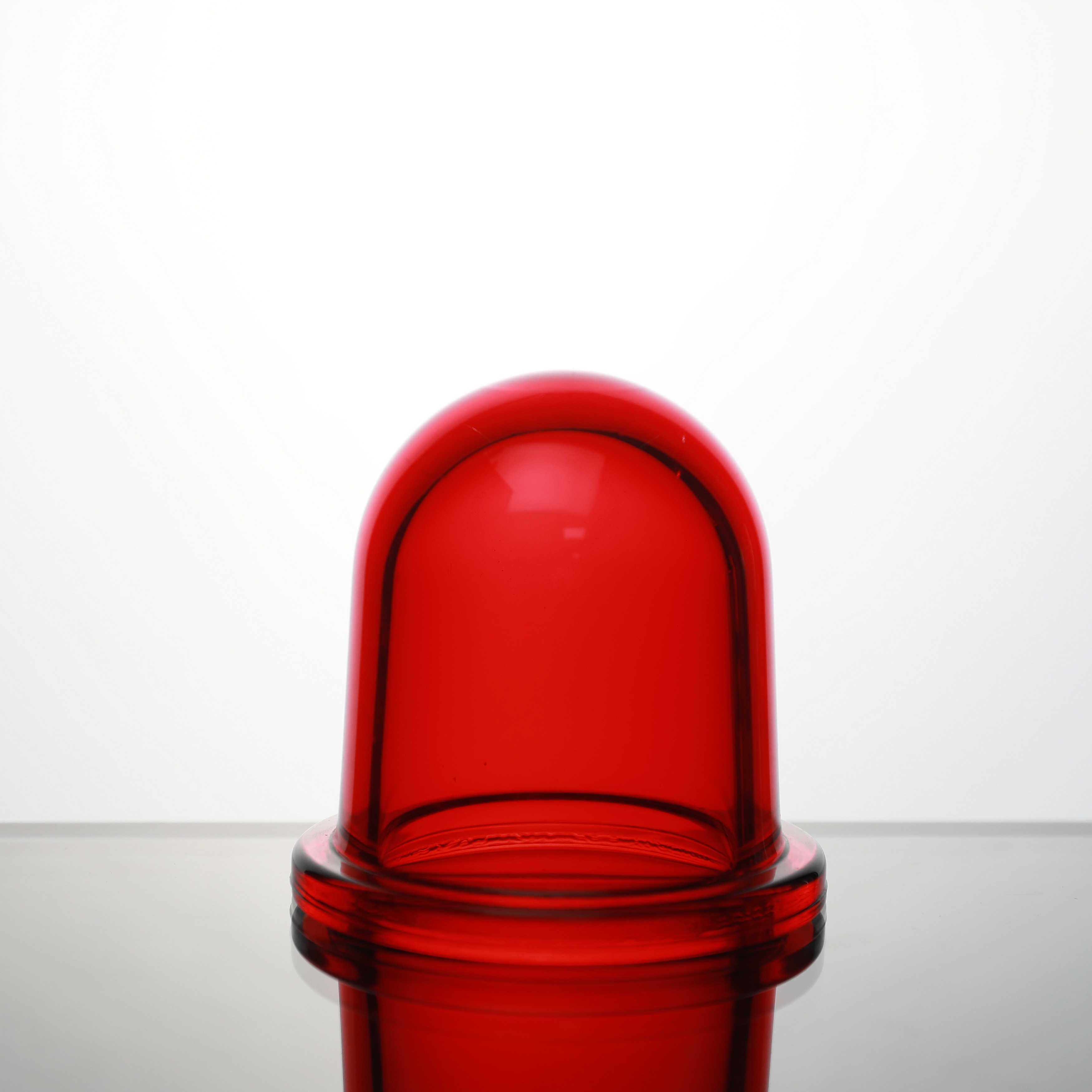
Explosion-Proof Borosilicate Light Cover
Custom-size clear borosilicate explosion-proof glass light cover for hazardous, outdoor and industrial fixtures. The borosilicate body is chosen where sudden temperature change and impact risk make ordinary glass a false economy.
- Explosion-proof
- Custom size
- 2-year warranty
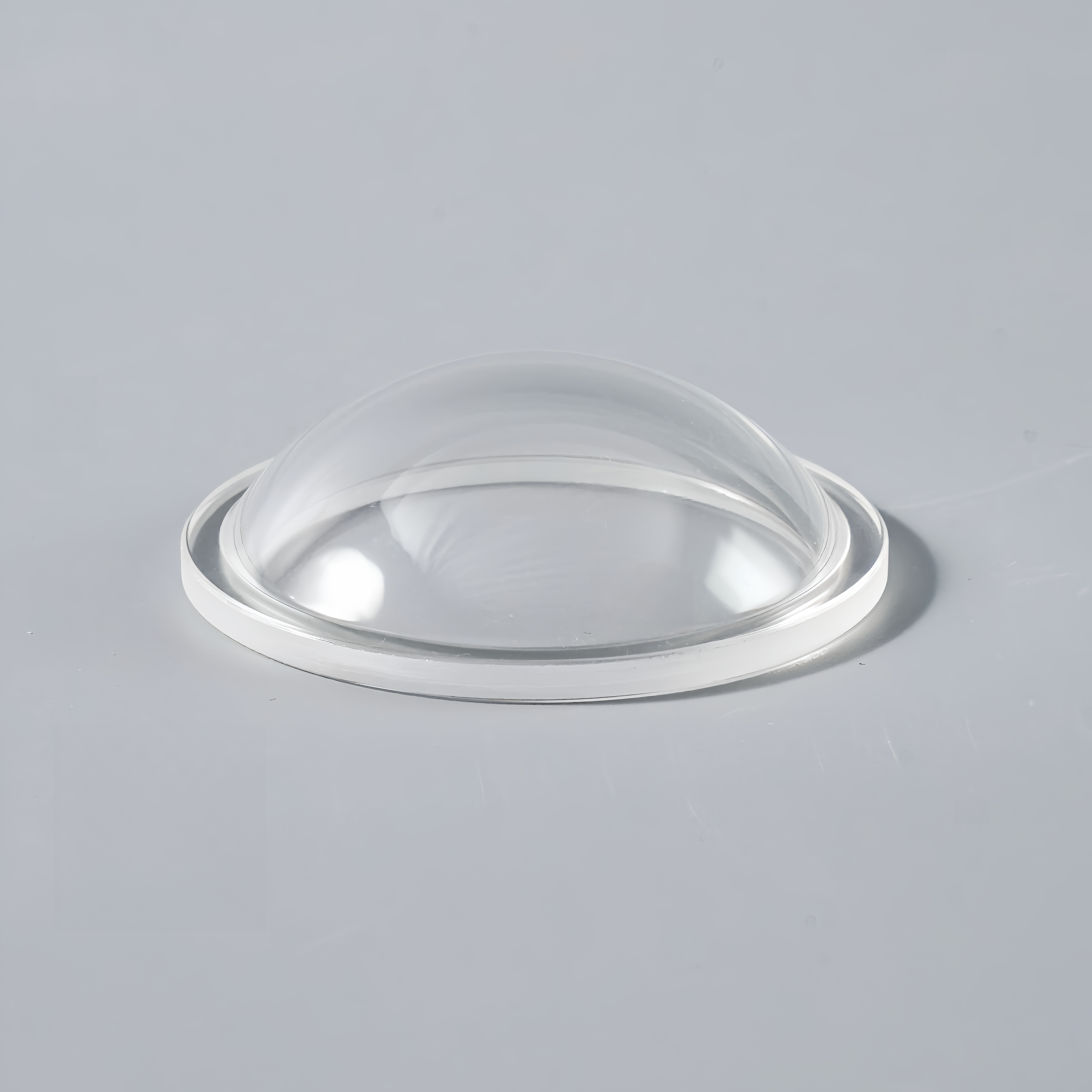
Clear Borosilicate Dome Lens for LED Lighting
High-transmission clear borosilicate dome lens for LED outdoor lighting. Its form suits Philadelphia street, facade, canopy and public-realm fixtures that balance light extraction, impact resistance and UV stability.
- High transmission
- Impact-resistant
- OEM

OEM Optical Dome Cover for IP Cameras
Borosilicate optical dome cover for outdoor IP cameras. A practical housing window for security, smart-pole and industrial vision systems that must resist UV, rain and cleaning chemicals while keeping AR performance.
- UV-resistant
- Waterproof housing
- AR coating
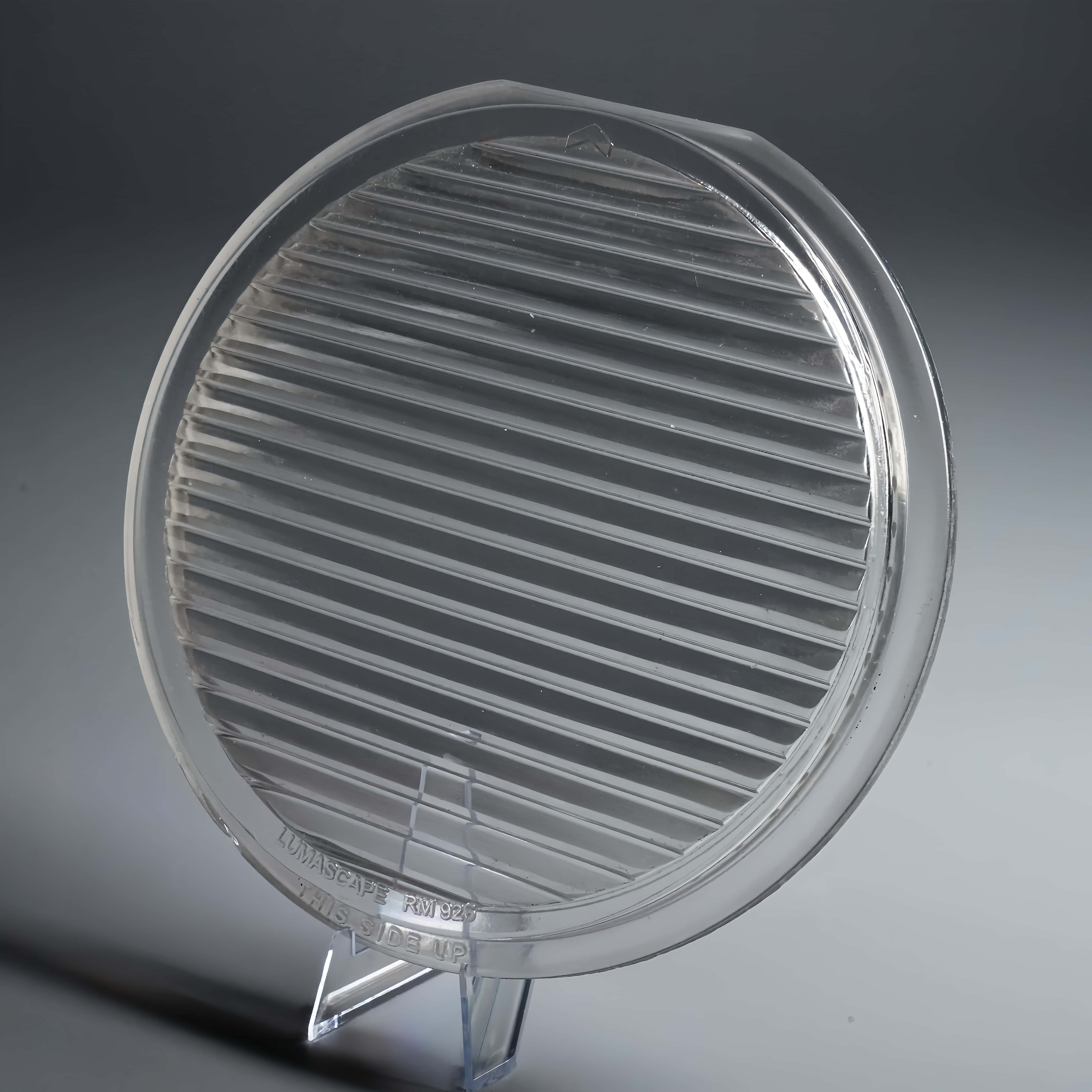
Heat-Resistant Borosilicate Headlight Cover
Pressed-mold high-borosilicate headlight glass lens cover in custom sizes and shapes. Suitable for vehicle, equipment and outdoor lighting programmes that need heat resistance without sacrificing a clean optical aperture.
- Heat-resistant
- Pressed mold
- Custom shape
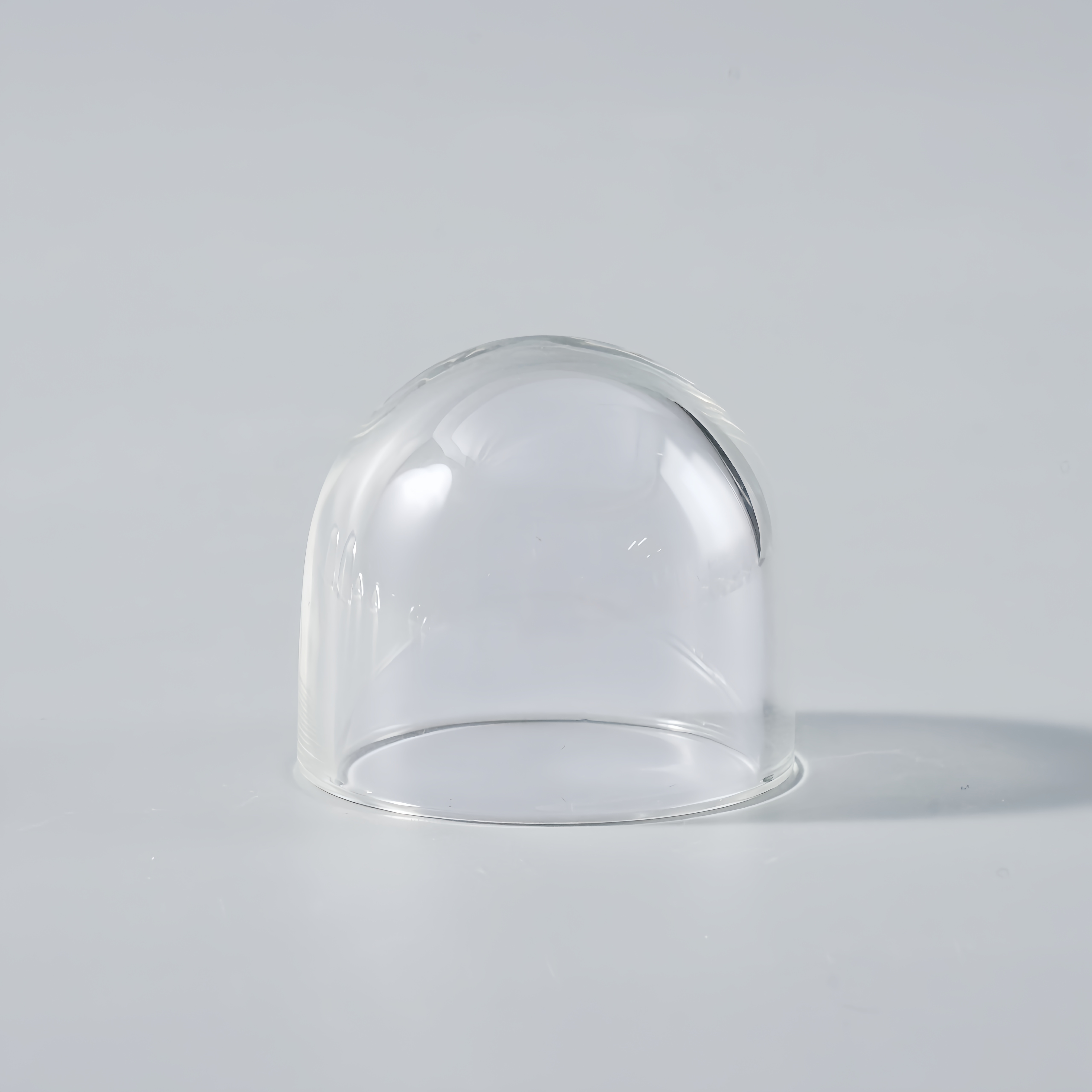
Broadband AR-Coated Dome for LiDAR Sensors
Customizable precision optical glass hemispherical dome with broadband AR coating for LiDAR, sensing and scientific instruments. This is the higher-precision route when transmission across a wide wavelength band matters.
- Broadband AR
- Hemispherical
- LiDAR-ready

Custom BK7 Spherical Lens, Half-Ball & Biconvex
Factory-price custom precision optical BK7 spherical lens from 1 to 200 mm, including half-ball, concave and biconvex forms. A useful bridge between prototype optics and repeatable OEM batches.
- 1–200 mm
- BK7 / quartz
- AR optional
What a Philadelphia Buyer Should Demand Before Approving a Glass Sample
Philadelphia is a difficult proving ground for generic optical components. A single supplier may be asked to support PHL airfield lighting, Delaware River marine signals, Navy Yard industrial fixtures, SEPTA transit environments, University City laboratory instruments, outdoor cameras and LED streetscape projects. Those applications do not share one failure mode. Airfield glass sees lamp heat and rain-driven thermal shock. Marine covers see salt spray and UV. Laboratory prisms see tight angular tolerance and coating uniformity. Outdoor LED domes see impact, cleaning chemicals and freeze-thaw cycles.
The procurement question, therefore, is not “Who sells the cheapest dome?” It is “Who can read my drawing, challenge the wrong material, control annealing or tempering, inspect the sealing face, document the coating and pack fragile glass for an export route to Philadelphia?” That difference is what we mean by information gain in a manufacturer page. A buyer should leave this page with a specification checklist, not only a price request.
Shanghai Tambi Glass Industrial Co., Ltd. is a Shanghai-based manufacturer and trading company serving lighting and optical OEMs worldwide. We are transparent about the model: the factory is in Shanghai, not Philadelphia. The advantage for Philadelphia buyers is direct access to the drawing review, mold, forming, coating, inspection and export packing team rather than an anonymous local reseller. For projects that need local warehousing, we can discuss packaging, labelling and delivery terms, but the technical responsibility starts with the drawing.
Our 10+ years in lighting glass has taught us that glass failure rarely begins with the glass type alone. It begins with a sealing face that was not designed for the gasket, a wall thickness that creates stress, an annealing step that was treated as a commodity or a coating that was specified without the wavelength band. For Philadelphia winters, add freeze-thaw, de-icing salt and storm-driven water. For summer, add hot roof cavities, roadway heat and direct sun. The material table later on this page shows where borosilicate 3.3, tempered soda-lime, fused quartz and BK7 each make sense.
Use the eight product links above as a starting shortlist. Then send the drawing, annual volume, surface temperature, IP or impact requirement and the standard your fixture must meet. If you do not have a final drawing, send a photo of the housing, gasket and lamp module; our engineers can propose a manufacturable route.
RFQ data that prevents a costly sample loop
A good RFQ is not a long email. It is a small set of decisions made before tooling starts.
- 2D/3D drawing or physical sample with critical tolerances
- Lamp power, surface temperature and expected thermal cycles
- IP rating, impact requirement and cleaning chemicals
- Transmission target, wavelength band and AR or color coating
- Annual volume, target MOQ and sample deadline
- Fixture standard, labeling and inspection report format
Final fixture certification remains with the luminaire manufacturer. We support the glass specification, material evidence, dimensional inspection and coating review.
Which Optical Component Fits Which Philadelphia Use Case?
Use this matrix to align the first technical conversation with the actual environment, not only the product name.
| Philadelphia context | Recommended starting product | Why it fits | RFQ checkpoint |
|---|---|---|---|
| PHL airfield, helipad or taxiway in-pavement lights | FAA-compliant borosilicate runway lens | Tolerates lamp heat plus cold rain; keeps a clear signal path | Surface temperature, chromaticity, gasket load, IP68 |
| University City lab, robotics or LiDAR prototype | BK7 right-angle prism or AR hemispherical dome | Homogeneous optical path and repeatable coating | Refractive index, angle tolerance, AR band, surface quality |
| Navy Yard, chemical or hazardous-area lighting | Explosion-proof borosilicate cover | Thermal-shock and impact resistance in a thick-wall form | Wall thickness, annealing, impact, sealing-face flatness |
| Delaware River marine signal or dock lighting | Clear or red borosilicate / tempered dome | UV, salt-spray and color-stability demands | Color coordinates, salt-spray evidence, gasket material |
| Street, canopy, camera or smart-pole LED | Clear dome lens or IP camera dome | Balances transmission, impact, UV and AR performance | IP rating, transmission, UV aging, coating durability |
| Transit, streetscape and public-realm fixtures | Custom pressed lens or headlight glass cover | Repeatable dimensions and vandal resistance | Drop/impact, cleaning agents, edge finish, mounting torque |
Where Philadelphia Projects Use These Optical Components
Philadelphia’s mix of aviation, port, industrial, academic and public-realm environments creates a wider optical-component brief than many cities of similar size.
PHL airfield and aviation suppliers
Runway, taxiway and obstruction fixtures need glass that survives hot lamp chambers, cold rain and service vibration. Borosilicate lenses and signal domes help maintain clear apertures while the luminaire maker retains FAA fixture certification. Specify color coordinates, transmission and gasket compression, not only dimensions.
Delaware River marine and port operators
Salt spray, UV, wind-driven rain and dock vibration attack covers. Handblown and pressed borosilicate covers are used in navigation and signal lights where color stability and sealing matter. For Philadelphia buyers, the RFQ should include salt-spray expectations, replacement interval and mounting torque.
Navy Yard, industrial corridors and hazardous areas
Explosion-proof covers and lampshades are safety components, not decorative glass. Wall thickness, annealing, impact resistance and sealing-face flatness must match the fixture. Dust, washdown, chemical vapour and temperature cycling should be stated before tooling begins.
University City labs, LiDAR and instrumentation
Precision prisms, hemispherical domes, spherical lenses and filters support optical benches, sensing prototypes and scientific instruments. The key RFQ data are wavelength band, angle tolerance, surface quality, AR coating and whether the part will move from prototype to serial production.
SEPTA, streetscape and public-realm lighting
Transit platforms, underpasses, parks and commercial corridors need covers that resist impact, cleaning agents and freeze-thaw cycles. Tempered soda-lime can be economical at moderate temperatures; borosilicate is stronger where heat and sudden cooling coexist. Edge finish and gasket geometry often determine field failures.
Security cameras, smart poles and outdoor sensing
Outdoor camera domes and sensor windows need high transmission, UV resistance and coatings that survive cleaning. A dome that is optically correct but mechanically weak will not pass Philadelphia wind, ice or vandal loads. Match the housing, O-ring, AR band and impact requirement in one review.
Philadelphia-Area Demand Trends Shaping 2025–2030 RFQs
Search intent around optical components is shifting from “cheap replacement part” to “documented, application-matched component.” These four signals explain why.
Infrastructure moves from lumens to documentation
Airport, port, transit and municipal projects increasingly ask for material reports, dimensional inspection and coating data before approval. A low unit price cannot compensate for a missing inspection record when a fixture is part of public infrastructure.
Reshoring raises the value of drawing-based optics
Philadelphia’s lab, robotics and advanced-manufacturing ecosystem needs faster prototype cycles. Buyers want a factory that can discuss BK7, fused quartz and AR coating at the drawing stage, then scale the same optical stack into serial production.
Climate resilience becomes a glass specification
Freeze-thaw, de-icing salt, summer roof heat and Delaware River humidity create a stress profile that generic soda-lime covers may not survive. Borosilicate 3.3 is not automatically the answer, but the thermal-expansion mismatch must be part of the decision.
Supply-chain diversification favours transparent factories
Procurement teams are checking premises, trade records, response times and packing standards. Onsite verification, a 6-hour technical reply target and export-ready packing reduce the risk of a fragile part arriving late or out of tolerance.
Borosilicate, Tempered Soda-Lime, Fused Quartz or BK7?
There is no universal “best glass.” There is only the glass, forming route and finishing process that match the fixture, the Philadelphia environment and the inspection record your buyer will audit.
| Material | Thermal expansion | Typical max working temp. | Best Philadelphia use | Watch-out |
|---|---|---|---|---|
| Borosilicate 3.3 | ≈ 3.3 × 10⁻⁶/K | ≈ 450 °C | Explosion-proof covers, airfield lenses, high-power LED, Fresnel optics | Confirm annealing and impact geometry; it is not automatically best for every impact load |
| Tempered soda-lime | ≈ 9.0 × 10⁻⁶/K | ≈ 250 °C | Outdoor covers, floodlight glass, vandal-resistant lenses at moderate heat | Thermal-shock risk if hot glass meets cold rain; temper quality is critical |
| Fused quartz | ≈ 0.55 × 10⁻⁶/K | ≈ 1000 °C+ | UV optics, high-temperature windows, laboratory instruments | Higher cost; specify UV grade and surface quality carefully |
| Optical BK7 / H-K9L | ≈ 7.1 × 10⁻⁶/K | ≈ 300 °C | Precision lenses, prisms, mirrors and filters | Homogeneity and coating matter; design for mounting stress |
A Philadelphia winter note
Do not select borosilicate only because the word sounds premium. Select it when surface temperature, thermal cycling or cold-water shock actually justify it. For a moderate-temperature outdoor cover, correctly tempered soda-lime may be the rational choice. For a high-power LED or airfield lens, borosilicate 3.3 may reduce thermal-shock risk. For UV or high-temperature instruments, fused quartz may be the only credible route. For imaging and sensing, BK7 is often chosen for homogeneity and available coating ecosystems.
Values are typical references. Final specification is confirmed against your drawing, lamp surface temperature, impact rating and the standard your fixture must meet.
From Drawing to Export Crate: A Controlled OEM Route
Clear checkpoints mean fewer surprises between sample approval and mass production, especially when fragile glass travels from Shanghai to Philadelphia.
Drawing review
DFM check of thickness, draft, tolerance, sealing face and optical-path alignment before tooling.
Mold and tooling
New or existing molds for pressing, blowing or grinding, selected around the geometry and volume.
Sampling
Samples measured and sent for your fit, light and sealing test before mass production is released.
Forming and annealing
Controlled annealing or tempering to relieve stress and reduce field cracking risk.
Coating and QC
AR or color coating, dimensional inspection and visual checks against the approved sample.
Export packing
Divider-packed cartons and palletization for sea or air freight, with custom labels available.
The handoff is deliberately explicit: sample approval is not a verbal milestone; it is a dimensional and visual reference for mass production.
Why Philadelphia Procurement Teams Shortlist Tambi Glass
E-E-A-T in industrial supply is built on evidence: drawings reviewed, materials understood, processes controlled and records available for review.
Drawing-led engineering
10+ years focused on lighting glass. Senior lighting and molding engineers review wall thickness, draft, sealing faces and optical-path alignment before tooling.
Material and process breadth
Borosilicate, tempered, quartz and BK7; pressed, blown, ground and coated processes; AR and optical coatings. The recommendation follows the application instead of forcing one material.
Transparent verification
Onsite-verified supplier status, supplier assessment, credit index, transaction level, trade capacity and trade history are available for review. Average technical response is within 6 hours.
Export-ready packing and realistic scale
11–50 team, annual export revenue of US$2.5M–5M, drawing-based OEM/ODM. Fragile parts travel with dividers, reinforced cartons and palletization for sea or air.


Factory evidence before you commit to a mold
Ask for evidence before you approve a new mold. The workshop and inspection images on this page are the kind of production context a Philadelphia buyer should compare with any supplier: forming, finishing, inspection and packing are not separate promises. Our premises have been checked onsite during third-party verification, and we welcome video calls or third-party audits for larger programmes.
- Manufacturer and trading company based in Shanghai, China
- 10+ years of lighting and optical glass experience
- Engineering review within a 6-hour response target
- Drawing-based OEM/ODM and samples before mass production
- Export packing for fragile glass parts and distributor labeling
Philadelphia Buyer FAQ: Optical Components, Samples and Compliance
These are the questions we hear most often from Philadelphia-area buyers comparing custom glass factories, local distributors and overseas trading companies.
Are you a Philadelphia factory or a local warehouse?
Can you support PHL airfield or FAA L-810-related lighting projects?
How should Philadelphia winter weather change the glass specification?
What documents can you provide for procurement and quality approval?
What is the typical MOQ and lead time to Philadelphia?
How do I start a drawing-based RFQ?
Have a drawing, housing photo or target specification?
Share the operating temperature, annual volume and Philadelphia delivery window. We will review manufacturability, material choice and packing before you commit to tooling.