Optical Coated Glass Exporter & Wholesalers for Querétaro
Drawing-based borosilicate, BK7/K9, quartz and tempered glass components with AR, bandpass, dichroic and protective coatings for aerospace, automotive, industrial lighting and sensing teams across Querétaro, Mexico.
Eight coated and precision glass products for Querétaro OEM projects
Querétaro buyers rarely need a generic catalogue lens; they need a part that matches a housing, gasket, LED module, coating stack, inspection plan and import schedule. The eight products below are practical starting points for RFQs from aerospace, automotive, lighting, food and medical equipment, photonics and sensing teams in Querétaro and the wider Bajío industrial corridor. Each item can be adapted in diameter, thickness, edge finish, coating, colour, packaging and traceability documentation.

FAA Compliant Borosilicate Heat Resistant Glass Lens Runway In-Pavement Taxiway Lights IP68 Waterproof Optical Equipment Clear
For runway, taxiway and in-pavement fixtures where heat, water ingress and rain-driven thermal shock are part of the duty cycle. The borosilicate lens supports clear optical output and dimensional repeatability for fixture makers designing around aviation lighting requirements.

Wholesale OEM Shape Size Borosilicate Glass 175mm Diameter AR Coating Double Plano Convex Achromatic Fresnel Lens BO GLASS Stage
A 175 mm borosilicate Fresnel lens platform for stage, architectural and high-power LED collimation. AR coating, plano-convex profile and OEM shape and size options help Querétaro lighting OEMs reduce glare while keeping beam control predictable.

Factory Price Custom Precision Optical 1-200mm Clear BK7 Spherical Quartz Glass Half Ball Concave/Biconvex Lens Anti-Reflective
Custom precision BK7 spherical, half-ball, concave and biconvex lenses from 1 to 200 mm. Anti-reflective finishing and tight dimensional control support machine vision, instrumentation, laser subassemblies and optical sensor enclosures.

High Temperature Resistant Borosilicate Glass Fresnel Lens Anti-Reflective Coating High Power LED Collimation Stage Lighting
A high-temperature borosilicate Fresnel lens with anti-reflective coating for high-power LED stage and entertainment luminaires. The low-CTE material resists thermal shock during dimming cycles and intense front-of-fixture heat.
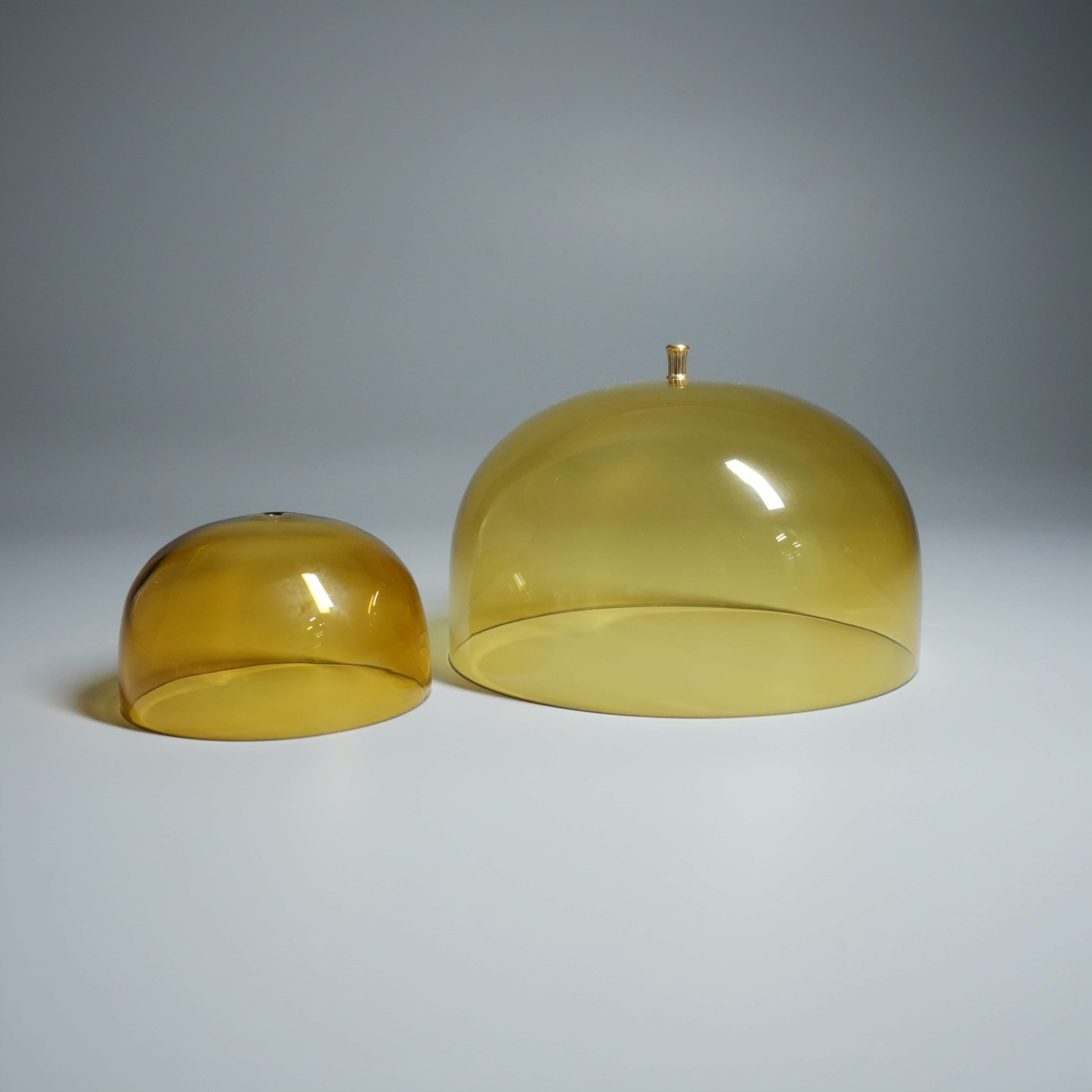
Certified Glass Cover for Food Machinery and Medical Equipment, Chemical Resistant
Certified chemical-resistant glass cover for food machinery, medical equipment and washdown environments. Custom shapes and edge finishes support sight windows, protective covers and instrument enclosures that need easy cleaning and stable optical clarity.
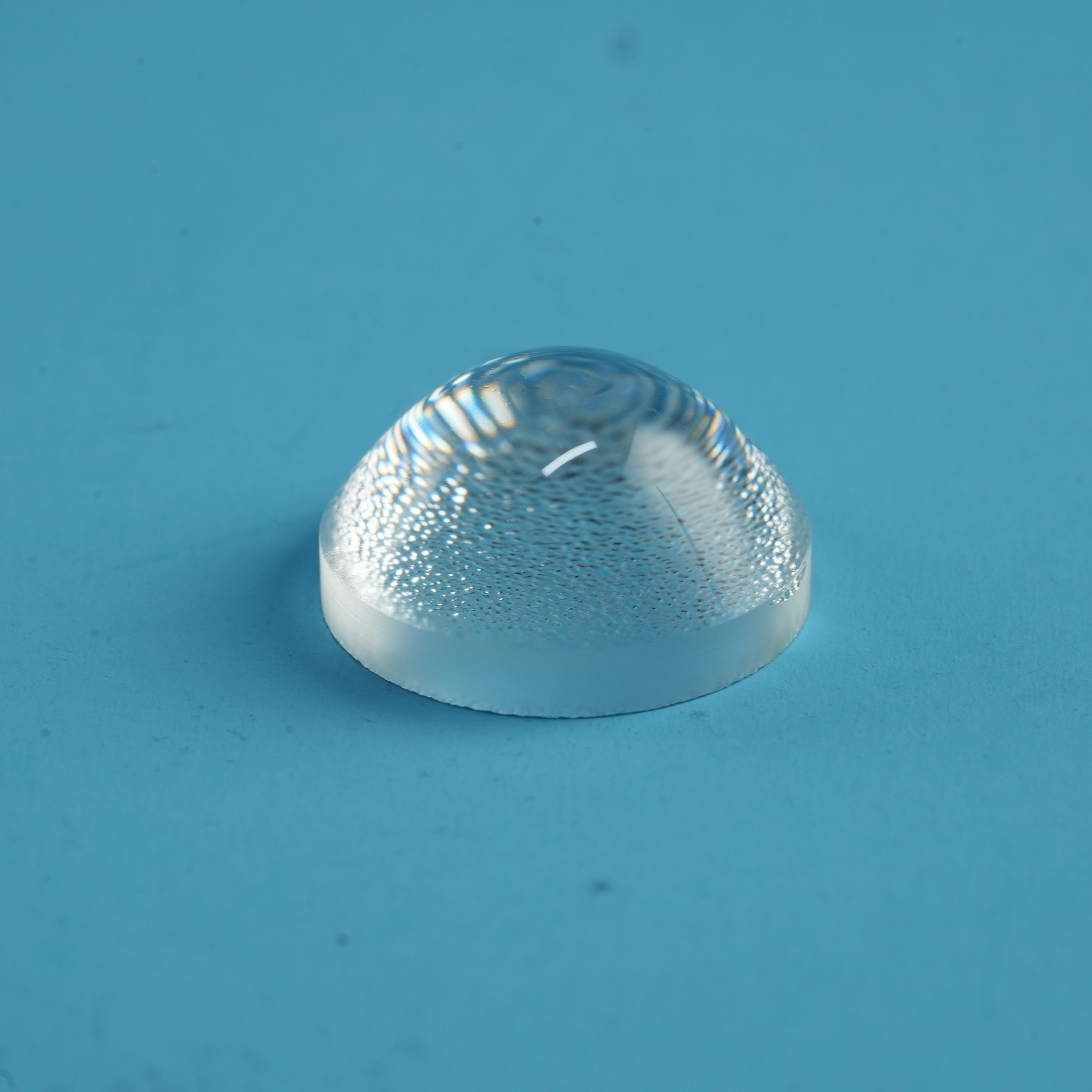
Manufacturer OEM Precision Grade BK7 K9 Optical Glass Aspherical Lens Anti-Reflective Coating Diameter 0.5-25mm MOQ 100 Pcs
OEM precision BK7/K9 aspherical lenses from 0.5 to 25 mm with anti-reflective coating. Suitable for compact optical modules, sensors and imaging systems that need stable focus, low stray light and repeatable dimensional fit.
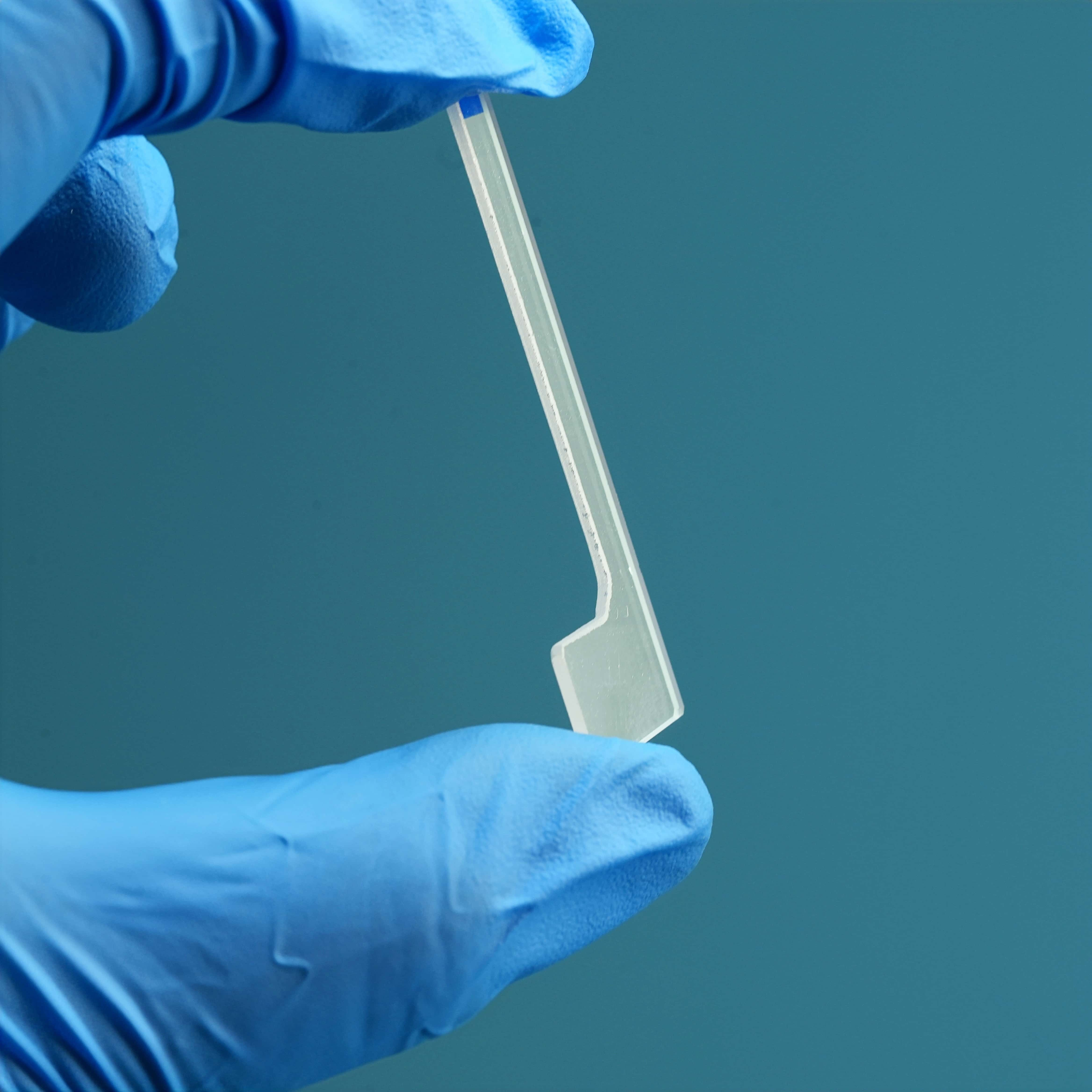
Anamorphic Prism Pair for Laser Beam Shaping Circularizing Elliptical Beams for Fiber Coupling Applications
An anamorphic prism pair for circularizing elliptical laser beams and supporting fibre-coupling setups. Precision grinding and coating support stable beam shaping in laboratory, sensing and industrial laser systems.
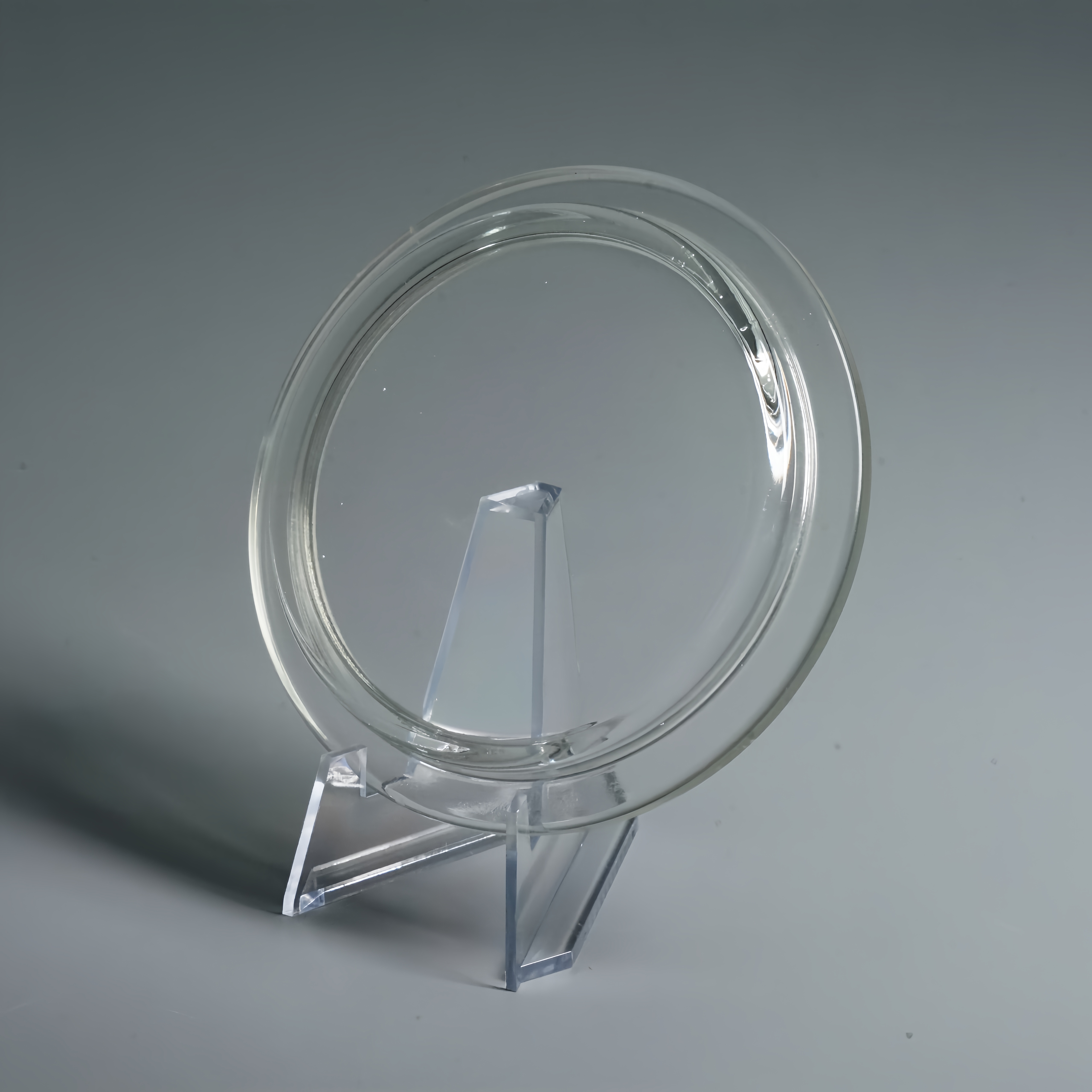
Custom Size Coastal Victorian Outdoor Stage Glass Lampshade Factory Waterproof High Temperature Impact Resistant Silk-Printable
Custom waterproof outdoor glass lampshade for coastal, Victorian, stage and architectural fixtures. Impact-resistant and high-temperature options with silk-printable surfaces support decorative and functional lighting programmes.
Send a drawing, target wavelength or existing fixture sample for a manufacturability and coating review.
Why coated optical glass projects in Querétaro need a specification-led exporter
Querétaro is no longer only a low-cost manufacturing location. It is a specification-intensive industrial market: aerospace suppliers, automotive Tier 1 and Tier 2 manufacturers, appliance plants, food and medical equipment producers, data-centre contractors and lighting integrators all compare incoming components against drawings, reliability targets and traceability requirements. For optical coated glass, the purchasing decision usually begins with a simple question: will the coated surface survive the actual fixture and the actual cleaning cycle? A lens can meet a transmission target in a catalogue and still fail in the field because the coating was specified for a different wavelength, the glass was not annealed for the thermal load, or the edge finish did not seal correctly against the gasket.
Shanghai Tambi Glass Industrial Co., Ltd. approaches Querétaro projects as an exporter and wholesale manufacturing partner, not as a generic catalogue reseller. Our experience covers more than ten years in lighting and optical glass, drawing-based OEM and ODM production, borosilicate 3.3, tempered soda-lime, fused quartz and BK7/K9 processing, plus pressed, blown, ground, polished, tempered and coated supply. The practical advantage for a Querétaro buyer is fewer hand-offs between glass forming, coating, inspection and export packing. That matters when a local assembly line needs a repeatable part rather than a one-off sample.
Information gain for procurement teams: specify the coating by function, not only by the phrase “AR coated.” State the wavelength band, angle of incidence, average reflectance target, laser damage threshold if applicable, cleaning chemicals, abrasion requirement and the surface that will face the LED, sensor or gasket. This single change reduces sample iterations and prevents a low-cost quote from becoming an expensive qualification cycle.
- Drawing-based OEM/ODM review before tooling
- Borosilicate, tempered, quartz and BK7/K9 options
- AR, bandpass, dichroic and protective coating routes
- Onsite-verified supplier records and factory video
Querétaro RFQ signals we review first
Useful local context for an accurate glass and coating recommendation.
Where coated optical glass performs in Querétaro and the Bajío
Local manufacturing conditions vary from aerospace cleanrooms to outdoor lighting on industrial campuses. The right glass specification should follow the operating environment, not a generic product name.
Airport and aviation lighting
Runway, taxiway, obstruction and helipad fixtures in and around Querétaro aerospace and logistics sites. Borosilicate lenses, red and clear domes and coated windows must balance colour, transmission, heat and water ingress.
Automotive and EV lighting
Headlamp projection, signal lenses, sensor windows and machine-vision optics for automotive suppliers. Coated glass reduces glare, protects sensitive optical paths and supports repeatable beam patterns in high-volume programmes.
Industrial automation and machine vision
Lenses, prisms, domes and filters for inspection systems in aerospace, appliance and electronics plants. Tight tolerances and AR coatings improve contrast, reduce stray light and keep measurement systems stable.
Architectural and outdoor lighting
Waterproof lampshades, tempered covers, Fresnel lenses and decorative glass for hotels, campuses, transport hubs and public spaces. Coastal or high-humidity exposures can use borosilicate or tempered options with protective finishes.
Food, medical and cleanroom equipment
Chemical-resistant glass covers and sight windows for washdown, sterilisation and inspection. Smooth surfaces, stable coatings and controlled edge quality help equipment makers maintain cleanliness and visual access.
Laser, fibre coupling and sensing
Anamorphic prism pairs, cylindrical optics, bandpass filters and windows for photonics and LiDAR development. The goal is stable beam shaping, low scatter and a coating stack that matches the laser wavelength and power.
What is changing for optical glass buyers in Querétaro
Nearshoring, aerospace maturity, automotive sensor growth and documentation-first procurement are reshaping how local teams evaluate a glass exporter.
Nearshoring and supplier localisation
Querétaro procurement teams increasingly ask for a qualified alternative to single-region supply. A drawing-based exporter can support local assembly while keeping glass forming, coating and inspection in one controlled chain.
Aerospace cluster maturity
Aerospace suppliers expect traceable material, dimensional reports and change control. Glass parts should be treated as engineered components, not commodities, especially where colour and transmission affect signal performance.
Automotive lighting and sensor complexity
EVs, ADAS and adaptive lighting increase the number of coated surfaces per vehicle. This raises demand for repeatable AR and protective coatings, tighter angular control and stable supplier documentation.
Documentation-first purchasing
Buyers compare inspection reports, packaging validation, sample approval and responsiveness. An average technical response within 6 hours and a clear sample loop can shorten supplier qualification for Querétaro teams.
How to choose glass and coating for a Querétaro fixture or optical module
The table below reflects the practical comparison our engineers use when reviewing new projects. Selecting the correct glass and coating early avoids cracked covers, colour drift, delamination and costly field returns.
| Operating requirement | Material route | Coating or finish | Why it matters locally |
|---|---|---|---|
| High lamp temperature plus rain shock | Borosilicate 3.3 | AR coating or uncoated optical polish | CTE around 3.3 × 10⁻⁶/K and working temperatures near 450 °C support outdoor and high-power LED fixtures used across industrial and transport lighting. |
| Impact resistance at controlled cost | Tempered soda-lime | AR or hard coat, edge polishing | High impact strength suits outdoor covers, floodlight glass and vandal-resistant lenses where surface temperatures remain moderate. |
| UV transmission or extreme heat | Fused quartz | UV-grade polish, custom windows | Low expansion and high temperature capability support UV optics, high-temperature windows and demanding instrumentation. |
| Precision imaging and laser paths | BK7 / K9 optical glass | BBAR, bandpass, dichroic or protective coating | Homogeneous optical glass with nd around 1.517 supports lenses, prisms, mirrors and filters for inspection and photonics systems. |
| Signal colour accuracy | Borosilicate or tempered signal glass | Colour-matched glass and stable coating | Aviation and marine signal performance depends on colour consistency, transmission and resistance to solar and thermal ageing. |
Values are typical references. Final specification is confirmed against your drawing, lamp surface temperature, impact rating, cleaning chemicals and the standard your fixture or equipment must meet. Fixture certification remains with the luminaire manufacturer or importer.
Why Querétaro buyers shortlist Tambi Glass as an optical coated glass exporter
Our role is to make the technical and commercial path shorter for OEM procurement teams that need custom glass rather than a catalogue substitute.
Drawing-based OEM and ODM
We review wall thickness, draft, sealing faces, optical path alignment and tolerances before tooling. Most orders are built from a 2D or 3D drawing or a physical sample, with sample approval before mass production.
Material breadth
Borosilicate 3.3, tempered soda-lime, fused quartz and BK7/K9 cover applications from explosion-proof lighting covers and signal domes to precision lenses, prisms and optical filters.
Coating and finishing
AR, BBAR, bandpass, dichroic, protective finishes, silk printing, edge grinding and tempering are specified by wavelength, angle and cleaning environment, not by a vague coating label.
Onsite-verified supplier
The original Tambi Glass site includes supplier assessment, credit index, transaction level, trade capacity, trade history, ratings and a factory video. These records help procurement teams complete first-stage supplier qualification.
Quality control and export packing
Dimensional and visual inspection, coating checks and divider-packed export cartons are standard considerations for fragile glass. Custom labels and packaging can be arranged for distributors serving Querétaro and Mexico.
Responsiveness and export experience
Average response time within 6 hours, 11–50 team members, manufacturer and trading capability, and an annual export revenue band of US$2.5M–5M support international B2B projects with practical commercial follow-through.


Verify the supplier before a Querétaro production line depends on it
For a first order, technical fit is only half of the buying decision. The other half is evidence: can the supplier show real production, inspection discipline and export experience? The Tambi Glass website publishes a factory introduction video and onsite-verification pages covering supplier assessment, credit, transaction level, trade capacity, trade history and buyer reviews. For a Querétaro procurement team, those records shorten the first qualification call and make it easier to align internal quality, purchasing and logistics stakeholders.
Our production discussion starts with the fixture or optical module, not with a stock item. That means we review how the glass will be seated, what gasket or adhesive will contact it, where heat will concentrate, whether the coated surface faces inward or outward, and how the part will be cleaned. When the application is aviation, automotive, medical or hazardous-area lighting, the review also considers documentation, colour consistency, thermal shock and packaging protection.
Practical E-E-A-T check: ask for material reports, dimensional inspection records, coating targets, sample approval criteria and packaging drawings before releasing a production order. A reliable exporter should be comfortable with these questions.
A controlled OEM process for custom coated glass
Clear checkpoints reduce surprises between sample approval and mass production, especially when the buyer and supplier are working across different time zones.
Drawing and application review
We check dimensions, tolerances, glass type, coating target, edge finish, sealing faces and annual volume. Early DFM feedback prevents avoidable mould or coating changes.
Material and coating selection
Borosilicate, tempered, quartz or BK7/K9 is matched to thermal load, impact, transmission and cleaning chemicals. Coating is specified by wavelength, angle and durability requirement.
Tooling and sample approval
New or existing moulds are selected for pressing, blowing or grinding. Samples can be measured and sent for fit, light and environmental evaluation before mass production.
Forming and annealing
Controlled forming, annealing or tempering relieves stress and supports stable dimensions. This step is critical for covers and lenses exposed to high-power LEDs or outdoor temperature swings.
Coating and quality control
AR or colour coating, dimensional measurement, visual inspection and coating checks are completed according to the approved sample and drawing. Reports can be prepared for buyer review.
Export packing and documentation
Parts are separated by foam or pulp dividers, packed in reinforced export cartons and palletised for sea or air freight. Custom labels and packing plans can be arranged for distributors.
Common procurement questions from local importers and OEM teams
These answers reflect the questions we most often receive from international buyers evaluating custom optical coated glass for Mexico.
Do you ship optical coated glass to Querétaro and the Bajío region?
What are typical MOQs for wholesale optical glass from Querétaro buyers?
Can you manufacture to a drawing or a local fixture sample?
Which glass should we choose for Querétaro’s temperature and humidity?
Can you support FAA, EN 50293, NOM or end-product compliance?
How are fragile glass parts packed for export to Mexico?
How fast can you quote and provide samples?
Do you offer AR, bandpass, dichroic or protective coatings?
What should a Querétaro buyer include in an RFQ for coated optical glass?
Send your drawing. We will return a manufacturability and coating review.
Share dimensions, glass type, operating temperature, coating target, annual volume and destination in Querétaro. Our team will recommend the most practical glass and coating combination for your fixture, optical module or wholesale programme.
Get Catalog