OEM/ODM Tank Sight Glass Factories & Supplier Serving Columbus
Custom borosilicate, tempered, fused silica, and optical glass windows, covers, and process observation components engineered from your drawing and supplied to Columbus chemical, food, pharmaceutical, water, and industrial teams.
Custom Glass Products Supporting Tank Sight Glass and Process Observation Programs
These eight buyer-favorite products show our range across windows, covers, lenses, and coated optics. Each can be reviewed against your sight-glass assembly, guard, gasket, lighting position, inspection camera, or adjacent equipment design.

Manufacturer OEM Transparent High Quality Precision Borosilicate UV Fused Silica Coated Glass Optical Window High Transmittance
A high-transmittance window platform for inspection ports, sensor apertures, and guarded sight openings where clarity, coating control, and edge quality matter.
View product →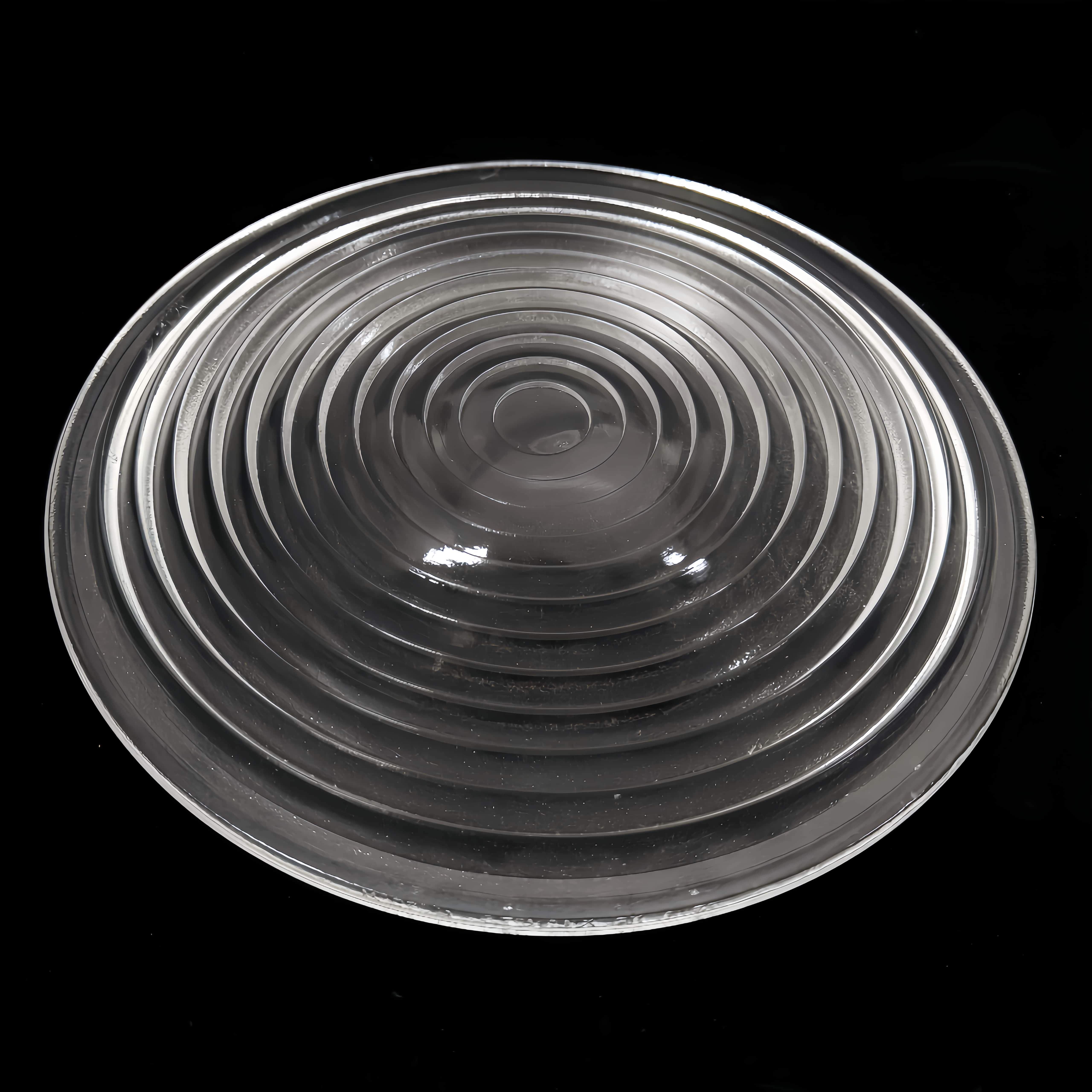
Precision Molded Borosilicate Glass Fresnel Lens Stage Lighting Anti-Reflective Coating FAA/ICAO Standards 175mm BO GLASS OEM
A molded Fresnel lens for stage and high-power LED fixtures. The same molding and annealing discipline supports prismatic guards and light-control windows.
View product →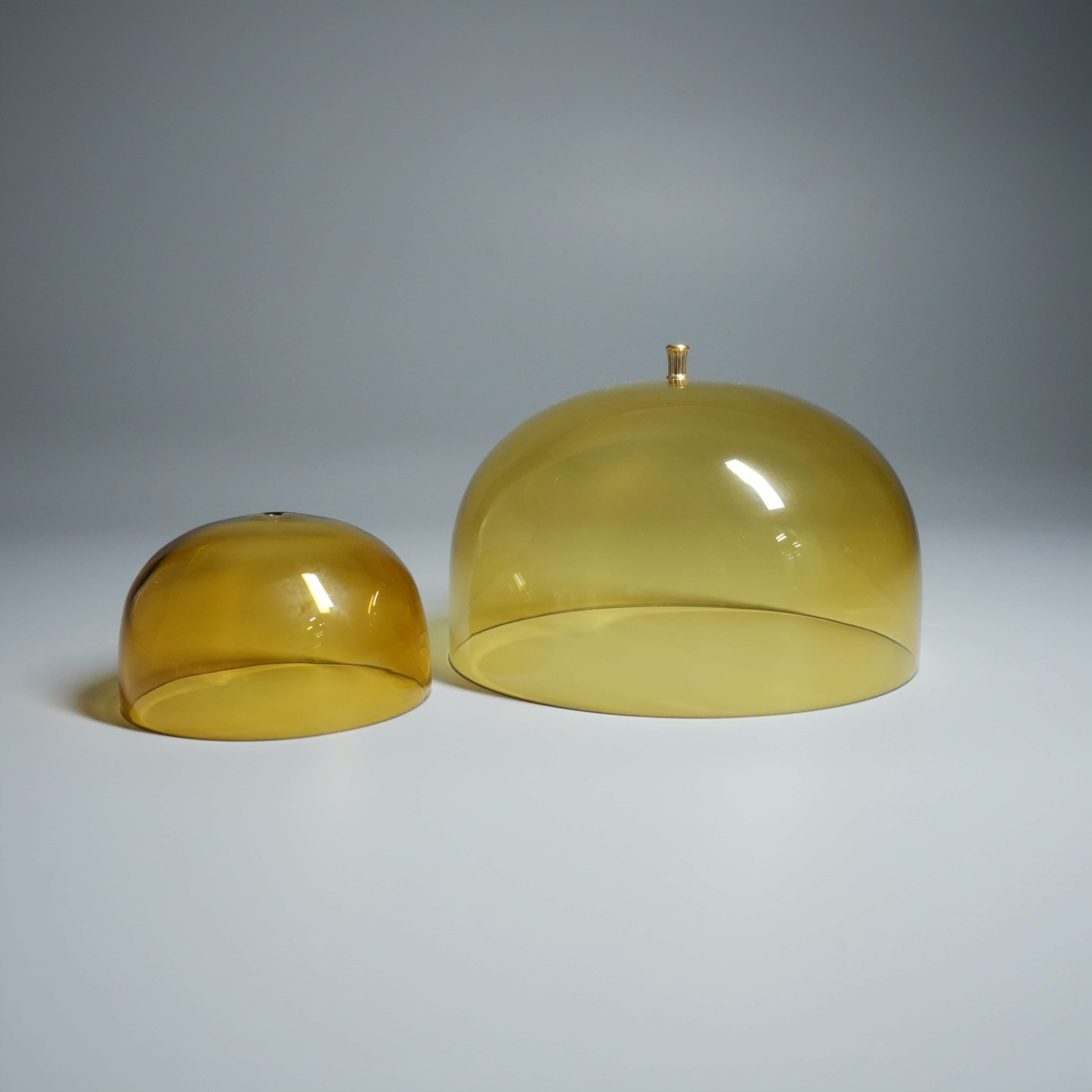
Certified Glass Cover for Food Machinery and Medical Equipment, Chemical Resistant
A chemical-resistant glass cover for food, medical, and washdown-adjacent equipment. Suitable for non-pressure observation covers and guarded windows.
View product →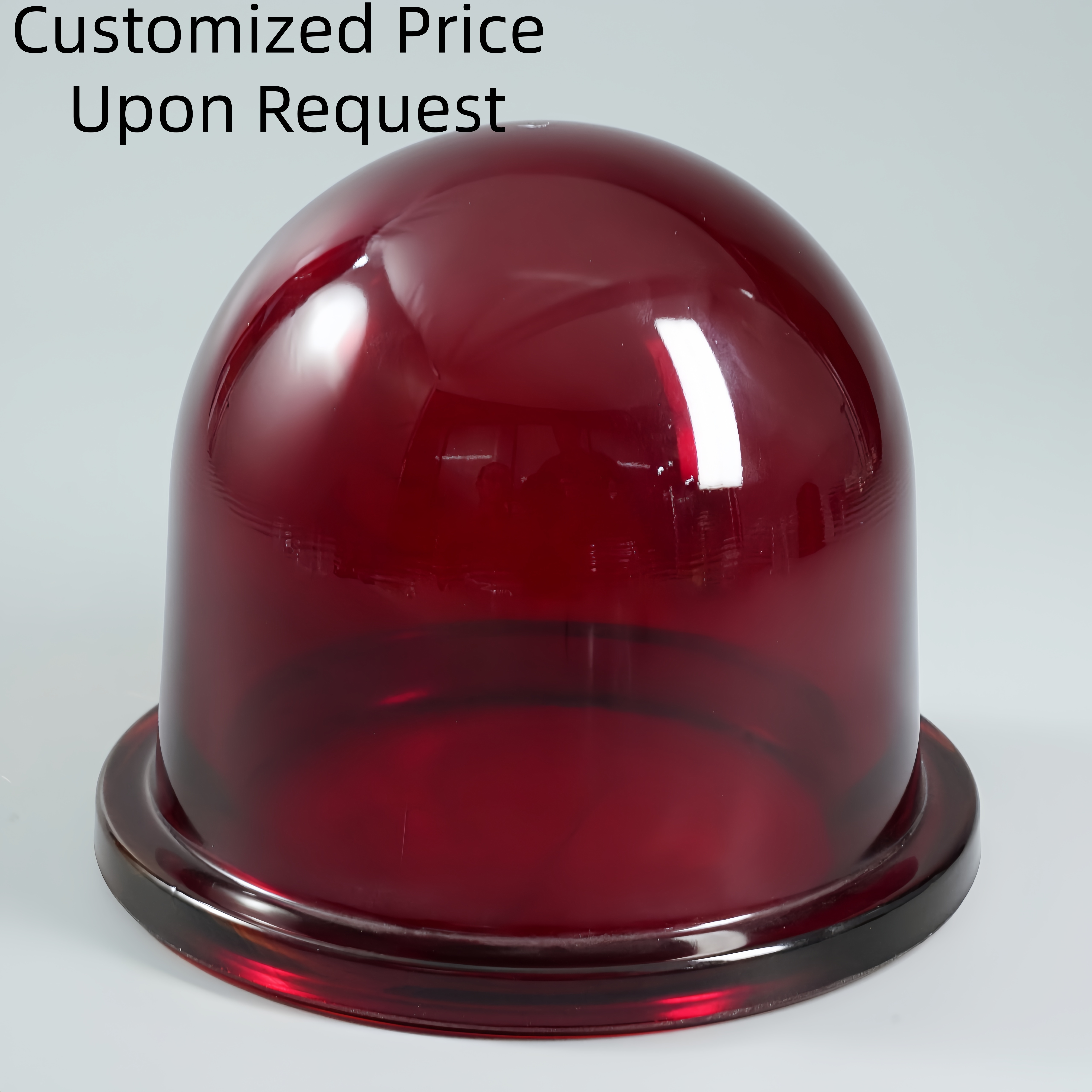
High-temperature Resistant Pressed Glass Shade, Explosion-proof & Crack-proof, Outdoor Street Light Specific
A pressed, heat-resistant, explosion-proof and crack-proof shade for outdoor and industrial luminaires where thermal shock and impact resistance are specified.
View product →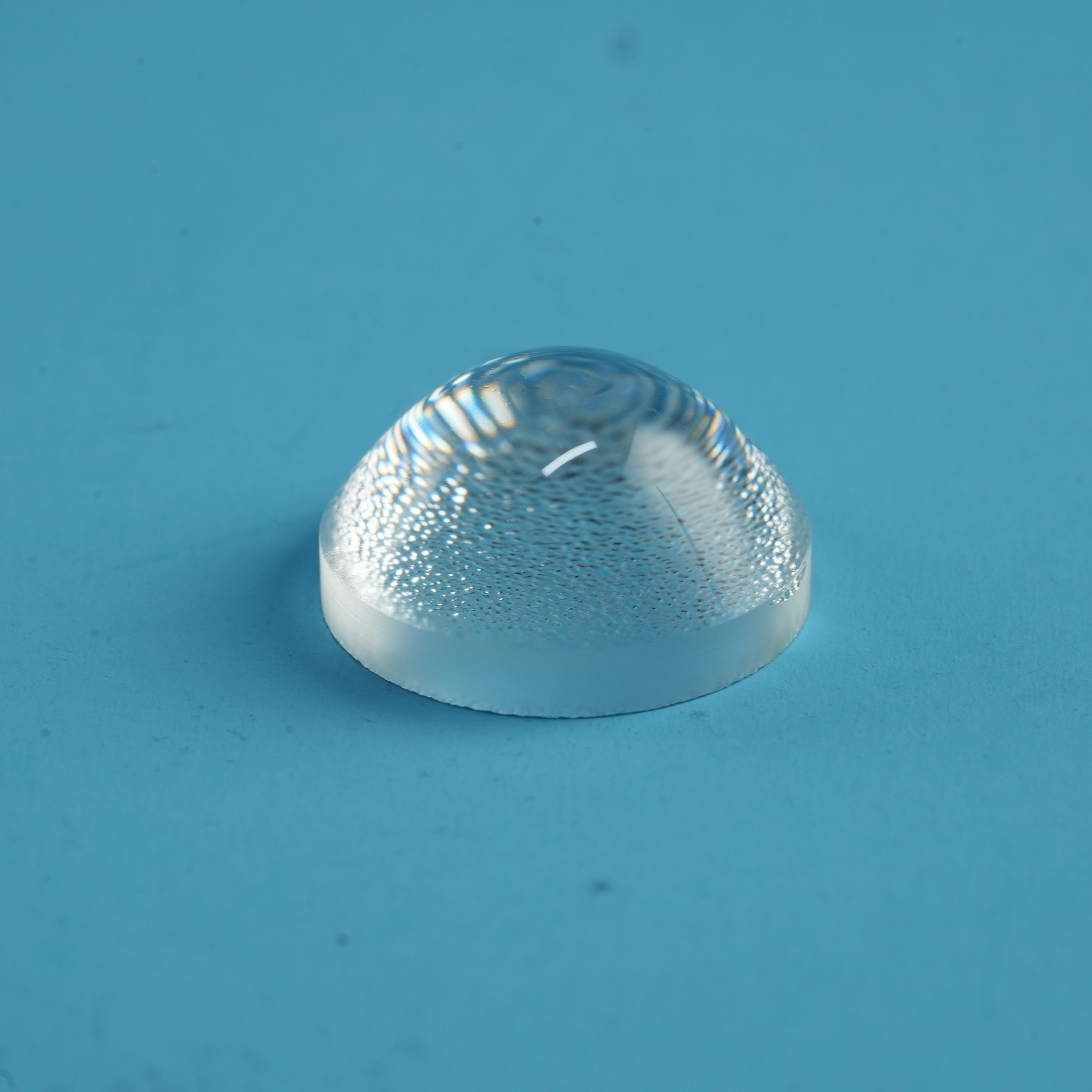
Manufacturer OEM Precision Grade BK7 K9 Optical Glass Aspherical Lens Anti-Reflective Coating Diameter 0.5-25mm MOQ 100 Pcs
A BK7/K9 aspherical lens with AR coating, demonstrating optical grinding, polishing, and thin-film capability for instrument windows and sensor modules.
View product →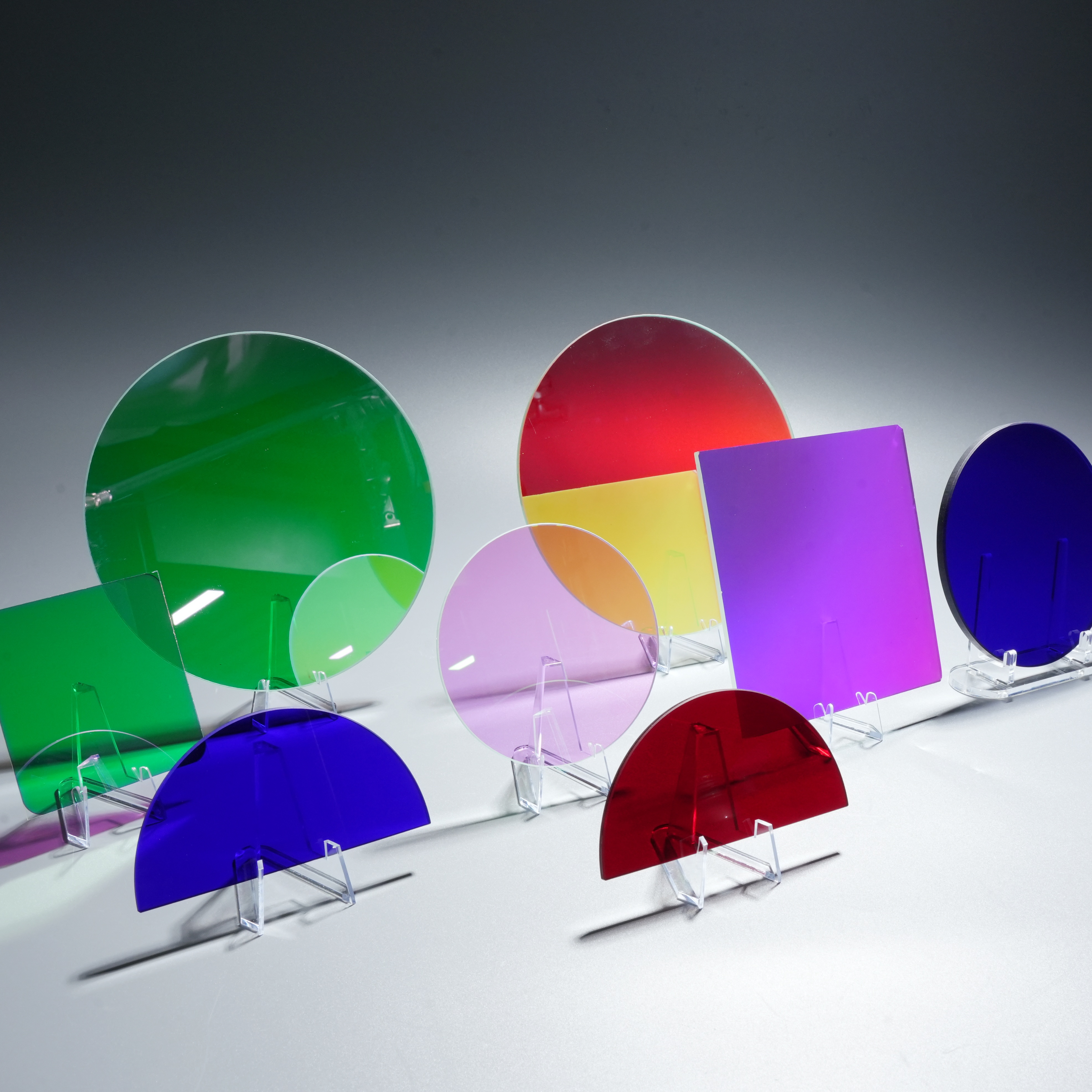
BO-GLASS BO-AH242 Manufacturer Customized High Precision 590Nm 49Mm Coated UV Borosilicate Bandpass Longpass Optical Filter
A 590 nm coated borosilicate bandpass and longpass filter for color-critical inspection, sensing, and optical monitoring.
View product →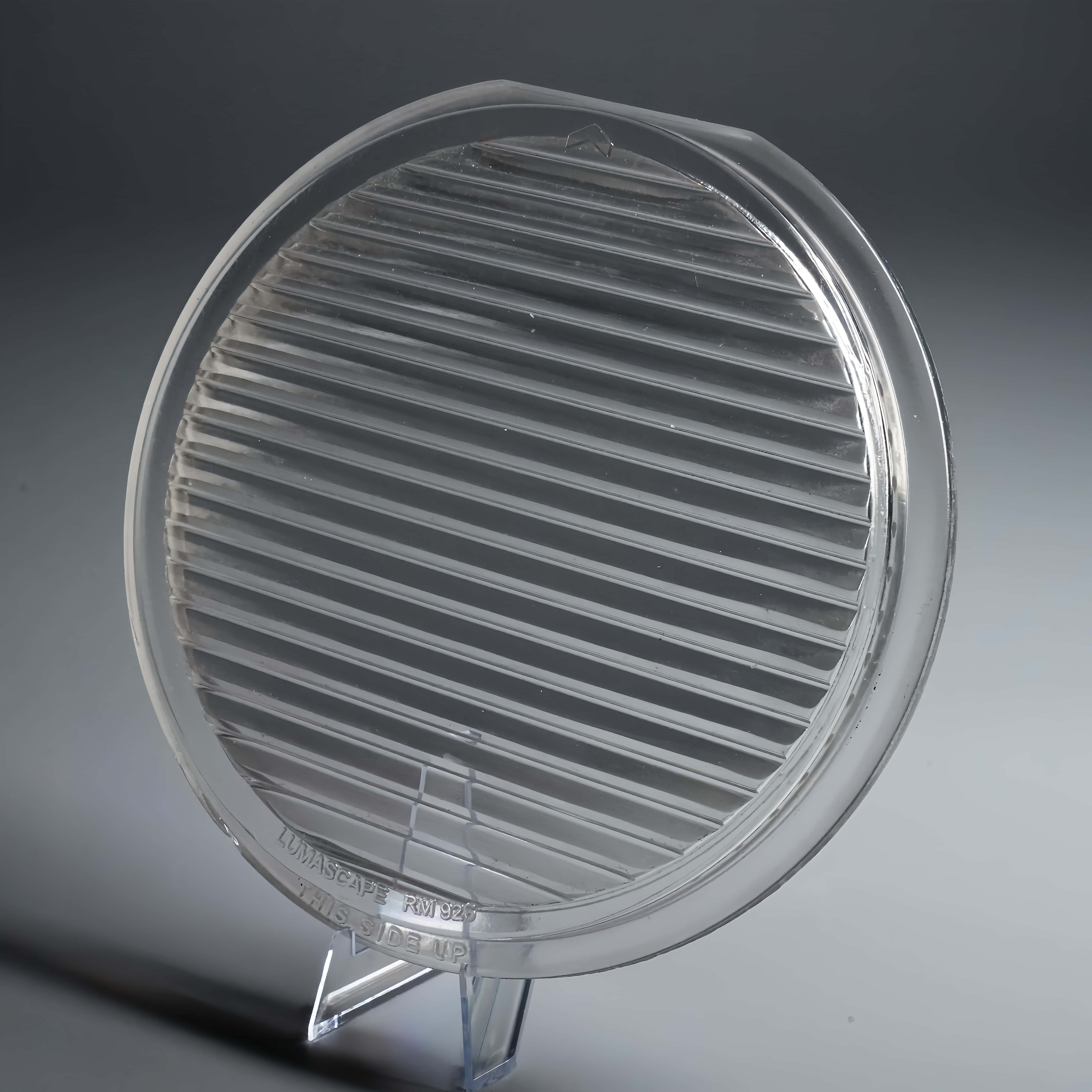
Supplier Custom Size Shape Pressed Mold Heat Resistant High Borosilicate Headlight Glass Lens Cover Headlight Glass Cover
A custom pressed high-borosilicate cover illustrating shape freedom, annealing control, and heat resistance for complex covers and domes.
View product →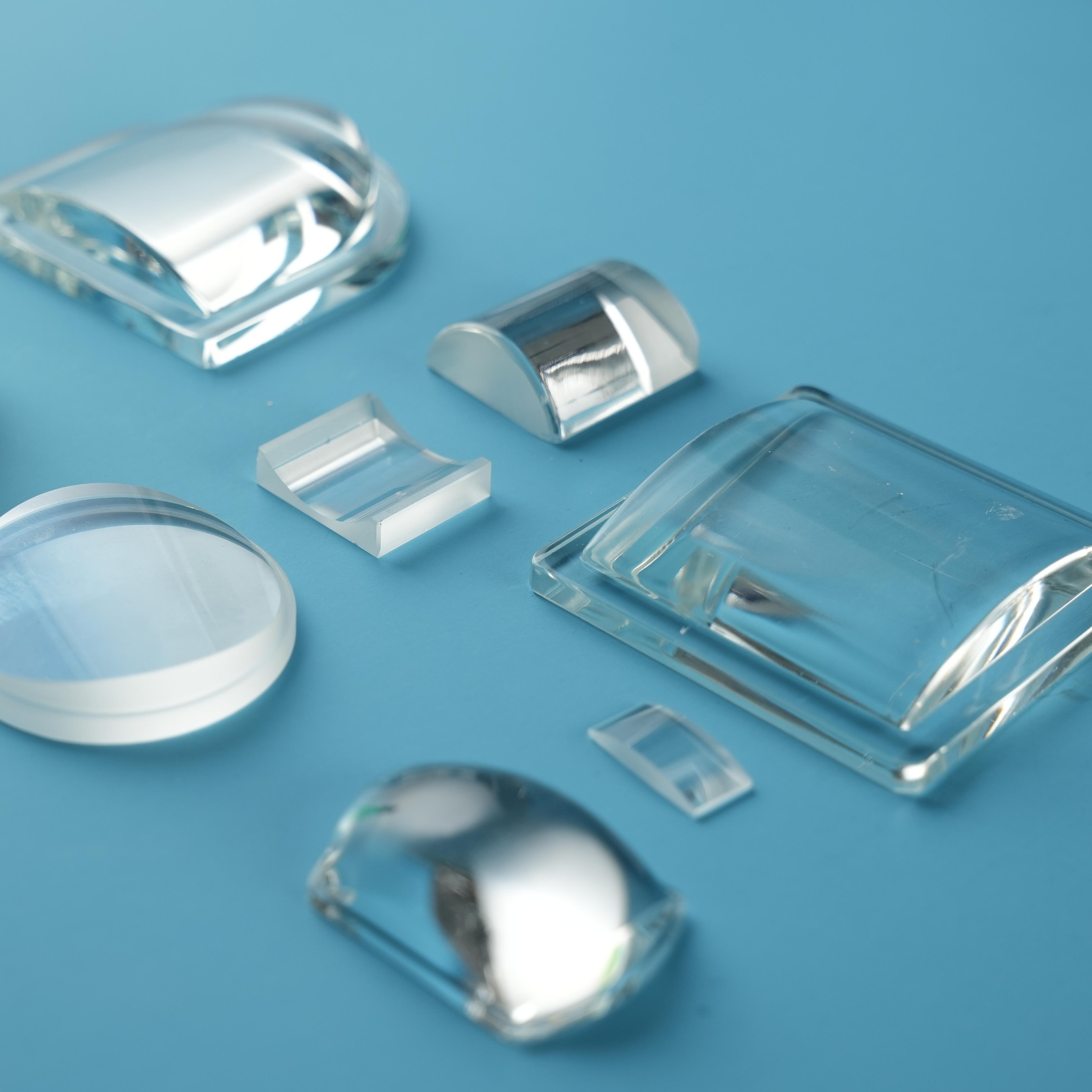
Manufacturer Custom OEM Anti-Reflective Laser Glass Optical Borosilicate UVC Plano Convex Cylindrical Biconvex Lens
An anti-reflective laser and optical borosilicate lens in plano-convex, cylindrical, or biconvex forms for sensor protection and precision light paths.
View product →Tank Sight Glass Is a System Interface, Not Just a Disc of Glass
For Columbus buyers, an OEM or ODM sight glass program begins with the vessel interface and the observation task. The glass, gasket, frame, guard, lighting, and installation method must be reviewed together.
What the Drawing Must Reveal
An effective tank sight glass specification goes beyond diameter. It includes flange pattern, gasket seating, bolt torque, wetted chemistry, cleaning cycle, operating pressure, temperature ramp, edge finish, and the sightline behind the glass. If the window will support visual level checks, color inspection, a camera, or a light source, the optical path and transmission target also belong in the review.
Our engineering review therefore begins with the drawing and process data, not with a catalog number. We evaluate whether borosilicate 3.3, tempered soda-lime, fused silica, or optical BK7/K9 is the more defensible choice, then confirm thickness, edge work, coating, marking, and export packing. An ODM request may need a new pressed or ground profile; an OEM request usually follows an existing housing and approved sample.
What Columbus Procurement Teams Need
The practical questions are consistent across Central Ohio: Will the glass survive thermal shock during clean-in-place or steam-in-place? Will it remain clear after chemical exposure? Can the supply record be audited? Can samples reach the line without breakage? Can replacement windows be packed for safe storage?
The deliverable is a repeatable component with clear inspection criteria. Final pressure and temperature certification remains with the vessel or fixture manufacturer, because the gasket, frame, torque, and installation determine assembly performance. Tambi Glass supports the glass specification, manufacturing record, and packing discipline so the equipment builder can complete that qualification.
Application Scenarios for Columbus and Central Ohio
Columbus is not a single market. Chemical plants, food processors, life-science facilities, water utilities, breweries, equipment builders, and advanced manufacturers each stress a sight glass differently. The right specification follows the operating environment.
Chemical Blending & Coatings
Reactors, mix tanks, and solvent-handling vessels need windows that resist staining, haze, and thermal shock. Borosilicate 3.3 is often the first candidate for hot or cyclic service; aggressive fluoride or hot caustic streams require material review before release.
Food, Dairy & Beverage
Sanitary tanks, ingredient hoppers, and clean-in-place circuits value smooth edges, cleanable interfaces, and documentation. Tempered soda-lime may be cost-effective for guarded low-temperature observation; borosilicate is preferred where hot washdown or steam is present.
Pharmaceutical & Clean Utilities
Columbus life-science operations often require a documentation-first RFQ: material certificates, dimensional reports, cosmetic limits, and change control. We support glass components to drawing; clean-room assembly and validation stay with the equipment builder.
Water & Wastewater
Inspection windows on treatment tanks, clarifiers, dosing skids, and pump stations face humidity, chemical splash, and outdoor temperature swings. Durable covers, guarded windows, and replaceable gasket designs reduce maintenance access time.
Breweries & Distilleries
Small-batch tanks and fermentation vessels need practical sight glasses that are easy to replace and clear enough for color and level checks. Sample quantities and simple drawings help pilot systems move quickly before full production orders.
Tank Truck & Mobile Equipment
Mobile tanks add vibration, road shock, and uneven loading to the specification. Edge quality, guard design, and packing method matter as much as glass type. Dividers and palletization help protect replacement windows in transit.
Energy & Advanced Manufacturing
Central Ohio manufacturers supporting batteries, coatings, polymers, and environmental systems may need high-temperature or optical-grade windows. Fused silica and BK7/K9 options can be reviewed when UV transmission or optical homogeneity is required.
OEM Equipment Builders
Machine builders and fixture OEMs often buy to a drawing and repeat annually. A stable mold, approved sample, and inspection plan reduce variation between lots. We support OEM and ODM production from prototype to repeat order.
What Is Changing in Columbus Tank Sight Glass Procurement
Procurement is moving toward documented performance, fewer hidden assumptions, and supply chains that can keep replacement parts available after the original equipment order ships.
Documentation Before Discount
Columbus buyers increasingly ask for material certificates, dimensional inspection, cosmetic limits, and change-control notes before comparing piece price. A low unit cost is less valuable if a tank window cannot be qualified or replaced consistently.
Sanitary & Chemical Design Converge
Food, beverage, and life-science specifications are borrowing practices from chemical service: smoother edge finishes, controlled gasket interfaces, and cleanable guard designs. This favors suppliers who can discuss chemistry and cleaning cycles, not only glass dimensions.
Higher Temperatures, Tighter Spaces
Compact process equipment and higher-output systems push sight glasses closer to heat sources and cameras. Material selection, coating choice, and light transmission targets are being reviewed earlier in the project to avoid late design changes.
Resilient Multi-Process Supply
Single-process suppliers can struggle when a cover needs pressed forming, grinding, coating, and export packing. Buyers are consolidating around factories that can coordinate multiple glass processes and keep approved samples, tooling records, and replacement-part communication in one place.
Match the Glass to the Observation Duty
Use this comparison to prepare the RFQ. Final selection still depends on the assembly design, gasket, pressure and temperature responsibility, chemical exposure, and the standard your equipment must meet.
Borosilicate 3.3
Excellent thermal-shock resistance for hot CIP, steam, high-power lighting, and guarded process windows. A strong general-purpose candidate for custom tank sight glass.
Tempered Soda-Lime
High impact strength at a lower cost for moderate-temperature observation, outdoor guards, and vandal-resistant covers where thermal cycling is controlled.
Fused Silica / Quartz
High UV transmission and extreme-heat capability for specialized optical windows, UV inspection, and high-temperature apertures.
Optical BK7 / K9
Homogeneous optical glass for lenses, prisms, sensor windows, and filters. Best when the sight glass is also part of an optical or imaging path.
Note: Values are typical references for early engineering discussion. Pressure rating, temperature rating, and certification of the installed sight-glass assembly remain the responsibility of the vessel or fixture manufacturer.
A Controlled Route from Drawing to Export Carton
Clear checkpoints reduce surprises between sample approval and repeat production. The process is designed for drawing-based custom glass, not catalog-only supply.
Drawing Review
DFM check of thickness, draft, tolerance, sealing face, edge work, optical path, and packing risk.
Material Selection
Borosilicate, tempered soda-lime, fused silica, or BK7/K9 reviewed against heat, chemistry, impact, and transmission.
Mold & Sampling
New or existing tooling for pressing, blowing, grinding, or finishing. Samples are measured and sent for fit and light tests.
Forming & Annealing
Controlled forming and annealing or tempering to relieve stress and support dimensional stability.
Coating & QC
AR or color coating where required, plus dimensional, visual, and functional inspection against approved criteria.
Export Packing
Foam or pulp dividers, reinforced cartons, and palletization for sea or air freight. Custom labels can be arranged.
Why Columbus Buyers Shortlist Shanghai Tambi Glass
Shanghai Tambi Glass Industrial Co., Ltd. is a manufacturer and trading company focused on custom borosilicate glass covers, explosion-proof lampshades, signal light glass domes, lenses, prisms, and optical filters. We combine drawing review, tooling coordination, glass forming, finishing, coating, inspection, and export packing in one supply chain.

Engineering Discipline for Fragile, Performance-Critical Glass
We are not a catalog-only reseller. Our team of 11–50 people reviews wall thickness, draft, sealing faces, optical path alignment, and packing risk before tooling starts. More than ten years in lighting and optical glass taught us to treat heat, thermal shock, impact, and color accuracy as design inputs rather than afterthoughts.
Third-party supplier assessment, credit index, transaction level, trade capacity, and trade history are available for procurement review. Average technical response is within six hours. For a tank sight glass program, that means a factory that can discuss the glass, the gasket interface, the inspection record, and the export carton in the same conversation.
- Manufacturer and trading company in Shanghai, China
- Borosilicate, tempered, quartz, BK7/K9, and coated optics
- Drawing-based OEM / ODM with sampling and inspection reports
- Onsite-verified supplier with credit and trade transparency
- Export packing with foam or pulp dividers and palletization
- Average response target within six hours for technical RFQs
Drawing Review Before Tooling
Engineering checks sealing faces, thickness, tolerance, edge work, and optical alignment before mold or sample commitments.
One Supply Chain, Many Processes
Pressed, blown, ground, tempered, and coated glass can be coordinated with one technical contact and one packing plan.
Verification-Ready Records
Supplier assessment, credit index, transaction level, trade capacity, and trade history help procurement complete qualification faster.
Fragile-Glass Export Discipline
Parts are separated with dividers, packed in reinforced cartons, and palletized for sea or air freight. Custom labels and packaging can be arranged.
Questions Local Buyers Ask Before Sending a Sight Glass RFQ
These answers are written for procurement, maintenance, and engineering teams comparing a custom glass factory with a local distributor or fabricator.
Do you serve Columbus, Ohio, directly from Shanghai?
Yes. We support Columbus and Central Ohio buyers from our Shanghai factory through remote engineering review, sample approval, production, inspection, export packing, and freight coordination. We do not claim a Columbus warehouse. The practical supply model is a factory-direct custom order with documentation and replacement-part planning agreed before shipment.
Can you manufacture a tank sight glass to my drawing or sample?
Yes. Send a 2D or 3D drawing, or a physical sample, with diameter, thickness, flange or gasket interface, edge finish, material, color, coating, operating temperature, cleaning chemistry, and annual volume. Our engineers review manufacturability and propose material, tooling, and sampling steps before mass production.
Which glass should I choose for hot CIP, chemical service, or pressure-adjacent use?
Borosilicate 3.3 is often the first candidate for thermal shock and hot cleaning, while tempered soda-lime can be economical for guarded, moderate-temperature observation. Fused silica suits extreme heat or UV needs, and BK7/K9 fits instrument-grade optical paths. Pressure and temperature certification of the installed assembly remains with the vessel or fixture manufacturer.
What documentation can you provide for supplier qualification?
Depending on the order, we can provide material information, dimensional inspection records, visual inspection criteria, packing records, and other agreed quality documents. Company-level third-party supplier assessment, credit index, transaction level, trade capacity, and trade history are also available for procurement review before an order is placed.
What are typical MOQs, samples, and lead-time checkpoints?
Typical MOQs range from about 50 pieces for optical lenses to 100–500 pieces for pressed or blown lighting covers, depending on whether an existing mold can be used. Sample quantities are available for evaluation. Lead time depends on drawing approval, tooling, material, coating, inspection, and packing; each checkpoint is confirmed in the quotation.
How are fragile sight glasses packed for export to Columbus?
Glass parts are separated by foam or pulp dividers, packed in reinforced export cartons, and palletized for sea or air freight. Custom packaging, labeling, and replacement-part labeling can be arranged. The packing method is reviewed together with the drawings so that guards, gasket kits, and spare windows can be shipped safely.
Send Your Tank Sight Glass Drawing for a 6-Hour Engineering Review
Share the sight-glass drawing, operating temperature, cleaning chemistry, pressure-adjacent requirements, annual volume, and any surface or optical transmission target. Columbus buyers can receive a material recommendation, manufacturability notes, sampling path, and export packing plan before committing to tooling.
Shanghai Tambi Glass Industrial Co., Ltd. · Custom borosilicate, tempered, fused silica, and optical glass · Drawing-based OEM / ODM · Export packing for fragile glass components