OEM/ODM Pendant Light Glass Supplier & Wholesalers in Frankfurt
Custom borosilicate, tempered and optical glass for pendant, signal, stage and industrial luminaires — engineered to drawing for Frankfurt-based wholesalers, lighting brands and project specifiers.
Contact UsEight Glass Components Commonly Quoted for Frankfurt Wholesale Programmes
The eight items below represent the OEM/ODM work we review most often for lighting distributors and fixture makers. For pendant-light projects, begin with the outdoor glass lampshade, explosion-proof shade and heat-resistant borosilicate accessory; the optical range supports LiDAR, laser, stage and sensing fixtures that Frankfurt wholesalers often source alongside architectural lighting. Product URLs are preserved so buyers can compare each series before requesting a drawing review.
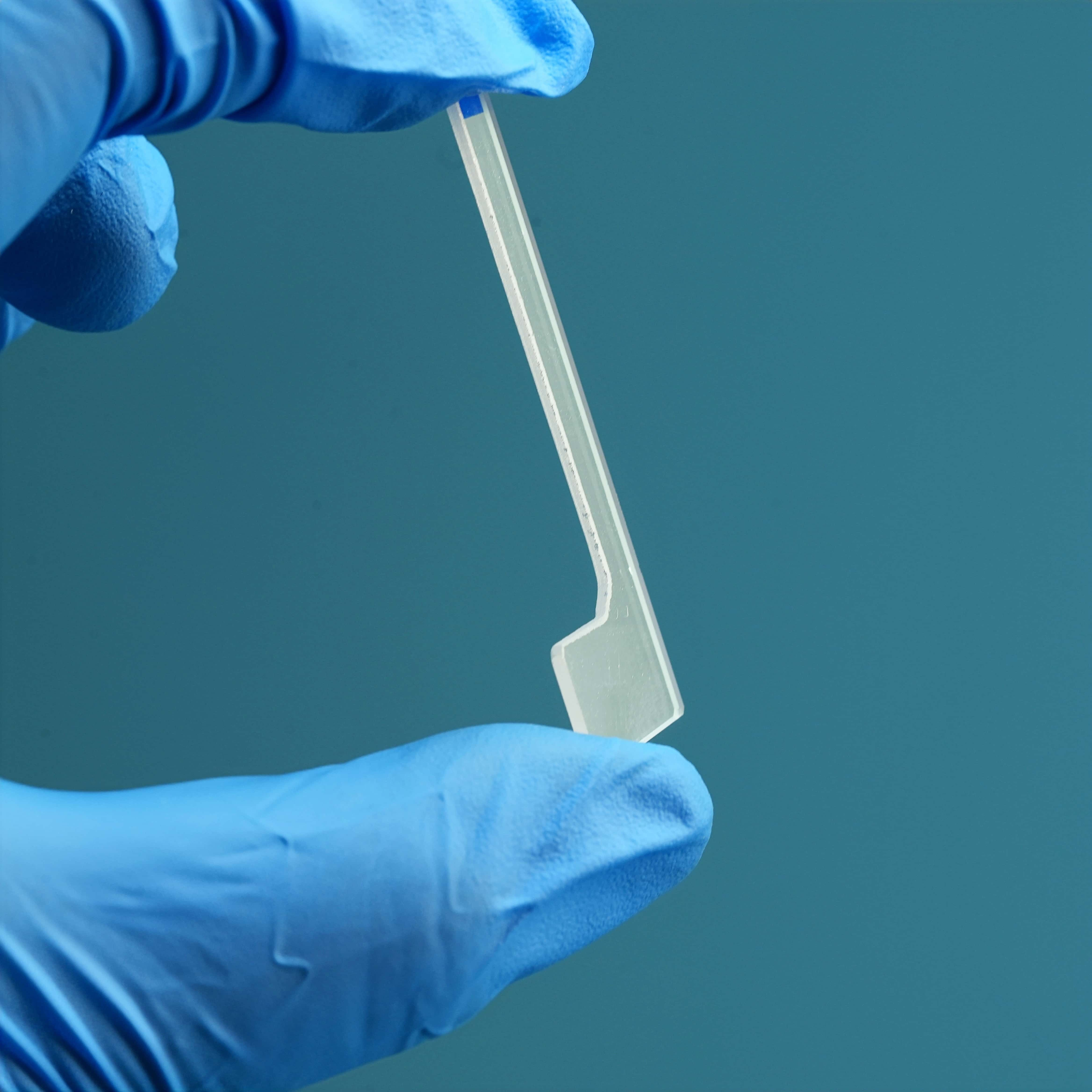
Anamorphic Prism Pair for Laser Beam Shaping
Circularizes elliptical laser beams for fiber coupling and sensing assemblies. Specify wavelength, coating, tolerance and annual volume for a quotation.
View product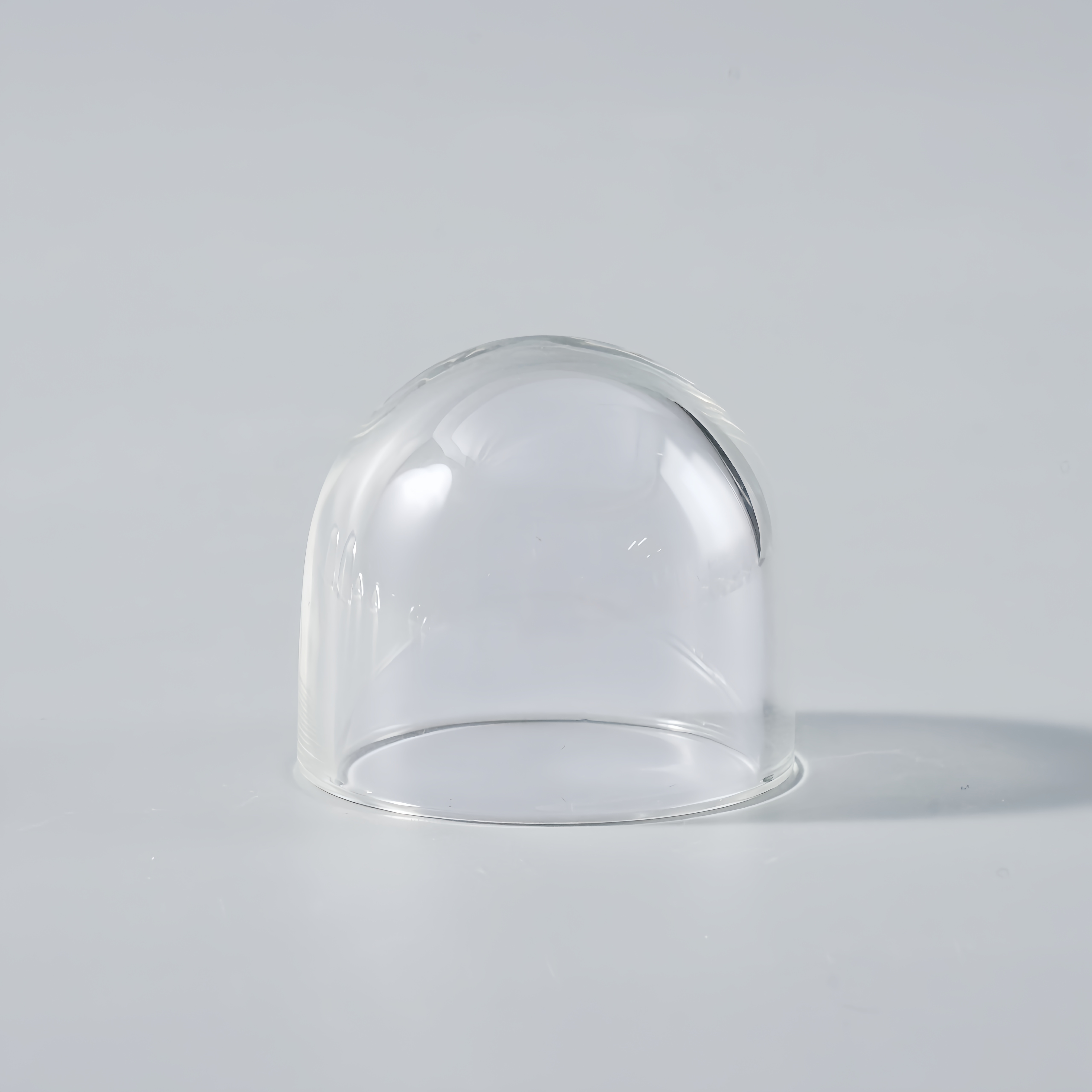
Customizable OEM Optical Glass Domes with Broadband AR
Hemispherical windows for LiDAR and scientific sensors. Customize diameter, thickness, edge finish and transmission target with inspection reports.
View product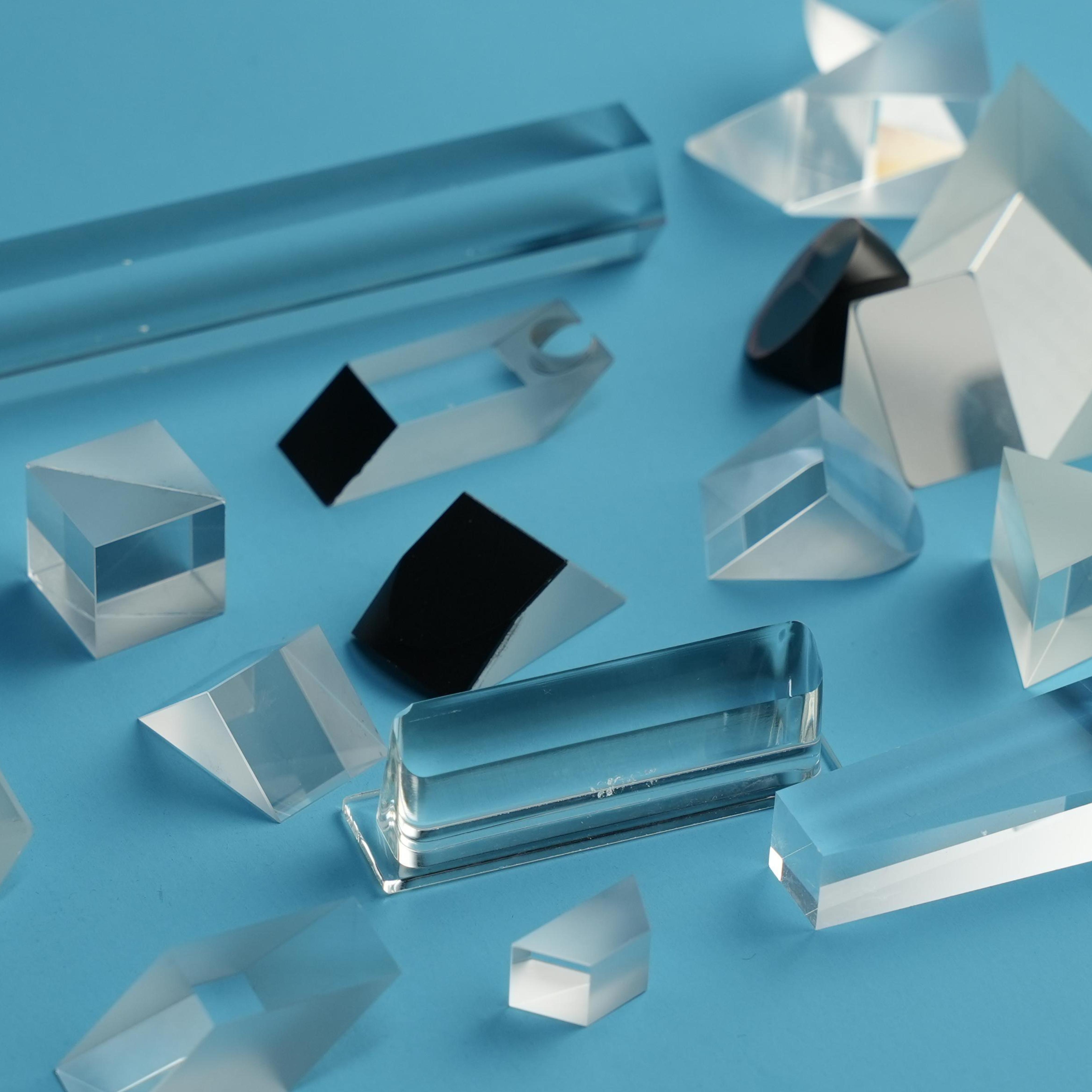
BO-GLASS Quartz BK7 K9 Right-Angle Prism
Precision 90-degree prisms in BK7, K9, fused silica or quartz with AR coating options for optical benches, instruments and OEM modules.
View product
175 mm Borosilicate Fresnel Lens with AR Coating
Double plano-convex Fresnel lens for high-power LED, stage and collimation projects. Customize focal length, edge treatment and coating.
View product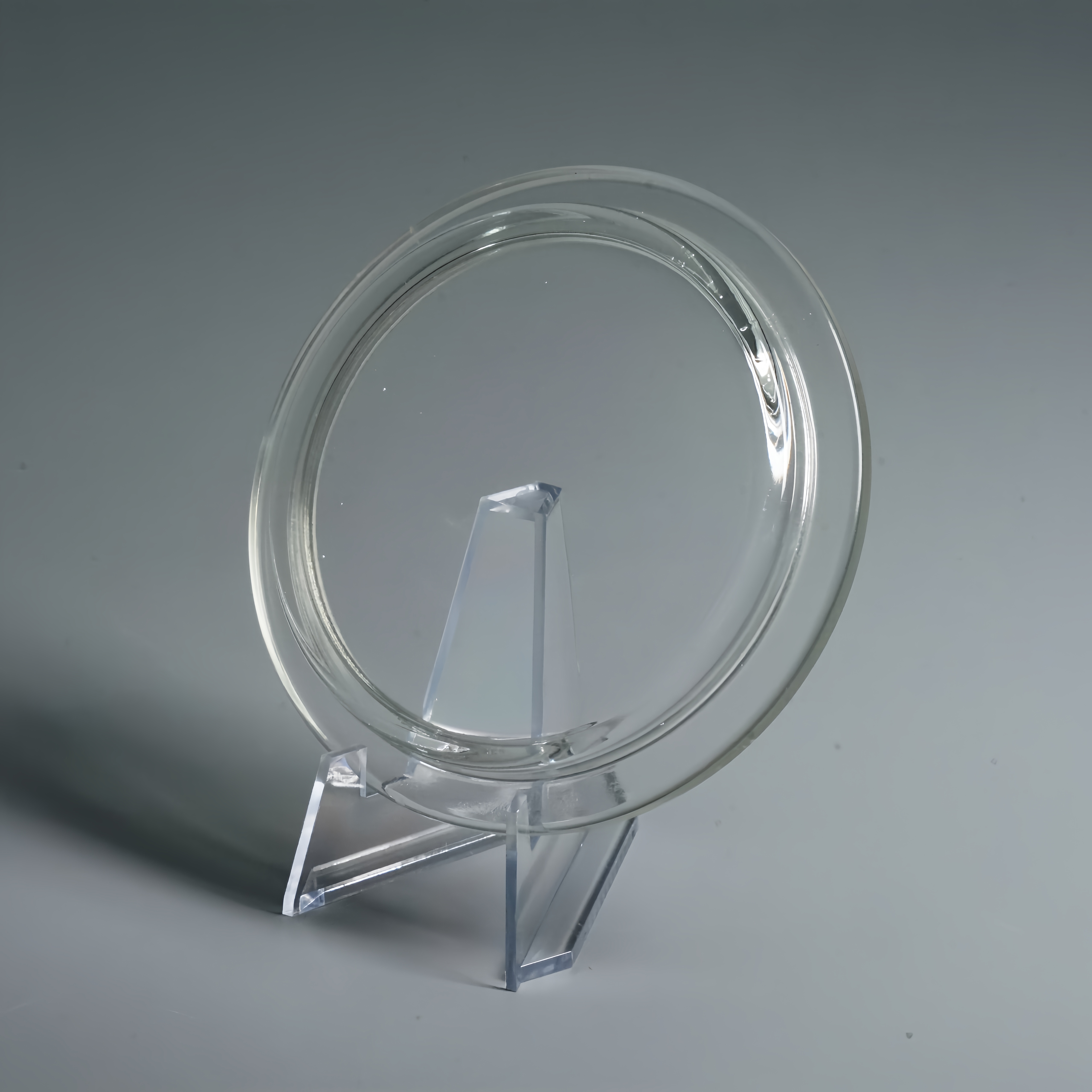
Custom Waterproof Outdoor Glass Lampshade
High-temperature and impact-resistant shade for hospitality terraces, heritage streetscapes, stage fixtures and pendant luminaires.
View product
Precision BK7/K9 Aspherical Lens
Anti-reflective aspherical lens for compact optical modules and lighting systems, with diameter 0.5–25 mm and MOQ from 100 pcs.
View product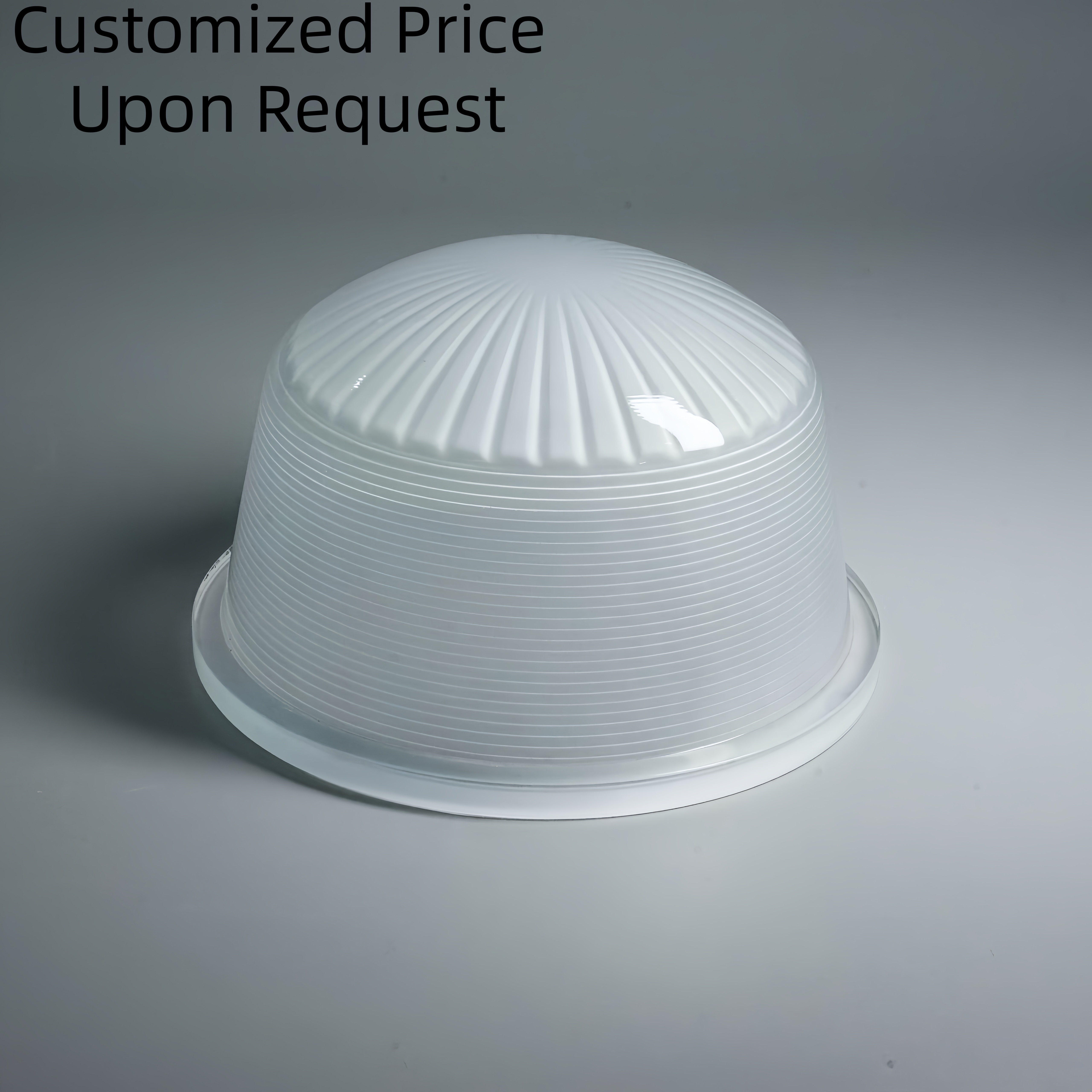
High-Transmittance Explosion-Proof Glass Shade
Durable borosilicate shade for workshop, hazardous-area and rough-service lighting where thermal shock and impact resistance matter.
View product
Custom Heat-Resistant Borosilicate Glass Accessories
Size, shape, color and heat-resistant borosilicate glass for automotive, traditional and industrial light assemblies requiring OEM flexibility.
View productWhy Pendant Light Glass Deserves an Engineering Review Before a Wholesale Order
For Frankfurt buyers, pendant glass is not a decorative afterthought. It is a visible, cleanable, replaceable and safety-relevant component inside a luminaire that must perform in hotels, retail interiors, heritage buildings and high-ceiling public spaces.
Search intent behind “OEM/ODM pendant light glass supplier & wholesalers in Frankfurt”
This search phrase usually comes from three buyer groups. The first is a Frankfurt-based lighting wholesaler looking for a drawing-based factory that can supply consistent shades, replacement glass and private-label packaging. The second is a lighting OEM or architectural studio that needs a custom boron-silicate or tempered shade to fit an existing canopy, gasket and LED module. The third is a project procurement team comparing German and EU stock suppliers with overseas custom manufacturers for hospitality, retail or transport lighting. Each group needs different evidence: stock availability, tooling ownership, optical performance, compliance documentation or simply a fast, technically competent sample quotation.
The useful information gain here is not another long catalogue. It is a practical decision framework. A pendant shade affects thermal behaviour, light distribution, glare, sealing, cleaning access, impact safety, colour consistency and serviceability. If the glass is chosen only from a photograph, the buyer may discover too late that the opening tolerance is wrong, the anneal is insufficient for a high-wattage lamp, or the surface finish cannot be matched for a replacement order.
Frankfurt applications make the specification more demanding
Frankfurt am Main combines a dense financial district, international hotels, trade-fair traffic, museums, heritage streetscapes and riverside architecture. A pendant used above a hotel reception desk may need low glare and easy lamp access. A cluster above a restaurant bar may need warm diffuse light, fingerprint-resistant finishing and a safe suspension load. A retail installation on Zeil or Goethestraße may prioritise colour rendering and visual uniformity. A heritage interior near the Römer or Museumsufer may require a profile that respects the original design while improving thermal performance and electrical safety. These are not identical briefs, and they should not receive the same glass specification.
For Frankfurt projects, our engineers review wall thickness, draft angle, sealing face flatness, edge finish, suspension hole position, coating durability and the expected lamp surface temperature before tooling. The question is not “Which glass is cheapest?” but “Which glass will still perform after hundreds of switching cycles, cleaning cycles and seasonal temperature changes?”
Borosilicate, tempered soda-lime or optical glass?
Borosilicate 3.3 is often the preferred starting point for pendant shades exposed to high LED temperatures or sudden cold-water contact because its thermal expansion is roughly 3.3 × 10⁻⁶/K. Tempered soda-lime glass can offer excellent impact strength at a lower cost for moderate-temperature fixtures. Fused quartz is reserved for extreme heat or UV-transmission needs, while BK7/K9 optical glass is used where imaging, collimation or prism geometry matters. Our role is to match the material to the fixture, not to force every project into one stock composition. Where the luminaire will be CE-marked in the EU, the fixture manufacturer remains responsible for the final certification; we support that process with dimensional, material and inspection data for the glass component.
What Frankfurt wholesalers should ask before placing a programme
Ask for a sample-to-production control plan, not only a sample photograph. Confirm who owns the mould, how replacement shades will be produced after two or three years, how color and surface texture will be matched, how fragile parts are packed for pallet or parcel networks, and which Incoterms and customs documents will be used. A wholesale programme in Germany also needs clear labelling, spare-part identification and packaging that survives multi-drop distribution. These details reduce hidden costs far more reliably than a small difference in unit price.
Years in lighting glass
Focused experience in covers, lampshades, domes, lenses and optical parts.
Average technical reply
Send a drawing and annual volume for a technical and commercial review.
USD annual export revenue
Manufacturer and trading company serving lighting and optical OEMs.
Team size and flexibility
Drawing-based OEM/ODM with pressed, blown, ground and coated processes.
Where Pendant Light Glass Is Specified Around Frankfurt
Frankfurt’s building stock mixes new-build efficiency with heritage detail. The glass component has to support the visual concept without compromising maintenance, safety or replacement logistics.
Hotels and hospitality
Lobby clusters, restaurant bars and guest-room pendants need warm diffusion, low glare, easy relamping and stable replacement shades for multi-year refurbishment programmes.
Retail and showrooms
Zeil, Goethestraße and Europaviertel interiors depend on colour fidelity, visual uniformity and clean glass surfaces that keep merchandise presentation consistent.
Heritage and cultural interiors
Projects near the Römer, Museumsufer and River Main often require profile matching, custom opal or ribbed finishes and non-standard suspension details.
Transport, trade fair and industry
Frankfurt Airport, Messe Frankfurt and industrial workshops require robust shades, high-transmittance industrial glass and documented inspection for rough-service lighting.
Six Trends Shaping Pendant Glass Procurement in Frankfurt
Energy efficiency alone no longer defines a good luminaire. Frankfurt buyers are increasingly assessed on serviceability, visual comfort, documentation and long-term spare-part availability.
Repairable, serviceable luminaires
Hotels and commercial landlords want replaceable shades and stable spare parts instead of sealed decorative units that cannot be maintained after installation.
Low-glare, high-comfort light
Opal, satin and prismatic glass surfaces are being specified to soften high-output LED sources in offices, restaurants and premium retail interiors.
Heritage-compatible customisation
Custom moulds, matched colours and period profiles help Frankfurt projects preserve architectural character while meeting modern photometric and safety expectations.
Transparent supplier verification
Procurement teams now compare onsite verification, credit information, trade history and inspection reports before approving a drawing-based glass supplier.
Smaller launch quantities, faster samples
Wholesalers are testing new hospitality and retail designs with samples and modest first orders before committing to larger mould-based production volumes.
EU-ready documentation and packaging
Custom labels, pallet-friendly cartons, spare-part packing and material or inspection reports reduce friction when goods enter German distribution.
How to Choose Glass for Pendant, Signal and Industrial Lighting
Use this comparison to frame an initial discussion. Final selection must be confirmed against the drawing, lamp surface temperature, impact requirement, cleaning chemicals and the standard the finished luminaire must meet.
| Material | Thermal expansion | Typical max. working temperature | Key strength | Best suited to |
|---|---|---|---|---|
| Borosilicate 3.3 | ≈3.3 × 10⁻⁶/K | ≈450 °C | Excellent thermal-shock resistance | Pendant shades, explosion-proof covers, high-power LED diffusers, Fresnel lenses |
| Tempered soda-lime | ≈9.0 × 10⁻⁶/K | ≈250 °C | High impact strength and economical cost | Outdoor covers, floodlight glass, vandal-resistant lenses, decorative shades |
| Fused quartz | ≈0.55 × 10⁻⁶/K | ≈1000 °C+ | UV transmission and extreme heat resistance | UV optics, high-temperature windows, specialised industrial lamps |
| Optical BK7 / K9 | ≈7.1 × 10⁻⁶/K | ≈300 °C | Homogeneous optical properties, nd ≈1.517 | Precision lenses, prisms, mirrors, filters and sensing windows |
Values are typical references for early specification. Our engineers confirm the final material and inspection plan against your drawing and project requirements.
Thermal-shock confidence
HighOptical clarity control
HighImpact and tamper options
FlexibleTooling and shape freedom
BroadWhy Frankfurt Buyers Shortlist Our Drawing-Based Glass Factory
Shanghai Tambi Glass Industrial Co., Ltd. combines lighting-glass application experience with pressed, blown, ground and coated production. The result is a practical OEM/ODM route from a Frankfurt fixture brief to a packed export order.
Drawing-led OEM/ODM engineering
Senior lighting and moulding engineers review wall thickness, draft, sealing faces, suspension points and optical alignment before tooling starts.
Verified supplier transparency
Onsite-verified supplier records, supplier assessment, credit index, transaction level, trade capacity and trade history help procurement teams qualify us faster.
View supplier assessmentOne glass supply chain
Borosilicate, tempered glass, quartz and BK7/K9 options are combined with pressing, blowing, grinding, annealing and AR coating where required.
Export experience with European OEMs
Long-term partners in Europe, North America and Japan, with annual export revenue of US$2.5M–5M and practical fragile-goods packing experience.
Fast technical response
Average response time within six hours for qualified drawing enquiries, supported by clear questions on volume, tolerance, coating and delivery terms.
Production and packing controls
Sample approval, controlled forming, annealing, coating checks, dimensional inspection and divider-based export packing reduce damage and mismatch risk.
A Clear Six-Step OEM/ODM Process
Each checkpoint is designed to expose fit, tolerance and performance issues before mass production begins.
Drawing review
We check thickness, draft, tolerance, sealing face, suspension interface and likely thermal load.
Mould and tooling
Existing or new moulds are selected for pressing, blowing or grinding based on shape and volume.
Sampling
Pre-production samples are measured and sent for fit, light and installation testing in Frankfurt.
Forming and annealing
Controlled forming and annealing or tempering relieve stress and support consistent batch behaviour.
Coating and QC
AR or colour coating, dimensional inspection and visual checks are completed against the agreed plan.
Export packing
Foam or pulp dividers, reinforced cartons and palletisation protect fragile glass for sea or air freight.
Questions Frankfurt Wholesalers and Lighting Brands Ask Us
These answers combine technical selection, local purchasing practice and the practical limits of OEM glass production.
Can you manufacture pendant light glass and lenses to our own drawing?
What is the typical minimum order quantity for a Frankfurt wholesale programme?
Should we specify borosilicate glass or tempered soda-lime glass for pendant shades?
Do you supply glass for FAA L-810 and EN 50293 lighting fixtures?
How fast do you reply to technical inquiries, and what information should be included?
How are fragile glass parts packed for export to Frankfurt?
Can you support mixed containers, spare shades and private-label packaging?
How do you control colour, transmission and dimensional consistency between samples and mass production?
Have a Frankfurt Pendant-Light Drawing? Get an Engineering Review Within Six Hours.
Share your dimensions, material preference, operating temperature, gasket interface, annual volume and packaging requirements. Our engineers will suggest the most reliable glass route for your fixture, then confirm samples and production checkpoints before you commit to a wholesale programme.
Typical enquiries include borosilicate pendant shades, tempered outdoor lampshades, explosion-proof industrial covers and optical lenses for sensing and stage lighting.