10+ YearsLighting and optical glass experience
≤ 6 HoursAverage technical inquiry response
11–50Manufacturer and trading team
US$2.5M–5MAnnual export revenue profile
Buyer Whitepaper

Why optical filters are becoming a specification issue in Chiang Mai, not a catalogue item

Chiang Mai’s growth in smart agriculture, environmental sensing, medical services, precision instruments, tourism technology and northern Thailand’s electronics supply chain is changing how buyers source optical components.

For many years, buyers in the Chiang Mai market could source a “filter” by diameter and color alone. That approach is now risky. A bandpass filter used in a PM2.5 air-quality monitor is not interchangeable with a red glass dome for an obstruction light, even if both are round and both look red in daylight. The difference lies in spectral bandwidth, blocking depth, angle shift, substrate thermal expansion, coating durability and housing sealing.

As a Shanghai-based OEM/ODM optical filter manufacturer and wholesaler serving Chiang Mai, Shanghai Tambi Glass Industrial Co., Ltd. works with this shift in two ways. First, we manufacture custom glass components from drawings and performance targets rather than from a fixed catalogue. Second, we help distributors and device makers translate local operating conditions — humidity, dust, seasonal smoke, LED heat, outdoor UV, cleaning chemicals and installation angle — into a practical glass and coating specification.

The most useful information gain for Chiang Mai procurement teams is this: the optical filter is only one part of the optical stack. The housing, gasket, retaining ring, desiccant, lens barrel and assembly cleanliness often determine whether a filter survives a full rainy season or a smoke season without fogging, drift or coating damage. A reliable supplier should therefore discuss the complete optical path, not only the filter diameter.

This guide is written for Chiang Mai-based integrators, Thai distributors, foreign-owned factories in the northern industrial corridor, research groups, lighting brands and importers who need repeatable wholesale supply. It covers eight proven product platforms, local application scenarios, market trends, an engineering selection table, procurement FAQs and the Tambi Glass manufacturing advantages that matter when optical quality must be documented.

Send an Inquiry

Product Recommendations

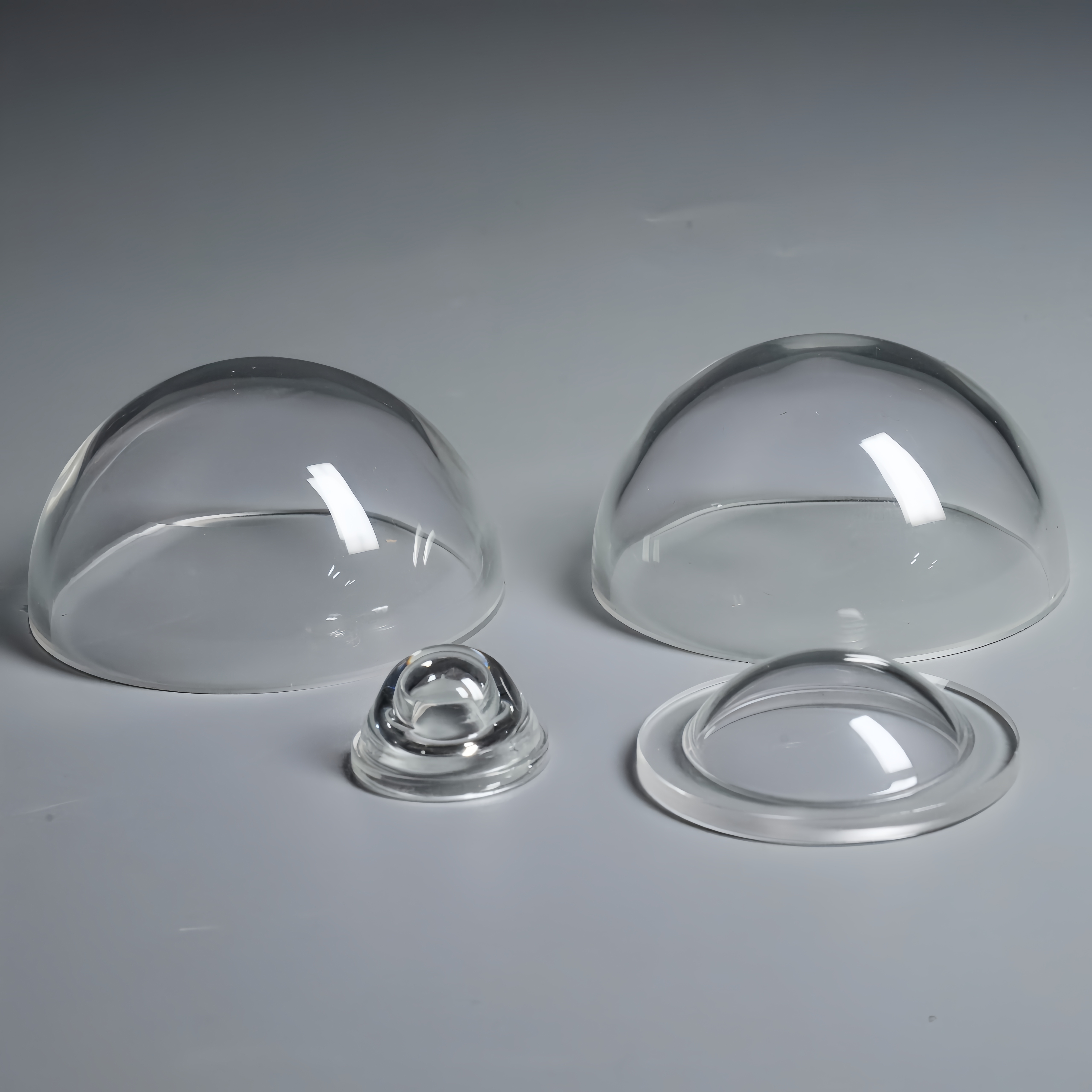
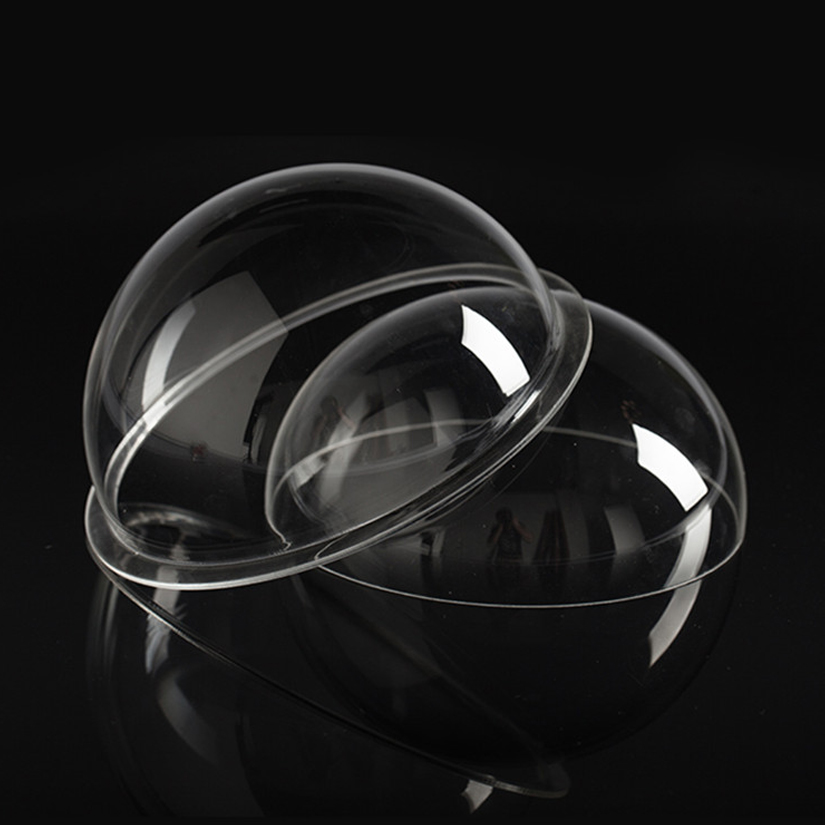
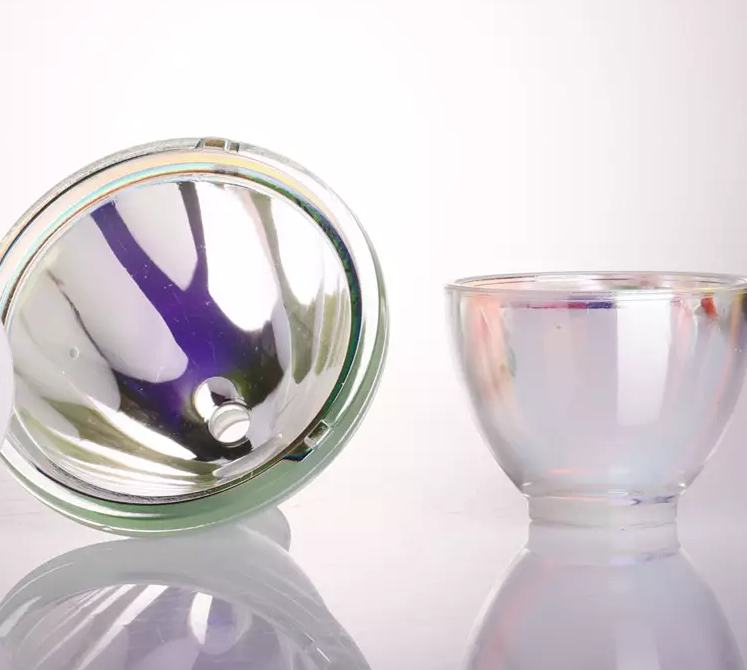
8 optical filter and precision glass platforms for Chiang Mai buyers

Each platform can be adapted by size, thickness, glass grade, coating, edge finish and packaging. Product URLs are retained for direct technical review.

Send an Inquiry

Localized Applications

Where optical filters and precision glass create value in Chiang Mai

Chiang Mai is not a single market. It combines agriculture, tourism, healthcare, education, environmental monitoring and an emerging precision-instrument community. Each application imposes a different optical and environmental requirement.

Smart horticulture & LED grow lights

Chiang Mai’s high-value crops and indoor farming projects use spectrum-controlled LEDs. AR-coated lenses, reflector bowls and UV/IR-cut windows help protect plants, stabilize PPFD and improve fixture efficiency.

PM2.5 & air-quality sensing

The smoke season makes air-quality monitoring a practical procurement category. Bandpass filters, protective windows and calibrated optical paths are needed for particulate sensors and gas-detection instruments.

LiDAR, drones & robotics

Mapping drones, autonomous robots and inspection systems need optical domes, windows and narrowband filters that maintain transmission at the correct wavelength and incident angle.

Aviation & obstruction lighting

Chiang Mai International Airport and regional infrastructure require signal-light glass with stable color, thermal resistance and controlled beam patterns. Red domes and Fresnel lenses are key platforms.

Medical, laboratory & food inspection

Fluorescence readers, machine-vision inspection and laboratory instruments rely on bandpass filters and AR windows with low scatter, stable blocking and repeatable coating performance.

Astronomy, education & astrophotography

Northern Thailand’s astronomy and science-education ecosystem, including observatory and astro-tourism activity, creates demand for narrowband filters, precision windows and optical domes.

Outdoor IP cameras & smart security

Hotels, resorts, retail sites and gated communities need UV-resistant domes with AR coating and hydrophobic surfaces so images remain clear through rain, dust and cleaning cycles.

Automotive, EV & outdoor lighting

Lighting suppliers and automotive accessory brands in the northern Thailand supply chain need pressed headlight covers, aspherical lenses and heat-resistant glass with consistent appearance.

Engineering Guide

How to specify an optical filter before asking for a Chiang Mai wholesale quote

Clear inputs reduce sample iterations and avoid the most common failure: a filter that measures well on a bench but drifts, fogs or shifts wavelength inside the final product.

What to send with your inquiry

A useful RFQ is more than a diameter and a photograph. For custom optical filters, include the optical function, the environment and the assembly method. Our engineers can then recommend substrate, coating, thickness, edge treatment and packaging.

  • Center wavelength and bandwidth: for example 590 nm with a defined FWHM, or a broad AR range such as 400–700 nm.
  • Transmission and blocking: peak transmission, average transmission, blocking range, optical density and acceptable leakage.
  • Angle of incidence: filters shift toward shorter wavelengths at steep angles; the housing design must be considered together with the coating.
  • Substrate and dimensions: borosilicate, B270, BK7/K9, fused silica, thickness, diameter, square size, chamfer and tolerance.
  • Environment: humidity, dust, UV, cleaning chemicals, operating temperature, thermal cycling and whether the part is sealed in the housing.
  • Documentation: incoming inspection criteria, material certificates, coating reports, sample approval method and packaging requirements.

Data snapshot: how specifications trade off

The visualization below is a practical planning aid, not a universal grade. It shows why a single “high-performance” claim is not enough: each improvement changes cost, process and assembly requirements.

Thermal stability
High
Coating complexity
82%
Angle sensitivity
Med
Humidity robustness
88%
Unit cost pressure
Var.

For Chiang Mai field conditions, humidity and temperature cycling usually deserve as much attention as the nominal transmission curve.

Material selection guide for optical filters and windows

Material Thermal expansion ×10⁻⁶/K Typical filter role Strength Practical caution
Borosilicate 3.3 ≈ 3.3 AR windows, protective covers, high-power LED optics Excellent thermal-shock resistance Confirm coating adhesion and sealing method for humid outdoor assemblies.
B270 ≈ 9.0 Economical windows, bandpass filters, sensor covers Good transmission and cost balance Less tolerant of severe thermal cycling than borosilicate or quartz.
BK7 / K9 ≈ 7.1 Precision lenses, prisms, windows, filters Homogeneous optical glass, predictable polish Not the first choice for extreme thermal shock or heavy impact.
Fused silica ≈ 0.55 UV optics, high-temperature windows, precision sensors Very high thermal and UV capability Higher cost; specify only where UV or extreme temperature requires it.

Typical values are for engineering discussion only. Final material and coating must be confirmed against your drawing, operating temperature, cleaning chemicals, housing seal and acceptance test.

Send an Inquiry

Manufacturer Advantages

Why Chiang Mai buyers use Shanghai Tambi Glass as an OEM/ODM glass partner

We are transparent about our structure: our manufacturing and engineering base is in Shanghai, China, and we serve the Chiang Mai market through direct export, wholesale supply and distributor support. We do not claim a local Chiang Mai factory.

Shanghai Tambi Glass Industrial Co., Ltd. is a manufacturer and trading company with more than ten years of experience in lighting glass and optical glass. Our team works with drawings, samples and performance targets, combining pressed, blown, ground, tempered and coated glass processes in one supply chain. For Chiang Mai buyers, that means a single technical partner can review the glass, the coating, the packaging and the fit with your housing before mass production begins.

Our experience is practical rather than catalogue-led. We understand heat build-up behind high-power LEDs, thermal shock when rain hits a hot cover, impact loads in industrial areas, color consistency for signal lighting and the optical-path alignment issues that appear when a filter is mounted at an angle. This is the experience that supports E-E-A-T for buyers who need to justify a supplier to their own engineering team.

Drawing-based OEM / ODM

Most projects begin from a 2D/3D drawing or a sample. We review wall thickness, draft, tolerance, sealing faces and optical path before tooling.

Broad material capability

Borosilicate 3.3, tempered soda-lime, B270, BK7/K9, fused silica and custom color glass can be matched to the application.

Optical coating & finishing

AR, bandpass, longpass, IR-cut, dichroic and color finishes can be discussed as part of the optical stack, not as an isolated part.

Inspection documentation

Dimensional and visual inspection, material reports and coating information can be agreed for incoming inspection and supplier qualification.

Prototype-to-volume flexibility

Sample quantities are available for evaluation. Typical MOQs range from tens of pieces for precision optics to hundreds of pieces for pressed covers, depending on tooling.

Fast technical communication

Average response time is within six hours. English technical review, drawing comments and sample follow-up are central to the buyer experience.

Distributor support

Neutral labels, custom packaging, barcode labels, kitting and export cartons can be discussed for Chiang Mai distributors serving local installers.

Fragile-glass export packing

Foam or pulp dividers, reinforced export cartons and palletized loading help protect optical parts during air freight to CNX or sea freight via Thai ports.

Send an Inquiry

Controlled Workflow

From inquiry to export: a six-step OEM/ODM process

Clear checkpoints reduce surprises between sample approval and mass production, especially when the buyer and manufacturer are in different countries.

01

Drawing & application review

Send the drawing, wavelength target, annual volume, housing details and operating environment. We review manufacturability and risk.

02

Material & coating proposal

We recommend substrate, coating type, thickness, tolerance and edge finish based on optical and environmental requirements.

03

Tooling & sampling

New or existing molds are selected for pressing, blowing, grinding or polishing. Samples are measured and sent for fit and light testing.

04

Production & annealing

Controlled forming and annealing or tempering help relieve stress and improve resistance to thermal shock and handling loads.

05

Coating & quality control

Coating, cleaning and inspection are performed against the approved sample and agreed dimensional and optical checkpoints.

06

Export packing & shipment

Parts are separated, cartoned and palletized. Air freight to Chiang Mai or sea freight via Laem Chabang can be coordinated with your forwarder.

Local Procurement FAQ

Questions Chiang Mai buyers ask before placing a wholesale order

These answers reflect common procurement, engineering and logistics questions from Thai distributors, local integrators and international teams based in northern Thailand.

Are you a local optical filter manufacturer in Chiang Mai?

No. Shanghai Tambi Glass Industrial Co., Ltd. is based in Shanghai, China, and serves the Chiang Mai market through export and wholesale supply. We state this clearly so buyers can complete supplier qualification honestly. For local projects, we support Chiang Mai distributors and device makers with factory communication, drawings, samples, production follow-up and export documentation.

What is the typical MOQ for optical filters, windows and glass domes?

Typical MOQs range from about 50 pieces for precision optical lenses or small domes to 100–500 pieces for pressed or blown lighting covers, depending on whether an existing mold can be used and whether a custom coating batch is required. Sample quantities are available for evaluation. For distributors, annual volume planning usually leads to better tooling and coating economics.

How should we specify a bandpass filter for a sensor or instrument?

Provide center wavelength, FWHM, peak transmission, blocking range, optical density, angle of incidence, diameter or aperture, thickness, substrate preference and environmental conditions. If the filter will be used in a humid or dusty housing, tell us about sealing, desiccant and cleaning chemicals. These details affect coating durability and long-term wavelength stability.

How are optical glass parts shipped to Chiang Mai, and what documents are needed?

Small urgent orders can move by air freight to Chiang Mai International Airport. Larger wholesale orders commonly move by sea to Laem Chabang or Bangkok and then by truck to Chiang Mai. We can prepare commercial invoices, packing lists, material and inspection reports, and product data for customs review. Import duty, tax and final HS-code classification should be confirmed with your Thai customs broker.

Can you support Thai labels, neutral packaging or distributor branding?

Yes, subject to order volume and agreed artwork. We can discuss neutral export cartons, buyer labels, barcode labels, desiccant and divider packaging, and kitting for distributors. For optical parts, packaging is not cosmetic; it is part of quality protection. Please specify any labeling or warehouse requirements at the quotation stage.

How do we validate samples before mass production?

Start with a drawing and an application review. We propose the material and coating, make samples, and provide agreed dimensional and visual inspection data. The buyer tests fit, light transmission, wavelength response, sealing and appearance in the actual housing. Mass production is then checked against the approved sample and agreed acceptance criteria. Third-party testing can be discussed when your project requires independent verification.

OEM / ODM Inquiry

Need an optical filter that works in real Chiang Mai operating conditions?

Send your drawing, wavelength target, sample photo or annual volume. Our engineers will review the glass, coating, housing interface and export packaging, then recommend a practical OEM/ODM route for your Chiang Mai project.

info@tambiglass.com

Average response time within 6 hours