OEM/ODM LED Glass Exporters & Wholesalers Serving the Nashville Market
A technical sourcing guide for lighting OEMs, electrical distributors and facility teams in Middle Tennessee. Custom borosilicate, tempered, quartz and BK7 glass built to drawings — with ≤6-hour engineering response and export packing designed for fragile glass.
8 LED Glass Products Recommended for Nashville OEM/ODM & Wholesale Programs
The eight part families below are the most practical starting points for lighting fixture makers, electrical wholesalers and specialty distributors planning a Nashville launch, LED retrofit or replacement-part program. Every item can be customized in size, thickness, color, coating and edge finish. Product links and images are retained from the manufacturer’s current catalog; if a product link is not available, the inquiry route should use the Inquire Now button.

Factory Custom BO-GLASS Quartz BK7 K9 AR-Coated Fused Silica Right-Angle Prism
90° prisms for precise beam folding in LED optical assemblies, sensors and inspection instruments. Suitable for Nashville OEMs developing medical, industrial or stage-lighting subassemblies that need drawing-based ODM/OEM production.
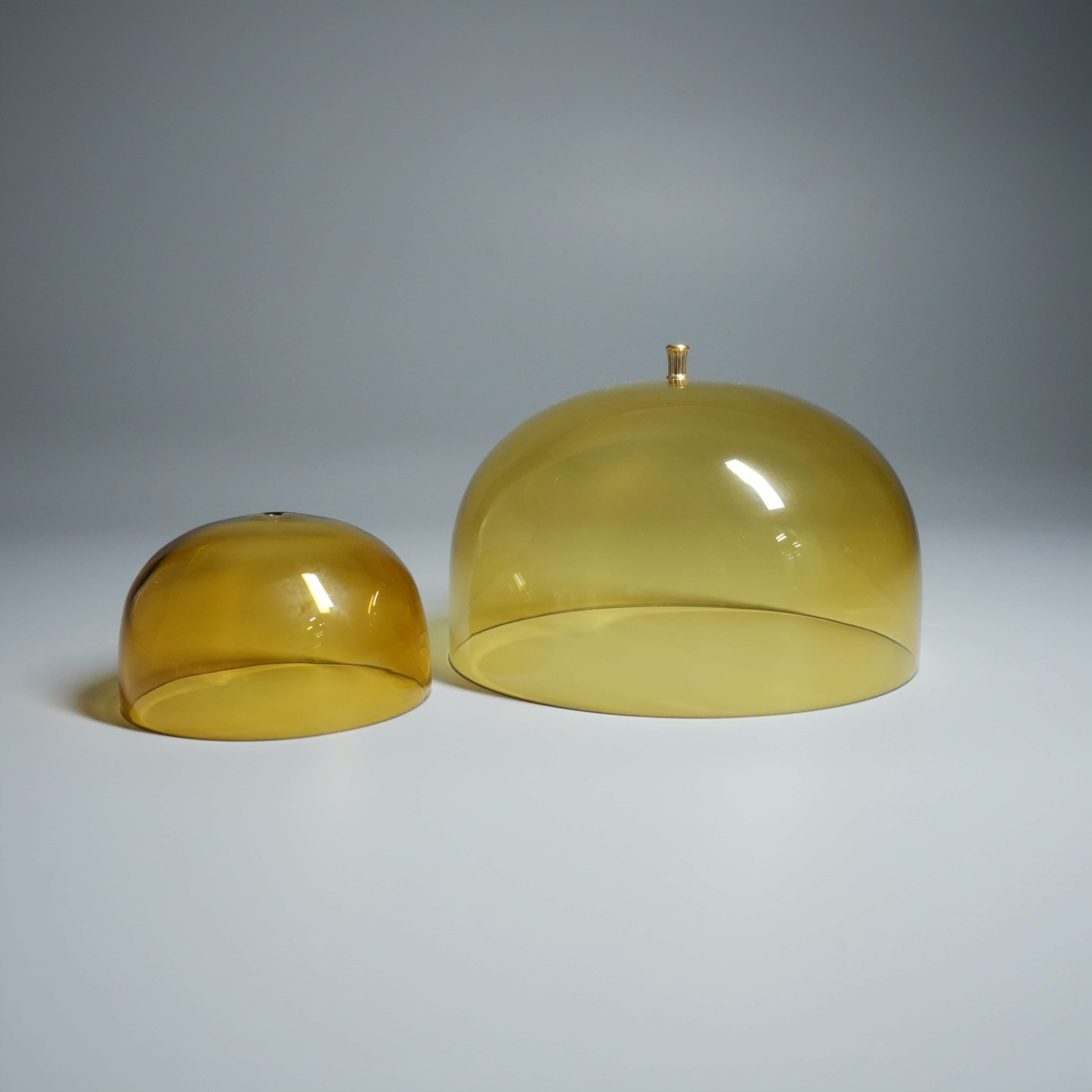
Certified Glass Cover for Food Machinery and Medical Equipment, Chemical Resistant
A cleanable, chemical-resistant glass cover for washdown areas, healthcare campuses and food-processing lines. A practical replacement for plastic viewing windows that haze, scratch or degrade under repeated cleaning cycles.
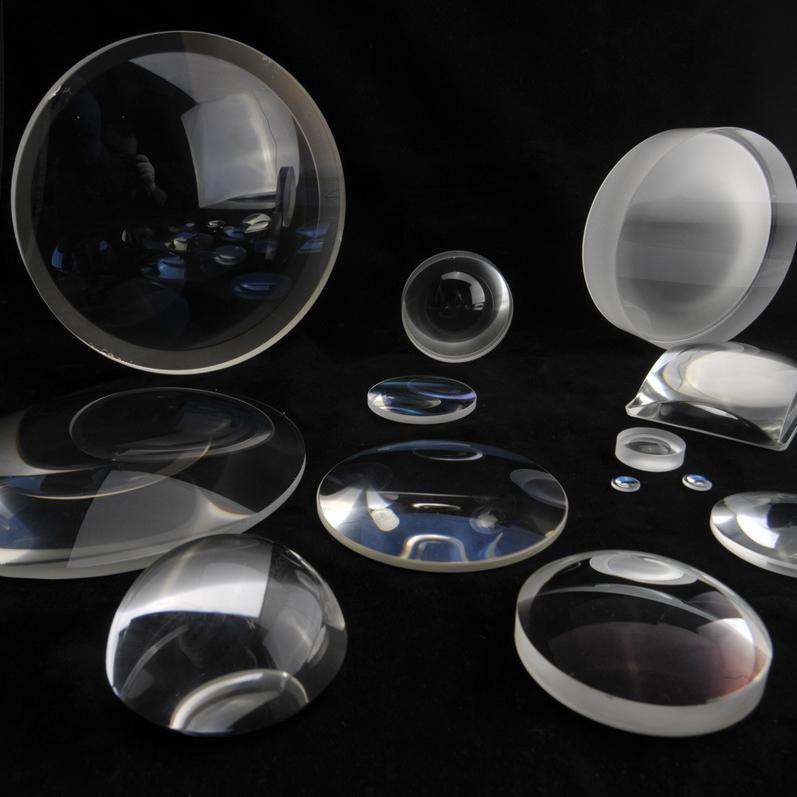
Custom 80/127/250 mm Spherical K9 Plano-Convex Lens for Large Magnifiers
Large-diameter K9 and optical glass lenses for inspection, display and architectural lighting fixtures. Nashville distributors can stock common diameters while OEMs specify coatings, edge treatment and mounting tolerances.
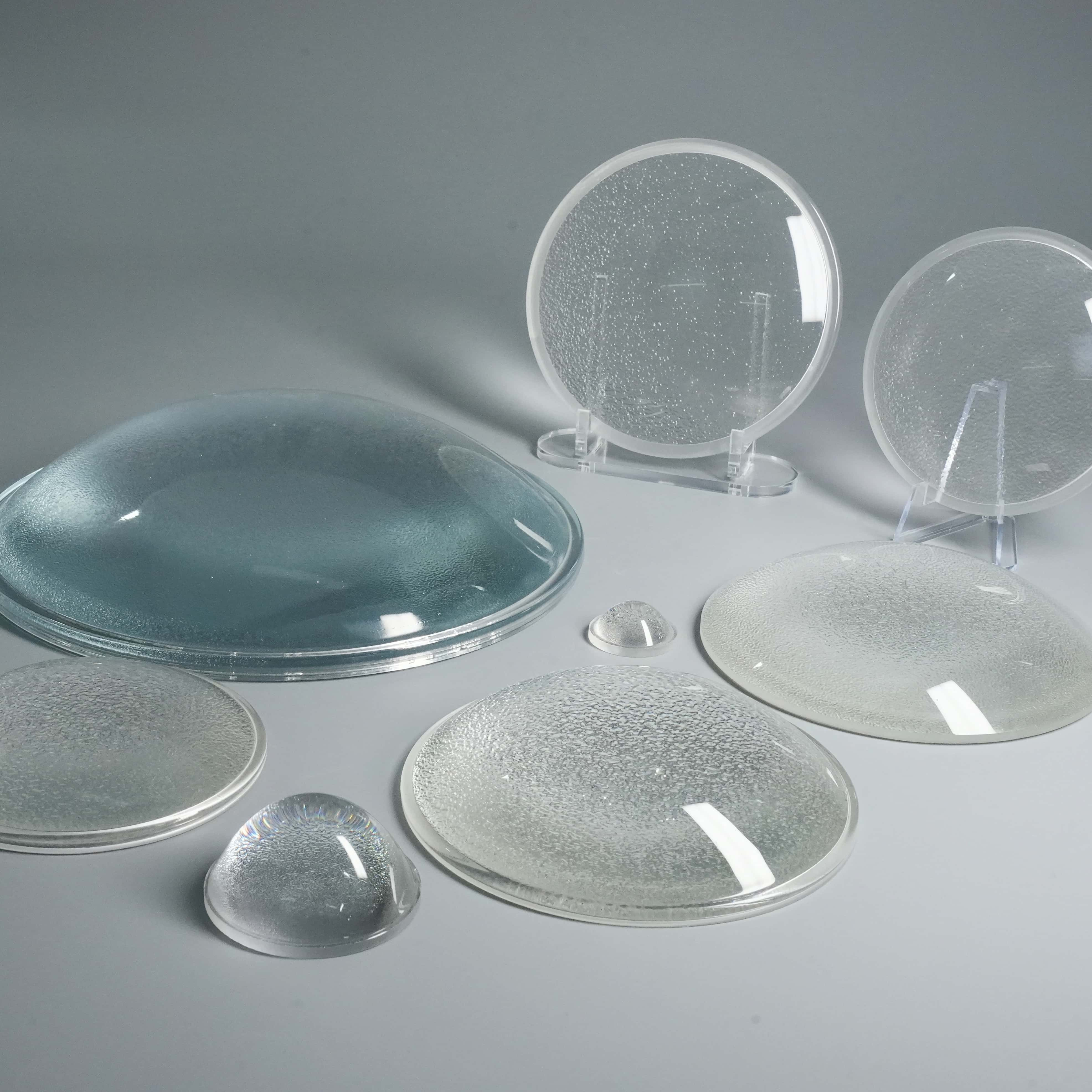
Bo Glass Asymmetric LED Lens for Roadway & Street Lights — Glare & Light-Pollution Control
Borosilicate asymmetric optic engineered for roadway, parking-lot and area lighting. Helps reduce glare and light trespass — a practical fit for Metro Nashville outdoor-lighting specifications, hospitality campuses and mixed-use developments.
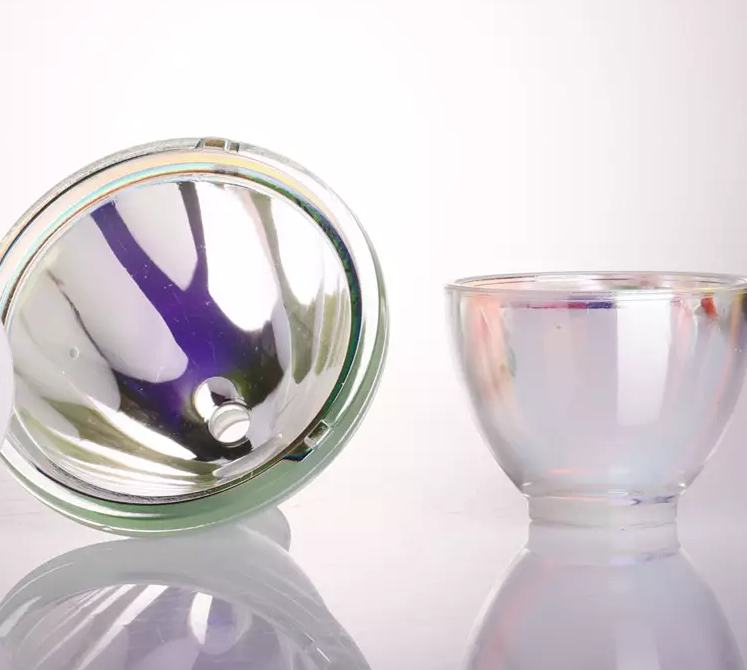
COB Glass LED Reflector Bowl for Spotlights & Projectors — 20/60/90° Beams
Deep glass reflector bowl for concentrated COB beams in track, studio and projection fixtures. Supports the Nashville music, event and hospitality venues that need repeatable beam shape under high-power LED loads.
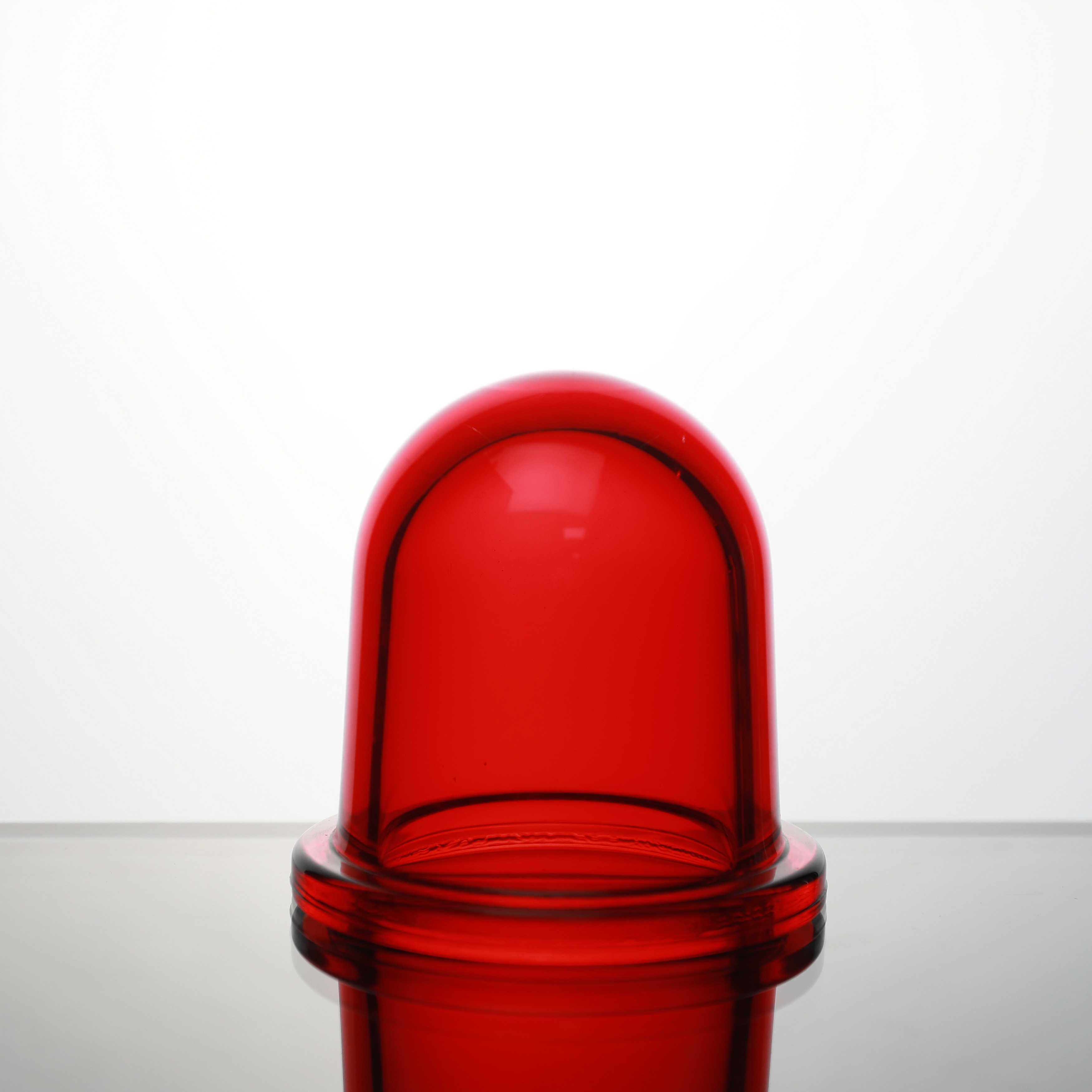
Custom Clear Borosilicate Explosion-Proof Glass Light Covers for Airport & Industrial Fixtures
Custom-size borosilicate cover for high-temperature industrial, airport and outdoor fixtures. Thermal-shock resistance helps manage hot lamp surfaces and sudden rain during Middle Tennessee’s storm season.
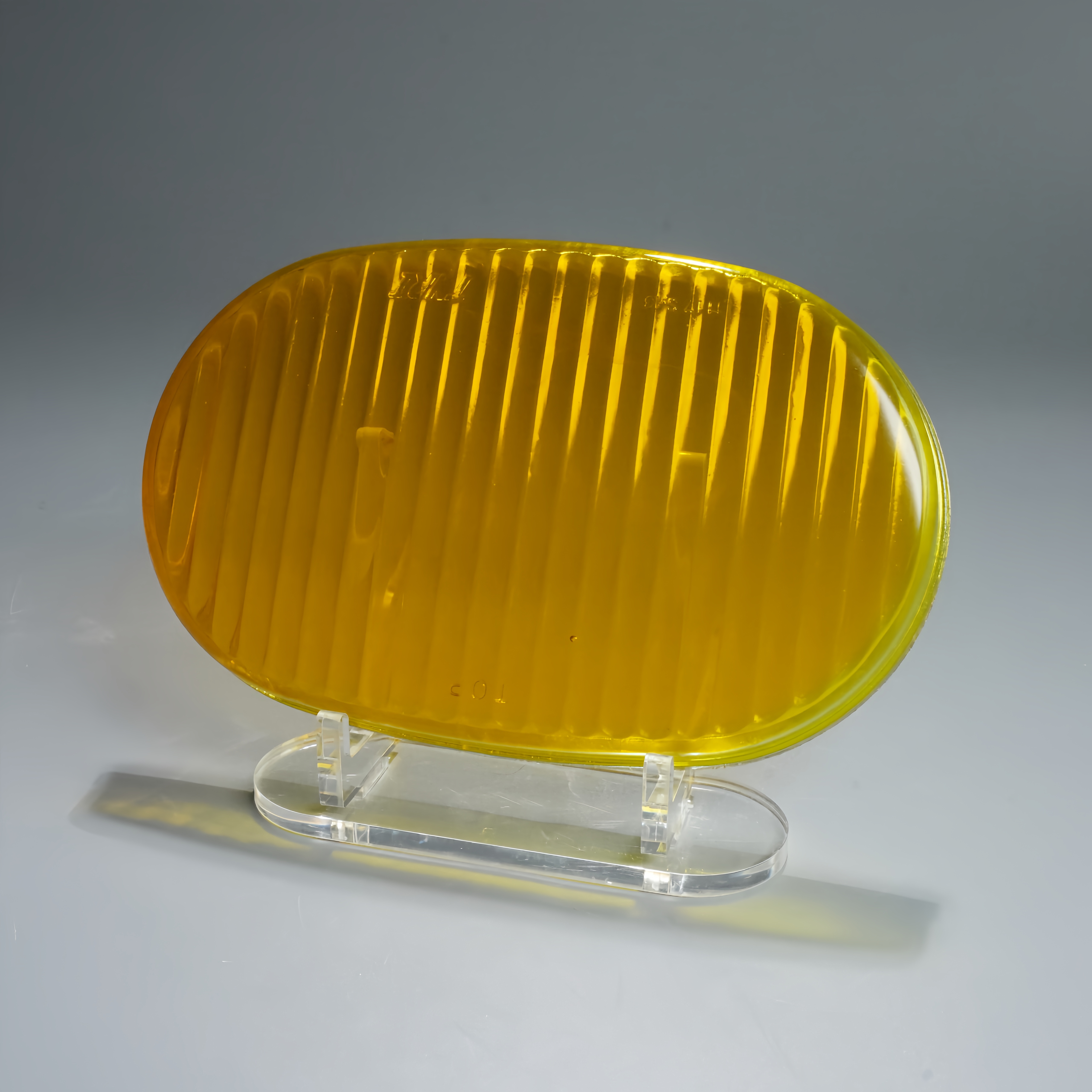
Factory Customized Heat-Resistant Borosilicate Glass Car Light Accessories
Customized size, shape and color for automotive and specialty-vehicle lighting. Relevant to the Nashville region’s automotive assembly and supplier base, where heat resistance and repeatable dimensional fit matter.

Precision BK7 Optical Lens, 1–200 mm, Half-Ball / Concave / Biconvex, AR Coated
Tight-tolerance BK7 lenses for LED collimation, sensing and instrument prototypes. AR coating options improve transmission where fixture energy efficiency, image quality or beam control is part of the specification.
Lighting and optical glass experience
Average technical inquiry response
Manufacturer and trading company
Annual export revenue scale
A Nashville Buyer’s Guide Written from the Production Floor
This guide is prepared by the export engineering team at Shanghai Tambi Glass Industrial Co., Ltd. It reflects production reviews, sampling experience and export packing decisions for lighting and optical OEMs. The aim is information gain, not a generic catalog page: what Nashville buyers should verify before specifying LED glass.



Experience, expertise, authority and trust — in practical terms
Shanghai Tambi Glass Industrial Co., Ltd. has focused for more than ten years on one engineering question: how should glass perform inside a real luminaire? That work covers heat build-up behind high-power LEDs, thermal shock when rain hits a hot cover, impact loads in hazardous areas and color accuracy for signal lights.
Our senior lighting and molding engineers review every drawing for wall thickness, draft, sealing faces and optical path alignment before tooling begins. We combine pressed, blown, ground and coated processes under one supply chain and work with long-term partners in Europe, North America and Japan. For Nashville buyers, this matters because the product is often part of a larger fixture qualification: a slight change in glass thickness, edge finish or coating can affect fit, light output and service access.
- Drawing-based OEM/ODM review
- Borosilicate, tempered, quartz and BK7
- AR and optical coating options
- Onsite-verified supplier records
Where These Glass Components Fit Nashville Projects
Nashville is not a single market. It combines healthcare campuses, food and chemical facilities, music and event venues, roadway upgrades, airport expansion and automotive manufacturing. Each application places a different demand on glass.
Airport and airfield lighting
Nashville International Airport’s continued expansion and the region’s aviation activity make runway, taxiway and obstruction lighting a natural fit for borosilicate lenses, red tempered domes and clear covers. We match color, transmission and dimensions for fixture makers designing to FAA L-810 or EN 50293 requirements; luminaire certification remains with the fixture manufacturer.
Roadway, street and area lighting
Metro Nashville roadway improvements, greenways, parking structures and mixed-use developments increasingly specify glare-controlled LED optics. Asymmetric borosilicate lenses and UV-stable covers help reduce light trespass while resisting sun, rain and thermal cycling in a humid subtropical climate.
Music, events and stage lighting
Nashville’s venues, arenas, studios and touring production companies need high-temperature glass that holds beam shape under COB and high-power LED loads. Fresnel, plano-convex, reflector-bowl and prism formats are available for prototypes, custom fixtures and repeat production.
Food, medical and chemical facilities
Hospitals, laboratories and food-processing plants in Middle Tennessee frequently require glass covers that tolerate cleaning agents and temperature swings. Chemical-resistant glass covers support viewing, lighting and equipment protection where plastic may haze, scratch or absorb odors over time.
Automotive, EV and advanced manufacturing
The Nashville region’s automotive assembly and supplier base creates demand for heat-resistant car light accessories, projection lenses and custom protective windows. Drawing-based tooling helps suppliers localize a part without changing the optical stack or risking fit issues in an existing housing.
Hospitality, retail and outdoor lighting
Hotels, restaurants, retail centers and large residential developments need durable outdoor glass with consistent color and finish. Custom borosilicate and tempered covers can reproduce antique shapes, modern cylinders and industrial styles for year-round exposure.
Nashville Market Trends Reshaping LED Glass Specifications
Procurement teams in Middle Tennessee are not only looking for lower piece prices. They are comparing optical performance, climate resilience and supply continuity across the whole fixture lifecycle.
LED retrofit moves from “fit the lamp” to “fit the optic”
As Nashville buildings replace legacy sources with LED, glass is no longer a decorative cover. It is part of the optical path. Buyers now ask for asymmetric distributions, AR coatings, tighter dimensional tolerances and color consistency so the fixture meets energy and glare goals.
Climate-resilient specifications for Middle Tennessee
Humid summers, intense UV, thunderstorms and winter freeze events stress outdoor glass. Borosilicate 3.3 helps with thermal shock; tempered soda-lime can be cost-effective where impact resistance matters more than extreme temperature. The right choice depends on lamp surface temperature and housing design.
Supply resilience and local wholesaler stocking
Nashville buyers increasingly split programs between direct OEM shipments and a regional wholesaler carrying fast-moving covers, lenses and replacement parts. That model reduces downtime for facility teams while keeping custom tooling and engineering with the manufacturer.
Dark-sky, glare and neighbor-friendly lighting
As Middle Tennessee grows, outdoor lighting faces more scrutiny from municipalities, campuses and neighborhoods. Asymmetric lenses, sharp cut-offs and UV-protected borosilicate covers help lighting designers protect night skies and reduce complaints without sacrificing useful light.
Material Selection Matrix for Nashville Climate and Fixture Duty
Selecting the correct glass early avoids cracked covers, color drift and costly field returns. This is a quick reference our engineers use when reviewing new projects.
| Material | Thermal expansion (×10⁻⁶/K) | Typical max. working temp. | Key strength | Best Nashville-fit use |
|---|---|---|---|---|
| Borosilicate 3.3 | ≈ 3.3 | ≈ 450 °C | Excellent thermal-shock resistance | Explosion-proof shades, high-power LED covers, Fresnel lenses and outdoor fixtures exposed to sudden rain on hot glass |
| Tempered soda-lime | ≈ 9.0 | ≈ 250 °C | High impact strength, economical | Outdoor covers, floodlight glass and vandal-resistant lenses for parking areas and hospitality campuses |
| Fused quartz | ≈ 0.55 | ≈ 1000 °C+ | UV transmission, extreme heat | UV optics, high-temperature windows and specialty sensing or industrial lighting |
| Optical BK7 (H-K9L) | ≈ 7.1 | ≈ 300 °C | Homogeneous, nd ≈ 1.517 | Precision lenses, prisms, mirrors and bandpass filters for instrument and LED collimation programs |
Values are typical references. Final specification is confirmed against your drawing, lamp surface temperature, impact rating and the standard your fixture must meet. Fixture certification is held by the luminaire manufacturer; glass suppliers should match color, transmission and dimensional requirements and provide material or inspection reports when requested.
Why Nashville Procurement Teams Shortlist Tambi Glass
The advantages below are not abstract claims. They answer the practical questions buyers ask before sending a drawing or opening a wholesale discussion.
Drawing-based OEM/ODM engineering
Send a 2D/3D drawing or physical sample. Senior lighting and molding engineers review wall thickness, draft, sealing faces, optical path and tolerance before tooling. This front-end work reduces late-stage fit problems for Nashville fixture programs.
Material and coating portfolio
Borosilicate 3.3, tempered soda-lime, fused quartz and optical BK7, with AR coatings, colored glass, bandpass filters and precision grinding. One supply chain covers pressed, blown, ground and coated parts.
Tooling, sampling and ramp-up
Existing molds can shorten lead time; new molds are reviewed for manufacturability. Samples are measured and sent for fit and light tests before mass production. Typical MOQs range from 50 pieces for optical lenses to 100–500 pieces for pressed or blown lighting covers, depending on tooling.
Inspection and documentation
Dimensional and visual inspection, material and inspection reports on request, and batch traceability support procurement teams that need repeatable quality. We do not issue fixture certifications; we match the glass specification used by the certified luminaire maker.
Export packing for fragile glass
Foam or pulp dividers, reinforced export cartons and palletized loading for sea or air freight. Custom labels and packaging can be arranged for distributors serving Nashville and the Southeast, including replacement-part kits and mixed-SKU shipments.
Verified supplier with fast technical reply
Our premises have been checked during third-party onsite verification. Average response time is within six hours for technical inquiries. Share annual volume, drawing and target certification with info@tambiglass.com for an engineering and commercial review.
A Controlled 6-Step OEM/ODM Process
Clear checkpoints mean fewer surprises between sample approval and mass production. This is especially important when a Nashville distributor is holding stock for multiple installers and service teams.
Drawing review
DFM check of thickness, draft, tolerance, sealing face and optical alignment.
Mold and tooling
New or existing molds for pressing, blowing, grinding or shaping.
Sampling
Samples measured and sent for your fit, light and sealing evaluation.
Forming and annealing
Controlled annealing or tempering to relieve stress and support repeatability.
Coating and QC
AR or color coating, dimensional checks and visual inspection before packing.
Export packing
Divider-packed cartons, palletized loading and distributor-ready labeling options.
Questions Buyers Ask Before Sending a Drawing
These are the practical questions we hear from OEM buyers, electrical wholesalers and facility teams evaluating custom LED glass for the Nashville market.
What should a Nashville buyer include in the first inquiry?
Can you supply samples before we commit to a Nashville distribution program?
Which glass is better for Nashville outdoor lighting: borosilicate or tempered soda-lime?
Do you support FAA L-810 or EN 50293 lighting fixture programs?
How are fragile glass parts shipped to Nashville, and can you support a local wholesaler?
How fast do you reply to technical inquiries, and what is the usual MOQ?
Send a Drawing. Get a Manufacturability and Material Review Within Six Hours.
Share your dimensions, material preference, operating temperature, annual volume and the standard your Nashville fixture must satisfy. Our engineers will respond with the practical next step: existing mold match, tooling estimate, sample plan or material recommendation.
Inquire Now info@tambiglass.com