8 Navigation and Lighting Glass Products for San Antonio Buyers
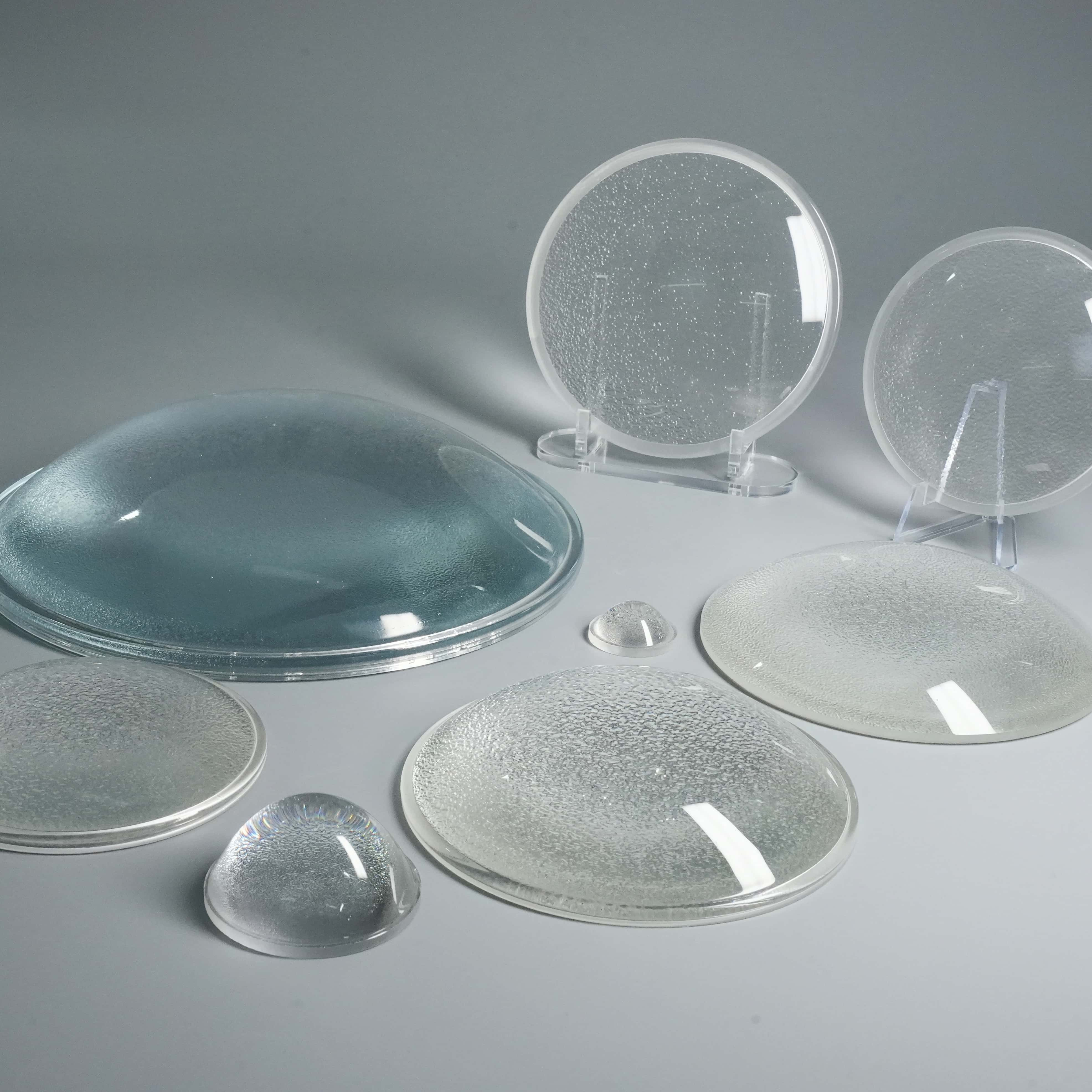
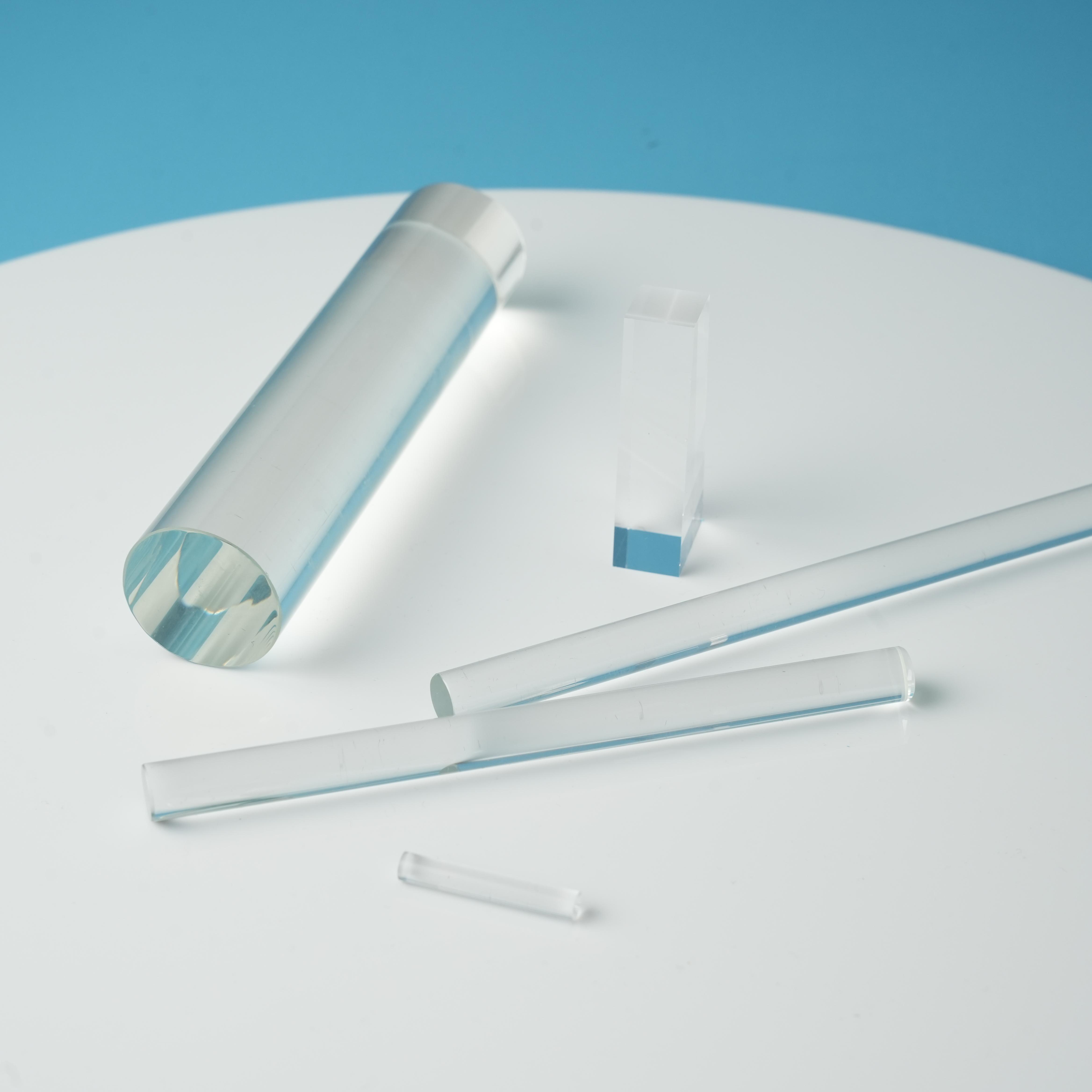
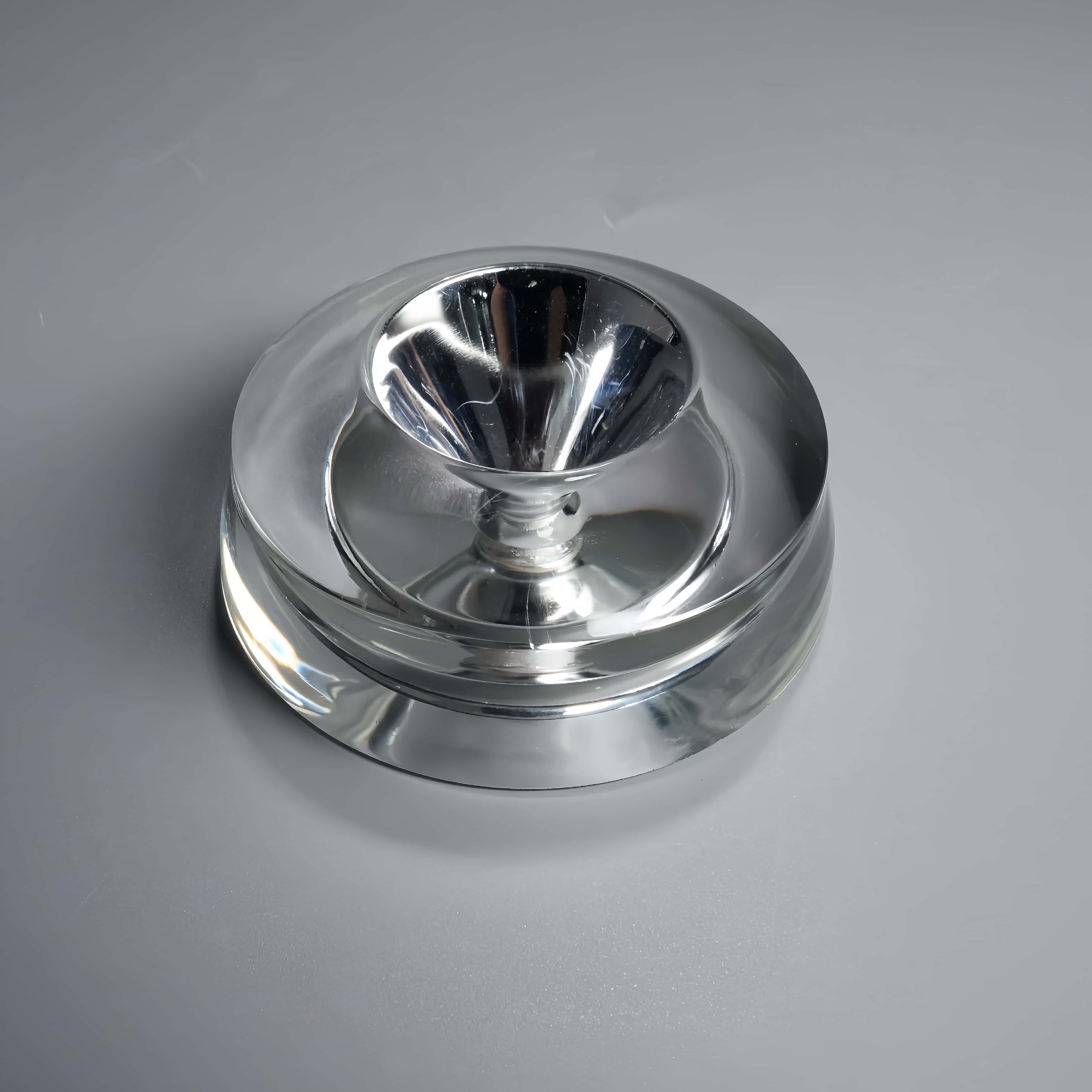
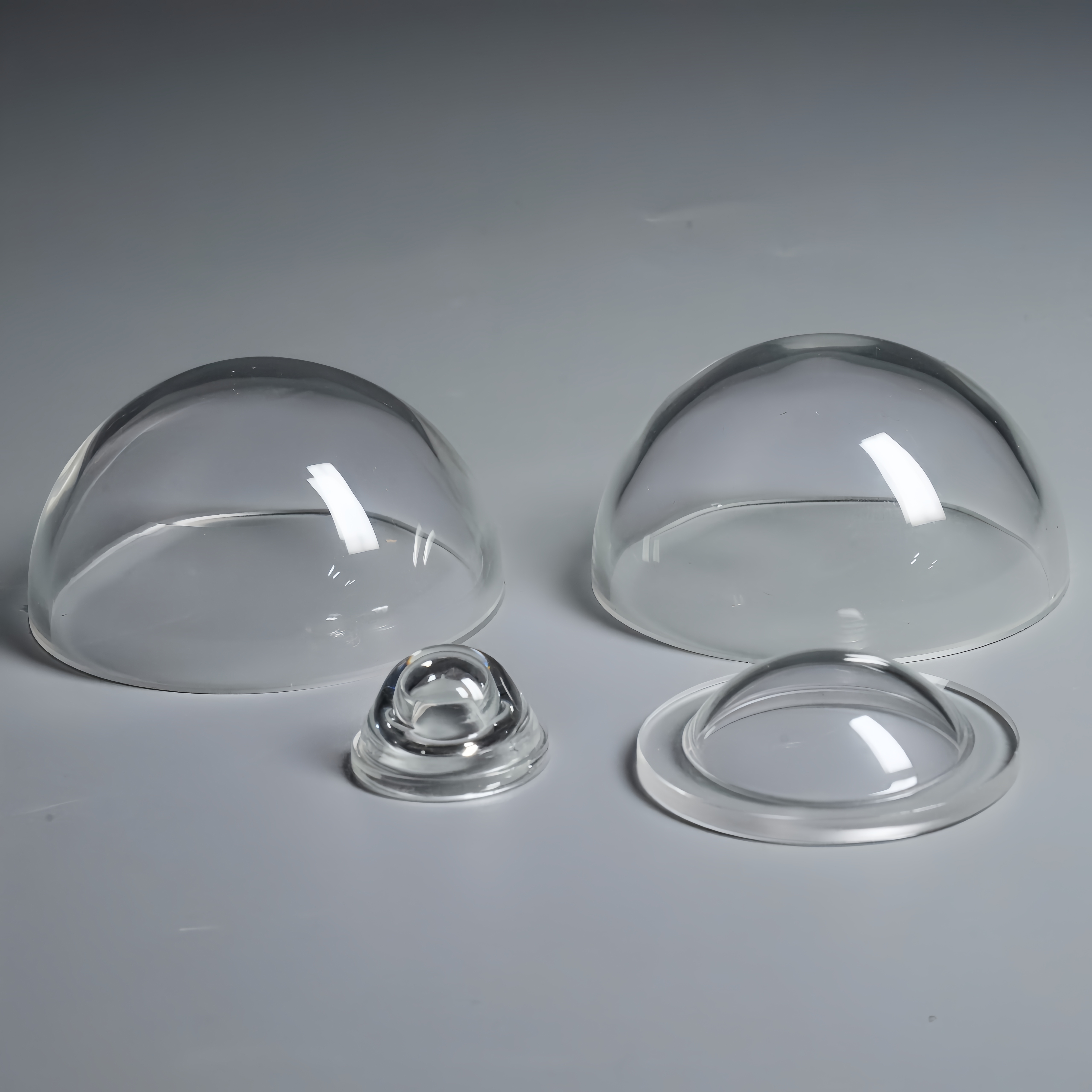
These eight product families cover the most common procurement paths for San Antonio lighting fixtures: runway and taxiway optics, explosion-proof covers, marine-grade signal glass, LED street light lenses, deep-sea optical domes, Fresnel optics, spectroscopic filters, and heat-resistant automotive or industrial light accessories. Each item can be customized by size, thickness, color, coating, edge finish, and packing method.

Navigation Light Glass Specification for South Texas Conditions
Use this guide to compare materials, local applications, and supplier capability before requesting samples.
Navigation light glass is a specification-driven safety component, not a commodity cover. In San Antonio, the same glass part may be evaluated for airport obstruction lighting, helipad approach lighting, marine signal fixtures moving through Gulf Coast ports, high-bay industrial lighting, or architectural LED systems exposed to intense Texas sun. Buyers need more than a low unit price; they need traceable material, stable optics, controlled thermal-shock resistance, and a factory that can review drawings before tooling begins.
San Antonio’s operating environment creates a specific mix of risks. Summers bring prolonged high temperatures, high UV exposure, and severe hail events. Inland dust and construction activity challenge sealing faces, while fixtures linked to military aerospace, logistics, energy, healthcare, and hospitality must remain serviceable. For components shipped onward to Houston, Galveston, Corpus Christi, or through the Port of San Antonio logistics network, salt-air exposure may become part of the lifecycle even when the final installation is inland. Thermal shock, impact, color stability, and gasket compatibility therefore matter as much as lumen output.
Our role is to remove uncertainty from that specification. As a Shanghai-based borosilicate and optical glass factory and supplier serving the San Antonio market, we produce to 2D/3D drawings, physical samples, and fixture requirements. We review wall thickness, draft angle, gasket compression, optical path alignment, color stability, coating needs, and export packaging before mass production. More than a decade in lighting glass has taught us that most field failures begin with a mismatch between the glass, the lamp thermal profile, and the sealing design—not with the glass alone.
Where Navigation Light Glass Is Used Across San Antonio & South Texas
San Antonio is not a single market. It combines aviation, military support, logistics, energy, healthcare, hospitality, and commercial construction—each with a different lighting-glass specification.
Aviation, Helipads & Airfield Lighting
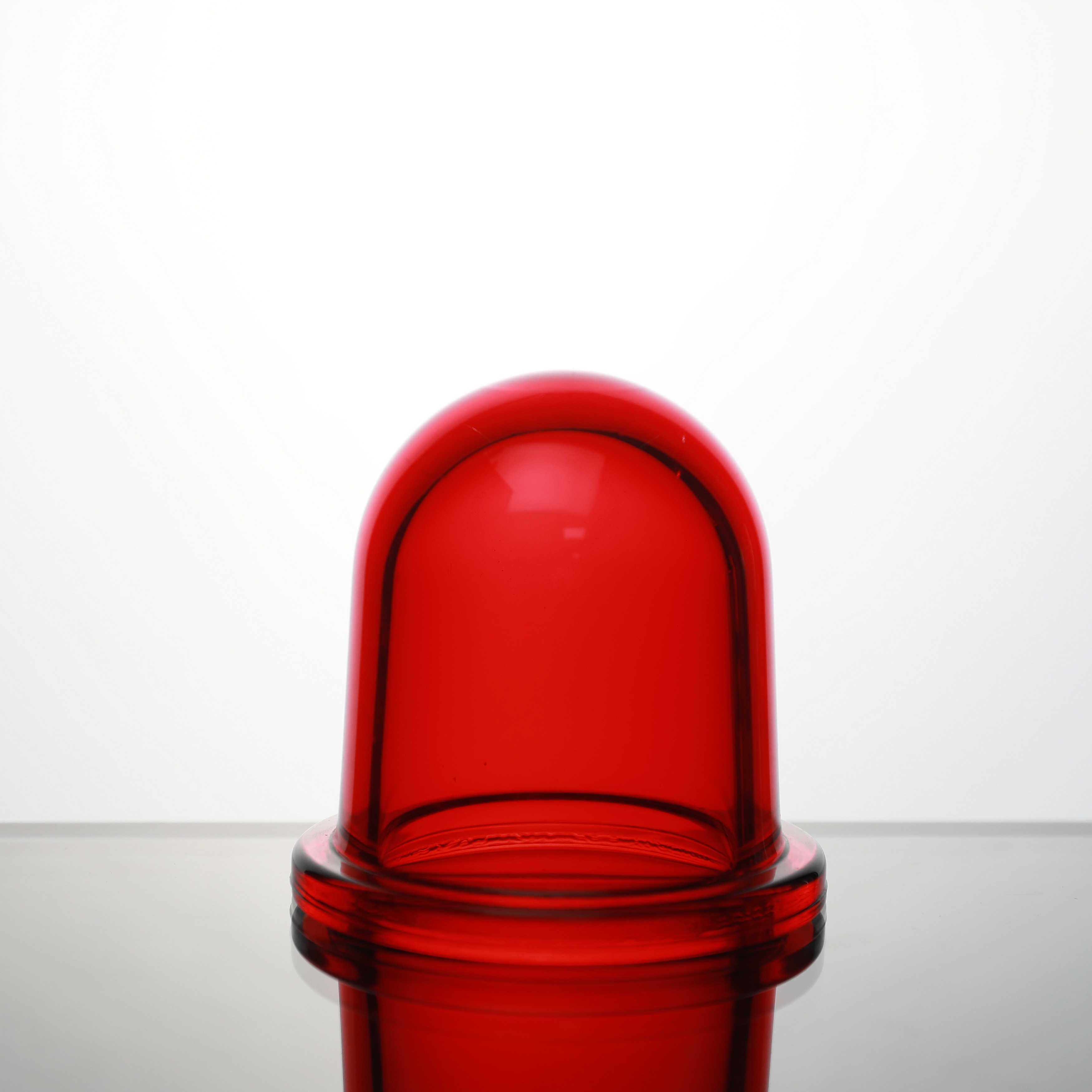
Runway edge, taxiway, obstruction, perimeter, and helipad fixtures need lenses and domes with stable red or clear optics. Borosilicate glass is often preferred where high-power LED modules, solar loading, and rapid rain cooling create thermal-shock risk. We support fixture makers designing to FAA L-810 and related airfield requirements at the component level.
Marine, Port & Offshore Supply Chains
Navigation signal glass for ships, docks, harbors, and offshore support equipment must resist salt spray, UV, and thermal cycling. Red, green, amber, and clear covers can be pressed or hand-blown, with prismatic or smooth finishes. San Antonio buyers serving Gulf Coast ports can consolidate glass sourcing with other lighting components.
Energy, Petrochemical & Industrial Facilities
Explosion-proof lampshades, emergency light covers, and high-temperature glass protect fixtures in dusty workshops, chemical plants, fuel-handling areas, and manufacturing cells. Wall thickness, annealing quality, impact resistance, and sealing-face flatness are reviewed against the luminaire housing and gasket design.
Commercial, Warehouse & Automotive Lighting
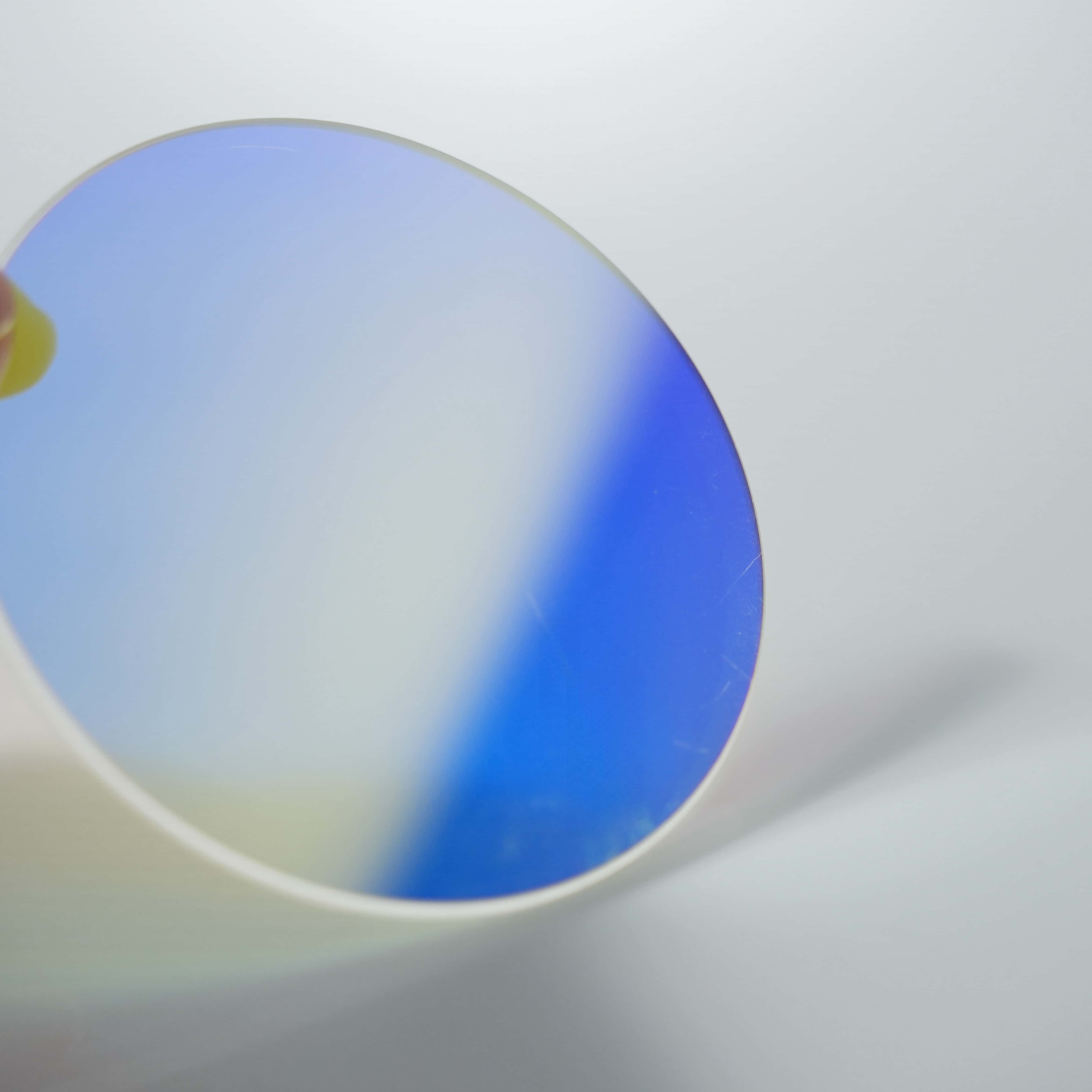
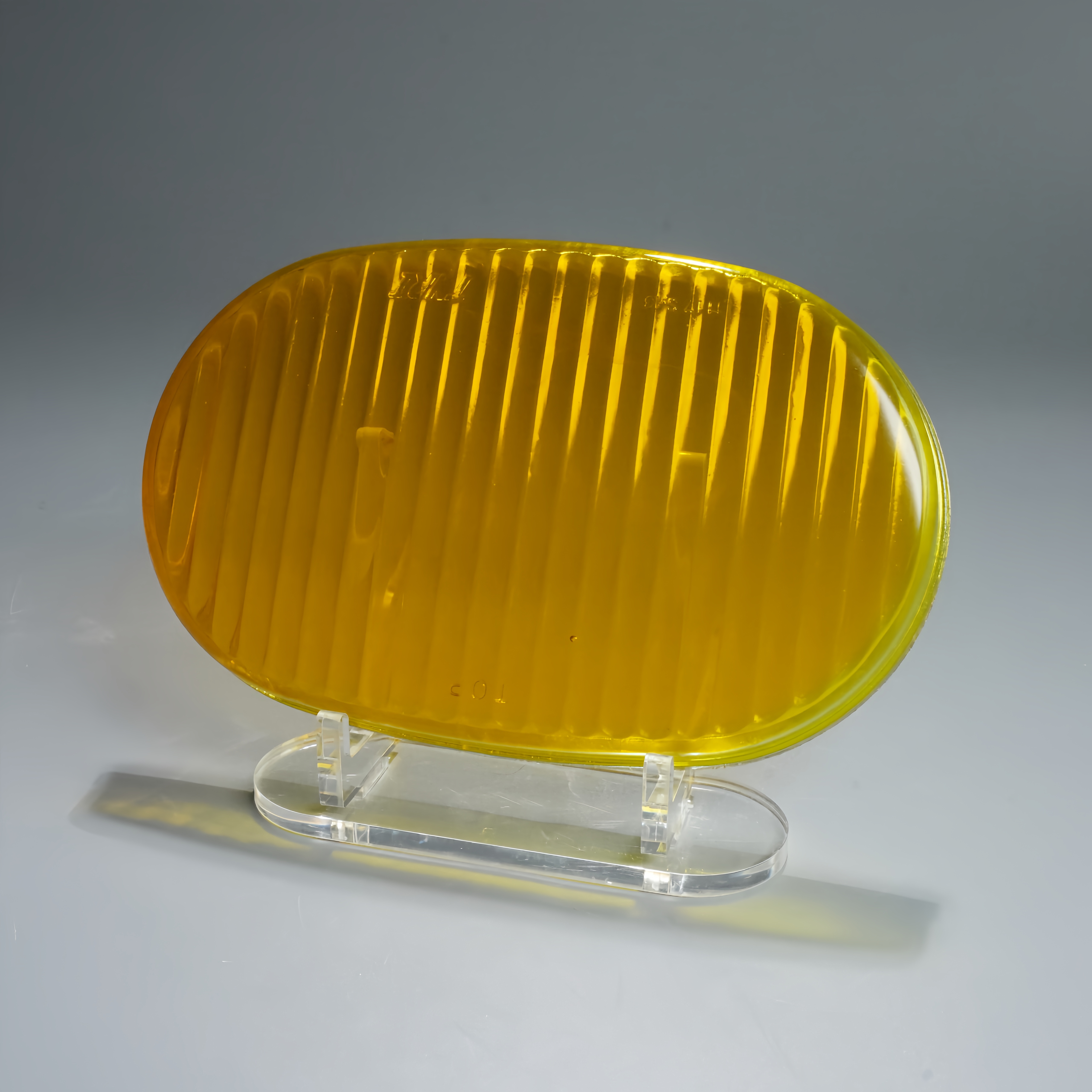
Street lights, parking structures, warehouse high-bays, facade lighting, stage fixtures, grow lights, and automotive accessories use glass lenses for glare control, UV protection, light distribution, and heat resistance. AR-coated lenses and Fresnel optics can improve optical efficiency without changing the fixture footprint.
San Antonio Trends Shaping Navigation Light Glass Procurement
Local buyers are asking for more documentation, faster samples, and clearer thermal data because lighting systems are becoming more powerful and more visible in public infrastructure.
Audit-Ready Supply Chains
Infrastructure, aviation, and industrial buyers in San Antonio increasingly prefer suppliers that can show factory verification, trade capacity, material reports, and inspection records. A glass component is small, but a failed shipment can delay a lighting fixture program. Drawing-based production and documented QC reduce that risk.
Tighter Optics, Hotter Fixtures
High-output LED modules, compact spotlights, and outdoor projectors concentrate heat near the lens. Buyers are moving toward borosilicate glass, controlled annealing, and AR coatings to protect light output and reduce cracking. Fresnel, asymmetric, and convex lens profiles are replacing simple flat covers in many retrofit projects.
Durability Over Disposability
South Texas heat, hail, dust, and UV exposure make long service life a purchasing metric. Glass covers and lenses that resist scratching, yellowing, and thermal shock can extend fixture maintenance intervals. For San Antonio buyers, repairable and replaceable glass components support sustainability goals while keeping critical lighting online.
Material Selection for Heat, Impact and Optical Stability
Use this comparison as a starting point. Final material must be confirmed against lamp surface temperature, gasket load, impact rating, coating, color target, and the certification program of the finished fixture.
Borosilicate 3.3
Low thermal expansion and excellent thermal-shock resistance. Common for high-power LED covers, explosion-proof shades, Fresnel lenses, and signal domes exposed to rapid temperature change.
Tempered Soda-Lime
Higher impact strength with an economical cost profile. Suitable for outdoor covers, floodlight glass, and vandal-resistant lenses where operating temperature is moderate and tempering is acceptable.
Fused Quartz
Excellent UV transmission and extreme heat capability. Selected for UV optics, high-temperature windows, and specialty sensing where soda-lime or borosilicate cannot meet the thermal envelope.
Optical BK7 / H-K9L
Homogeneous optical glass for precision lenses, prisms, windows, mirrors, and filters. When the project requires controlled refractive index and surface form, optical glass may be specified instead of lighting glass.
The bar lengths are relative visual indicators for procurement discussion, not certification limits. Send the lamp wattage, surface temperature, mounting orientation, gasket material, and target standard for a material recommendation.
From San Antonio Drawing to Export-Ready Glass: 6 Controlled Steps
Clear checkpoints reduce surprises between sample approval and mass production, especially when the buyer and factory are separated by time zone and freight schedule.
Drawing & Application Review
We review 2D/3D files, physical samples, wall thickness, draft angle, tolerance, sealing face, lamp temperature, and installation orientation. The goal is to catch DFM issues before tooling.
Material & Mold Selection
Borosilicate, tempered soda-lime, quartz, or optical glass is matched to the application. Existing molds may reduce cost; new tooling may be required for custom domes, covers, or lenses.
Sampling & Fit Test
Samples are measured and sent for your housing fit, gasket compression, optical test, and color check. Changes are documented before mass production is released.
Forming, Annealing & Tempering
Pressed, blown, or ground glass is produced with controlled annealing or tempering to relieve stress. This step is critical for covers exposed to Texas heat, hail, and rain cooling.
Coating & Quality Inspection
AR coatings, color filters, edge finishing, dimensional checks, visual inspection, and packing confirmation are completed according to the approved specification.
Export Packing & Shipment
Fragile parts are separated by foam or pulp dividers, packed in reinforced export cartons, and palletized for sea or air freight. Custom labeling for distributors can be arranged.
Why San Antonio Buyers Work With Our Navigation Light Glass Factory
The strongest supplier is not simply the one with the lowest quotation. It is the one that can answer technical questions, hold tolerances, document quality, and protect fragile glass during export.
Drawing-Based OEM / ODM
Our senior lighting and molding engineers review every drawing for wall thickness, draft, sealing faces, and optical-path alignment before tooling starts. Custom size, shape, color, coating, and packaging are handled through one technical contact.
One Supply Chain for Multiple Glass Processes
Pressed, blown, ground, and coated glass can be coordinated under one supply chain. Materials include borosilicate, tempered glass, quartz, and BK7/K9 optical glass, with AR and optical coatings available for LED and sensing applications.
Verification & Traceability
Our premises have been checked onsite during third-party verification. Supplier assessment, credit index, trade capacity, trade history, and factory video help San Antonio procurement teams complete supplier qualification with less back-and-forth.
Responsive Export Support
Average technical response time is within 6 hours. We support sample evaluation, export packing, custom labeling, and repeat production for lighting and optical OEMs worldwide, with annual export revenue in the US$2.5M–5M range.
Common Procurement Questions From San Antonio Lighting Buyers
These are the questions our engineers and sales team answer most often when buyers are comparing navigation light glass factories and suppliers.
Are you a navigation light glass factory or a trading company?
We are both a manufacturer and trading company. Production and process coordination are supported from Shanghai, while our product scope covers glass covers, explosion-proof lampshades, signal light domes, LED lenses, prisms, optical filters, and custom optical components for global buyers serving markets such as San Antonio.
Can you manufacture to our own drawing for a San Antonio fixture project?
Yes. Most orders are drawing-based. Send a 2D/3D drawing or a physical sample with dimensions, tolerance, material, color, coating, and annual volume. Our engineers review manufacturability, propose mold options, and confirm samples before mass production.
What is the typical minimum order quantity?
Typical MOQs range from 50 pieces for optical lenses to 100–500 pieces for pressed or blown lighting covers, depending on whether an existing mold can be used. Sample quantities are available for evaluation before a production order is placed.
Should San Antonio buyers choose borosilicate or tempered soda-lime glass?
Borosilicate 3.3 has low thermal expansion and tolerates high lamp temperatures and sudden cooling better. Tempered soda-lime glass offers high impact strength at a lower cost for moderate temperatures. The right choice depends on surface temperature, impact rating, fixture certification, and gasket design.
Do you supply glass for FAA L-810 or EN 50293 lighting programs?
We produce glass lenses and domes for fixture makers whose obstruction and signal lights are designed to FAA L-810 or EN 50293 requirements. Fixture certification is held by the luminaire manufacturer; we match color, transmission, and dimensional specifications and can provide material and inspection reports on request.
How are fragile glass parts packed for shipment to San Antonio?
Parts are separated by foam or pulp dividers, packed in reinforced export cartons, and palletized for sea or air freight. Custom packaging and labeling for distributors can be arranged. For urgent projects, we can quote air freight and provide packing details for customs and insurance review.
Have a Navigation Light Glass Drawing? Get an Engineering Review Within 6 Hours.
Share your dimensions, material preference, operating temperature, gasket design, target standard, and annual volume. Our team will recommend a reliable borosilicate, tempered, or optical glass solution for your San Antonio or South Texas lighting project.
Contact Us Drawing-based OEM / ODM · Factory video available · Samples before mass production