Custom Molded & Optical Glass · Vancouver Supply Guide

Molded Glass Factories & Factory in Vancouver

Tambi Glass engineers custom borosilicate, tempered, and optical glass components for Vancouver lighting, marine, film, medical, and photonics projects — with drawing-based production, export packing, and technical support for Canadian buyers.

Inquire Now
10+ years≤6 h responseDrawing-based OEM
Product Recommendations

8 Custom Glass Products for Vancouver OEMs

Vancouver buyers often need more than a catalog part. These eight molded and optical glass products cover high-demand applications across Metro Vancouver — from high-power stage lighting and laser labs to washdown equipment and coastal camera housings. Each item can be customized by size, thickness, color, coating, and edge finish; every product URL below is preserved exactly as supplied.

10+Years of lighting and optical glass experience
≤6 hAverage response to technical inquiries
50–500Typical MOQ range, depending on mold and part
3.3 ×10⁻⁶/KThermal expansion of borosilicate 3.3

These figures reflect Tambi Glass production experience and typical project parameters. Final specifications, MOQs, and schedules are confirmed against the drawing, material, and inspection plan.

Factory, Engineering & Verification

A Shanghai Molded Glass Factory Built for Vancouver OEM Projects

If you search for molded glass factories in Vancouver, you will find local distributors, cutting shops, and tempering services. These partners are valuable for standard flat glass, fast replacement, and local inventory. Highly customized molded parts are different. Pressed lighting covers, optical domes, Fresnel lenses, and tight-tolerance prisms usually depend on specialist tooling, controlled annealing, and coating lines. That is where an experienced overseas factory can complement the local supply chain.

Shanghai Tambi Glass Industrial Co., Ltd. is a manufacturer and trading company serving lighting and optical OEMs worldwide. We have focused on lighting glass for more than a decade. Our team of 11–50 people reviews drawings, builds or adapts molds, produces samples, and manages volume production with export packing. We are not a Vancouver storefront. We are an auditable production partner for Vancouver companies that need custom glass made to drawing, with clear communication across time zones.

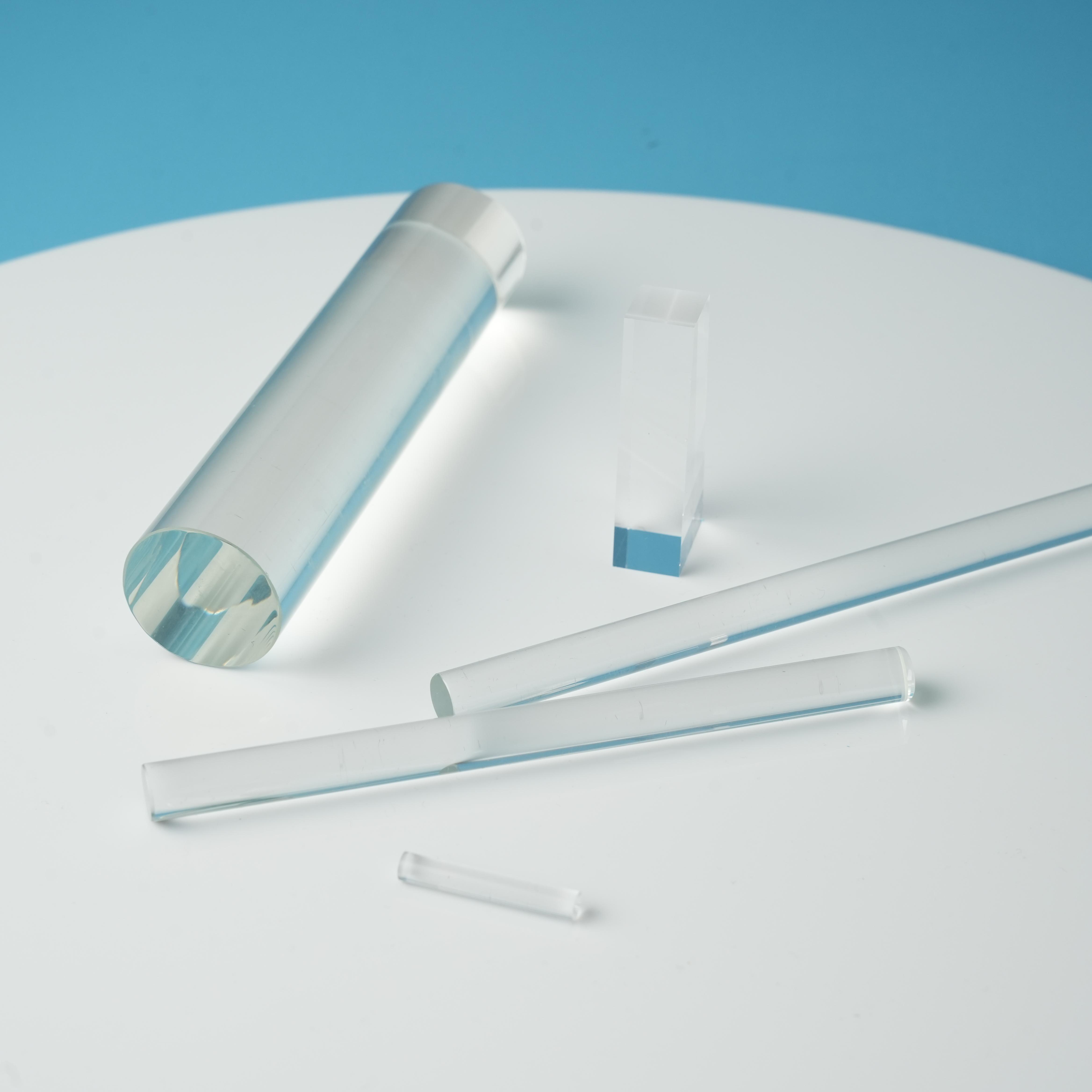
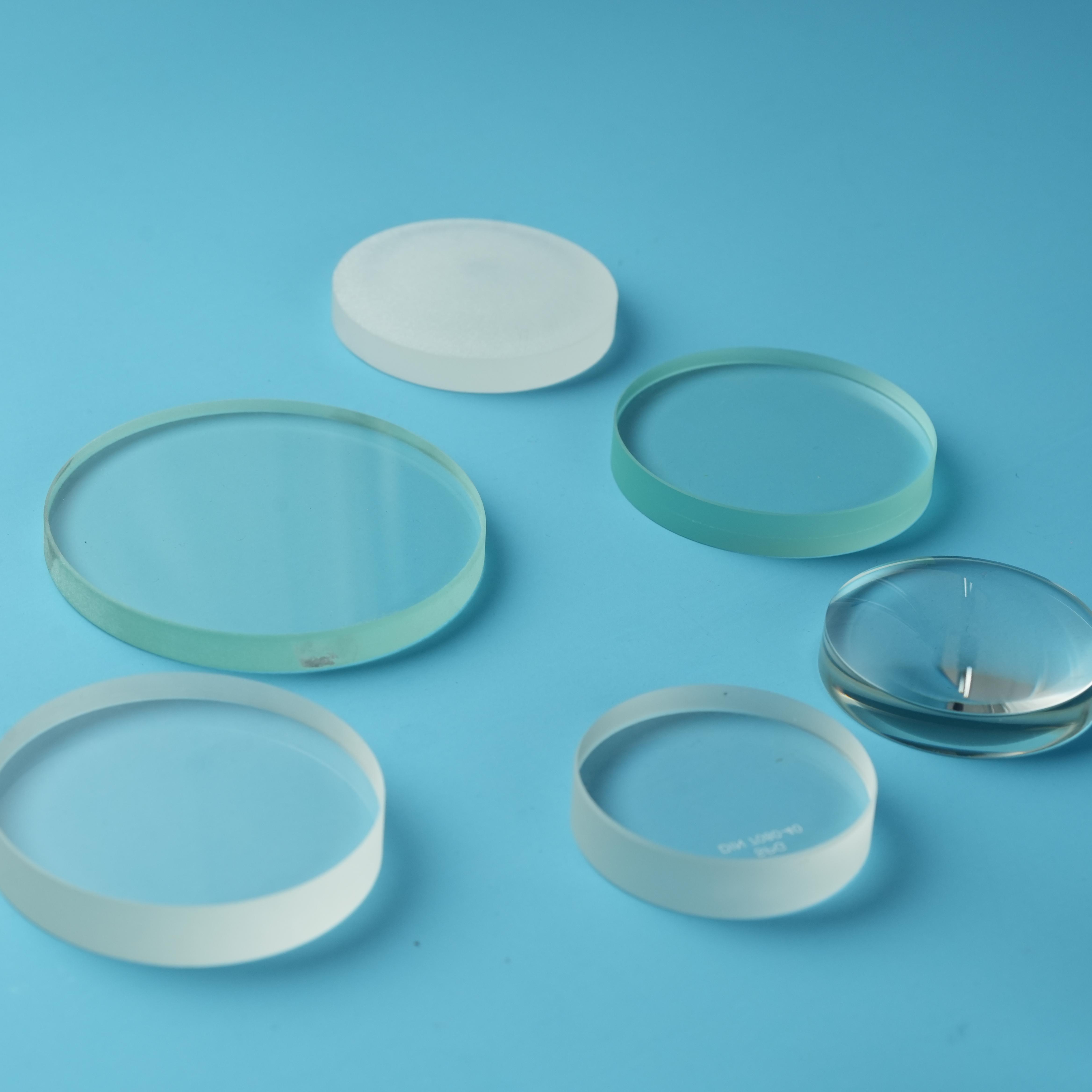
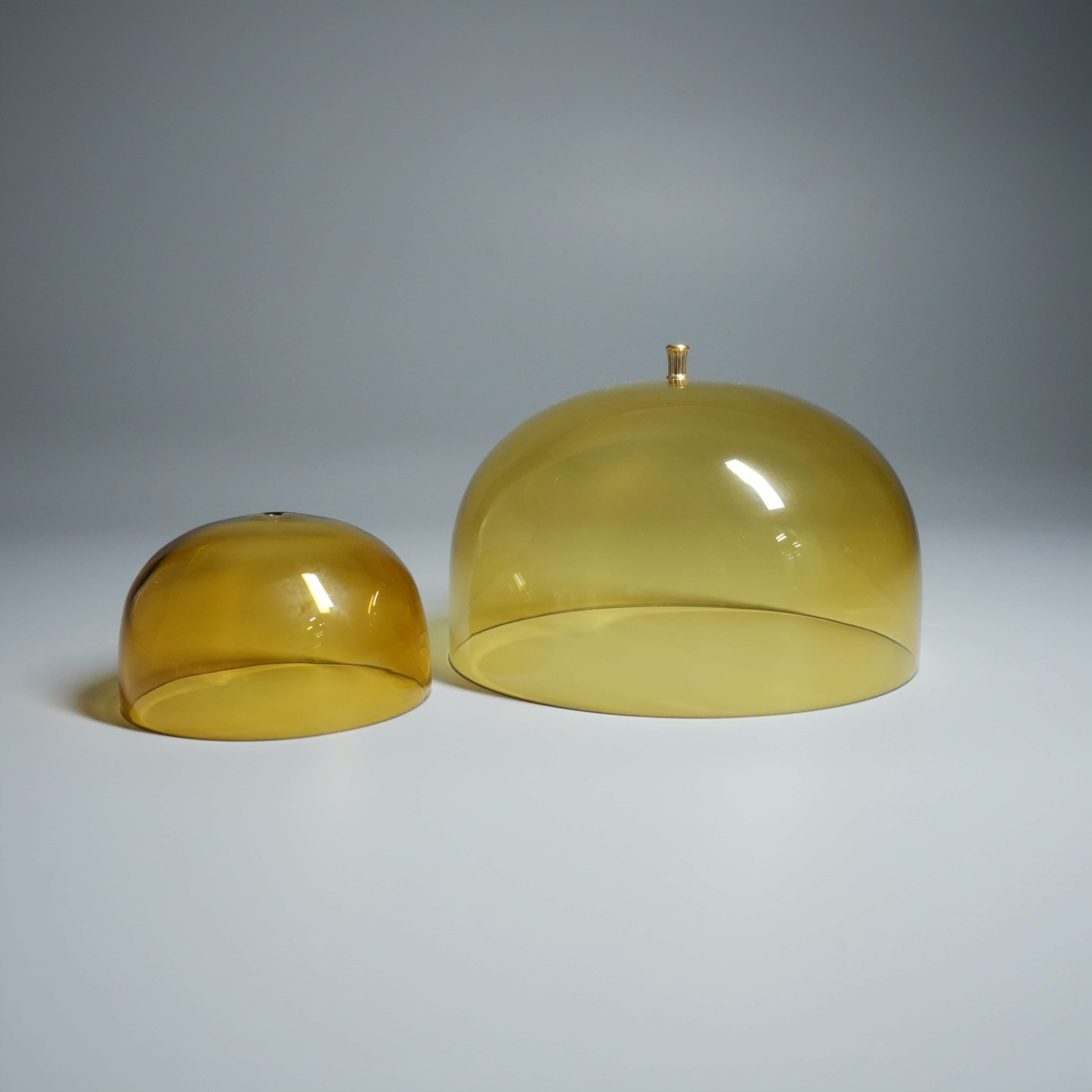
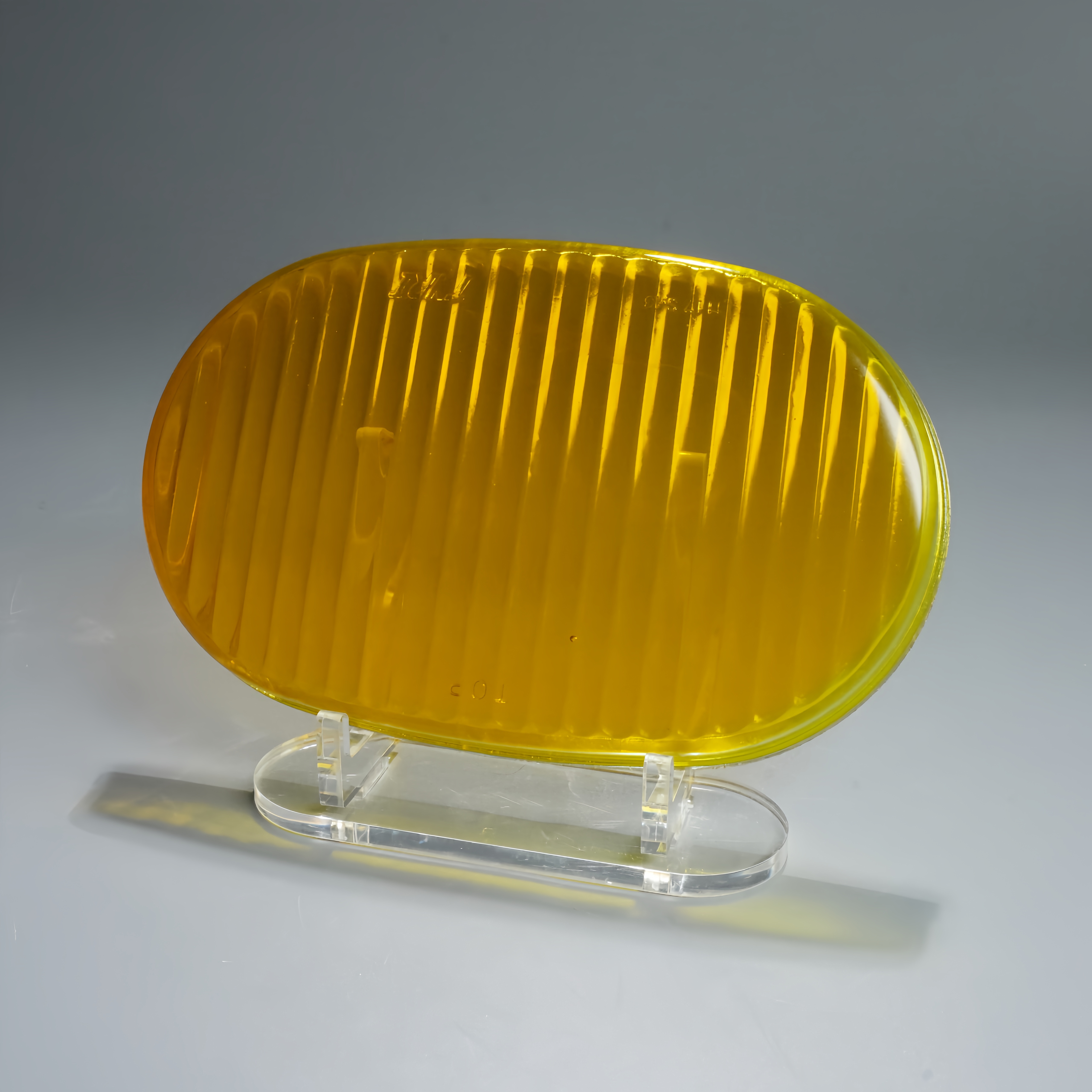
Our work covers borosilicate 3.3, tempered soda-lime glass, fused quartz, BK7/K9 optical glass, and B270. Processes include pressing, blowing, grinding, polishing, edge finishing, tempering, annealing, AR coating, and colored glass. Because we coordinate multiple processes, we can match the glass to the fixture rather than forcing the fixture to accept a catalog part. Typical projects include explosion-proof lampshades, airport and marine signal domes, LED lenses, LiDAR windows, prisms, and bandpass filters.

For procurement teams, the useful information is not a list of adjectives. It is evidence. Our premises have been checked during third-party supplier assessment. We maintain credit, transaction, trade capacity, and trade history records. We can provide material and inspection reports on request. Our average response time to technical inquiries is within 6 hours. MOQs range from 50 pieces for optical lenses to 100–500 pieces for pressed or blown lighting covers, depending on whether an existing mold can be used. Samples are available for evaluation.

  • Location: Shanghai, China
  • Team: 11–50 people
  • Business type: Manufacturer & trading company
  • Annual export revenue: US$2.5M–5M
  • Verification: Third-party supplier assessment
  • Response: Average ≤6 hours

The technical guidance on this page reflects our drawing reviews and production experience across lighting, marine, aviation, laboratory, and optical projects. It is not a substitute for fixture-level testing, certification, or a final drawing approval.

Vancouver Application Scenarios

Where Molded & Optical Glass Performs in Metro Vancouver

Vancouver’s economy and climate create a specific set of glass requirements. Rain, wind-driven moisture, salt air near the port, high-power LED fixtures, and precision research all stress glass in different ways. These cards translate those conditions into practical component choices.

Architectural & Commercial Lighting

Exterior luminaires in Metro Vancouver face rain, condensation, and repeated heating and cooling. Borosilicate covers, tempered lenses, and sealed glass diffusers help maintain light output in parkades, transit shelters, facades, and public spaces. Specify gasket compression and drainage with the fixture designer.

Marine & Port Infrastructure

Port of Vancouver operations, ship signal lights, dock lighting, and coastal surveillance need resistance to salt spray and UV. Red and clear signal domes, thick-wall covers, and AR-coated camera domes are common choices. For EN 50293-style fixture programs, glass is matched to the luminaire maker’s color and dimensional requirements.

Film, TV & Virtual Production

Vancouver’s film and production sector uses high-output LED fixtures, Fresnel lenses, prisms, and effect optics. Heat-resistant borosilicate Fresnel lenses reduce thermal-shock risk in compact luminaires, while precision prisms support beam shaping and camera rigs.

Photonics, LiDAR & Research

University labs, photonics startups, and sensor integrators in the Lower Mainland need windows, domes, prisms, and bandpass filters with controlled transmission. AR-coated hemispherical domes protect LiDAR and outdoor sensors without sacrificing optical performance.

Food, Beverage & Medical

BC food and medical manufacturers require covers that tolerate washdown chemicals, visual inspection, and repeated cleaning. Chemically resistant glass covers and sight glasses can be produced to drawing with edge finishing that supports seals and housings.

Automotive & Outdoor Mobility

Automotive lighting, off-road lamps, and specialty vehicle fixtures use molded glass lenses where heat and UV exposure are concerns. Custom borosilicate and tempered glass parts can be matched to housing geometry, color, and beam pattern.

Aviation & Obstruction Lighting

Airport, heliport, and obstruction lighting relies on stable color and transmission. We produce glass lenses and domes for fixture makers designing to FAA L-810 or similar requirements; certification remains with the luminaire manufacturer. Material and inspection reports are available.

Green Building & Public Realm

Vancouver’s green building goals favor durable, repairable fixtures and efficient LED light engines. Glass components that resist thermal shock and UV yellowing help maintain performance over long service lives in bike lanes, plazas, parks, and waterfront walkways.

Localized Development Trends

Procurement priorities in Vancouver are shifting as buildings become more efficient, ports electrify, production studios expand, and photonics teams commercialize new sensors. These trends influence how glass is specified, sampled, and stocked.

TREND 01

Climate-Resilient Specifications

Specifiers increasingly ask for borosilicate or properly tempered glass instead of untreated soda-lime. The driver is thermal shock: a hot exterior lens can be hit by cold rain or cleaning water. A low CTE and controlled annealing reduce breakage risk.

TREND 02

High-Power LED & Optical Efficiency

As LED fixtures become more compact, surface temperatures and glare control become harder to manage. AR-coated lenses, Fresnel optics, and precise prisms help extract more usable light from each watt while protecting the light engine.

TREND 03

Port Electrification & Marine Safety

Electrification at ports and marinas increases the number of outdoor enclosures, signal lights, and monitoring cameras. Salt air and vibration make glass quality and sealing design more important than ever.

TREND 04

Film & Virtual Production Growth

Vancouver’s production ecosystem continues to demand studio lighting and camera optics. Heat-resistant glass and custom prisms support compact fixtures and specialized rigs used in virtual production and location work.

TREND 05

Photonics & Sensor Clusters

The region’s photonics and sensing companies need prototypes quickly. Custom domes, windows, and prisms with AR coatings bridge the gap between optical design and manufacturable hardware.

TREND 06

Local Inventory vs. Custom Manufacturing

Vancouver buyers want fast local stock but also custom performance. A practical strategy is to hold standard sizes locally while sourcing drawing-based molded parts from a factory that can support samples, repeat production, and export packing.

Enterprise Advantages

Why Vancouver Buyers Use Tambi Glass as Their Factory Partner

Custom glass projects succeed when engineering, tooling, quality control, and export logistics work together. Our factory is organized around those checkpoints rather than around a catalog.

Drawing-led

Engineering & DFM Review

Send a 2D/3D drawing or a physical sample. We review wall thickness, draft, sealing faces, optical path, and tolerance before tooling. This DFM step catches problems before mold cost is committed.

Material breadth

Glass & Coating Options

Borosilicate 3.3, tempered soda-lime, fused quartz, BK7/K9, and B270 are available. Finishes include AR coating, colored glass, edge grinding, and polishing, so the material can match the fixture’s real operating conditions.

Scalable

Prototype to Volume

Typical MOQs range from 50 pieces for optical lenses to 100–500 pieces for pressed or blown lighting covers. If an existing mold can be used, sampling and production move faster.

Measured quality

Inspection & Traceability

Dimensional checks, visual inspection, annealing control, and coating verification are built into the process. For optical parts, we confirm the drawing’s critical dimensions before packing.

Responsive

Fast Technical Response

Our average response time is within 6 hours. Send the drawing, target annual volume, surface temperature, and sealing method; the reply can focus on manufacturability instead of basic questions.

Export-ready

Packing for Fragile Glass

Fragile glass is separated with foam or pulp dividers, packed in reinforced export cartons, and palletized for sea or air freight. Custom labeling and packaging can be arranged for distributors.

Engineering Guide

Choose the Right Glass Before You Approve the Drawing

Material selection should follow the fixture’s surface temperature, impact risk, optical target, cleaning chemicals, and certification path. The comparison below reflects common engineering guidance our team uses during drawing review.

MaterialThermal expansionTypical max. working temp.Key strengthBest for
Borosilicate 3.3≈3.3 ×10⁻⁶/K≈450 °CExcellent thermal-shock resistanceExplosion-proof shades, high-power LED covers, Fresnel lenses
Tempered soda-lime≈9.0 ×10⁻⁶/K≈250 °CHigh impact strength, economicalOutdoor covers, floodlight glass, vandal-resistant lenses
Fused quartz≈0.55 ×10⁻⁶/K≈1000 °C+UV transmission, extreme heatUV optics, high-temperature windows
Optical BK7 / K9≈7.1 ×10⁻⁶/K≈300 °CHomogeneous, nd ≈1.517Precision lenses, prisms, mirrors, filters

Values are typical references. Final specification is confirmed against your drawing, lamp surface temperature, impact rating, gasket design, and the standard your fixture must meet.

Relative Material Selector

Visual guidance for early specification discussions — not a test report.

Borosilicate 3.3 · thermal-shock resistanceHigh
Tempered soda-lime · impact strengthHigh
BK7 / K9 · optical homogeneityHigh
Fused quartz · high-temperature capabilityVery high

A low thermal expansion value helps a lens or cover tolerate rapid temperature change. Impact strength and optical homogeneity are separate design decisions.

From Drawing to Delivery

A Controlled Six-Step Process for Vancouver Projects

Clear checkpoints reduce surprises between sample approval and mass production. The same process applies whether the part is a pressed lighting cover, an optical dome, or a precision prism.

STEP 01

Drawing Review

We review thickness, draft, tolerance, sealing faces, optical path, and coating requirements before quoting. Critical dimensions are identified early.

STEP 02

Mold & Tooling

A new mold is built or an existing mold is adapted for pressing, blowing, or grinding. Tooling decisions are confirmed against the drawing and target volume.

STEP 03

Sampling

Samples are produced, measured, and sent for fit, light, and environmental evaluation. Approval before mass production protects both schedule and tooling investment.

STEP 04

Forming & Annealing

Forming is followed by controlled annealing or tempering to relieve stress. This step is particularly important for borosilicate covers and thick-wall signal domes.

STEP 05

Coating & QC

AR or color coating is applied where required, followed by dimensional and visual inspection. Coating performance and cosmetic criteria are checked against the approved sample.

STEP 06

Export Packing

Parts are divider-packed, cartoned, and palletized for sea or air freight. Custom labels and packaging can be arranged for distributors serving Vancouver and Western Canada.

Tambi Glass factory audit video cover
Transparency & Verification

Verify the Factory Before You Place a Purchase Order

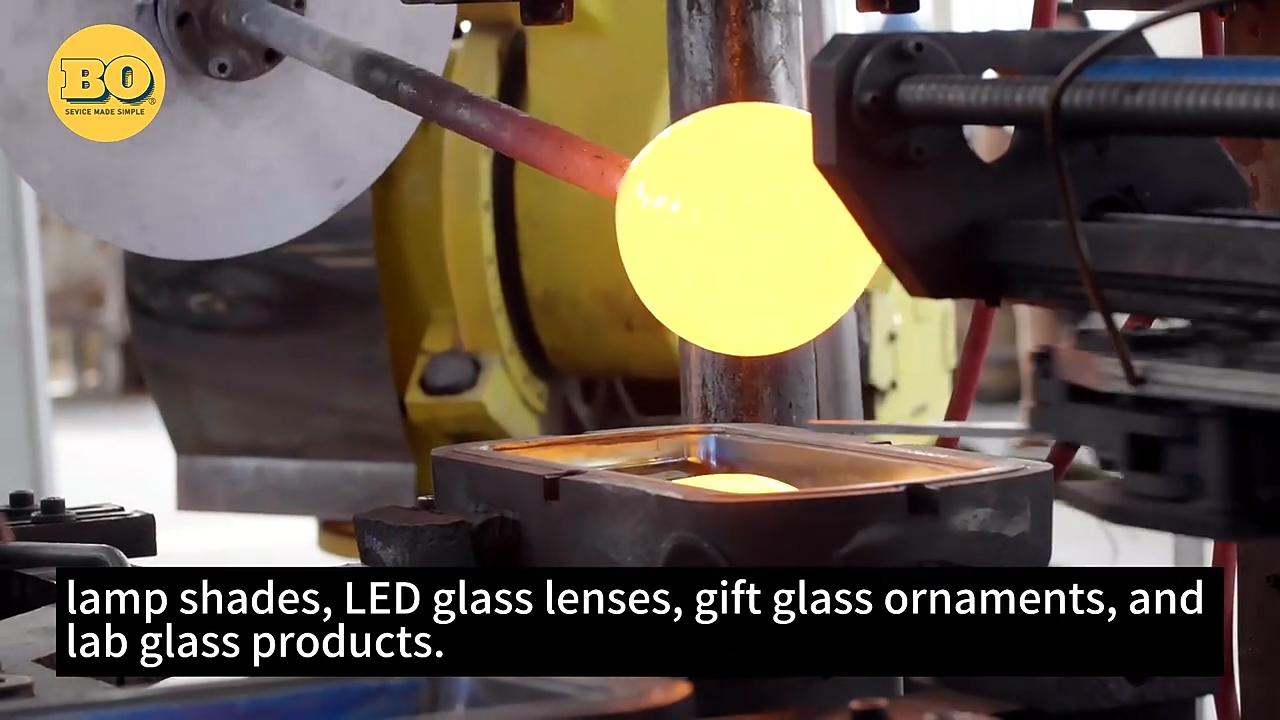
For a Vancouver buyer, verification should answer three questions: Can the factory understand the drawing? Can it control the process? Can it deliver without damage? We welcome video calls, third-party audits, and sample-based approval. Our factory video shows forming, finishing, and inspection rather than a showroom.

  • Third-party supplier assessment records
  • Credit, transaction, trade capacity, and trade history information
  • Factory video and production-line review
  • Material and inspection reports on request

If your project involves FAA L-810, EN 50293, or a Canadian fixture certification program, clarify the division of responsibility early. The luminaire manufacturer normally holds the certification; the glass supplier matches dimensions, color, transmission, and inspection criteria. This keeps the approval path clear for your engineering team.

Inquire Now
Vancouver Buyer FAQ

Questions Procurement Teams Ask About Molded Glass

These answers address the practical issues that come up when a Vancouver company sources custom glass from an overseas factory.

Are there molded glass factories in Vancouver?
Vancouver has glass distributors, fabricators, and tempering services, but highly customized molded glass — such as pressed borosilicate covers, optical domes, Fresnel lenses, and tight-tolerance prisms — is usually produced by specialist factories outside Canada. For a Vancouver project, compare local inventory and service with a factory’s drawing review, tooling capability, annealing control, coating, and export packing. The best supply chain often combines local stock for standard parts with an overseas factory for custom production.
How do I evaluate an overseas molded glass factory for a Vancouver project?
Start with the drawing. Ask whether the factory reviews wall thickness, draft angle, sealing faces, tolerance, and optical requirements before quoting. Request samples made with production tooling, not hand-made display pieces. Check annealing or tempering records, dimensional inspection, coating verification, and export packing. Confirm the communication channel and response time. A factory that explains trade-offs clearly is usually a safer partner than one that promises every specification without comment.
Which glass is best for Vancouver’s rain and salt air?
Borosilicate 3.3 is often chosen for exterior lighting covers and high-power LED lenses because its low thermal expansion — about 3.3 ×10⁻⁶/K — helps it resist thermal shock from rain or cleaning water on a hot lens. Tempered soda-lime glass may be preferred where impact strength and cost matter more than extreme temperature cycling. Near the port, specify UV-resistant materials, corrosion-resistant coatings, and a housing design that manages drainage and salt spray. The glass alone cannot compensate for a poor seal.
Can you produce to my drawing and provide samples?
Yes. Most orders are drawing-based. Send a 2D/3D drawing or physical sample with dimensions, tolerances, material, color, coating, and annual volume. We review manufacturability, propose mold options, and provide samples for fit, light, and environmental testing before mass production. Sample quantities are available for evaluation. For optical parts, include the wavelength range, transmission target, and any critical datum surfaces.
What are typical MOQs and lead times?
Typical MOQs range from 50 pieces for optical lenses to 100–500 pieces for pressed or blown lighting covers, depending on whether an existing mold can be used. Lead time depends on tooling, sample approval, material availability, and finishing. Repeat orders using existing molds are usually faster than new projects. We confirm the schedule in writing after drawing review and sample approval.
Do you support FAA L-810 and EN 50293 fixture programs?
We produce glass lenses and domes for fixture makers whose obstruction and signal lights are designed to FAA L-810 or EN 50293 requirements. The fixture certification is held by the luminaire manufacturer. Our role is to match color, transmission, dimensions, and cosmetic requirements and to provide material and inspection reports on request. For Canadian projects, confirm the fixture brand’s CSA, ULC, or other mark with the luminaire supplier.
How are fragile glass parts packed for shipment to Vancouver?
Parts are separated with foam or pulp dividers, packed in reinforced export cartons, and palletized for sea or air freight. Heavier or high-value optical parts can use individual foam cavities and labeled boxes. We can arrange custom packaging and labeling for distributors. For Vancouver shipments, we provide a packing list and commercial invoice so the importer can coordinate customs clearance.
What shipping terms and documents do you provide?
We can discuss EXW, FOB, CIF, and DDP terms where supported. Documents typically include a commercial invoice, packing list, and bill of lading; other documents may be available depending on the destination and carrier. Sea freight to Vancouver is economical for volume orders, while air freight is better for samples and urgent production. Transit time varies with sailing schedule, port congestion, and customs clearance.
Do you offer AR coatings, colored glass, and tempered glass?
Yes. We produce clear, colored, and coated glass components. AR coatings can be specified for visible, near-infrared, or broadband ranges. Colored glass is used for signal, aviation, marine, and automotive lighting. Tempering and controlled annealing are selected based on the shape, thickness, and thermal load. Tell us the wavelength, color coordinates, or transmission target so the coating and glass can be matched.
How do I get a quote from Tambi Glass?
Use the Inquire Now button and include the drawing, material preference, dimensions, surface temperature, coating requirement, annual volume, and delivery city. If you have a target price or a current supplier issue, mention it. Our average response time is within 6 hours. We will reply with manufacturability notes, mold options, sample plan, MOQ, and the next step for production.

Send Your Drawing. Get a Factory Review for Your Vancouver Project.

Share the dimensions, material, operating temperature, coating, and annual volume. Our engineers will review the drawing, suggest the most reliable glass and process, and outline sampling and production. For standard replacement parts, ask about existing molds and available sizes. For custom molded glass, the earlier the review, the fewer surprises between sample and shipment.

Inquire Now

Average technical response ≤6 hours · Samples available · Export packing to Vancouver