Marine Lighting Glass Manufacturers & Manufacturer Serving Munich
A specialized marine lighting glass manufacturer for Munich shipyards, inland waterway operators, port equipment OEMs, navigation-light brands and optical distributors. We produce custom borosilicate glass domes, explosion-proof shades, signal lenses, Fresnel optics, AR-coated windows and bandpass filters from drawing to export-ready packing.
8 Marine Lighting Glass Components for Munich Buyers
Munich buyers usually source marine lighting glass by application rather than by catalog size. Below are eight production-ready product families from Shanghai Tambi Glass Industrial Co., Ltd.; every URL leads to the matching product page, and each item can be customized by diameter, wall thickness, flange, transmission target, color, coating, gasket seat and packaging. If your drawing is not listed, send it through the Contact Us button and our engineers will review manufacturability before tooling.
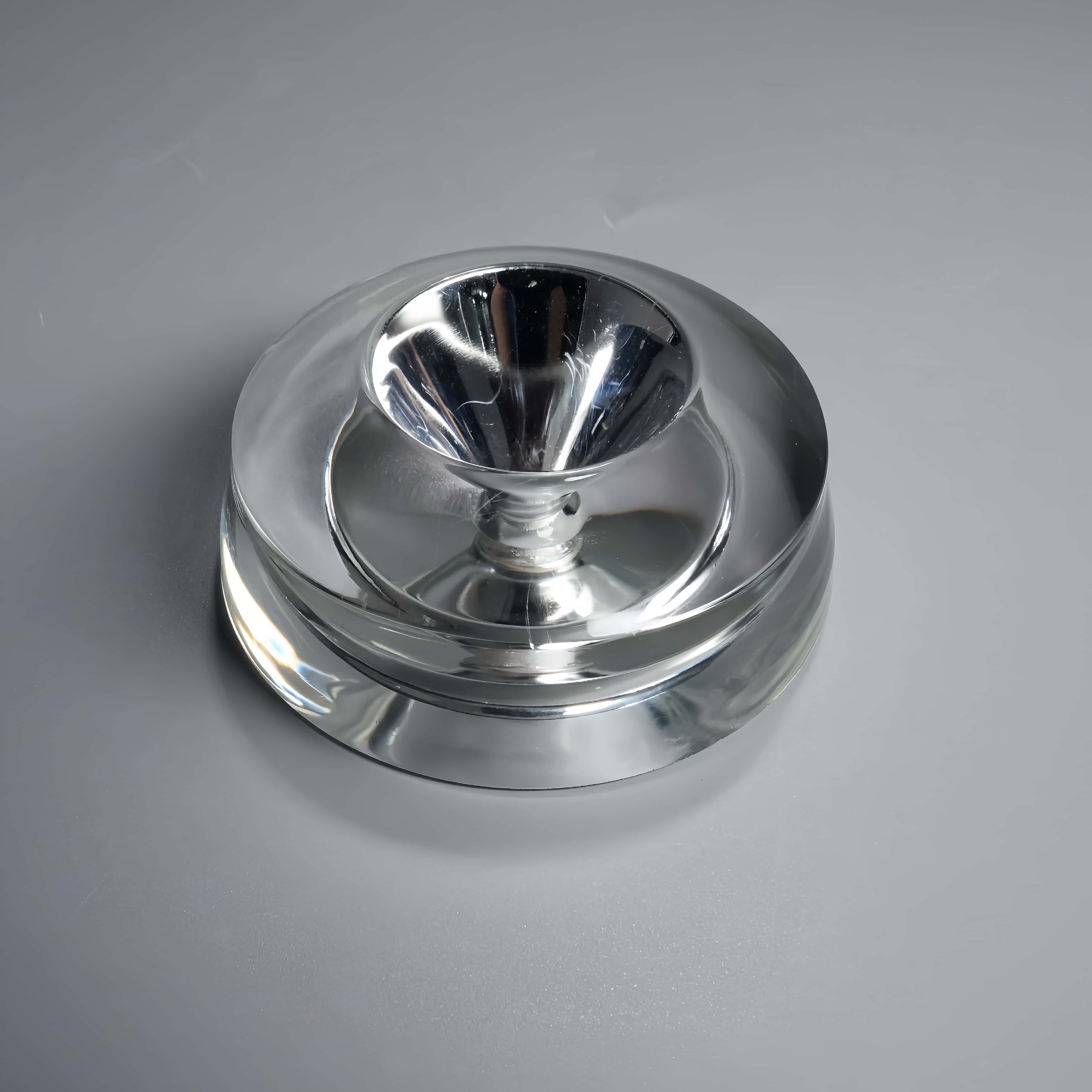
Borosilicate LED Optical Glass Lens for Runway & Taxiway Lighting
Mold-pressed borosilicate or BK7/K9 lens for in-pavement, taxiway and ground lighting. Resists LED heat and rain shock; supplied to drawing with edge finish and dimensional inspection.
View product
175 mm AR-Coated Borosilicate Fresnel Lens for Signal Optics
OEM shape and size, 175 mm class, double plano-convex and achromatic options. Anti-reflective coating improves transmission for stage, signal and high-power LED assemblies.
View product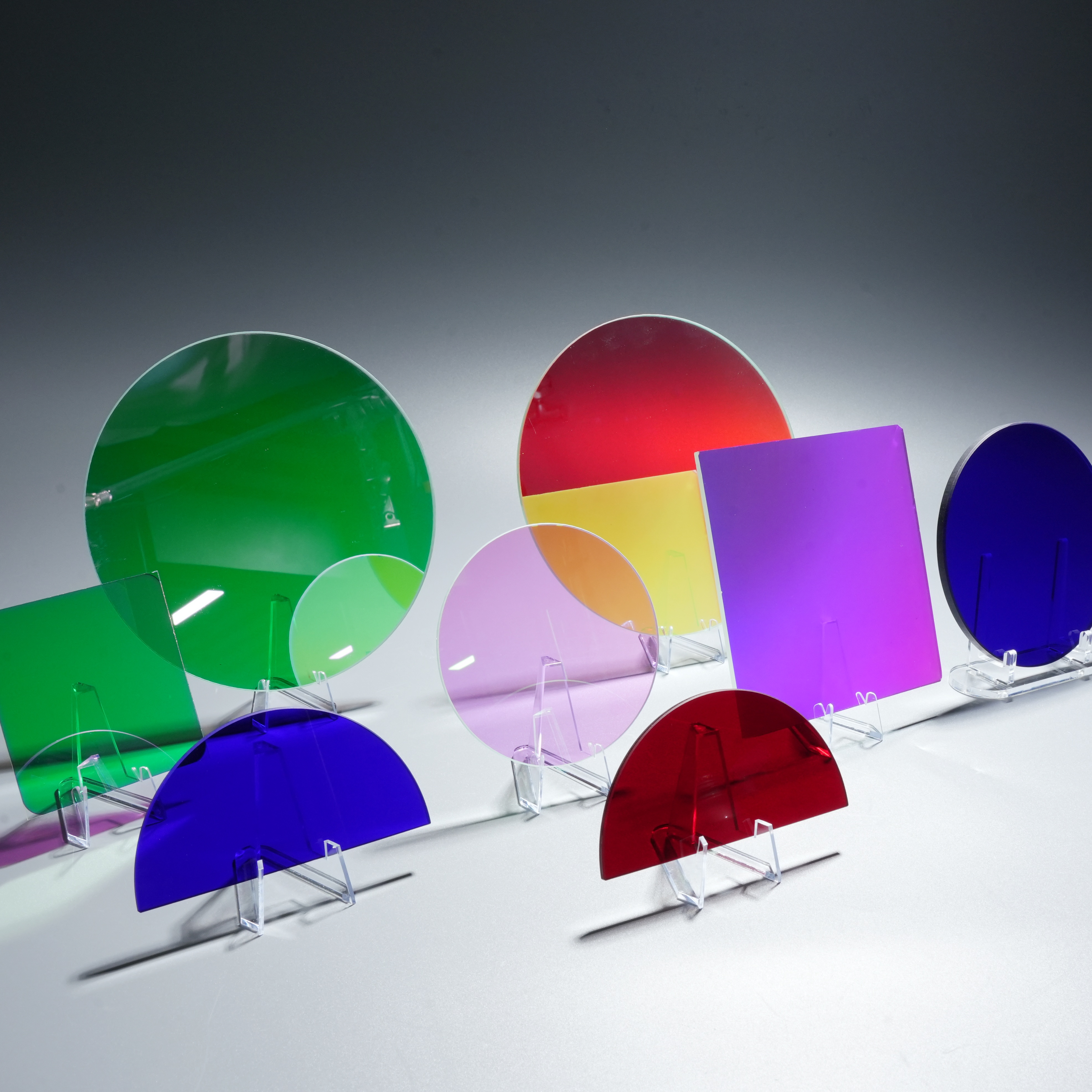
590 nm 49 mm Coated Borosilicate Bandpass Optical Filter
Custom wavelength, diameter and coating for marine sensing, flame detection, instrument windows and optical receivers. Longpass and bandpass designs are available.
View product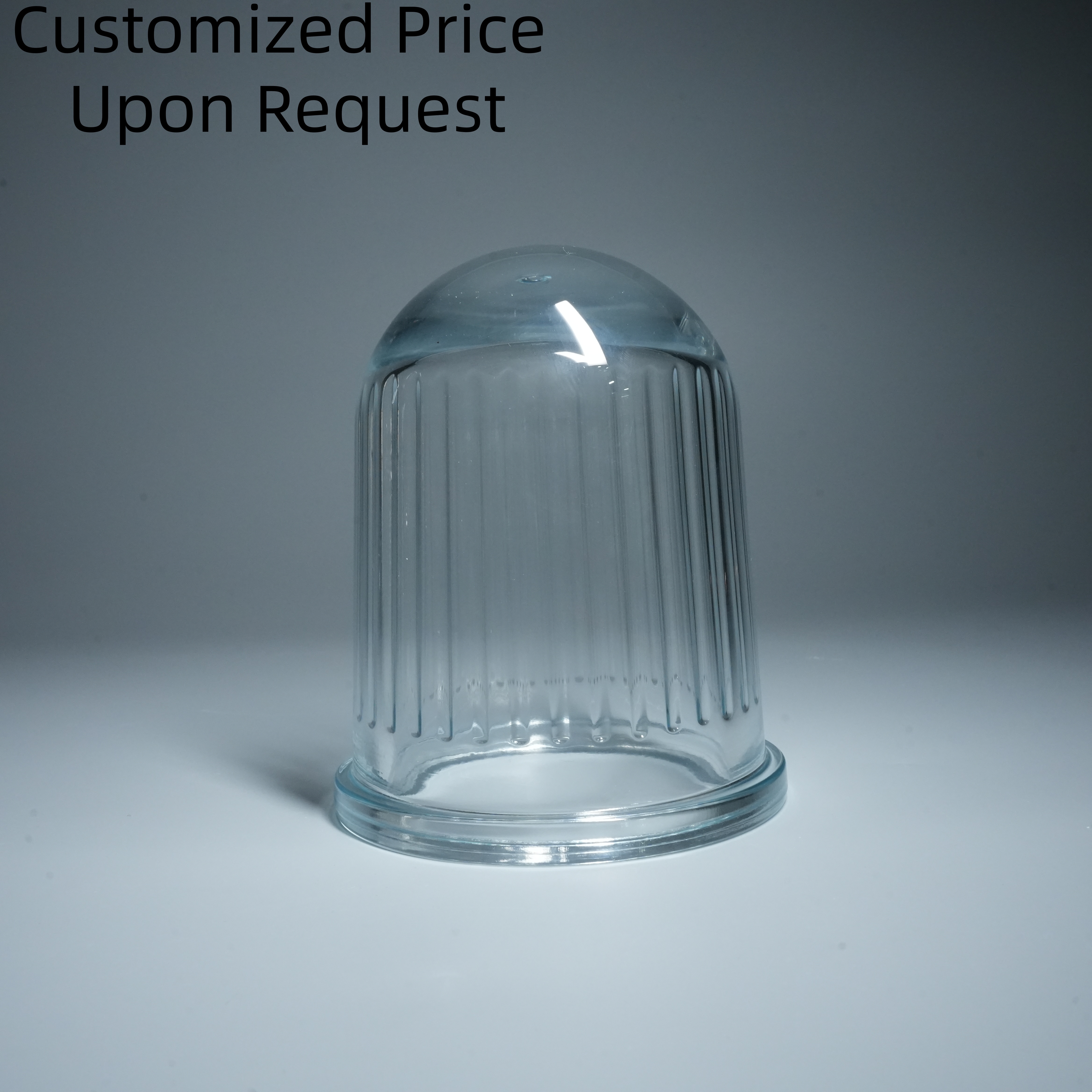
Heat-Resistant Borosilicate Explosion-Proof Protective Shade
Transparent crack-resistant cover for industrial, marine and emergency luminaires. Controlled annealing supports thermal-shock resistance in hot engine rooms and wet outdoor locations.
View product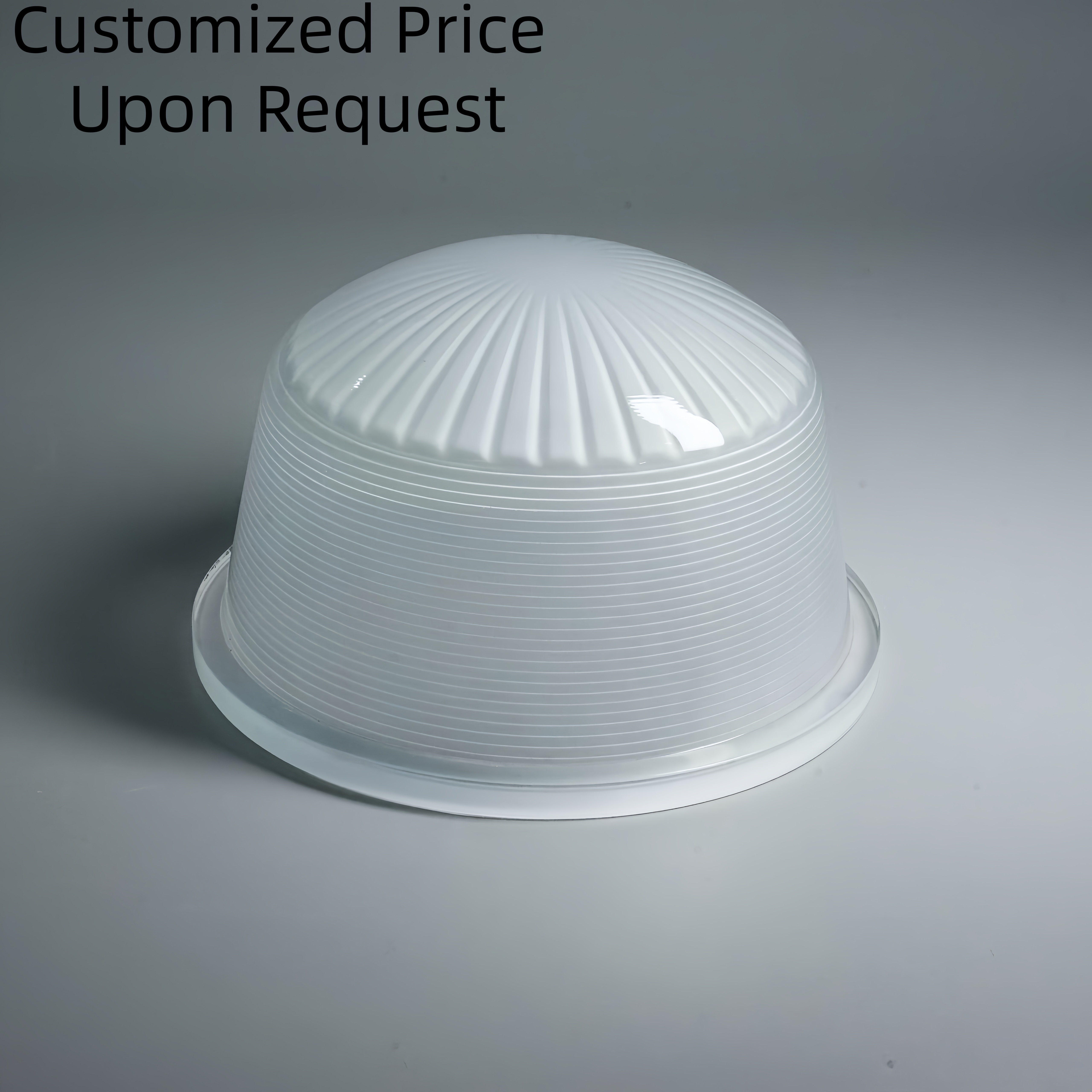
High-Transmittance Explosion-Proof Glass Shade for Industrial Lighting
Clear industrial shade for workshop, tank farm and hazardous-area fixtures. The optical glass path is matched to lumen output, glare control and cleaning routines.
View product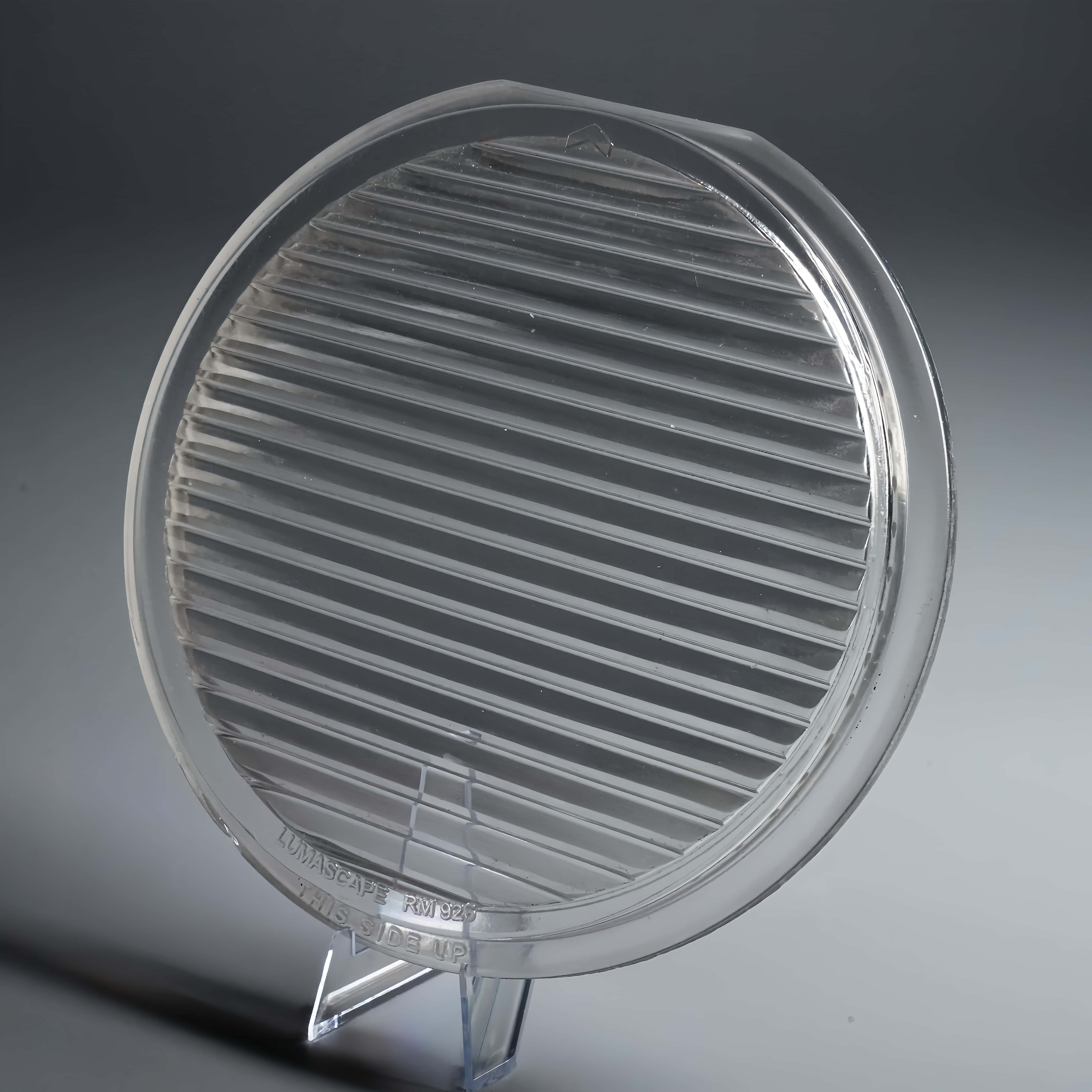
Custom Pressed Heat-Resistant Borosilicate Headlight Glass Cover
Pressed mold lens cover for headlights, searchlights and work lamps. Suitable for marine tenders, port vehicles and outdoor equipment exposed to vibration and thermal cycling.
View product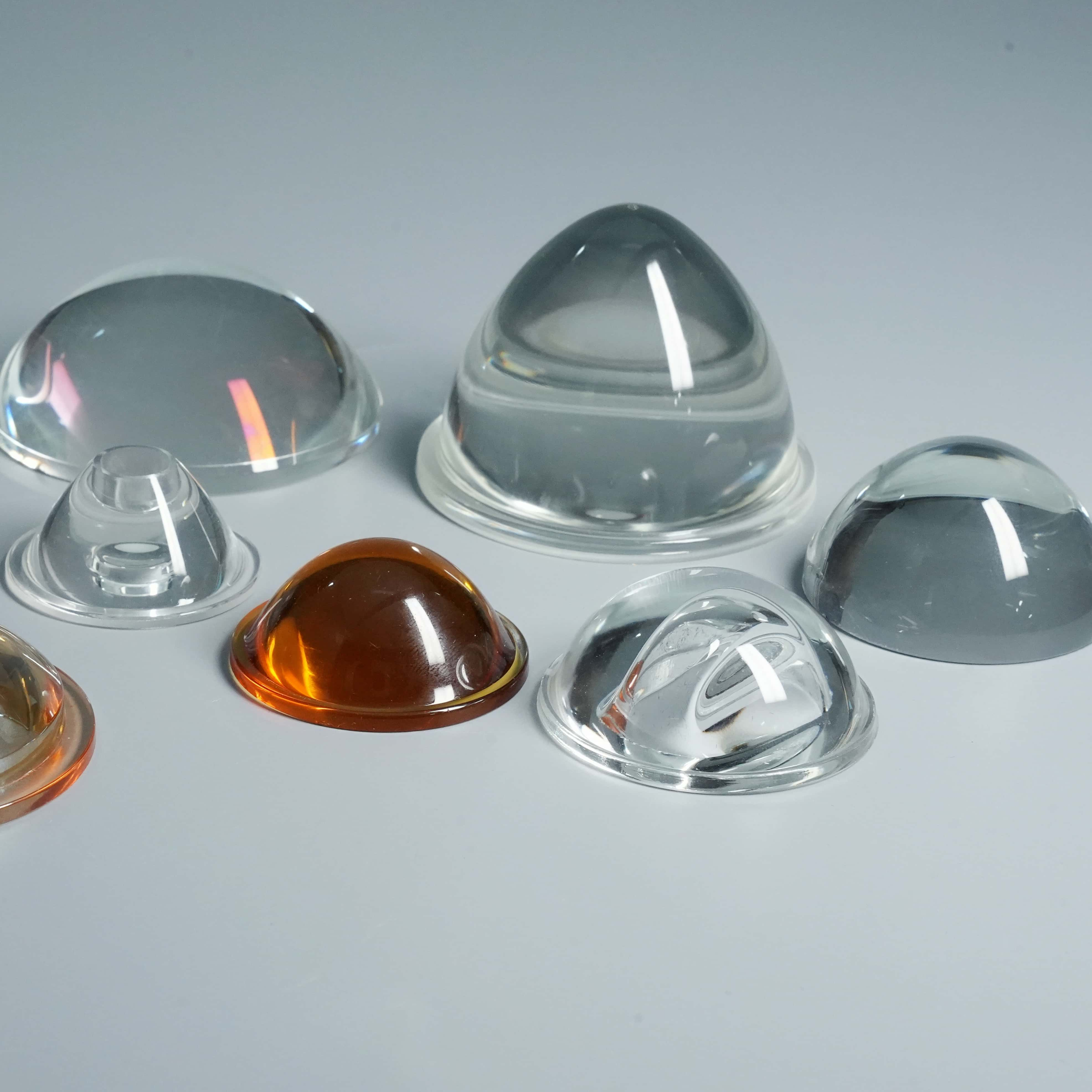
AR-Coated Borosilicate Convex Lens for LED Grow & Full-Spectrum Lighting
Convex glass lens with anti-reflective coating for efficient light delivery. Also used in specialty marine cabinets, research tanks and controlled-environment lighting.
View product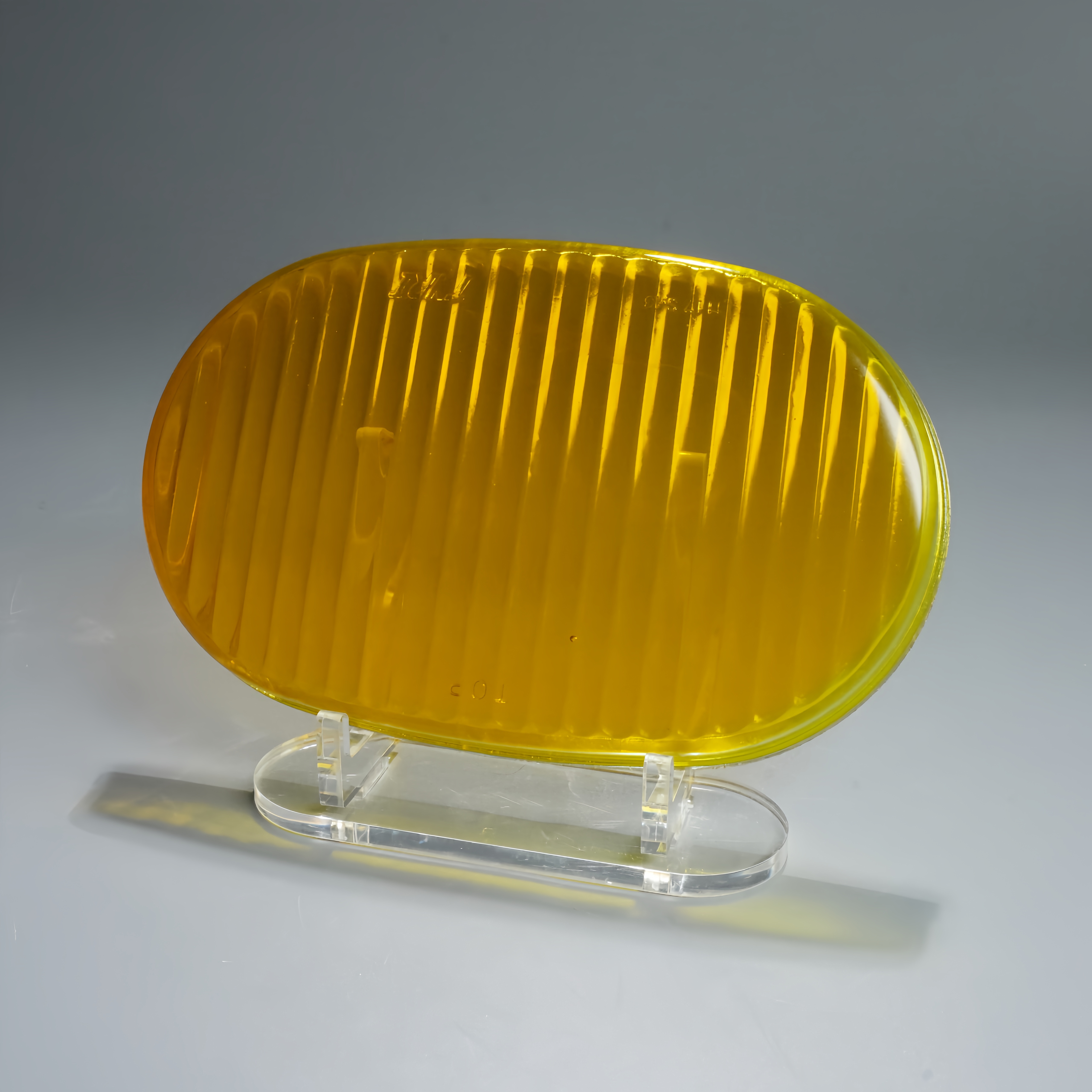
Customized Heat-Resistant Borosilicate Glass Light Accessories
Custom size, shape and color for automotive, marine and traditional industrial lamps. A practical route for replacement domes, limited runs and distributor aftermarket programs.
View product


What Munich Buyers Should Look For in a Marine Lighting Glass Manufacturer
Marine lighting glass is rarely a generic commodity. A navigation light on an inland vessel, a dock floodlight on Lake Starnberg, a searchlight on a workboat and a LiDAR window on an autonomous survey craft all expose glass to different combinations of heat, salt spray, fresh water, vibration, cleaning chemicals and UV. The right manufacturer must therefore connect optical performance with mechanical fit and long-term field reliability, not simply quote a diameter and thickness.
Our team reviews the real luminaire environment before tooling: lamp surface temperature, sealing face flatness, gasket compression, thermal cycling from cold Alpine nights to hot engine rooms, impact risk during maintenance, color tolerance for signal lenses and coating durability. This is the experience behind our drawing-based OEM process. Shanghai Tambi Glass Industrial Co., Ltd. is a manufacturer and trading company with more than a decade in lighting glass, an 11–50 person team, and an annual export revenue range of US$2.5M–5M. We work with long-term partners in Europe, North America and Japan and combine pressed, blown, ground and coated processes under one supply chain.
- Drawing review before mold or sample approval
- Borosilicate, tempered, quartz and BK7/K9 options
- AR, color and bandpass coating coordination
- Export packing for fragile domes and shades
- Material and inspection reports on request
- Prototype-to-volume project planning
For procurement teams in Munich, transparency matters as much as price. Our supplier profile includes onsite verification, supplier assessment, credit index, transaction level, trade capacity, trade history and buyer reviews. These records help a German or Austrian buyer complete initial supplier qualification while our engineers prepare the technical response.
Marine Lighting Glass Applications for Munich, Bavaria and the DACH Region
Munich is not an ocean port, but it is a serious engineering and distribution gateway for inland waterways, Alpine lakes, shipyards, port equipment suppliers and marine electronics companies serving Germany, Austria, Switzerland and the wider EU market.
Inland Waterway Navigation Lights
Red, green, white and amber signal domes for barges, river cruise vessels and workboats on the Danube, Main-Danube Canal and Bavarian freight corridors. Color consistency and water resistance are critical.
Alpine Lakes, Marinas and Docks
Dock lights, mooring lights and waterfront fixtures around Chiemsee, Starnberg, Tegernsee and Bavarian reservoir projects. UV-stable, easy-clean covers reduce maintenance for marina operators.
Port and Terminal Equipment
Munich-based logistics and equipment distributors supply terminals through Hamburg, Rotterdam, Antwerp, Trieste and Genoa. Crane lights, status indicators and high-transmission floodlight covers must resist vibration and weather.
Shipyards and Boatbuilding Suppliers
Bavaria and Lake Constance yards need custom searchlight covers, cabin light domes, deck lenses and replacement glass for refit projects. Small and medium batches can be evaluated with sample quantities.
Hazardous Areas and Chemical Parks
Explosion-proof shades for tank farms, chemical logistics, emergency lighting and industrial workshops. Borosilicate 3.3 is selected where thermal shock and high lamp temperatures are present.
Marine Electronics and Autonomous Sensing
LiDAR domes, AR-coated windows, prisms and bandpass filters for river survey, collision avoidance and environmental monitoring. Optical path alignment is reviewed before forming.
Emergency and High-Reliability Lighting
Lifeboat, escape route and low-location lighting covers that must tolerate vibration, temperature swings and wet service. Packing and traceability support spare-part programs.
Distributor and Aftermarket Programs
Munich distributors serving DACH and Eastern Europe can combine multiple glass SKUs, custom labels, kitting and reinforced export cartons to reduce local stock-outs and freight damage.
Marine Lighting Glass Trends in Munich, Bavaria and Northern Europe
Search intent from Munich is shifting from “generic glass cover supplier” to “engineer who can prove performance under real marine conditions.” These four trends shape procurement decisions in the DACH region.
Higher LED Density, Higher Thermal Load
Compact LED modules raise surface temperature and make thermal-shock resistance more important. Borosilicate 3.3 and controlled annealing are increasingly specified for high-power navigation and floodlight covers.
Documentation and Traceability
European buyers expect material reports, dimensional records and packing details. A manufacturer that can present inspection data early reduces the risk of a late-stage supplier audit.
Modular Spares and Refit Programs
Marinas, inland operators and distributors need replacement domes and lenses without long downtime. Lower-volume custom runs and distributor stocking programs are growing across Bavaria and the Alpine region.
Autonomous and Sensor-Integrated Vessels
River survey, port automation and collision-avoidance systems use optical domes and filters. Coating quality, transmission and sealed optical windows are now part of marine lighting procurement.
How to Choose Marine Lighting Glass: Material and Transmission Data
A practical comparison used by our engineers when reviewing new Munich and EU projects. The final glass grade is confirmed against your drawing, lamp surface temperature, impact rating, color target and the standard your fixture must meet.
Thermal Expansion Comparison
Lower expansion generally means better thermal-shock tolerance when a hot outdoor lens meets rain, spray or cold wash-down water.
Values are typical references shown as ×10⁻⁶/K. Actual selection depends on sealing method, wall thickness and fixture certification.
| Material | Typical maximum working temperature | Key strength | Best for |
|---|---|---|---|
| Borosilicate 3.3 | ≈450 °C | Excellent thermal-shock resistance | Explosion-proof shades, high-power LED covers, Fresnel lenses, marine signal glass |
| Tempered soda-lime | ≈250 °C | High impact strength and lower cost | Outdoor covers, floodlight glass, vandal-resistant marine fixtures |
| Fused quartz | ≈1000 °C+ | UV transmission and extreme heat resistance | UV optics, high-temperature windows, special sensing elements |
| Optical BK7 / H-K9L | ≈300 °C | Homogeneous optical path, nd ≈ 1.517 | Precision lenses, prisms, mirrors and filters |
For Munich projects, discuss red and green signal color tolerance, transmission targets, salt-spray exposure, cleaning chemicals and mounting torque at the drawing-review stage. These details often determine whether a pressed, blown, ground or coated process is the most reliable route.
A Controlled OEM Process for Marine Lighting Glass Projects
Clear checkpoints reduce surprises between sample approval and volume production, especially for buyers coordinating German fixture assembly with overseas glass manufacturing.
Drawing Review
Engineers check wall thickness, draft, tolerance, sealing face, optical path and gasket fit before quoting.
Mold and Tooling
New or existing molds are selected for pressing, blowing or grinding, with sample cost and lead time confirmed.
Sampling
Sample parts are measured and sent for your fit, light and color test before mass production is released.
Forming and Annealing
Controlled annealing or tempering relieves stress and supports resistance to thermal shock and vibration.
Coating and QC
AR, color or bandpass coating is coordinated with dimensional, visual and optical inspection.
Export Packing
Foam or pulp dividers, reinforced cartons and palletization protect fragile glass on the route to Munich.
Why Munich Procurement Teams Choose Tambi Glass
Shanghai Tambi Glass Industrial Co., Ltd. is positioned as a manufacturer and trading company that can support both custom engineering and repeat export orders. Our strengths are practical for buyers comparing a local European stockist with an overseas glass specialist.
10+ Years in Lighting Glass
Experienced in heat build-up behind high-power LEDs, rain shock on hot covers, impact loads in hazardous areas and color accuracy for signal lights.
Drawing-Based OEM / ODM
Most orders start from a 2D/3D drawing or physical sample. Engineers review manufacturability and propose mold options before production.
Material and Process Breadth
Borosilicate, tempered soda-lime, quartz and BK7/K9 plus pressed, blown, ground and coated processes in one supply chain.
AR and Optical Coatings
Anti-reflective, color and filter coatings can be specified with transmission targets and inspected against the agreed drawing.
Verified Supplier Records
Onsite verification, supplier assessment, credit index, transaction level, trade capacity, trade history and buyer reviews support qualification.
Fast Response and Export Packing
Average technical response within 6 hours, sample quantities for evaluation, and fragile-glass packing designed for sea or air freight.
Marine Lighting Glass FAQ for Munich and DACH Buyers
Can you manufacture glass covers and lenses to my own drawing?
What is the typical minimum order quantity for Munich buyers?
Should I choose borosilicate glass or tempered soda-lime glass for marine lighting?
Can you match red, green or white signal colors and transmission targets?
Do you support projects that reference marine or lighting standards?
How are fragile glass domes and shades packed for export to Germany?
Can you reverse-engineer an existing marine light glass cover from a sample?
How quickly can I receive a technical response and sample plan?
Have a Marine Lighting Glass Drawing? Get an Engineering Review Within 6 Hours.
Share your dimensions, material, operating temperature, signal color, coating target and annual volume. Our engineers will suggest the most reliable glass solution for your fixture, whether you are sourcing for a Munich shipyard, an inland waterway operator, a port equipment OEM or a DACH distributor.