Eight Engineered Components for Laser, LiDAR, Aviation and Sensor Integrators
Start with a drawing, a laser wavelength, or a target optical function. Each product route below can be reviewed for material, dimension, coating, edge finish, sealing surface, and export packing before sampling.
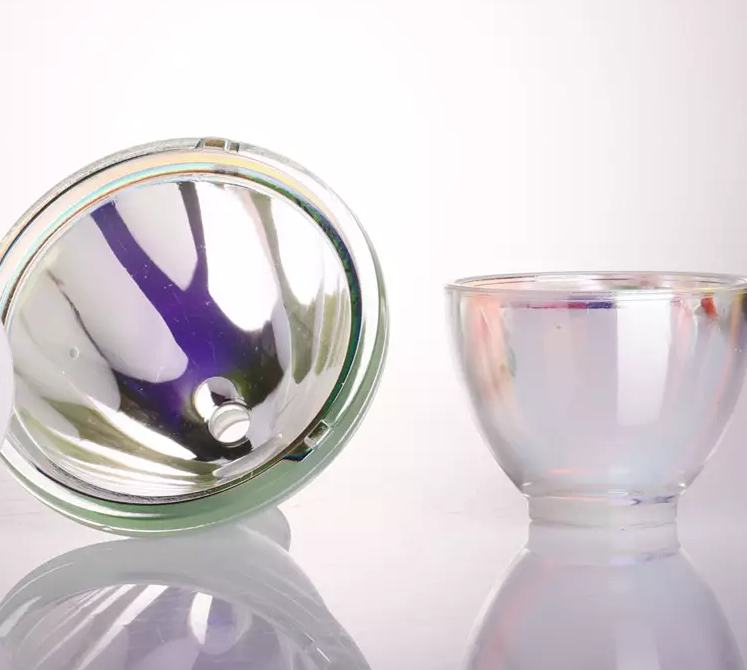
COB Glass LED Reflector Bowl Manufacturer Deep Design Perfect Beam Spotlights Projector Lights 20 60 90 Beam Angle
Deep reflector geometry for controlled beam shaping in COB spotlights, projector optics, architectural lighting, and compact LED modules.
View product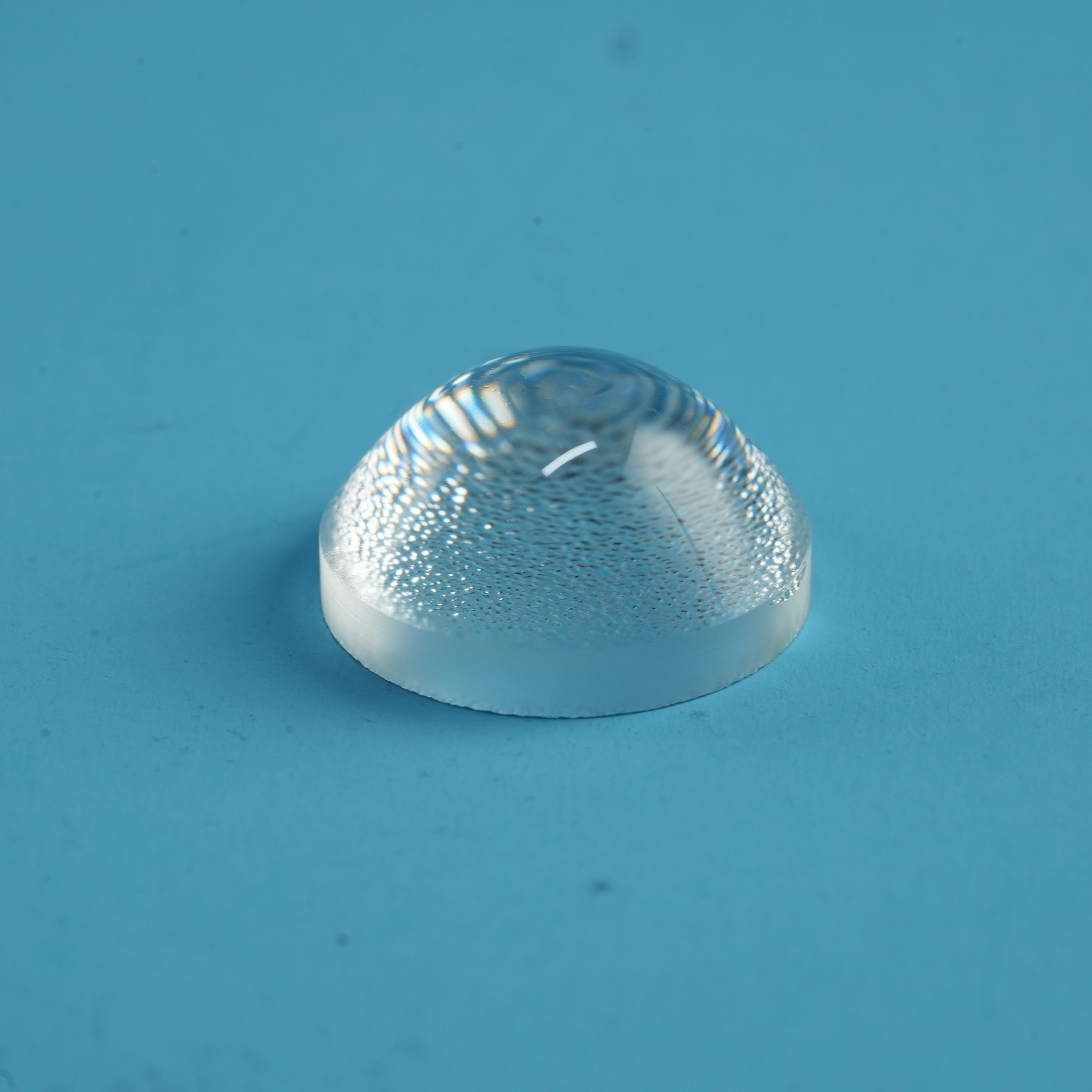
Manufacturer OEM Precision Grade BK7 K9 Optical Glass Aspherical Lens Anti-Reflective Coating Diameter 0.5-25mm MOQ 100 Pcs
Compact BK7/K9 aspherical lenses with AR coating for laser focusing, sensor modules, imaging systems, and precision optical benches.
View product
OEM Borosilicate Glass Optical Dome Cover for Outdoor IP Cameras UV Resistant Waterproof Housing Anti-Reflective Coating
UV-resistant borosilicate domes for IP cameras, port surveillance, coastal sensor housings, and weather-exposed machine vision.
View product
FAA Compliant Borosilicate Heat Resistant Glass Lens Runway In-Pavement Taxiway Lights IP68 Waterproof Optical Equipment Clear
Heat-resistant lenses for runway, taxiway, and in-pavement fixtures where thermal cycling, moisture ingress, and optical clarity are critical.
View product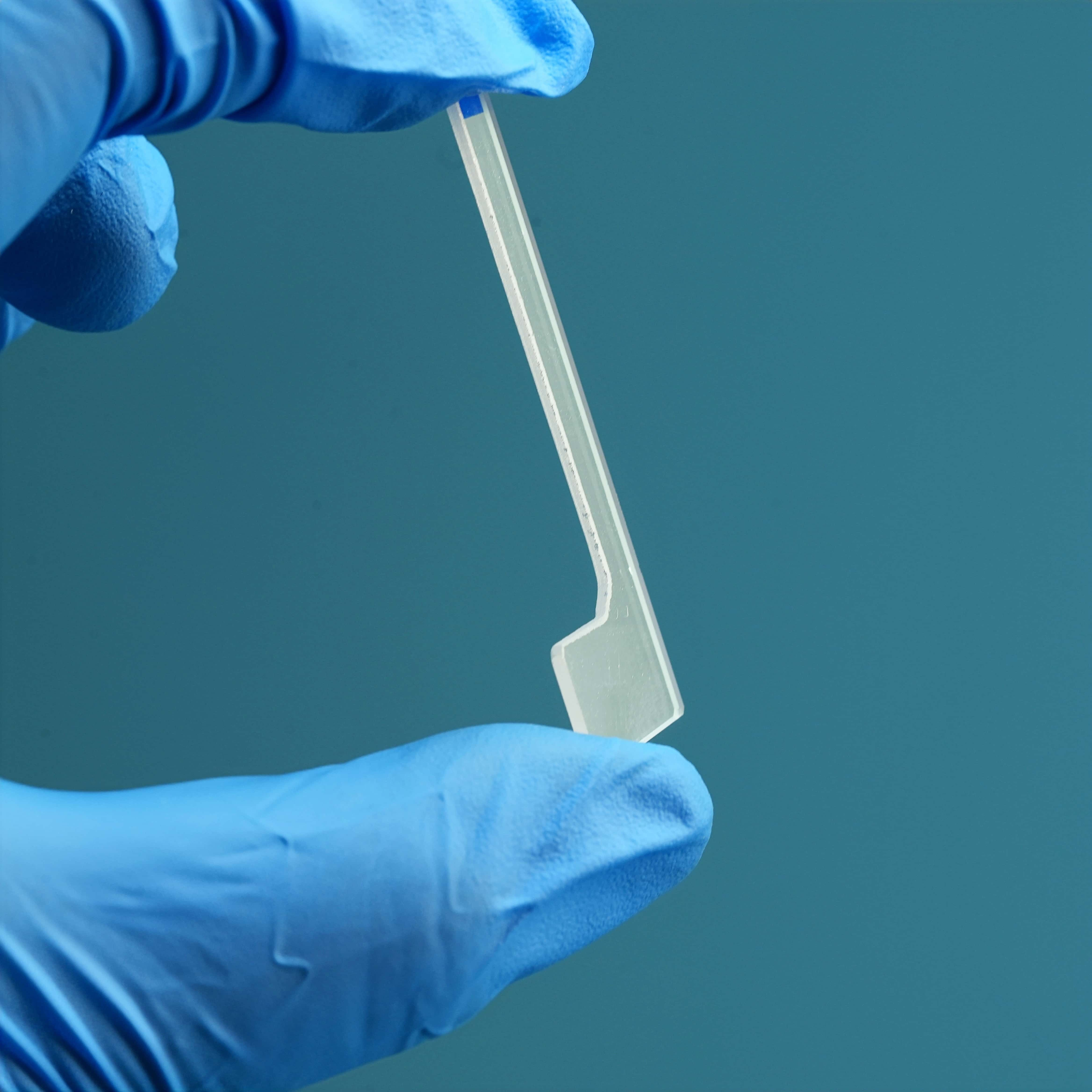
Anamorphic Prism Pair for Laser Beam Shaping Circularizing Elliptical Beams for Fiber Coupling Applications
Anamorphic prism pairs for circularizing elliptical diode-laser beams, improving fiber coupling, and stabilizing compact laser modules.
View product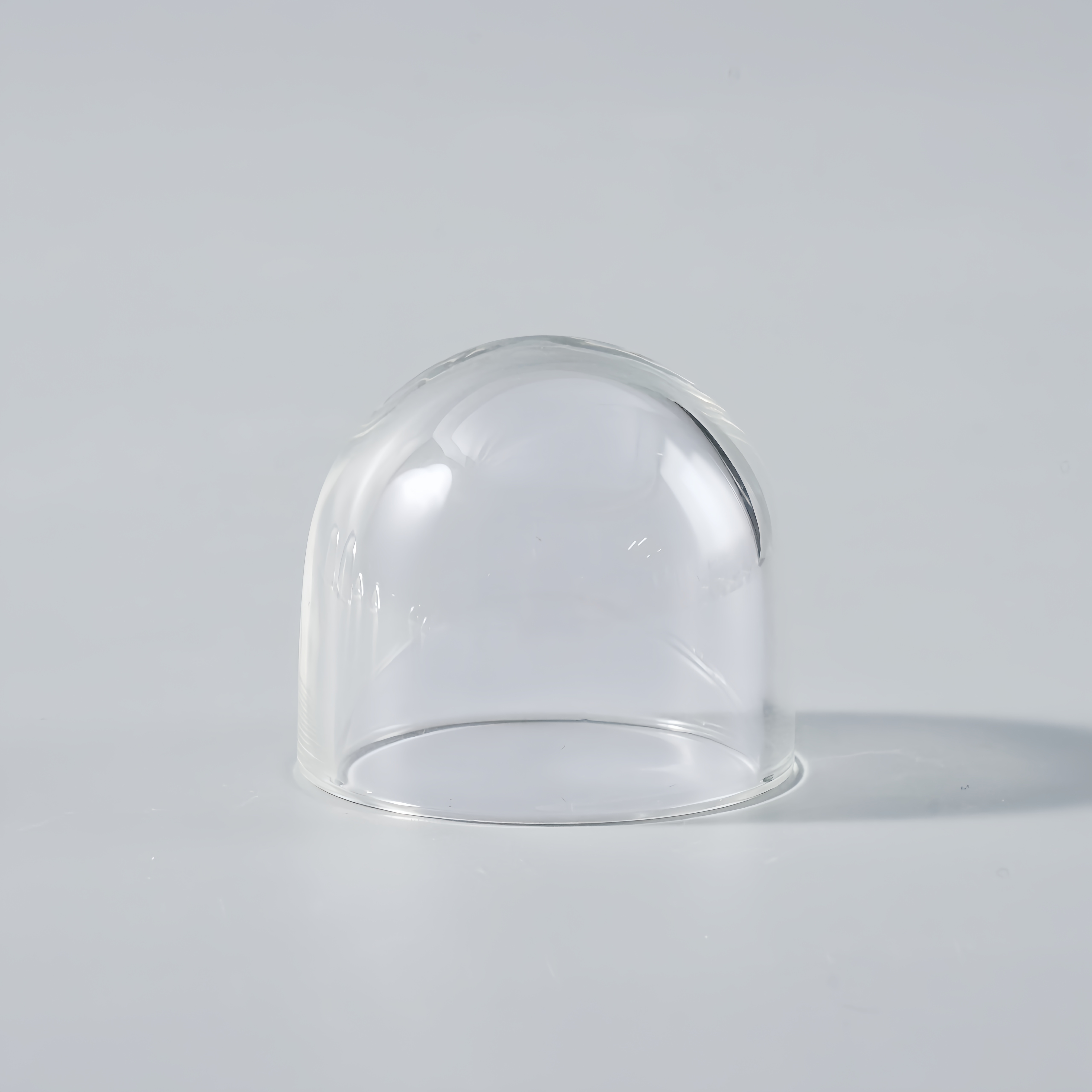
Customizable OEM Optical Glass Domes Broadband AR Coating Precision Hemispherical Windows for LiDAR Sensors Scientific
Precision hemispherical windows with broadband AR coating for LiDAR, environmental sensing, scientific instruments, and sealed optical heads.
View product
Wholesale OEM Shape Size Borosilicate Glass 175mm Diameter AR Coating Double Plano Convex Achromatic Fresnel Lens BO GLASS Stage
AR-coated borosilicate Fresnel optics for stage lighting, high-power LED collimation, and demanding thermal environments in event technology.
View product
Manufacturer OEM Transparent High Quality Precision Borosilicate UV Fused Silica Coated Glass Optical Window High Transmittance
A core route for laser protective windows, sealed inspection ports, UV-transmitting windows, and high-transmittance optical housings.
View productWhy the Hamburg Market Demands More Than a Catalog Laser Window
Hamburg is a working port, a research city, an aviation and maritime engineering base, and a growing photonics cluster. A laser window that performs in a clean laboratory may fail in a humid sensor housing, a salt-air camera dome, or a high-duty laser cell.
Laser process windows
Hamburg’s machine builders and laser integrators need windows that manage power density, absorption, wavefront, and coating stability. For 1064 nm fiber lasers, UV fused silica is often preferred; for visible and near-IR systems, BK7/K9 may be the more practical optical route.
Port and maritime sensor optics
Port of Hamburg automation, crane vision, and marine sensor enclosures face salt fog, cleaning chemicals, and temperature swings. Edge sealing, coating adhesion, and mounting stress matter as much as transmission.
LiDAR, aviation and measurement
Hamburg and northern Germany host aviation suppliers, research institutes, environmental monitoring teams, and logistics robotics developers. Hemispherical domes, runway lenses, and bandpass optics must balance optical clarity, mechanical fit, and environmental durability.
- Factory base
- Shanghai, China
- Team size
- 11–50 people
- Business type
- Manufacturer & trading company
- Annual export revenue
- US$2.5M–5M
Where Laser Windows and Precision Glass Fit in the Hamburg Region
Procurement teams rarely buy “a window” in isolation. They buy a reliable interface between a light source, a sensitive detector, a housing, and a service environment.
Laser cutting and welding cells
Protective windows for fiber-laser process cells, welding optics, and beam delivery enclosures. Specify wavelength, power, spot size, angle of incidence, purge gas, and cleaning method during RFQ.
Port automation and crane vision
Camera domes and windows for container handling, AGVs, and quayside monitoring. Anti-reflective coatings reduce ghosting; proper gasket design limits moisture and dust ingress.
Aviation and obstruction lighting
Runway, taxiway, obstruction, and marine signal lenses where color stability, heat resistance, and dimensional repeatability are central to fixture approval.
Life science and analytical instruments
Inspection windows, flow-cell windows, and UV-transmitting optics for laboratory equipment. Drawings should define flatness, parallelism, edge quality, and coating durability.
Marine and offshore equipment
Navigation lights, sensor covers, and inspection ports exposed to salt spray. Borosilicate 3.3 is often suitable for thermal shock; surface treatment and sealed edges support long service life.
Stage, studio and architectural lighting
Fresnel lenses, reflector bowls, and high-transmission covers for event venues, studios, and architectural installations. Thermal load and color consistency guide material selection.
How to Specify a Laser Window for Hamburg’s Humid, Salt-Air and Industrial Conditions
A useful RFQ states the optical job first, then the environmental load. The table below is a starting point for technical review, not a substitute for sample validation.
| Operating need | Recommended glass / coating route | Relevant product route | Validation checkpoint |
|---|---|---|---|
| 1064 nm fiber-laser protective window | UV fused silica or BK7/K9 with high laser-damage-threshold AR coating; low absorption; polished edges | Borosilicate / UV fused silica optical window | Wavelength, power density, beam diameter, AOI, purge gas, cleaning chemical |
| Visible laser focusing or imaging | BK7/K9 aspherical lens or plano window with AR coating; tight surface and centration control | Precision BK7 K9 aspherical lens | Wavefront, focal length, clear aperture, coating reflection target |
| Outdoor LiDAR or sensor dome | Borosilicate hemispherical dome with broadband AR; sealed mounting edge; UV and moisture resistance | Customizable optical glass domes for LiDAR | Dome radius, wall thickness, transmission across sensor band, gasket compression |
| Salt-air camera housing near the port | Borosilicate or tempered glass dome with hydrophobic AR and corrosion-resistant sealing interface | Borosilicate optical dome for outdoor IP cameras | Salt-fog exposure, cleaning cycle, coating adhesion, thermal shock |
| High-temperature LED or stage Fresnel optic | Borosilicate 3.3 Fresnel lens with AR coating; controlled annealing; heat-resistant mounting | 175 mm borosilicate Fresnel lens | Lamp surface temperature, beam pattern, color shift, thermal cycling |
| Laser beam circularization | Anamorphic prism pair in BK7/K9 with precision angular alignment and AR coating | Anamorphic prism pair for laser beam shaping | Input ellipticity, target circularity, wavefront, mounting stability |
Expert review note: final specifications should be confirmed against your drawing, laser source, housing design, cleaning agents, and applicable fixture standard. Component supply does not transfer fixture certification responsibility from the luminaire or system manufacturer.
Thermal Expansion and Optical Performance: A Quick Decision Dashboard
For laser windows, camera domes, and lamp covers, thermal expansion is one of the fastest ways to screen materials. Lower CTE generally improves thermal-shock tolerance, but it must be balanced against transmission, coating, cost, and mechanical design.
Values are typical thermal expansion references in ×10⁻⁶/K. Lower values are generally better for thermal-shock resistance; actual suitability depends on the complete design.
RFQ checklist for laser window suppliers
Send these details with your drawing to reduce back-and-forth between engineering and procurement.
- Wavelength and power
- Beam diameter and AOI
- Transmission target
- Material preference
- Outer dimensions and tolerances
- Flatness and parallelism
- Edge finish and chamfer
- Coating on one or both sides
- Sealing or gasket interface
- Cleaning and sterilization
- Annual volume and MOQ
- Packing and delivery point
Localized Trends Shaping Laser Window Demand Through 2030
These trends are practical procurement signals, not abstract forecasts. They influence how optical components are specified, documented, tested, and packed for northern European supply chains.
Photonics and medtech miniaturization
Smaller optical modules require tighter tolerances, cleaner edges, and repeatable AR coatings. Buyers increasingly request inspection reports with sample shipments.
Laser welding in maritime and energy
Shipbuilding, offshore equipment, and energy hardware continue to adopt laser processes. Protective windows must handle higher duty cycles and easier field replacement.
Port automation and sensor density
Autonomous logistics, crane vision, and environmental monitoring increase demand for domes and windows that stay clear in salt air, dust, and vibration.
Supply-chain resilience and documentation
European buyers increasingly want clear material declarations, inspection records, packaging validation, and responsive technical communication before approving a supplier.
A Drawing-Based Optical Glass Factory for Hamburg Procurement Teams
Shanghai Tambi Glass Industrial Co., Ltd. is a manufacturer and trading company focused on custom borosilicate glass covers, explosion-proof lampshades, signal light domes, LED lenses, prisms, optical domes, and optical filters. For more than a decade, the team has reviewed glass performance inside real luminaires and optical assemblies, not only as a catalog item.
The working advantage is engineering review before tooling. Senior lighting and molding engineers check wall thickness, draft, sealing faces, optical path alignment, coating requirements, and packing risk before a sample is made. This is especially important for Hamburg buyers integrating components into humid, salt-exposed, or high-power systems.
- Drawing-based OEM / ODM support
- Borosilicate, tempered, fused silica and BK7 routes
- AR coating and optical finishing review
- Pressed, blown, ground and coated supply chain
- Onsite-verified supplier records
- Average response within 6 hours
Review the company profile or send a drawing for a technical and commercial review.


A Controlled Six-Step Process for Custom Laser Windows and Optical Glass
Clear checkpoints help procurement teams compare quotations, validate samples, and reduce surprises between prototype approval and volume production.
Drawing review
DFM review of thickness, draft, tolerance, clear aperture, sealing face, coating, and handling risk.
Mold and tooling
New or existing molds selected for pressing, blowing, grinding, or a combined optical process route.
Sampling
Samples are measured against the drawing and sent for your fit, light, laser, or environmental test.
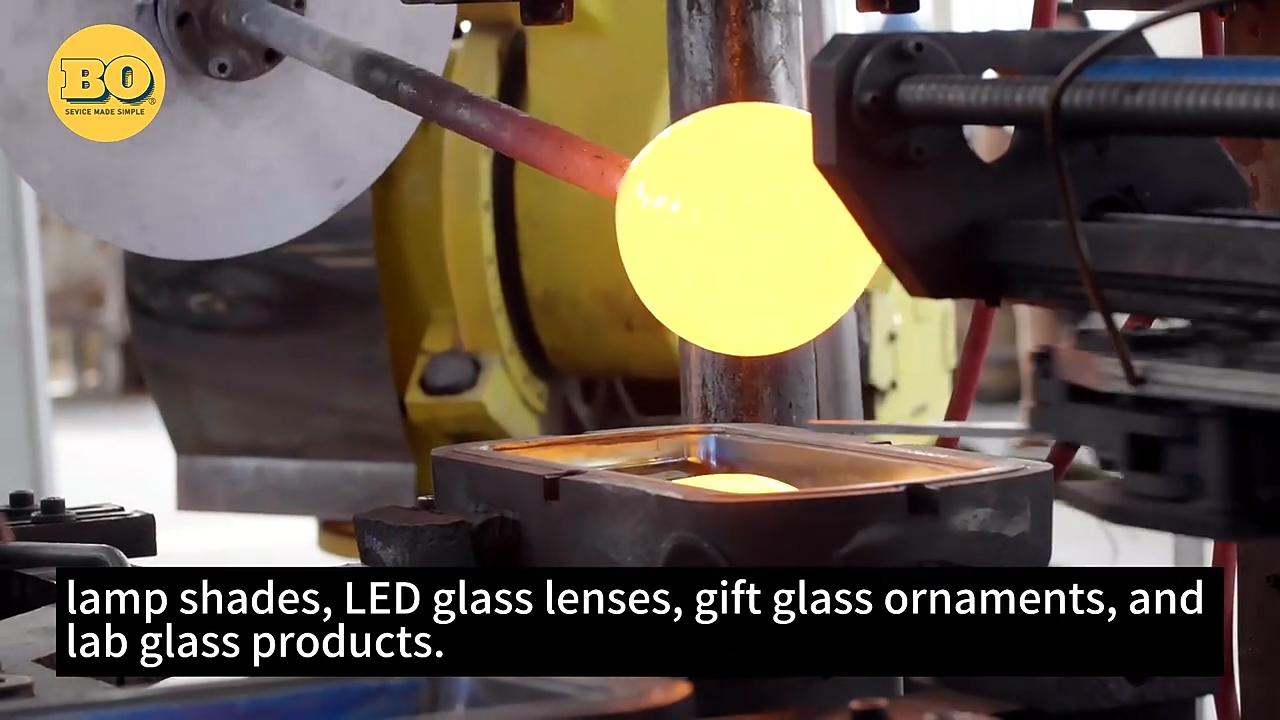
Forming and annealing
Controlled forming, annealing, or tempering helps relieve stress and support thermal-shock performance.
Coating and QC
AR or color coating, dimensional inspection, visual inspection, and report preparation on request.
Export packing
Divider-packed cartons, reinforced export packaging, and palletization for air or sea freight to Hamburg.
Common Procurement Questions About Laser Windows and Optical Glass Supply
These answers address the practical questions asked by buyers comparing laser window factories, optical glass suppliers, and custom component manufacturers for Hamburg delivery.
Can you manufacture laser windows and optical components to our drawing for Hamburg delivery?
Which glass should we choose for a 1064 nm laser window?
How do you manage humidity, salt fog, and cleaning chemicals in Hamburg?
What is the typical minimum order quantity?
How are fragile optical parts packed and shipped to Hamburg?
Do you provide inspection reports for dimensions, coating, and transmission?
Can you support FAA L-810 or EN 50293-related signal light projects?
How quickly can we receive a technical response?
Send Your Drawing. Get a Laser Window and Optical Glass Review for Hamburg Delivery.
Share wavelength, power, dimensions, coating target, operating environment, annual volume, and delivery preference. The engineering team will respond with a practical material and manufacturing route, sample plan, and export packing proposal.