New York semantic buying guide
Why IP68 Waterproof LED Lens and Reflector Decisions Are Different in the New York Market
New York outdoor lighting is not specified for one gentle climate. Fixtures around the waterfront, East River corridors, Long Island communities, Westchester campuses and Hudson Valley roadways can face salt-laden air, wind-driven rain, road spray, snow, freeze-thaw cycles, summer humidity, pollution and frequent maintenance access constraints. An IP68 waterproof LED lens and reflector system must therefore be treated as part of a complete enclosure, not as a single purchased part.
For electrical wholesalers and lighting OEMs, the commercial risk is not only water entering a fixture. It is glare, color shift, cracked sealing faces, coating haze, gasket compression loss, reflector misalignment and costly field returns. A lens that looks correct on a drawing may still fail if its thermal expansion does not match the sealing design, if the edge finish chips during assembly, or if the AR coating cannot survive cleaning chemicals and coastal exposure.
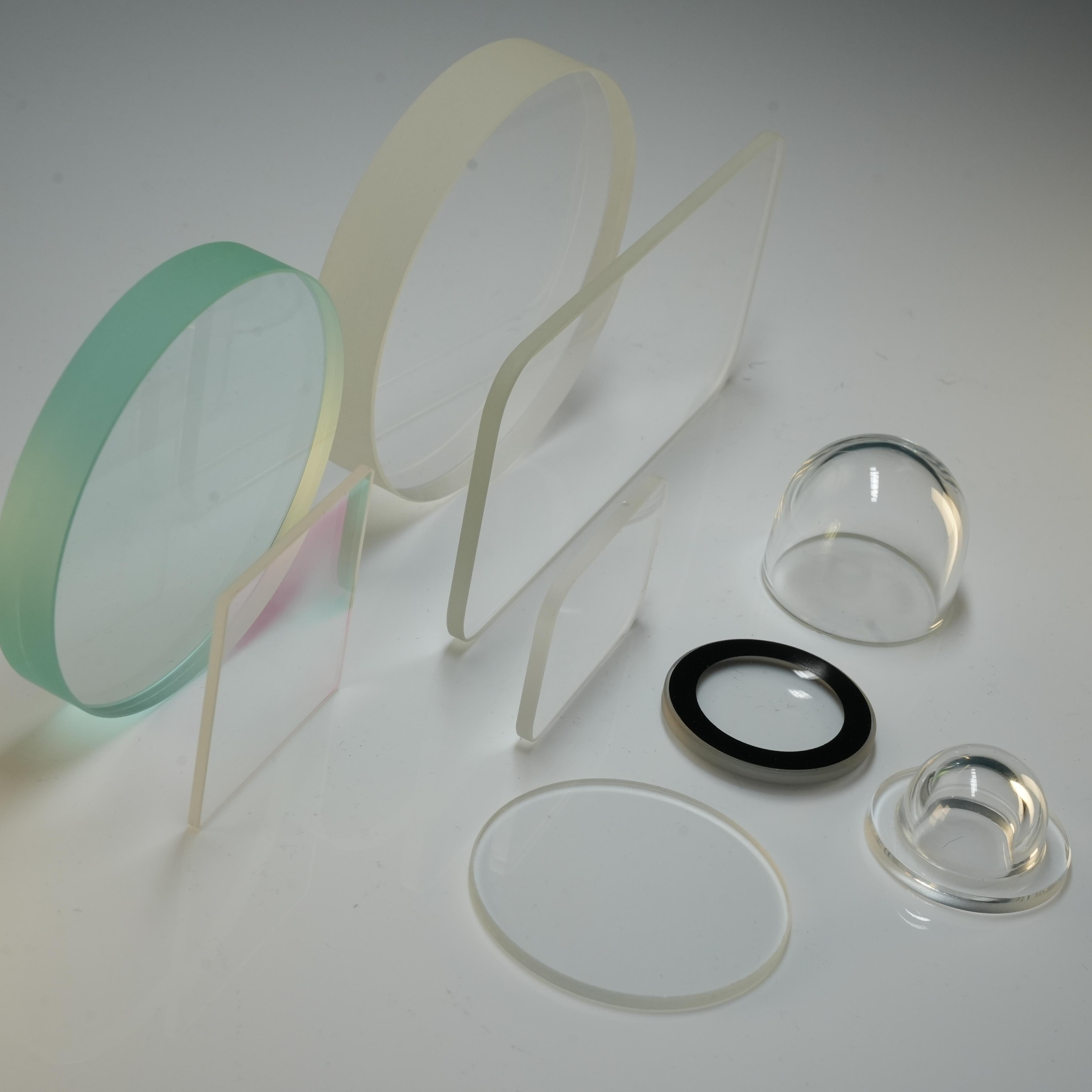
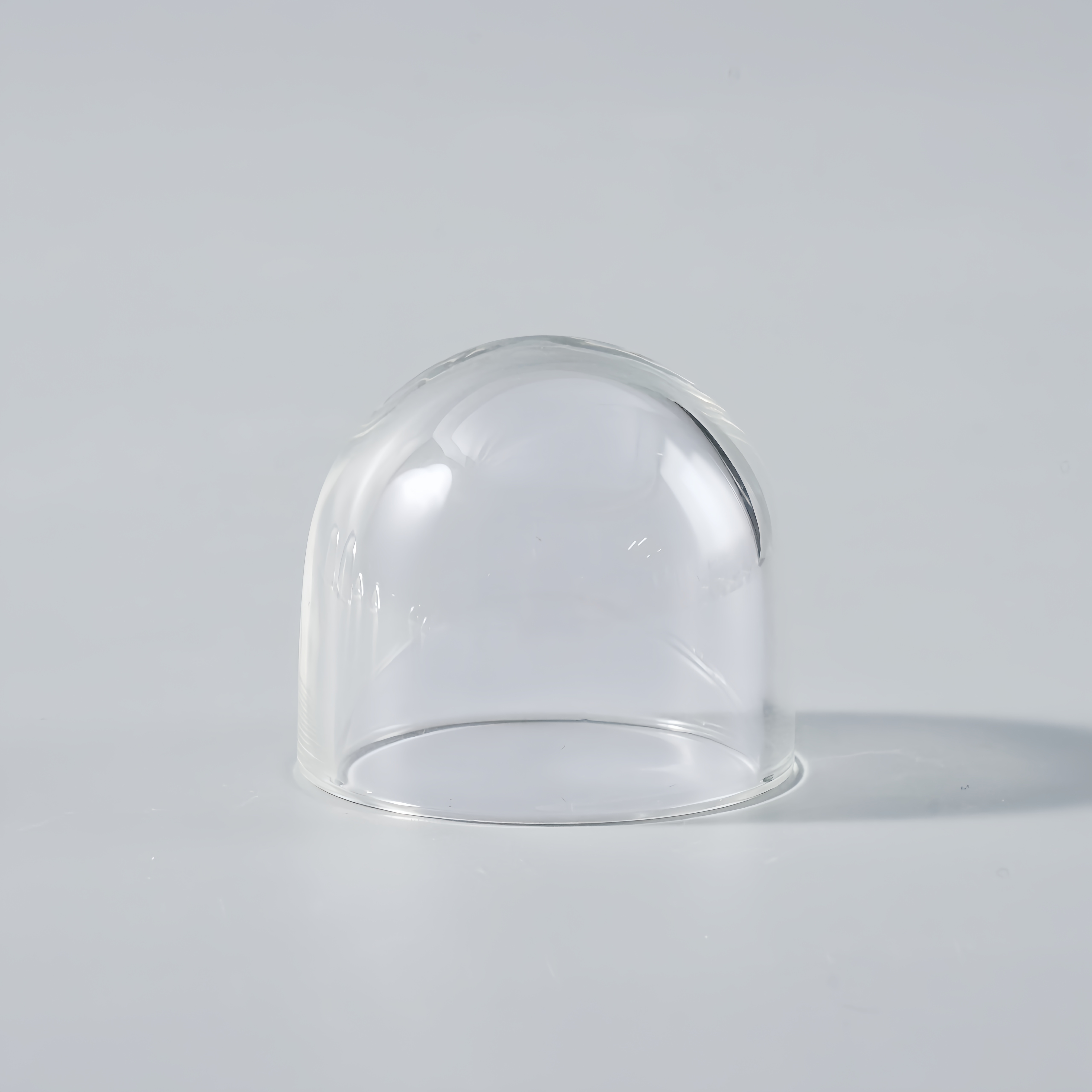
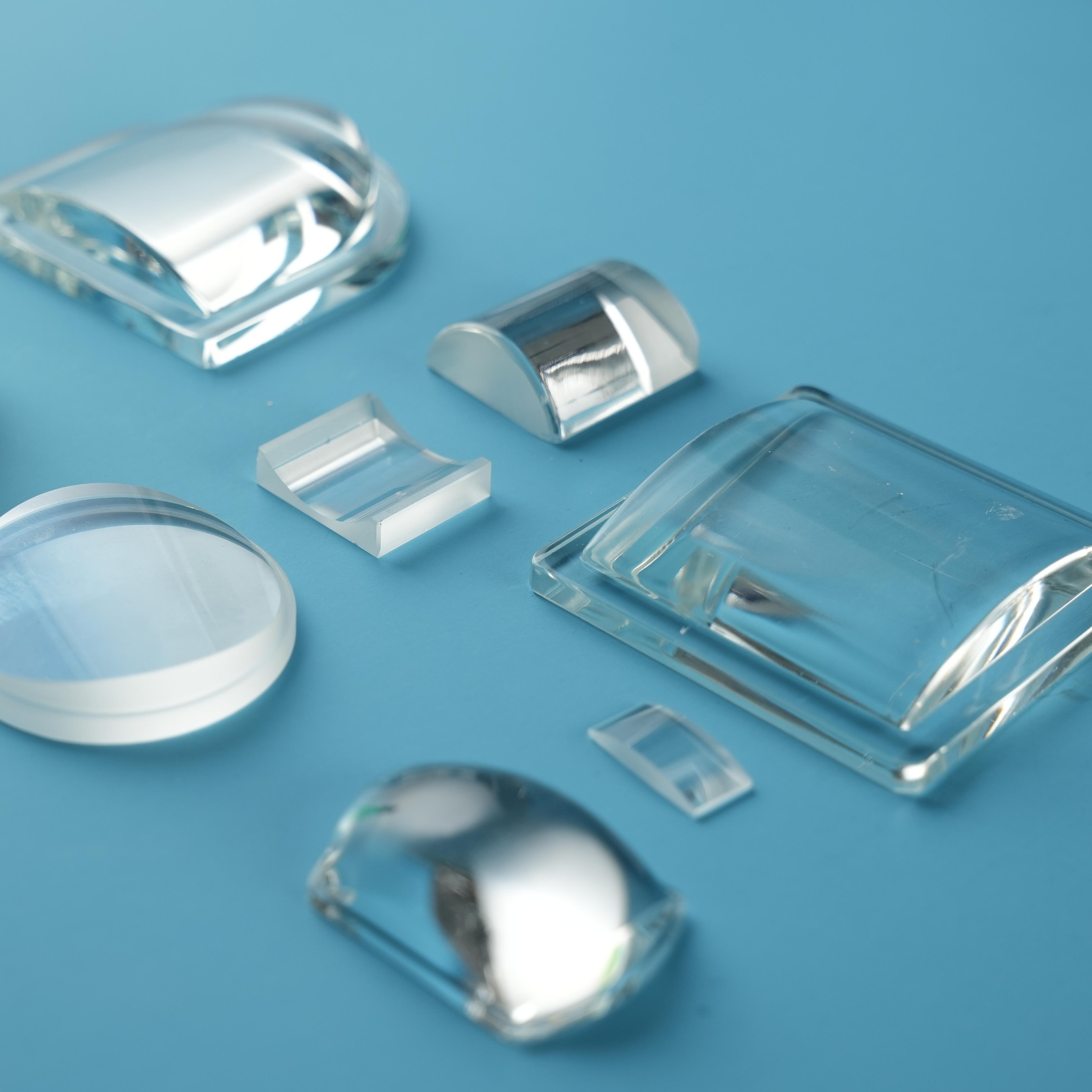
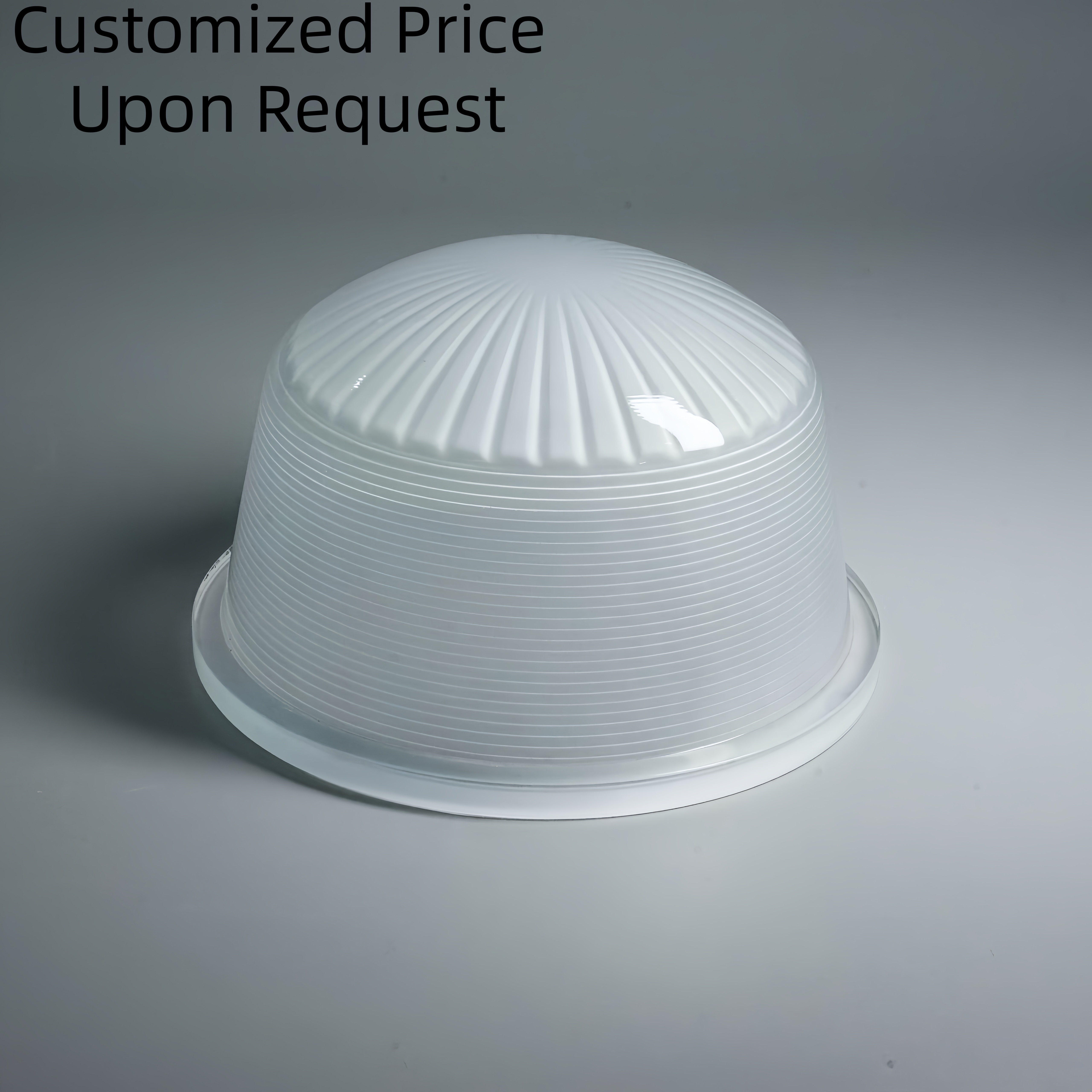
Our review perspective comes from more than a decade of drawing-based production for lighting and optical OEMs. We combine pressed, blown, ground and coated glass processes with a practical question: how will this part behave inside a real luminaire after installation? That is why our RFQ review covers glass grade, wall thickness, draft, sealing faces, optical path alignment, operating temperature, impact expectation and the certification route of the fixture.
Engineering priority profile for NY-style outdoor service
Qualitative profile used in our RFQ review, not a statistical market survey.
Wind-driven rain and gasket compression96%
Salt air and de-icing exposure92%
Thermal shock from high-output LEDs89%
Glare and dark-sky optical control84%
Impact and vandal resistance80%
Field-service replacement speed76%