8 Glass Components Louisville Appliance Buyers Can Evaluate Now
The eight products below are existing factory items from Tambi Glass’s lighting and optical glass platform. For Louisville appliance projects, the same forming, annealing, coating and inspection capabilities can be adapted to oven windows, indicator domes, sensor covers, control-panel windows, LED appliance lenses and decorative glass. Each product URL is preserved exactly. Where the catalog item is close but not exact, send a drawing or sample for a manufacturing review.
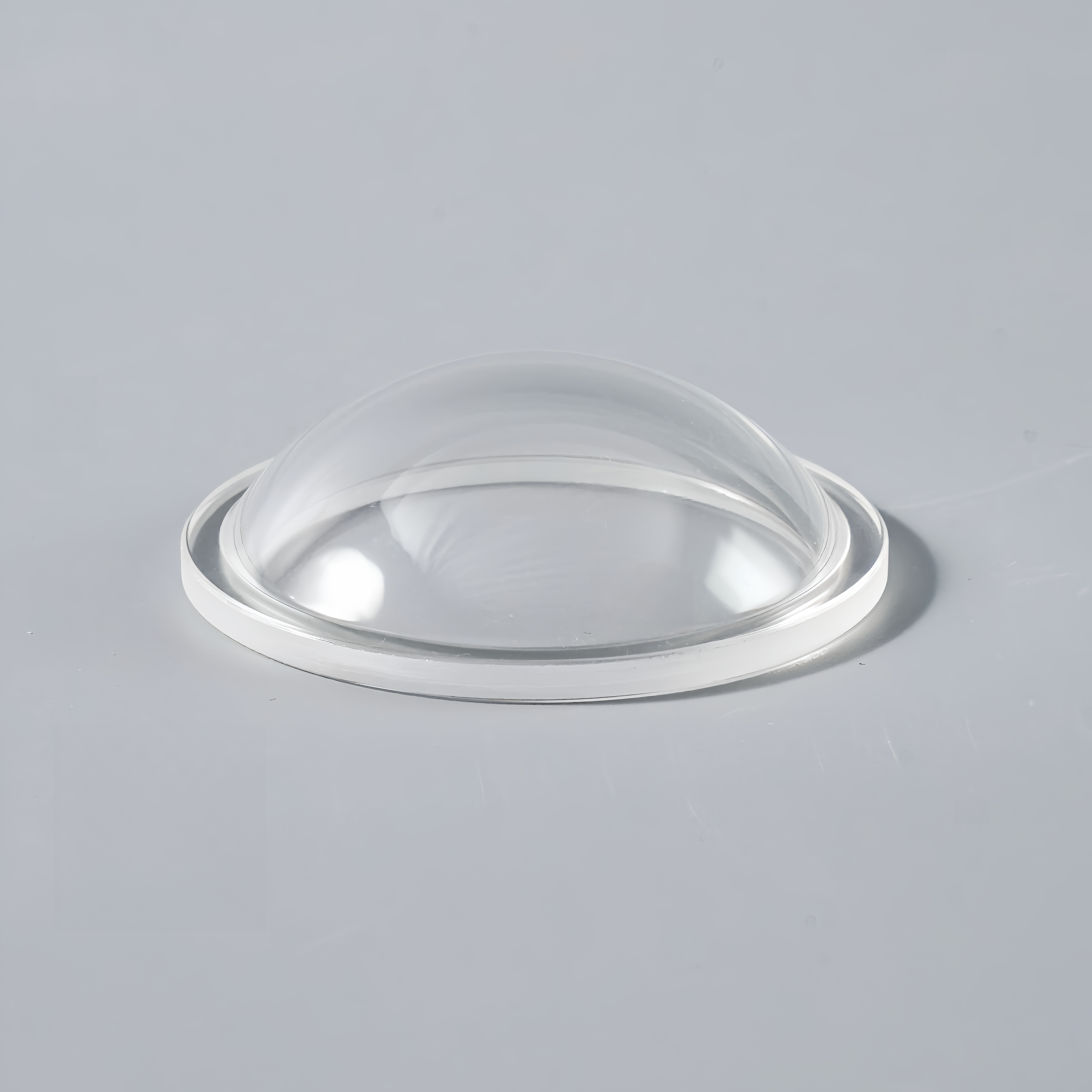
High-Light Transmission Clear Borosilicate Glass Dome Lens
A high-transmission borosilicate dome for LED luminaires that also fits appliance lamp covers and indicator windows where heat, cleaning agents and impact are present. Borosilicate 3.3 supports thermal-shock resistance; clear surfaces protect optical clarity.
View product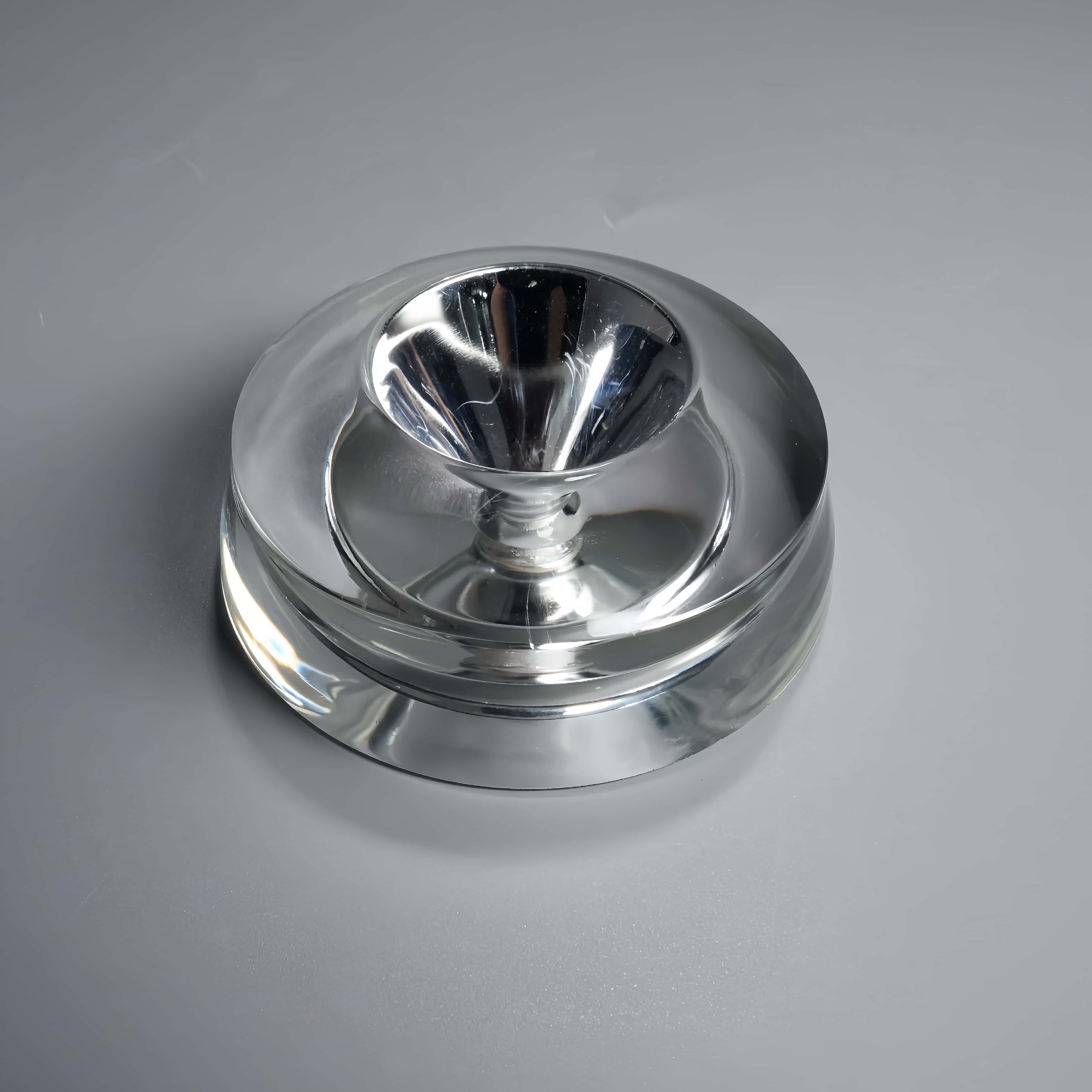
Custom Molded Borosilicate, BK7 & K9 Optical Lens
A drawing-based lens platform for collimation and light control. For Louisville appliance teams, evaluation can cover appliance indicator optics, sensor lenses and high-temperature lamp windows. Tooling is reviewed against the sealing face and assembly tolerances.
View product
Precision Borosilicate & Fused Silica Optical Window
High-transmission windows with coating options for control-panel windows, sensor ports and inspection windows. Fused silica can be specified where UV transmission or elevated temperature matters; borosilicate offers practical thermal-shock resistance.
View product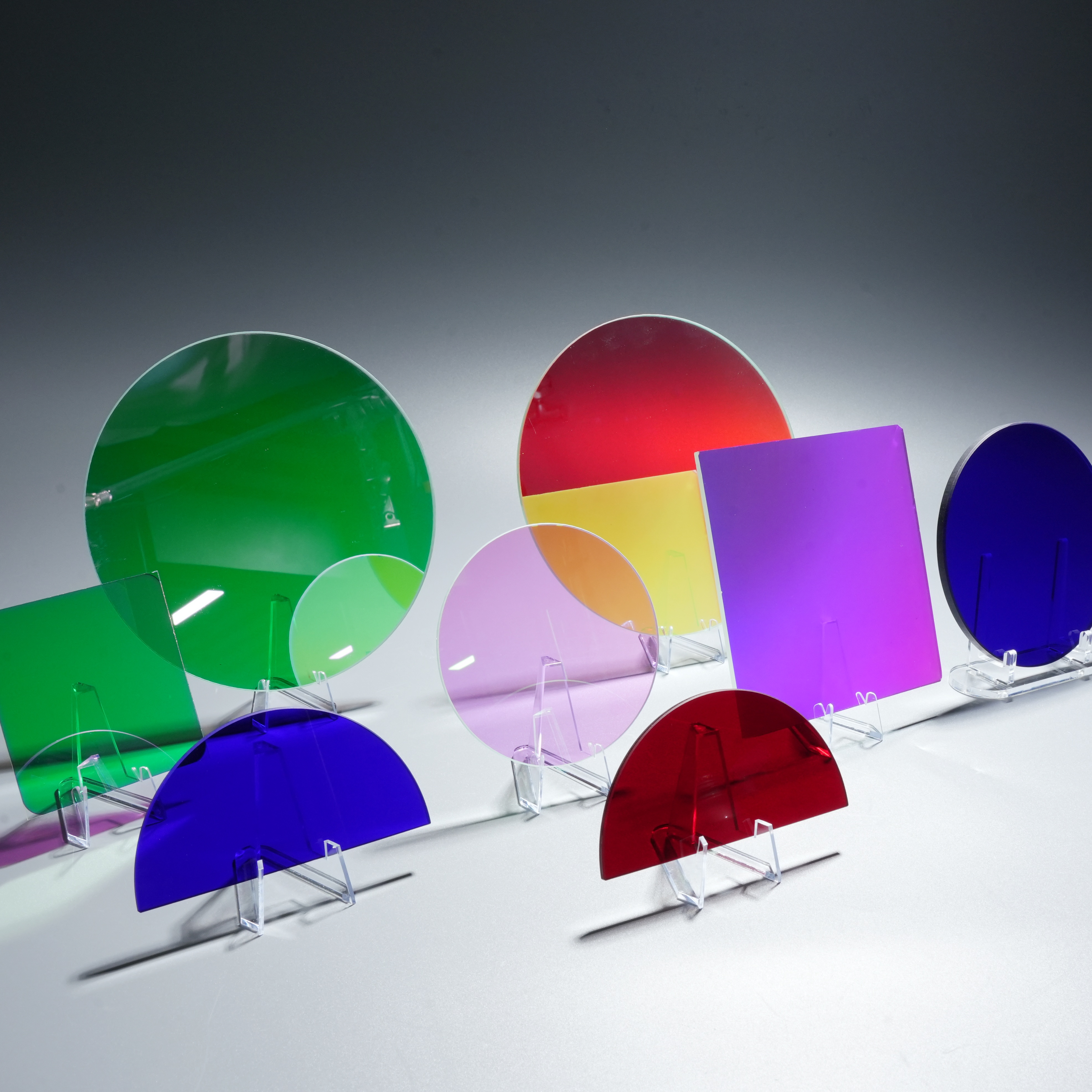
590 nm 49 mm Coated Bandpass Optical Filter
A coated bandpass and longpass filter for wavelength selection. Appliance-adjacent uses include flame sensing, color recognition, status sensing and optical separation in sensor modules. Diameter, wavelength and coating can be reviewed for custom projects.
View product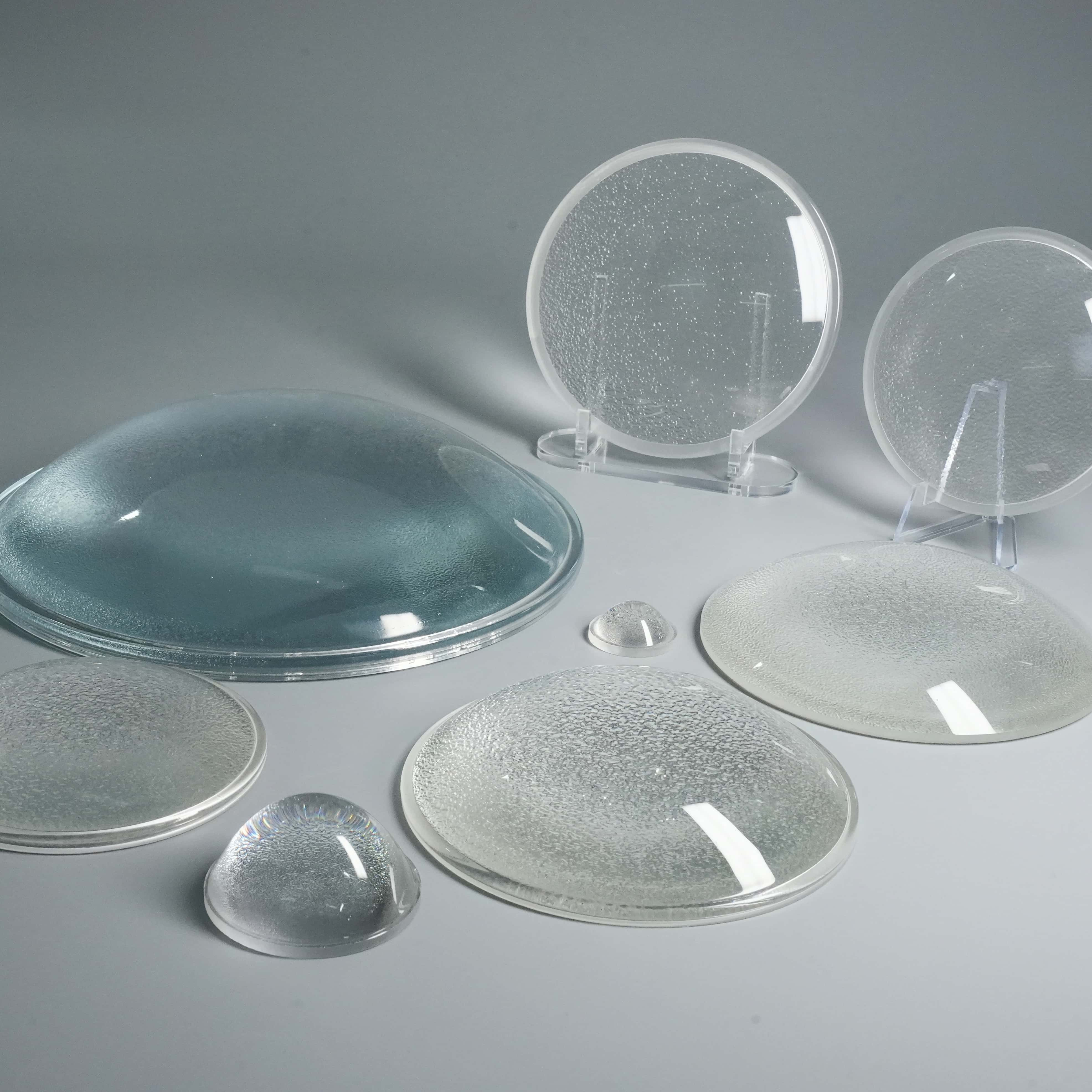
Asymmetric Borosilicate LED Street Light Lens
A freeform asymmetric LED lens designed to reduce glare and light pollution. The same optical-design discipline can be adapted for appliance exterior lighting or localized illumination where light must be directed without hot spots.
View product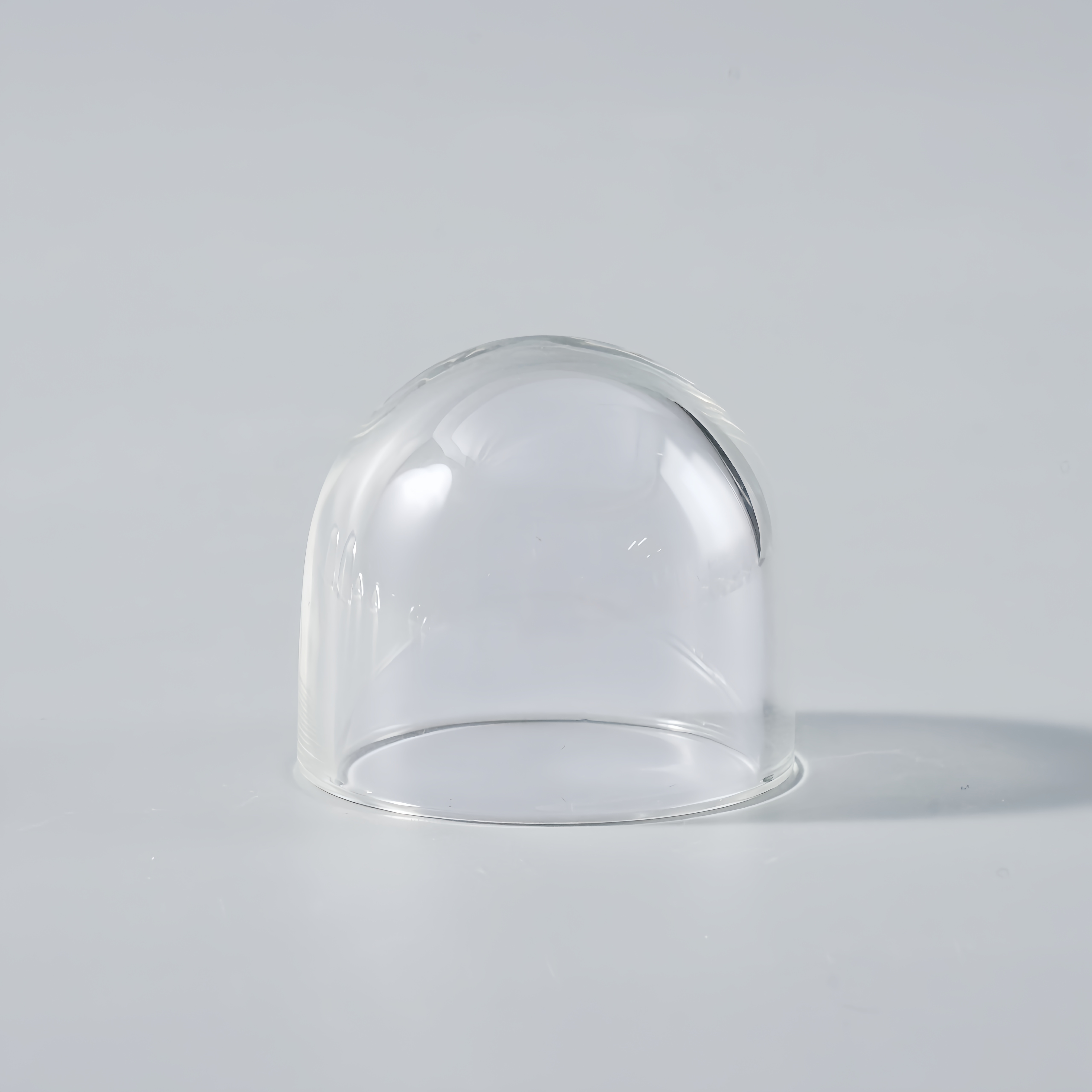
Precision Hemispherical Optical Dome for Sensors
Broadband AR-coated hemispherical windows for LiDAR and scientific sensing. In appliance manufacturing, precision domes and windows support sensor protection, optical inspection equipment and robotic handling systems.
View product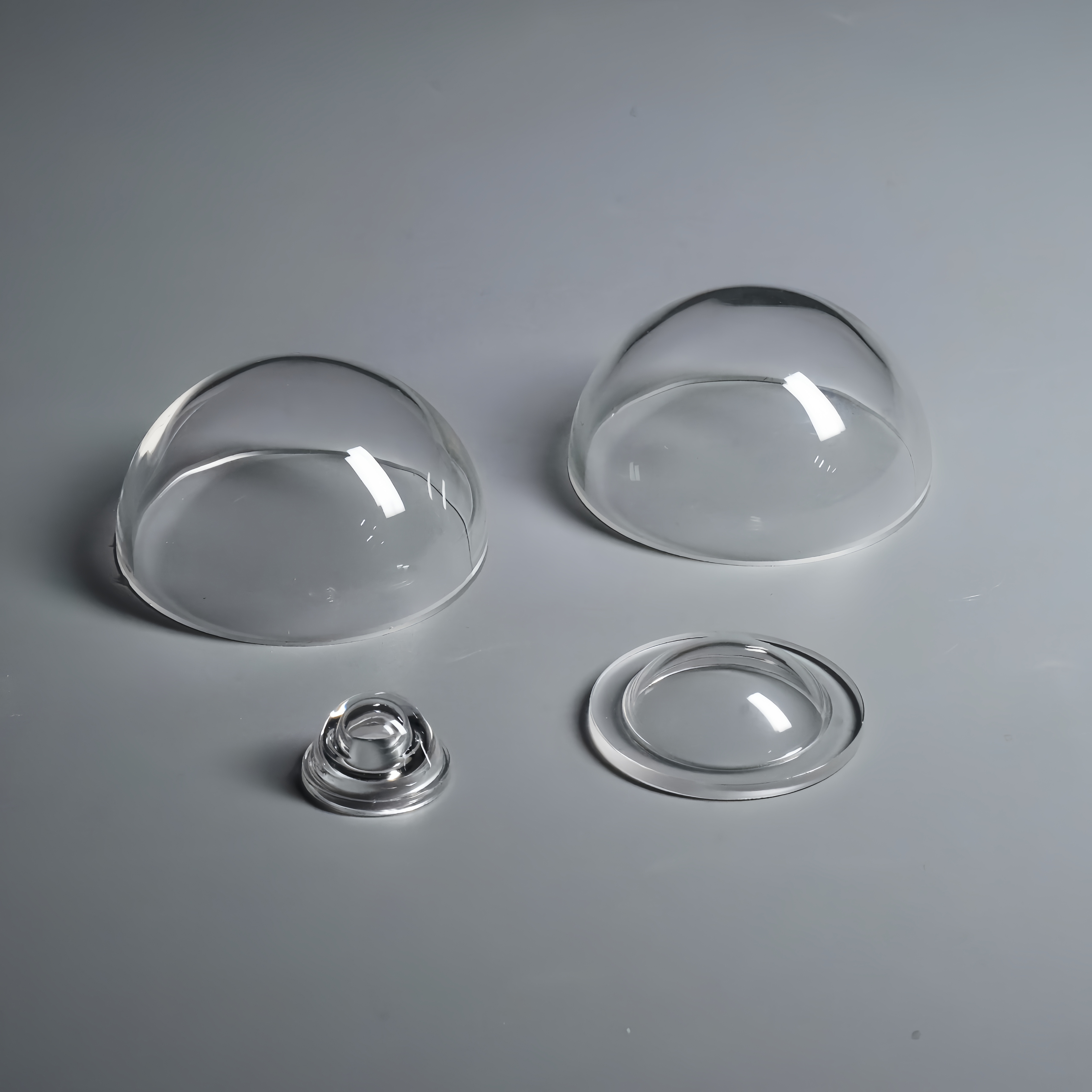
K9 Optical Dome Lens with Anti-Reflective Coating
Mold-pressed K9 dome with AR coating for lighting OEMs. Suitable for high-clarity display, lamp and sensor-cover evaluations where an optical-grade finish and custom mounting geometry are required.
View product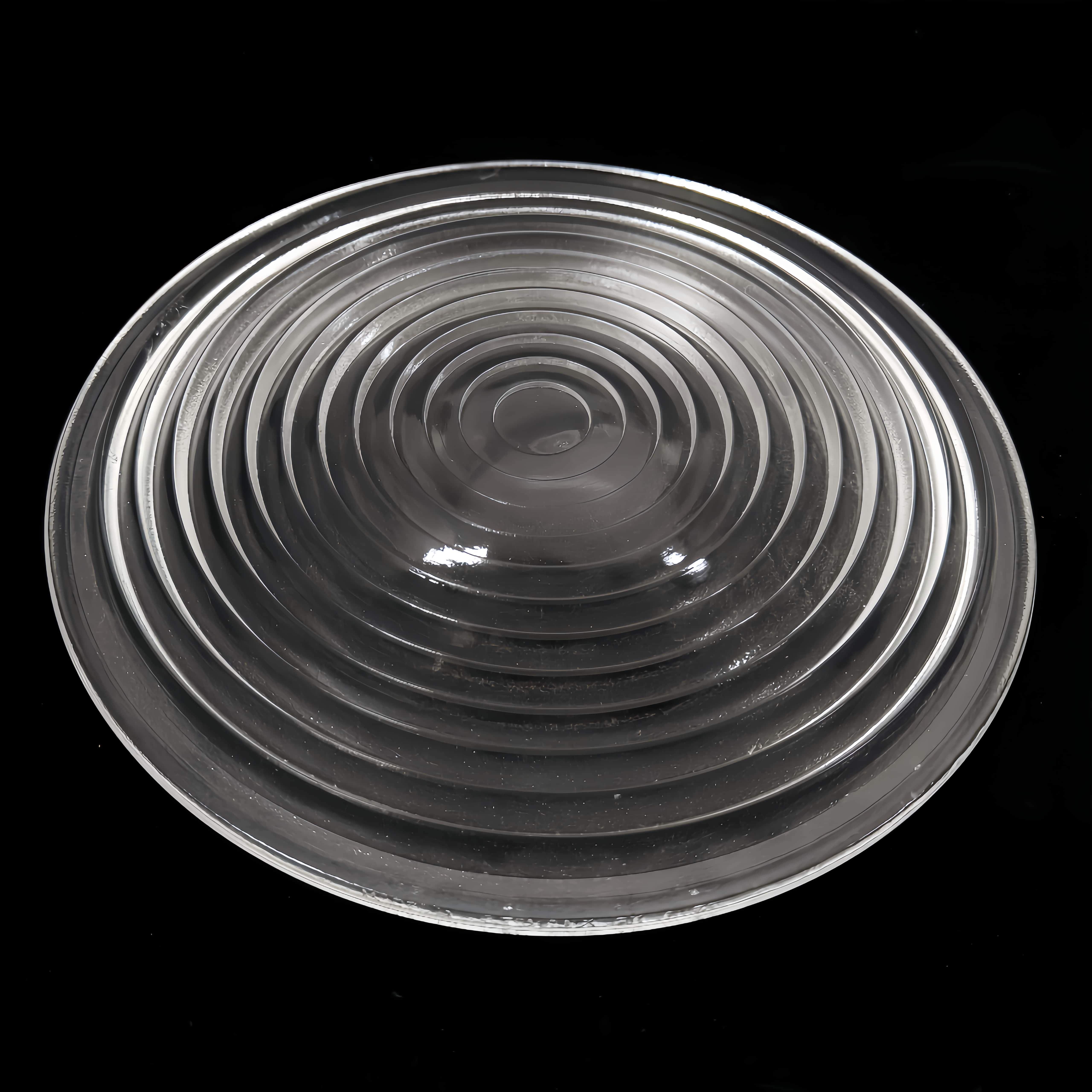
Precision Molded Borosilicate Fresnel Lens, 175 mm
A Fresnel lens for stage lighting and high-power LED collimation. The thermal and optical platform can be reviewed for appliance lighting where controlled beam shaping, heat resistance and AR coating are valuable.
View productNeed an appliance-specific size, coating or sealing face?
Send your drawing, operating temperature and annual volume for a Louisville project review.
Why Louisville Buyers Need a Specification-First Glass Supplier
Louisville is an important appliance and logistics market. The region is associated with large-scale appliance manufacturing, a broad supplier ecosystem, commercial kitchen operations, hospitality properties, rental maintenance teams and distribution networks connected by Interstate 65, Interstate 71, Interstate 64 and major air-cargo infrastructure. For procurement teams, this reach means appliance glass is not only a production component; it is also a replacement part, a maintenance item and a customer-experience risk.
Home appliance glass is not generic flat glass. Oven door windows must handle heat, repeated cleaning and thermal shock. Cooktop and control-panel glass must balance impact resistance, surface quality and coating compatibility. Refrigerator and appliance lighting windows need clarity and stable light transmission. Sensor windows, indicator domes and filters need optical precision. A low-cost part that cracks in the field creates returns, downtime and safety concerns.
Tambi Glass is a Shanghai-based manufacturer and trading company, not a Louisville storefront or local warehouse. We state that transparently because serious buyers need an accurate supply-chain picture. The advantage for Louisville customers is factory-direct engineering, drawing-based tooling, sample validation, export packing and documentation — not a claim of local inventory. For urgent replacement programs, air freight, distributor stocking or planned safety stock can be discussed.
- Drawing-based OEM / ODM production
- Borosilicate, tempered, quartz and BK7
- AR coating and optical finishing
- Onsite-verified supplier records

Appliance Glass Use Cases We Review for Louisville Buyers
Louisville buyers often source across appliance manufacturing, repair, hospitality and commercial maintenance. These four use cases define different material, coating and documentation requirements.
Oven & Range Windows
High-heat borosilicate glass, thermal-shock review, clear or tinted options and edge finishing for door assemblies and inspection windows.
Control Panels & Display Covers
Glass substrates for appliance control windows and display covers, with dimensional review, coating options and impact-resistant material choices.
Refrigerator & Lighting Windows
Clear glass windows, LED appliance lighting lenses and indicator domes where light transmission, moisture exposure and visible surface quality matter.
Sensor & Indicator Optics
Optical windows, hemispherical domes, bandpass filters and Fresnel lenses for sensing, flame detection, status indication and inspection equipment.
How to Select Glass for Home Appliance Components
Selecting the correct glass early avoids cracked covers, color drift, coating failures and costly field returns. The table below reflects the material logic our engineers use during drawing review.
| Material | Thermal expansion (×10⁻⁶/K) | Typical max. working temp. | Key strength | Best appliance fit |
|---|---|---|---|---|
| Borosilicate 3.3 | ≈ 3.3 | ≈ 450 °C | Excellent thermal-shock resistance | Oven windows, high-power LED appliance lamps, heat-resistant domes and sensor covers |
| Tempered soda-lime | ≈ 9.0 | ≈ 250 °C | High impact strength, economical | Impact-resistant appliance covers, exterior lighting windows and control-panel substrates |
| Fused quartz | ≈ 0.55 | ≈ 1000 °C+ | UV transmission, extreme heat | UV sensor windows, high-temperature inspection windows and specialist optics |
| Optical BK7 (H-K9L) | ≈ 7.1 | ≈ 300 °C | Homogeneous optical glass, nd ≈ 1.517 | Appliance sensor lenses, prisms, display optics and precision light-control parts |
Values are typical references. Final specification is confirmed against your drawing, lamp or heater surface temperature, impact requirement, cleaning exposure and the standard your appliance assembly must meet.
1. Thermal-Shock Margin
Define the maximum surface temperature near the lamp, heater or cooking zone, then consider cold-water contact, cleaning cycles and winter transport. For high-heat oven and lamp areas, borosilicate 3.3 is usually the first candidate; tempered soda-lime may suit moderate-temperature impact-resistant covers.
2. Sealing-Face & Edge Quality
Appliance glass often seals against gaskets, frames or metal retainers. Flatness, edge chipping, wall thickness and draft angle affect assembly yield. A drawing review should include the sealing face, retaining method, gasket compression and any metal-to-glass contact points.
3. Coating & Transmission Validation
AR coatings, bandpass filters and color requirements must be matched to the actual light source or sensor wavelength. For Louisville buyers, request transmission data, color targets and visual acceptance criteria before mass production. This prevents a part from fitting correctly while failing optically.
Trends Shaping Appliance Glass Procurement in Louisville
Louisville’s appliance, logistics and service ecosystem is changing how buyers evaluate glass suppliers — with more emphasis on documentation, responsiveness and total landed cost.
Appliance Cluster & Supply Resilience
With a significant appliance manufacturing footprint in the region, tier suppliers and maintenance buyers want faster samples, clear technical communication and a second source that can support repeat orders without surprises.
Higher Heat, Tighter Optics
Compact high-power LEDs, sensor-rich controls and tighter appliance designs push glass closer to heat sources. Buyers increasingly ask for borosilicate, AR coating and measured optical performance rather than catalog-only specifications.
Repair, Hospitality & Small Batches
Louisville hotels, commercial kitchens, rental properties and service networks need replacement windows, domes and lenses in practical batch sizes. Flexible MOQs and consistent quality matter as much as unit price.
Logistics-Ready Packaging
Because Louisville is a freight and distribution hub, glass must arrive intact and be easy to receive. Divider-packed cartons, reinforced export packaging, palletization and clear labeling reduce breakage and handling cost.
What Louisville Buyers Gain from Tambi Glass
Shanghai Tambi Glass Industrial Co., Ltd. combines custom glass manufacturing with export experience for lighting and optical OEMs. For appliance-related projects, the value is in the engineering review, material choice and repeatable production controls.

Drawing-Based OEM / ODM
Send a 2D or 3D drawing or physical sample. Our engineers review wall thickness, draft, tolerance, sealing faces and optical path alignment before tooling starts.
Material & Process Breadth
Borosilicate 3.3, tempered soda-lime, fused quartz, optical BK7/H-K9L, pressed and blown forming, grinding, polishing and coating can be combined under one supply chain.
Optical Coatings & Finishing
AR coatings, bandpass filters, color options, edge finishing and visual inspection help match the part to the appliance’s optical and cosmetic requirements.
Transparency & Verification
Onsite-verified supplier records, credit index, transaction level, trade capacity and trade history help procurement teams complete supplier qualification faster.
Fast Engineering Response
Average response within 6 hours. Share the drawing, annual volume, temperature range and coating requirement for a technical and commercial review.
Export Packing for Fragile Glass
Foam or pulp dividers, reinforced export cartons and palletization for sea or air freight. Custom packaging and labeling can be arranged for distributors serving Louisville.
A 4-Point Checklist for Louisville Appliance Glass Projects
Before requesting a quote, align the drawing, operating conditions, inspection requirements and landed-cost assumptions. This short checklist prevents most sample delays.
Share the Full Drawing Package
Provide a 2D/3D drawing, key dimensions, tolerances, material, color, coating, sealing face, annual volume and any existing sample or failed part.
Define Operating Conditions
State maximum surface temperature, thermal shock exposure, impact risk, cleaning chemicals, pressure, UV exposure and installation method.
Agree Inspection & Documentation
Confirm material reports, dimensional reports, transmission or color measurement, visual acceptance criteria and packaging validation before production.
Model Total Landed Cost
Compare sample rounds, MOQ, breakage risk, freight to Louisville, inventory carrying cost and field replacement risk — not only the piece price.
Common Questions About Home Appliance Glass Sourcing
These are the questions procurement, engineering and maintenance teams most often ask when evaluating a factory-direct glass supplier for Louisville projects.
Is Tambi Glass a local Louisville stockist?
How quickly can you ship samples and production glass to Louisville?
What MOQ should a Louisville buyer expect?
Can you match an existing oven window, control panel or indicator dome?
Which glass should we use for oven windows, refrigerator windows and sensor covers?
How are fragile appliance glass parts packed for shipment to Louisville?
Send Your Appliance Glass Drawing for a Louisville Project Review
Share your dimensions, glass material, operating temperature, coating requirement and annual volume. Our team will review the project against the correct forming, annealing, finishing and packaging route. Average technical response is within 6 hours, and all custom work starts with a drawing or sample review.
Get a Quote