Headlight Glass Manufacturer & Wholesaler in Osaka
Borosilicate headlight covers, LED lenses, optical domes and signal-light glass for Osaka distributors, JDM restoration studios, fleet workshops and lighting OEMs — engineered for Kansai heat, humidity, coastal air and precise beam control.
Eight Glass Product Families for Osaka Wholesale Programs
Each reference below can be adapted in size, thickness, edge finish, colour, coating and export packing. All original product URLs are retained so your team can verify specifications before requesting samples.
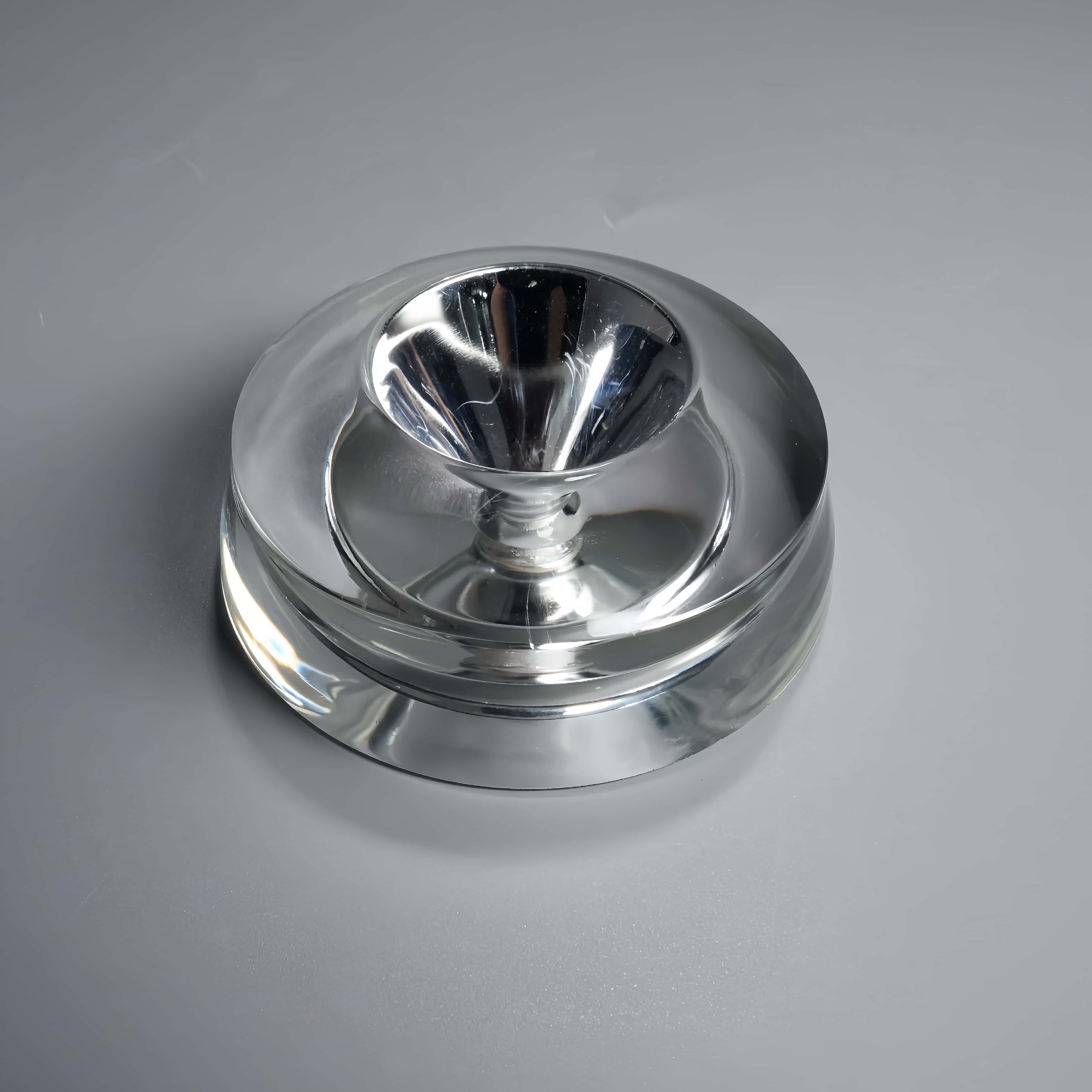
Custom LED Optical Glass Lens for Airport Runway
Heat-resistant mold-pressed borosilicate lens for runway, taxiway and in-pavement light assemblies requiring stable optical transmission.
View product
Heat-Resistant Borosilicate Headlight Glass Cover
Pressed-mold borosilicate cover for headlight repair, replacement and OEM lighting projects that face thermal shock and road vibration.
View product
Customized Borosilicate Car Light Accessories
High-borosilicate glass components supplied in custom size, shape and colour for automotive lighting and traditional industrial fixtures.
View product
AR-Coated 50 mm Square Optical Glass Window
OEM optical window in K9, BK7, B270 or fused silica with anti-reflective coating for sensors, lighting modules and instruments.
View product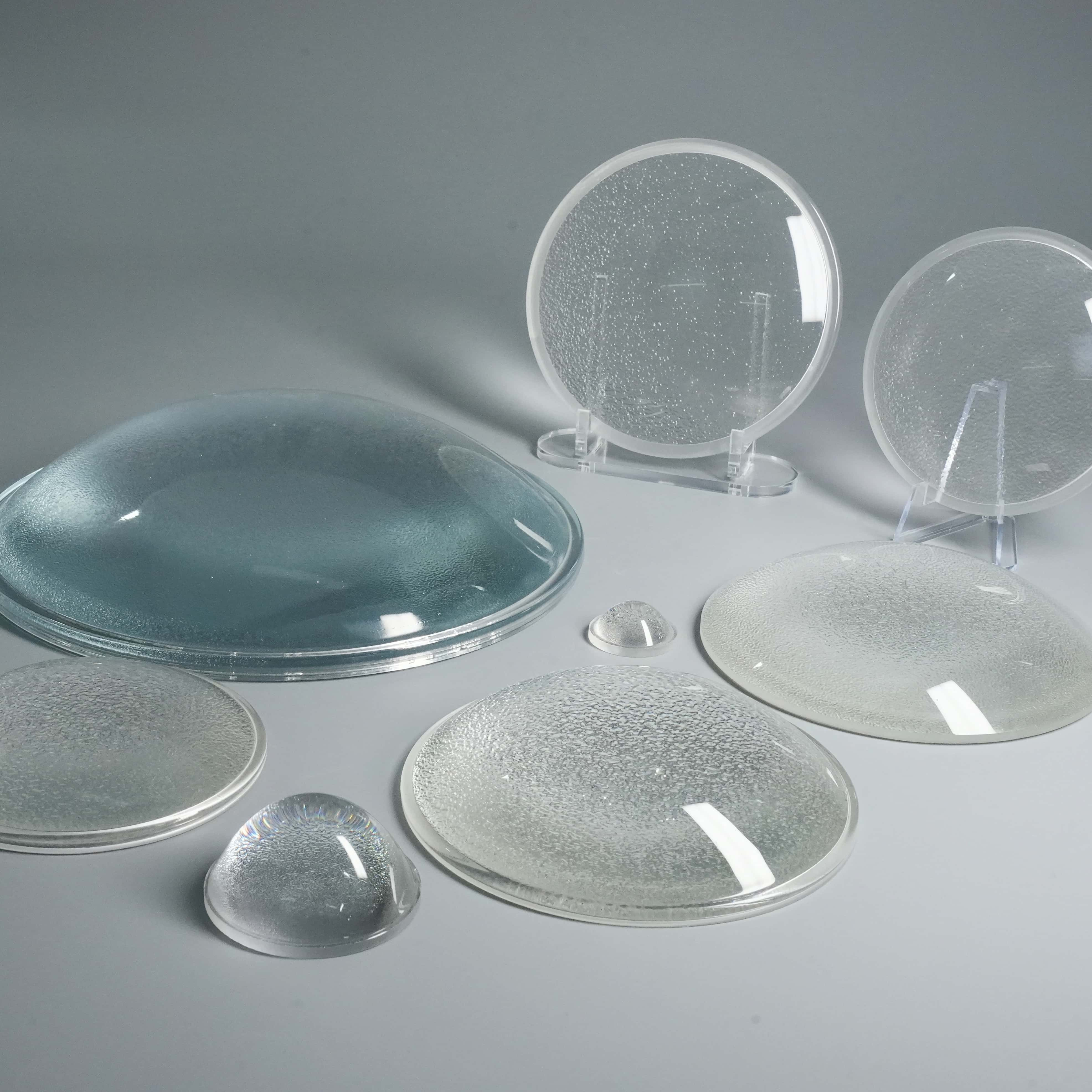
Asymmetric LED Street Light Lens
Borosilicate glass LED lens designed for roadway light distribution, glare reduction and UV protection in outdoor lighting assemblies.
View product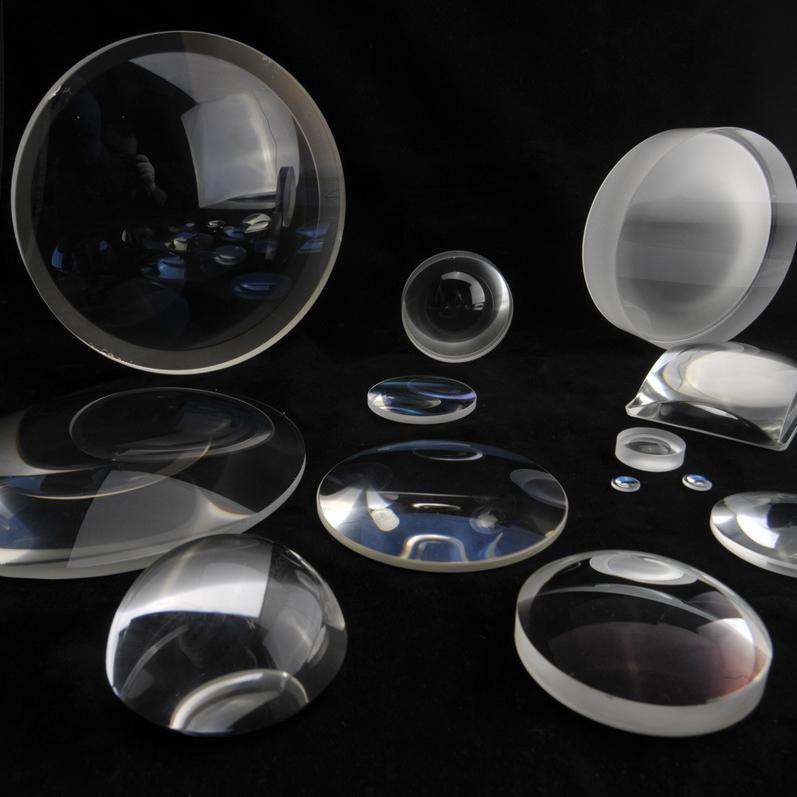
K9 Plano-Convex Optical Lens, 80–250 mm
Spherical K9 optical coating glass lens for projection, magnifying, lighting and instrument systems requiring custom diameters.
View product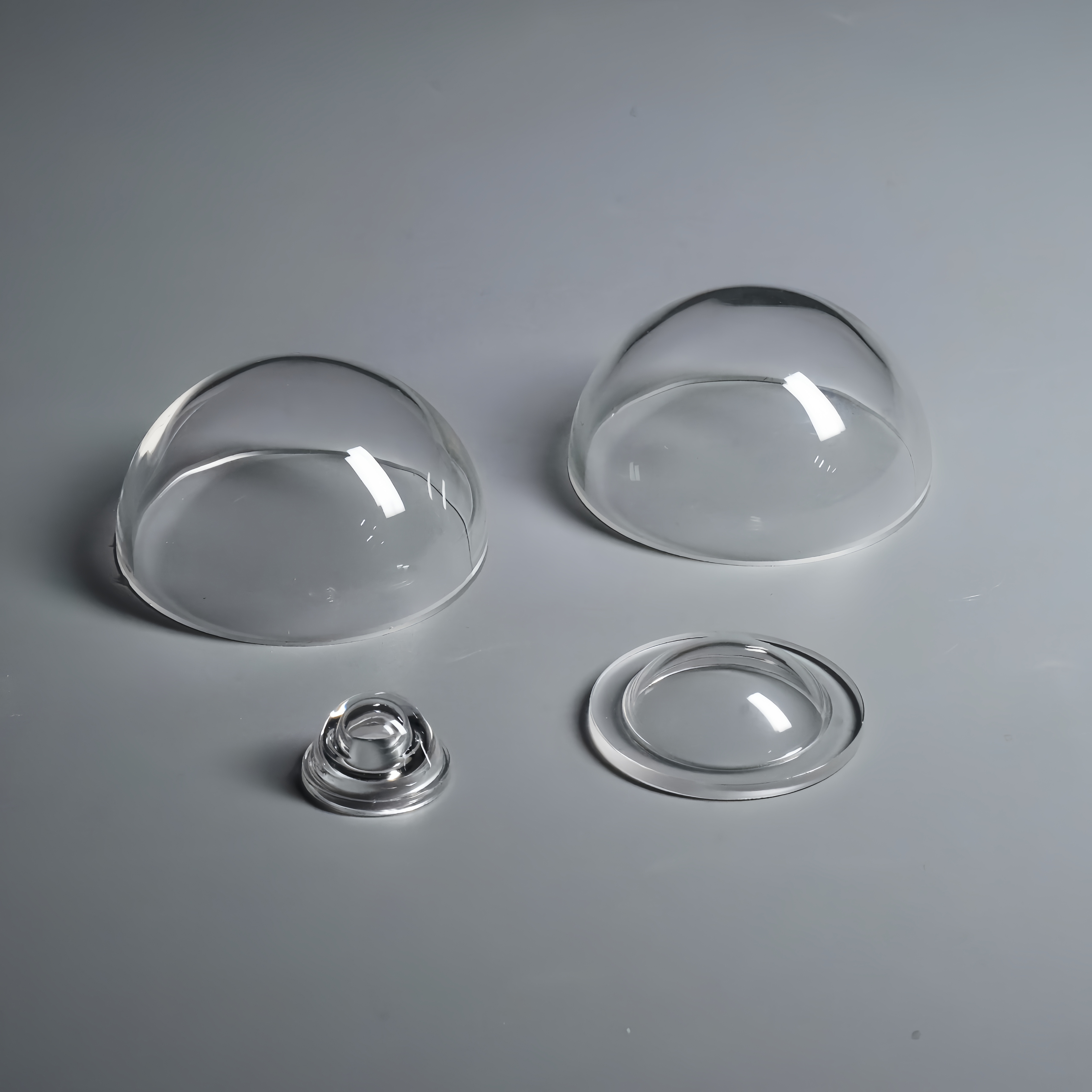
K9 Optical Dome Headlight Lens with AR Coating
Mold-pressed clear K9 optical dome with anti-reflective coating for lighting OEMs seeking custom headlight glass and sensor windows.
View product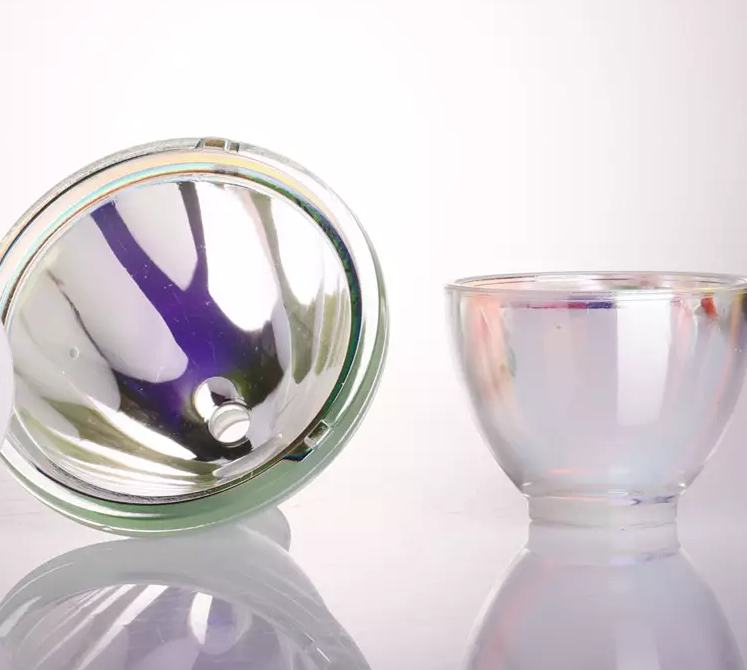
COB Glass LED Reflector Bowl for Spotlights
Deep-design glass LED reflector bowl for spotlights and projector lights with 20°, 60° or 90° beam-angle options.
View productA Headlight Glass Supply Partner Built for Osaka’s Real-World Conditions
Osaka buyers rarely ask for a generic lens. They ask for a component that survives a parked car in summer heat, a sudden typhoon downpour, repeated wash cycles, stone chips on the Hanshin Expressway, and the optical demands of modern LED and ADAS modules. That is the starting point for every RFQ reviewed by Shanghai Tambi Glass Industrial Co., Ltd., a manufacturer and trading company focused on custom lighting and optical glass.
With more than a decade of experience and a team of 11–50 people, we serve lighting OEMs and distributors across Europe, North America, Japan and other export markets. Our work is drawing-based OEM/ODM: send a 2D or 3D drawing, or a physical sample, and our engineers assess wall thickness, draft angle, sealing faces, thermal load and optical path alignment before tooling begins. That review matters in Osaka, where original equipment, JDM restoration, taxi and bus fleets, motorcycle shops and industrial lighting buyers often evaluate risk differently.
A distributor may need consistent colour and packaging across repeat orders. A restorer may need a low-volume run that matches an unusual curve. A fleet workshop may want fast sample approval and clear inspection reports. Our factory combines pressed, blown, ground and coated glass processes under one supply chain, so borosilicate 3.3, tempered soda-lime, K9/BK7, B270 and fused silica options can be compared before a drawing is frozen. We also support AR coatings, bandpass filters, prisms, domes and asymmetric LED lenses, helping buyers consolidate more of the optical bill of materials with one technical contact.

Drawing-Based OEM/ODM
Most orders are built to your drawing or sample. We review manufacturability, mold options, tolerance and sealing faces before mass production, which reduces fit surprises for Osaka distributors and repair groups.
Thermal-Shock Engineering
Borosilicate 3.3 is specified when high lamp temperatures and sudden rain or wash-water contact are the main risk. Tempered soda-lime remains a cost-effective choice for suitable impact-driven applications.
Optical Coating & Beam Control
AR coatings, colour matching, prisms, domes and asymmetric lenses help address glare, transmission and beam alignment for LED headlights, projectors, streetlights and sensing modules.
Verified Supplier Transparency
Procurement teams can review onsite supplier assessment, credit index, transaction level, trade capacity, trade history and buyer feedback references to complete qualification faster.
Osaka-Friendly Logistics
Fragile glass is separated by foam or pulp dividers, packed in reinforced export cartons and palletized for sea or air freight. Custom labels for distributors and third-party logistics are available.
Responsive Technical Support
Our average response time is within six hours. Share your drawing, annual volume, lamp surface temperature and target coating so our engineers can compare options and recommend next steps.
Where Headlight Glass Matters Across Osaka & Kansai
Osaka’s dense traffic, humid summers, typhoon rain, coastal air and active restoration culture place different demands on a lens. These are the application scenarios we review most often with local buyers.
Passenger Car & Kei Headlights
Clear covers and optical lenses for compact cars, taxis and family vehicles. The priority is accurate beam shape, UV stability and resistance to stop-and-go heat cycles in summer traffic.
JDM Restoration & Classic Cars
Low-volume runs for discontinued shapes, unusual curves and period-correct colour. A physical sample or 3D scan helps match gasket fit, bezel clearance and visible edge finish.
Taxi & Fleet Maintenance
Fleet buyers value repeatability: stable dimensions, consistent colour, clear packing labels and documentation that supports warranty and repair decisions across multiple vehicles.
Trucks, Buses & Commercial Vehicles
Larger covers face stronger vibration, stone impact and thermal cycling. Thickness, edge strength and sealing-face flatness are reviewed together rather than as isolated specifications.
Motorcycle & Scooter Lighting
Compact lenses and domes need impact resistance, secure sealing and stable optical output. Small trial batches are common before a shop commits to a repair-stock program.
Port, Bay & Logistics Equipment
Around Osaka Bay and the port area, salt-laden air and wash-down routines make surface condition and sealing quality important for signal lights, floodlights and work lamps.
Roadway, Street & Glare Control
Asymmetric LED lenses can improve road coverage while reducing glare and light spill. Colour stability and UV protection matter for outdoor fixtures exposed to sunlight and rain.
EV, ADAS & LiDAR Windows
Sensor windows and domes require flatness, controlled transmission and AR coating. We review optical path alignment alongside the mechanical housing and environmental seal.
Choosing the Right Glass for Osaka Headlight & Lighting Programs
Glass selection affects thermal shock, weight, stone-chip risk, optical clarity and field-return cost. This comparison reflects the engineering conversation we have before confirming a sample.
| Material | Thermal expansion (×10⁻⁶/K) | Typical max. working temperature | Best Osaka use case | Engineering note |
|---|---|---|---|---|
| Borosilicate 3.3 | ≈ 3.3 | ≈ 450 °C | High-power LED headlights, high-temperature covers, Fresnel lenses and explosion-proof shades | Good thermal-shock resistance; confirm surface temperature, impact rating and gasket pressure before finalizing thickness. |
| Tempered soda-lime | ≈ 9.0 | ≈ 250 °C | Outdoor covers, floodlights, impact-driven replacement lenses and vandal-resistant fixtures | Cost-effective with high impact strength; thermal-shock limits should be checked when the lamp runs hot or rain contact is sudden. |
| Fused quartz | ≈ 0.55 | ≈ 1000 °C+ | UV optics, high-temperature windows and specialized industrial lighting | Excellent thermal and UV performance, but higher cost; reserve for applications where ordinary glass is clearly marginal. |
| K9 / BK7 optical glass | ≈ 7.1 | ≈ 300 °C | Precision lenses, prisms, domes, optical windows and LiDAR sensor covers | Homogeneous optical properties with refractive index around 1.517 for K9/BK7-type material; coating and surface quality are specified separately. |
Values are typical references, not a substitute for final engineering approval. Final specification must be confirmed against your drawing, lamp surface temperature, impact requirement, sealing design and the standard your fixture or vehicle program must meet.
What Local Buyers Are Watching in Headlight Glass Supply
Demand in Osaka is shifting toward higher optical precision, smaller order batches and stronger documentation. These trends are shaping RFQs from distributors, workshops and lighting OEMs across Kansai.
1. Higher LED Thermal Density
Compact LED modules concentrate heat in less space, pushing buyers toward borosilicate and better thermal-shock validation. Thickness and coating choices are increasingly reviewed together with the lamp housing.
2. Replaceable Lenses & Circular Repair
Instead of replacing an entire lamp assembly, more workshops and restoration specialists investigate replacement glass. This supports small-batch production, careful color matching and stable gasket interfaces.
3. Glare-Sensitive Urban Lighting
Osaka’s dense streets and mixed traffic create pressure to control glare without losing road visibility. Asymmetric lenses, precise beam angles and AR coatings are becoming more relevant to local lighting projects.
4. High-Mix, Low-Volume JDM Demand
Classic-car and specialty-vehicle owners need shapes that are no longer mass-produced. Suppliers who can review samples, use flexible tooling and quote realistic MOQs have an advantage.
5. Traceability & Inspection Documentation
Procurement teams increasingly request material reports, dimensional checks and packing records. Clear documentation helps importers, distributors and workshops qualify a glass supplier with less internal friction.
6. Kansai Inventory & Consolidation
Osaka’s port and Kansai airport connections support consolidated shipments and third-party logistics. Distributors increasingly plan mixed SKU orders, custom labels and staged releases instead of single large shipments.
A Controlled OEM Process for Headlight Glass Buyers
Clear checkpoints reduce surprises between sample approval and mass production, especially when multiple lens variants, coatings or packaging formats are involved.
Drawing & DFM Review
We check thickness, draft, tolerance, sealing face, gasket contact area and optical path before quoting tooling.
Mold & Tooling
New or existing molds are selected for pressing, blowing or grinding based on shape, volume and surface requirement.
Sampling
Samples are measured and sent for fit, light test and sealing review. Customer approval is recorded before mass production.
Forming & Annealing
Controlled annealing or tempering relieves stress and supports dimensional stability for fragile lighting glass parts.
Coating & Quality Control
AR or colour coating, dimensional inspection and visual checks are performed according to the approved specification.
Export Packing
Divider-packed cartons, reinforced outer boxes and palletization are arranged for sea or air freight to Osaka.
Common Procurement Questions from Osaka Buyers
These answers are written for distributors, repair groups and OEM buyers who need a practical path from sample to repeat order.
Can you manufacture headlight glass to our drawing or sample?+
What MOQ is realistic for a first Osaka trial order?+
Which glass suits Osaka heat, humidity and coastal air?+
Can you support JDM headlight shapes and fitment checks?+
What quality documents can support supplier qualification?+
How are fragile headlight lenses packed for Osaka delivery?+
Send Your Headlight Glass Drawing for an Osaka Wholesale Review
Share outer dimensions, 2D/3D files, lamp type, expected surface temperature, target transmission or colour, coating requirement, annual volume and delivery expectations. Our engineers will compare material and process options before you commit to tooling.
- Drawing or physical sample
- Lamp surface temperature
- Glass type or transmission target
- Estimated annual quantity
- Packing and labeling needs
- Preferred Osaka delivery route
Average technical reply within six hours