Eight Custom Glass Products for Indianapolis Screen-Printing and Optics Projects
From borosilicate domes and explosion-proof shades to K9/BK7 lenses, prisms, runway-light glass, and optical filters, each part can be reviewed against your drawing, print artwork, coating requirements, and annual volume.

OEM Borosilicate Glass Optical Dome Cover for Outdoor IP Cameras
UV-resistant, waterproof housing, anti-reflective coating, and print-ready masking options for outdoor surveillance and smart-infrastructure housings.
View product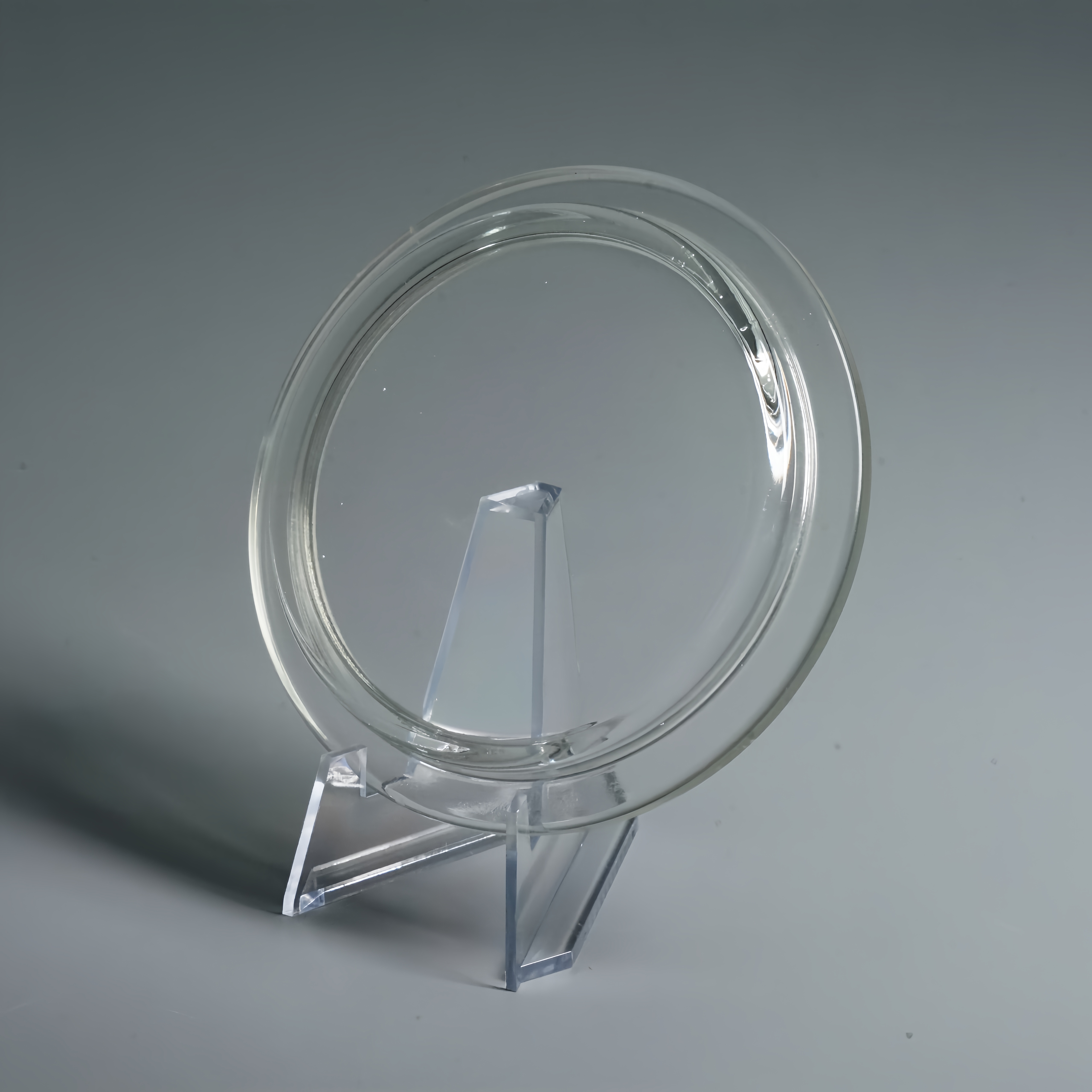
Custom Size Coastal Victorian Outdoor Stage Glass Lampshade
Waterproof, high-temperature, impact-resistant, and silk-printable for hospitality, venue, streetscape, and architectural lighting projects.
View product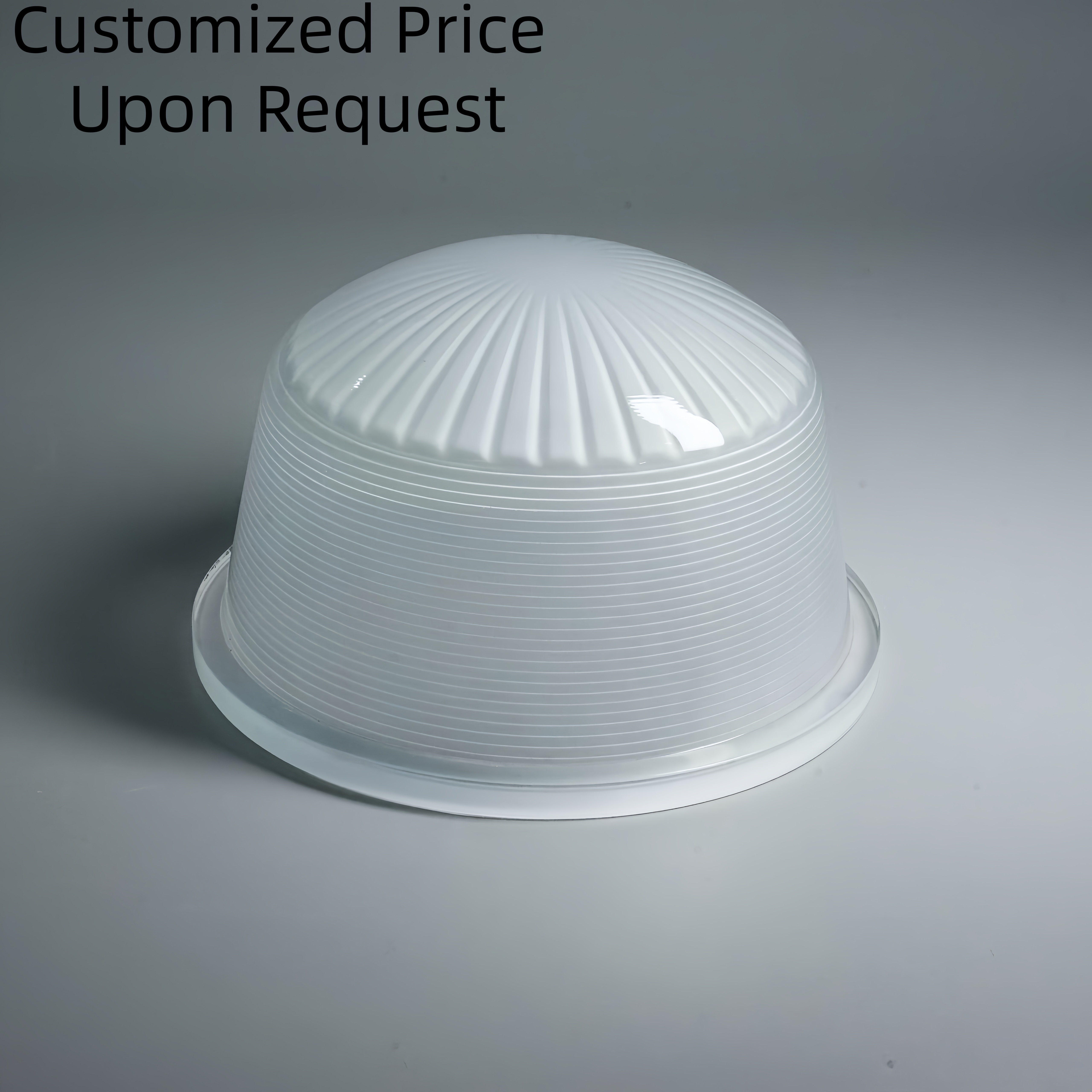
Transparent Explosion-Proof Glass Shade with High Light Transmittance
Designed for workshop and hazardous-area fixtures, with ceramic-frit or UV print compatibility for branding, safety marks, and light-control graphics.
View product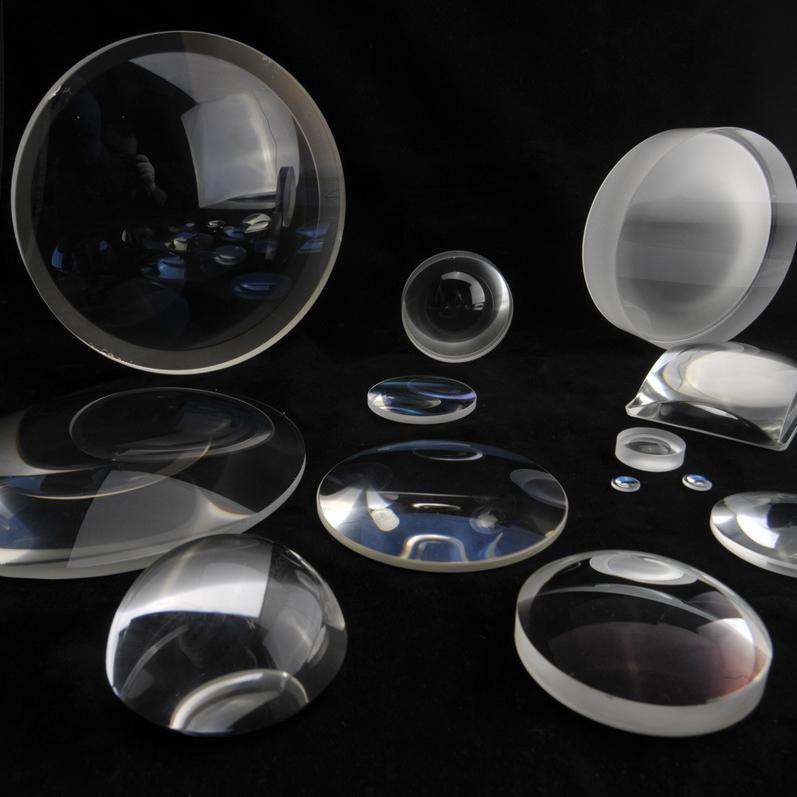
Custom K9 Optical Coating Glass Plano-Convex Lens, 80 mm / 127 mm / 250 mm
Precision optical glass with coating options, edge finishing, and print-free clear apertures for inspection, imaging, and magnifying systems.
View product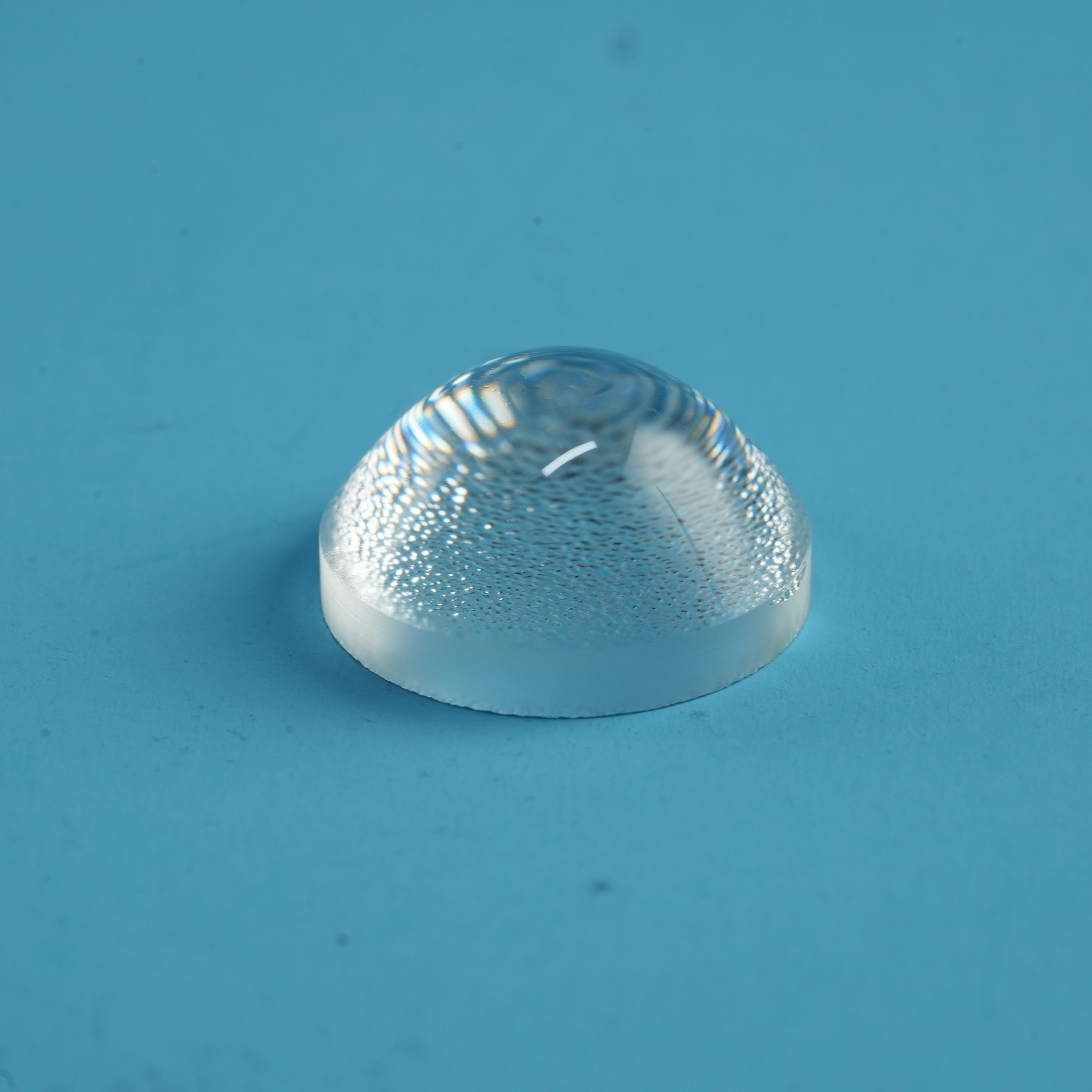
OEM Precision Grade BK7/K9 Optical Glass Aspherical Lens
Anti-reflective coating, diameter options from 0.5 mm to 25 mm, MOQ from 100 pieces, and suitable for compact Indianapolis sensing and instrument designs.
View product
FAA-Compliant Borosilicate Heat-Resistant Glass Lens for Runway and Taxiway Lights
IP68 optical assemblies, heat-resistant borosilicate glass, clear transmission, and dimensional control for airport and obstruction-light fixture makers.
View product
Factory Custom Quartz, BK7, and K9 Right-Angle Optical Prism
AR-coated fused silica and optical glass prisms with 90-degree geometry, ODM/OEM support, three-year quality coverage, and precision inspection reporting.
View product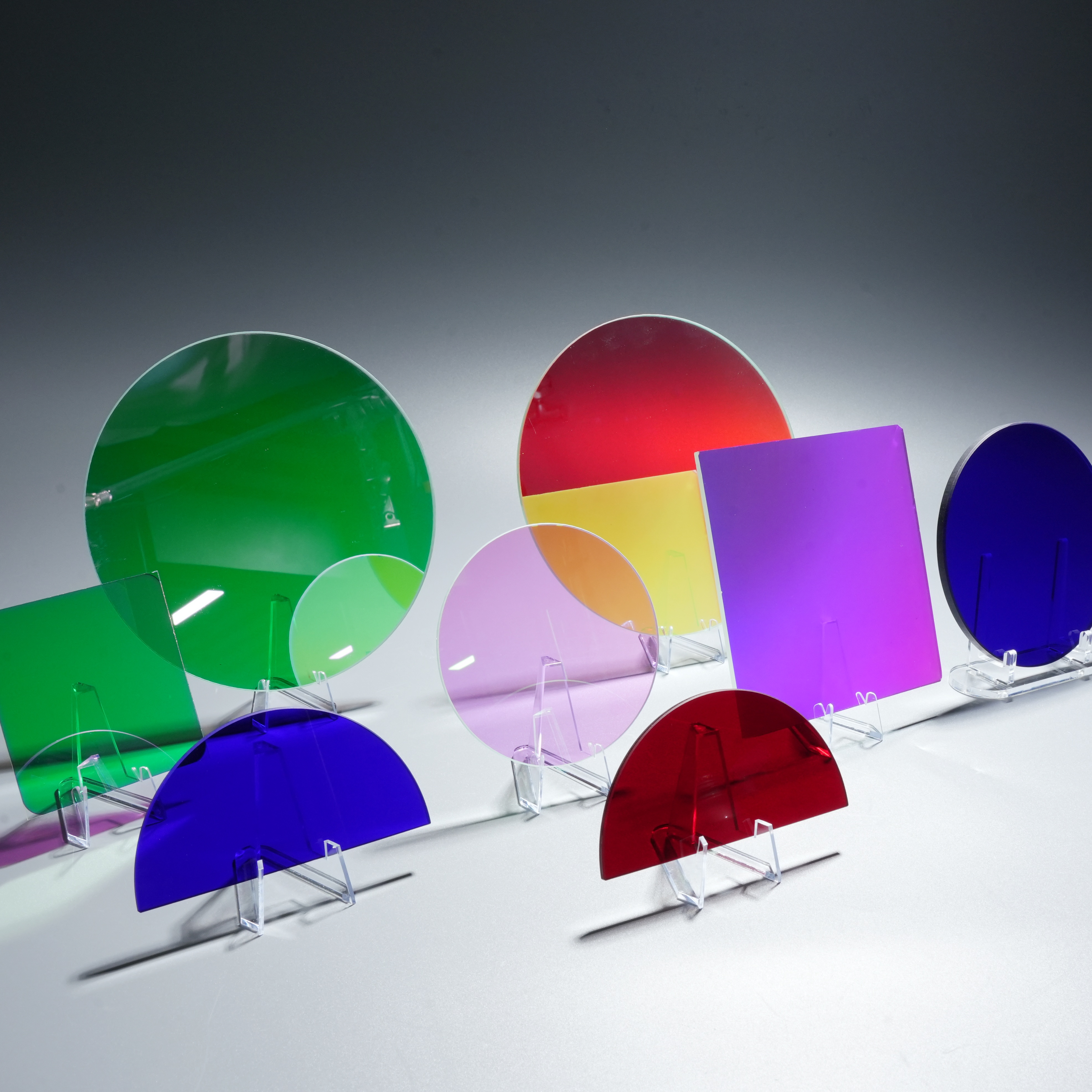
590 nm 49 mm Coated UV Borosilicate Bandpass and Longpass Optical Filter
Custom wavelength, diameter, coating, and mounting features for sensing, fluorescence, machine vision, and analytical instrument applications.
View productWhat Indianapolis Buyers Really Need From a Glass Screen-Printing Factory
The phrase “Glass Screen Printing Factories & Exporters in Indianapolis” usually comes from a serious sourcing project: a custom glass part, a printed graphic, a technical drawing, and a delivery date. The buyer is not looking for a general print shop. They need a manufacturer that understands glass chemistry, optical transmission, ink adhesion, thermal processing, breakage risk, and export packing.
Indianapolis procurement teams often work across several industries at once—aviation, motorsports, advanced manufacturing, life sciences, logistics, architectural lighting, and smart infrastructure. A screen-printed glass component may be a decorative band on a lamp cover, an opaque mask around an optical window, a conductive trace, a safety marking, a light-control pattern, or a brand graphic that must survive weather, cleaning chemicals, and high temperatures. The sourcing decision therefore needs more than a low piece price. It needs a supplier that can align the glass substrate, the print method, the clear aperture, the gasket land, and the certification path.
Tambi Glass is a Shanghai-based manufacturer and trading company serving global lighting and optical OEMs. For Indianapolis buyers, that means factory-direct communication, drawing-based engineering, material selection, coating options, inspection records, and export packaging. We do not position ourselves as a local Indianapolis print shop. We position ourselves as a custom glass manufacturer and exporter that can support screen-printed glass programs with the technical discipline required for repeat orders.
Why Indianapolis Buyers Shortlist Tambi Glass for Screen-Printed Glass Programs
Every advantage below comes from the way our factory and engineering team already work with lighting and optical OEMs: drawing review first, material and process matched second, samples and inspection records third, and export-ready packing before shipment.
Drawing-Based OEM / ODM Review
Send a 2D/3D drawing or physical sample. Our engineers check wall thickness, draft, sealing faces, clear aperture, print registration zones, gasket land, and coating compatibility before tooling or production.
Borosilicate, Tempered, Quartz, BK7, and K9
Material choice is matched to lamp temperature, thermal shock, impact risk, certification requirements, optical transmission, and whether the printed graphic must be fired before or after strengthening.
Print-Ready and Coating-Ready Surfaces
We manufacture glass parts that can accept qualified ceramic-frit, UV, masking, and decorative print processes, and we help separate printed zones from optical clear apertures so transmission is not compromised.
Transparent Verification Records
Supplier assessment, credit index, transaction level, trade capacity, trade history, and buyer feedback are available for procurement teams that need documentation before sample approval.
Fragile-Glass Export Packing
Foam or pulp dividers, reinforced export cartons, and palletized sea or air freight protect printed and optical surfaces. Custom labels and distributor packaging can be arranged for Indiana warehouses.
Fast Technical and Commercial Replies
Our average reply time is within six hours. Send your drawing, target annual volume, operating temperature, and artwork file so our team can review manufacturability and quote without unnecessary back-and-forth.
Indianapolis Application Scenarios for Printed and Optical Glass
These are not generic catalog uses. They reflect the local mix of aviation, advanced manufacturing, life sciences, events, logistics, and architectural renewal that Indianapolis buyers work in every day.
Airport and Aviation Lighting
For fixtures used around Indianapolis International Airport, helipads, logistics hubs, and obstruction-light systems, borosilicate lenses and domes can be specified with FAA L-810-related dimensional and color requirements.
Motorsports, Stage, and Venue Lighting
High-power LED and stage fixtures need lenses that survive heat and deliver crisp beam control. Screen-printed masks, effect patterns, and branded glass covers can support venues, showrooms, and event production.
Architectural Wayfinding and Brand Glass
For Monument Circle, Mass Ave, mixed-use developments, hotels, and retail showrooms, printed glass can combine wayfinding graphics, privacy masking, decorative patterns, and durable exterior color.
Hazardous-Area and Industrial Lighting
Explosion-proof glass shades and heavy-wall covers serve chemical, warehouse, cold-storage, food-processing, and advanced-manufacturing environments where impact, washdown, and thermal shock are real risks.
Life Sciences, Labs, and Medical Equipment
Indiana’s life-sciences sector needs optical windows, filter glass, sight glasses, and covers that can be cleaned repeatedly. Printed borders and opaque masks can be placed outside critical optical paths.
Smart Infrastructure and Sensing
Outdoor camera domes, LiDAR windows, machine-vision lenses, and environmental sensors benefit from borosilicate or BK7/K9 optics with AR coatings and precision-printed apertures.
Localized Development Trends Indianapolis Buyers Should Watch
Procurement priorities in Indianapolis are changing. The right glass supplier should help you plan for these shifts before they become field failures, delayed launches, or excess inventory.
Supply-Chain De-Risking
Indiana OEMs continue to balance local assembly with global sourcing. Buyers want documented suppliers, clear lead times, stable material specifications, and export packing that protects fragile glass.
High-Mix, Low-Volume Customization
Brands need more SKUs, more colors, and more printed variants. Modular mold and print planning helps control MOQ while allowing Indianapolis distributors to test niche lighting, signage, and optical products.
Energy-Efficient and High-Power LED Systems
Higher-output LEDs increase heat behind covers and lenses. Borosilicate 3.3 and controlled annealing help reduce thermal-shock failures, while AR coatings preserve usable light.
EV, Battery, and Advanced Manufacturing
As Indiana adds electric-vehicle, battery, and advanced-manufacturing capacity, industrial lighting, inspection windows, and sensor glass must meet stricter cleanliness, impact, and traceability expectations.
Digital Documentation and Traceability
Procurement teams increasingly expect inspection reports, material statements, first-article dimensions, and packaging photos. Clear records shorten supplier qualification and reduce receiving disputes.
Architectural Branding and Experience Design
Printed glass is becoming part of interior and exterior experience design. Indianapolis venues, campuses, and retail spaces need durable color, fine line work, and repeatable registration across batches.
What “Glass Screen Printing” Really Means for Precision Glass Components
Screen printing on glass is not the same as printing on paper or plastic. The ink, cure cycle, glass type, curvature, clear aperture, and downstream strengthening process all interact.
For outdoor, industrial, and high-temperature applications, ceramic-frit ink is often preferred because it is fired onto the glass surface and becomes part of the glass assembly. UV-cured inks can be appropriate for some indoor decorative or low-temperature uses, but the selection must match cleaning chemicals, sunlight, abrasion, and warranty expectations. On tempered soda-lime glass, printing is commonly performed before tempering so the frit can be fused during the thermal cycle. On borosilicate glass, the lower coefficient of thermal expansion makes it easier to tolerate lamp heat and sudden temperature changes, but ink compatibility and firing profile still need to be confirmed.
Optical components require a different discipline. A printed border, mask, or alignment mark must stay outside the clear aperture. Ink thickness, edge definition, and coating stack can affect transmission, haze, and stray light. For BK7/K9 lenses, prisms, and bandpass filters, the printer and the optical coater must work from the same drawing so the AR coating, print zone, and mounting datum do not conflict. For domes and cylindrical covers, the geometry may require rotary screen printing, pad printing, or transfer decoration rather than flat-bed screen printing. The right process is determined by the part shape, print resolution, ink system, and annual volume.
Design Checklist for Indianapolis RFQs
- Provide the glass drawing and the artwork file in the same coordinate system, including datums and clear-aperture boundaries.
- State the ink function: decorative color, light blocking, light diffusion, conductive trace, alignment mark, or safety marking.
- Confirm maximum surface temperature, cleaning method, outdoor exposure, and impact rating before selecting borosilicate, tempered soda-lime, quartz, or BK7/K9.
- Define color target, opacity, print thickness, edge tolerance, and whether the print must survive tempering or annealing.
- Mark gasket lands and sealing faces as print-free zones to avoid leaks, stress points, or uneven clamping.
- Ask for first-article inspection photos, dimensional reports, and packing validation before mass production.
| Material | Thermal expansion | Typical max working temperature | Key strength | Screen-printing and processing note | Best fit |
|---|---|---|---|---|---|
| Borosilicate 3.3 | ≈ 3.3 × 10⁻⁶/K | ≈ 450 °C | Excellent thermal-shock resistance | Good for high-temperature lamp covers and fired frit when the print cycle is matched to annealing | Explosion-proof shades, high-power LED covers, Fresnel lenses, optical domes |
| Tempered soda-lime | ≈ 9.0 × 10⁻⁶/K | ≈ 250 °C | High impact strength and economical cost | Often printed before tempering; suitable for exterior decorative graphics and vandal-resistant covers | Outdoor covers, floodlight glass, architectural glass, safety lenses |
| Fused quartz | ≈ 0.55 × 10⁻⁶/K | ≈ 1000 °C+ | UV transmission and extreme heat resistance | Specialty ink and cleaning validation required; high-value optics need strict clear-aperture control | UV optics, high-temperature windows, analytical instruments |
| Optical BK7 / K9 | ≈ 7.1 × 10⁻⁶/K | ≈ 300 °C | Homogeneous optical properties, nd ≈ 1.517 | Printed masks and alignment marks must be kept away from coated optical surfaces and mounting datums | Precision lenses, prisms, mirrors, filters, sensing windows |
Lower thermal expansion is generally better for thermal-shock resistance. Final selection must always be confirmed against your lamp temperature, fixture certification, cleaning cycle, and drawing tolerance.
A Six-Step OEM Workflow From Drawing to Indianapolis Delivery
The goal is fewer surprises between sample approval and mass production. Each checkpoint gives procurement and engineering a clear decision point.
Drawing and Artwork Review
We review glass dimensions, print area, clear aperture, tolerances, gasket land, ink function, and annual volume before quoting.
Material and Process Match
Borosilicate, tempered soda-lime, quartz, or BK7/K9 is selected around heat, impact, coating, and certification requirements.
Tooling and Sampling
New or existing molds are assessed. Samples are measured, photographed, and prepared for your fit, light, and print tests.
Forming, Printing Support, and Annealing
Glass is formed and processed with controlled annealing or tempering. Print-ready zones and surfaces are protected through finishing.
Coating, Inspection, and Documentation
AR or functional coatings are applied where specified, followed by dimensional, visual, and packing inspection.
Export Packing and Dispatch
Foam or pulp dividers, reinforced cartons, palletization, labels, and shipping documents are prepared for Indianapolis receiving.



A Factory You Can Verify Before You Commit
Indianapolis procurement teams need more than a product page. They need to know who is behind the quotation, how the factory is verified, and how quality is controlled after the sample is approved. Tambi Glass is a manufacturer and trading company with more than a decade of experience in lighting and optical glass, serving buyers in Europe, North America, Japan, and other export markets.
- Onsite-verified supplier profile, supplier assessment, credit index, transaction level, trade capacity, trade history, and buyer feedback are available for review.
- Factory video, production-line photos, inspection procedures, and packing procedures help your team audit the supply chain remotely.
- We support video calls and third-party audits, and we can provide material and inspection reports on request.
- We manufacture and export custom glass for lighting and optical OEMs, including borosilicate covers, explosion-proof lampshades, signal domes, LED lenses, Fresnel lenses, prisms, and optical filters.
Frequently Asked Questions From Indianapolis Procurement Teams
These answers address the practical issues that come up when a local buyer evaluates an overseas glass manufacturer or exporter.
Are you a local Indianapolis glass screen-printing factory or an exporter?
Can you support screen-printed logos, masks, and graphics on curved glass domes?
Which ink system should I specify for outdoor or high-temperature glass?
What is the typical minimum order quantity for a custom glass program?
How do you ship fragile printed glass to Indianapolis?
Can you provide samples before I place a production order?
How do you control color, print registration, and optical clear apertures?
Do you supply glass for FAA L-810 and EN 50293-related lighting fixtures?
What files should I send for a technical and commercial review?
Can you coordinate with an Indianapolis distributor or contract manufacturer?
Send Your Drawing, Artwork, and Annual Volume for a 6-Hour Engineering Review
Tell us the glass type, operating temperature, print function, clear aperture, coating, and delivery destination. Our team will respond with manufacturability feedback, sampling options, MOQ guidance, and export packing recommendations for Indianapolis.