Eight Glass Refractor and Optical Components for Hai Phong Projects
The cards below preserve the live product links and original product images from Tambi Glass. Each item can be adapted in dimensions, thickness, colour, edge finish, optical coating and packing. Use these specifications as a starting point for a drawing review; final selection depends on your fixture temperature, sealing method, impact requirement and target approval.
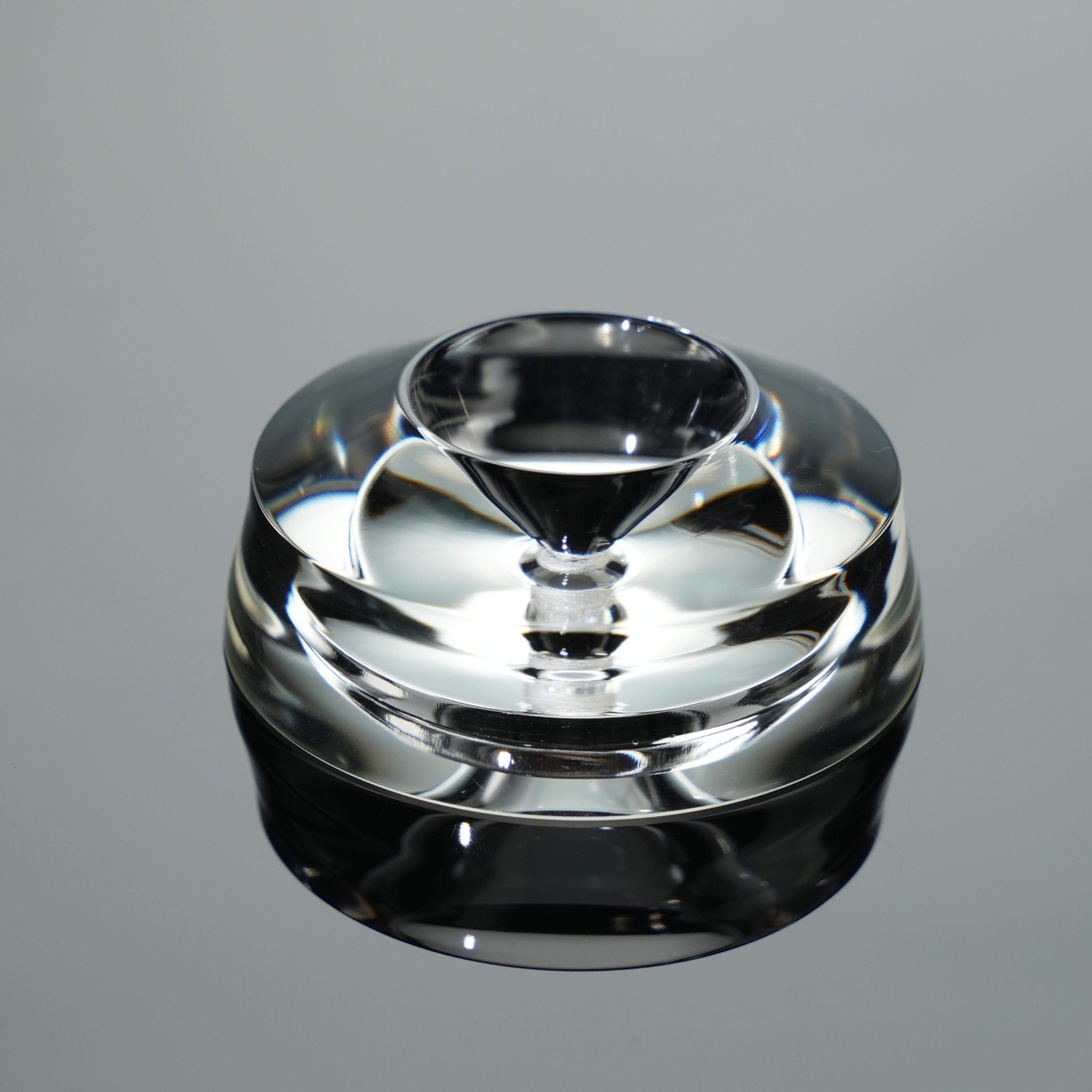
FAA Compliant Borosilicate Heat Resistant Glass Lens Runway In-Pavement Taxiway Lights IP68 Waterproof Optical Equipment Clear
Built around heat-resistant borosilicate glass for runway and taxiway in-pavement fixtures where LED heat, water ingress and maintenance access are critical. The FAA and IP68 references in the original product name support fixture-level design conversations; final luminaire certification remains with the fixture manufacturer.
- Borosilicate
- Heat resistant
- Clear optical finish
- Drawing based
Hai Phong fit: Cat Bi airport, helipads, port access roads and airfield lighting programmes that face hot lamp chambers followed by monsoon rain.

Wholesale OEM Shape Size Borosilicate Glass 175mm Diameter AR Coating Double Plano Convex Achromatic Fresnel Lens BO GLASS Stage
A 175 mm borosilicate Fresnel lens with anti-reflective coating and double plano convex achromatic construction for stage, architectural and high-power LED collimation. The glass body gives thermal headroom while the coating supports efficient light transmission in compact optical stacks.
- 175 mm diameter
- AR coating
- Fresnel design
- OEM sizing
Hai Phong fit: event venues, factory high-bay optics, terminal spotlights and entertainment fixtures where humidity and high ambient temperature shorten the life of weaker optics.
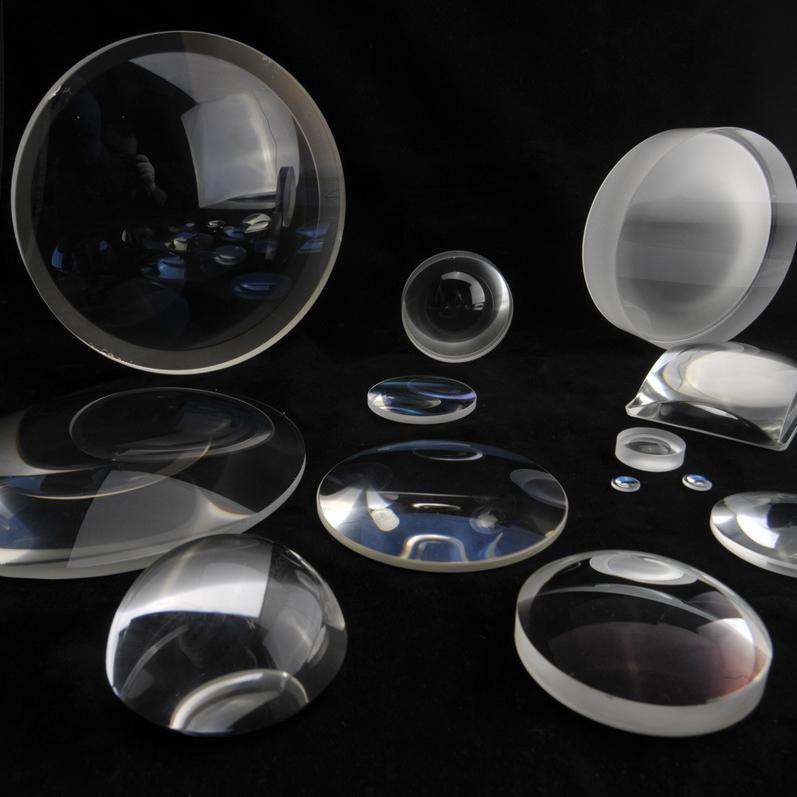
Custom High Quality Diameter 80Mm 127Mm 250Mm Spherical K9 Optical Coating Glass Plano Convex Lens for Big Magnifying
K9 optical glass plano convex lenses in custom diameters, including 80 mm, 127 mm and 250 mm options, with optical coating for magnifying, imaging and inspection systems. K9 offers a homogeneous optical baseline and familiar refractive index for machine-vision and metrology design.
- K9 / BK7 family
- Custom diameter
- Optical coating
- Magnifying use
Hai Phong fit: port automation, electronics inspection, cargo scanning, laboratory repair and optical sub-assembly work across the city’s industrial corridor.

Borosilicate Transparent Explosion-proof Shade, Heat-resistant & Crack-proof, Transparent Protective Cover
A thick-wall borosilicate protective shade for hazardous-area and heavy-duty lighting. The material is selected for thermal-shock resistance, clarity and dimensional stability when a hot lamp is exposed to dust, splash or sudden cooling during washdown and storm events.
- Borosilicate
- Crack resistant
- High clarity
- Custom shape
Hai Phong fit: shipyards, chemical terminals, paint plants, workshops and tank farms around Dinh Vu, Deep C and VSIP where robust industrial lighting is part of safety planning.
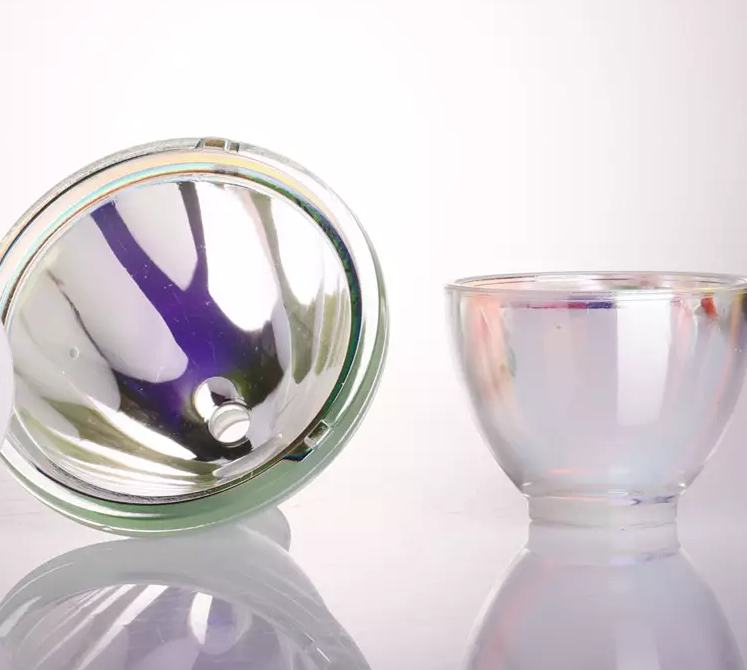
COB Glass LED Reflector Bowl Manufacturer Deep Design Perfect Beam Spotlights Projector Lights 20 60 90 Beam Angle
A deep-design glass reflector bowl for COB LED spotlights and projector fixtures, available around 20, 60 and 90 degree beam-angle requirements. Glass is useful close to high-power COB sources where plastic optics may discolour, deform or lose beam accuracy over time.
- COB compatible
- Deep reflector
- Multiple beam angles
- Spotlight use
Hai Phong fit: port high-mast lighting, warehouse and factory fixtures, outdoor area lighting and terminal canopies requiring controlled glare in humid conditions.
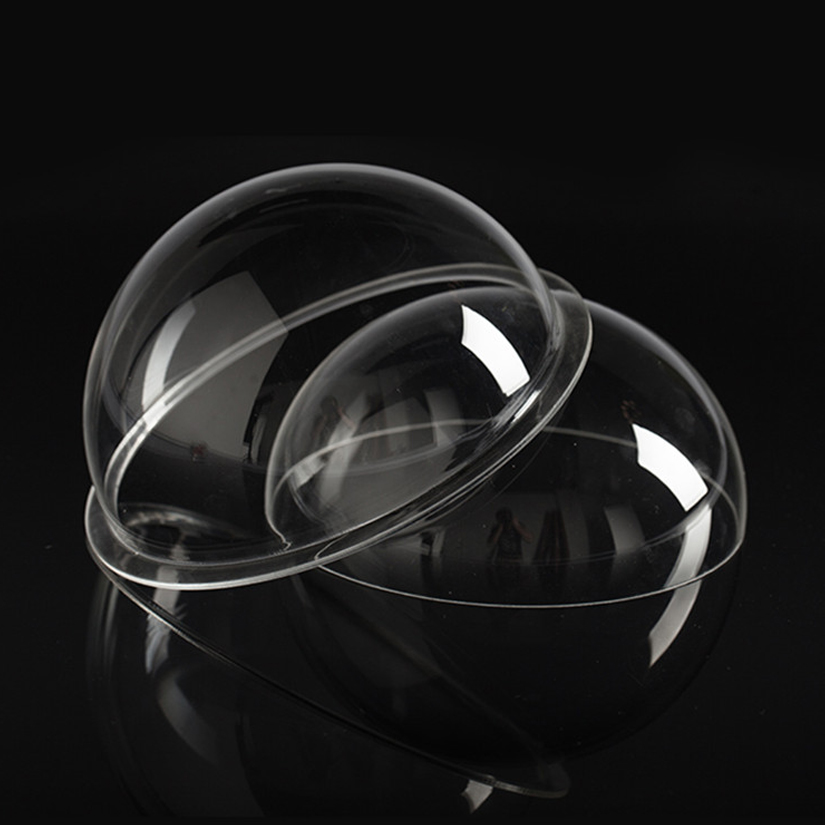
OEM Borosilicate Glass Optical Dome Cover for Outdoor IP Cameras UV Resistant Waterproof Housing Anti-Reflective Coating
An OEM borosilicate optical dome for outdoor IP cameras, with UV resistance, waterproof housing support and anti-reflective coating options. In coastal security work, the dome’s sealing-face geometry and coating durability matter as much as raw transmission.
- Borosilicate dome
- UV resistant
- AR coating
- OEM housing fit
Hai Phong fit: port perimeter CCTV, coastal surveillance, terminal gate cameras and Cat Bi area security where salt film, sun and day-night temperature swings are continuous.
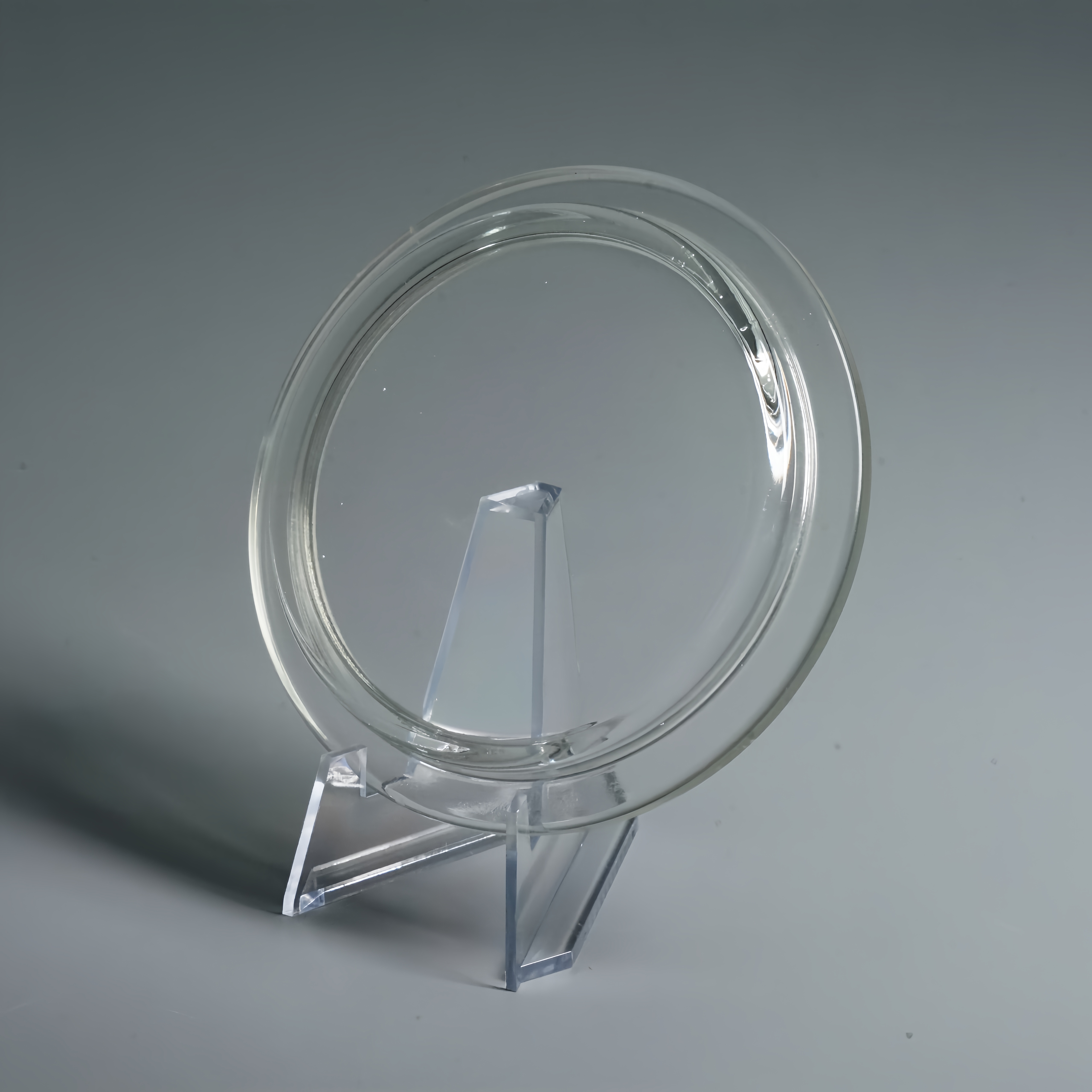
Custom Size Coastal Victorian Outdoor Stage Glass Lampshade Factory Waterproof High Temperature Impact Resistant Silk-Printable
A custom-size outdoor glass lampshade for coastal, Victorian-style and stage lighting applications. The design supports waterproof fixture integration, high-temperature resistance, impact resistance and silk-printable decoration for projects where appearance must survive real weather.
- Custom size
- Waterproof design
- Impact resistant
- Silk printable
Hai Phong fit: marina, promenade, hospitality, park and outdoor stage projects where decorative shapes are combined with wind, salt and rain exposure.

Anamorphic Prism Pair for Laser Beam Shaping Circularizing Elliptical Beams for Fiber Coupling Applications
An anamorphic prism pair for laser beam shaping, circularising elliptical beams and supporting fibre coupling. These assemblies are suitable for photonics teams that need repeatable beam geometry, controlled coating performance and drawing-based mechanical orientation.
- Prism pair
- Beam circularising
- Fibre coupling
- OEM coating
Hai Phong fit: laser laboratories, photonics assembly, sensor calibration and optical repair teams serving the Hanoi–Hai Phong industrial and research corridor.
Have a fixture drawing, a target transmission curve or a sample cover to match? Send the drawing and annual volume for a manufacturability review.
A Glass Factory Relationship Built for Technical Procurement
Shanghai Tambi Glass Industrial Co., Ltd. is a manufacturer and trading company focused on custom lighting and optical glass. Hai Phong buyers work with our Shanghai base through drawing review, sampling, production, inspection and export packing.
Why Hai Phong Projects Need a Different Refractor Conversation
Hai Phong is a working port economy: the Lach Huyen deep-water port, Dinh Vu–Cat Hai industrial zone, Deep C and VSIP campuses, shipyards and Cat Bi International Airport all create demand for exterior lighting and optical windows. The buying question is rarely just “transparent glass”. It is whether the glass can preserve transmission, sealing and safety through heat, salt, rain and maintenance cycles.
Salt, rain and UV are system requirements
Salt-laden air and monsoon rain do not usually attack a correctly specified glass body in the same way they attack housings, gaskets and coatings. They do, however, expose weak edge finishes, poor sealing-face flatness and coatings that were never intended for coastal UV exposure. For Hai Phong, we review the complete interface: glass, gasket, metal bezel, coating durability and cleaning method.
Thermal shock is not a laboratory detail
High-power LED modules, COB spotlights and in-pavement fixtures can create rapid temperature differences across a lens or cover. Borosilicate 3.3 is often selected because its coefficient of thermal expansion is close to 3.3 × 10⁻⁶/K, giving more margin against sudden cooling from rain or washdown. Tempered soda-lime glass remains a practical choice for moderate temperatures and stronger impact demands.
Uptime rewards documentation
Port, airport and shipyard lighting is expensive to service. Procurement teams want repeatable colour, stable dimensions, approved samples and inspection records. We support that process with drawing review, material and inspection reports on request, export packing records and a transparent supplier-verification profile rather than unsupported claims.
Where Refractor-Grade Glass Earns Its Place in Hai Phong
Different fixture types stress glass in different ways. The right choice comes from operating temperature, impact exposure, cleaning regime, optical target and the certification path of the luminaire.
Port & terminal lighting
High-mast floodlights, canopy lights, navigation aids and area lighting need lenses and covers that resist heat and humidity while keeping beam patterns predictable. Glass reflector bowls and AR-coated lenses help stabilise output as fixtures age.
Shipyard & hazardous areas
Explosion-proof shades and heavy-duty covers are relevant around paint shops, fuel handling, chemical storage and fabrication halls. The objective is to combine thermal-shock headroom, high visible transmission and a mechanical shape that fits the certified luminaire housing.
Airfield & helipad fixtures
Runway, taxiway, obstruction and helipad lighting need clear or coloured glass with stable optical performance. We match dimensions, colour and transmission targets for fixture makers; aviation certification is held by the luminaire manufacturer and confirmed through their approval process.
Industrial optics & laser systems
K9 plano convex lenses, optical domes, prisms and filters support inspection cameras, sensors, laser beam shaping and photonics assembly. For local integrators, the value is a drawing-based supply route that can combine glass forming, grinding and coating under one technical conversation.
What Hai Phong Buyers Are Asking for in 2025 and Beyond
These trends are visible in technical enquiries from port-logistics, industrial-lighting and optical-equipment buyers: higher performance, better documentation and fewer field surprises.
More light from smaller optics
Higher LED power in smaller fixtures raises the importance of thermal headroom, coating stability and precise lens geometry. Buyers increasingly ask for borosilicate Fresnel lenses, glass reflectors and K9 optics rather than accepting generic plastic components near hot emitters.
Smart ports need reliable optical windows
Automated gates, surveillance, sensor masts and terminal management systems depend on camera domes and optical windows that stay clear. The specification conversation is shifting from simple diameter and thickness to coating durability, sealing-face quality and repeatable optical transmission.
Resilient coastal infrastructure
Salt spray, typhoon rain and strong UV exposure favour designs that can be cleaned, serviced and replaced without changing the fixture platform. Standardised sealing faces, durable edge treatment and export-grade packing are becoming part of the total cost calculation, not an afterthought.
Documentation-led procurement
Procurement teams are asking earlier for drawings, sample approval records, material statements, inspection reports and packing details. A supplier that can answer technical questions quickly and document decisions consistently is easier to qualify and safer to scale.
How to Choose the Right Glass Material for Hai Phong Conditions
A practical comparison our engineers use when reviewing lighting and optical projects. Choosing the correct glass early helps avoid cracked covers, colour drift and costly field returns.
| Material | Thermal expansion (×10⁻⁶/K) | Typical max. working temp. | Key strength | Hai Phong-fit use |
|---|---|---|---|---|
| Borosilicate 3.3 | ≈ 3.3 | ≈ 450 °C | Excellent thermal-shock resistance | Explosion-proof shades, high-power LED covers, Fresnel lenses, in-pavement optics |
| Tempered soda-lime | ≈ 9.0 | ≈ 250 °C | High impact strength and economical cost | Outdoor covers, floodlight glass, vandal-resistant lenses, coastal façade lighting |
| Fused quartz | ≈ 0.55 | ≈ 1000 °C+ | UV transmission and extreme heat tolerance | UV optics, high-temperature windows, special sensing equipment |
| Optical BK7 / K9 | ≈ 7.1 | ≈ 300 °C | Homogeneous optical performance, nd ≈ 1.517 | Precision lenses, prisms, mirrors, filters and machine-vision optics |
The bar graphic is an illustrative planning view, not a laboratory test certificate. Values and suitability must be confirmed by drawing, sample testing and the certification requirements of the finished luminaire.
What Tambi Glass Brings to a Hai Phong Sourcing Project
Our advantage is not a catalogue of shapes. It is the ability to review a drawing, choose a manufacturable glass route, control the optical and sealing interfaces, and deliver fragile parts safely to an export market.
Drawing-first engineering review
Our design team reviews wall thickness, draft, sealing faces, optical path alignment, edge treatment and packing constraints before tooling starts. This is especially important for Hai Phong projects that combine imported fixture housings with locally assembled lighting systems.
Material and process breadth
We work across borosilicate, tempered glass, fused quartz and K9/BK7 optical glass, and across pressed, blown, ground and coated processes. That breadth lets us recommend a route based on performance and volume rather than forcing every part into one production method.
Optical coating and finishing
AR coating, colour selection, bandpass or longpass filters, edge finishing and silk-printable surfaces can be aligned with the fixture’s optical target. Coating specifications are discussed against wavelength, transmission and environmental exposure rather than chosen from a generic list.
Export packing for fragile glass
Parts are separated with foam or pulp dividers, packed in reinforced export cartons and palletised for sea or air freight. Custom labelling and distributor packaging can be arranged. Good packing is part of quality assurance when glass travels from Shanghai to Hai Phong port or Cat Bi air cargo.
Transparent supplier verification
Our supplier record includes an onsite-verified profile, supplier assessment, credit index, transaction level, trade capacity, trade history and buyer feedback. Procurement teams can review the evidence before placing a sample order, and video calls or third-party audits are welcome.
Responsive technical communication
Average response time is within six hours. Send a 2D/3D drawing, a physical sample or a clear target specification with annual volume, operating temperature, material preference, coating requirement and the approval standard your fixture must meet.



A Controlled Six-Step OEM Process
Clear checkpoints reduce surprises between sample approval and mass production. The same discipline applies whether the part is an explosion-proof lampshade, a 175 mm Fresnel lens or a laser prism assembly.
Drawing review
Check thickness, draft, tolerance, optical path, sealing face and packing constraint. Confirm the material and coating route before tooling spend.
Mold & tooling
Select a new or existing mold for pressing, blowing, grinding or machining. Tooling decisions are made against annual volume and repeatability.
Sampling
Produce samples for dimensional measurement, fit test, light test and customer approval. Record the approved sample as the production reference.
Forming & annealing
Control forming and annealing or tempering to relieve internal stress. This stage is critical for covers exposed to thermal shock.
Coating & QC
Apply AR, colour or optical coating where required, then inspect dimensions, appearance, transmission targets and agreed cosmetic criteria.
Export packing
Separate parts with dividers, pack into reinforced cartons and palletise for sea or air freight. Labels and distributor packaging can be customised.
Questions Local Buyers Ask About Glass Refractors and Optical Glass
These answers are written for procurement, engineering and fixture-design teams sourcing from Vietnam’s northern port market.
Are you a factory or a trading company for the Hai Phong market?
Shanghai Tambi Glass Industrial Co., Ltd. is a manufacturer and trading company. We serve Hai Phong buyers from our Shanghai base and do not claim a local factory in Hai Phong. The company record includes an onsite-verified supplier profile, and video calls or third-party audits can be arranged before you commit to tooling.
Can you manufacture glass refractors, lenses and covers to my own drawing?
Yes. Most orders are drawing-based. Send a 2D/3D drawing or a physical sample with dimensions, tolerances, material, colour, coating and operating conditions. Our engineers review manufacturability, propose mold options and confirm samples before mass production. For best results, include the lamp surface temperature, gasket contact area and impact requirement.
What is the typical minimum order quantity?
Typical MOQs range from about 50 pieces for optical lenses to 100–500 pieces for pressed or blown lighting covers, depending on whether an existing mold can be used and how much custom tooling is required. Sample quantities are available for evaluation before a production order.
Should I choose borosilicate glass or tempered soda-lime glass for Hai Phong?
Borosilicate 3.3 has low thermal expansion of about 3.3 × 10⁻⁶/K, so it tolerates high lamp temperatures and sudden rain or cold-water contact better. Tempered soda-lime glass can offer high impact strength at a lower cost for moderate temperatures. The right choice depends on surface temperature, impact exposure, cleaning method and the certification path of your fixture.
Do you supply glass for FAA L-810 and EN 50293 lighting fixtures?
We produce glass lenses and domes for fixture makers whose obstruction and signal lights are designed around FAA L-810 or EN 50293 requirements. Fixture certification is held by the luminaire manufacturer. We match colour, transmission and dimensional specifications, and can provide material and inspection reports on request so your approval file is easier to complete.
How are fragile glass parts packed for shipment to Hai Phong?
Parts are separated by foam or pulp dividers, packed in reinforced export cartons and palletised for sea or air freight. Custom packaging and labelling for distributors can be arranged. We can prepare export packing details for shipments moving through Hai Phong port, Dinh Vu or Cat Bi air cargo, subject to the freight forwarder’s requirements.
What documentation can you provide with a quotation?
Depending on the project, we can provide drawing review notes, sample approval records, material statements, dimensional inspection reports, coating specifications and packing details. Final document requirements should be agreed before production. We do not issue fixture certifications that belong to the luminaire manufacturer, but we can support your compliance file with component-level information.
How quickly can I receive technical feedback?
Our average response time is within six hours. For a useful review, include the drawing or sample photos, annual volume, target unit price range, operating temperature, target transmission or colour, coating requirement, packing destination and any fixture standard your customer must meet. Email info@tambiglass.com or use the quote button on this page.
Send a Drawing for a Fast Engineering and Quotation Review
Share your dimensions, material, operating temperature, coating target, annual volume and destination. We will review the glass route, flag manufacturability risks and recommend the most reliable solution for your fixture.
Shanghai Tambi Glass Industrial Co., Ltd. · info@tambiglass.com · Drawing-based borosilicate, tempered, quartz and K9/BK7 optical glass components