8 Glass Light Globe and Optical Glass Components for Chicagoland Lighting Programs
Start with the eight components most often requested for Chicagoland lighting programs. Every item below can be adapted in diameter, wall thickness, color, transmission, coating and sealing-face geometry. Where a standard product is not yet a perfect fit, send your drawing or a legacy sample and we will review it against your housing, gasket and lamp temperature.
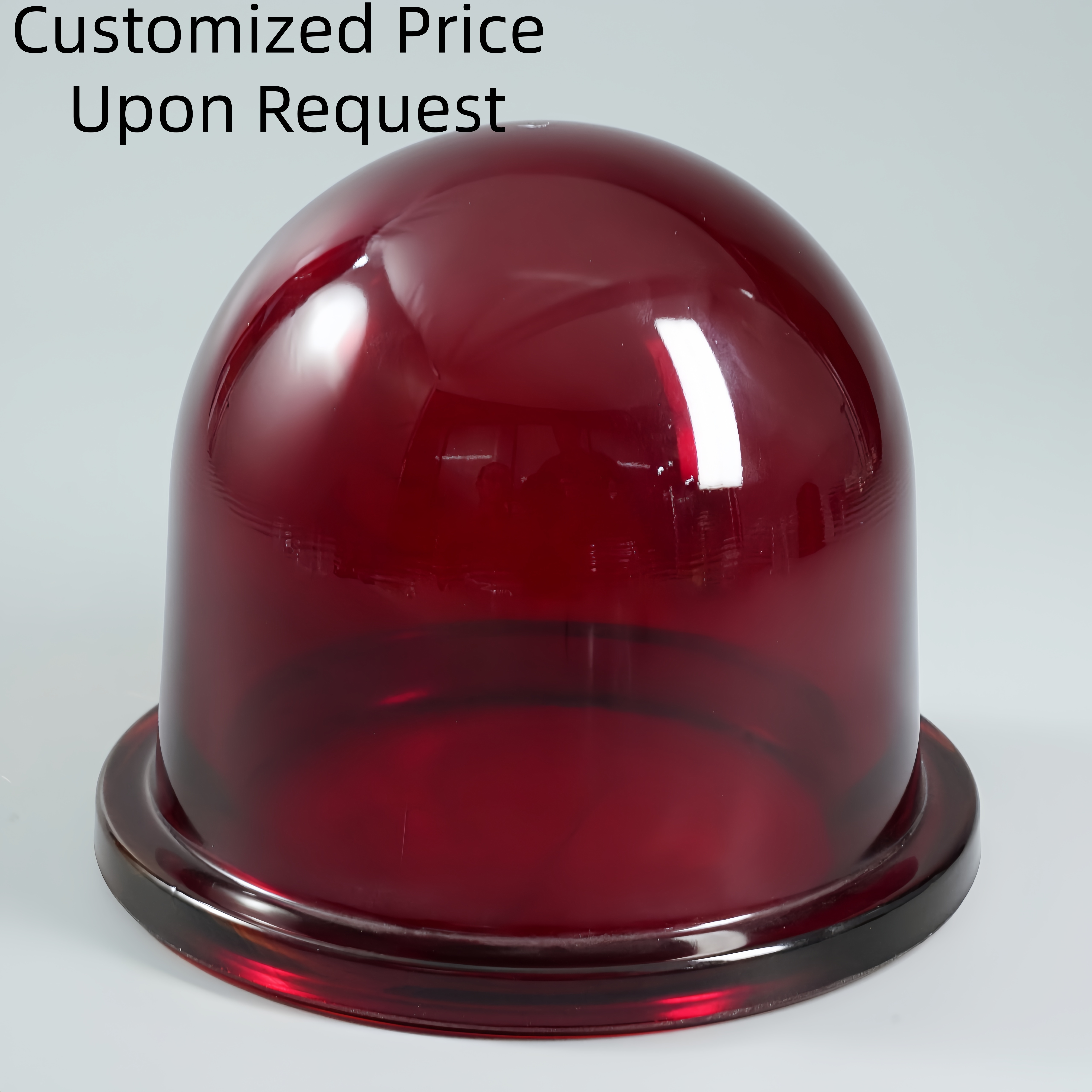
High-temperature Resistant Pressed Glass Shade, Explosion-proof & Crack-proof, Outdoor Street Light Specific
A robust pressed shade for exposed roadway, parking and lakefront fixtures where thermal shock and impact resistance matter.
View product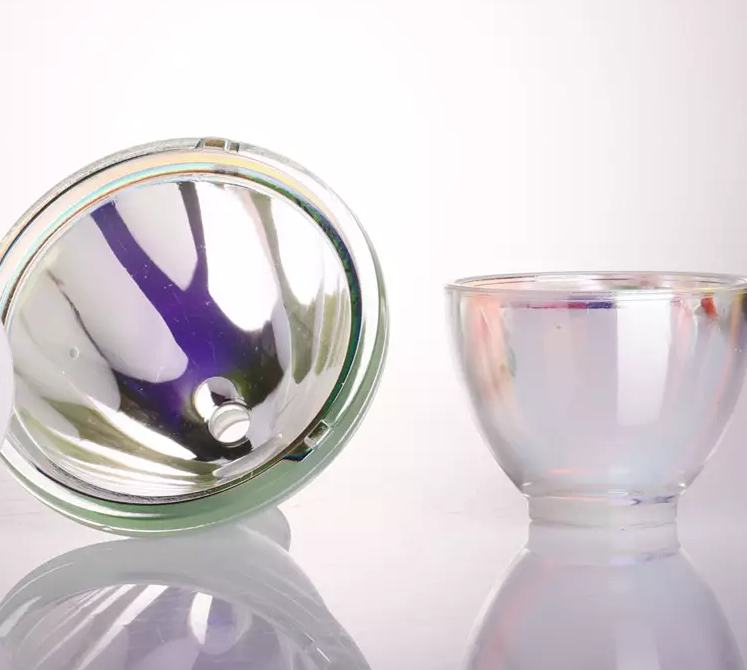
COB Glass LED Reflector Bowl Manufacturer Deep Design Perfect Beam Spotlights Projector Lights 20 60 90 Beam Angle
Deep reflector bowl for COB spotlights and projectors, with 20°, 60° and 90° beam strategies for high-ceiling retail, hospitality and atria.
View product
Wholesale OEM Shape Size Borosilicate Glass 175mm Diameter AR Coating Double Plano Convex Achromatic Fresnel Lens BO GLASS Stage
175 mm borosilicate Fresnel lens with AR coating and achromatic double-plano-convex design for stage, studio and architectural feature lighting.
View product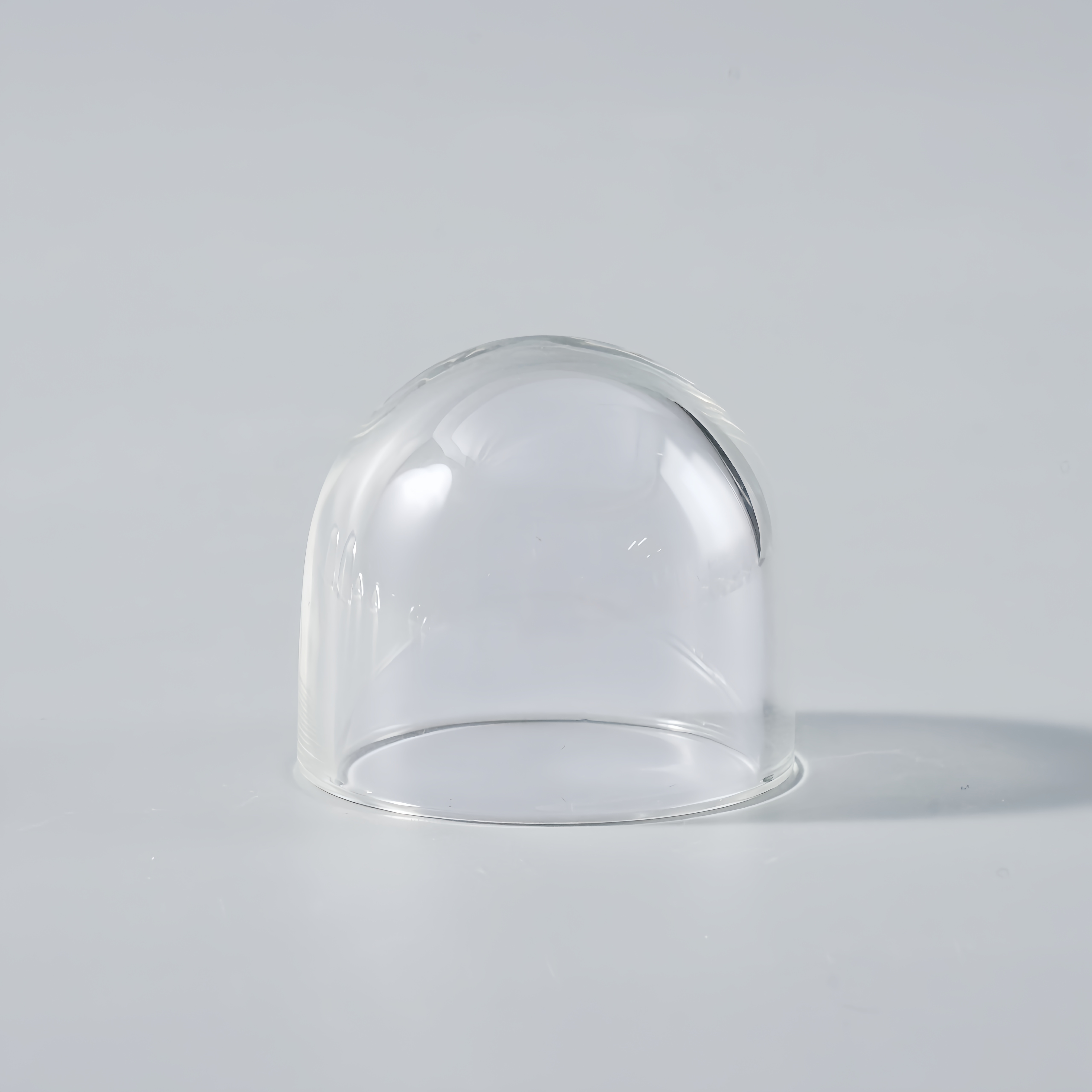
Customizable OEM Optical Glass Domes Broadband AR Coating Precision Hemispherical Windows for LiDAR Sensors Scientific
Precision hemispherical window with broadband AR coating for LiDAR, robotics, smart infrastructure and cold-weather sensing systems.
View product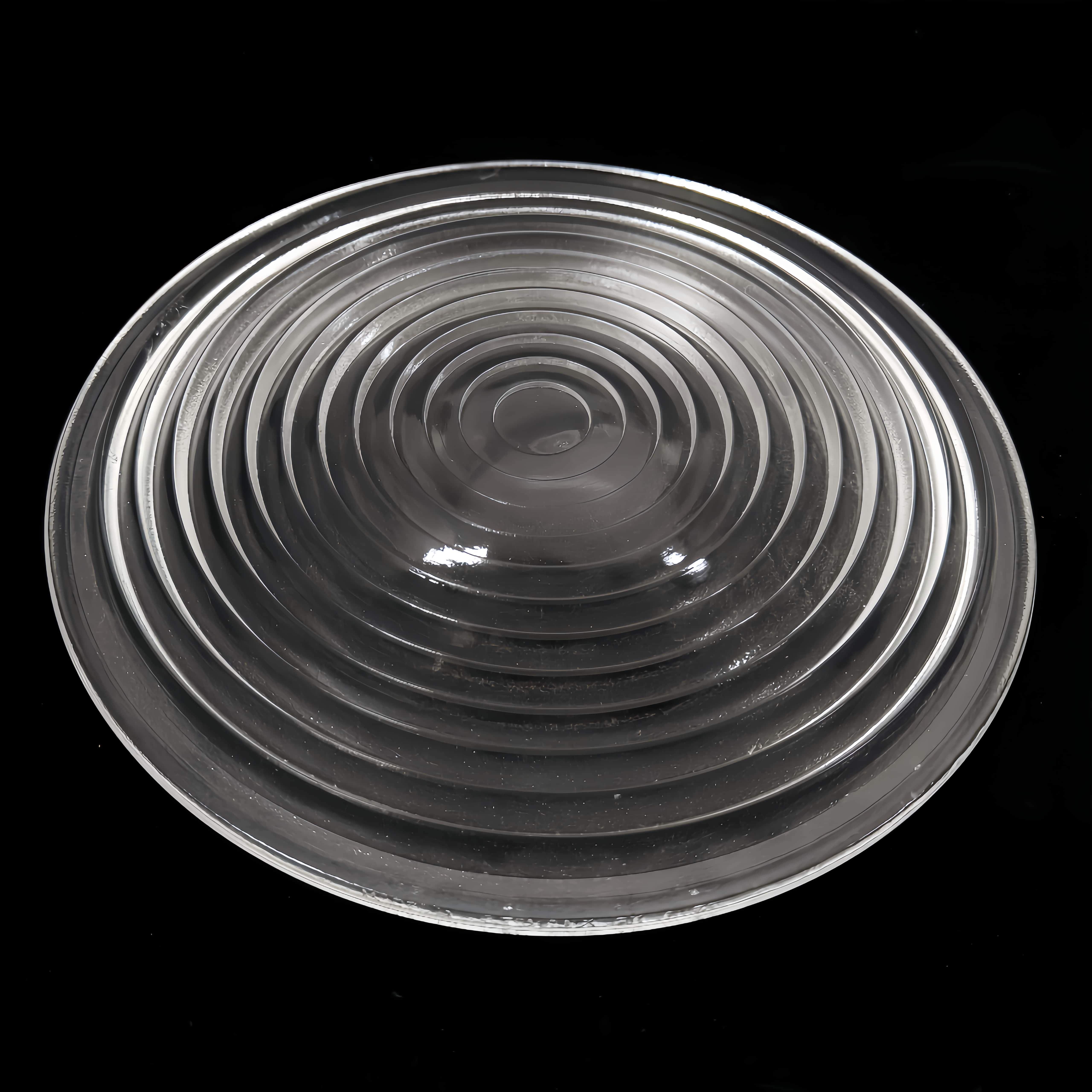
Precision Molded Borosilicate Glass Fresnel Lens Stage Lighting Anti-Reflective Coating FAA/ICAO Standards 175mm BO GLASS OEM
Molded 175 mm Fresnel lens with AR coating and specification support for aviation-related visual systems and demanding event lighting.
View product
High-Light Transmission Clear Borosilicate Glass Dome Lens LED Outdoor Lighting Fixtures Impact Resistant Anti-Scratch OEM
Clear borosilicate dome lens for outdoor LED fixtures, combining high transmission, anti-scratch surface and tolerance for freeze–thaw and UV exposure.
View product
Factory Customized Size Shape Color Heat Resistant High Quality Borosilicate Glass Car Light Accessories Traditional Industrial
Custom borosilicate glass for vehicle lights and industrial fixtures, with size, shape and color flexibility for utility fleets, heavy equipment and cold-storage maintenance lighting.
View product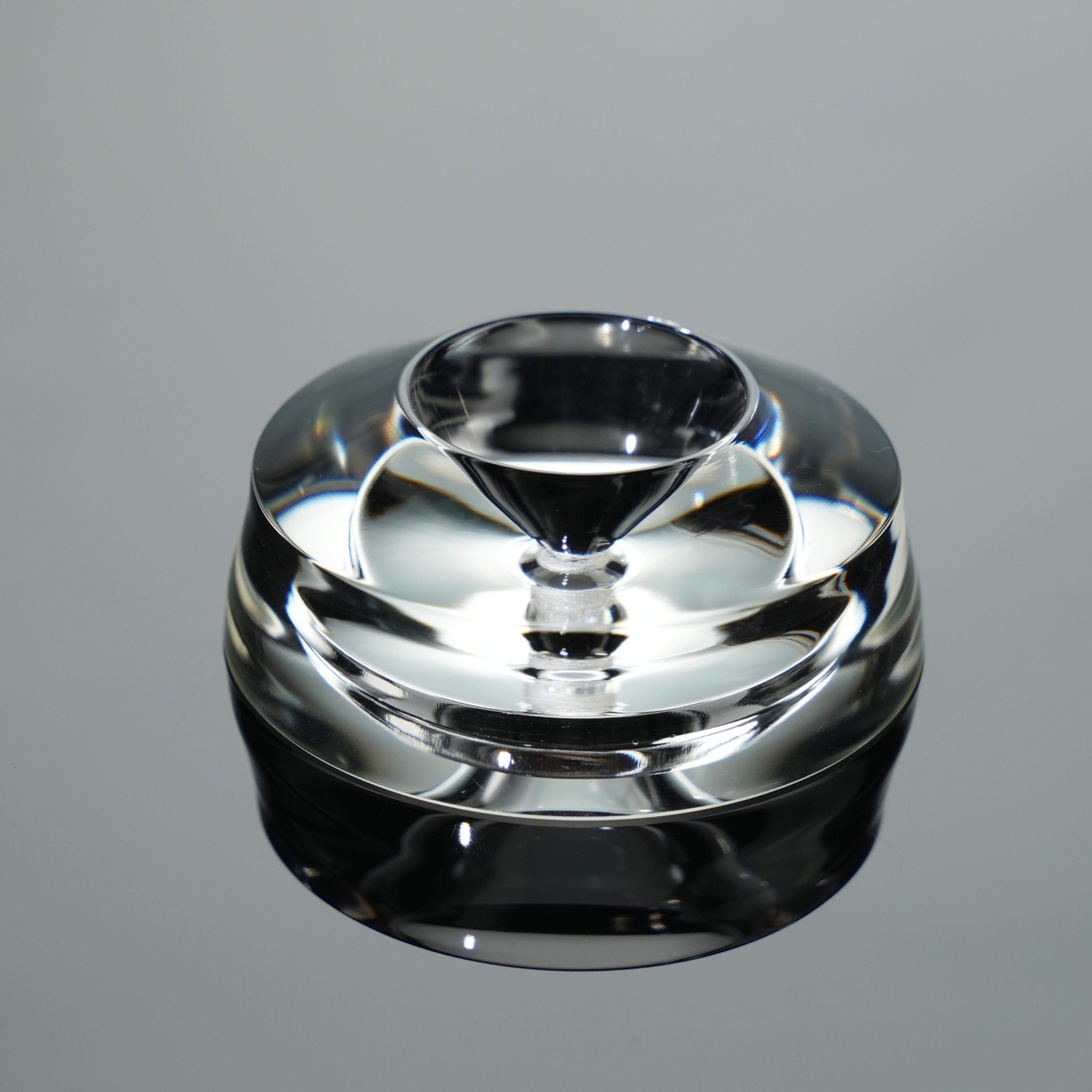
FAA Compliant Borosilicate Heat Resistant Glass Lens Runway In-Pavement Taxiway Lights IP68 Waterproof Optical Equipment Clear
Heat-resistant runway in-pavement lens for IP68 airfield fixtures — suited to airport and taxiway lighting programs of the kind used at O’Hare, Midway and regional airfields.
View productNeed a diameter, color, coating or sealing face that is not shown here? Send a drawing, a legacy sample photo or a fixture target and our engineers will review manufacturability before you commit to tooling.
Why Chicago Treats a Glass Light Globe as a Performance Component, Not a Commodity
Chicago lighting buyers work in a market where appearance matters, but failure is usually mechanical or thermal. A globe that looks correct on a rendering can still leak at the gasket, crack after a cold snap, haze under UV, or lose beam control after a few winters. The city’s lakefront wind, lake-effect snow, de-icing salt, freeze–thaw cycles and summer humidity create a combined stress profile. Add the vibration of elevated tracks, the cleaning chemicals used in food plants, or the heat behind a high-output LED module, and the glass specification becomes a reliability decision.
That is why a glass light globe manufacturer & supplier for Chicago should not quote only diameter and price. The useful specification starts with the fixture: lamp surface temperature, gasket compression, IP sealing strategy, impact exposure, color or transmission target and installation angle. From there we recommend borosilicate 3.3, tempered soda-lime, fused quartz or optical BK7, then confirm wall thickness, annealing or tempering route, coating, edge finish and packing method.
Shanghai Tambi Glass Industrial Co., Ltd. is a manufacturer and trading company rather than a Chicago warehouse. Our role is to provide engineering depth, drawing-based production and export discipline: turning a legacy sample or a new CAD model into repeatable glass parts, with inspection records and packaging that survive the trip to the Midwest. We separate what we control — glass geometry, material, coating, inspection and packing — from what the luminaire manufacturer controls, such as final fixture certification to UL, FAA L-810 or project-specific requirements.
For procurement teams, this creates an information gain that catalogues rarely provide: a glass partner who can explain why a part should be borosilicate instead of tempered soda-lime, why a sealing face needs a specific flatness, and why a sample that passes a visual check may still fail when installed in a Chicago parking garage or lakefront walkway.
Where Glass Light Globes, Domes and Lenses Are Used Across Chicagoland
Chicago projects rarely share one environment. The same optical or protective glass component may be specified for a CTA-adjacent streetscape, a riverfront terrace, a cold-storage dock or an airfield supply chain. These are the local use cases our engineering team reviews most often.
Street, Park and CTA-Adjacent Lighting
Pressed or tempered globes for roadway, pedestrian and park fixtures must resist road-salt mist, wind-driven rain and occasional impacts. We match wall thickness and sealing-face flatness to the housing gasket, not to a generic catalogue number.
High-Rise, Riverfront and Hospitality Façades
Wind loads, rain intrusion and UV exposure are higher on exposed elevations. Clear and low-iron borosilicate domes plus stable coatings help preserve color and transmission in lobbies, roof terraces and riverfront venues.
Parking Structures and Logistics Hubs
Low-maintenance access matters. Impact-resistant tempered or borosilicate covers reduce replacement risk from carts, vehicles and vibration while keeping beam patterns predictable for safety and wayfinding.
Airfield and Obstruction Lighting Support
For OEMs building FAA L-810 or IP68 airfield fixtures, we supply heat-resistant lenses and domes matched to dimensional and optical requirements. Luminaire certification remains with the fixture manufacturer; our role is glass specification, traceability and repeatability.
Industrial, Food and Cold-Storage Facilities
Washdown chemicals, condensation and rapid temperature change punish ordinary glass. Chemically resistant borosilicate and sealed-edge designs can support fixture makers serving Chicago’s food, pharma and cold-chain corridors.
Stage, Studio and Architectural Feature Lighting
Fresnel lenses, reflector bowls and optical domes must hold beam quality under heat. AR-coated borosilicate options reduce glare losses while tolerating the thermal load of high-power LED and legacy sources.
Localized Development Trends Shaping Chicago Lighting Procurement
Chicago buyers are not simply replacing glass; they are re-qualifying the fixture around new LEDs, energy goals, maintenance budgets and climate reality.
Cold-Climate Resilience Is Specified Earlier
Freeze–thaw exposure, lake-effect snow and de-icing salt are moving from installation notes into material selection. Buyers increasingly ask for borosilicate or properly tempered glass, controlled annealing and gasket-face geometry that will not creep under repeated thermal cycling.
LED Retrofits Need Legacy-Compatible Optics
Many Chicago projects retain the outer appearance of an existing street, park or façade fixture while replacing the light engine. The glass globe must still fit the old housing, seal to the original gasket and deliver the new LED beam without hot spots or glare.
Glare Control and Light Trespass Matter
As outdoor lighting is reviewed more closely, diffusing or beam-shaping glass becomes part of the optical design discussion. A clear globe with the wrong wall thickness can create unwanted glare; a controlled Fresnel or reflector bowl can improve visual comfort.
Supply-Chain De-Risking Favors Transparency
Procurement teams want fewer surprises between sample approval and mass production. Clear inspection criteria, packing validation, material records and a response time measured in hours rather than days are becoming part of the supplier scorecard.
Verifiable Data That Supports a Chicago Sourcing Review
A Chicago-Specific Glass Selection Matrix for Globes, Domes and Lenses
The most useful comparison is not “clear versus frosted.” It is a match between the local environment, the lamp load and the evidence your customer will ask for during submittal review.
| Chicago / Chicagoland condition | Recommended glass and process | Why it fits | Evidence to request |
|---|---|---|---|
| Lake-effect snow, freezing rain and freeze–thaw | Borosilicate 3.3; controlled annealing | Low thermal expansion helps the globe tolerate rapid temperature change and uneven snow or ice contact. | Material grade, annealing record, thermal-shock test protocol |
| Wind-driven rain, dust and washdown | Flat sealing face; tempered or borosilicate; compatible gasket | Leak risk is often controlled by the glass-to-gasket interface, not by glass thickness alone. | Sealing-face flatness, edge finish, gasket compression recommendation |
| Road salt, de-icing spray and urban pollution | Borosilicate or tempered soda-lime with durable coating | Surface chemistry and coating quality influence cleaning ease, haze and transmission retention. | Coating durability report, cleaning guidance, salt-mist test summary if specified |
| High-output LED, COB or stage heat | Borosilicate; AR coating; heat-resistant Fresnel or dome | High wall temperatures and concentrated light demand stable transmission and low thermal stress. | Transmission curve, coating witness, recommended maximum surface temperature |
| Vandalism, impact and vibration | Tempered soda-lime; thick-wall borosilicate; protected edge | Impact strategy depends on fixture location, mounting height and replacement cost. | Impact test method, wall-thickness tolerance, packing drop-test evidence |
| Color, transmission and optical beam control | Low-iron borosilicate; optical BK7; coated filters or domes | Signal, aviation, stage and sensing applications need repeatable optical performance, not visual color alone. | Transmission data, color tolerance, refractive index, coating lot traceability |
Information gain for specifiers: most catalogues list diameter and wattage. For Chicago conditions, also ask for annealing or tempering records, sealing-face flatness, thermal-shock test logic, coating lot traceability and export-packing evidence. These details are what separate a replacement globe from a repeatable fixture component.
Manufacturing Advantages Chicago Buyers Can Verify
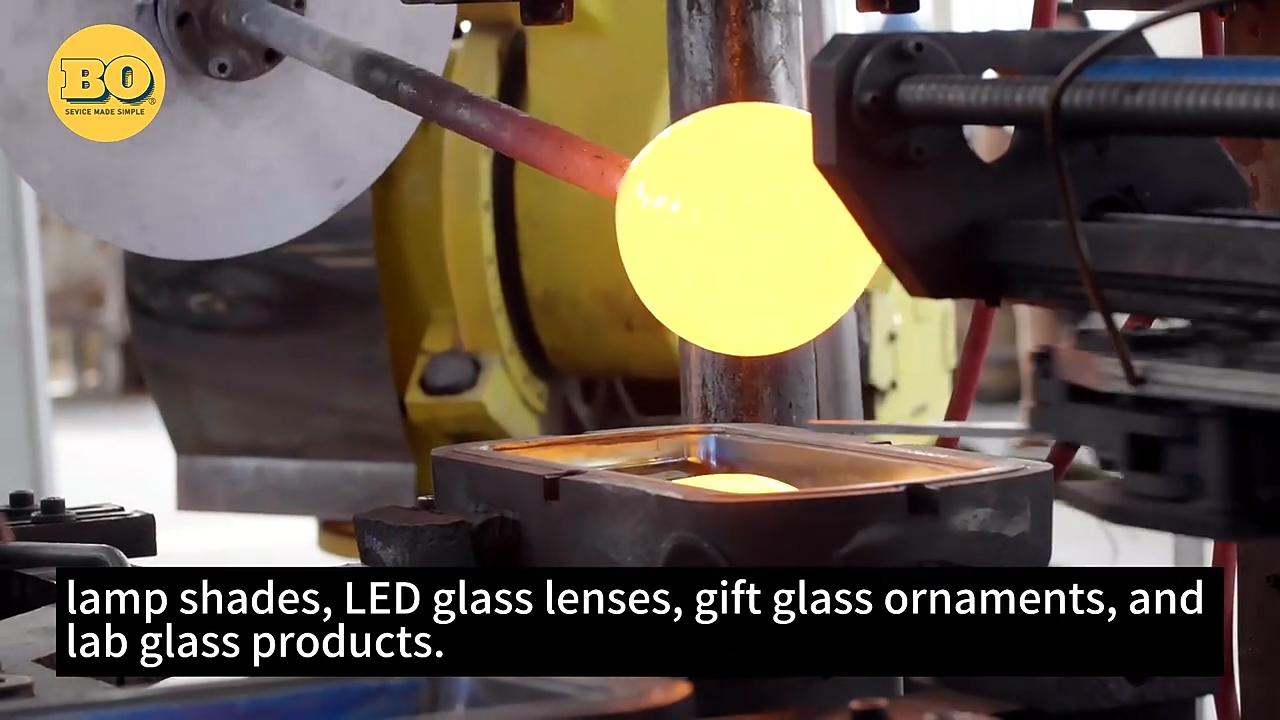
Our production base is in Shanghai, and our working language is the drawing. We combine pressed, blown, ground and coated glass processes under one supply chain so that a Chicago OEM can move from prototype to repeat order without losing the engineering thread.



Drawing-Based OEM / ODM
Most orders begin with a 2D or 3D drawing, a physical sample or both. Our engineers review wall thickness, draft, sealing faces and optical path alignment before tooling starts.
Material Breadth and Process Match
Borosilicate 3.3, tempered soda-lime, fused quartz and optical BK7 are matched to the fixture’s temperature, impact and optical requirements instead of forcing one material into every project.
Senior Lighting and Molding Review
We have more than a decade of lighting-glass experience and a team of 11–50 people. Reviews focus on practical manufacturability, not just whether a shape can be drawn in CAD.
Coating and Optical Finishing
AR coating, color control, edge finishing and surface treatment are reviewed against the light source. This matters for Fresnel lenses, LiDAR domes, signal domes and high-transmission outdoor covers.
Inspection and Export Packing
Dimensional and visual inspection are combined with divider-packed cartons, reinforced export boxes and palletization for sea or air freight. Distributor labeling and custom packaging can be arranged.
Transparent Supplier Data
An onsite-verified supplier profile, factory video, transaction records and buyer feedback help procurement teams complete qualification faster. Video calls and third-party audits are welcome.
A Controlled Six-Step Path from Chicago Drawing to Production Release
Clear checkpoints reduce surprises between sample approval and mass production. Each step is designed to surface fit, thermal and packing risks while changes are still inexpensive.
Drawing or Sample Intake
Send a 2D/3D drawing, a legacy sample, or clear photos with dimensions, material, color, coating and annual volume. We log the fixture environment and target installation location.
DFM and Material Recommendation
Our engineers check wall thickness, draft, gasket face, optical path and thermal load. We propose borosilicate, tempered soda-lime, quartz or BK7 with the appropriate forming route.
Tooling and Sample Approval
Existing molds may reduce MOQ and lead time. New tooling is quoted with sample milestones so your team can test fit, light output, sealing and appearance before mass production.
Forming and Stress Control
Pressing, blowing, grinding or molding is followed by controlled annealing or tempering. This step is critical for Chicago freeze–thaw exposure and high-temperature LED fixtures.
Coating, Inspection and Reporting
AR or color coating, dimensional checks and visual inspection are completed against the approved sample. Material and inspection reports can be prepared for your submittal package.
Export Packing and Delivery Planning
Fragile parts are separated by foam or pulp dividers, packed in reinforced export cartons and palletized. We confirm labeling, carton marks and freight documentation before shipment.
Questions Chicago-Area Procurement Teams Ask Before Ordering
These are the questions that come up most often when a Chicago OEM, lighting agent, contractor or facility team evaluates an overseas glass light globe manufacturer.
Are you a Chicago-based manufacturer or an overseas supplier?
We are Shanghai Tambi Glass Industrial Co., Ltd., a manufacturer and trading company based in Shanghai, China. We do not claim a Chicago factory or local warehouse. Our value is drawing-based production, engineering review, export packing and direct communication with your fixture team.
Can you match a legacy Chicago streetlight or park fixture globe when drawings are unavailable?
Often, yes. Send a physical sample or detailed photos with measurements, gasket detail and mounting orientation. We can evaluate reverse engineering, propose a mold route and provide a sample for fit and light testing before you commit to production.
How do you reduce freeze–thaw and lake-effect snow risk?
We start with material and stress control. Borosilicate 3.3 is often recommended for rapid temperature change, while tempered soda-lime may be appropriate for moderate temperatures and high impact. Annealing records, wall-thickness review, sealing-face flatness and packing protection are part of the risk plan.
What documentation can you provide for Chicago specifiers?
Depending on the project, we can provide material descriptions, dimensional inspection records, coating information, sample approval records and packing details. For regulated fixtures, final luminaire certification remains with the fixture manufacturer; we support the glass specification and traceability behind that certification.
What MOQ and sampling should a Chicago buyer expect?
Typical MOQs range from about 50 pieces for optical lenses to 100–500 pieces for pressed or blown lighting covers, depending on whether an existing mold can be used. Sample quantities are available for evaluation, and new tooling is quoted with clear sample milestones.
How are fragile glass globes packed and shipped to Chicago?
Parts are separated with foam or pulp dividers, packed in reinforced export cartons and palletized for sea or air freight. We can support custom labeling for distributors and confirm carton marks, packing lists and freight documentation before shipment.
Send a Drawing, a Legacy Sample or a Fixture Photo
Tell us the globe diameter, lamp type, surface temperature, gasket detail, annual volume and target installation environment. We will return a practical material and process recommendation, MOQ guidance and a sampling path for your Chicago lighting program.