Glass Globe Exporter & Wholesalers for the Canada Market
Borosilicate glass domes, explosion-proof lamp covers, aviation and marine signal lenses, LED optics and AR-coated optical windows made to drawing for Canadian lighting OEMs, distributors and specifiers.
8 Glass Globe & Optical Glass Products for Canadian Wholesale Programs
The shortlist below is built for search intent around glass globe exporters, wholesale optical glass, explosion-proof lighting glass and custom borosilicate parts in Canada. Every product can be adapted by size, thickness, color, coating, edge finish and packaging to suit Canadian OEM fixtures, distributor inventory and project specifications.
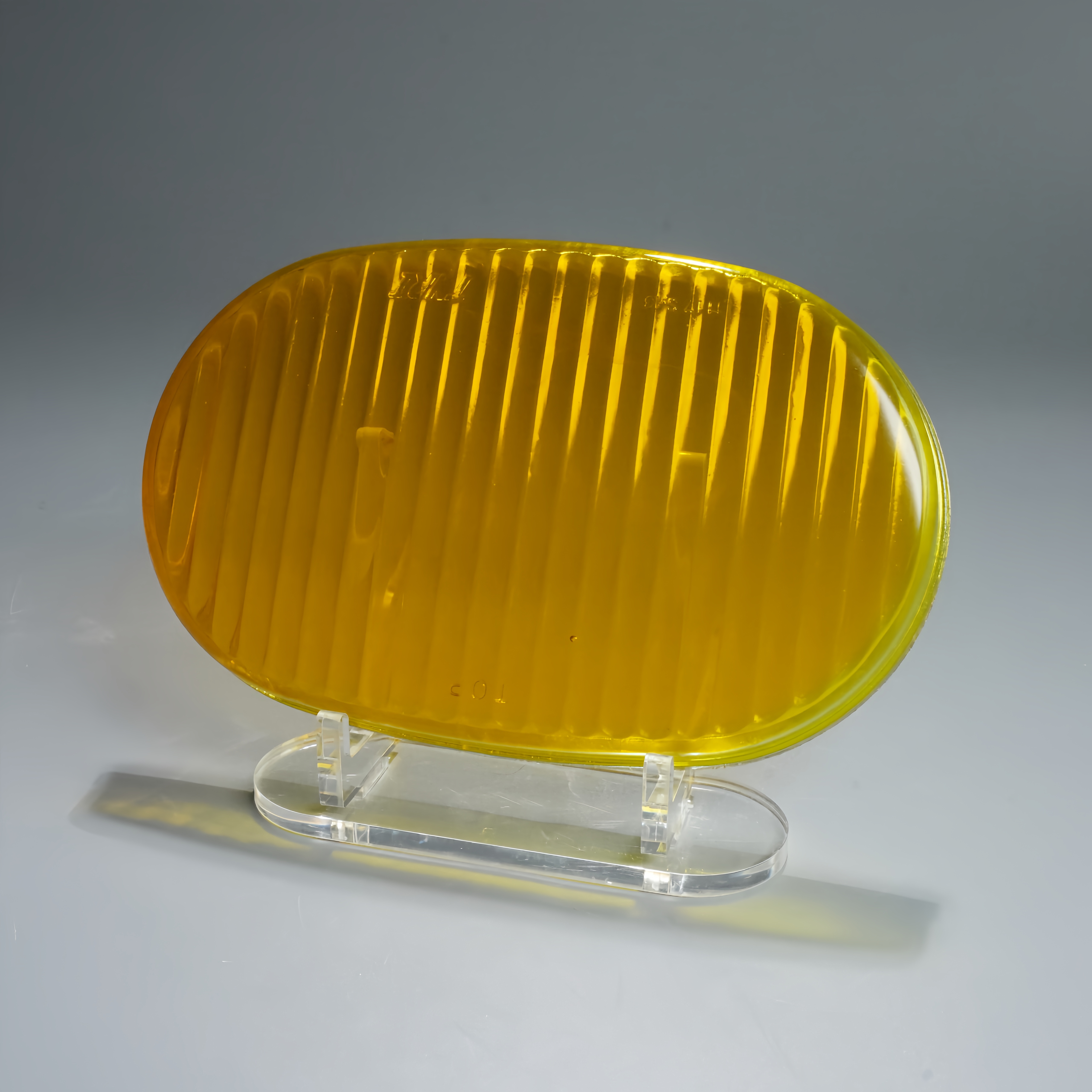
Factory Customized Size Shape Color Heat Resistant High Quality Borosilicate Glass Car Light Accessories Traditional Industrial
Suits Canadian aftermarket lighting, workshop equipment and specialty vehicles where snow, salt and rapid temperature change punish ordinary glass covers.
- Custom size, shape and color
- Low thermal expansion
- Drawing-based OEM production
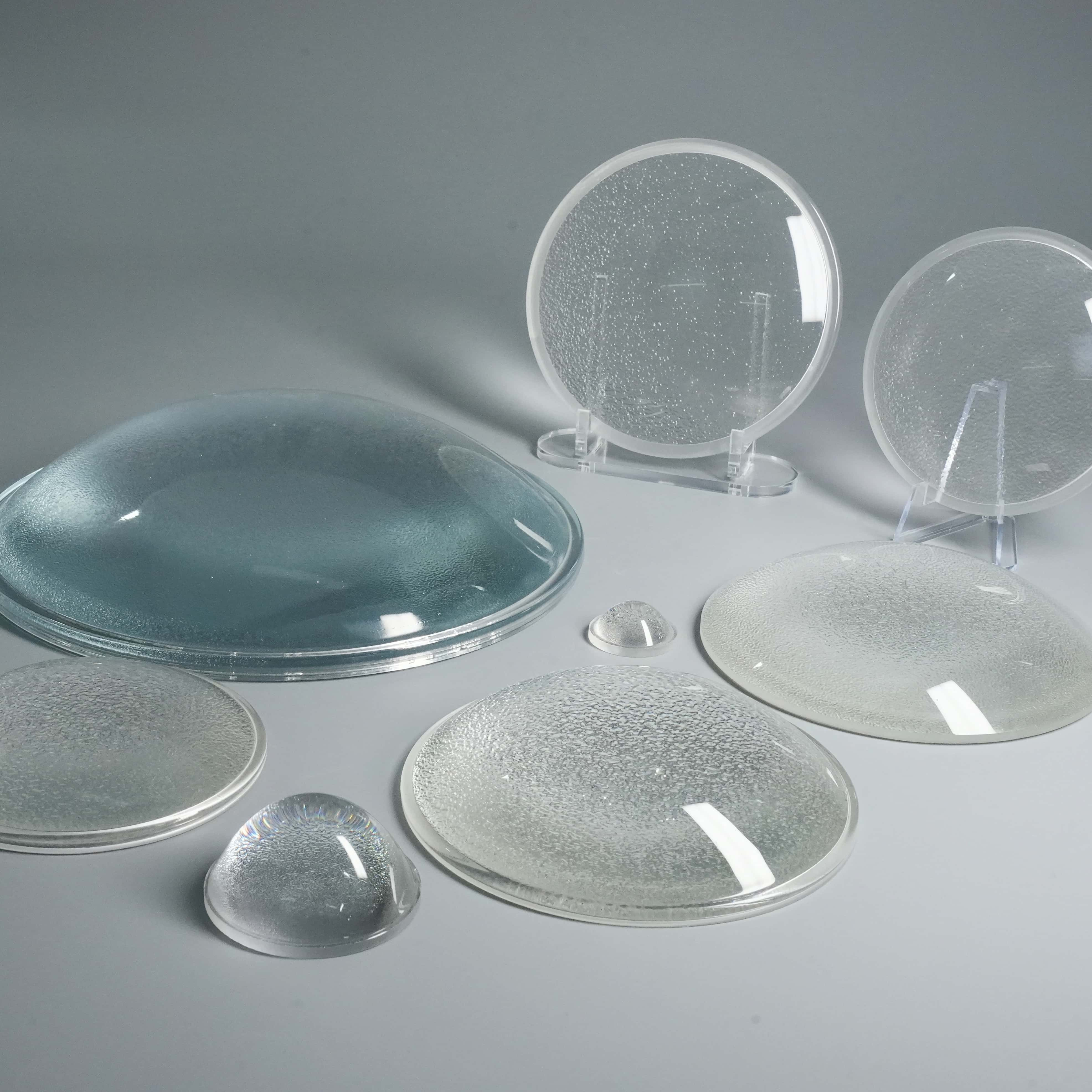
Bo Glass Asymmetric LED Lens Roadway Street Light Reduces Light Pollution Glare Borosilicate Glass UV Protection OEM
Useful for Canadian municipalities and distributors targeting dark-sky objectives, roadway glare control and long-life outdoor LED fixtures.
- Asymmetric light distribution
- UV-protection borosilicate
- OEM color and coating options

Factory Price Custom Precision Optical 1-200mm Clear BK7 Spherical Quartz Glass Half Ball Concave/Biconvex Lens Anti-Reflective
For Canadian sensing, instrumentation and machine-vision buyers needing repeatable optical geometry and AR coating options.
- BK7 and quartz options
- 1–200 mm range discussion
- AR coating available
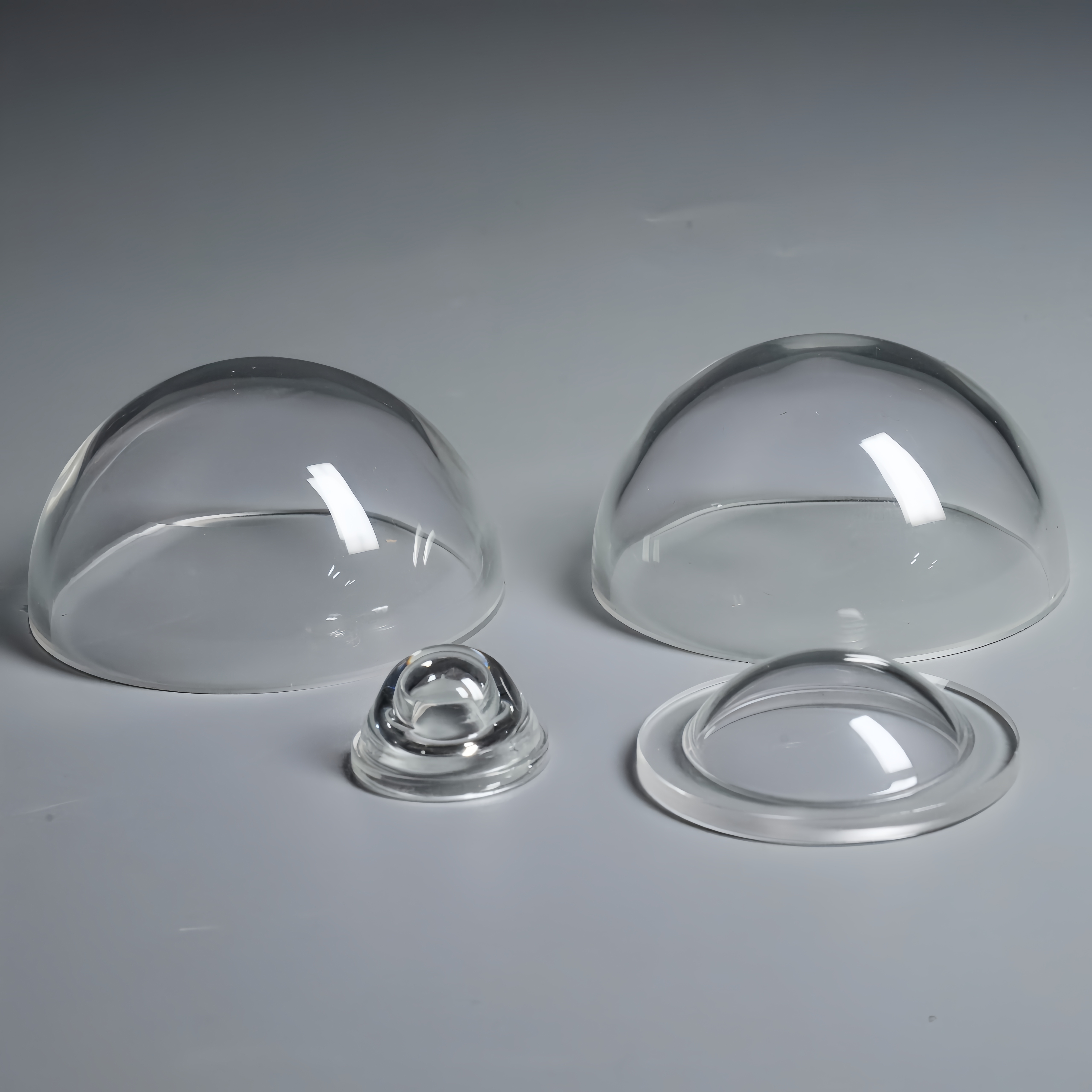
High-Pressure Borosilicate Optical Glass Dome for Underwater ROV AUV Camera Housings & Submersible Lights Deep Sea Rated
Relevant for Canadian ocean-tech and offshore inspection teams working in cold-water, high-pressure and salt-exposed environments.
- Pressure-rated dome discussion
- Optical clarity borosilicate
- Custom sealing interface
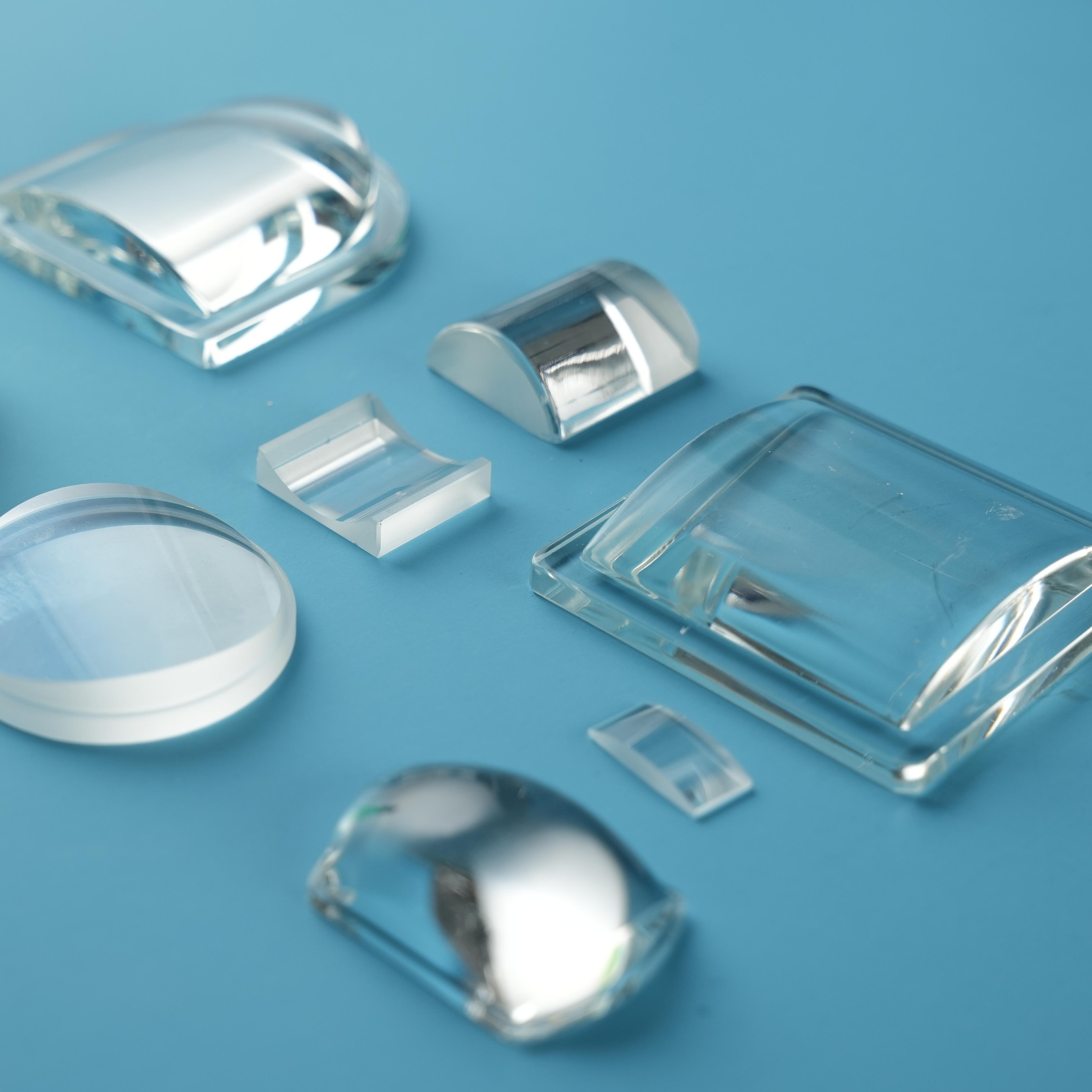
Manufacturer Custom OEM Anti-Reflective Laser Glass Optical Borosilicate UVC Plano Convex Cylindrical Biconvex Lens
Built for OEMs seeking drawing-based anti-reflective optics for laser modules, UVC equipment, LED systems and industrial instruments.
- Plano-convex and biconvex
- Borosilicate optical glass
- AR coating on request
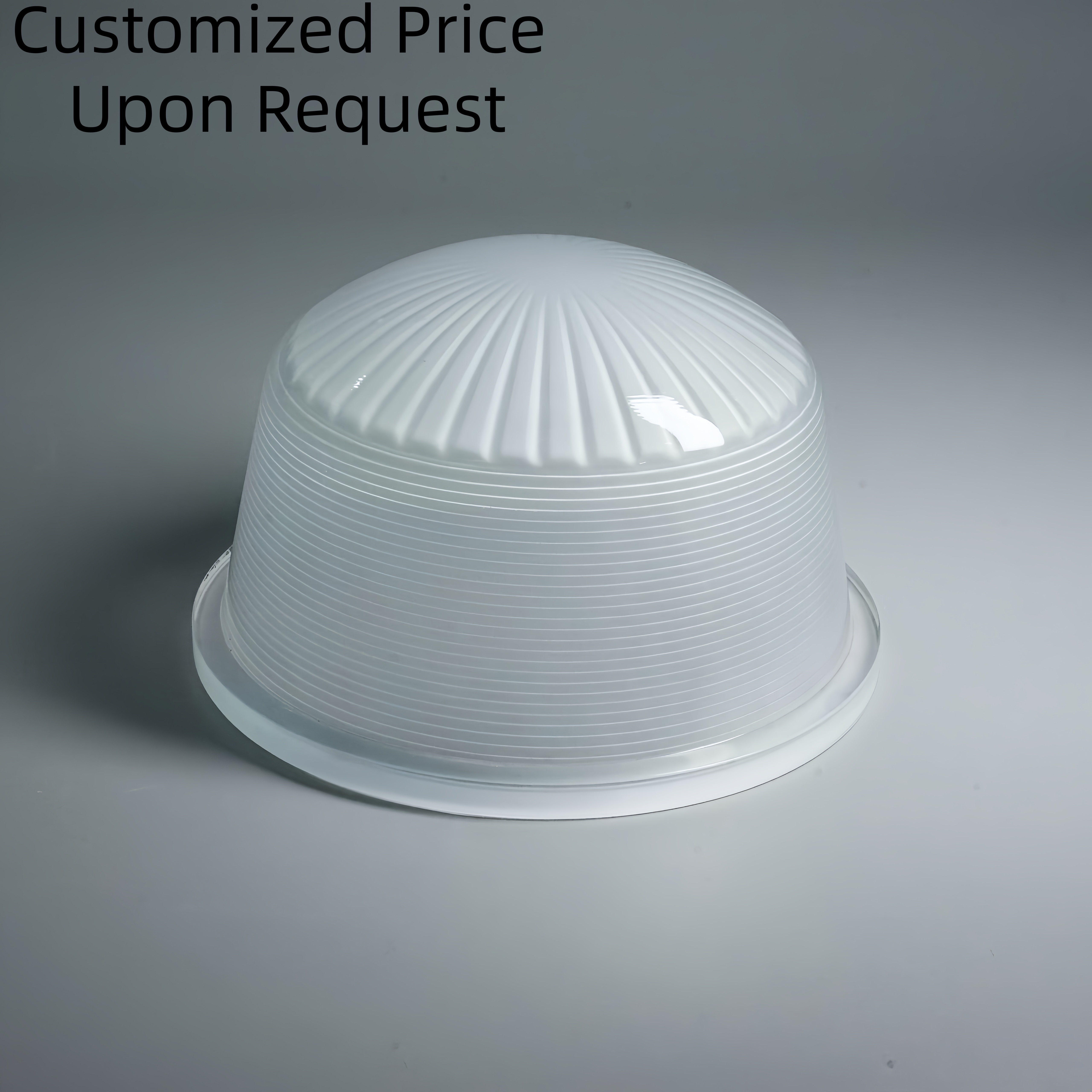
Transparent Explosion-proof Glass Shade, High Light Transmittance, Industrial Workshop Lighting
A practical recommendation for Canadian industrial distributors serving mines, chemical plants, oil and gas sites and cold-weather workshops.
- High light transmittance
- Thick-wall glass options
- Custom sealing faces
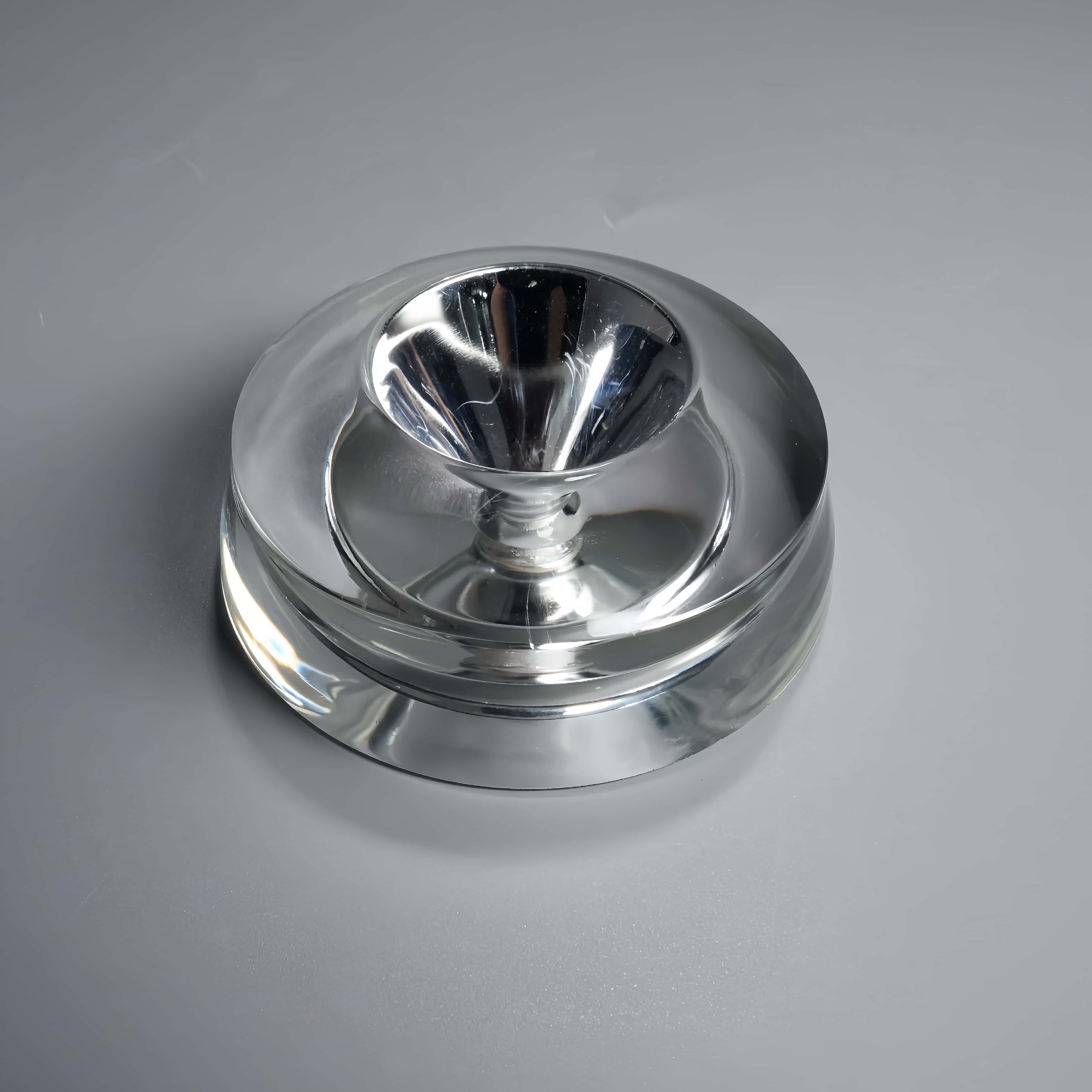
Factory China Custom Size Mold Pressed Borosilicate Bk7 K9 Eco-Friendly LED Optical Glass Lens for Taxiway Runway Airport Ground
For airfield lighting OEMs and Canadian airport contractors sourcing lenses that must be matched to fixture geometry, color and beam requirements.
- Mold-pressed optical lenses
- Runway and taxiway use
- Custom material options
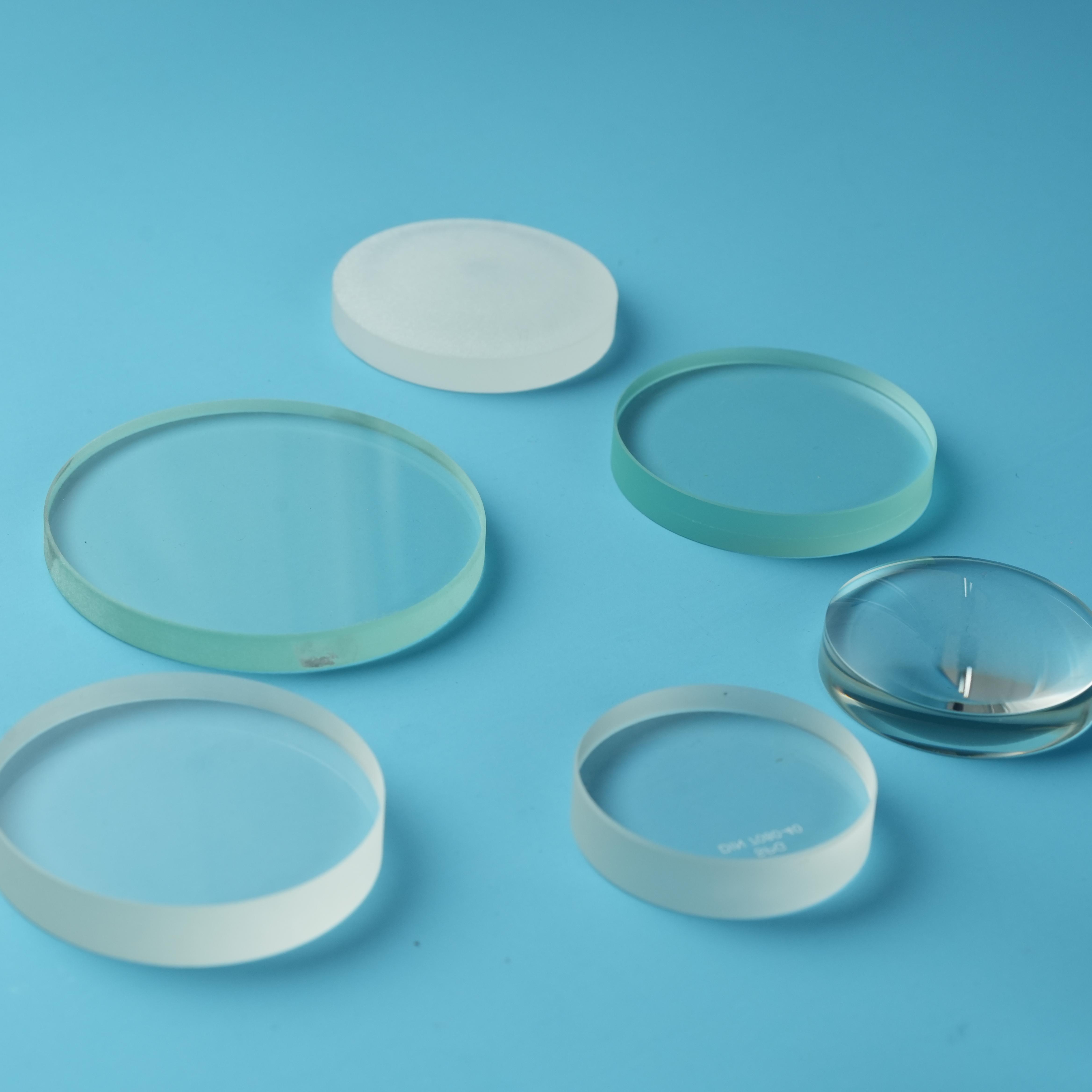
Custom OEM Bo Glass Clear Borosilicate K9 Bk7 B270 Fused Silica Anti-Reflective Coated Square Optical Window 50mm Diameter
Suits Canadian LiDAR, camera, environmental sensing and industrial inspection enclosures requiring clear optical windows and AR coating.
- Borosilicate, K9, BK7, B270
- AR-coated optical window
- Custom square or round formats
Need a Canadian wholesale price structure, custom logo packaging or a drawing review for a glass globe program?
What “Glass Globe Exporter & Wholesaler for Canada” Means in Practice
In the lighting and optical supply chain, “glass globe” is often used as a search umbrella for spherical or hemispherical glass covers, explosion-proof lamp enclosures, aviation obstruction lenses, marine signal domes, LiDAR domes and AR-coated optical windows. Canada adds its own buying context: wide temperature swings, freeze-thaw cycles, salt spray in Atlantic and Pacific ports, wildfire smoke, long winter darkness, bilingual procurement and fixture-level electrical approvals.
A Canada-specific interpretation, not a generic export page
Shanghai Tambi Glass Industrial Co., Ltd. is a manufacturer and trading company focused on custom borosilicate glass covers, explosion-proof lampshades, signal light domes, LED lenses, prisms and optical filters. For Canadian buyers, the practical question is not simply “Can you supply a glass globe?” but “Will this glass perform inside a Canadian fixture after snow, ice, salt, thermal cycling and field service?”
That is why this page connects product selection with localized applications. A compressed glass dome for an Atlantic Canada port light may need different impact and salt-spray thinking from a borosilicate cover inside an Alberta hazardous-area fixture. A LiDAR dome used by a Canadian robotics company may prioritize transmission and coating consistency, while a distributor of explosion-proof lighting may prioritize breakage resistance in transit and repeatable sealing dimensions.
We do not certify luminaires. CSA, UL, ETL, Transport Canada, Canadian Coast Guard or other fixture-level approvals remain with the luminaire manufacturer or importer. Our role is to supply glass components that match the drawing, optical requirement and fixture design, with material and inspection reports available on request.
Canadian procurement signals we design around
- Operating temperature, LED wattage and thermal shock from snow, rain or washdown.
- Sealing face geometry, gasket compression, wall thickness and installation torque.
- Salt exposure for ports, offshore, coastal and winter-road environments.
- Color and transmission consistency for aviation, marine and signal lighting.
- AR coating durability for LiDAR, inspection cameras and sensing windows.
- Bilingual English/French distributor labels and export-safe packaging.
- Documentation such as drawings, material reports and visual inspection records.
For wholesale buyers, the lowest purchase price can be misleading. Glass breakage, replacement labor and field returns usually cost more than a well-packed, drawing-controlled part.
Where Glass Globes and Optical Glass Components Are Used Across Canada
Canada’s geography creates several distinct lighting environments. A product that works in a heated warehouse in Ontario may not be suitable for a coastal lighthouse, a northern mine or a roadside fixture exposed to freeze-thaw cycling. The application sets the material, coating and packaging requirement.
Airports, Helipads & Obstruction Lighting
Mold-pressed borosilicate lenses, colored domes and obstruction light covers support airfield lighting OEMs and airport contractors. Fixture certification remains with the luminaire brand, while glass color, dimensions and transmission are matched to the drawing.
Ports, Marine & Offshore
Marine signal light domes and handblown or pressed covers serve Canadian ports, marinas, ferries, offshore support vessels and coastal infrastructure exposed to salt spray, wind-driven rain and cold-water thermal shock.
Oil, Gas, Mining & Chemical Plants
Explosion-proof glass lampshades and high-transmittance industrial covers are relevant to hazardous-area lighting distributors serving Alberta, Saskatchewan, British Columbia, Ontario and Quebec industrial sites.
Cold-Climate Municipal & Outdoor Lighting
Street, roadway, parking and architectural fixtures in Canadian cities must manage LED heat, snow load, ice and long dark hours. Asymmetric lenses, tempered covers and borosilicate optics help balance glare control and durability.
Transit, Rail & Infrastructure
Canadian transit agencies, rail suppliers and infrastructure contractors increasingly need documented, repeatable glass components for signal housings, tunnel lighting, platform fixtures and maintenance programs.
LiDAR, Research & Industrial Sensing
AR-coated hemispherical windows, optical domes and precision lenses support Canadian robotics, environmental monitoring, university research and industrial vision systems operating indoors and outdoors.
Trends Shaping Glass Globe Procurement in Canada
The Canadian market is moving toward better thermal design, glare control, documented material choices and distributor-ready packaging. These trends change how glass components are specified, not just how they are priced.
Higher LED power in colder air
Cold ambient air can help LED fixtures, but it does not remove internal heat, thermal gradients or snow/rain shock on the outer globe. Borosilicate 3.3 and controlled annealing matter.
Dark-sky and glare control
Canadian municipalities and private campuses are increasingly sensitive to light trespass and glare. Asymmetric LED lenses and carefully matched glass diffusers support better optical control.
Climate and total cost of ownership
Freeze-thaw cycles, coastal salt, wildfire ash and winter maintenance make breakage and sealing failures expensive. Buyers now look at packaging, replacement rates and material traceability.
Bilingual packaging and traceability
Distributors serving multiple provinces prefer English/French labels, consistent carton marking and drawing revisions that can be traced from sample approval to repeat order.
A Buyer’s Whitepaper: Specifying Glass Globes for Canadian Conditions
Most failures are not caused by “bad glass” in isolation. They come from a mismatch between the fixture, the gasket, the installation torque, the operating temperature and the glass specification. A useful quotation begins with the fixture environment, not a generic price per piece.
Start with the fixture, then choose the glass
For a Canadian project, confirm the lamp surface temperature, expected ambient range, indoor or outdoor exposure, IP requirement, impact expectation, cleaning method and whether the fixture must meet a specific electrical approval. Then define the glass: material, wall thickness, tolerance, sealing face, color, transmission, coating and edge finish.
Borosilicate 3.3 is often selected for high-power LED covers, explosion-proof shades and Fresnel optics because its low thermal expansion helps with thermal shock. It is not automatically impact-proof. Tempered soda-lime glass can offer high impact strength at a lower cost for moderate temperatures, but the tempering quality and thermal limits must be validated. Fused quartz is used where UV transmission or extreme temperature matters. BK7/H-K9L is common for precision lenses, prisms and filters where optical homogeneity is more important than lamp heat.
For Canadian buyers, the safest approach is to specify by application: for example, “outdoor roadway fixture, LED module surface temperature, snow/rain exposure, sealing gasket compression, annual volume” rather than “clear glass globe.” This information lets the factory propose the right process before tooling begins.
| Material | Thermal expansion | Typical use | Canada buying note |
|---|---|---|---|
| Borosilicate 3.3 | ≈ 3.3 ×10⁻⁶/K | Explosion-proof shades, high-power LED covers, Fresnel lenses | Good thermal-shock logic for winter rain/snow on hot covers; confirm impact requirement. |
| Tempered soda-lime | ≈ 9.0 ×10⁻⁶/K | Outdoor covers, floodlight glass, vandal-resistant lenses | Can be cost-effective and strong; validate tempering and thermal limits for the fixture. |
| Fused quartz | ≈ 0.55 ×10⁻⁶/K | UV optics, high-temperature windows | Use where UV transmission or extreme heat is central to the application. |
| Optical BK7 / K9 | ≈ 7.1 ×10⁻⁶/K | Precision lenses, prisms, optical windows | Specify surface quality, coating and tolerance for sensing and instrument programs. |
Canadian specification checklist
- 2D/3D drawing or physical sample with critical dimensions.
- Material preference, wall thickness, tolerance and surface finish.
- Lamp power, surface temperature and expected ambient range.
- Sealing face, gasket type, installation torque and IP target.
- Color, transmission, AR coating or UV requirement.
- Annual volume, first order quantity and destination city.
- English/French packaging artwork and distributor label needs.
This checklist reduces quotation cycles and helps procurement teams compare suppliers on the same technical basis.
Why Tambi Glass Is a Practical Wholesale Partner for Canadian Buyers
Canadian buyers need a supplier who can discuss drawings, materials, inspection and packaging without forcing every project into a catalog number. Our strengths are built around custom lighting and optical glass production, not generic trading.
10+ years of lighting glass focus
More than a decade of work in lighting and optical glass helps us recognize thermal, sealing and optical risks before a drawing becomes a production order.
Drawing-based OEM / ODM
Most orders are custom. Send a 2D/3D drawing or sample with dimensions, tolerance, material, color and coating requirements. Engineers review manufacturability and mold options.
Multiple glass materials and processes
Borosilicate, tempered glass, quartz and BK7 options, combined with pressed, blown, ground and coated processes, allow the specification to follow the application.
Onsite-verified supplier record
Our premises have been checked onsite during third-party verification. Procurement teams can review supplier assessment, credit, trade capacity and transaction information before ordering.
Fast technical response
Average response time is within 6 hours. For Canadian buyers working across time zones, send drawings, annual volume and application notes for a technical and commercial review.
Export packing for fragile glass
Parts are separated by foam or pulp dividers, packed in reinforced export cartons and palletized for sea or air freight. Custom labeling for Canadian distributors can be arranged.
A Controlled Six-Step OEM Process for Canadian Glass Globe Projects
Clear checkpoints reduce surprises between sample approval and repeat production. The process is designed for buyers who need a documented custom part rather than an off-the-shelf glass globe.
Drawing Review
DFM check of thickness, draft, tolerance, sealing face, optical path and material choice before tooling.
Mold & Tooling
New or existing molds for pressing, blowing or grinding, with sample planning agreed in advance.
Sampling
Samples are measured and sent for your fit, light, sealing or instrument test before volume production.
Forming & Annealing
Controlled annealing or tempering helps relieve stress and supports thermal-shock performance in service.
Coating & QC
AR or color coating, dimensional inspection and visual checks are aligned with the approved drawing.
Export Packing
Divider-packed cartons and palletized freight for sea or air shipment to Canadian ports and hubs.
Glass Globe Export & Wholesale Questions Canadian Buyers Ask
These are the practical questions raised by OEMs, distributors, electrical wholesalers, lighting brands and project buyers when sourcing custom glass globes from China for Canada.
Can Tambi Glass export glass globes directly to Canada?
Yes. We are a Shanghai-based manufacturer and trading company supplying custom borosilicate glass covers, explosion-proof lampshades, signal light domes, LED lenses and optical components. We support sample shipments by courier and production shipments by sea or air to Canadian hubs such as Vancouver, Prince Rupert, Montreal, Toronto and Halifax. Documents can include drawings, packing lists, commercial invoices, inspection records and material reports as required for the order.
Which glass material is best for Canadian winter temperatures?
There is no single answer for every fixture. Borosilicate 3.3 is often preferred where thermal shock, high lamp temperature and sudden snow or rain contact are concerns. Tempered soda-lime glass can be a cost-effective choice for outdoor covers where impact strength and moderate temperature are the main priorities. The correct decision depends on lamp power, surface temperature, wall thickness, mechanical impact, gasket design and the fixture approval requirement. Borosilicate is not automatically impact-proof, so the full fixture design must be reviewed.
Do you supply glass for CSA, UL or ETL approved lighting fixtures?
We supply glass components to luminaire manufacturers and distributors whose fixtures are designed for CSA, UL, ETL or other applicable requirements. The fixture certification remains with the luminaire manufacturer or importer. Our role is to match the glass drawing, material, color, transmission and coating requirements, and to provide material and inspection reports on request so the fixture maker can complete its own qualification process.
What is the typical wholesale MOQ for Canadian buyers?
Typical minimum order quantities range from about 50 pieces for some optical lenses to 100–500 pieces for pressed or blown lighting covers, depending on whether an existing mold can be used. Sample quantities are available for evaluation. For distributors planning annual stock programs, we can discuss packaging, labeling, repeat-order consistency and volume planning around the Canadian sales forecast.
Can you pack and label products for Canadian distributors?
Yes. Fragile glass parts are separated with foam or pulp dividers, packed in reinforced export cartons and palletized for sea or air freight. Custom packaging and labeling for distributors can be arranged. If your Canadian business requires English/French labels, barcode labels or private-label cartons, provide the artwork and packaging instructions with the inquiry.
How do you match aviation or marine signal light colors?
Color is controlled through the glass composition, thickness and process, and can be checked visually against approved samples. For aviation and marine applications, we work from the fixture maker’s drawing and color or transmission requirement. Standards such as FAA L-810 or EN 50293 are typically applied at the luminaire or fixture level; the certification is held by the fixture manufacturer. We can provide material and inspection records to support their qualification work.
What information should I send for a fast quotation?
Send a 2D or 3D drawing, or a physical sample, with dimensions, tolerance, material preference, glass thickness, color, coating, operating temperature, fixture application and annual volume. Also state the destination city in Canada, whether you need distributor packaging, and whether English/French labeling is required. If you have an existing supplier part number or failed sample, include photos and a description of the failure mode.
What are typical lead times and shipping considerations?
Lead time depends on drawing review, mold availability, sample approval, coating requirements and order quantity. New tooling usually requires a sample stage before mass production. After approval, production is completed and packed for sea or air freight. For urgent Canadian projects, courier or air shipment can be discussed. We confirm the practical schedule in the quotation after reviewing the drawing, annual volume and delivery destination.
Request a Canada-Ready Glass Globe Quotation
Share your drawing, fixture application, operating temperature, annual volume and Canadian delivery destination. Our engineers can review manufacturability, recommend borosilicate or tempered glass, discuss AR coating or signal color, and propose export packaging for distributor stock.
Technical inquiries: info@tambiglass.com · Shanghai Tambi Glass Industrial Co., Ltd. · Custom lighting and optical glass for Canadian OEMs and wholesalers.