8 Product Lines for Etched, Coated & Precision Glass Buyers in Dallas
Dallas buyers often evaluate multiple materials and finishes inside one RFQ: a frosted lighting cover, a high-heat lens, a pressure-rated dome and an AR-coated window may all be part of the same fixture program. The eight product families below are frequently requested by lighting and optical OEMs. Each can be adapted in size, thickness, color, coating, edge finish and packaging. Where etching, frosting or laser marking is required, the base-glass specification should be agreed before the finishing step so optical transmission, sealing faces and tolerance stack-ups remain predictable.
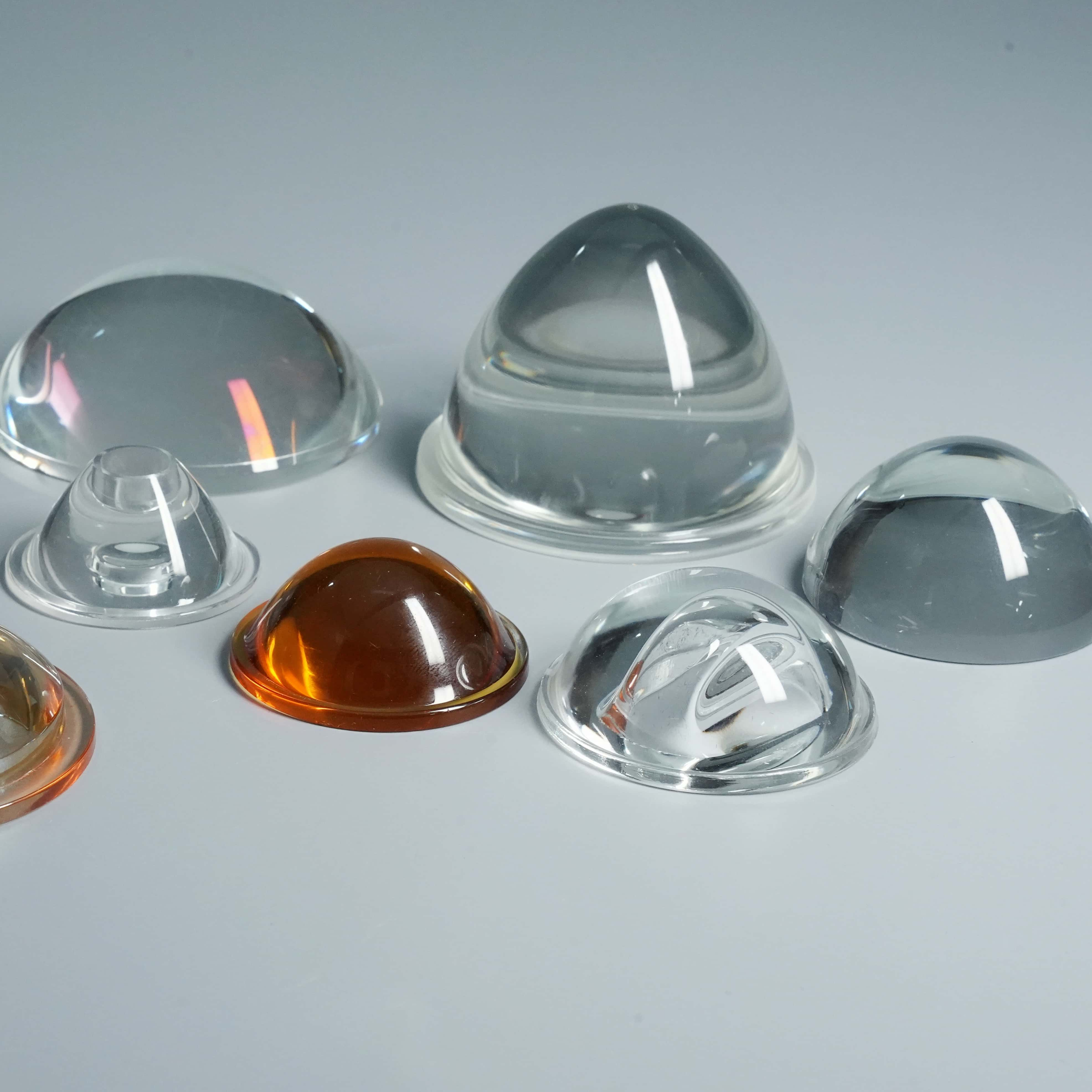
Custom Borosilicate Glass LED Grow Light Convex Lens with Anti-Reflective Coating for Indoor Farming Full Spectrum Lighting
AR-coated convex glass for full-spectrum LED grow lights, urban farms and controlled-environment agriculture in North Texas.
View product
Supplier Custom Size Shape Pressed Mold Heat Resistant High Borosilicate Headlight Glass Lens Cover Headlight Glass Cover
Pressed-mold borosilicate covers for specialty headlights, outdoor fixtures and custom housings that face heat and weather.
View product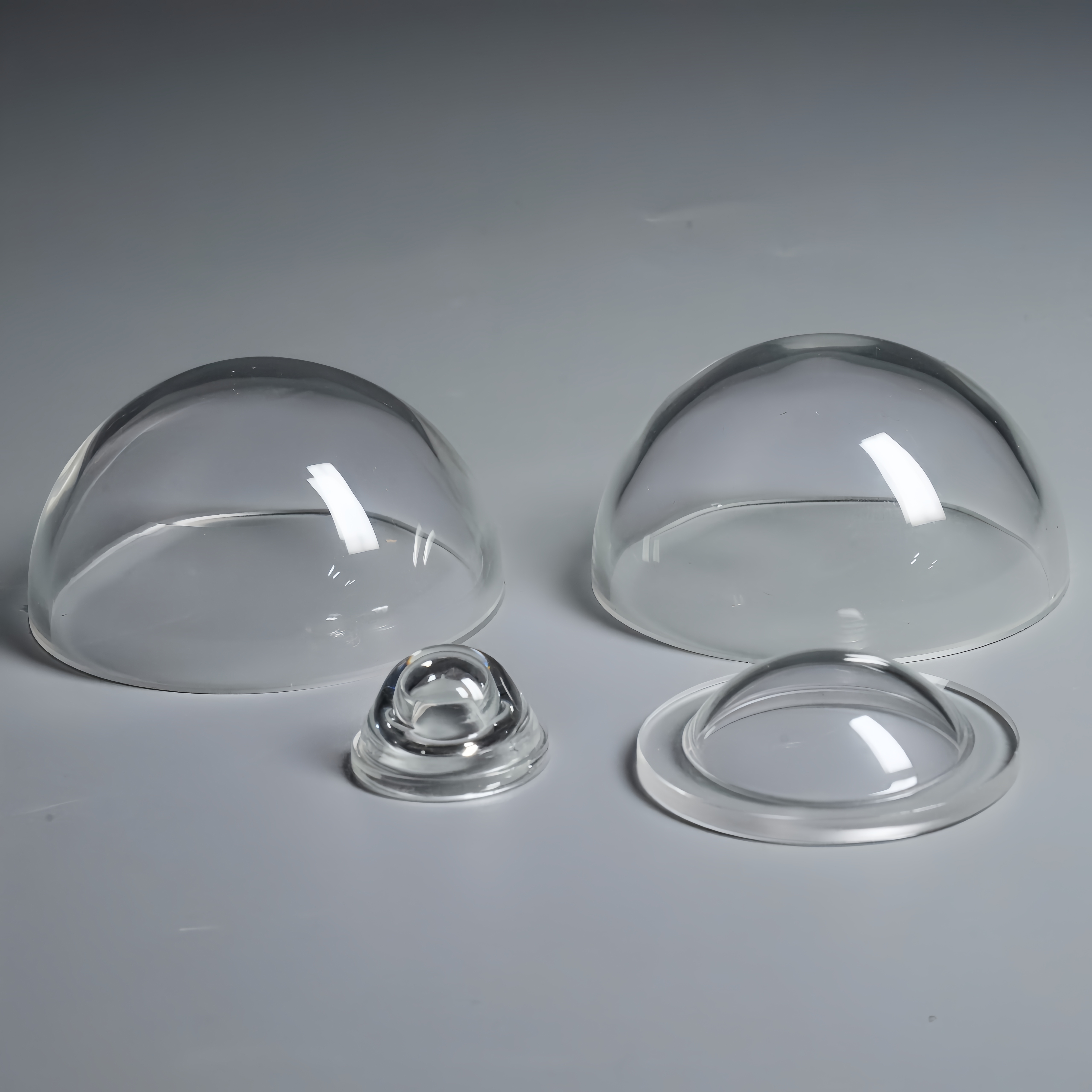
High-Pressure Borosilicate Optical Glass Dome for Underwater ROV AUV Camera Housings & Submersible Lights Deep Sea Rated
Optical domes for ROV, AUV, submersible lights and deep-sea camera housings; pressure and sealing requirements reviewed at RFQ.
View product
Wholesale OEM Shape Size Borosilicate Glass 175mm Diameter AR Coating Double Plano Convex Achromatic Fresnel Lens BO GLASS Stage
Borosilicate Fresnel lens for stage, studio and high-power LED optics; OEM shape, size and AR-coating options.
View product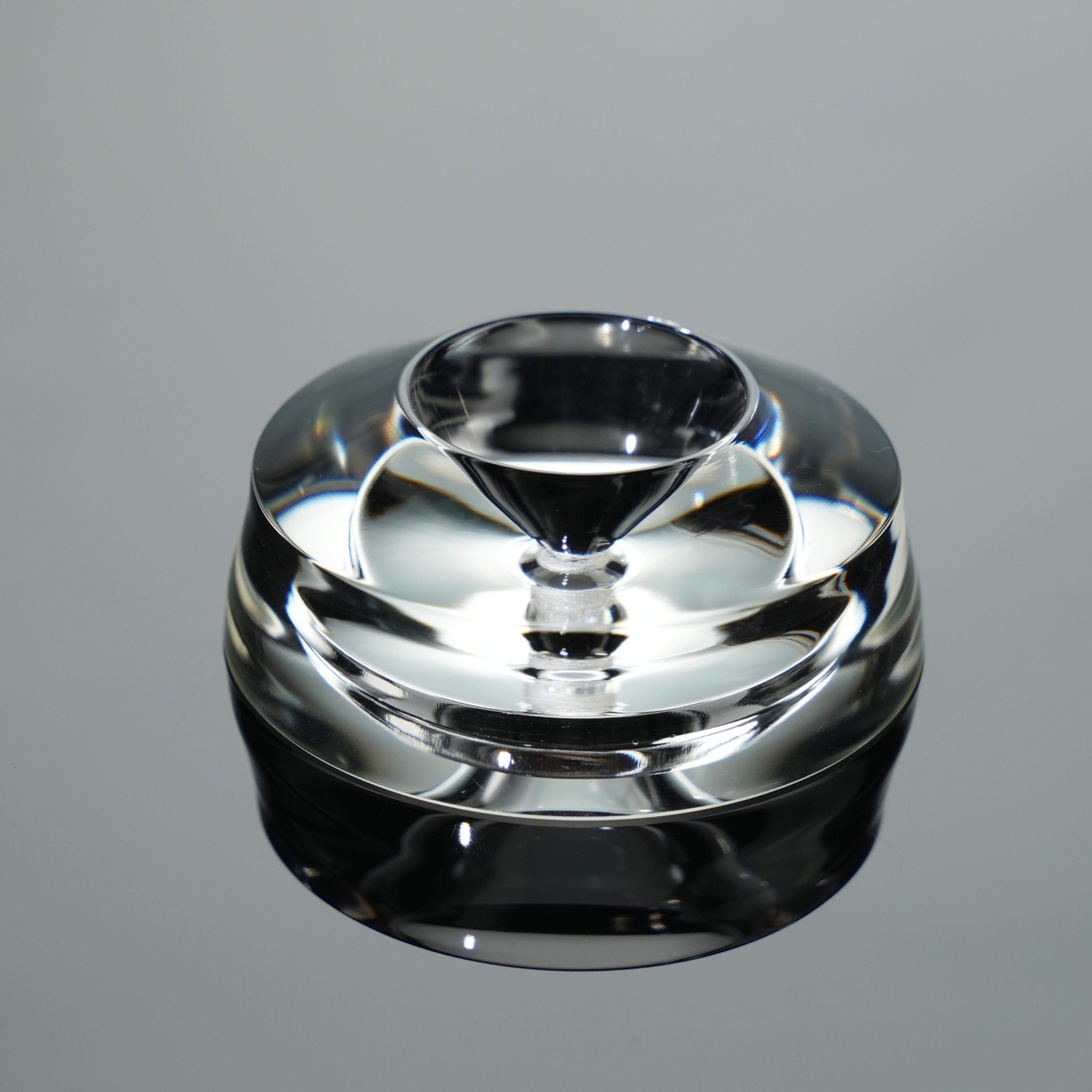
FAA Compliant Borosilicate Heat Resistant Glass Lens Runway In-Pavement Taxiway Lights IP68 Waterproof Optical Equipment Clear
Heat-resistant lens support for runway, taxiway and in-pavement fixtures; dimensional, transmission and report requirements reviewed.
View product
Borosilicate Transparent Explosion-proof Shade, Heat-resistant & Crack-proof, Transparent Protective Cover
Transparent, crack-proof borosilicate shade for industrial and explosion-proof fixtures; thermal-shock resistance is a core specification.
View product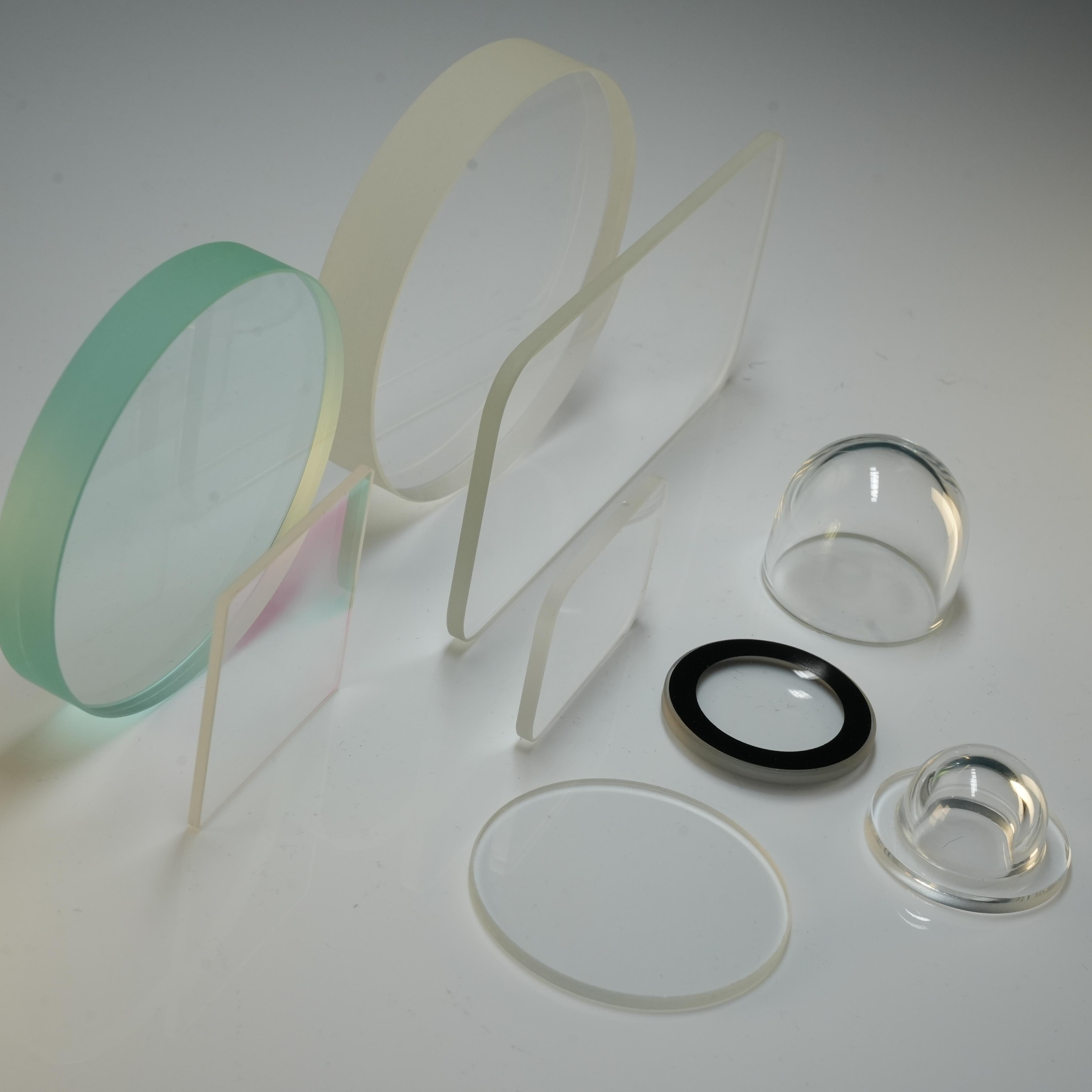
Manufacturer OEM Transparent High Quality Precision Borosilicate UV Fused Silica Coated Glass Optical Window High Transmittance
High-transmittance windows in borosilicate or fused silica for sensors, instruments, UV applications and protective enclosures.
View product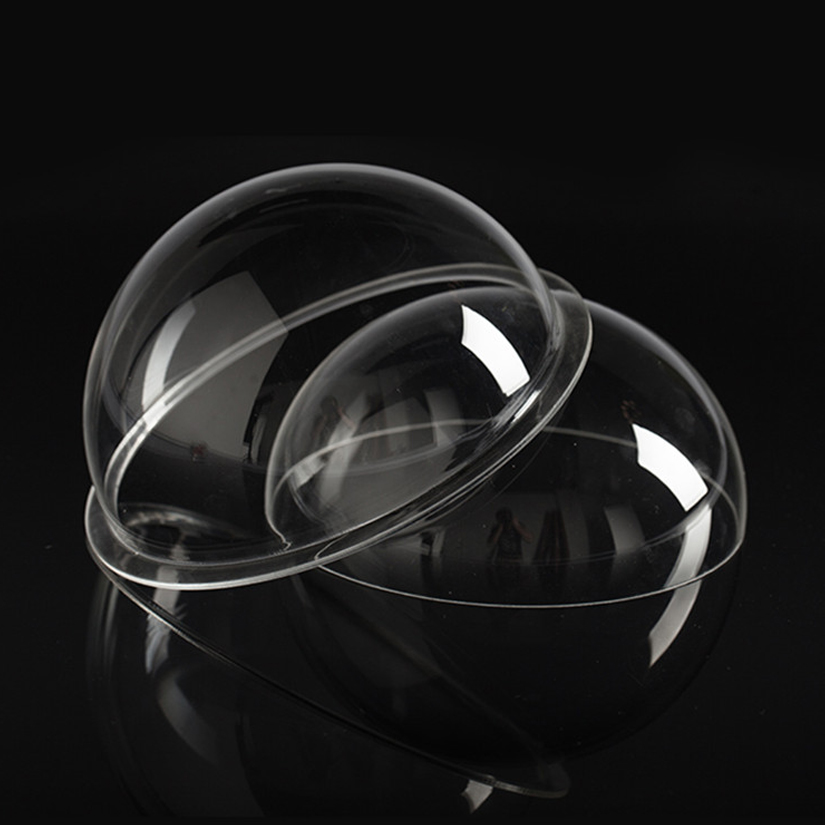
OEM Borosilicate Glass Optical Dome Cover for Outdoor IP Cameras UV Resistant Waterproof Housing Anti-Reflective Coating
UV-resistant, waterproof dome cover for outdoor IP cameras and smart-city housings; AR coating helps reduce glare and ghosting.
View productDallas Glass Etching Procurement: Local Finishing Meets Global Material Engineering
In the Dallas–Fort Worth market, the phrase “glass etching suppliers and wholesalers” can describe a decorative glass fabricator, a lighting component distributor, a precision optical finisher or an importer serving local OEMs. Those are different businesses, and the right sourcing model depends on where the specification risk sits.
Dallas–Fort Worth is one of the fastest-growing advanced manufacturing, logistics and distribution corridors in the United States. A sign fabricator may want acid-etched decorative glass; an aerospace supplier may need laser-marked reticles; a lighting OEM may specify frosted diffuser covers; and an optical integrator may need AR-coated domes that survive Texas heat, UV exposure and repeated cleaning. For that reason, the first sourcing question is not simply “Who is closest?” It is “Which partner controls the specification that determines yield?”
Local etching, cutting, drilling and coating shops are valuable because they shorten iteration cycles and simplify communication. Yet etching is a finishing operation. If the base glass has the wrong composition, carries residual stress, or is not annealed for the thermal load of the fixture, a perfectly executed etch pattern will not rescue the part. Dallas buyers should therefore separate the RFQ into base glass, finishing and logistics. A drawing-based manufacturer can lock the glass type, forming method, wall thickness, draft, sealing face, tolerance and coating before the part reaches a local finishing partner.
Tambi Glass is a Shanghai-based manufacturer and trading company with more than 10 years of experience in custom lighting and optical glass. We are not presented as a Dallas warehouse; we are the upstream glass partner that helps Dallas wholesalers and OEMs consolidate borosilicate covers, tempered domes, optical lenses, windows and filters. Where a project needs etching or a secondary finish, our team reviews the drawing and confirms the pre-etch glass specification so the finishing step is compatible with the material and coating.
The commercial logic is straightforward. North Texas buyers face a fragmented local supply chain, fluctuating freight costs and increasing pressure to prove material traceability to their own customers. Consolidating several glass components with one upstream manufacturer can reduce handling, improve batch consistency and create a single inspection trail. It also gives local distributors a stronger offer: they can hold stock for Dallas customers while the technical drawing and material reports come from the original glass engineering team.

Where Etched and Coated Glass Components Are Used in the Dallas–Fort Worth Economy
Dallas buyers rarely request glass in isolation. They specify it inside a fixture, sensor, vehicle or building system. These eight scenarios show where local project teams most often need etched, frosted, AR-coated or heat-resistant glass.
Aerospace & Defense
Protective windows, instrument covers and optical domes for DFW aerospace suppliers. Drawings should define transmission, coating, edge finish and cleaning compatibility.
Data Centers & Telecom
Optical windows, filters and protection domes for high-density facilities. Stable transmission, low contamination risk and repeatable inspection matter more than decorative etching.
Automotive & EV
Headlight covers, LiDAR windows and sensor domes. Texas heat and road vibration make thermal shock, coating durability and sealing performance critical.
Airport & Aviation Lighting
Runway, taxiway and obstruction lenses. Color stability, light transmission and dimensional fit are essential for FAA-aligned fixture programs and IP68 assemblies.
Industrial & Hazardous Areas
Explosion-proof shades and protective covers for oil and gas, chemical and manufacturing plants. Etching must not compromise impact resistance, sealing or thermal-shock performance.
Outdoor IP & Smart City
Camera domes and outdoor enclosures for surveillance, traffic and public infrastructure. UV resistance, weatherability and AR coatings reduce glare and maintenance.
Medical, Chemical & Instruments
Sight windows, filter windows and precision optical windows. Buyers should document cleaning agents, sterilization methods and chemical exposure before choosing the glass.
Horticulture & Indoor Farming
Grow-light lenses for controlled-environment agriculture. AR-coated convex lenses improve light delivery and can reduce energy waste in high-output LED fixtures.
Dallas Market Trends Reshaping Glass Etching & Wholesale Supply
Six dynamics are changing how Dallas buyers evaluate etched glass suppliers and wholesalers. Each has a direct effect on RFQs, inventory planning and supplier qualification.
Reshoring and Dual Sourcing
North Texas manufacturers are adding second sources and keeping more critical components closer to the point of use. For glass, that often means a local finishing partner plus an upstream manufacturer with repeatable material records.
Specification-Led Procurement
Buyers now ask for transmission data, material certificates, inspection reports and coating information. A low unit price can be erased by field failures, incoming inspection delays or rework at the assembly line.
Heat, UV and Storm Resilience
Dallas summers, intense UV and rapid temperature swings punish low-grade glass and plastics. Borosilicate 3.3 and correctly tempered soda-lime are increasingly specified for high-temperature and outdoor fixtures.
Data Center, AI and Semiconductor Growth
High-density computing and electronics investment across Texas is lifting demand for optical windows, filters and precision domes with stable optical performance and clean packaging.
Etching as a Coordinated Finish
Local etching shops are excellent for fast iteration, but more OEMs define the base glass and coating before etching. This avoids tolerance stack-up problems and coating compatibility surprises.
Freight and Tariff-Aware Purchasing
Importers are consolidating shipments, requesting landed-cost quotes and asking for packaging that survives air and sea transit. Export-ready packing and multi-part consolidation are now selection criteria.
Material Selection Guide for Etched, Coated & High-Heat Glass
Before a Dallas supplier etches, frosts or coats a glass part, confirm the base material. The table below summarizes the engineering logic our team uses when reviewing lighting, signal, optical and industrial projects.
| Material | Thermal expansion (×10⁻⁶/K) | Typical max. working temperature | Key strength | Best for |
|---|---|---|---|---|
| Borosilicate 3.3 | ≈ 3.3 | ≈ 450 °C | Excellent thermal-shock resistance | Explosion-proof shades, high-power LED covers, Fresnel lenses, outdoor fixtures |
| Tempered soda-lime | ≈ 9.0 | ≈ 250 °C | High impact strength and economical cost | Outdoor covers, floodlight glass, vandal-resistant lenses |
| Fused quartz | ≈ 0.55 | ≈ 1000 °C+ | UV transmission and extreme heat resistance | UV optics, high-temperature windows, scientific instruments |
| Optical BK7 / H-K9L | ≈ 7.1 | ≈ 300 °C | Homogeneous optical properties, nd ≈ 1.517 | Precision lenses, prisms, mirrors and filters |
Values are typical references. Final specification is confirmed against your drawing, lamp surface temperature, impact rating, cleaning chemicals and the standard your fixture must meet. Etching can change surface energy and light diffusion. For optical parts, specify whether etching is decorative, functional or for marking; each requires different depth control and inspection.
What to Send for an Accurate Glass Etching & Wholesale Quotation
Clear input shortens engineering review and reduces back-and-forth between a Dallas buyer, a local finisher and an overseas glass manufacturer.
Why Dallas Buyers Shortlist Tambi Glass as an Upstream OEM Partner
Tambi Glass supports lighting and optical OEMs with drawing-based production, material selection and export packing. For Dallas wholesalers, the value is not a local warehouse claim; it is a controlled upstream process that makes local finishing and distribution more predictable.
Drawing-Based OEM / ODM
Most orders start with a drawing or sample. Senior lighting and molding engineers review wall thickness, draft, sealing faces and optical path alignment before tooling.
Broad Material & Finish Range
Borosilicate, tempered glass, quartz and BK7, with pressing, blowing, grinding and AR or color coating options under one supply chain.
Thermal & Optical Engineering Review
Our team asks how the glass will perform inside a real luminaire or sensor, including heat build-up, rain contact, impact and certification requirements.
Export-Ready Communication
Average response within 6 hours, samples before mass production, inspection reports on request and fragile-glass export packing.
Drawing Review
DFM check of thickness, draft, tolerance and sealing face.
Mold & Tooling
New or existing molds for pressing, blowing or grinding.
Sampling
Samples measured and sent for fit, finish and light tests.
Forming & Annealing
Controlled annealing or tempering to relieve stress.
Coating & QC
AR or color coating, dimensional and visual inspection.
Export Packing
Divider-packed cartons, palletized for sea or air freight.
Verify the Supplier Before You Commit to a Dallas Distribution Program
Procurement teams can review business verification, transaction history and buyer feedback before placing a wholesale order. This is especially useful when a local distributor plans to hold inventory for Dallas customers.
Supplier Assessment
Third-party verification of legal status and premises.
View report →Credit Index
Business credit and compliance overview.
Check credit →Transaction Level
Recorded online transaction performance.
See level →Trade Capacity
Export markets, terms and logistics capability.
View capacity →Trade History
Historical shipment and order records.
See history →Ratings & Reviews
Feedback from buyers who ordered from us.
Read reviews →Common Questions About Glass Etching Suppliers & Wholesalers in Dallas
These are the practical questions procurement teams ask when comparing local etching capacity with an upstream OEM glass manufacturer.
Can you supply glass components to Dallas if etching is carried out by a local fabricator?
What is the typical minimum order quantity for Dallas wholesale buyers?
How do you quote shipping and customs delivery to Dallas?
Can you match an existing glass sample or etched pattern?
Which glass material is best for Texas heat and outdoor exposure?
Do you support FAA L-810, EN 50293, IP68 and explosion-proof lighting projects?
What information should a Dallas buyer include in the first RFQ?
How quickly can a technical inquiry be reviewed?
Need a Drawing-Based Glass Etching & Manufacturing Quotation for Dallas?
Share the finished-part drawing, base-glass requirement, etching or frosting notes, coating specification, annual volume and Dallas delivery expectations. Our engineering team will review manufacturability, material selection, tooling route and export packing, then respond with a technical and commercial proposal.