8 Custom Glass Components for Pattaya Lighting and Optical Projects
For buyers searching for a glass ceiling shade manufacturer and factory for Pattaya, the useful comparison is not simply price per piece. It is material, thermal behaviour, coating, sealing face, replacement fit and export packing. These eight product families show the production range that can support hotel lighting, outdoor fixtures, marine signal equipment and optical assemblies.
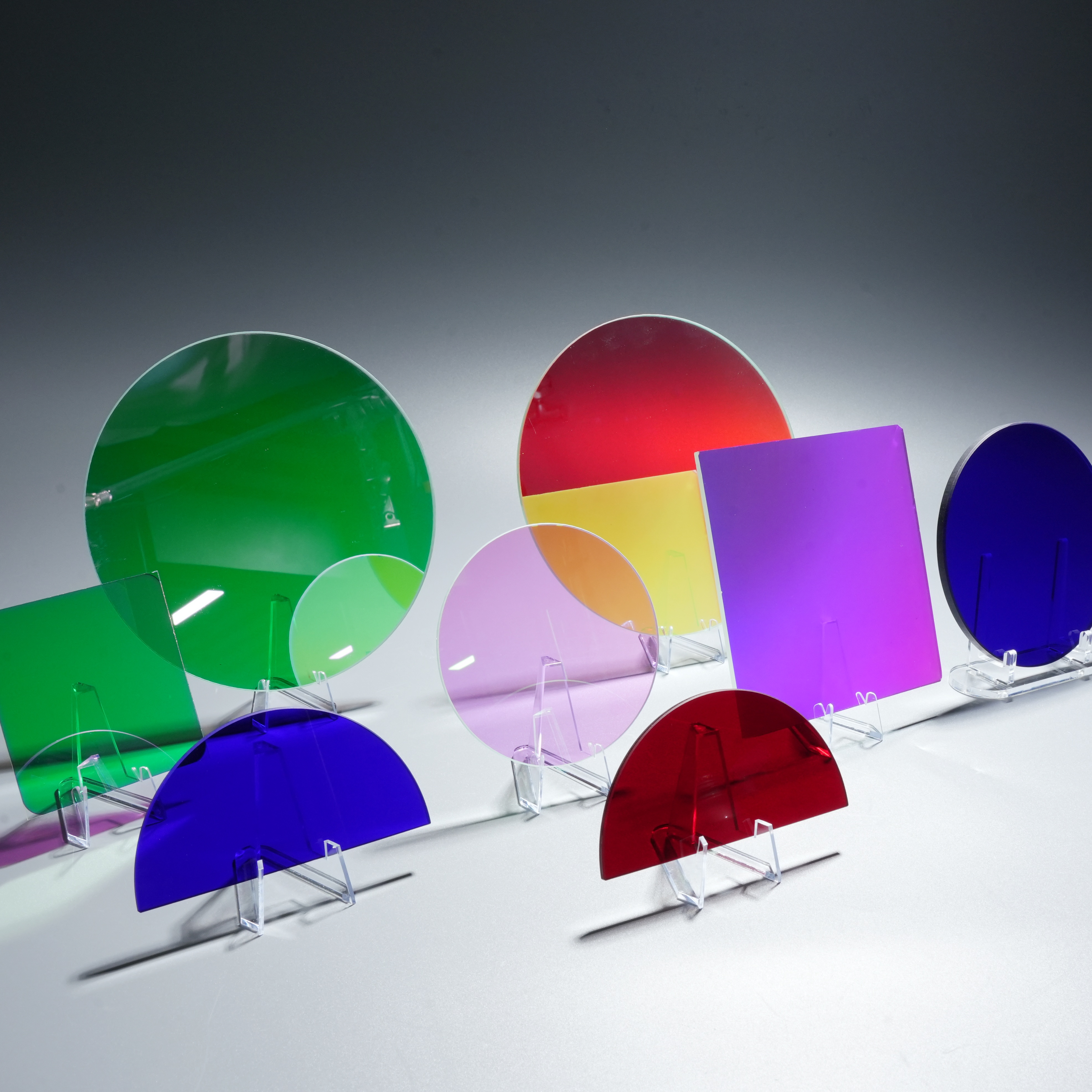
590 nm 49 mm Coated Borosilicate Bandpass Optical Filter
High-precision coated filter for sensing, laboratory and optical instrument programmes requiring controlled transmission.
View product details →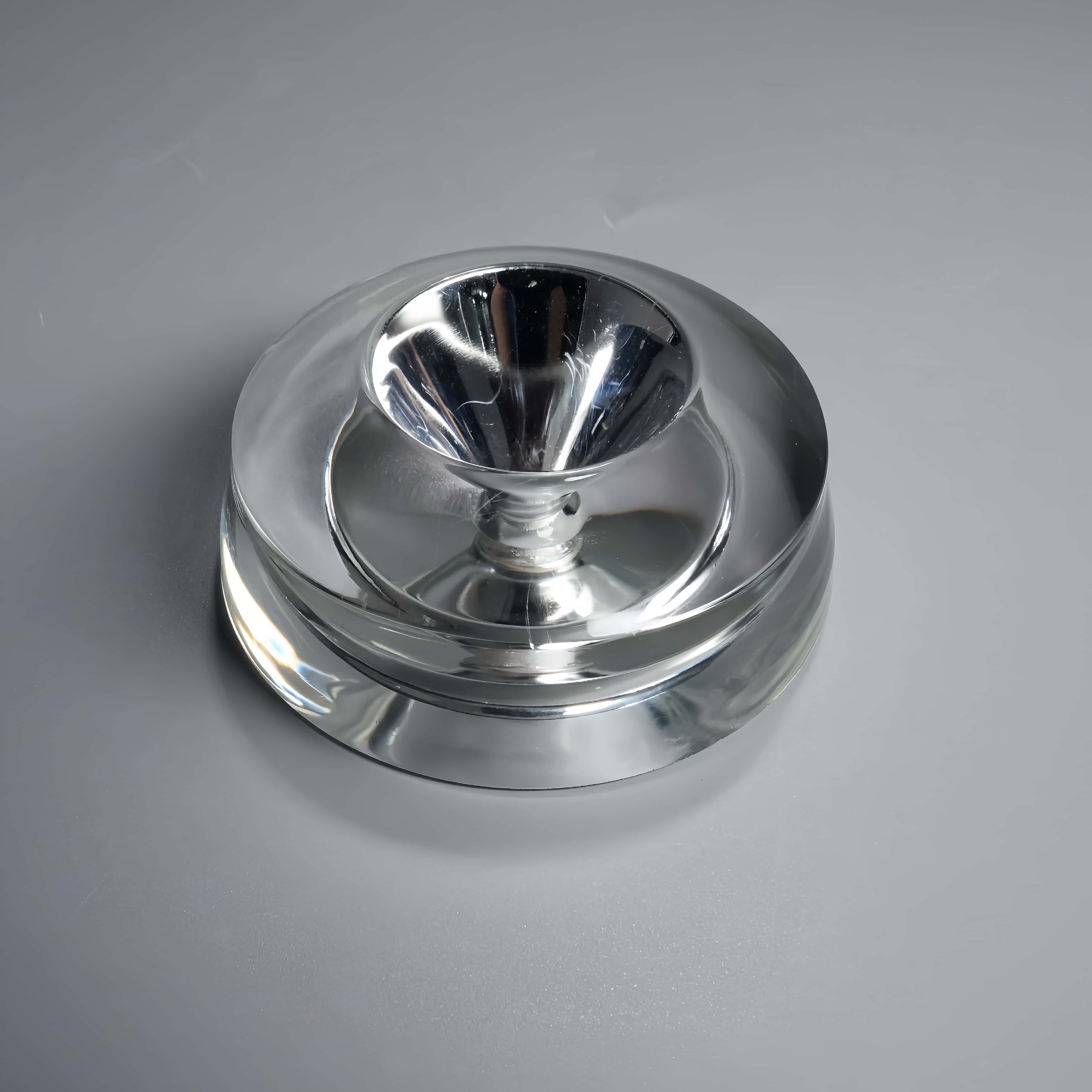
Custom Molded LED Optical Glass Lens for Airport Runway and Taxiway
Pressed borosilicate BK7 K9 glass lens option for airport ground lighting and high-precision LED optical assemblies.
View product details →
High-Precision Right-Angle Optical Prism in Quartz, BK7 or K9
90-degree prism manufacturing for optical paths, instrumentation and OEM assemblies with drawing-based tolerances.
View product details →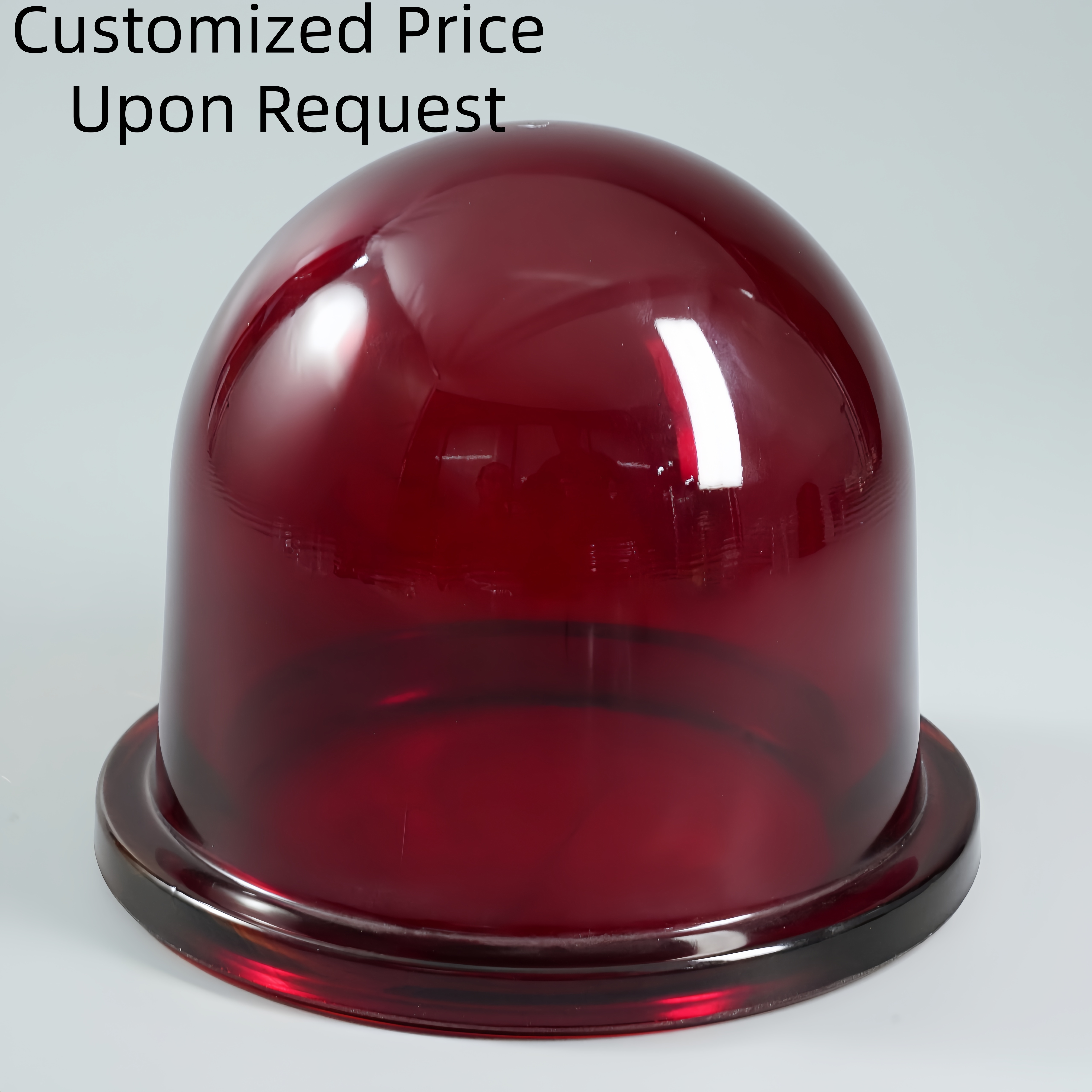
High-Temperature Pressed Glass Shade for Outdoor Street Lights
Explosion-proof and crack-resistant style pressed shade for outdoor fixtures exposed to heat, rain and thermal shock.
View product details →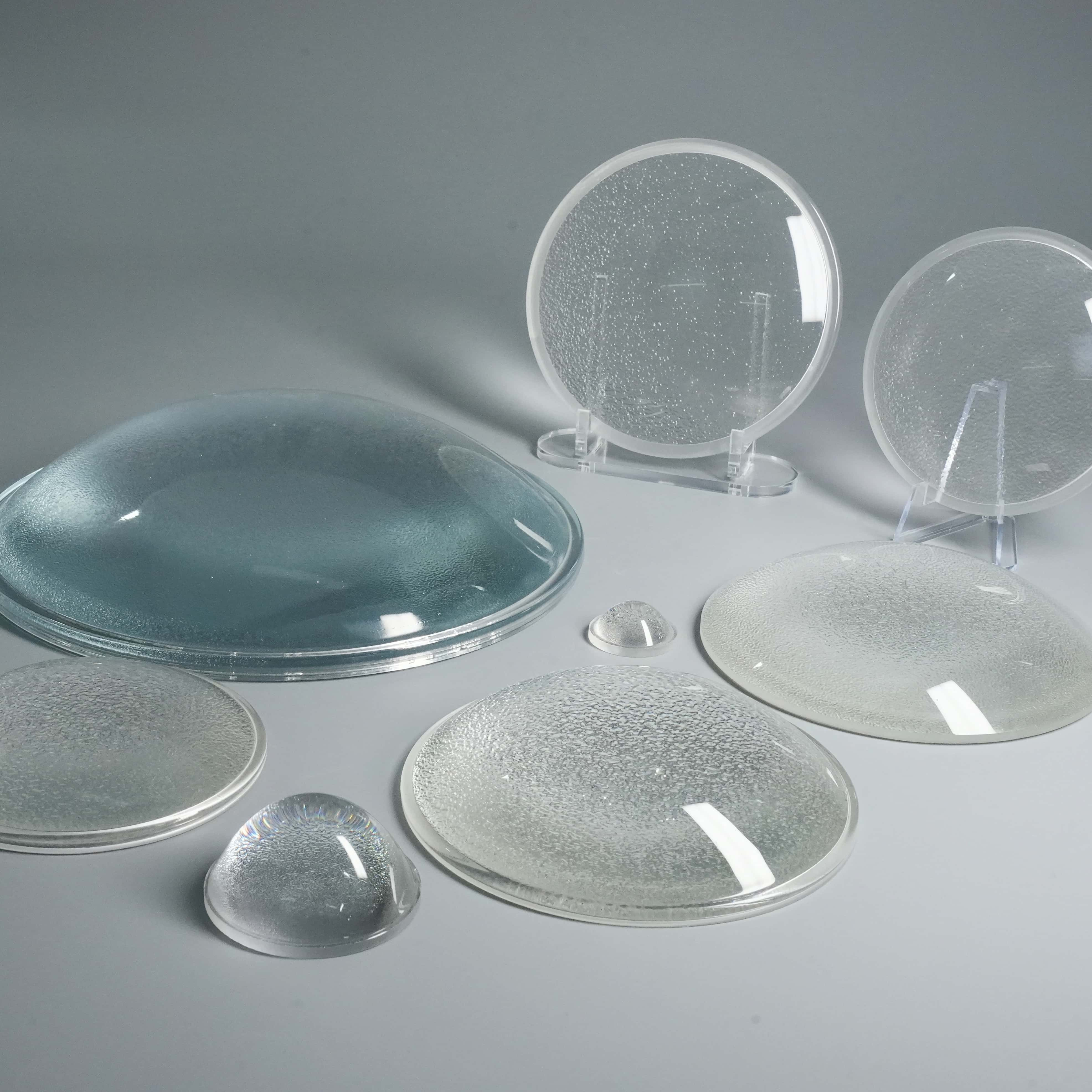
Asymmetric Borosilicate LED Lens for Low-Glare Roadway Lighting
Designed to reduce light pollution and glare while protecting the LED chamber in humid coastal street-lighting projects.
View product details →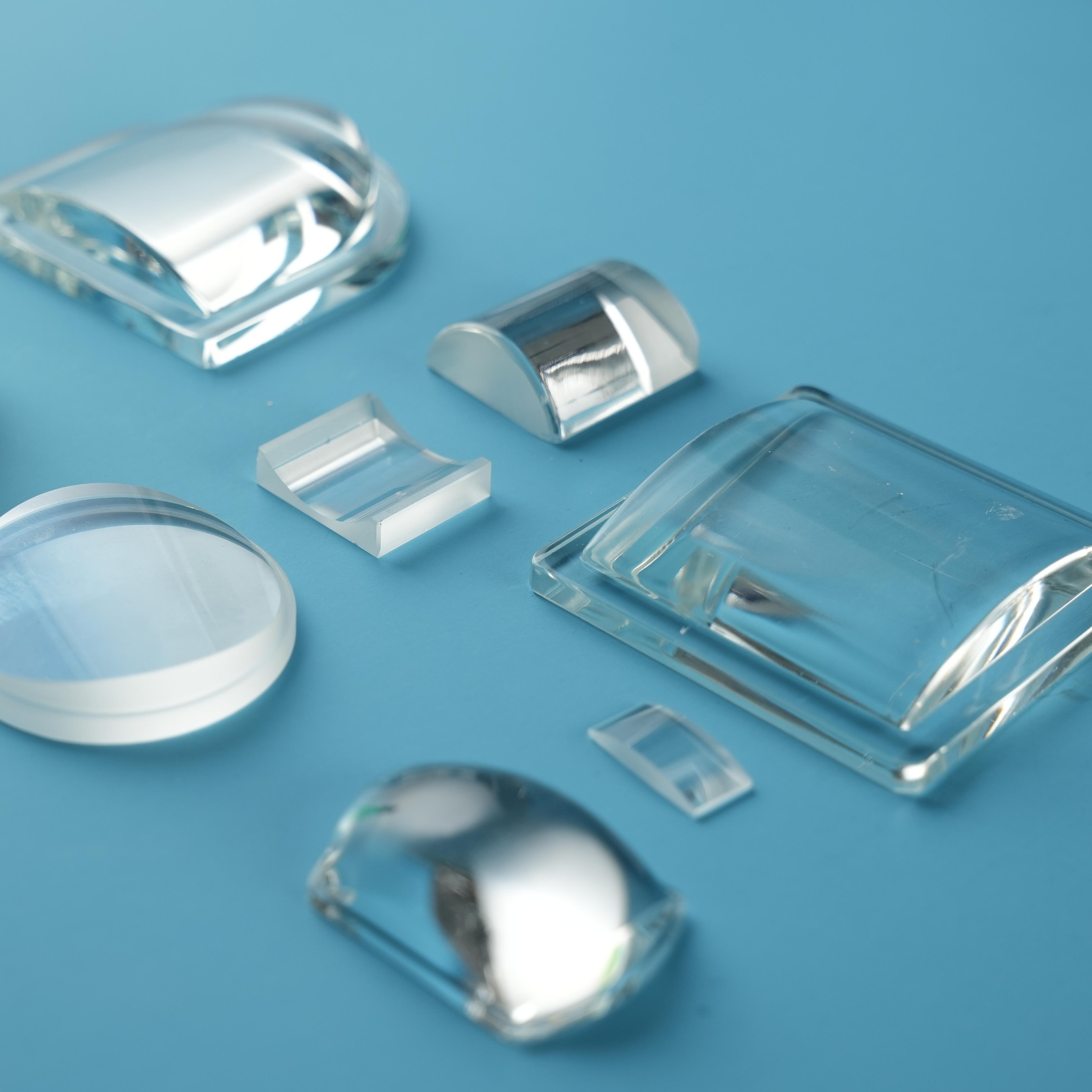
OEM Anti-Reflective Laser Glass Lens in Borosilicate or UVC Glass
Plano-convex, cylindrical and biconvex lens options with anti-reflective coating for laser and sensing equipment.
View product details →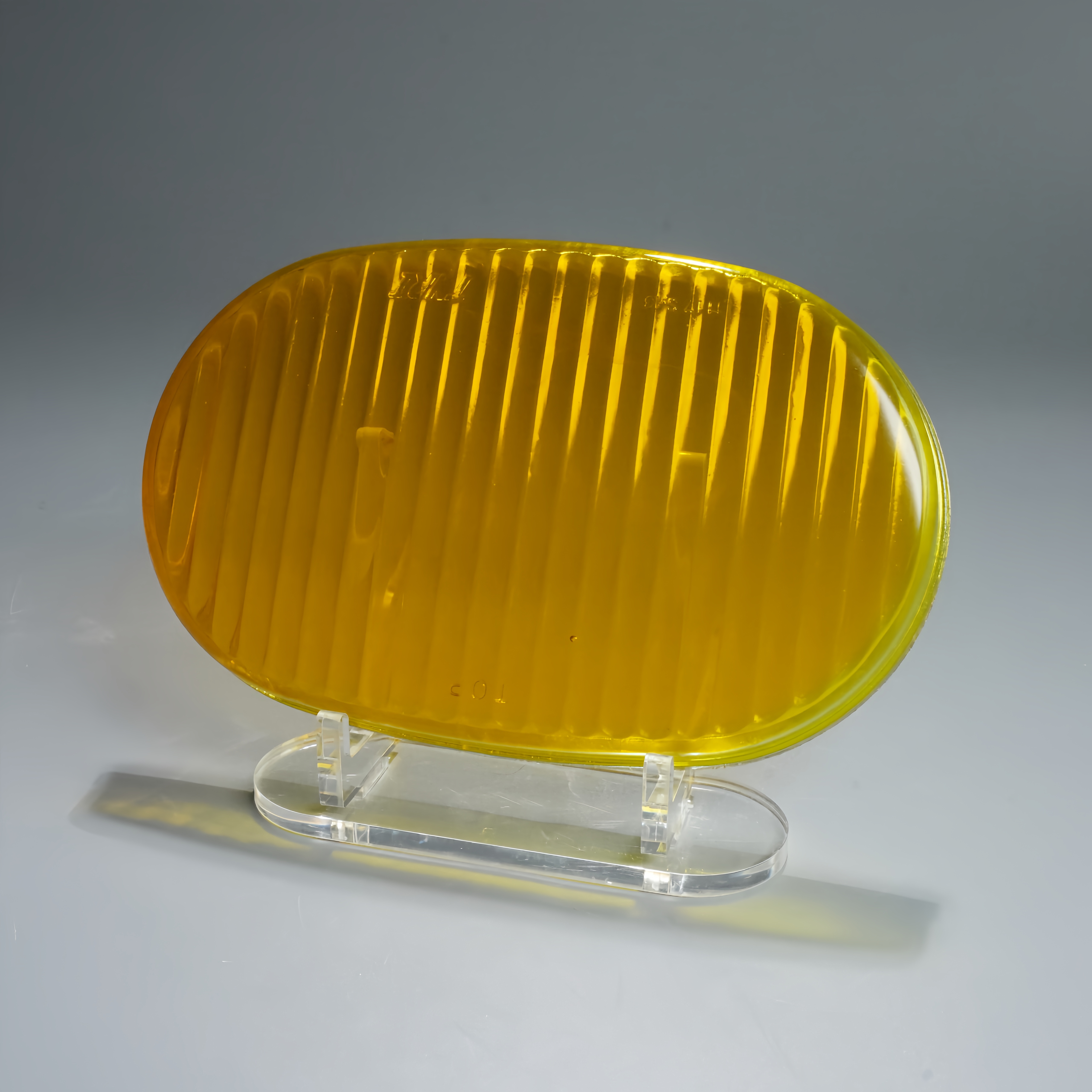
Custom Heat-Resistant Borosilicate Glass Car Light Accessories
Size, shape and colour customisation for lighting accessories where heat resistance and stable optical appearance matter.
View product details →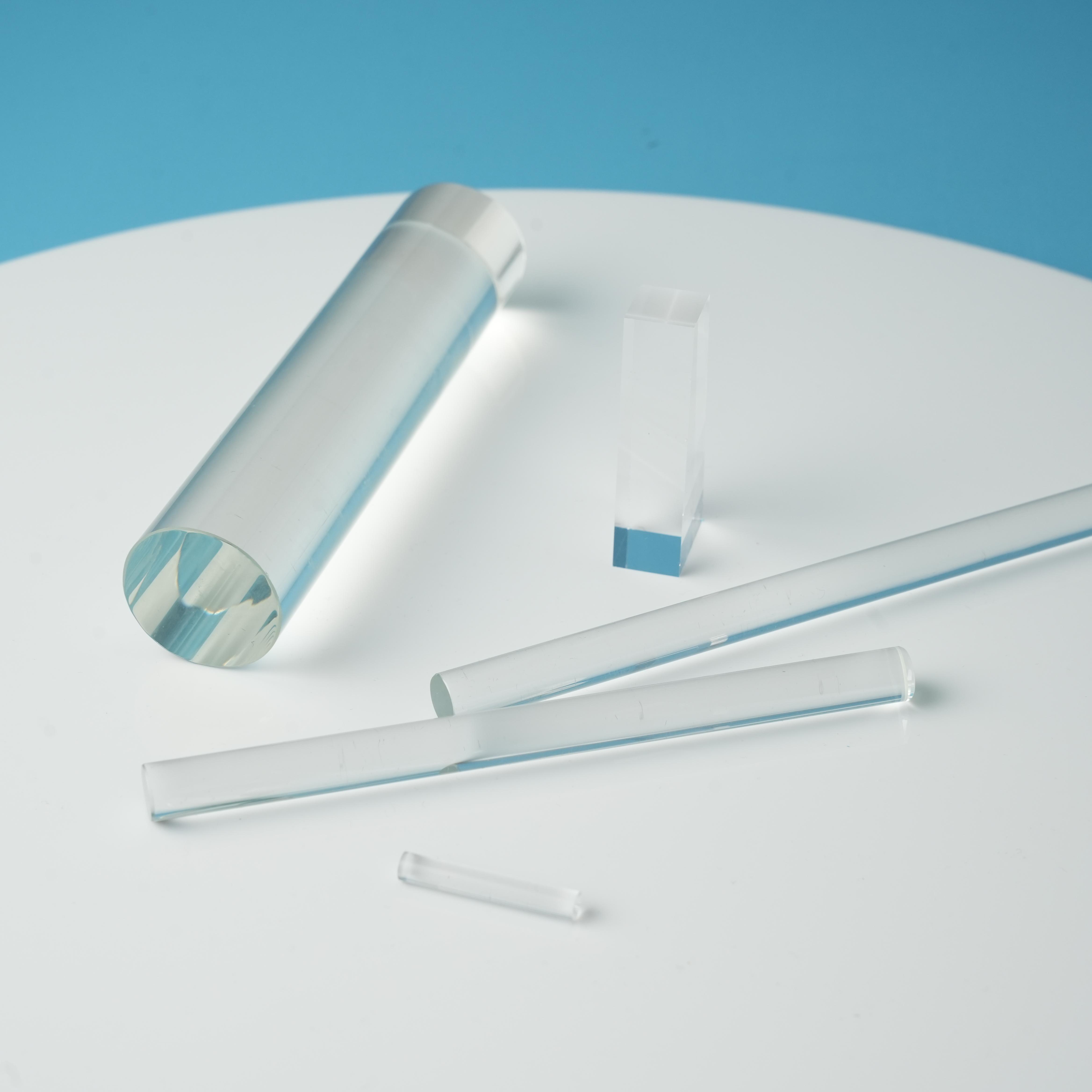
Transparent High-Borosilicate Optical Light Guide Rod for Laboratory
Custom-shaped light guide rod and rod lens for laboratory, signal and precision optical prototypes.
View product details →What “Glass Ceiling Shade Manufacturers & Factory for Pattaya” Really Means
Pattaya is not a generic tropical market for lighting glass. It combines beachfront humidity, salt-laden onshore air, intense UV, seasonal monsoon rain, dense hospitality use and a large replacement market for damaged or discontinued luminaires. For a glass ceiling shade, these conditions change the questions a buyer should ask. The best supplier is not always the one with the lowest unit price; it is the factory that can match the drawing, control thermal shock, protect light output and pack fragile glass for export to Thailand without hidden damage.
Buyers searching for a glass ceiling shade manufacturer and factory for Pattaya usually have one of four intents. They may need a replacement shade for an existing hotel, a custom borosilicate cover for a new outdoor fixture, a sample-led OEM programme for a Thai lighting brand, or an audit-ready supplier who can provide drawings, material reports and export records. A useful manufacturer response should address all four, not only send a catalogue.
Search intent is broader than a supplier directory
The semantic intent behind “glass ceiling shade manufacturer” includes borosilicate glass ceiling covers, pressed glass lampshades, outdoor street-light shades, hotel pendant lamp glass, explosion-proof style covers and custom optical glass lenses. For Pattaya, the modifier “Pattaya” adds coastal durability, import logistics, replacement fit and local project timelines. That is why this guide focuses on information gain: the technical reasons behind material choice, the application risks around salt air and heat, and the practical checks that shorten a purchase decision.
- Replacement buyers need dimensional matching, gasket compatibility and a small trial batch before full replacement.
- Project buyers need a glass specification that fits the luminaire’s thermal, impact and sealing design.
- OEM buyers need mould review, sampling, coating control and consistent colour or transmission.
- Procurement teams need supplier verification, trade records and export packing that survives sea freight.
Pattaya climate stress signals
Qualitative risk view for outdoor and semi-exposed glass shades. Final evaluation should use your fixture test data and installation location.
Where Glass Ceiling Shades and Lighting Glass Are Used Around Pattaya
Pattaya projects are not uniform. A beachfront resort, a marina, a high-rise lobby, a promenade and a port-area industrial building place different demands on the same glass component.
Beachfront resort ceiling pendants
Hospitality ceilings often combine decorative glass with high-output LED modules. Borosilicate 3.3 helps tolerate lamp heat and reduces the risk of thermal cracking when air-conditioned interiors meet humid outdoor air.
Marina, jetty and offshore signal lights
Salt spray attacks fittings, gaskets and reflectors long before it damages glass. The glass cover should be matched with 316-grade stainless hardware, compatible seals and a declared colour or transmission target.
High-rise lobbies, corridors and façades
Large glass diffusers must resist wind-driven rain, cleaning chemicals and repeated temperature change. Edge quality, wall thickness and gasket compression matter as much as the glass type.
Promenade, park and street lighting
Outdoor street-light shades face monsoon rain, dust and accidental impact. Pressed glass shades with controlled annealing are often preferred over thin blown glass for long replacement cycles.
Port, EEC and industrial facilities
Nearby Laem Chabang port activity and Eastern Economic Corridor investment create demand for robust industrial lighting covers, chemical-resistant surfaces and easy-to-clean glass.
Hotel retrofit and replacement shades
A single broken shade can take a room out of service. Reverse-engineered replacement shades with matching neck diameter, height, screw holes and edge finish reduce downtime for Pattaya hotels.
Four Trends Shaping Pattaya’s Glass Shade Procurement
Pattaya’s lighting market is moving from simple replacement purchasing toward evidence-led specification, custom samples and supply-chain resilience.
Higher LED thermal loads
Compact, high-output LED modules concentrate heat in small fittings. Buyers increasingly request borosilicate 3.3 or tested tempered glass instead of assuming any glass cover will survive.
Coastal durability specifications
Salt air and monsoon rain push procurement teams to review gasket material, drainage paths, stainless hardware and coating stability together with the glass shade itself.
Custom replacement over full fixture change
Hotels and marinas often prefer a tailored replacement shade to a complete luminaire replacement, reducing lead time and preserving the original architectural appearance.
Verified suppliers and smaller trial batches
Thai importers are more willing to start with samples and small MOQs when the factory supports drawing review, material reports and export-ready carton design.
How to Select Glass for Pattaya’s Heat, Humidity and Salt-Rich Air
Glass is a component inside a lighting system. The correct choice depends on lamp temperature, LED power, gasket compression, impact rating, colour requirement and the certification path of the finished luminaire.
| Material | Thermal expansion | Typical working temperature | Key strength | Good fit for Pattaya |
|---|---|---|---|---|
| Borosilicate 3.3 | ≈ 3.3 × 10⁻⁶/K | ≈ 450 °C | Excellent thermal-shock resistance | High-power LED ceiling shades, outdoor lamp covers, explosion-proof style glass, thermal-cycle sensitive fixtures |
| Tempered soda-lime | ≈ 9.0 × 10⁻⁶/K | ≈ 250 °C | High impact strength and economical cost | Promenade and street-light covers, thicker impact-resistant shades, moderate-temperature outdoor luminaires |
| Fused quartz | ≈ 0.55 × 10⁻⁶/K | ≈ 1000 °C+ | Extreme heat and UV-capable optical transmission | UV optics, high-temperature windows, special sensing equipment |
| Optical BK7 / K9 | ≈ 7.1 × 10⁻⁶/K | ≈ 300 °C | Homogeneous optical properties, good grinding performance | LED lenses, prisms, light guides, precision optical assemblies |
Values are typical reference points. Final specification should be confirmed against your drawing, lamp surface temperature, impact requirement, sealing design and the standard your finished luminaire must meet.
Glass Shade Recommendation by Pattaya Project Type
Use this table as a starting point for engineering discussion. The final drawing should be confirmed by both the lighting fixture designer and the glass manufacturer.
| Pattaya project type | Recommended glass direction | Why it fits | Checks before ordering |
|---|---|---|---|
| Beachfront resort ceiling pendants | Borosilicate 3.3, clear or satin etched, 2.5–4 mm wall as required | Thermal-shock resistance and good visual clarity for high-end interiors | Lamp heat, etching density, gasket fit, edge polishing |
| High-rise lobby and corridor fixtures | Tempered soda-lime or borosilicate, low-iron clear or frosted | Impact strength and consistent appearance across many replacement parts | Colour consistency, wind-driven rain exposure, mounting orientation |
| Pool-deck and promenade lighting | Tempered soda-lime thick-wall shade or borosilicate where heat is high | Better impact resistance for public areas and seasonal monsoon conditions | Impact rating, drainage, stainless hardware, gasket compatibility |
| Marina and marine signal lighting | Pressed borosilicate clear or red glass dome, UV-stable colour | Colour signal consistency and resistance to thermal cycling in coastal service | Transmission target, chromaticity, salt-spray test of full assembly |
| Port and EEC industrial lighting | Thick-wall borosilicate or explosion-proof style pressed glass shade | Robustness against heat, chemical cleaning and dusty industrial environments | Surface temperature, chemical exposure, fixture IP rating, certification path |
| Hotel replacement shades | Reverse-engineered borosilicate or tempered glass matched to the original | Fast replacement without changing the existing luminaire or ceiling design | Sample, neck diameter, height, screw holes, glass thickness, surface finish |
Why Tambi Glass Is a Credible Factory Partner for Pattaya Buyers
Shanghai Tambi Glass Industrial Co., Ltd. is a manufacturer and trading company focused on custom lighting and optical glass. The value for Pattaya buyers is not a generic catalogue; it is the ability to review a drawing, select the right glass, control the forming process, verify key dimensions and pack fragile parts for export.



Drawing-based OEM / ODM
Most orders begin with a 2D or 3D drawing, a physical sample or a replacement requirement. Engineers review wall thickness, draft, sealing faces and optical alignment before tooling and sampling.
Material and process depth
Borosilicate, tempered soda-lime, quartz and BK7/K9 options can be combined with pressed, blown, ground, etched and AR-coated production routes for lighting and optical components.
Supplier verification records
Procurement teams can review the published supplier assessment, credit index, transaction level, trade capacity, trade history and buyer feedback before requesting samples.
Export packing and response
Fragile glass parts can be separated with foam or pulp dividers, packed in reinforced export cartons and palletized for sea or air freight. Technical inquiries receive an average response within six hours.
The company has more than ten years of lighting-glass experience, a team of 11–50 people and annual export revenue in the US$2.5 million–5 million range. Its production experience includes borosilicate glass covers, explosion-proof lampshades, signal-light domes, LED lenses, prisms and optical filters. For a Pattaya hotel group, marina operator, lighting brand or importer, this combination supports a practical path from sample to repeat order. For requirements connected to FAA L-810 or EN 50293-style fixture programmes, Tambi Glass can match glass colour, transmission and dimensional specifications; final fixture certification is held by the luminaire manufacturer.
From Drawing to Export: A Controlled Six-Step OEM Process
A simple sequence reduces the risk between sample approval and mass production, especially when the buyer is in Thailand and the factory is in Shanghai.
Drawing review
DFM check of thickness, draft angle, tolerance, sealing face, mounting holes and optical path.
Mould and tooling
Existing mould review or new tooling for pressing, blowing, grinding or coating, depending on shape and volume.
Sampling
Dimension and appearance samples are measured and sent for fit tests on the actual luminaire or fixture.
Forming and annealing
Controlled annealing or tempering helps relieve stress and improve reliability under heat and rain exposure.
Coating and QC
AR coating, colour control, etching, dimensional inspection and visual checks are completed before packing.
Export packing
Divider-packed cartons and palletized packing are prepared for sea or air freight to Thailand.
Common Questions from Pattaya and Thailand Buyers
Can you supply custom glass ceiling shades to Pattaya?
Yes. The usual route is drawing or sample review, material recommendation, sample approval and then production. Export packing can be prepared for sea freight via Laem Chabang or air freight to Bangkok, with shipping terms confirmed in the quotation.
Will borosilicate glass resist Pattaya humidity and salt air?
Glass itself does not rust, but fittings, gaskets and coatings can degrade. For coastal installations, specify compatible seals, drainage, 316-grade stainless hardware where appropriate and a coating that suits the actual light and cleaning regime.
Should I choose borosilicate or tempered glass for a coastal ceiling light?
Borosilicate 3.3 is often preferred where LED heat and thermal shock are the main risks. Tempered soda-lime can be a better fit where impact resistance and cost are the priority. The final decision should consider surface temperature, glass shape, thickness and fixture design.
What is the minimum order quantity for a custom glass shade?
Typical MOQs range from about 50 pieces for optical lenses to 100–500 pieces for pressed or blown lighting covers, depending on whether an existing mould can be used. Sample quantities are available for evaluation before a larger order.
Can you make a replacement shade for an existing hotel luminaire?
Send a clear photo, outer diameter, height, neck size, screw-hole positions, glass thickness, surface finish and a physical sample if possible. Reverse-engineered replacement shades are evaluated against the original fit and gasket arrangement.
What information is needed for an accurate quote?
Provide a 2D or 3D drawing, material preference, dimensions and tolerances, colour or transmission target, coating requirement, annual volume, target installation temperature and any certification path the finished fixture must support.
How are fragile glass shades packed for export?
Parts can be separated with foam or pulp dividers, packed in reinforced export cartons and palletized for sea or air freight. Custom labels and distributor packaging can be discussed for repeat orders.
Do you support FAA L-810 or EN 50293-related lighting programmes?
The factory produces glass lenses and domes for fixture makers whose obstruction and signal lights are designed around those requirements. Fixture certification remains with the luminaire manufacturer, while glass colour, transmission, dimensions and material records can be matched to the project specification.
Get a practical glass specification review for your Pattaya project.
Share the drawing, operating temperature, installation environment, target quantity and any existing certification requirement. The review can clarify material choice, tooling route, sampling needs and export packing before you commit to production.