A Factory Export Partner for Austin, Not a Catalog-Only Reseller
Buyers searching for a glass casting factory and exporters serving Austin usually need one of three outcomes: a custom glass part built from a drawing, a replacement for a legacy lens or dome, or a reliable export channel with documentation. Shanghai Tambi Glass Industrial Co., Ltd. supports all three with a manufacturing and trading model built for lighting and optical OEMs.
Glass casting is often used as an umbrella term for pressed, molded, blown, ground, annealed, tempered, coated, and precision-fabricated glass parts. For an Austin buyer, the important distinction is not the label: it is whether the factory can control thermal shock, UV exposure, impact, optical transmission, sealing faces, and fit inside the final fixture. Our engineering process starts with your drawing and ends with export packaging designed for fragile glass.
Austin sits in a high-UV, high-heat, hail-prone region with rapid storm cooling and strong design expectations for hospitality, residential architecture, outdoor lighting, security hardware, and advanced technology. A glass cover that performs well in a moderate climate may crack, yellow, haze, or lose optical efficiency in Central Texas. That is why we evaluate the material, coating, wall thickness, annealing route, and gasket interface together rather than quoting a generic part number.
Specifier note — information gain for Austin projects: Do not specify borosilicate glass by habit alone. Use borosilicate 3.3 when high lamp surface temperature and thermal shock are the dominant risks. Use tempered soda-lime glass when impact strength and cost control matter more than extreme heat. Use fused silica for UV optics and very high temperatures, and BK7/K9 optical glass for precision imaging, prisms, and lenses. AR coating improves transmission, but it does not replace impact protection, sealing, or correct fixture design.
Eight Optical and Industrial Glass Products Recommended for Austin Buyers
These products match common Central Texas applications: stage and studio lighting, architectural optics, outdoor camera domes, laser systems, sensing instruments, UV-resistant windows, and spectroscopy filters. Each item can be adapted by size, thickness, coating, edge finish, tolerance, and packing method.

175mm Borosilicate Fresnel Lens with AR Coating
Designed for beam control, high-power LED collimation, and stage fixtures. The borosilicate body and AR coating help maintain transmission under heat and support custom fixture designs for Austin venues, studios, and hospitality lighting.
View product →
High-Temperature Borosilicate Fresnel Lens for Stage Lighting
Recommended for high-power LED collimation where lamp heat, repeated dimming cycles, and color consistency matter. The AR-coated surface supports efficient light delivery for performance venues, rental fleets, and architectural spotlighting.
View product →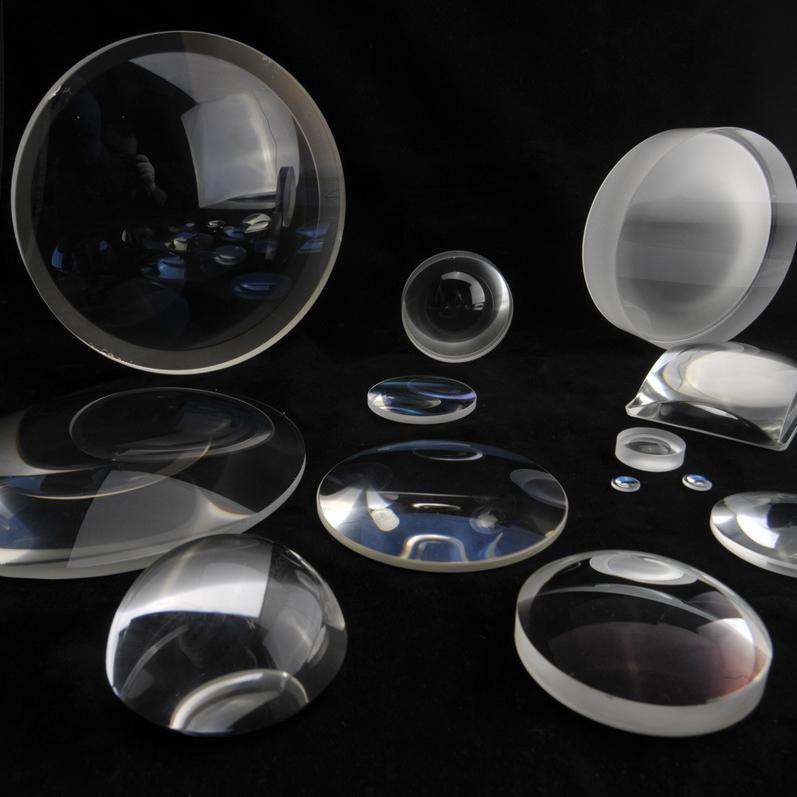
Custom K9 Plano Convex Lens for Large Magnifying and Imaging
Used for magnifying, inspection, imaging, and light collection systems where optical homogeneity and controlled curvature are important. Custom diameters and coatings can be reviewed for prototype and production quantities.
View product →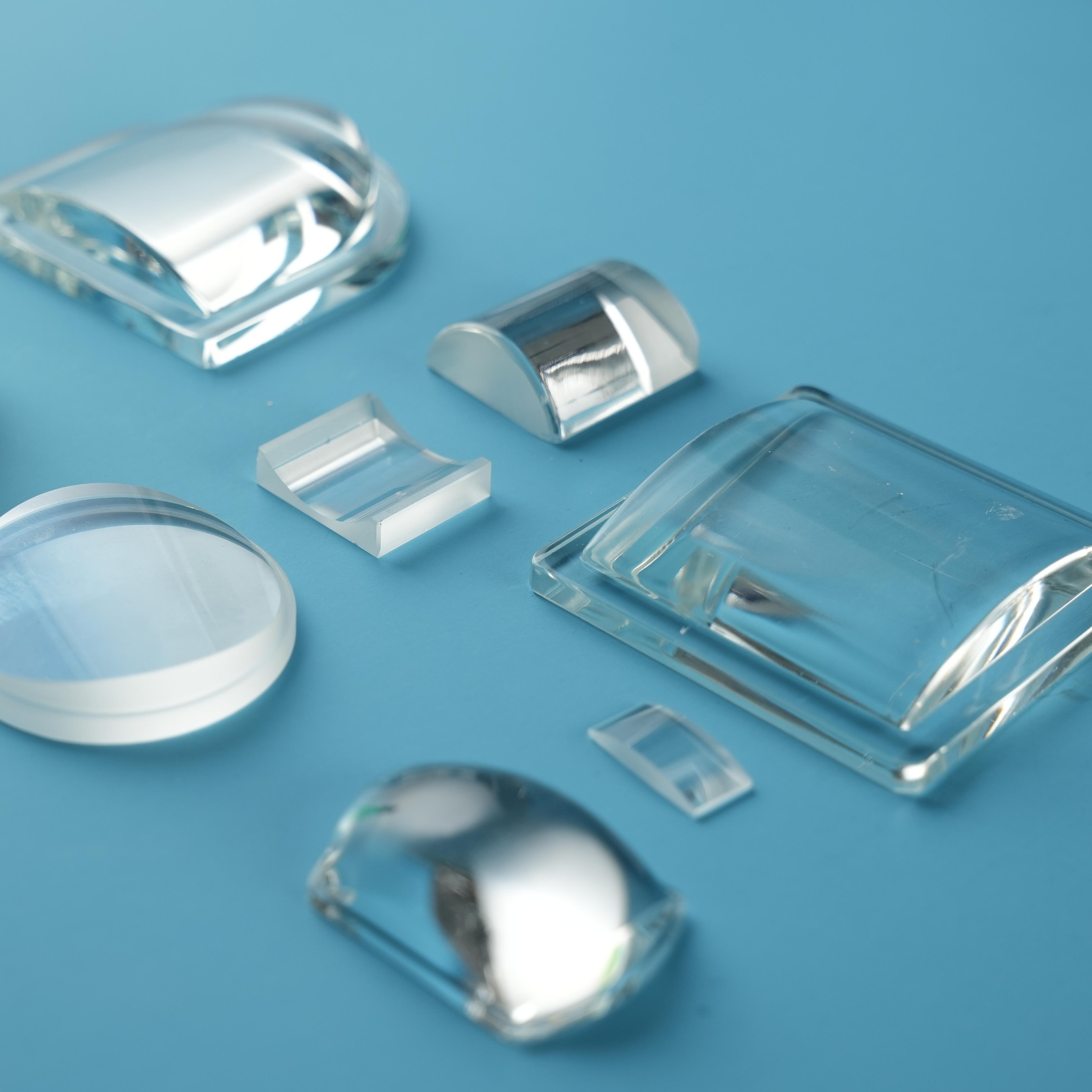
Anti-Reflective Laser Glass and Borosilicate Optical Lens
Provides AR-coated borosilicate options for laser, UVC, cylindrical, plano convex, and biconvex optical paths. The right coating stack and substrate are selected after reviewing wavelength, power density, and environmental exposure.
View product →
UV-Resistant Optical Dome for Outdoor IP Cameras
Designed for outdoor security and monitoring hardware exposed to sun, rain, dust, and temperature cycling. Anti-reflective coating options help reduce glare and preserve image clarity in Austin traffic, campus, and residential surveillance projects.
View product →
Precision Borosilicate and Fused Silica Optical Window
A high-transmittance window option for sensors, instruments, protective viewports, and UV-exposed equipment. Borosilicate and fused silica routes are compared against temperature, wavelength, pressure, and mounting requirements.
View product →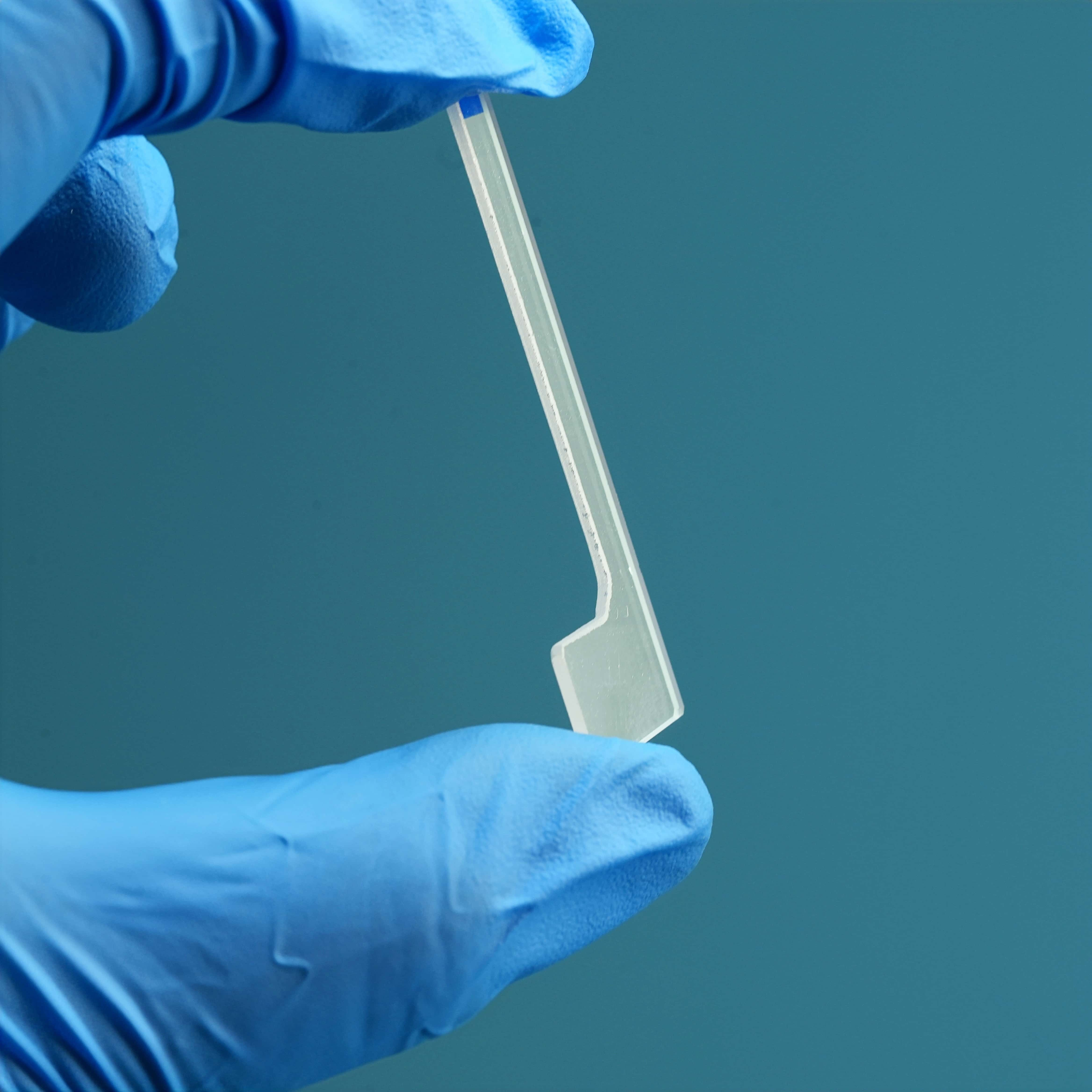
Anamorphic Prism Pair for Laser Beam Circularizing
Recommended for fiber coupling, laser diode beam shaping, and optical bench integration where elliptical beams must be corrected. Prism pair geometry, coating, and mounting tolerance are reviewed against your beam path.
View product →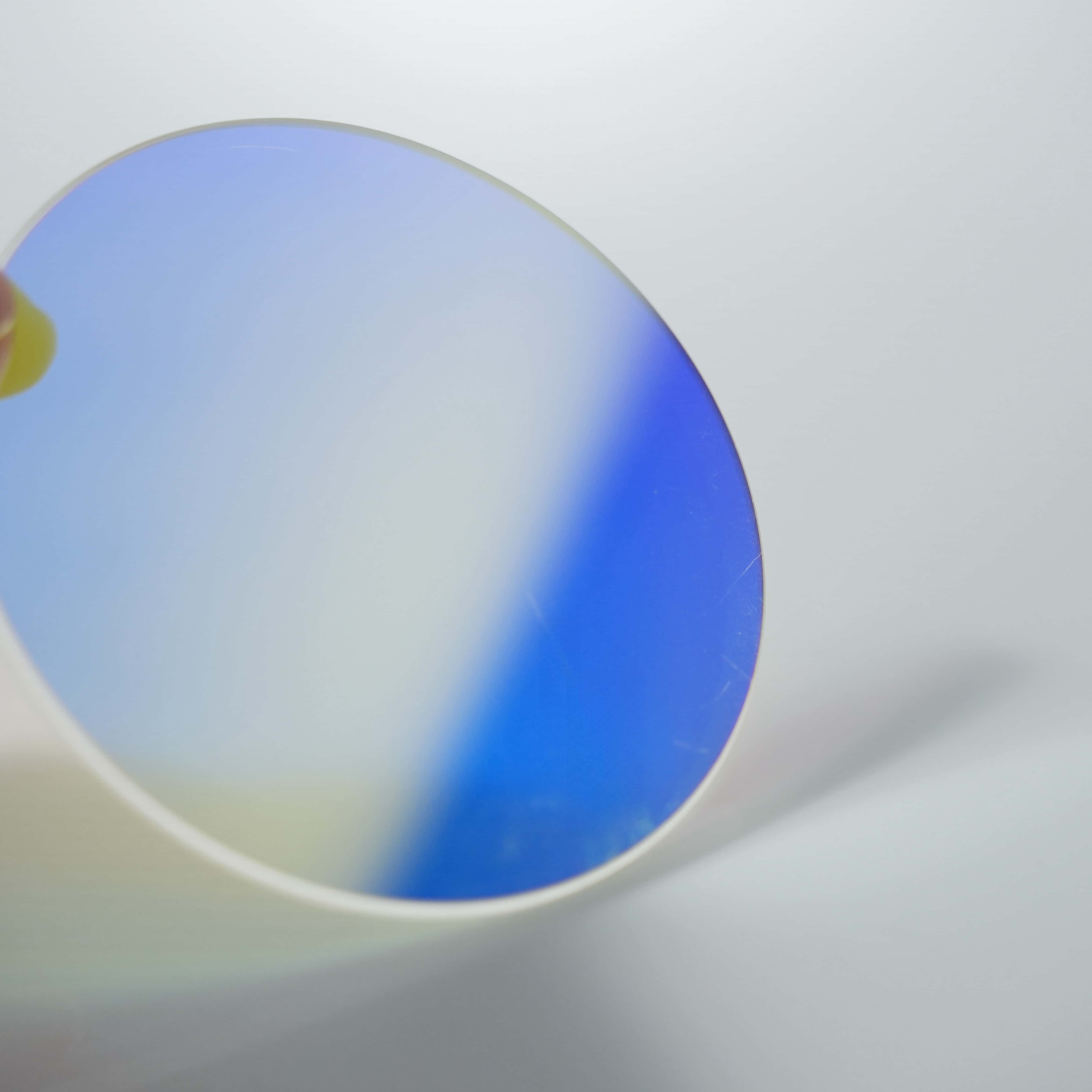
500nm / 600nm / 700nm Optical Filter for Industrial Sensors
Longpass and shortpass filter options with AR coating and cut-edge finishing for spectroscopy, machine vision, and industrial sensing. Custom wavelength bands and diameters are available for Austin instrument developers and OEM sensor teams.
View product →Where Austin Teams Use Custom Glass Castings and Optical Components
Austin’s mix of live entertainment, hospitality, architecture, outdoor living, technology, and public infrastructure creates a wide range of glass performance requirements. The same factory can serve multiple teams when material and coating choices are tied to the actual environment.
Live Music, Studios, and Hospitality Lighting
Fresnel lenses, heat-resistant covers, and AR-coated optics support stage fixtures, venue lighting, and architectural installations. Austin’s live-music and hospitality scene needs fixtures that maintain color and output through long operating hours.
Architecture, Facades, and Custom Residential Glass
Pressed, cast, and custom-fabricated glass can be used for feature walls, decorative lighting, and high-end residential details. We review edge finish, visible surfaces, tolerances, and packing so architectural glass arrives ready for installation.
Pools, Patios, and Landscape Lighting
Outdoor lighting around Lake Travis, Hill Country homes, and Austin patios must resist UV, water exposure, and thermal cycling. Tempered soda-lime and borosilicate options are compared against impact risk, lamp heat, and replacement cost.
Outdoor Cameras, Traffic, and Public Safety Hardware
Optical domes and windows protect camera modules while preserving image clarity. AR coating, hydrophobic treatment options, UV resistance, and sealed housing design are reviewed together for Austin heat, dust, and storm exposure.
LiDAR, Machine Vision, and Advanced Manufacturing
Austin’s technology ecosystem supports sensor, robotics, semiconductor, and machine-vision projects that need optical windows, prisms, filters, and domes. We work from wavelength, transmission, flatness, and mounting requirements rather than a generic catalog number.
Airport, Marine, and Signal Lighting
Signal domes, obstruction-light lenses, and marine covers require stable color and dimensional control. We support fixture makers whose products are designed around FAA L-810, EN 50293, or dark-sky-friendly outdoor lighting goals.
Localized Trends Shaping Glass Procurement in Austin
Search intent for “glass casting factory and exporters serving Austin” is not only about price. It reflects a buyer trying to reduce risk across heat, UV, impact, style, lead time, and supplier documentation. These trends are visible in project briefs we review.
Heat and UV Resilience Lead Specifications
Central Texas sun and long cooling cycles push buyers toward borosilicate, fused silica, and UV-stable coatings. Surface temperature, lamp power, and rain-contact conditions should be written into the request for quotation.
Dark-Sky and Glare-Control Expectations
Austin and surrounding communities increasingly value responsible outdoor lighting. Prismatic covers, optical filters, and beam-control lenses can reduce glare and light spill while maintaining useful output.
Technology-Driven Optical Demand
LiDAR, machine vision, UVC, laser, and spectroscopy systems need optical glass with documented transmission and coating performance. Austin’s technology base makes precision optical components a growth category.
Custom Residential and Hospitality Glass
Designers want glass that is not interchangeable with stock parts. Custom colors, shapes, edge finishes, and AR coatings help create distinctive lighting and architectural details for Austin homes and venues.
Supply-Chain Transparency and Dual Sourcing
Procurement teams want supplier assessment, trade capacity, and inspection records before placing production orders. A factory exporter should provide clear documentation, packaging standards, and realistic lead times.
Hail, Impact, and Replacement-Part Planning
Outdoor glass in Austin must be planned around impact events. Tempered soda-lime may be the better economic choice for some covers, while borosilicate remains preferable for high-heat fixtures. Spare-part packing and reorder planning also matter.
Material Selection for Austin Heat, Storms, and Optical Performance
A practical comparison for buyers reviewing custom glass castings, lighting covers, optical lenses, and domes. Final selection should always be confirmed against your drawing, lamp surface temperature, impact rating, and fixture certification.
| Material | Thermal expansion | Typical max working temp. | Key strength | Best fit for Austin projects |
|---|---|---|---|---|
| Borosilicate 3.3 | ≈3.3 × 10⁻⁶/K | ≈450°C | Excellent thermal-shock resistance | High-power LED covers, explosion-proof shades, Fresnel lenses, hot fixtures |
| Tempered soda-lime | ≈9.0 × 10⁻⁶/K | ≈250°C | High impact strength and economical cost | Outdoor covers, floodlight glass, vandal-resistant lenses, patio fixtures |
| Fused quartz | ≈0.55 × 10⁻⁶/K | ≈1000°C+ | UV transmission and extreme heat capability | UV optics, high-temperature windows, scientific and industrial sensors |
| Optical BK7 / K9 | ≈7.1 × 10⁻⁶/K | ≈300°C | Homogeneous optical properties; nd ≈1.517 | Precision lenses, prisms, mirrors, magnifiers, filters, imaging systems |
Coating note: AR coatings can improve transmission and reduce ghosting, while filter coatings define pass bands for sensing. Coatings must be matched to wavelength, angle of incidence, cleaning method, and outdoor exposure. They do not replace correct glass thickness or impact protection.
From Drawing to Austin Delivery: A Controlled Six-Step OEM Process
Clear checkpoints reduce surprises between sample approval and mass production. Our engineering team reviews manufacturability, tooling, forming, annealing or tempering, coating, inspection, and export packing in sequence.
Drawing Review
Send a 2D/3D drawing or physical sample. We review wall thickness, draft, tolerance, sealing face, optical path, and fixture interface before quoting.
Mold and Tooling
Existing molds may reduce cost and lead time. New tooling is proposed when the shape, volume, or tolerance requires a dedicated pressing, blowing, or grinding route.
Sampling
Samples are produced, measured, and prepared for your fit test, light test, or environmental evaluation. Approval is documented before production begins.
Forming and Annealing
Controlled forming, annealing, or tempering relieves internal stress and improves reliability under heat, impact, and thermal cycling.
Coating and QC
AR or color coating is applied when required. Dimensional, visual, and coating inspections are performed against the approved specification.
Export Packing
Fragile parts are separated by foam or pulp dividers, packed in reinforced export cartons, and palletized for sea or air freight to Austin or your consolidator.
Why Austin Procurement Teams Choose Shanghai Tambi Glass
Shanghai Tambi Glass Industrial Co., Ltd. is a manufacturer and trading company based in Shanghai, China, focused on custom borosilicate and optical glass for lighting and industrial OEMs. Our advantage is not only forming glass; it is connecting drawing review, tooling, coating, quality inspection, and export delivery into one accountable supply chain.
Drawing-based OEM / ODM support with verifiable supplier information
We work with long-term partners in Europe, North America, and Japan, and support buyers who need a factory exporter rather than a catalog reseller. The team is 11–50 people, with more than a decade of lighting glass experience and annual export revenue in the US$2.5M–5M range.
- Borosilicate 3.3, tempered glass, fused quartz, BK7/K9, optical coatings, prisms, domes, windows, and filters
- Senior lighting and molding engineers review drawings before tooling starts
- Average technical response within 6 hours for drawing and volume review
- Onsite-verified supplier records, credit index, transaction level, trade capacity, and trade history available for review
- Export packing designed for fragile glass, with foam or pulp dividers and palletization
Review the company profile, supplier assessment, or credit index before requesting a quotation.
One Supply Chain for Multiple Glass Processes
Pressed, blown, ground, coated, and inspected glass can be coordinated under one project. This reduces the risk of mismatched tolerances between suppliers.
Material and Coating Know-How
We compare borosilicate, tempered soda-lime, fused silica, and BK7/K9 against heat, impact, UV, and optical requirements rather than quoting a single material by default.
Fast Engineering Communication
Our average response time is within 6 hours. Clear questions about drawings, annual volume, and operating conditions speed up the technical and commercial review.
Export-Ready Packing and Documentation
Fragile glass parts are packed for sea or air freight and can be labeled for distributors. Custom packaging and export documentation can be arranged.
Common Procurement Questions from Austin Buyers
These are the questions we hear most often from lighting OEMs, architects, pool and landscape teams, security-camera developers, and optical instrument companies evaluating an overseas glass factory.
Do you ship custom glass castings and optical parts to Austin, Texas?
Yes. We export to Austin and other Texas destinations by air or sea, working with your freight forwarder or ours. We prepare export cartons, pallet packing, and product labels for fragile glass parts.
Can you manufacture from my drawing or physical sample?
Most projects are drawing-based. Send a 2D/3D drawing or sample with dimensions, tolerance, material, color, coating, and operating conditions. Our engineers review manufacturability and propose a mold or processing route.
What is the MOQ for custom borosilicate or optical glass?
Typical MOQs range from about 50 pieces for optical lenses to 100–500 pieces for pressed or blown lighting covers, depending on whether an existing mold can be used. Sample quantities are available for evaluation.
Which glass should I choose for Austin heat and hail?
Choose borosilicate 3.3 when high lamp temperature and thermal shock are the main risks. Choose tempered soda-lime for moderate temperatures where impact strength and cost control matter. The final choice depends on surface temperature, impact exposure, mounting, and fixture certification.
What lead times should I plan for samples and production?
Lead time depends on drawing complexity, mold availability, material, coating, and order volume. After the drawing review, we provide a sample schedule and production plan. Early approval reduces downstream delay.
Can you apply AR coatings, optical filters, or custom colors?
Yes. We support AR coating, filter coating, and custom colors for lighting and optical applications. Coating performance is matched to wavelength, angle of incidence, transmission target, and environmental exposure.
How are fragile glass parts packed for export?
Parts are separated with foam or pulp dividers, packed in reinforced export cartons, and palletized for sea or air freight. Distributor labeling and custom packaging can be arranged when needed.
Do you support FAA, EN, or dark-sky lighting projects?
We produce glass lenses and domes for fixture makers whose lighting products are designed to FAA L-810, EN 50293, or dark-sky objectives. Fixture certification is held by the luminaire manufacturer, while we match color, transmission, and dimensional specifications.
What should I include in a quote request?
Include a drawing or sample photo, dimensions, material preference, color, coating, operating temperature, annual volume, and delivery destination in Texas. For optical parts, add wavelength, transmission, and tolerance requirements.
Have an Austin Project Drawing? Get an Engineering Review Within Six Hours.
Share your dimensions, material, operating temperature, annual volume, and delivery requirements in Austin. Our engineers will review the drawing, suggest the most reliable glass solution, and outline the next step for sampling or production.
Get a QuoteEmail: info@tambiglass.com