8 Product Programs for Display, Lighting & Optical Glass Buyers
These are not generic catalog items. Each product can be adapted in dimensions, glass type, color, transmission, coating, edge finish and packaging to match a Los Angeles fixture design, distributor program or OEM assembly.

High-Temperature Borosilicate Fresnel Lens
AR-coated borosilicate Fresnel lens for high-power LED collimation, stage lighting and studio fixtures where heat concentration is a real design constraint.
View product
175 mm AR-Coated Borosilicate Fresnel Lens
OEM shape, size and coating options for large-aperture Fresnel optics, double plano-convex and achromatic designs used in professional lighting.
View product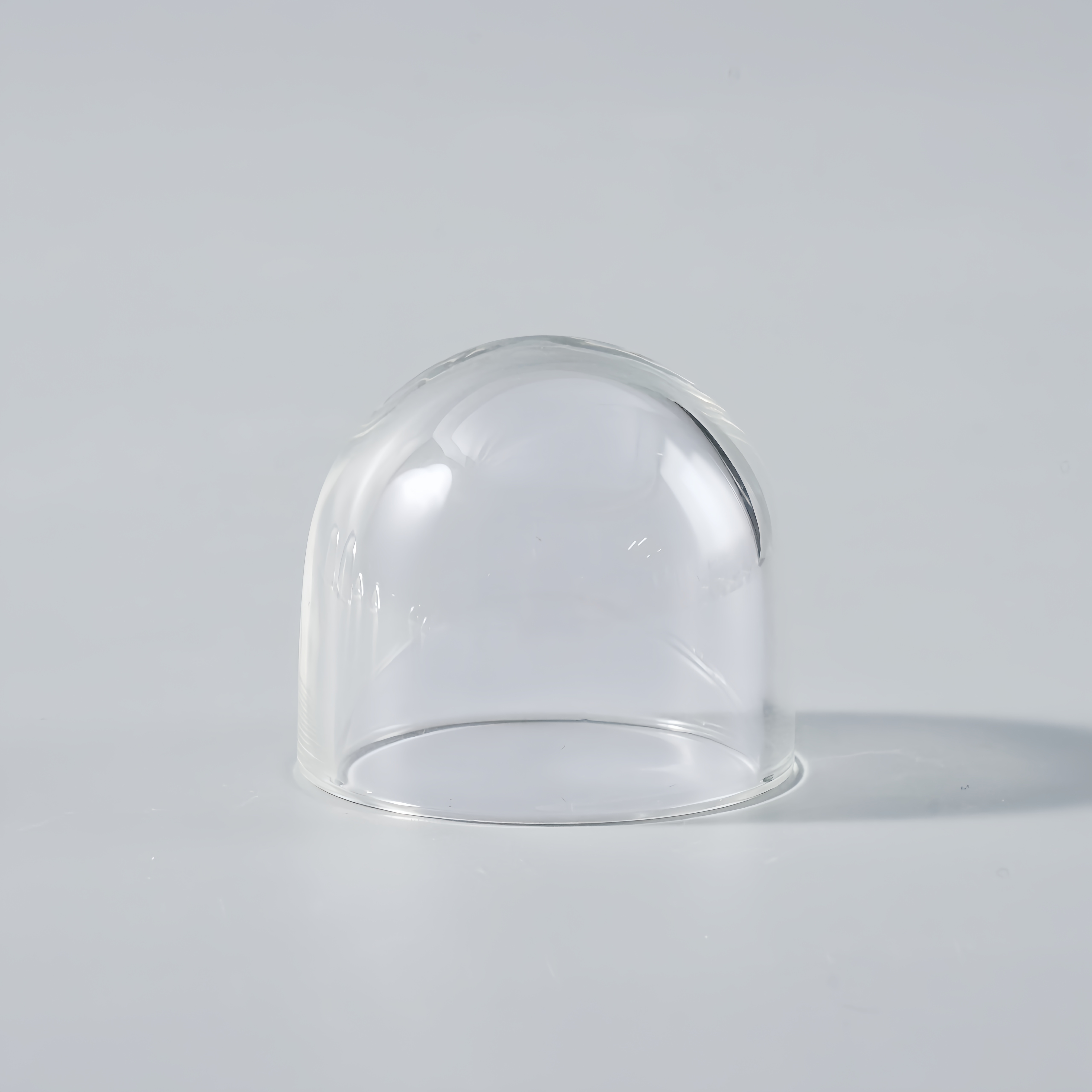
Precision Hemispherical Optical Glass Dome
Broadband AR-coated optical glass dome for LiDAR sensors, scientific windows and precision instruments that need optical clarity and mechanical protection.
View product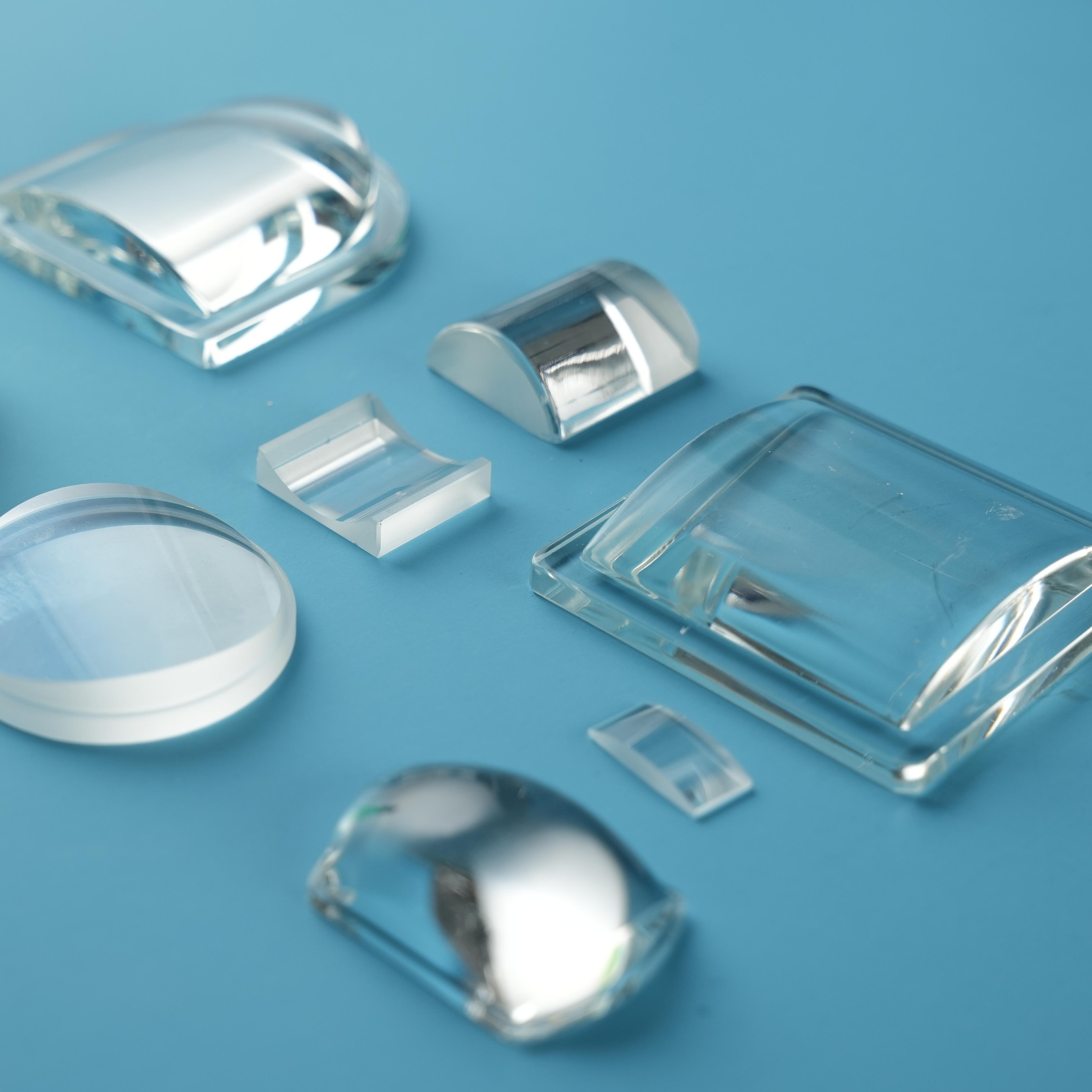
Anti-Reflective Laser & Optical Glass Lens
Custom borosilicate, UVC, plano-convex, biconvex and cylindrical lens options with anti-reflective coating for OEM optical assemblies.
View product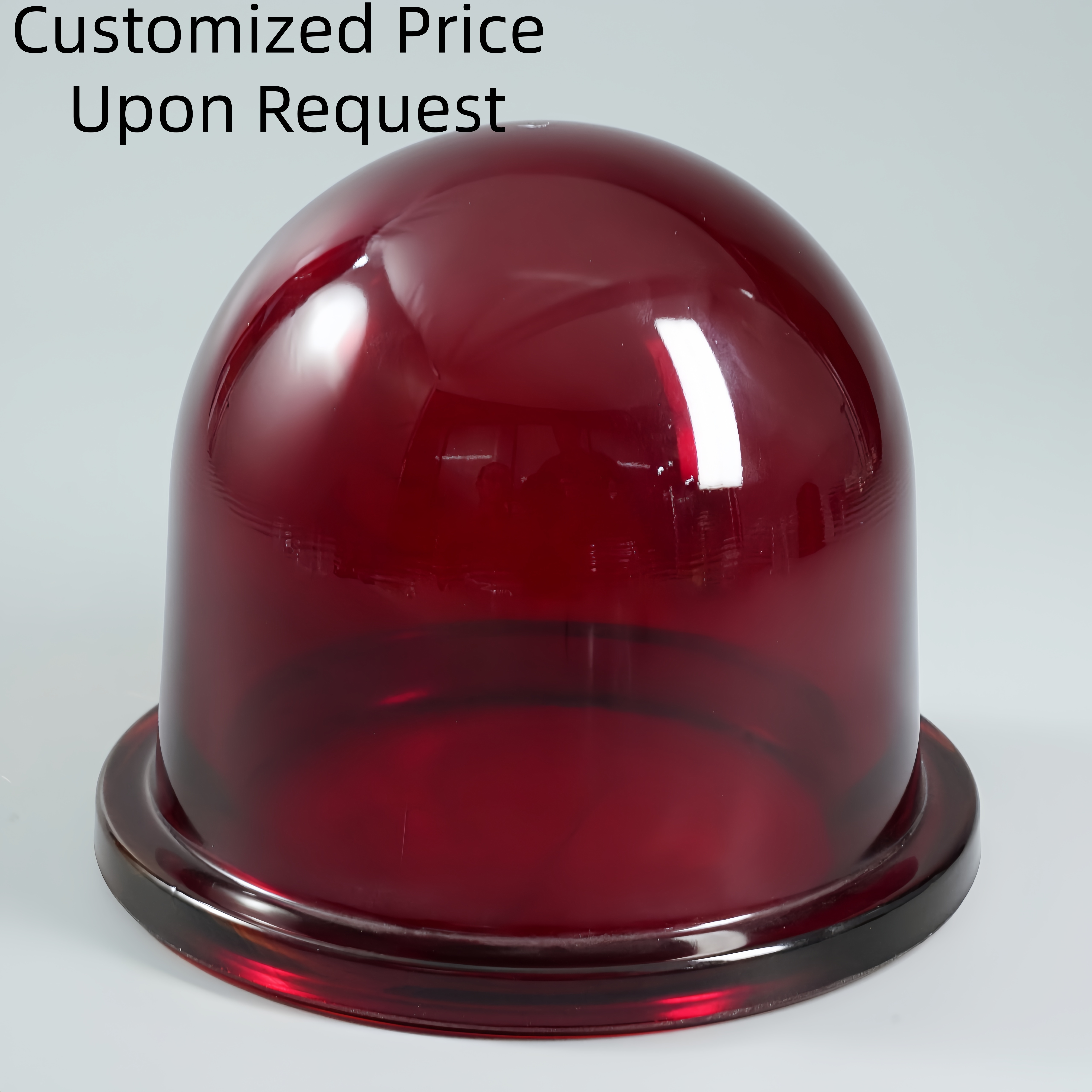
Pressed Glass Shade for Outdoor Street Lights
Heat-resistant pressed glass shade for outdoor street and area lighting, with options relevant to thermal shock, impact and gasket sealing.
View product
Precision BK7 Spherical & Half-Ball Lens
1–200 mm clear BK7, quartz and spherical lens options, including half-ball, concave and biconvex forms with anti-reflective finishing.
View product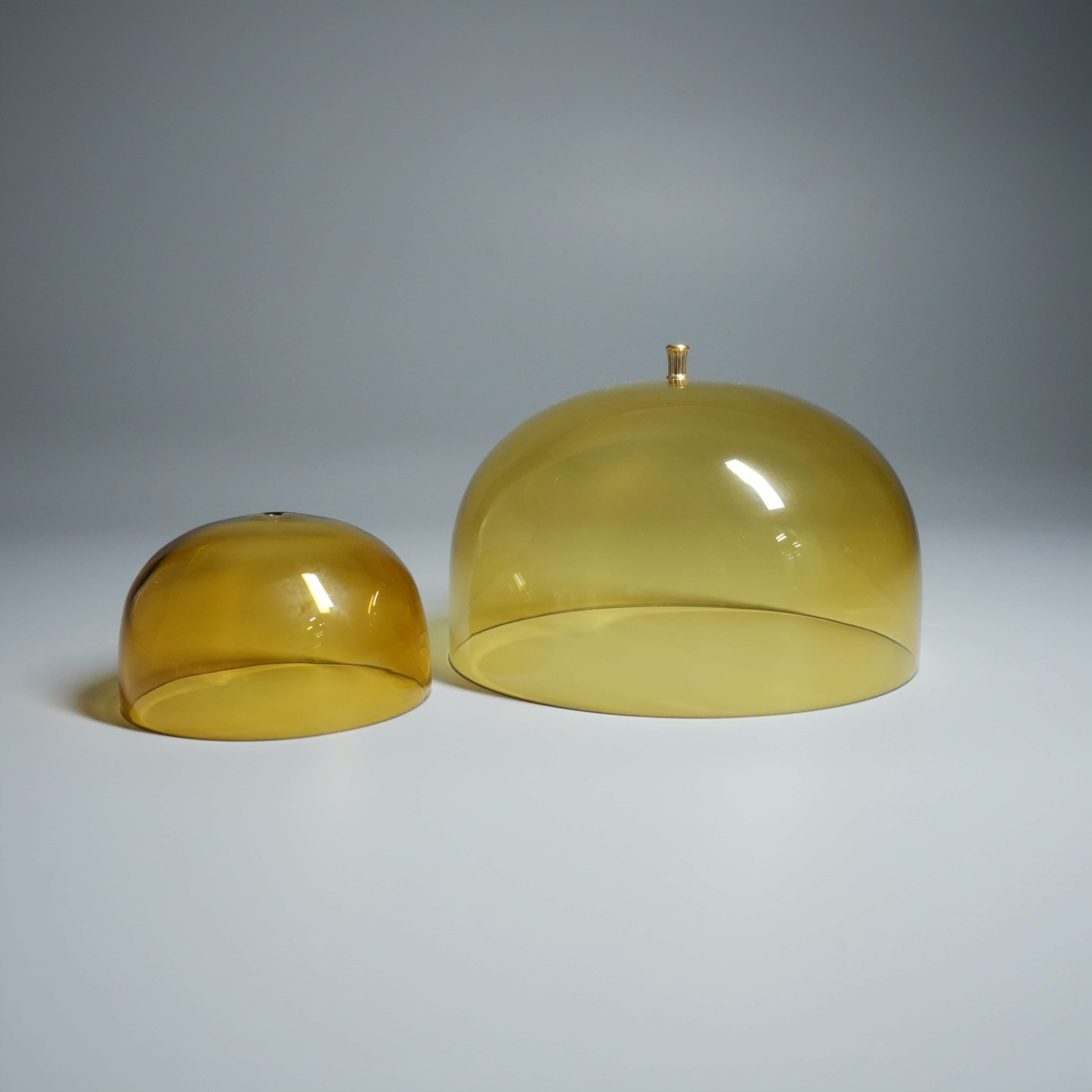
Chemical-Resistant Glass Cover for Food & Medical Equipment
Technical glass cover for food machinery, medical equipment and washdown environments where chemical resistance and cleanability matter.
View product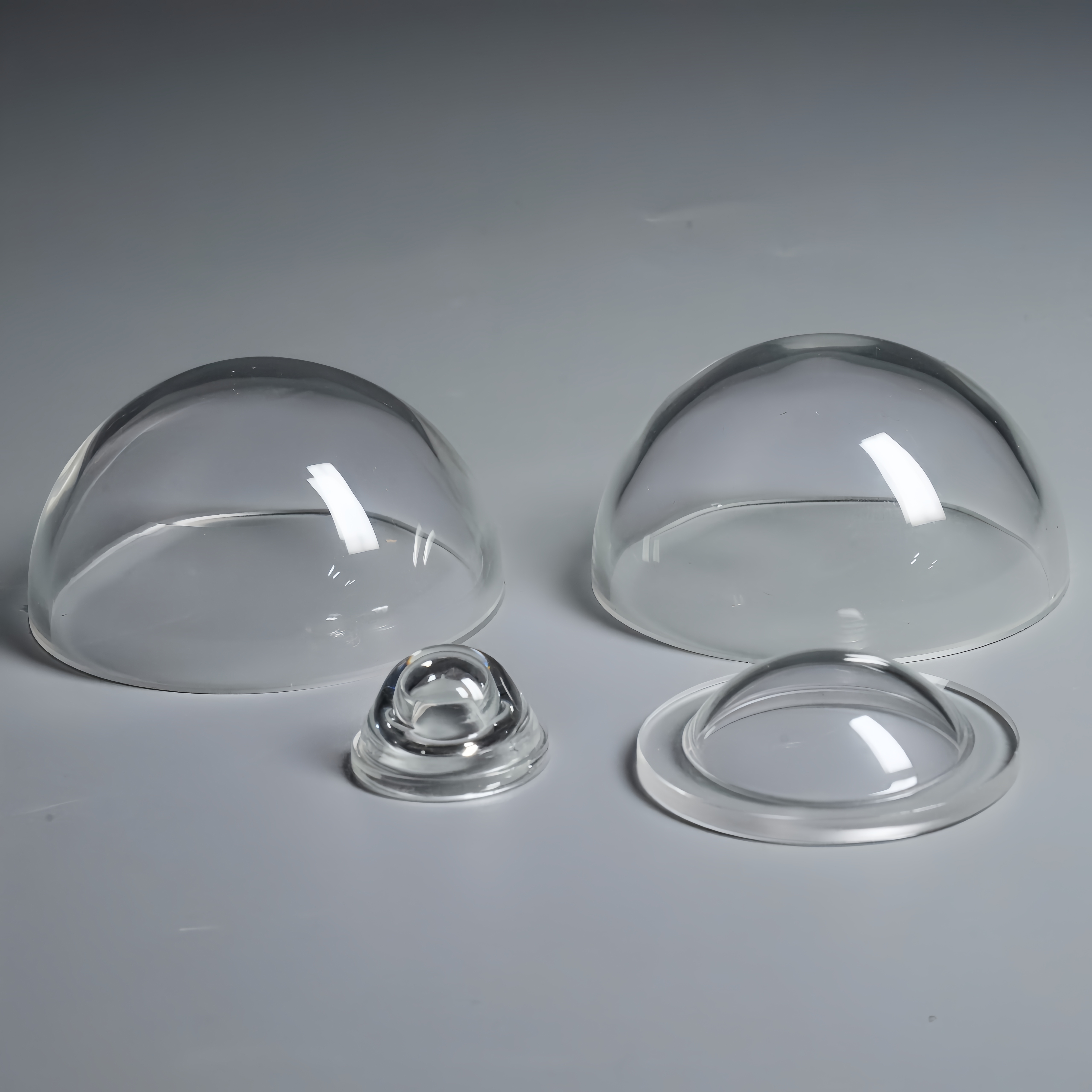
High-Pressure Optical Glass Dome for ROV / AUV
Borosilicate optical dome for underwater ROV, AUV, submersible camera housings and deep-sea lighting where pressure and optical performance meet.
View product


What Los Angeles Buyers Should Verify Before Choosing a Display Glass Manufacturer
Los Angeles has a unusually broad demand profile for technical glass. Film and television studios need heat-tolerant Fresnel lenses and replacement covers. Fixture makers serving LAX, Van Nuys, Long Beach and regional infrastructure need signal and obstruction light glass designed around photometric and dimensional targets. Port, marine, medical, food-processing, LiDAR and architectural lighting teams need glass that survives real operating conditions, not just warehouse handling.
That is why the search for Display Glass Manufacturers & Wholesalers in Los Angeles usually includes two different buying models. A local wholesaler may hold fast-moving covers and generic lenses, which helps with urgent replacement. A manufacturing partner can control glass chemistry, annealing or tempering, optical coating, color consistency, tooling and drawing-based tolerances. For many LA OEMs and distributors, the strongest supply chain combines a local distributor for service with an engineering-backed factory for custom and repeat production.
In this guide, “display glass” includes protective optical windows, optical domes, Fresnel lenses, pressed shades, signal-light covers, sight glass and other technical glass components used in display, lighting and sensing equipment. It is not ordinary flat glass. The difference becomes clear when a fixture runs hot, a gasket seals against a critical face, a sensor needs broadband transmission, or a replacement part must match the original beam pattern and color.
Where Display & Technical Glass Is Used Across Los Angeles
The same glass specification can succeed in one fixture and fail in another. Los Angeles applications place different demands on thermal shock, impact, UV exposure, salt spray, cleaning chemicals and optical transmission.
Film, TV & Stage Lighting
Los Angeles studios, rental houses and venues use high-power LED fixtures that concentrate heat near the lens. Borosilicate Fresnel lenses, AR coatings and pressed protective glass help maintain beam control and color consistency while tolerating thermal cycling.
Aviation & Obstruction Lighting
Fixtures around LAX, Van Nuys and Long Beach require stable red or clear transmission and precise dimensional fit. We produce lenses and domes for fixture programs designed to FAA L-810 expectations; the final fixture certification remains with the luminaire manufacturer.
Port, Marine & Offshore
The Port of Los Angeles and Port of Long Beach support marine, terminal and offshore service activity. Signal-light covers and domes must resist salt spray, UV exposure and temperature swings while preserving color and light output.
LiDAR, Mobility & Aerospace
Southern California mobility, robotics and aerospace teams use optical domes, hemispherical windows, prisms and coated lenses. Broadband AR coating and pressure-rated forms support sensing systems that need both environmental protection and optical accuracy.
Food, Medical & Life Science
Manufacturers in food processing, medical equipment and laboratory supply need sight glass and covers that resist cleaning chemicals and repeated washdown. Surface quality, edge finishing and documentation are as important as basic glass transmission.
Architectural & Outdoor LED
Los Angeles projects balance high lumen density, heat, impact and outdoor exposure. Pressed shades, tempered covers and borosilicate windows help fixture designers meet local durability expectations without sacrificing light distribution.
Localized Development Trends Shaping Glass Demand in Los Angeles
Procurement is becoming more technical. Buyers are not only asking for a part number; they are asking how the glass will perform over the life of the fixture, how documentation can support supplier qualification, and how quickly a replacement program can be restarted.
Higher brightness, tighter optics
Compact LED and laser sources increase surface temperature near the optic. Borosilicate 3.3 and controlled annealing reduce the risk of thermal-shock cracking in stage, outdoor and industrial fixtures.
Dual sourcing becomes normal
Los Angeles distributors and OEMs increasingly combine local stock for urgent service with a factory partner for custom production, color-matched replacement runs and engineering changes.
LiDAR and automation growth
Mobility, robotics and scientific instruments need domes and windows with broadband AR coating, dimensional stability and pressure capability. Optical drawings must be reviewed before tooling.
Documentation matters
Procurement teams request material reports, dimensional inspection records, sample measurements and packing details. Clear evidence shortens supplier qualification and reduces field returns.
Display Glass Selection Matrix for Los Angeles Fixture Projects
The right material depends on lamp surface temperature, thermal shock, impact, cleaning chemicals and the standard your fixture must meet. This comparison reflects the engineering logic our team uses during drawing review.
| Material | Thermal expansion | Typical working temperature | Key strength | Best for |
|---|---|---|---|---|
| Borosilicate 3.3 | ≈ 3.3 × 10⁻⁶/K | ≈ 450 °C | Excellent thermal-shock resistance | High-power LED Fresnel lenses, explosion-proof shades, domes |
| Tempered soda-lime | ≈ 9.0 × 10⁻⁶/K | ≈ 250 °C | High impact strength and economical cost | Outdoor covers, floodlight glass, vandal-resistant lenses |
| Fused quartz | ≈ 0.55 × 10⁻⁶/K | ≈ 1000 °C+ | High UV transmission and extreme heat tolerance | UV optics, high-temperature windows, scientific equipment |
| Optical BK7 / H-K9L | ≈ 7.1 × 10⁻⁶/K | ≈ 300 °C | Homogeneous optical properties, nd ≈ 1.517 | Precision lenses, prisms, mirrors and bandpass filters |
What our engineers check before quoting
- Wall thickness, draft and critical sealing faces
- Lamp surface temperature and thermal-shock scenario
- Required transmission, color and coating wavelength
- Impact, pressure, chemical or washdown exposure
- Existing mold availability and annual volume
- Export packing method for fragile glass
From Drawing to Delivery for Los Angeles OEM & Wholesale Programs
A controlled process matters more than a long catalog. Each checkpoint reduces the risk of a sample that fits but cannot be produced repeatably.
Drawing Review
DFM check of glass type, thickness, tolerance, draft and sealing faces.
Mold & Tooling
New or existing molds for pressing, blowing, grinding or finishing.
Sampling
Samples measured and sent for fit, light and assembly testing.
Forming
Controlled forming, annealing or tempering to manage internal stress.
Coating & QC
AR or color coating, dimensional checks and visual inspection.
Export Packing
Divider-packed cartons and palletization for sea or air freight.
Why Los Angeles Buyers Work With Tambi Glass
Shanghai Tambi Glass Industrial Co., Ltd. is a manufacturer and trading company focused on custom lighting and optical glass. The value is not only the factory price; it is the engineering review, material range, process control and export coordination behind the part.
10+ years in lighting glass
Long-term experience with heat build-up, thermal shock, impact loads and color accuracy for lighting and optical OEMs.
Drawing-based OEM / ODM
Send a 2D/3D drawing or physical sample. The team reviews manufacturability, mold options, tolerances and coating needs before production.
One supply chain, multiple processes
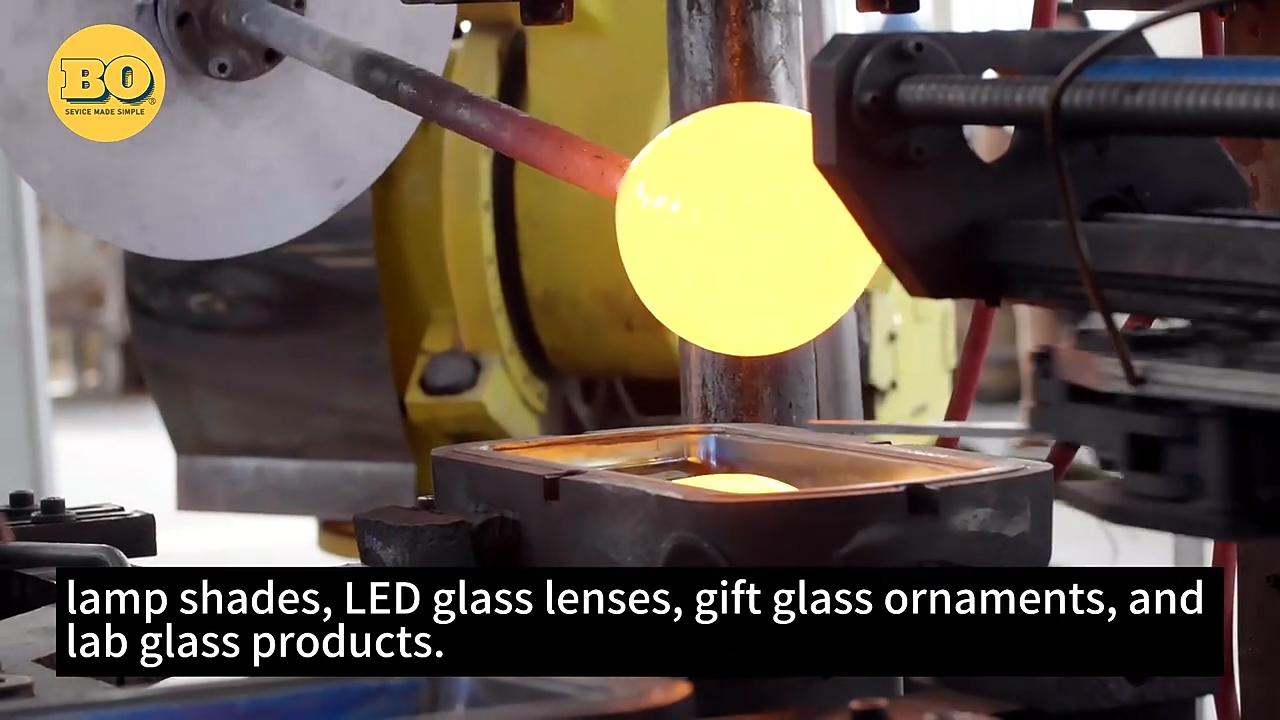
Pressed, blown, ground and coated glass can be coordinated together, reducing the friction of managing several specialty vendors.
Material breadth
Borosilicate 3.3, tempered soda-lime, fused quartz and BK7 support applications from stage lighting to pressure-rated optical domes.
Responsive technical communication
Average response time is within 6 hours. Include your drawing, operating temperature, annual volume and target delivery schedule for a faster review.
Verification and export experience
The supplier profile includes onsite verification, credit index, transaction level, trade capacity and trade history information for procurement review.
What to Include in Your RFQ for an Accurate Los Angeles Quote
A complete RFQ reduces back-and-forth and reveals risks before tooling. It also helps compare a local wholesaler quote with a factory-based custom quote on equal terms.
- 2D/3D drawing or a physical sample with key dimensions.
- Preferred material, color, transmission target and surface finish.
- Critical tolerances, sealing faces, edge quality and mounting features.
- Operating temperature, impact, pressure, UV and chemical exposure.
- AR coating, bandpass, longpass or other optical requirements.
- Target fixture standard, such as FAA L-810 or EN 50293 program needs.
- Annual volume, first order quantity and sample quantity.
- Packaging, labeling, distributor requirements and preferred freight forwarder.
Frequently Asked Questions From Los Angeles Buyers
These are the practical questions procurement, engineering and distribution teams ask before starting a custom glass program.
Are you a local Los Angeles manufacturer or wholesaler?
We are a Shanghai-based manufacturer and trading company, not a local Los Angeles storefront or warehouse. We support Los Angeles OEMs, distributors and integrators through export production. If you need immediate local stock, a local distributor can be useful; we can support that distributor with custom production, packaging and repeatable specifications.
Can Los Angeles buyers order samples before committing to production?
Yes. Most projects begin with a drawing review and sample evaluation. Sample quantity and tooling requirements depend on whether an existing mold can be used. Send your drawing, material, dimensions, coating requirement and target annual volume so the quotation can be structured correctly.
What is the typical minimum order quantity?
Typical MOQs range from about 50 pieces for optical lenses to 100–500 pieces for pressed or blown lighting covers, depending on the part and mold status. If an existing mold is suitable, lower trial quantities may be possible. Final MOQ is confirmed after engineering review.
Which glass should I choose for a high-power LED studio fixture?
Borosilicate 3.3 is often preferred when thermal shock and high lamp temperatures are the main risks. Tempered soda-lime glass can be appropriate for moderate temperatures where impact strength and cost are more important. The correct choice requires surface temperature, fixture design, cleaning method and impact exposure information.
Can you support FAA L-810 or EN 50293 lighting programs?
We produce glass lenses and domes for fixture makers whose obstruction and signal lights are designed around FAA L-810 or EN 50293 requirements. The final fixture certification is normally held by the luminaire manufacturer. We match color, transmission, dimensions and appearance, and can provide material and inspection reports on request.
How do you control color and transmission for signal-light glass?
Color and transmission are controlled through raw material selection, forming parameters, annealing or tempering practice and inspection. For critical signal programs, samples should be evaluated in your fixture and photometric system before mass production. This reduces the risk of a match that looks correct to the eye but fails the optical target.
How are fragile glass lenses and domes packed for shipment to Los Angeles?
Fragile parts are separated with foam or pulp dividers, packed in reinforced export cartons and palletized for sea or air freight. Custom packaging and labeling for distributors can be arranged. Please share your forwarder requirements early so packing and documentation can be aligned.
How quickly will I receive a technical reply?
Average response time is within 6 hours. For a faster engineering review, include a drawing or sample photo, dimensions, material preference, operating conditions, annual volume and whether you are comparing a local wholesale option with a custom factory program.
Send a Drawing for an Engineering Review
Share your dimensions, glass type, operating temperature, coating requirement, annual volume and Los Angeles delivery plan. Our team will review manufacturability and recommend a practical display glass solution for your fixture, distributor program or sensing assembly.
info@tambiglass.com
Send an InquiryAverage technical response within 6 hours. Drawing-based OEM / ODM. Export packing and inspection support available.