Display Cover Glass Factories & Wholesaler for the Vietnam Market
Engineered borosilicate, tempered and optical glass components for Vietnam’s display, LED lighting, aviation, marine, industrial and sensing supply chains—drawing-based OEM/ODM supply from Shanghai.
8 Display Cover Glass & Optical Components Recommended for Vietnam Buyers
For Vietnamese distributors, luminaire brands, display integrators and industrial OEMs, the best cover glass is not simply the cheapest sheet. It must control thermal shock, moisture ingress, UV exposure, salt fog and optical loss in a tropical monsoon climate. These eight products are practical building blocks for display, lighting and sensing assemblies; each can be customized in dimension, coating, edge treatment and packaging.
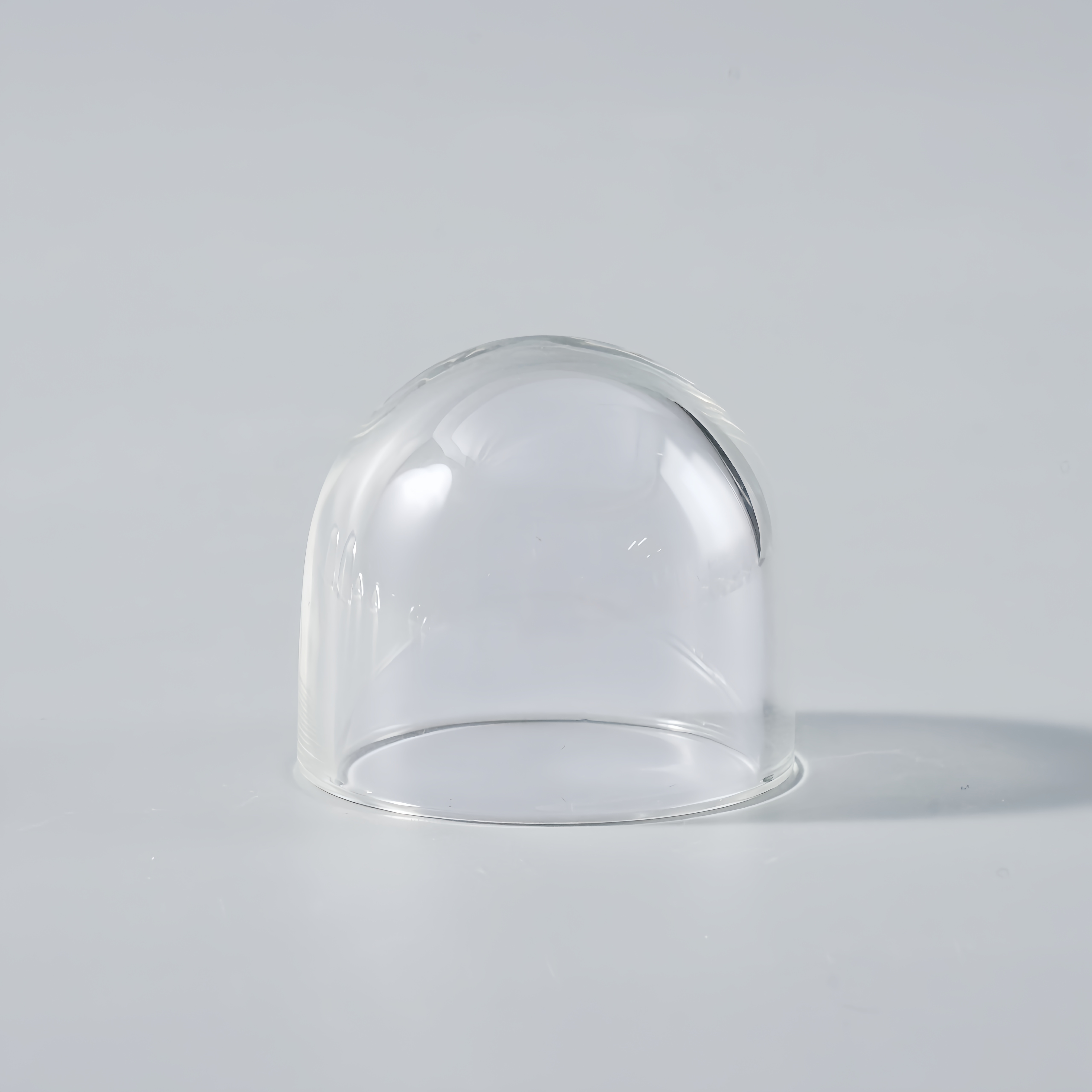
Customizable OEM Optical Glass Domes with Broadband AR Coating for LiDAR
Precision hemispherical windows for protected optical paths, scientific instruments and compact sensing modules.
- Broadband AR coating
- OEM diameter and radius
- Optical inspection support
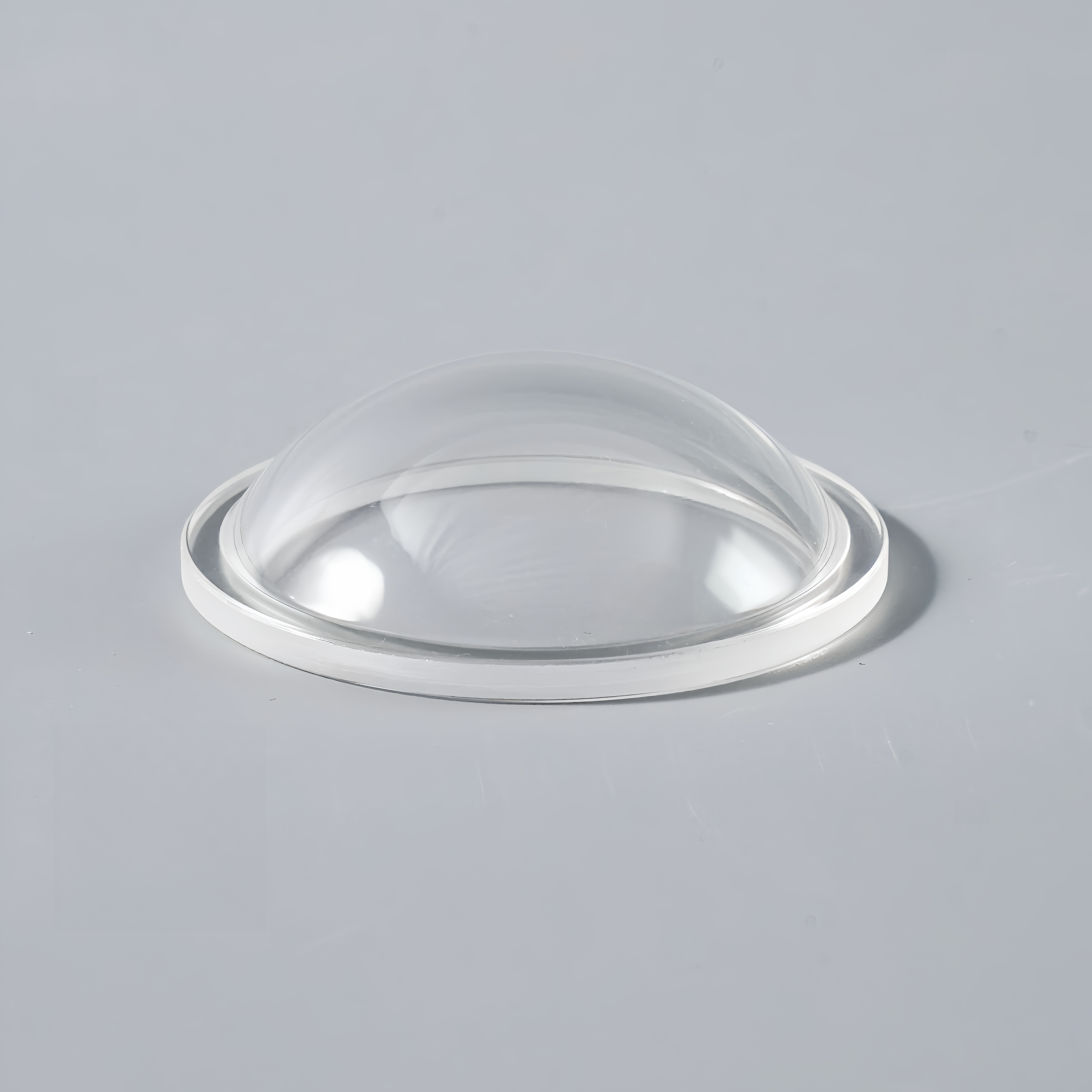
High-Light Transmission Clear Borosilicate Glass Dome Lens for LED Outdoor Lighting
Heat-resistant dome lenses for outdoor luminaires, display lighting and architectural fixtures in humid and coastal environments.
- High light transmission
- Impact and scratch options
- OEM dimensions
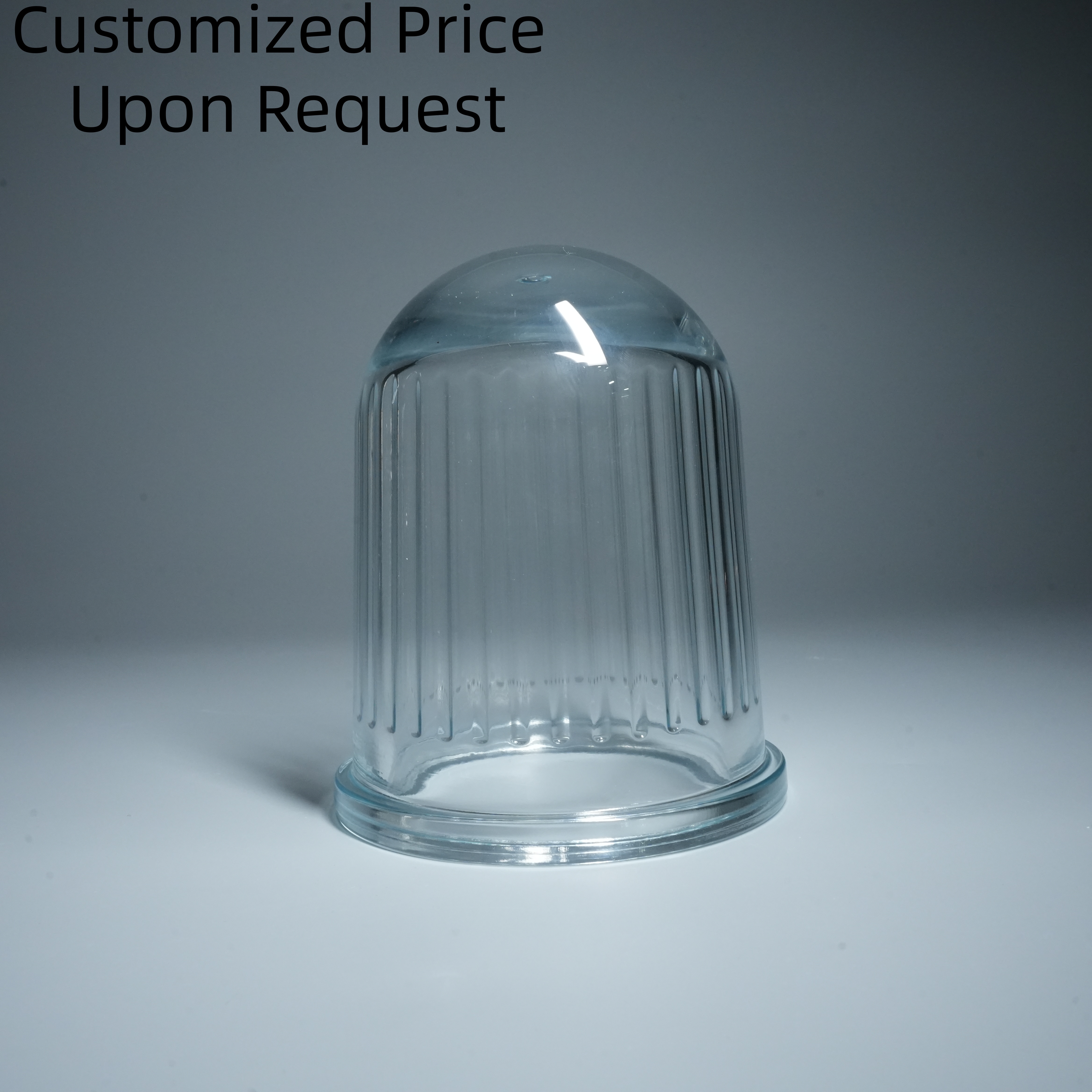
Borosilicate Transparent Explosion-Proof Protective Shade
Heat-resistant and crack-proof protective covers for chemical, oil and gas, cement and heavy industrial lighting.
- Borosilicate 3.3 options
- Thermal-shock resistance
- Custom sealing faces
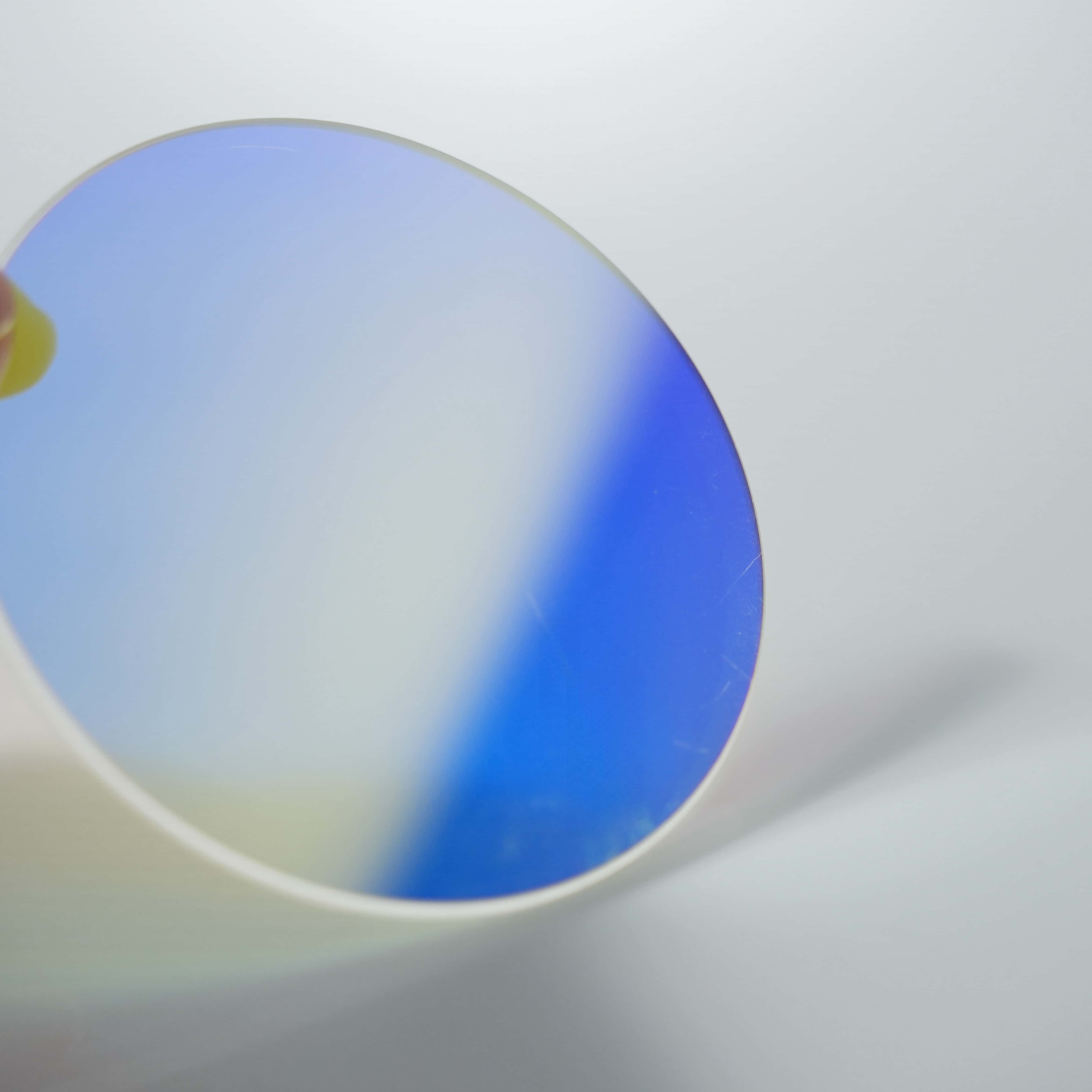
Optical Borosilicate Longpass / Shortpass Filter 500–700 nm
AR-coated filters for spectroscopy, industrial sensors and display colour control, with custom wavelength and diameter.
- 500 / 600 / 700 nm options
- Cut-edge finishing
- Custom AR coating

Custom BO-GLASS, Quartz, BK7 & K9 Right-Angle Prism
90-degree prisms for optical path folding, alignment and compact display or sensor assemblies.
- AR-coated options
- ODM / OEM dimensions
- 3-year supply planning
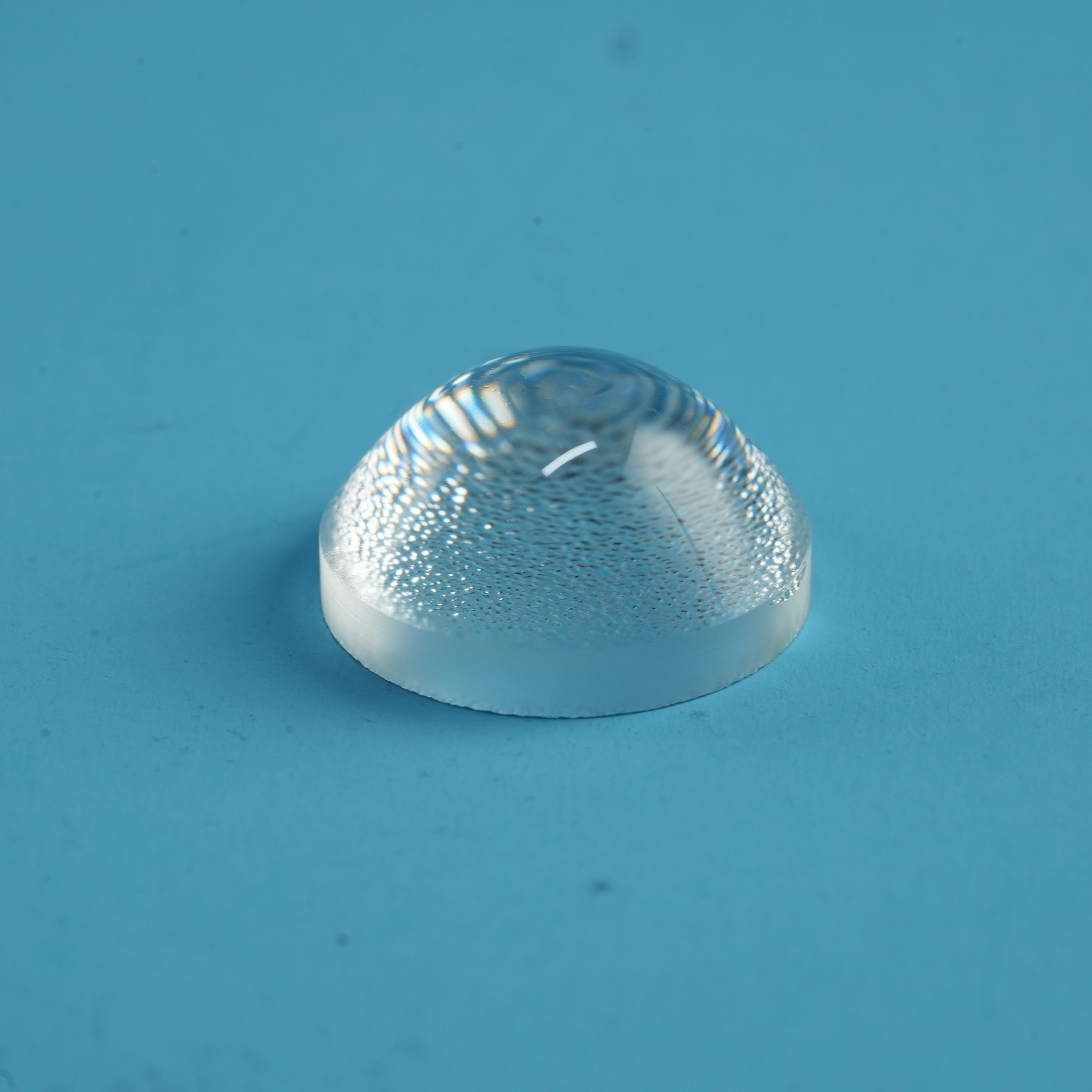
Precision BK7 / K9 Aspherical Lens, 0.5–25 mm, AR Coated
AR-coated aspherical lenses for collimation and imaging in compact LED, display and sensing modules.
- Diameter 0.5–25 mm
- Anti-reflective coating
- MOQ from 100 pcs
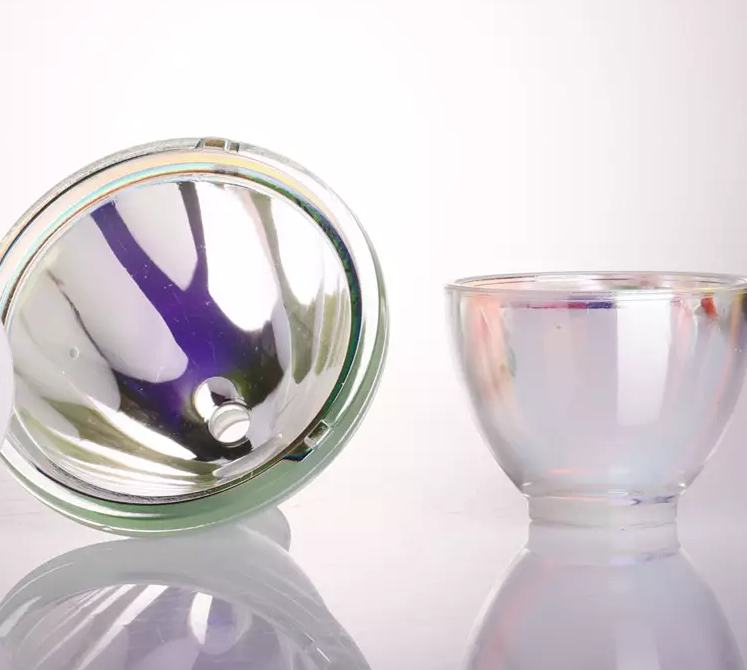
Deep COB Glass LED Reflector Bowl for Spotlights
Reflector bowls for spotlights, projection and architectural lighting where beam control and glare reduction matter.
- 20 / 60 / 90 beam angles
- Deep optical design
- OEM project support
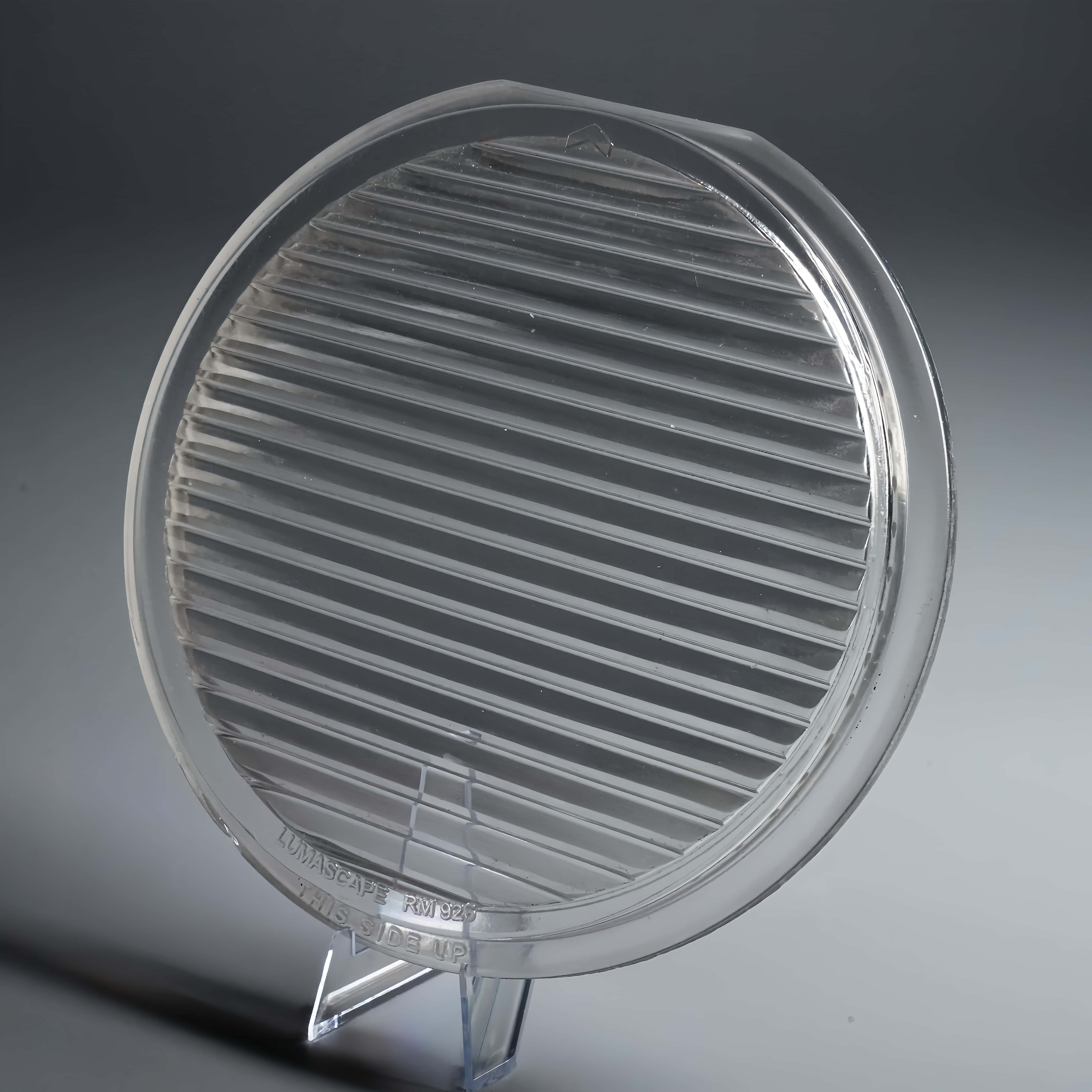
Custom Pressed Borosilicate Headlight Glass Lens Cover
Heat-resistant pressed glass covers for headlights, work lights and outdoor fixtures requiring custom size and shape.
- Pressed-mold tooling
- Heat-resistant borosilicate
- Custom surface finish
Need a custom dimension, coating, private-label pack or distributor-ready wholesale program? Get a Quote
Why Vietnam Is a Strategic Market for Display Cover Glass
Vietnam is no longer only a final-assembly location. Hanoi, Bac Ninh, Hai Phong, Da Nang, Binh Duong and Ho Chi Minh City now support a dense network of electronics, LED lighting, automotive, industrial equipment and smart-city projects. Display cover glass sits at the visible boundary of those systems: it protects the optical stack, carries the first impact load, and influences light transmission, colour consistency, glare control and perceived product quality. For procurement teams, the sourcing decision therefore links glass composition, forming method, coating, edge quality, packaging and logistics into one total-cost model.
Vietnam’s tropical monsoon climate exposes cover glass to humidity, salt fog, UV radiation, sudden rain and high operating temperatures. In coastal and port areas, salt spray can accelerate seal degradation; in outdoor signage and LED luminaires, thermal shock can crack covers if the wrong glass is specified; in industrial zones, dust, vibration and chemical exposure add risk. A borosilicate glass cover or a tempered soda-lime cover may look similar in a photograph, but their thermal expansion, impact behaviour and optical stability differ significantly. This is why drawing-based engineering is more valuable than a generic catalogue.
Display cover glass factories serving Vietnam also need wholesale discipline: repeatable dimensions, stable coating colour, safe export packaging, clear labels for local distributors, and support for mixed models. The best supplier is not necessarily the one with the largest inventory, but the one that can document the material, review the drawing, maintain the mold and ship consistently from batch to batch. For Vietnam, the lowest unit price is rarely the lowest total cost when breakage, field returns and project delays are counted.
How Display Glass Procurement in Vietnam Is Changing
Four shifts are shaping supplier selection for Vietnamese integrators, contractors and distributors.
Local assembly is moving up the value chain
Vietnam’s electronics, LED lighting and automotive supply base is expanding across key industrial provinces. More local integrators now specify glass covers, lenses and windows directly instead of buying only finished fixtures.
Outdoor specifications are becoming stricter
Monsoon rain, UV exposure, salt fog and higher LED power density are pushing buyers toward borosilicate or properly tempered glass, controlled edge quality and verified coatings for airports, ports and coastal projects.
Smaller first batches, faster model changes
Brands and project contractors want to validate a model before committing to annual volume. Flexible sampling and practical MOQs—often 50 to 500 pieces depending on the product and mold—help teams test fit, sealing, light output and packaging.
Supplier verification enters the procurement scorecard
Procurement teams increasingly check onsite verification, trade capacity, transaction records and buyer reviews before approving a factory. Material reports, inspection records and stable export packaging reduce qualification work.
Where Display Cover Glass and Optical Components Are Used in Vietnam
Different applications stress glass in different ways. Material, thickness, coating and edge finish should be selected from the operating environment—not from a catalogue image.
Outdoor LED display and digital signage
Street-facing displays, kiosks, control-room screens and public information panels face rain, dust, traffic vibration and UV. Cover glass must protect the optical stack while resisting scratches and thermal shock. Domes, protective shades and custom covers can be specified to the housing and gasket.
Airport and aviation lighting
Airport projects around Hanoi, Da Nang, Cam Ranh, Phu Quoc and Ho Chi Minh City require signal reliability. Red and clear glass lenses, tempered domes and heat-resistant borosilicate components can be matched to fixture designs intended for FAA L-810 or EN 50293-related performance; final fixture certification remains with the luminaire maker.
Marine, port and offshore lighting
Salt spray, wind-driven rain and continuous vibration stress covers at Hai Phong, Cai Mep, Vung Tau and offshore facilities. Handblown or pressed glass with stable colour and thick sealing faces helps maintain navigation signal visibility and reduce seal degradation.
Industrial and hazardous-area lighting
Oil and gas, chemicals, cement, steel and manufacturing sites need explosion-proof shades and protective covers that survive heat and impact. Borosilicate 3.3, tempered glass and precise annealing are selected around the fixture’s temperature and risk zone.
Stage, architectural and smart-city lighting
Hotels, retail, theatres and public lighting projects require controlled beams and clean visual finishes. COB reflector bowls, Fresnel-type optics and AR-coated lenses improve glare control and colour consistency in high-power LED systems.
LiDAR, robotics and horticulture
Vietnam’s automation, agri-tech and greenhouse sectors are adopting more optical sensing. AR-coated domes, prisms and filters support LiDAR, spectroscopy, machine vision and full-spectrum horticultural lighting where transmission and coating durability matter.
How to Specify Display Cover Glass for Vietnam’s Climate and Assembly Lines
Specification should begin with the operating environment, not the glass name. For outdoor Vietnam projects, request a material, thickness and coating combination reviewed against surface temperature, rain exposure, cleaning chemicals and mounting pressure.
| Material | Thermal expansion (×10⁻⁶/K) | Typical max. working temp. | Key strength | Best for |
|---|---|---|---|---|
| Borosilicate 3.3 | ≈ 3.3 | ≈ 450 °C | Excellent thermal-shock resistance | Explosion-proof shades, high-power LED covers, Fresnel lenses |
| Tempered soda-lime | ≈ 9.0 | ≈ 250 °C | High impact strength, economical | Outdoor covers, floodlight glass, vandal-resistant lenses |
| Fused quartz | ≈ 0.55 | ≈ 1000 °C+ | UV transmission, extreme heat | UV optics, high-temperature windows |
| Optical BK7 / H-K9L | ≈ 7.1 | ≈ 300 °C | Homogeneous, nd ≈ 1.517 | Precision lenses, prisms, mirrors, filters |
Thermal expansion reference for material selection
Typical reference values. Lower thermal expansion is generally better for thermal-shock resistance, but thickness, edge quality, annealing and the complete fixture design still determine field performance.
For display cover glass, three checks are especially useful: edge quality and micro-chips; coating adhesion after humidity; and gasket compression versus cover flatness. For lighting covers, ask for annealing or tempering records and confirm the sealing face. For optical parts, specify wavelength, transmission, surface quality and AR band. Add the destination port, annual volume and packaging requirement to the RFQ so the factory can quote a landed-cost-friendly solution rather than a bare ex-works price.
Common Questions from Vietnamese Buyers and Distributors
These are the questions procurement teams, lighting brands, display integrators and local distributors ask most often when sourcing display cover glass from China.
Can you manufacture display cover glass and optical components to our drawing?
Yes. Most projects are drawing-based OEM/ODM. Send a 2D/3D drawing or a physical sample with dimensions, tolerances, glass type, colour, coating, edge finish, sealing face and annual volume. Engineers review wall thickness, draft, optical path, thermal load and packaging before tooling. If the drawing is incomplete, we can propose a practical specification for your review.
What is the typical MOQ for a Vietnam wholesale order?
Typical MOQs range from 50 pieces for optical lenses to 100–500 pieces for pressed or blown covers, depending on whether an existing mold can be used. Sample quantities are available. Distributors planning mixed-SKU programs should discuss annual volume, carton labelling and repeat-order scheduling early.
Which glass should I choose for Vietnam’s hot, humid and coastal climate?
Borosilicate 3.3 is often preferred for high lamp temperatures and sudden rain contact because its thermal expansion is low. Tempered soda-lime can be cost-effective for moderate temperatures where high impact strength is the main concern. For salt-fog areas, specify the sealing, coating and cleaning regime as well as the glass type.
Can I get samples for fit, light and thermal testing?
Yes. Sampling is a normal checkpoint. Provide the mating housing, gasket drawing, lamp power and expected surface temperature so the sample can be reviewed in context. We confirm dimensions, coating, marking and packaging before mass production.
Do you supply glass for FAA L-810, ICAO or EN 50293-related fixtures?
We produce lenses and domes for fixture makers whose signal and obstruction lights are designed around those requirements. The final certification is held by the luminaire manufacturer. We match colour, transmission and dimensions, and can provide material and inspection reports on request.
How do you ship fragile glass to Vietnam?
Parts are separated with foam or pulp dividers, packed in reinforced export cartons and palletized for sea or air freight. Shanghai ports connect to Ho Chi Minh City, Hai Phong, Da Nang and Cai Mep. Share your preferred Incoterm and forwarder so the quotation can reflect the correct packaging and delivery scope.
What is the average response time for technical questions?
Our average response time is within 6 hours. Include the drawing, target annual volume, destination port and any test standard in the first message to shorten the review. Email info@tambiglass.com or use the quote button.
Can you support distributors with repeat orders and private labels?
Yes. Wholesale programs can include consistent carton labels, distributor part numbers, mixed-model packs and scheduled repeat orders. Reusing an approved mold helps control unit cost and maintain dimensional consistency across batches.
How do I compare a China factory with a local Vietnam wholesaler?
A local wholesaler may offer fast small-quantity delivery, but can add margin and reduce visibility into material and coating changes. A factory-direct supplier can support drawing review, mold ownership and batch traceability. Many Vietnam buyers use a hybrid model: factory-direct for custom or volume parts, local stock for urgent replacement.
What should I include in an RFQ?
Send the drawing or sample, glass material or operating condition, dimensions and tolerances, surface and coating requirement, colour, annual volume, sample quantity, inspection standard, destination port and packaging requirement. This lets the factory quote a usable production solution instead of a placeholder price.
Why Vietnamese Buyers Work with Shanghai Tambi Glass
A reliable display cover glass wholesaler needs more than a product photo. It needs engineering review, controlled forming, coating discipline, safe export packing and documentation that procurement teams can defend.
Shanghai Tambi Glass Industrial Co., Ltd. is a manufacturer and trading company focused on lighting and optical glass. The team has more than ten years of experience, with 11–50 people and annual export revenue in the US$2.5M–5M range. The company works in drawing-based OEM/ODM, combining pressed, blown, ground and coated processes. Senior lighting and molding engineers review wall thickness, draft, sealing faces, optical path alignment and thermal load before tooling.
The company serves long-term partners in Europe, North America and Japan, and provides onsite-verified supplier records, credit information, transaction level and buyer reviews for procurement due diligence. For Vietnamese buyers, this means a supplier that can support both a first sample and a repeat wholesale program—not only a one-off marketplace transaction.



Drawing-led engineering before tooling
Senior lighting and molding engineers review wall thickness, draft, sealing faces, optical path alignment, tolerance stack-up and thermal load. This DFM step helps prevent a visually correct sample from failing in the fixture.
Material and process breadth
Borosilicate, tempered soda-lime, fused quartz and BK7/K9 can be paired with pressed, blown, ground and coated processes. AR coating, bandpass and longpass filters, colour matching and precision prism work are handled in one supply chain.
Thermal and optical performance focus
Experience covers heat build-up behind high-power LEDs, thermal shock from rain on hot covers, impact loads in hazardous areas and colour accuracy for signal lights. The glass is specified around the luminaire, not sold as a generic sheet.
Flexible sampling and wholesale MOQs
Sample quantities and MOQs from 50 to 500 pieces, depending on product and mold status, support pilot builds in Vietnam before annual-volume release. Distributors can plan phased launches without committing to a container too early.
Export packing and documentation
Fragile parts are separated by foam or pulp dividers, packed in reinforced cartons and palletized. Custom packaging, labels and inspection reports help importers, contractors and local distributors receive a production-ready shipment.
Verifiable supplier records
Third-party onsite assessment, credit index, transaction level, trade capacity, trade history and buyer reviews are available for procurement due diligence. Video calls and audits are welcome, which supports internal supplier approval and E-E-A-T expectations.
From Vietnam RFQ to Production-Ready Glass in Six Controlled Steps
Clear checkpoints mean fewer surprises between sample approval and mass production.
Drawing review
Confirm dimensions, tolerances, material, coating, sealing face, operating temperature and annual volume.
Mold and tooling
Select an existing mold or propose a new pressed, blown or ground tooling route for approval.
Sampling
Measure samples and send them for fit, sealing, light output and thermal testing in your fixture.
Forming and annealing
Run controlled forming, annealing or tempering to relieve stress and reduce field cracking risk.
Coating and QC
Apply AR or colour coating, then check dimensions, transmission, appearance, edge quality and labels.
Export packing
Separate parts with dividers, reinforce cartons and palletize for sea or air shipment to Vietnam.
Six Checks Before You Approve a Display Cover Glass Supplier
Use this checklist to compare quotations on total project risk rather than piece price alone.
Drawing and tolerance stack: Confirm what the glass must seal against, how the gasket compresses and which dimensions are critical.
Operating conditions: Record lamp power, surface temperature, humidity, salt-fog exposure, cleaning agents and impact risk.
Optical requirements: Define transmission, colour, AR band, haze, surface quality and any filter wavelength.
Inspection criteria: Agree on edge chips, bubbles, scratches, coating appearance and sampling plan before mass production.
Packaging test: Review divider design, carton strength, pallet pattern and distributor labels for Vietnam delivery.
Repeat-order plan: Clarify mold ownership, approved sample retention, annual volume forecasts and lead-time expectations.
Request a Vietnam-Specific Display Cover Glass Quotation
Send your drawing, target annual volume, operating temperature, coating requirement and destination port to info@tambiglass.com. Our engineering team will review manufacturability, recommend a glass material and propose a practical sample-to-production plan for the Vietnam market.
Average technical response within 6 hours. Factory audit and video review welcome.